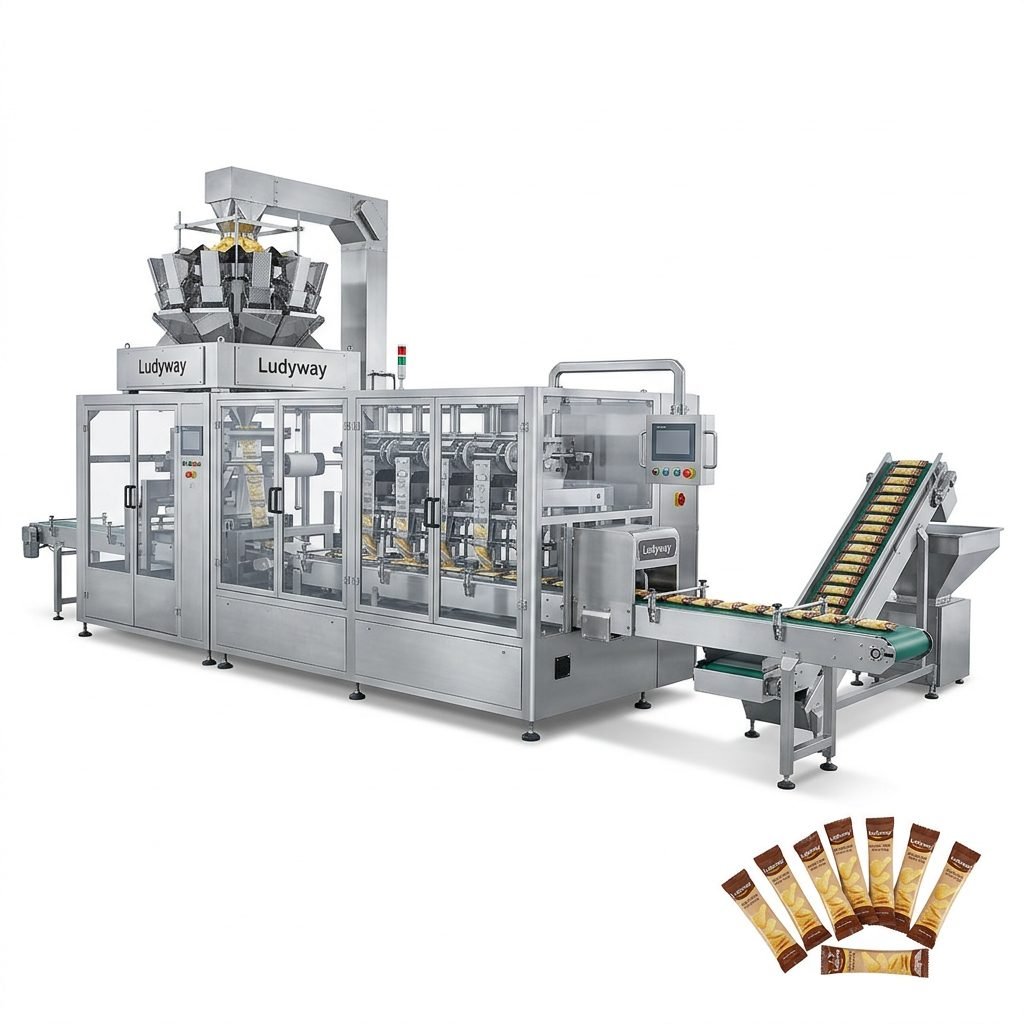
Selecting the right vacuum packaging machine is critical for food producers, exporters, and processors across South America. The continent’s booming agricultural and protein sectors demand equipment that not only extends shelf life but also complies with rigorous international food safety standards. This comprehensive buying guide walks you through the essential factors, helping you choose equipment that matches your production goals and regional market demands.

Understanding Vacuum Packaging Technology
Vacuum packaging removes air from the package prior to sealing. By eliminating oxygen, it significantly reduces spoilage and extends product freshness. This method is widely adopted across South America for meat, cheese, coffee, and produce. When evaluating a packaging machinery investment, understanding the difference between nozzle vacuum sealers and chamber vacuum sealers is fundamental.
Chamber machines are ideal for high-moisture products and liquids. Nozzle machines, on the other hand, are often better suited for dry, granular bulk packaging. Your choice directly impacts packaging speed and seal integrity, two non-negotiable metrics for regional logistics.
Key Benefits for South American Producers
- Extended Shelf Life: Reduces waste in transit from processing hubs to urban centers.
- Enhanced Hygiene: Creates a sterile barrier against external contaminants during export.
- Cost Efficiency: Minimizes product shrinkage and allows for bulk transportation of frozen goods.
- Market Access: Meeting packaging regulations is mandatory for reaching global markets.

Analyzing the South American Market Trends
The demand for vacuum packaging equipment in Brazil, Argentina, Chile, and Colombia is surging. This growth correlates with the rise in protein exports and the modernization of local food processing facilities. According to the State of the Industry Reports, Latin America is investing heavily in automated packaging lines to combat labor shortages and improve consistency.
Key drivers include the booming beef and poultry export market, and a growing consumer preference for portion-controlled packaging. Furthermore, the shift towards sustainable flexible packaging materials is pushing manufacturers to seek compatible high-speed vacuum solutions.
Critical Factors When Choosing a Machine
Before contacting a supplier, define your production capacity and product sensitivity. Not every machine fits every product. Below is a breakdown of core technical specs to analyze:
| Selection Criteria | Chamber Vacuum Sealer | External Nozzle Sealer |
|---|---|---|
| Best For | Liquids, marinated meats, wet sauces | Dry powders, grains, solid frozen blocks |
| Vacuum Level | Very high (99.9%+ air removal) | High (variable, depends on nozzle) |
| Speed | Moderate (batch processing) | High (semi-continuous flow) |
| Maintenance | Requires regular oil changes for pump | Less intensive, easily washable |
Single Chamber vs. Double Chamber vs. Belt Driven
The choice between these machine types dictates your line’s throughput. A single chamber machine is perfect for small butcher shops or startups testing the market. For medium-scale processors exporting to neighboring countries, a double chamber model balances price and performance. High-volume exports, however, demand automatic belt-driven vacuum machines that fully integrate with ISO packaging standards.

Pump Quality: The Heart of the System
Never underestimate the importance of the vacuum pump. In South America’s humid and often dusty environments, oil-lubricated rotary vane pumps generally offer top-tier performance but require strict maintenance schedules. Dry pumps are gaining traction for medical and high-purity applications. Always verify the pump’s duty cycle rating for your specific shift structure.
Common Buying Mistakes to Avoid
- Ignoring the seal bar length—ensure it accommodates your widest bag size.
- Underestimating future throughput—choose a machine with 20% more capacity than currently needed.
- Overlooking the cost of consumables, specifically embossed or laminated vacuum bags.
- Forgetting to check local voltage requirements (220V/380V three-phase common in South America).
Evaluating Build Quality for Latin America
Marine-grade stainless steel (SUS 304 or higher) is non-negotiable. Salt, acidity from beef processing, and humidity demand corrosion resistance. Look for robust control panels—ideally PLC systems with touch screen interfaces. Reliable packaging machine manufacturers with experience in international shipping ensure your equipment arrives calibrated and ready for operation.
Ludyway is one of the largest packaging machine manufacturers in China, specializing in advanced packaging equipment and turnkey production solutions for the food, pharmaceutical, and health industries, serving customers in over 100 countries and regions.
Automation and Integration Considerations
Can the vacuum sealer integrate with your existing conveyor scales or filling machines? In South America, many factories are moving toward full turnkey lines. A machine supporting gas flushing (Modified Atmosphere Packaging) adds significant value. MAP is essential for delicate products like fresh pasta, baked goods, and certain snacks, preserving texture and shape during automated packaging processes.

After-Sales Support and Spare Parts
Downtime is a silent killer of margins. When buying for operations in remote processing plants in Patagonia or the highlands of Peru, rapid spare parts access is critical. Prioritize suppliers who offer remote technical diagnostics and maintain local inventory hubs. Always request a comprehensive training manual in Spanish or Portuguese to facilitate operator education.
Compliance and Safety Standards
Your vacuum packaging machine must comply with international safety benchmarks. Look for CE certifications, and ensure the sealing integrity matches ISO 11607 packaging protocols, which are crucial for medical and food-grade operations. Adherence to these standards streamlines cross-border trade and satisfies the strict inspection criteria of export destinations.
Related Resources: