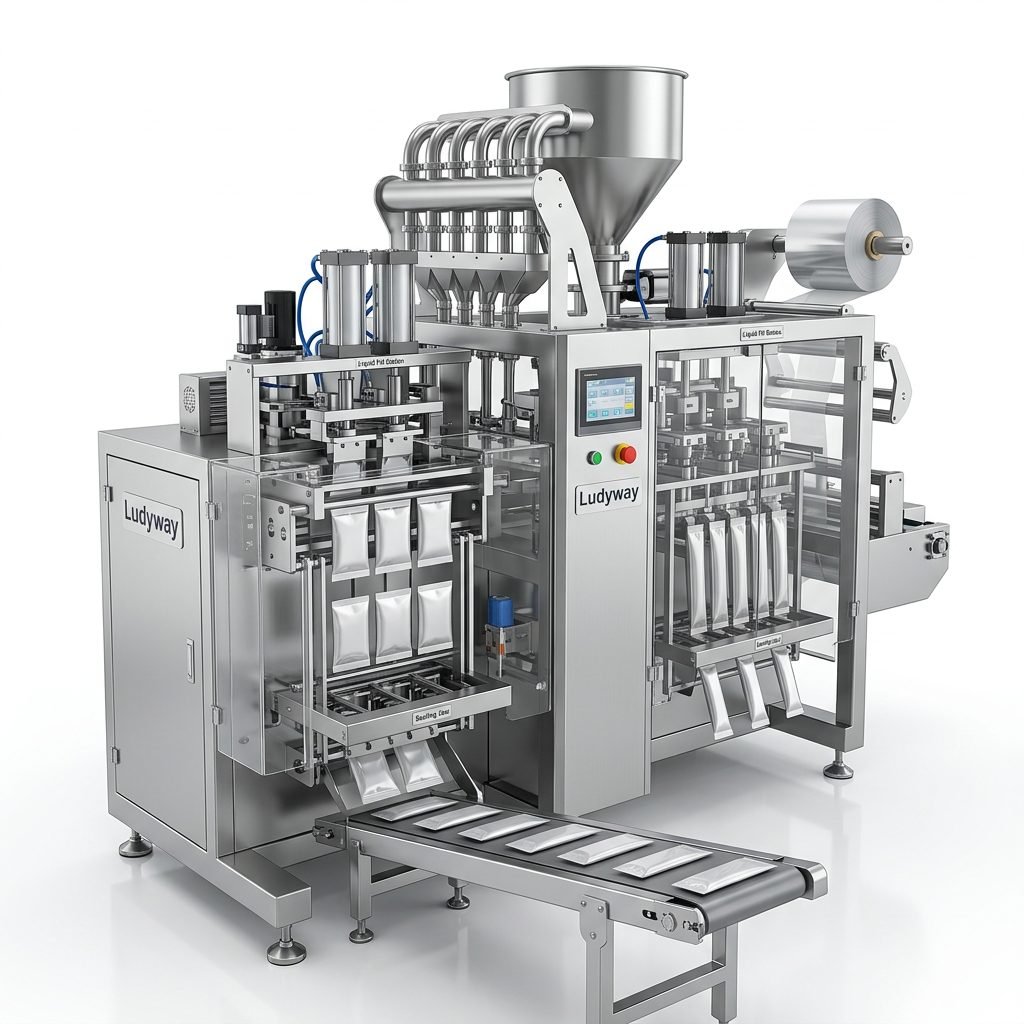
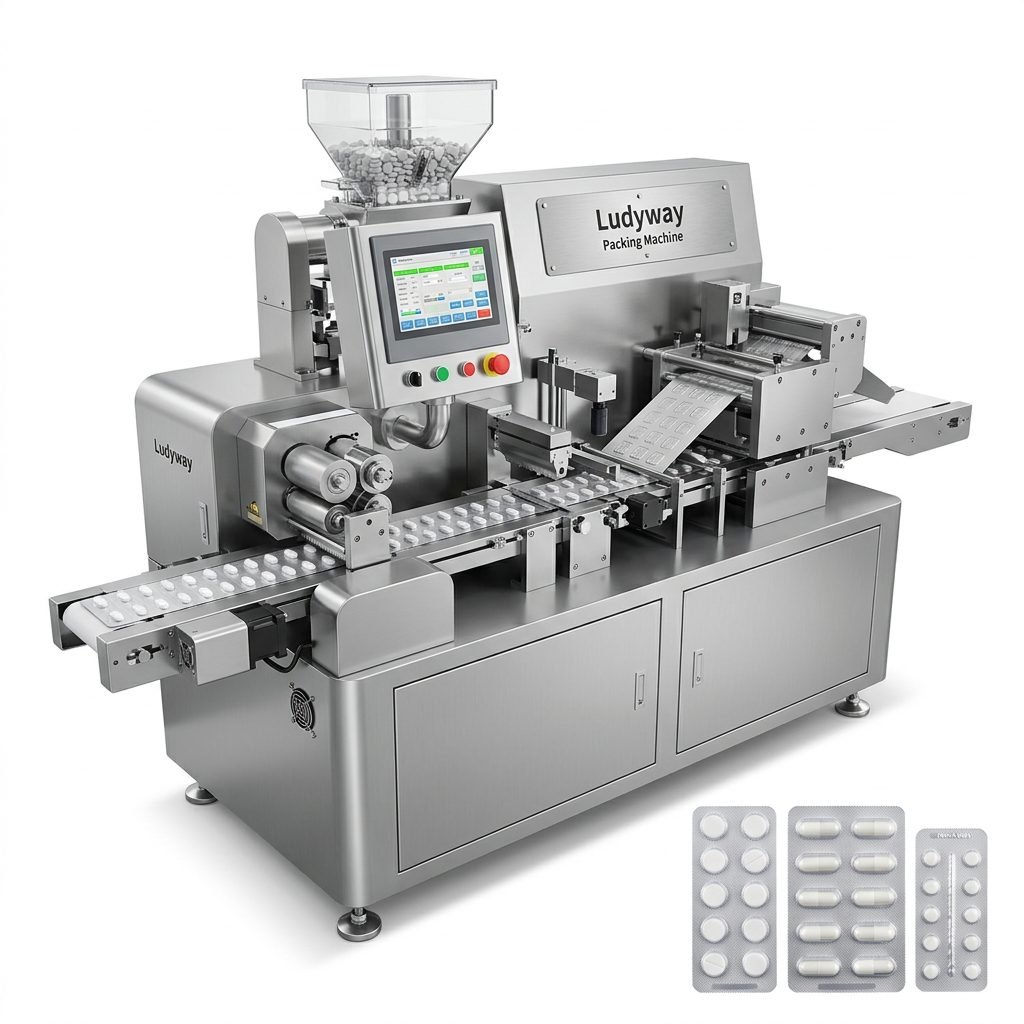
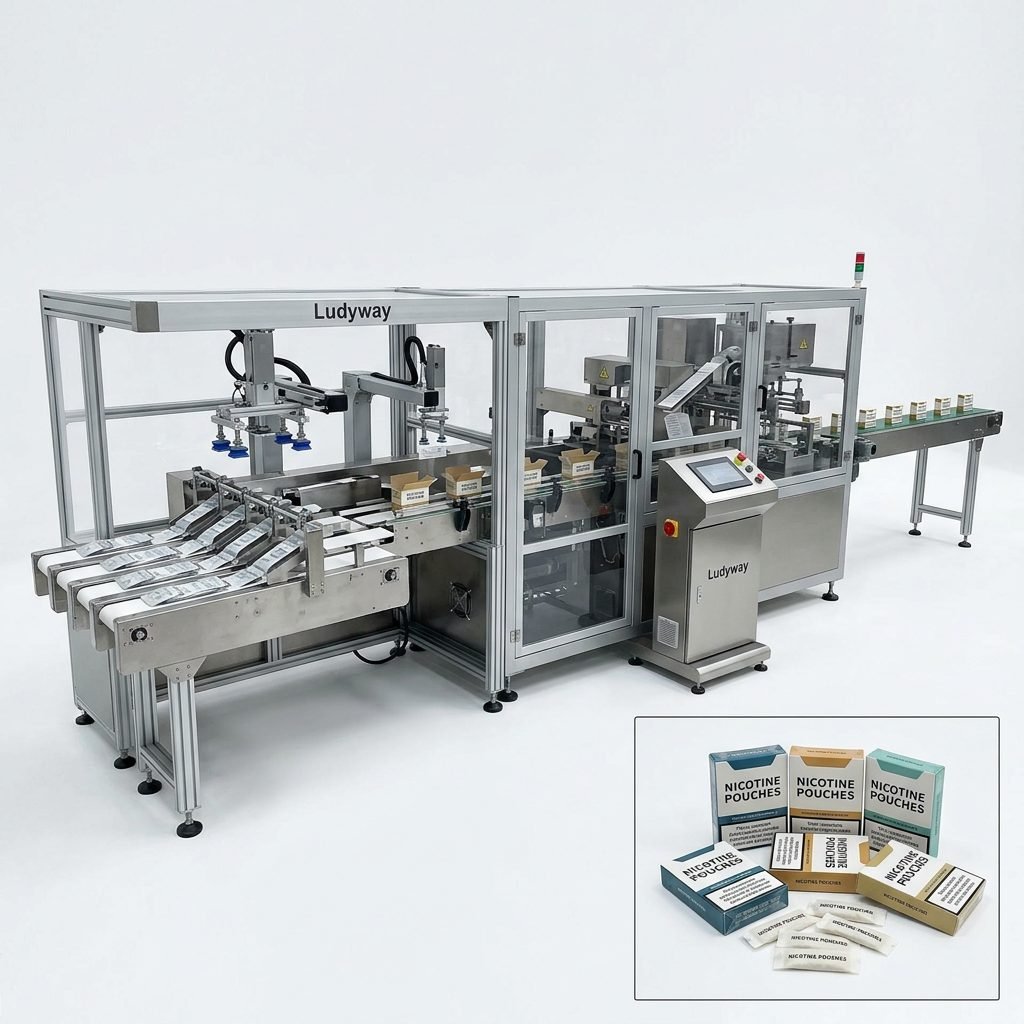
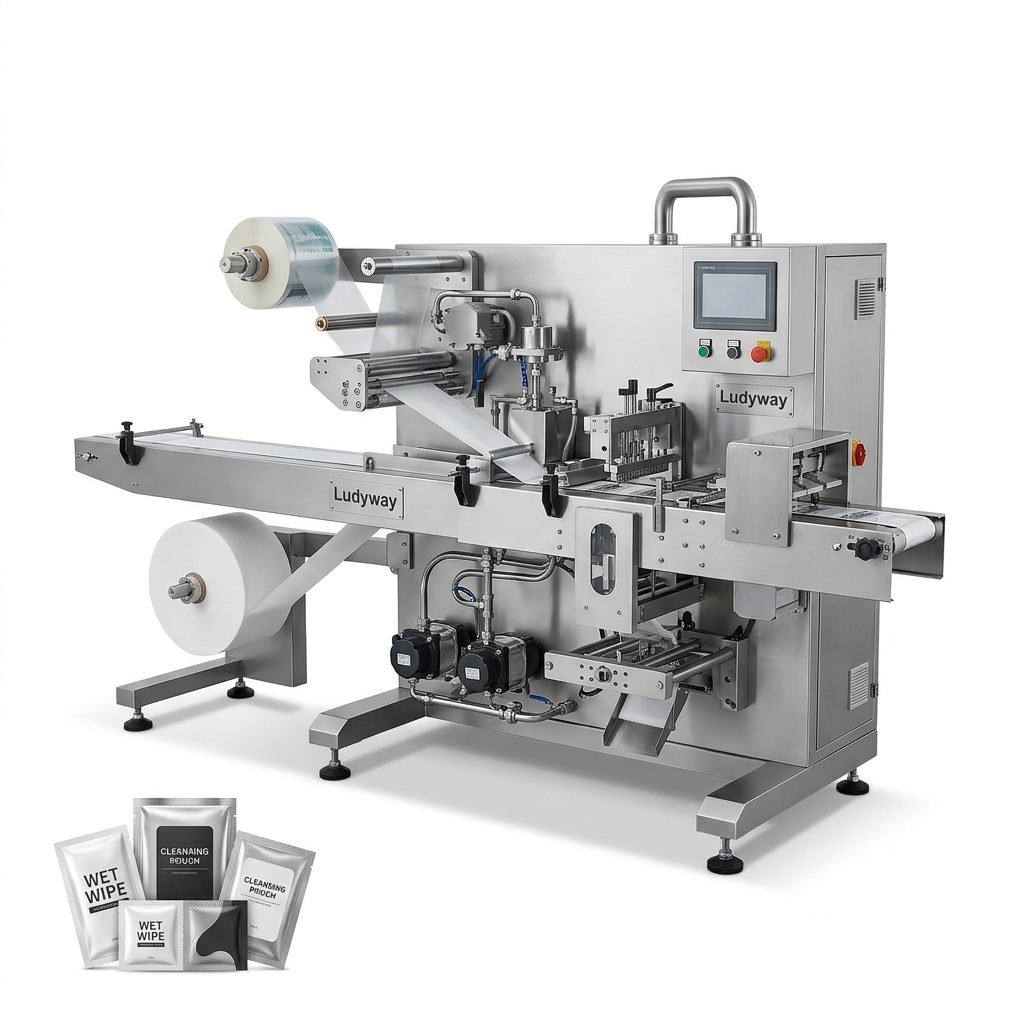
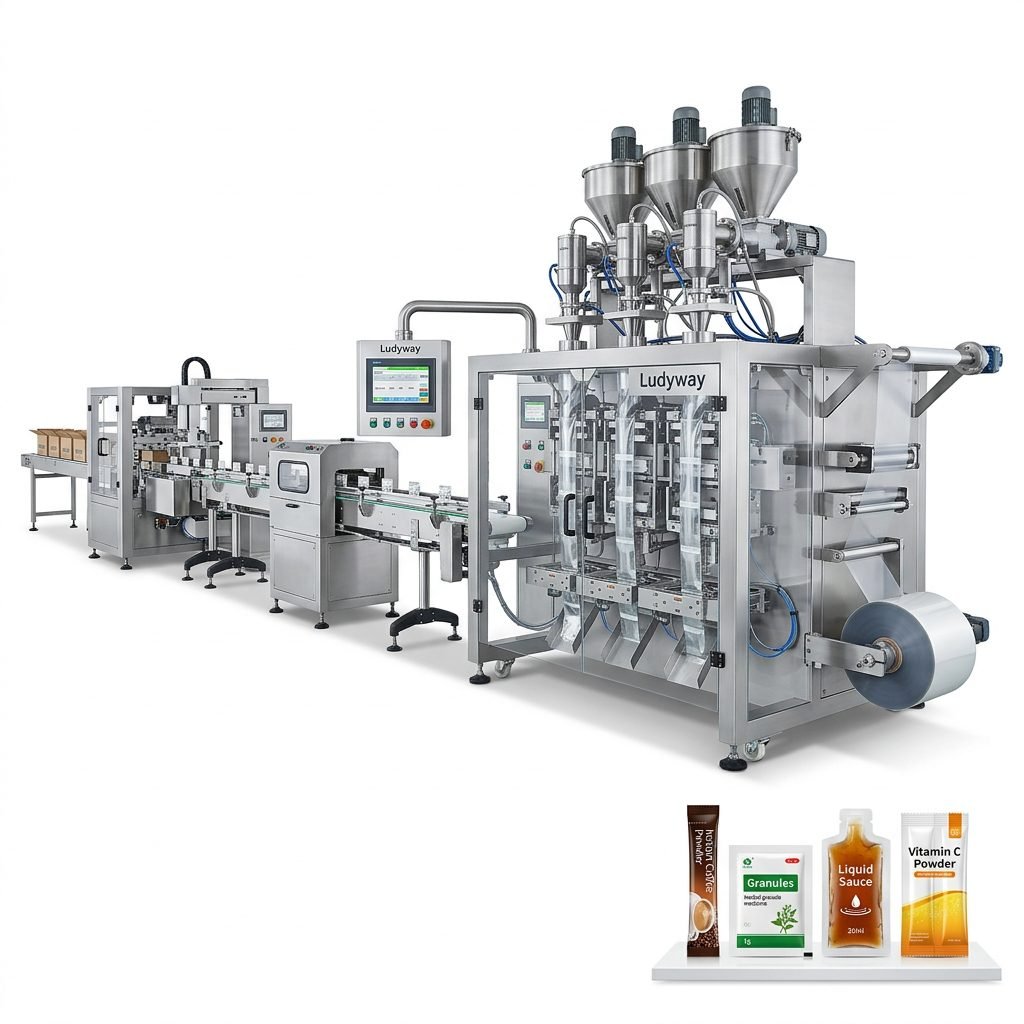
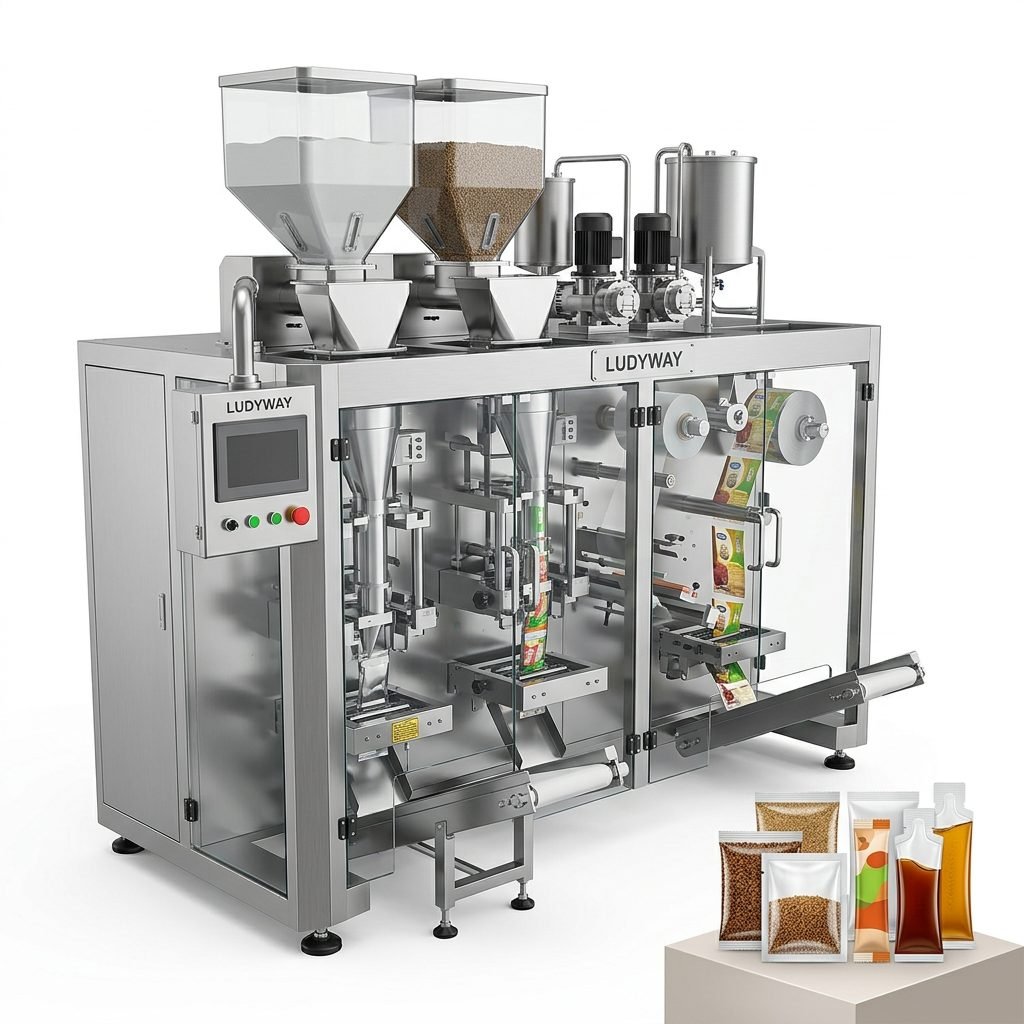
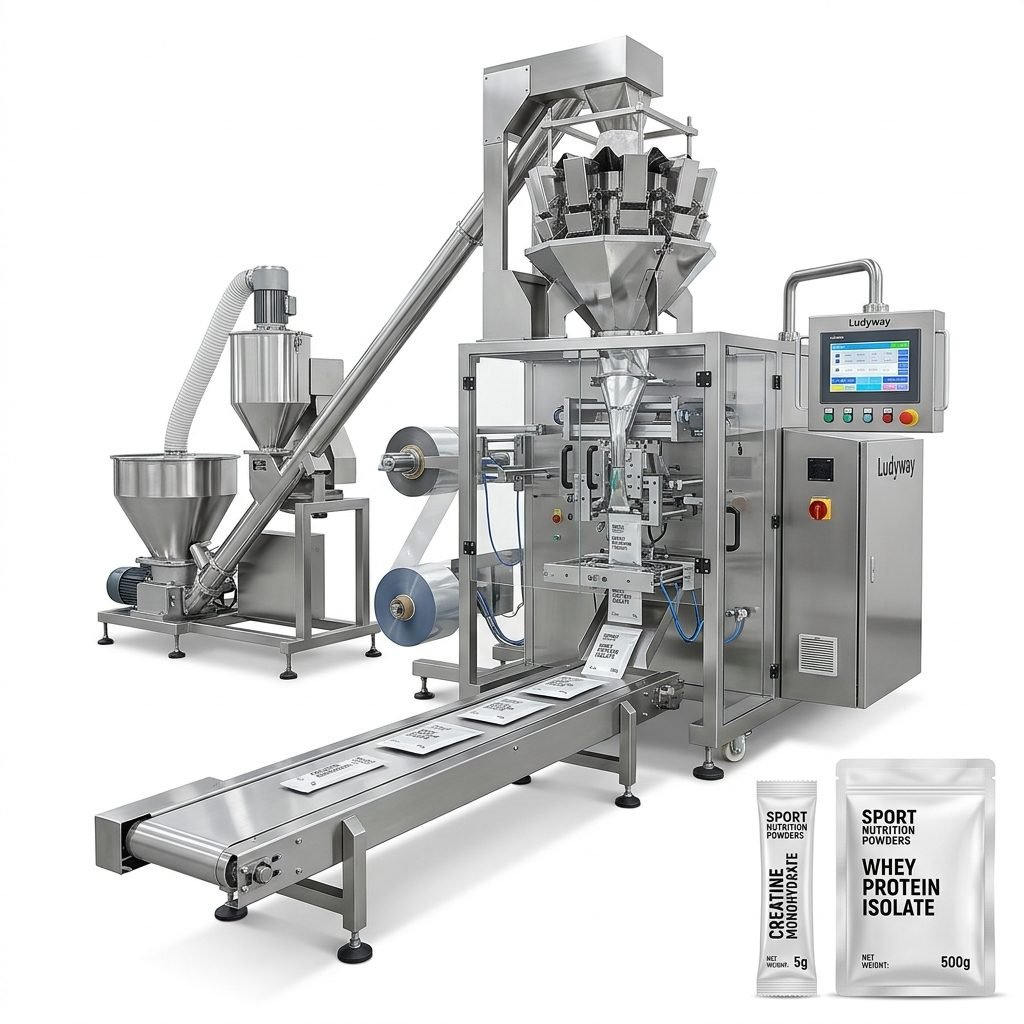
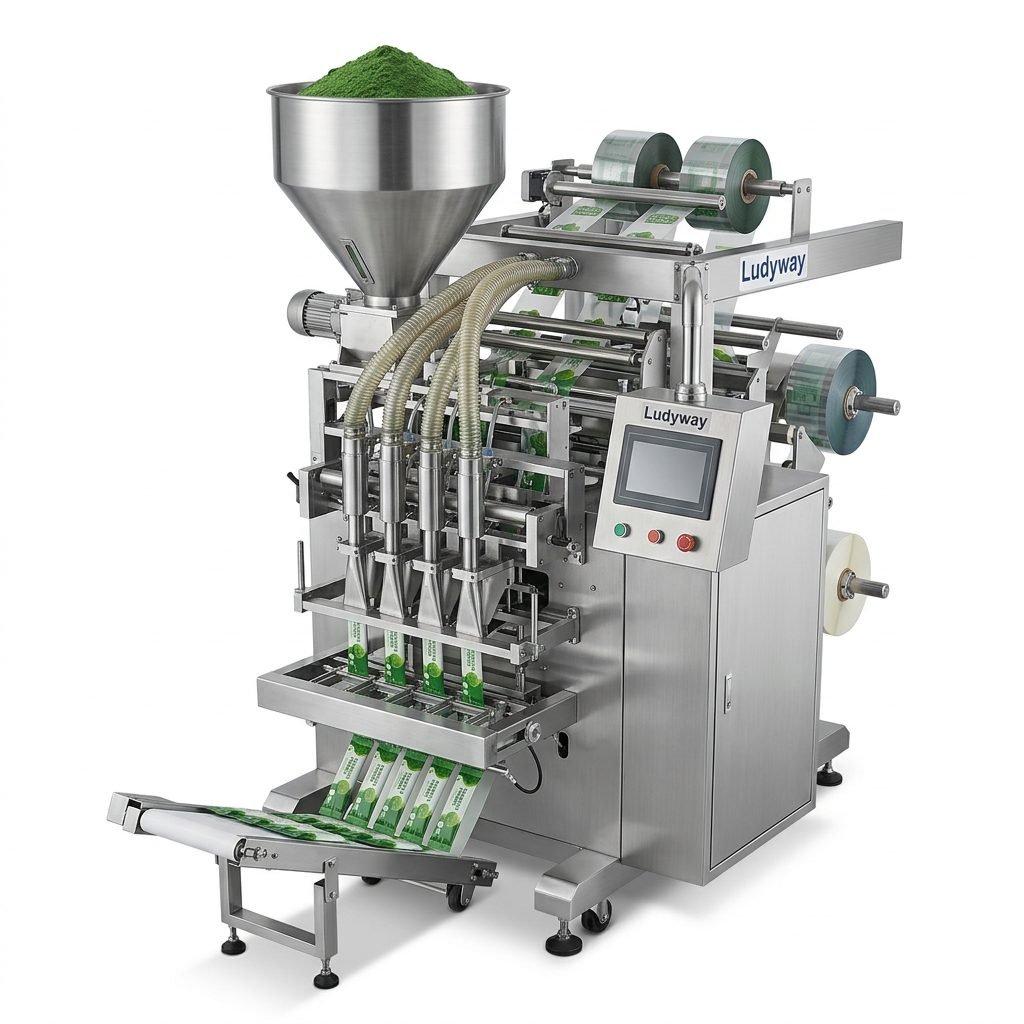
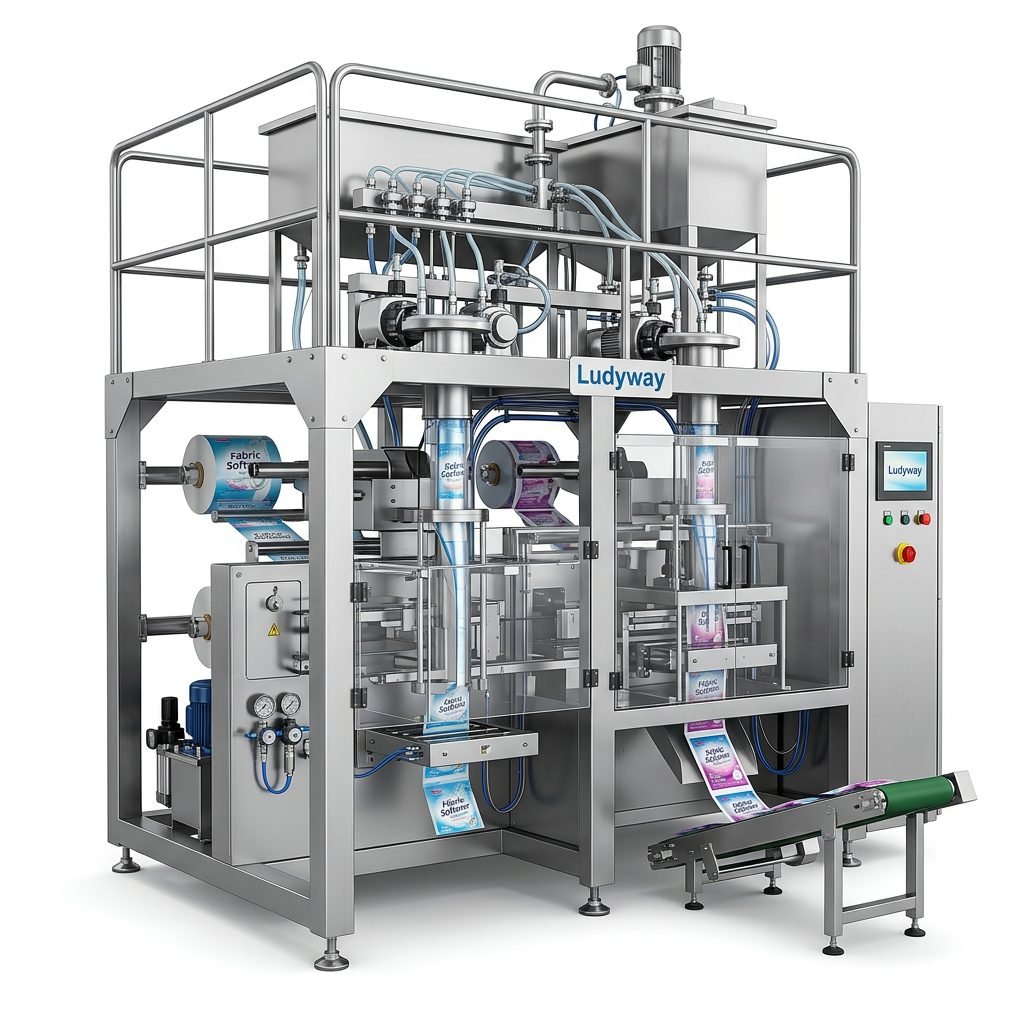
A hot air packing machine is a critical asset in food, pharmaceutical, and industrial production lines. Whether you’re sealing sachets, stick packs, or pouches, keeping your equipment in peak condition directly impacts product quality, production efficiency, and operational costs. Without a consistent maintenance routine, even the most robust packaging machinery can suffer from unexpected downtime, inconsistent seals, and costly repairs.
This guide walks you through essential cleaning and maintenance practices that will extend the lifespan of your hot air packing machine and ensure reliable performance shift after shift.
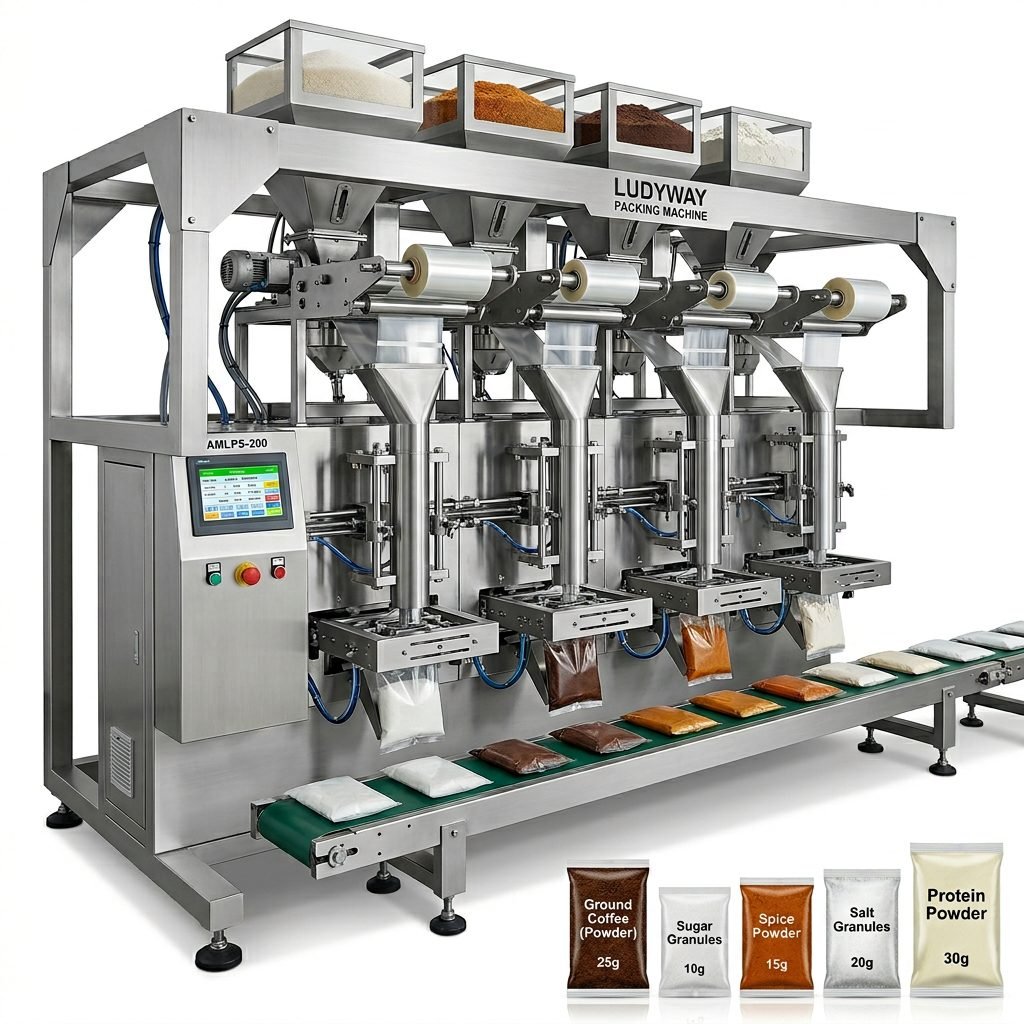
Why Regular Maintenance Matters
Hot air packing machines rely on precise temperature control, consistent airflow, and clean mechanical components to produce hermetic, leak-proof seals. When any of these elements are compromised, the following problems can arise:
- Weak or incomplete seals leading to product leakage and contamination
- Overheated sealing jaws causing film burn-through and material waste
- Excessive dust and debris accumulation blocking air filters and reducing heating efficiency
- Uneven temperature distribution resulting in inconsistent packaging quality across lanes
- Premature wear on heating elements and thermocouples
According to packaging industry research, preventive maintenance can reduce unplanned downtime by up to 45% and extend equipment service life by several years. For manufacturers running multi-lane sachet or stick pack systems, the financial impact of a well-maintained machine is substantial.
Daily Cleaning Checklist for Hot Air Packing Machines
Implementing a daily cleaning protocol is the simplest and most effective way to protect your investment. Here’s what should be done at the end of each production shift:
1. Sealing Jaw and Heating Element Inspection
The sealing jaws are the heart of any hot air packaging system. Residual product, film fragments, and carbon buildup can accumulate on jaw surfaces, affecting heat transfer and seal integrity. Use a soft brass brush or non-abrasive cloth to gently remove residues without scratching the sealing surface. Avoid metal scrapers that can damage the non-stick coating.
2. Air Filter Cleaning
Hot air systems depend on clean, unobstructed airflow to maintain stable temperatures. Clogged filters force the heating element to work harder, leading to energy waste and premature failure. Remove and inspect air intake filters daily, especially in dusty production environments. Compressed air can be used to blow out loose particles, but filters should be replaced according to the manufacturer’s schedule.
3. Film Path and Tension Components
Dust and adhesive residue along the film path can cause tracking errors and misaligned seals. Wipe down all rollers, guides, and tension arms with a lint-free cloth and an approved cleaning solvent. Pay special attention to areas where film edges make contact, as static buildup in these zones attracts airborne contaminants.
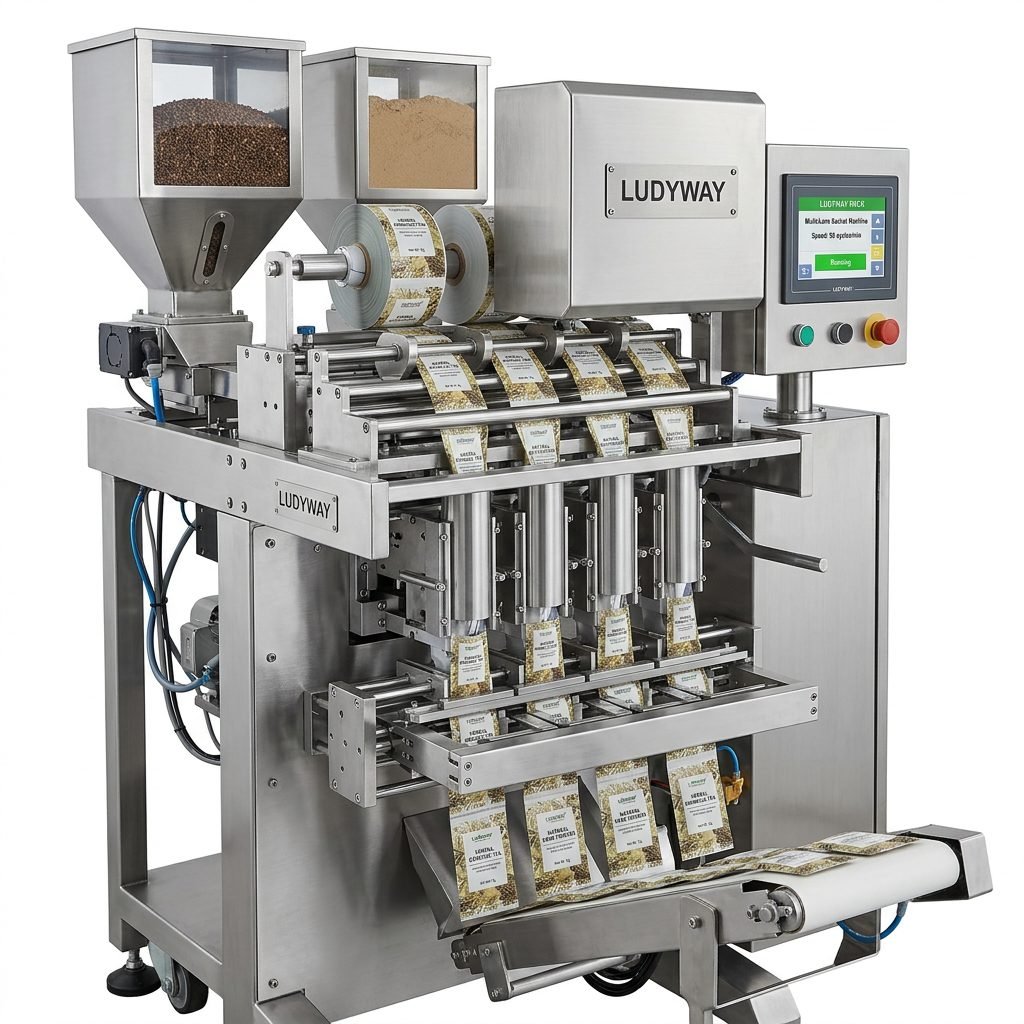
Weekly and Monthly Preventive Maintenance
Beyond daily cleaning, a structured weekly and monthly maintenance routine ensures that hidden issues are identified before they escalate into major failures. Use the following checklist as a baseline and adapt it to your specific machine model and production volume.
Weekly Tasks
- Thermocouple calibration check — Verify that actual jaw temperature matches the controller setpoint using an external temperature probe
- Inspect all electrical connections and wiring for signs of heat damage, looseness, or corrosion
- Lubricate chain drives, cam followers, and bearing surfaces with food-grade lubricant where applicable
- Test emergency stop circuits and safety interlocks to confirm proper function
- Clean and inspect photoelectric sensors and film registration eyes
Monthly Tasks
- Perform a full temperature uniformity test across all sealing lanes in multi-lane configurations
- Inspect heating element resistance values and compare against OEM specifications
- Check air compressor and pneumatic system for moisture accumulation and proper pressure regulation
- Examine belt tension, pulley alignment, and drive motor performance
- Review error logs and analyze recurring fault codes for pattern identification
Recommended Maintenance Schedule
The following table provides a structured maintenance framework suitable for most hot air packing machines operating in medium to high-volume production environments. Adjust the intervals based on your specific operational demands and manufacturer guidelines.
| Maintenance Task | Frequency | Responsible Team |
|---|---|---|
| Sealing jaw surface cleaning | Daily | Machine Operator |
| Air filter inspection and cleaning | Daily | Machine Operator |
| Film path and roller cleaning | Daily | Machine Operator |
| Temperature calibration verification | Weekly | Maintenance Technician |
| Sensor and safety system testing | Weekly | Maintenance Technician |
| Lubrication of mechanical components | Weekly | Maintenance Technician |
| Heating element resistance check | Monthly | Electrical Engineer |
| Pneumatic system inspection | Monthly | Maintenance Technician |
| Full system diagnostic review | Monthly | Engineering Team |
| Comprehensive overhaul and parts replacement | Annually | OEM Service Team |
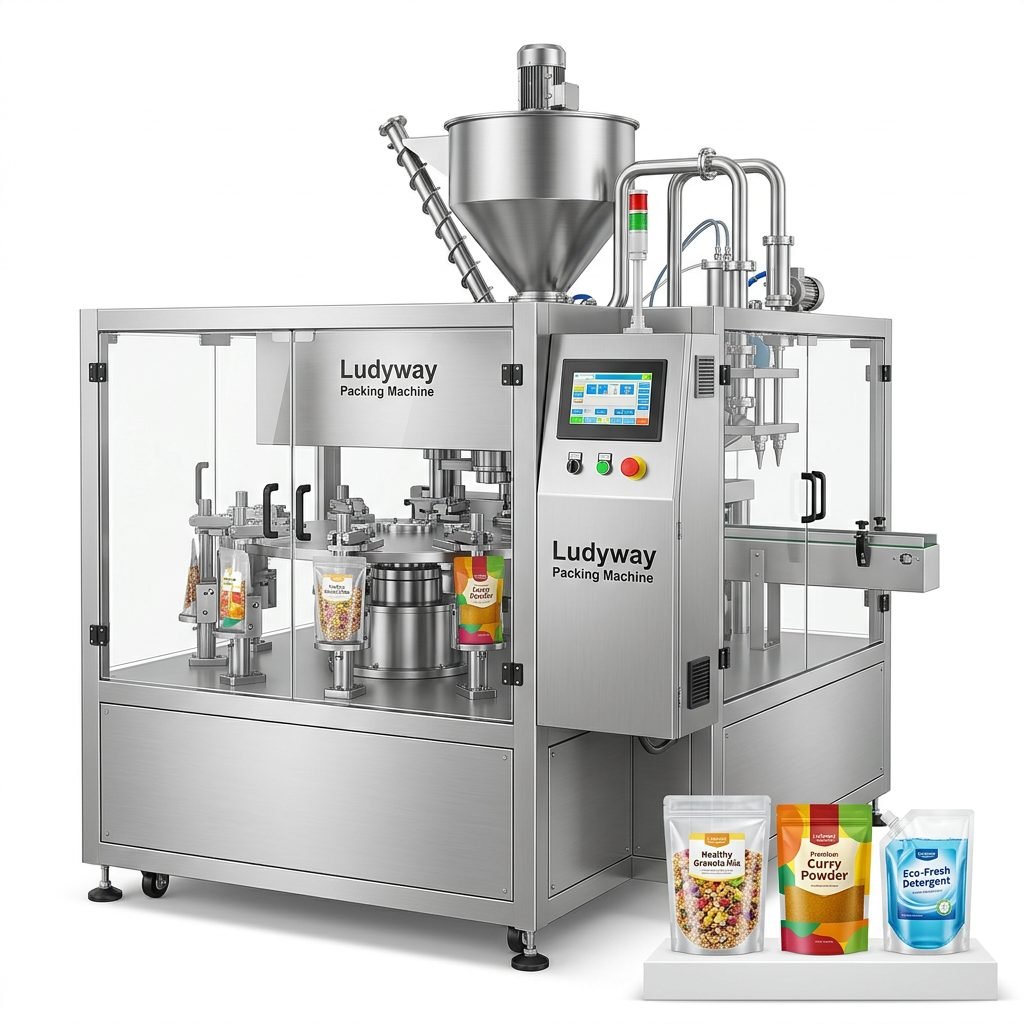
Troubleshooting Common Hot Air Sealing Issues
Even with diligent maintenance, occasional sealing problems can occur. Here are the most frequent issues encountered on packaging production lines and their likely causes:
Problem: Intermittent Weak Seals
- Possible cause: Fluctuating air pressure or unstable temperature control
- Solution: Check air compressor output and verify temperature controller PID settings; inspect heating element connections for looseness
Problem: Film Wrinkling at Seal Area
- Possible cause: Excessive heat or improper film tension
- Solution: Reduce sealing temperature by 5-10°C increments and adjust tension settings; verify that cooling air is functioning correctly
Problem: Carbon Buildup on Jaws
- Possible cause: Overheating or incompatible film materials
- Solution: Verify film specifications match machine capabilities; implement more frequent jaw cleaning schedule; consider upgrading to coated sealing jaws
Problem: Uneven Seal Width Across Lanes
- Possible cause: Misaligned sealing heads or uneven pressure distribution
- Solution: Perform alignment procedure per OEM manual; check pneumatic cylinder stroke consistency; inspect for worn bushings or guide rods
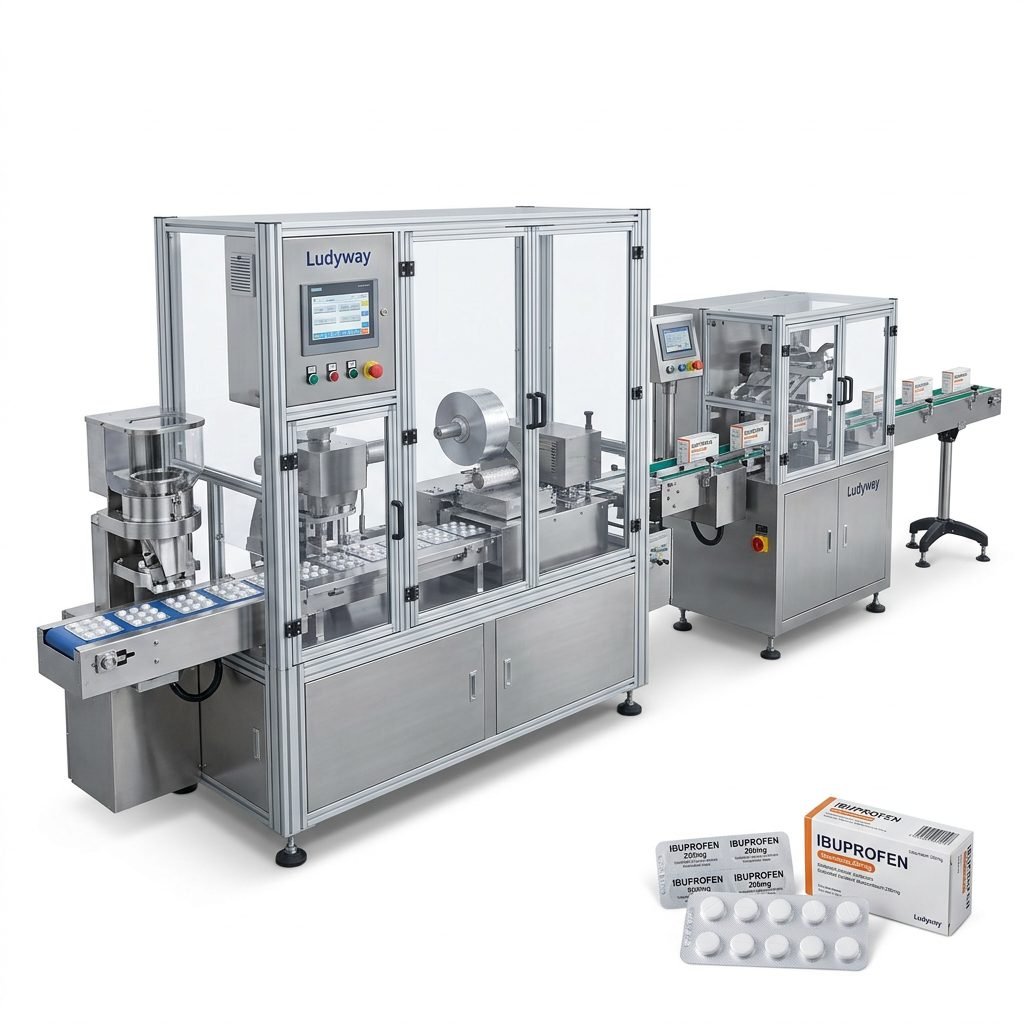
Spare Parts Management Strategy
One of the most overlooked aspects of packaging equipment maintenance is proactive spare parts inventory management. Waiting until a component fails to order a replacement can result in days or even weeks of downtime. The following critical spare parts should always be kept in stock:
- Heating elements and thermocouples
- Sealing jaw assemblies (or replacement jaw faces)
- Air filters and pneumatic seals
- Drive belts and timing belts
- Sensor and photoelectric eye components
- Control board fuses and relays
- Film registration sensors
Refer to ISO packaging standards and your equipment documentation for recommended spare parts lists tailored to your specific machine configuration.
Training Your Team for Effective Maintenance
Even the best maintenance procedures are ineffective without properly trained personnel. Operators should be trained to recognize early warning signs of equipment issues, including unusual noises, odor changes, and subtle variations in seal quality. Maintenance technicians need in-depth knowledge of electrical systems, pneumatic circuits, and temperature control logic specific to hot air packing technology.
Consider scheduling periodic refresher training sessions and maintaining a digital logbook where all maintenance activities, observations, and parts replacements are documented. This historical data becomes invaluable for predictive maintenance planning and trend analysis.
When to Call Professional Service Support
While routine maintenance can be handled in-house, certain situations warrant professional intervention. Contact your equipment manufacturer or an authorized service provider when you encounter:
- Persistent temperature control issues that calibration cannot resolve
- Mechanical vibration or noise that suggests bearing or drive system problems
- PLC or HMI faults requiring software diagnostics or reprogramming
- Major component replacement such as complete sealing head assemblies
- Annual comprehensive overhauls and performance optimization
Partnering with an experienced packaging machinery manufacturer for scheduled service visits can significantly extend equipment lifespan and maintain optimal performance levels. Companies like Ludyway, one of the largest packaging machine manufacturers with over 30 years of industry expertise and a modern 20,000㎡ production facility, provide comprehensive after-sales support including technical training, spare parts supply, and on-site maintenance services for their global customer base across more than 100 countries.
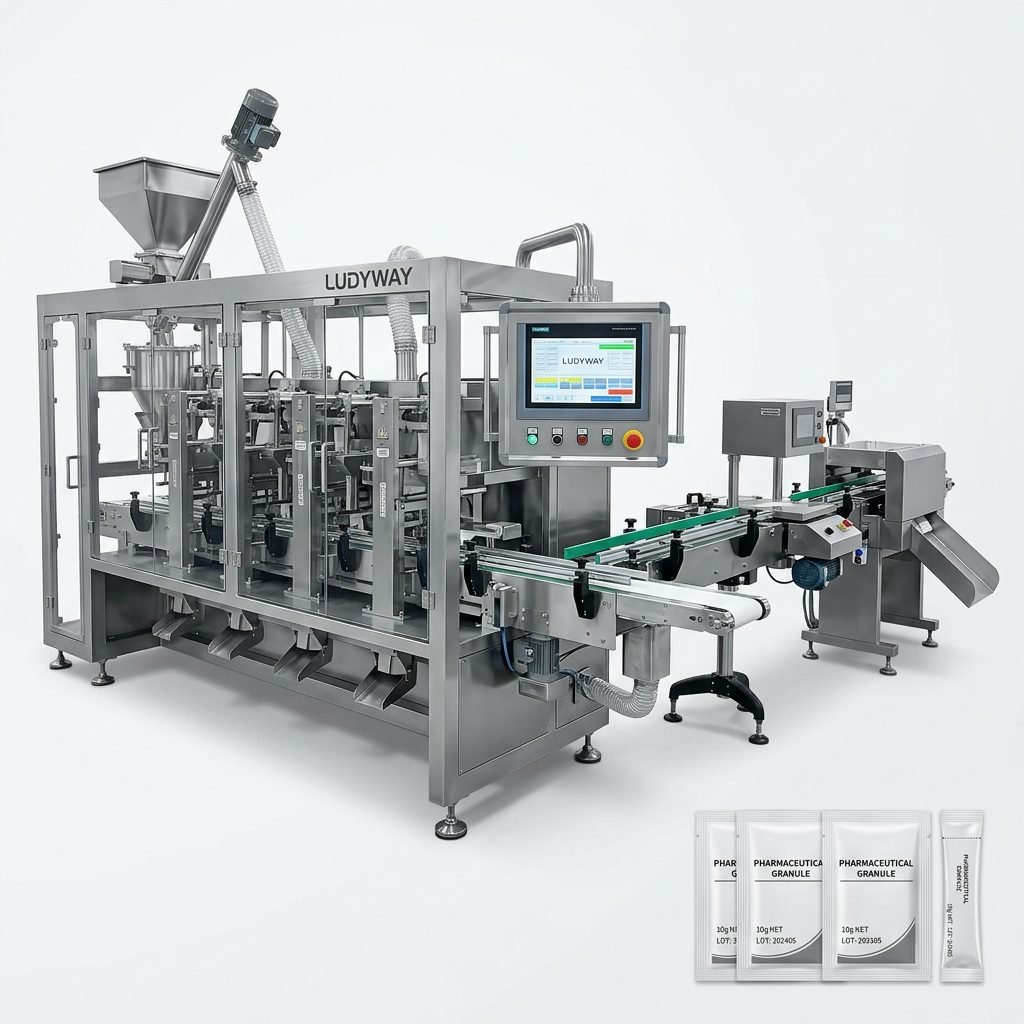
Key Takeaways for Long-Term Machine Reliability
Maintaining a hot air packing machine is not merely about following a checklist — it is about building a culture of proactive equipment care within your production team. The most successful packaging operations share several common maintenance philosophies:
- Consistency is everything — Daily cleaning routines, performed without exception, prevent small issues from compounding into major failures
- Documentation drives improvement — Detailed maintenance records enable data-driven decisions about parts replacement intervals and process adjustments
- Quality parts matter — Using OEM-approved replacement components ensures compatibility and preserves sealing precision
- Training is an investment — Well-trained operators catch problems early, reducing the burden on maintenance teams and minimizing production disruptions
By implementing the structured maintenance approach outlined in this guide, you can maximize uptime, reduce total cost of ownership, and consistently deliver high-quality packaged products to your customers. Whether you operate a single-lane sachet machine or a fully automated multi-lane stick pack system, the principles of effective hot air sealing maintenance remain the same: clean, calibrate, inspect, and document.