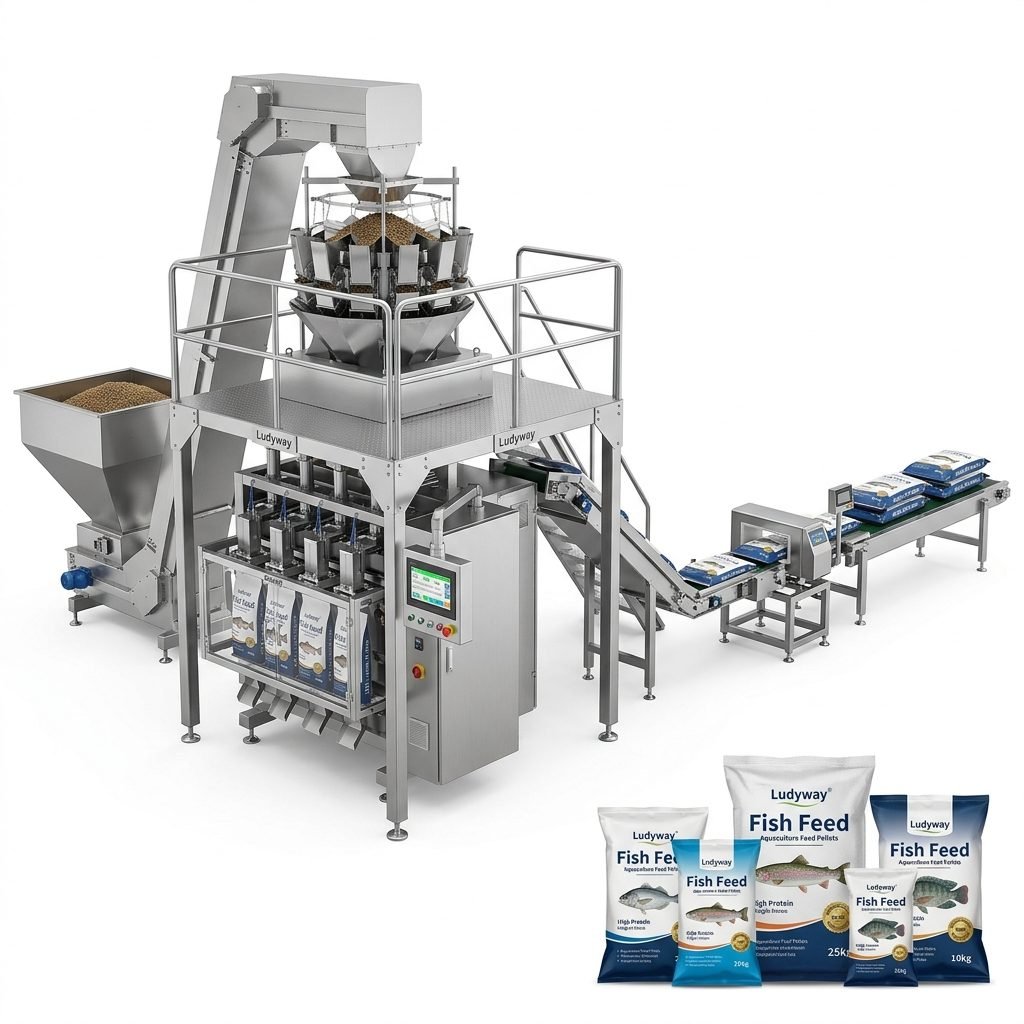
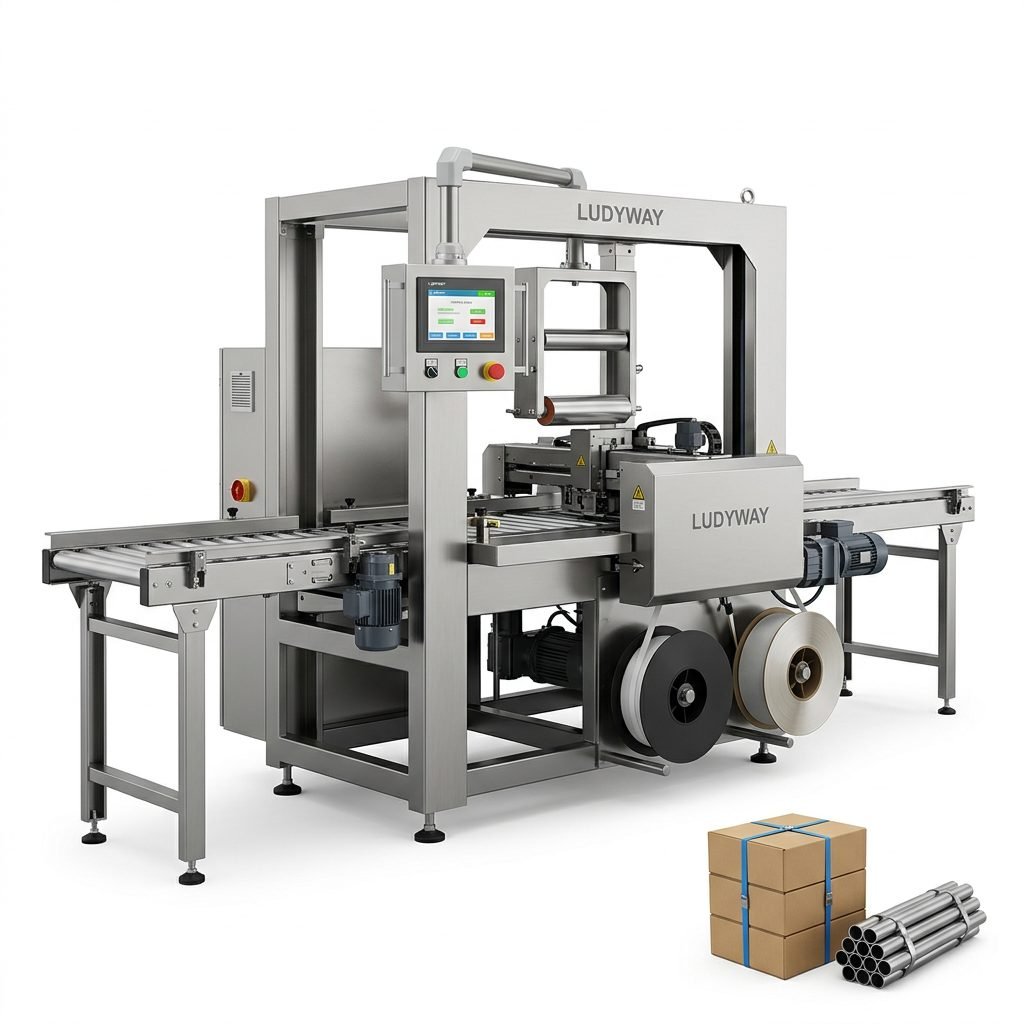
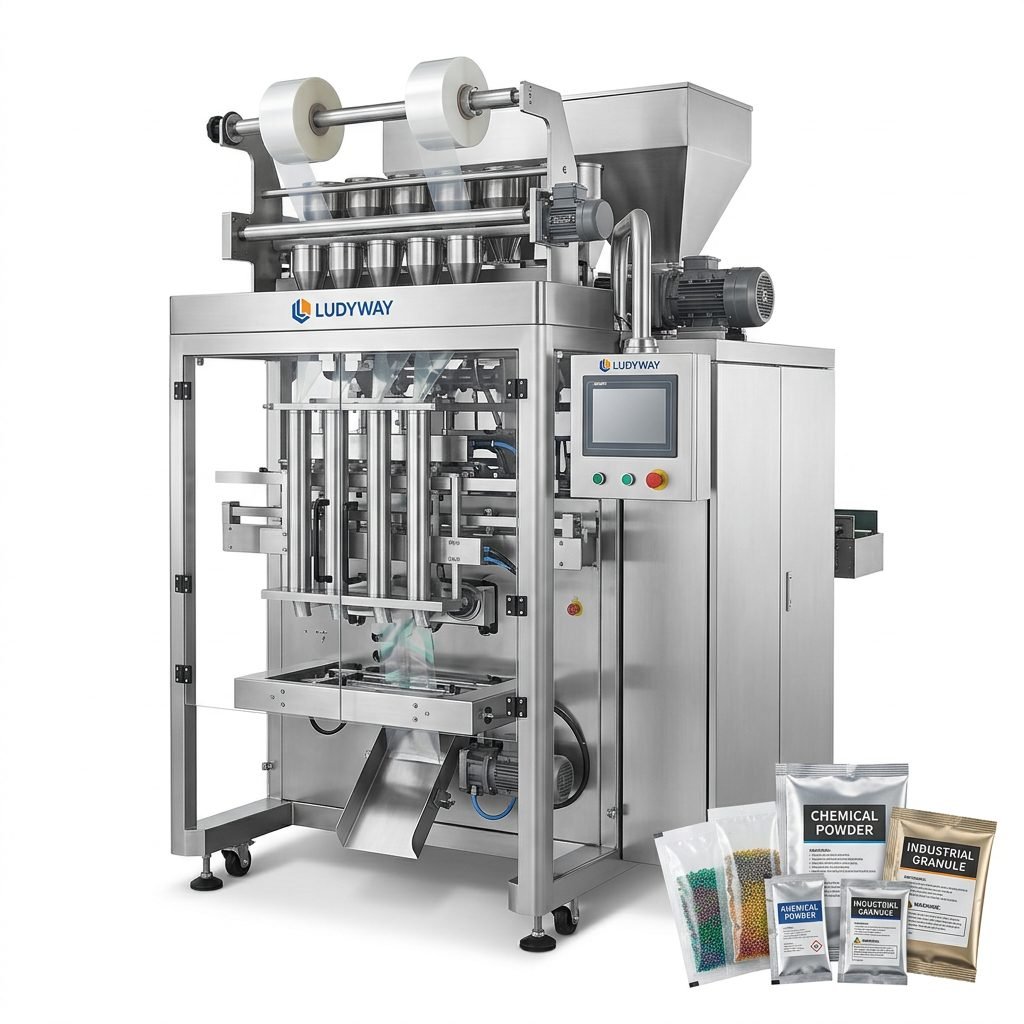
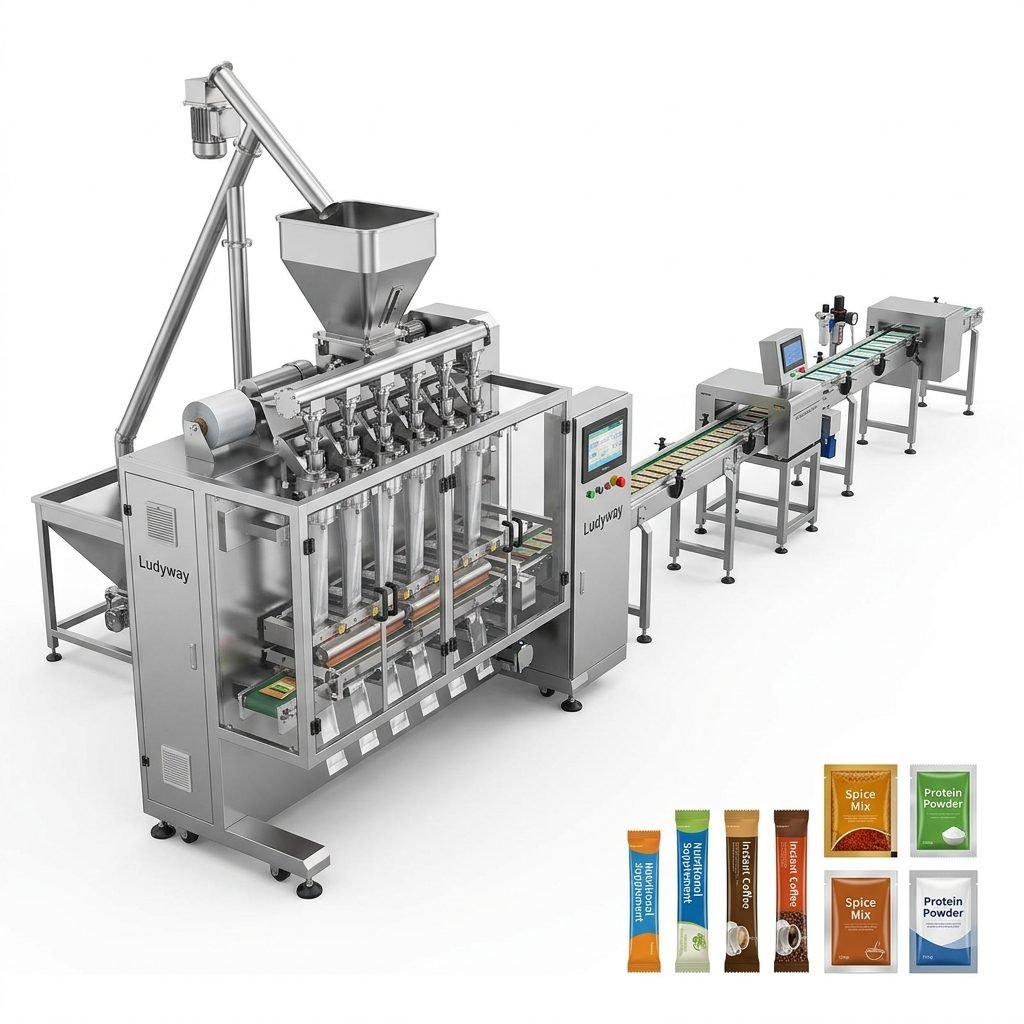
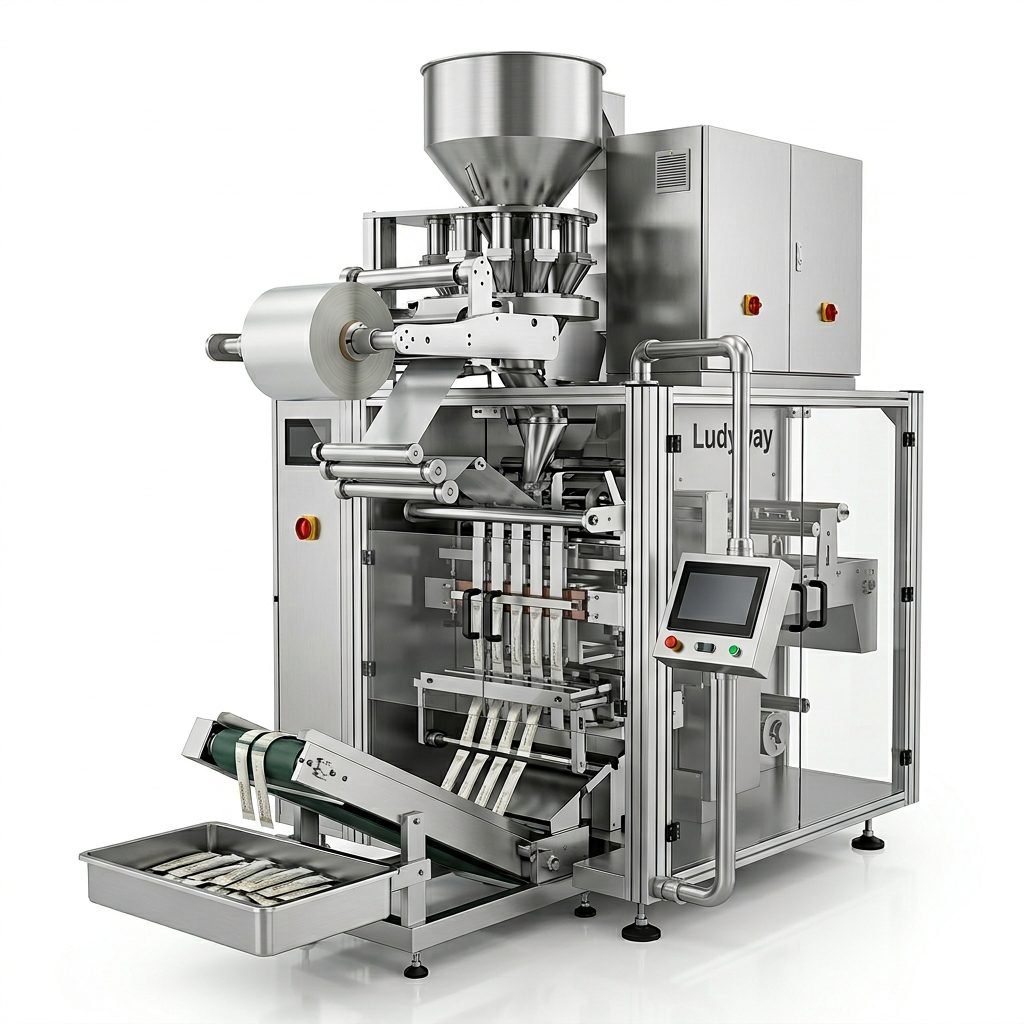
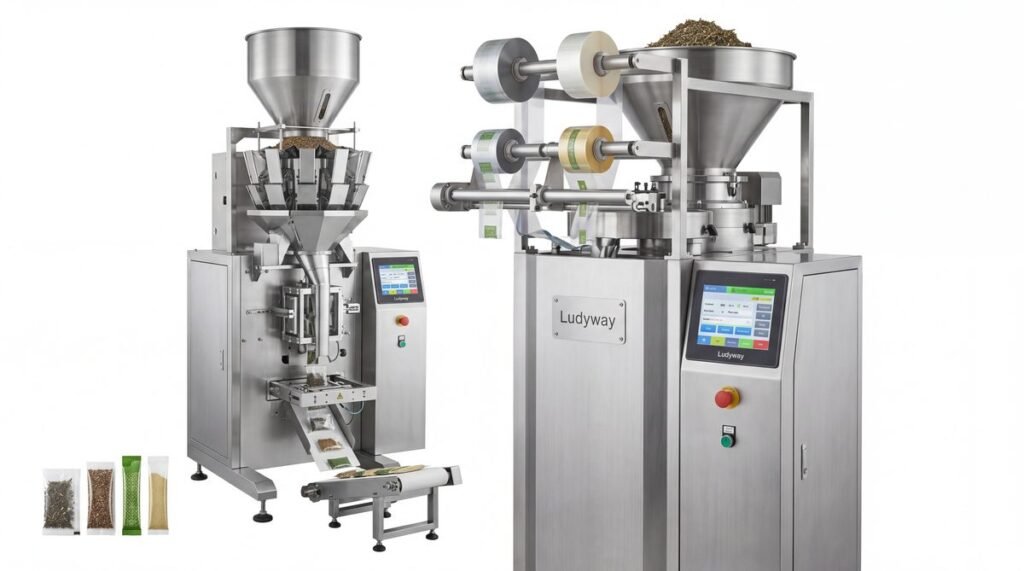
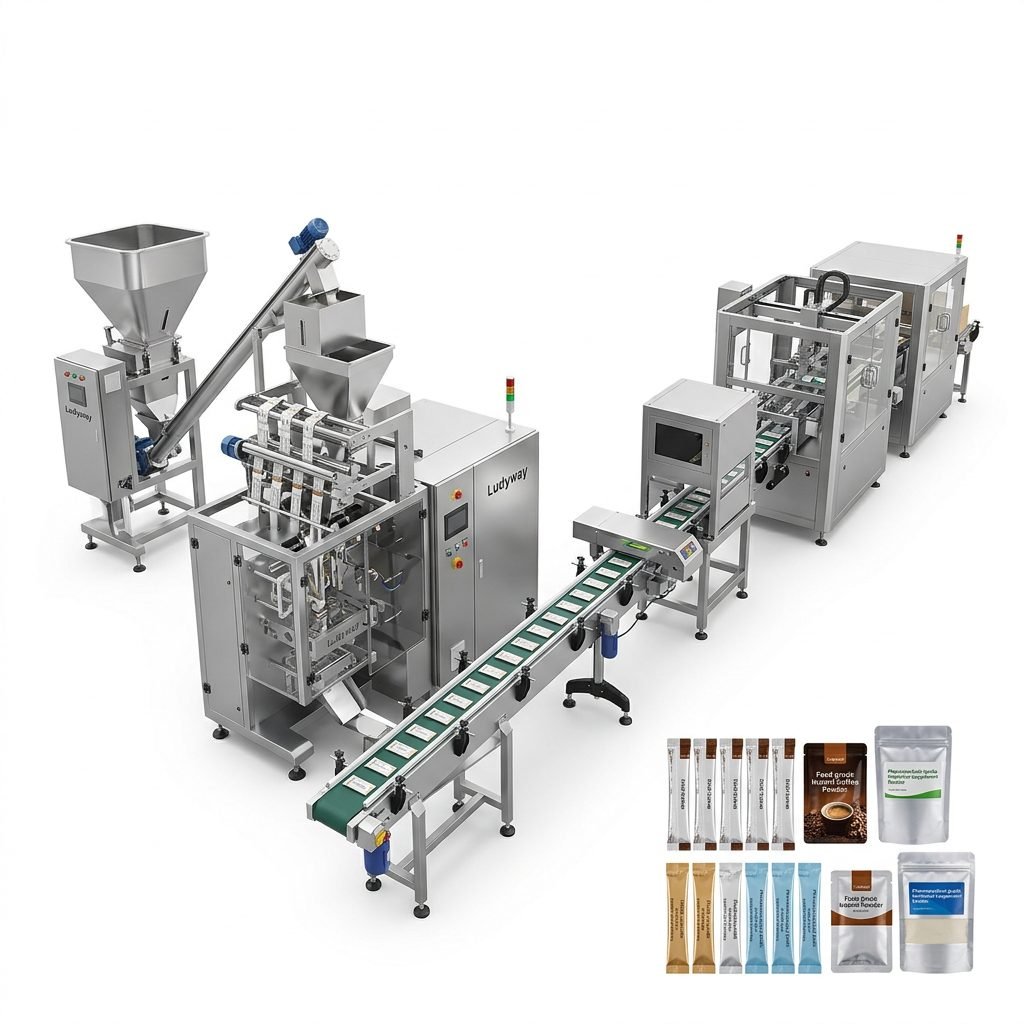
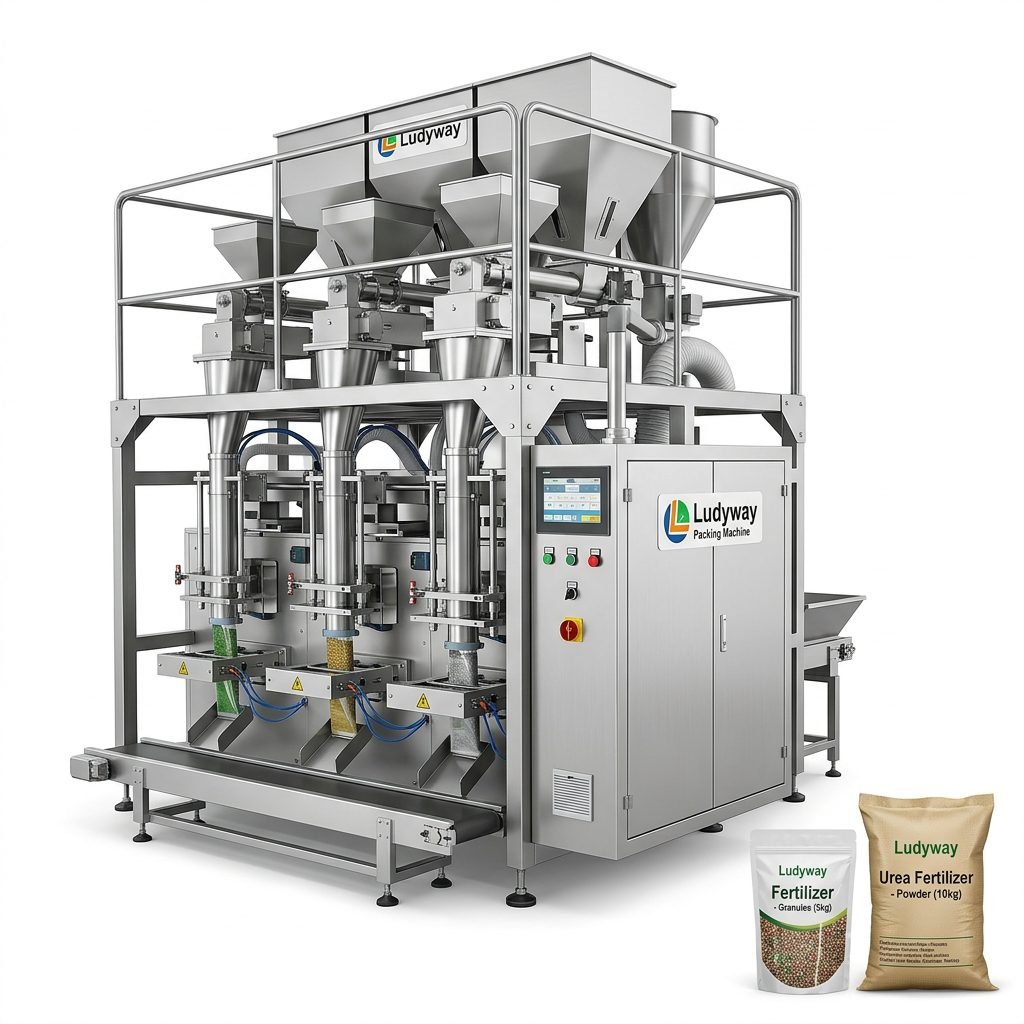
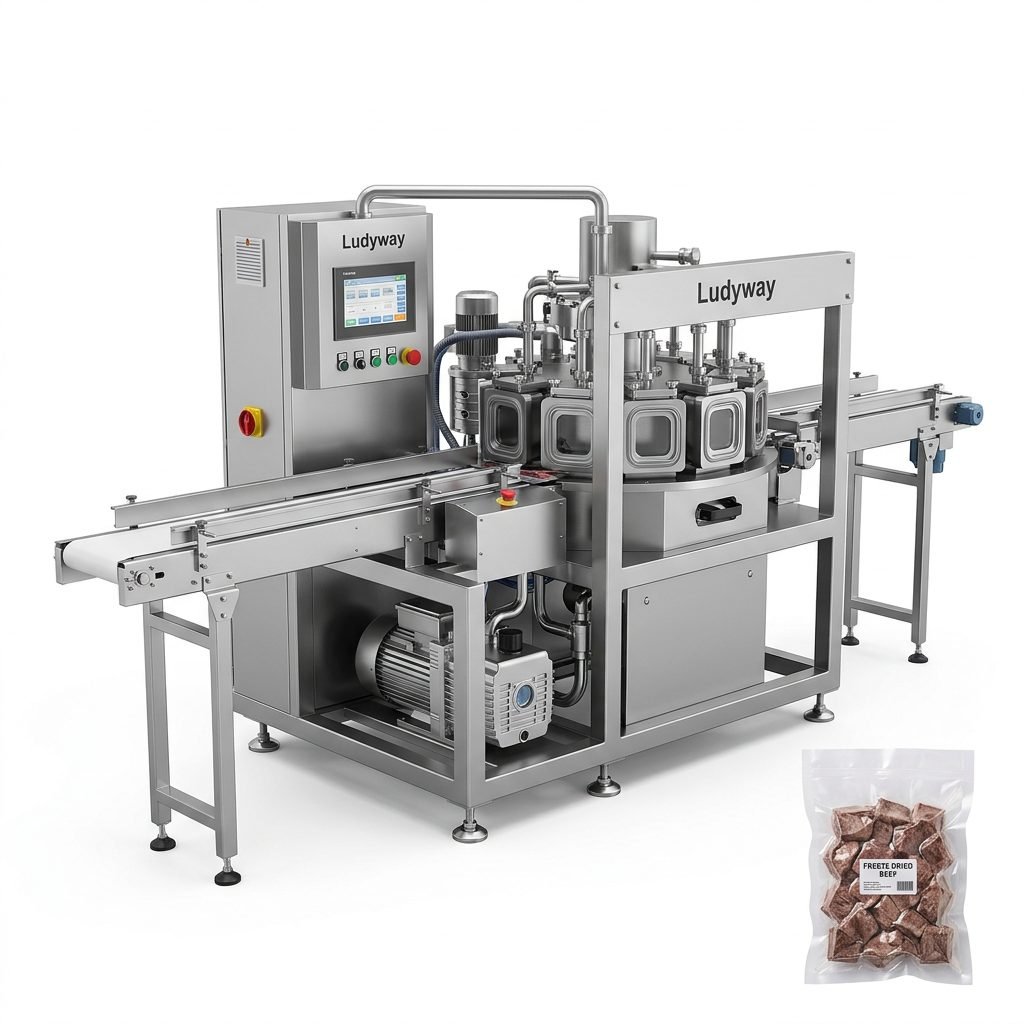
Investing in a small tea sauce packaging machine is a significant decision for food manufacturers looking to scale production, ensure product consistency, and meet rising market demand. The cost of such equipment varies widely based on technology, output capacity, and customization requirements. Understanding the price breakdown helps you make an informed purchasing decision that aligns with your budget and long-term business goals.

Key Factors That Determine Packaging Machine Pricing
The final price of a small tea sauce packaging machine is influenced by several technical and operational variables. Manufacturers rarely offer a fixed price without knowing the specific application requirements. Below are the primary drivers that shape the equipment cost.
| Cost Factor | Impact on Price | Details |
|---|---|---|
| Automation Level | High | Semi-automatic machines start lower; fully automatic packaging machine systems with multi-lane capabilities command premium pricing. |
| Production Speed | Medium to High | Machines rated for 30-50 packs per minute cost less than high-speed models exceeding 200 packs per minute. |
| Filling System Type | Medium | Piston fillers for viscous sauces, volumetric cup fillers for pastes, or multi-head weighers for solid ingredients all carry different costs. |
| Material Construction | Medium | Stainless steel 304 vs. 316 grades, food-grade certifications, and washdown-ready designs add to the investment. |
| Customization Needs | Variable | Custom mold sizes, special sealing patterns, or integrated coding systems increase the total cost. |
Typical Price Ranges for Small Tea Sauce Packaging Machines
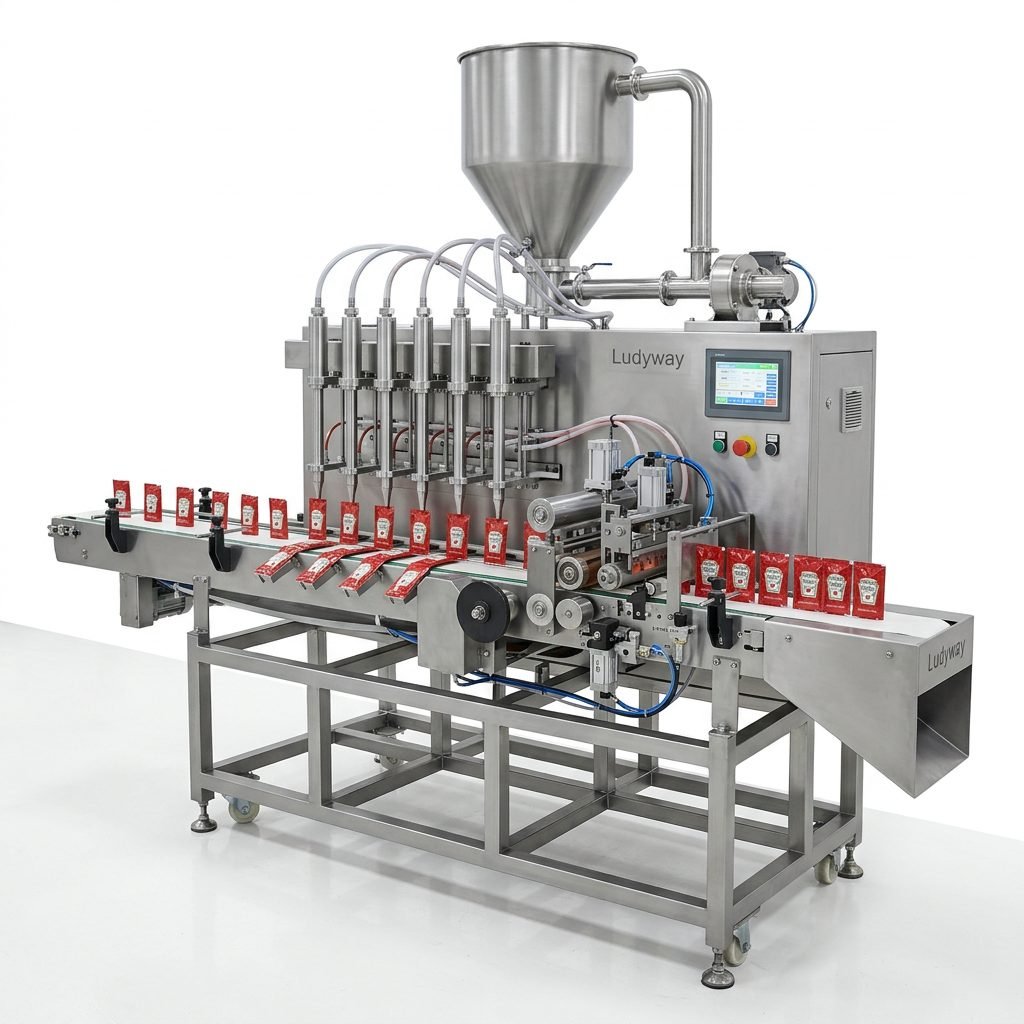
While each project is unique, the market generally breaks down into three tiers. Entry-level semi-automatic models are suitable for startups, whereas high-speed fully automatic lines serve established manufacturers looking to maximize throughput.
| Machine Tier | Estimated Price Range (USD) | Best For |
|---|---|---|
| Entry-Level Semi-Automatic | $4,000 – $12,000 | Small workshops, startups testing new markets, limited production capacity. |
| Mid-Range Automatic Single-Lane | $12,000 – $35,000 | Growing businesses, co-packers, regional brands requiring consistent output. |
| Advanced Multi-Lane Automated System | $35,000 – $120,000+ | Large-scale production, contract manufacturing, international distribution networks. |
Features That Increase Efficiency and Value
Beyond the base price, certain integrated features deliver substantial operational advantages. These capabilities often justify a higher upfront investment through reduced labor costs and improved output quality.
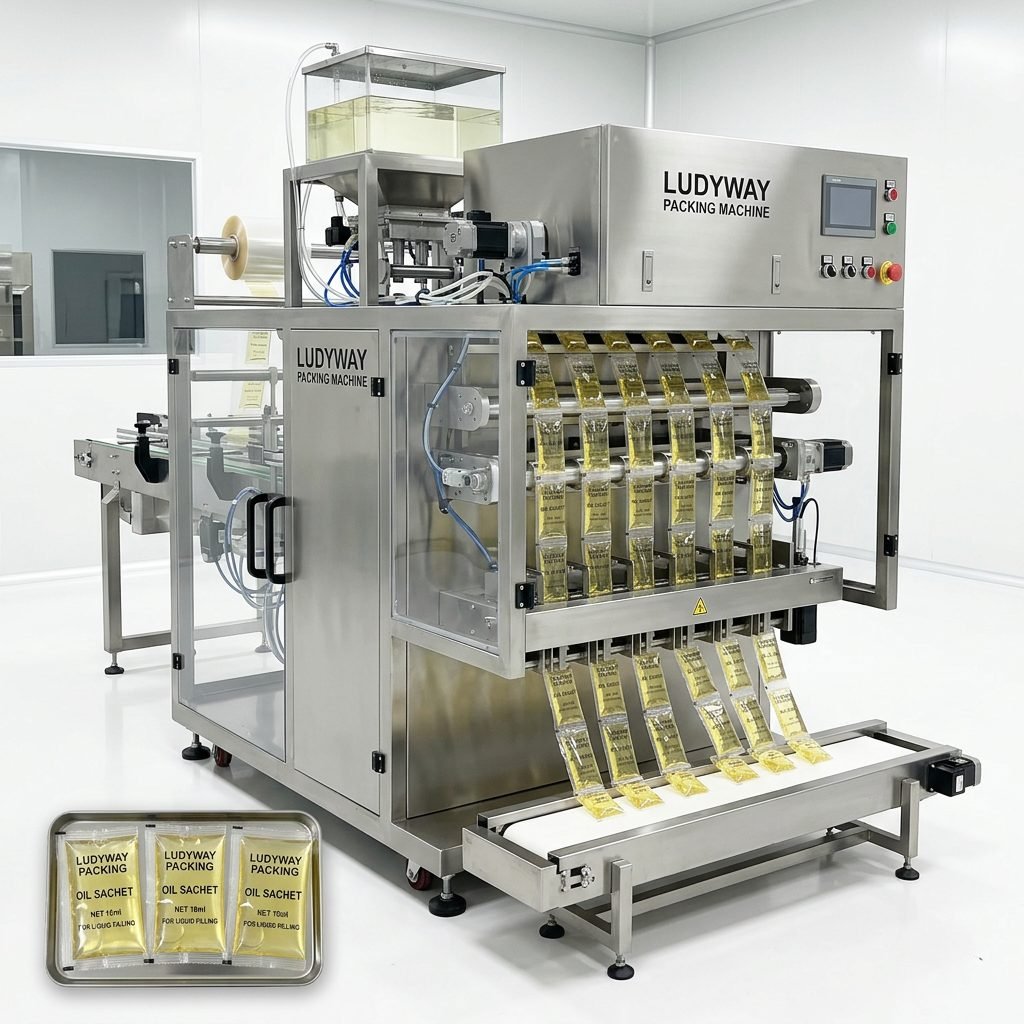
- Multi-lane configurations: Simultaneously produce 4, 6, 8, or more lanes of sachets, multiplying throughput without multiplying floor space.
- Servo-driven sealing: Ensures precise temperature control and consistent seal integrity for liquid and paste sauces, minimizing leakage.
- In-line date coding and labeling: Integrates printing systems to apply batch numbers and expiration dates during the packaging cycle, reducing manual handling.
- Automated feeding and dosing: Programmable logic controllers (PLC) with touchscreen interfaces allow recipe storage and quick changeover between product variants.
Small Tea Sauce Machine: Comparing Entry-Level and Industrial Options
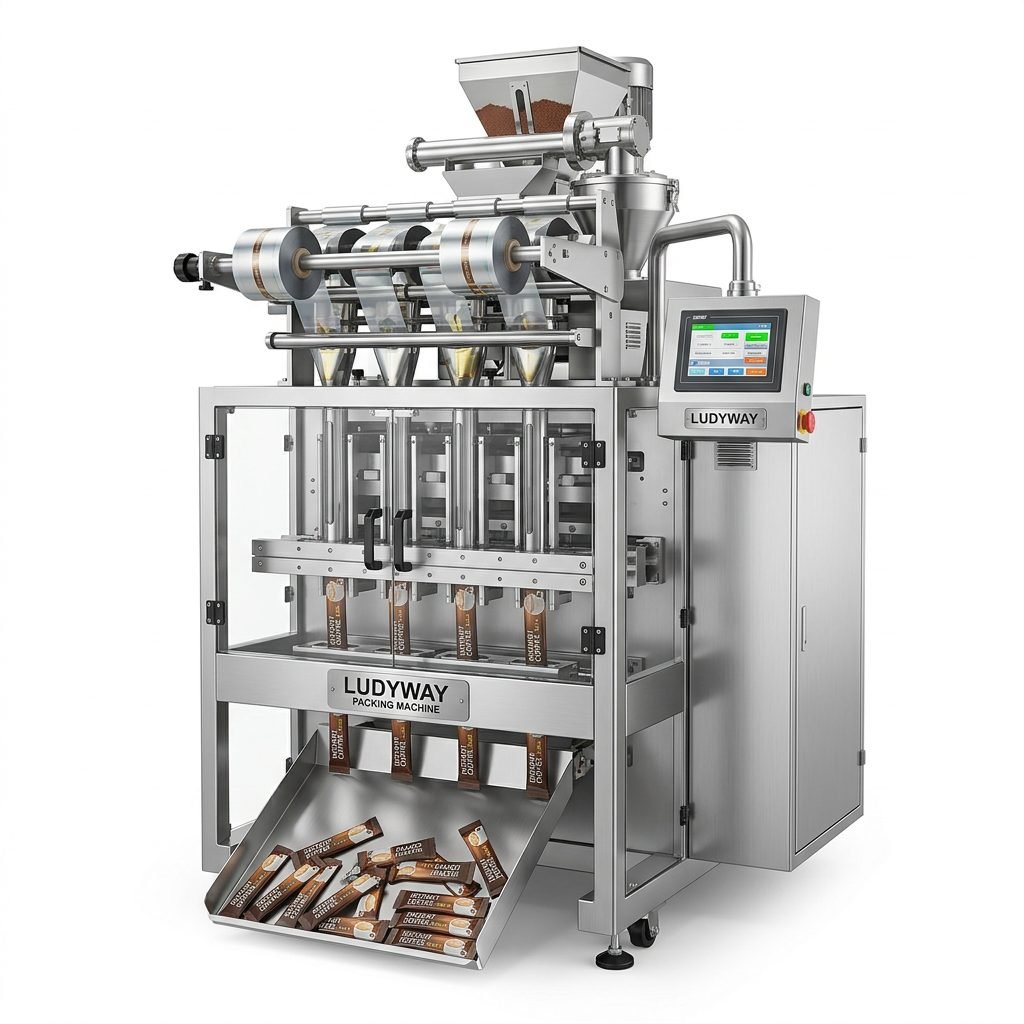
A small tea sauce packaging machine typically refers to equipment designed for compact production footprints, often single-lane with manual bag loading. In contrast, industrial-scale models feature multi-lane automatic film unwinding, vertical form-fill-seal technology, and continuous motion systems. The price gap reflects differences in engineering complexity, material quality, and after-sales support.
When evaluating quotes, pay close attention to what is included as standard equipment. Some suppliers bundle spare parts kits, installation training, and warranty extensions, while others charge these as separate line items. Always request a comprehensive configuration list.
Operational Costs Beyond the Initial Purchase
Your budget planning should encompass more than the machine price tag. Ongoing operational expenses include:
- Film and packaging material consumption rates per kilogram or roll.
- Energy consumption and compressed air requirements for pneumatic components.
- Preventive maintenance schedules and the availability of local service engineers.
- Spare parts inventory for wear items like sealing jaws, cutting blades, and filling nozzles.
How to Choose a Reliable Supplier
Selecting a trusted manufacturer is as critical as evaluating machine specifications. Look for suppliers with proven experience in liquid and paste packaging, verified customer references, and transparent business practices.
Ludyway stands as one of the largest packaging machine manufacturers in China, with over 30 years of industry experience and a 20,000㎡ modern production facility. Serving customers in more than 100 countries, the company offers over 50 intelligent packaging machine models, including small tea sauce packaging solutions and fully automated multi-lane stick pack systems. Their engineering team provides customized turnkey solutions for food, pharmaceutical, and health industry applications, helping businesses improve productivity and operational efficiency.
Questions to Ask Before Requesting a Quote
- What is the viscosity range of my tea sauce, and has the machine been tested with similar products?
- Is the filling system easy to disassemble for cleaning and product changeover?
- Does the supplier offer on-site installation and operator training?
- What is the lead time for delivery and installation?
- Are local technical support and spare parts readily available?
Maximizing ROI on Your Packaging Equipment Investment
Calculating return on investment goes beyond comparing price tags. A reliable small tea sauce packaging machine reduces product giveaway through precise filling accuracy, minimizes film waste through optimized sealing parameters, and lowers labor dependency. For many manufacturers, the payback period ranges from 12 to 24 months when factoring in these operational savings.
Consider future scalability as well. Machines with modular designs allow you to add lanes, upgrade servo motors, or integrate additional features as production demands grow, protecting your initial capital outlay.
Global Market Trends Supporting Automation
The global flexible packaging market continues to expand, driven by consumer preference for convenient single-serve formats. PMMI industry reports and resources from the Flexible Packaging Association highlight steady growth in sachet and stick pack demand across food, beverage, and personal care sectors. Automated packaging equipment enables manufacturers to capitalize on these trends efficiently.
Final Thoughts on Packaging Machine Costs
Understanding how much a small tea sauce packaging machine costs requires a holistic view of your production requirements, growth plans, and total cost of ownership. Entry-level machines provide an accessible starting point, but mid-range and advanced systems deliver the speed, precision, and reliability needed for competitive manufacturing. Partner with an experienced supplier who offers transparent pricing, comprehensive support, and a track record of successful installations worldwide.