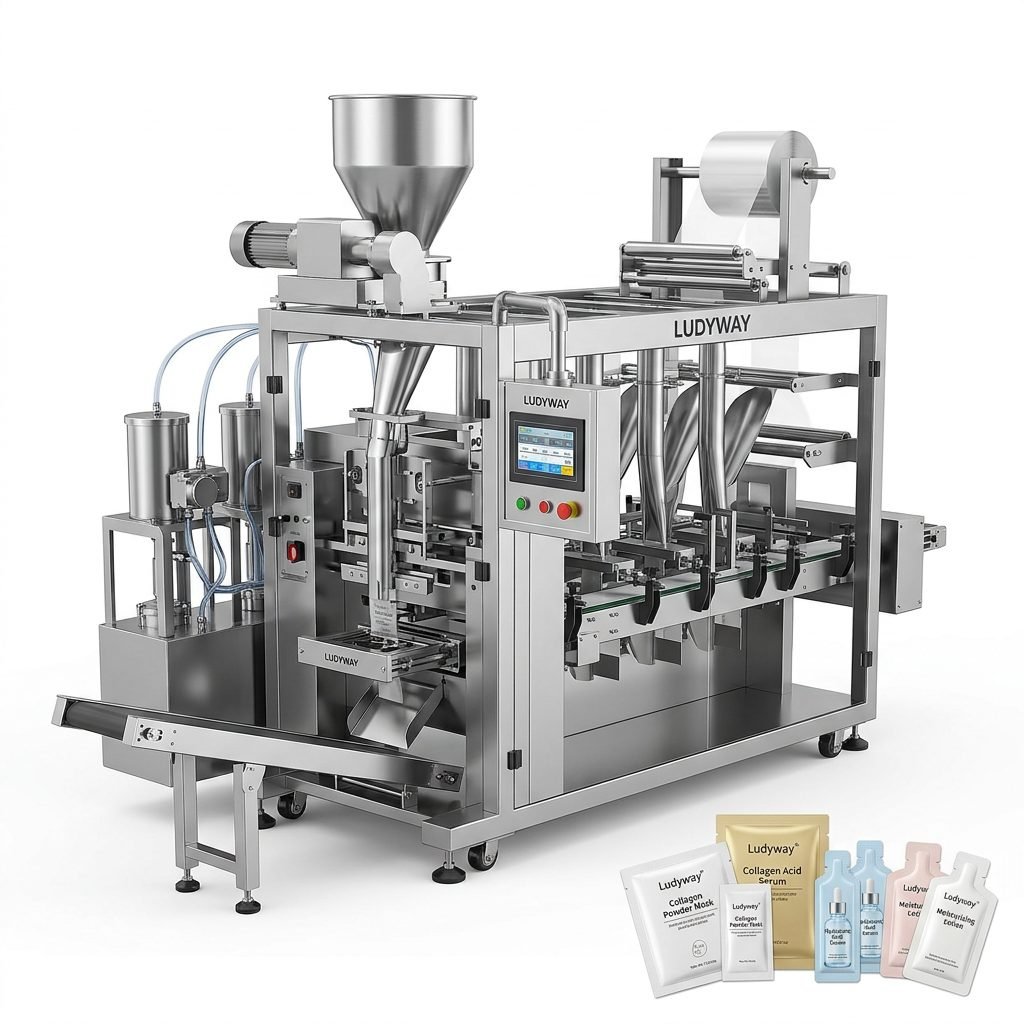
这是为您生成的一篇符合SEO要求的英文文章HTML代码,主题是果冻杯包装机的清洁维护,已按您的要求进行了排版并融入了内链与图片。
Proper maintenance of a jelly cup packing machine is not just about extending equipment lifespan—it is a critical factor in ensuring food safety, production efficiency, and consistent packaging quality. Jelly products are sensitive to contamination, and any residue buildup can compromise both the machine’s performance and the integrity of the final product. A well-structured packaging machine maintenance routine helps prevent unexpected downtime, reduces repair costs, and ensures compliance with food industry hygiene standards.
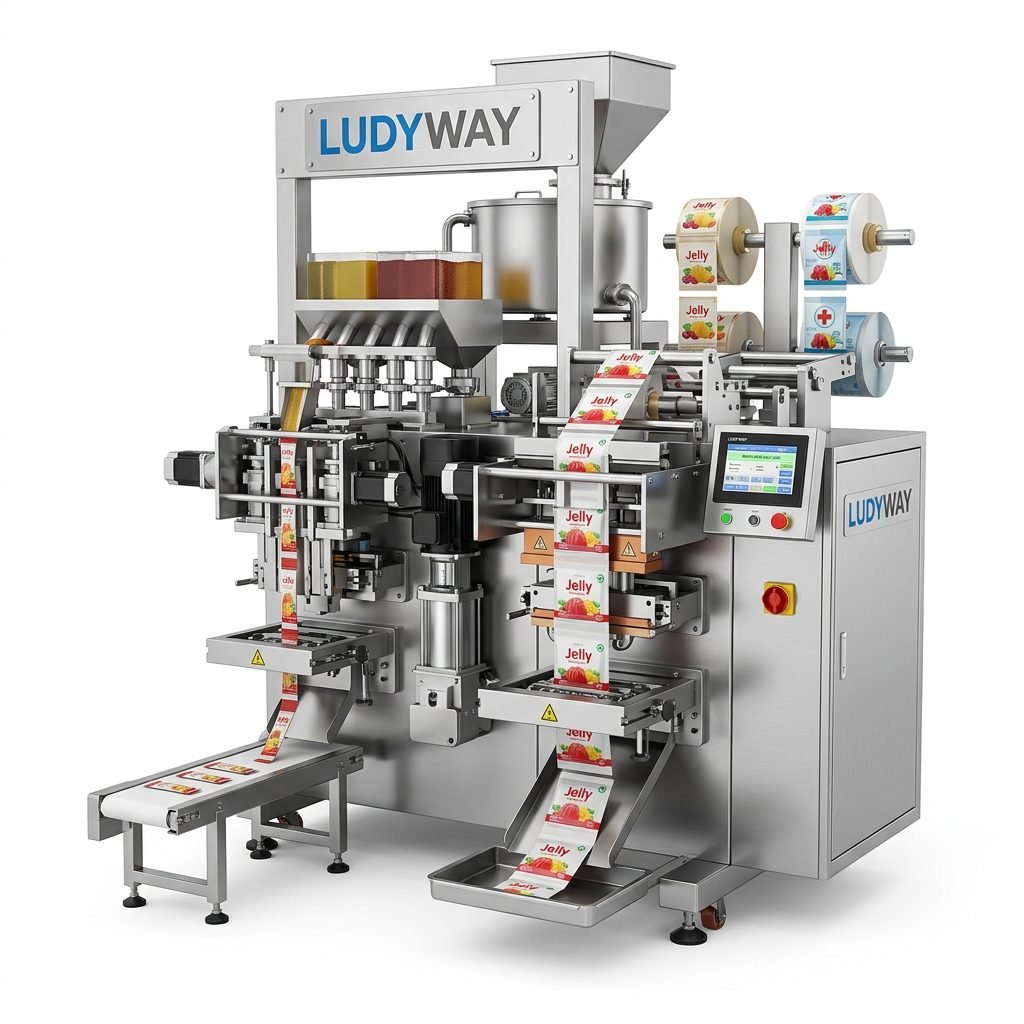
Daily Cleaning Routine for Jelly Cup Packing Equipment
Daily cleaning is the foundation of effective jelly cup packing machine care. Jelly residues contain sugars and gelling agents that can harden quickly, leading to seal integrity issues and filling nozzle blockages. A consistent end-of-shift cleaning protocol is essential for any liquid packaging machine handling viscous food products.
- Disconnect power supply and follow lockout/tagout procedures before any cleaning begins.
- Remove all removable parts including filling nozzles, hoppers, and sealing jaws for separate cleaning.
- Use food-grade cleaning agents and warm water to flush filling lines and remove jelly residues.
- Clean the sealing bars with a soft cloth to remove any burnt sugar or product buildup on the heating elements.
- Inspect and wipe down all sensors, photoelectric eyes, and proximity switches with a dry, lint-free cloth.
- Sanitize product contact surfaces with an approved food-safe sanitizer and allow to air dry completely.
Recommended Cleaning Agents for Food Packaging Equipment
Selecting the right cleaning agents is crucial for maintaining food safety while protecting machine components. Always verify that cleaning chemicals are compatible with stainless steel surfaces and food-grade seals used in your equipment.
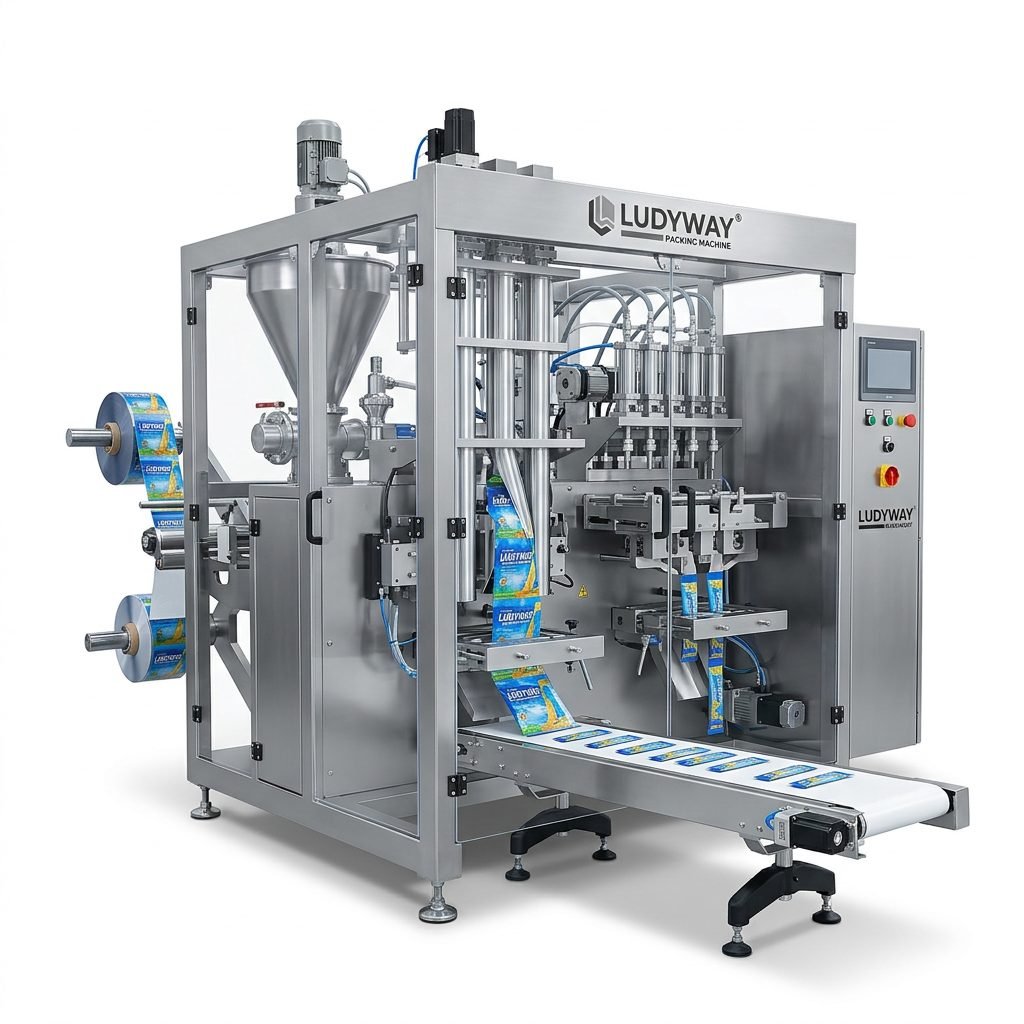
Weekly Preventative Maintenance Checklist
Beyond daily cleaning, a weekly maintenance schedule helps identify potential issues before they escalate into costly repairs. These checks should be documented for traceability and continuous improvement of your maintenance program.
- Inspect sealing temperature accuracy using a calibrated thermometer to verify the heating system is within the specified range for jelly cup film materials.
- Check and tighten all mechanical fasteners, including bolts on the frame, filling stations, and sealing assemblies.
- Examine pneumatic hoses and connections for air leaks that could affect machine timing and filling accuracy.
- Verify the alignment of film feeding rollers and tension controls to prevent film wrinkling or misalignment during cup forming.
- Clean and lubricate chain drives, cam mechanisms, and bearing surfaces with food-grade lubricant.
- Test emergency stop functions and safety interlock systems to ensure operator protection.
Key Inspection Points for Sealing Systems
The sealing station is one of the most critical areas on any jelly cup packing machine. Faulty seals lead to leaks, contamination, and product waste. Pay close attention to the following sealing components during weekly inspections:
- Heating element condition and temperature uniformity across the sealing surface.
- Sealing jaw alignment and pressure distribution.
- Teflon coating integrity on sealing bars to prevent film sticking.
- Cooling plate functionality for proper seal setting after heating.
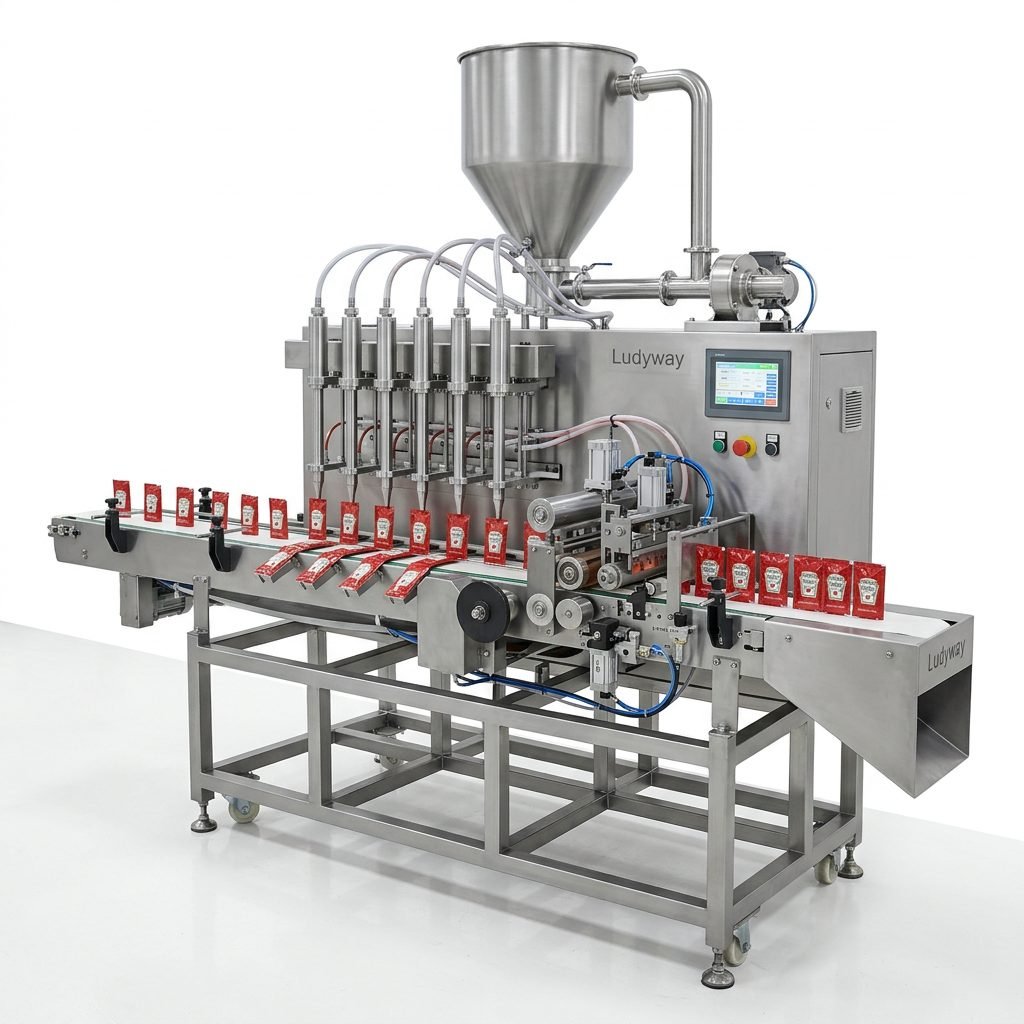
Monthly Deep Maintenance Schedule
Monthly maintenance tasks are more comprehensive and may require partial disassembly of key components. These procedures help maintain the long-term reliability of your automatic packaging line and prevent catastrophic failures during peak production periods.
| Component | Maintenance Action | Frequency |
|---|---|---|
| Filling Pumps & Valves | Complete disassembly, deep cleaning, seal inspection and replacement if worn | Monthly |
| Sealing Head Assembly | Inspect heating elements, replace Teflon tape, check thermocouple calibration | Monthly |
| Film Feeding Mechanism | Clean rollers, check bearing wear, verify tension control accuracy | Monthly |
| Electrical Cabinets | Remove dust buildup, check wiring connections, verify cooling fan operation | Monthly |
| Conveyor System | Belt tension adjustment, roller bearing lubrication, alignment verification | Monthly |
| Pneumatic System | Drain moisture from filters, check cylinder seals, verify pressure regulator settings | Monthly |
Troubleshooting Common Jelly Cup Packing Machine Issues
Even with diligent maintenance, occasional issues may arise. Understanding common problems and their root causes helps operators respond quickly and minimize production interruptions. Here are some frequently encountered challenges:
Inconsistent Fill Volumes
When jelly cup filling levels vary, the first items to check are the filling pump calibration and the product viscosity consistency. Air trapped in the filling lines can also cause volume fluctuations. Bleed the filling system and verify that the hopper maintains adequate product levels throughout the production run.
Poor Seal Quality or Leaking Cups
Leaking seals are often traced to incorrect temperature settings, contaminated sealing surfaces, or worn Teflon coatings on the sealing bars. Verify that the sealing temperature matches the film manufacturer’s specifications for your specific jelly cup lidding material. Clean the sealing area thoroughly and replace any damaged protective coatings.
Film Tracking and Wrinkling Problems
Improper film alignment can cause wrinkles, misaligned prints, and sealing defects. Check the film roll mounting, guide roller alignment, and tension control settings. Ensure that all rollers are clean and rotate freely without bearing resistance.
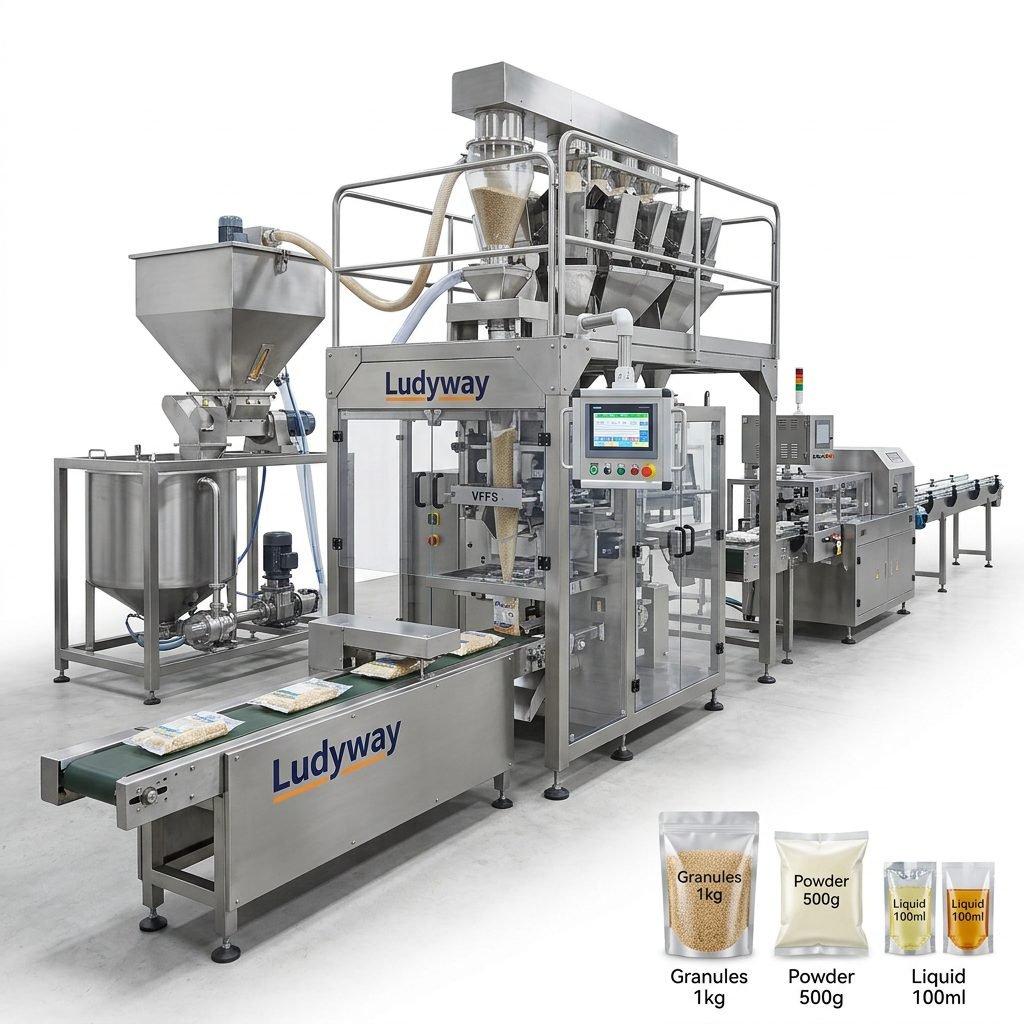
Lubrication Best Practices for Packaging Machinery
Proper lubrication is essential for reducing mechanical wear and ensuring smooth operation of all moving parts. However, in food packaging environments, lubrication must be performed with extreme care to prevent product contamination.
- Always use food-grade H1 lubricants registered with NSF International for incidental food contact applications.
- Apply lubricants sparingly to prevent excess from dripping onto product contact surfaces.
- Maintain a detailed lubrication log recording the date, component, lubricant type, and technician responsible.
- Pay special attention to high-wear areas including cam followers, chain drives, and linear bearings.
- Wipe away any excess lubricant immediately after application.
Operator Training and Safety Protocols
Well-trained operators are the first line of defense in maintaining equipment reliability. Comprehensive training programs should cover proper cleaning procedures, basic troubleshooting, and safety protocols. Operators must understand how to identify early warning signs of equipment issues, such as unusual noises, vibrations, or changes in machine timing. Refer to resources from organizations like the PMMI packaging industry association for industry best practices and standards related to packaging equipment safety and operator training.
Spare Parts Management Strategy
Maintaining an inventory of critical spare parts is a proactive approach that significantly reduces downtime when repairs are needed. Key spare parts to keep on hand for your jelly cup packing machine include sealing elements, Teflon tape, filling pump seals, sensor units, drive belts, and pneumatic components. Downtime costs in food packaging operations can far exceed the carrying cost of maintaining a well-planned spare parts inventory.
Documentation and Maintenance Records
Thorough documentation of all maintenance activities serves multiple purposes—it provides traceability for food safety audits, helps identify recurring issues, and supports predictive maintenance planning. Maintain digital or physical logs that include the date, task performed, parts replaced, technician name, and any observations or follow-up actions required. For further guidance on packaging machine standards and maintenance documentation requirements, you can consult ISO packaging standards which provide internationally recognized frameworks.
By implementing a structured cleaning and maintenance program, food manufacturers can maximize the productivity and reliability of their jelly cup packing equipment while ensuring consistent product quality and food safety compliance. Companies like Ludyway, with extensive experience in manufacturing advanced packaging machinery, understand the importance of designing equipment that facilitates easy cleaning and maintenance access—a critical consideration when selecting machinery for high-volume food production environments.