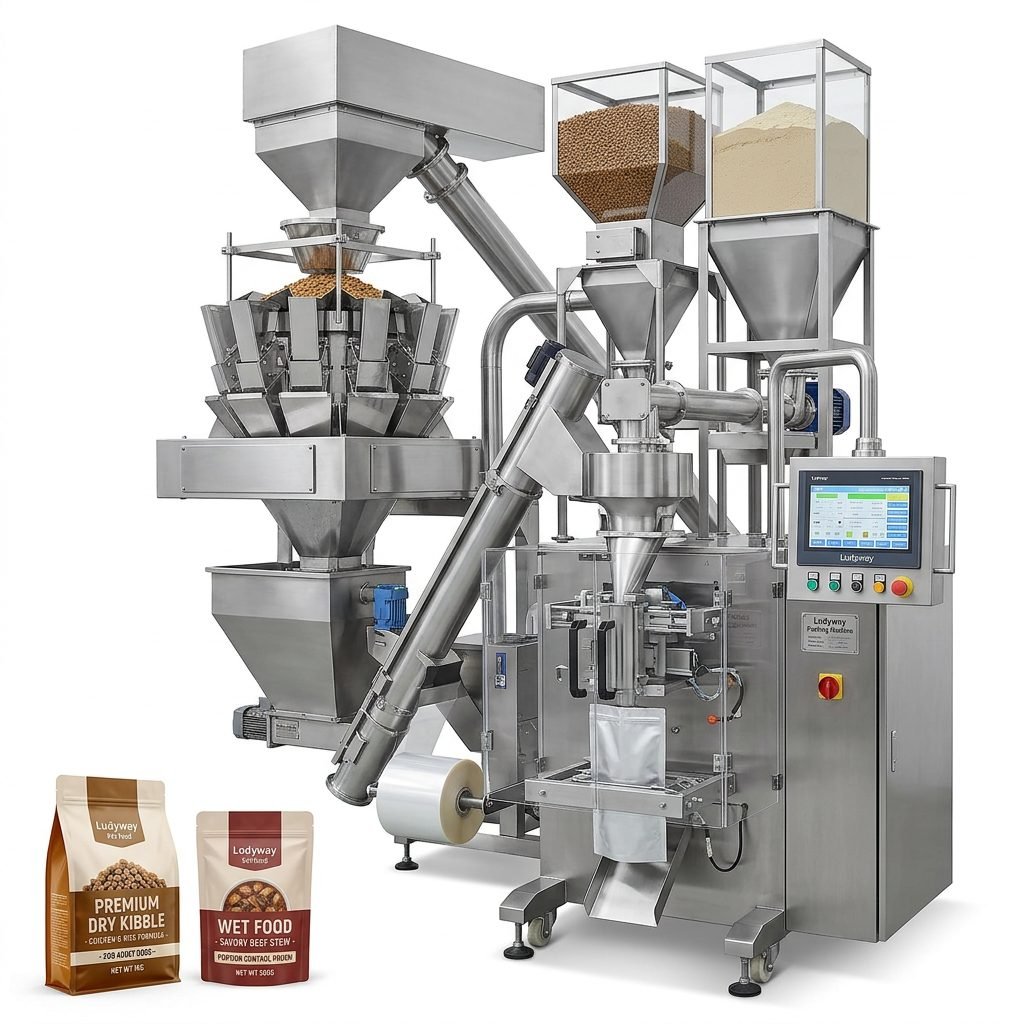
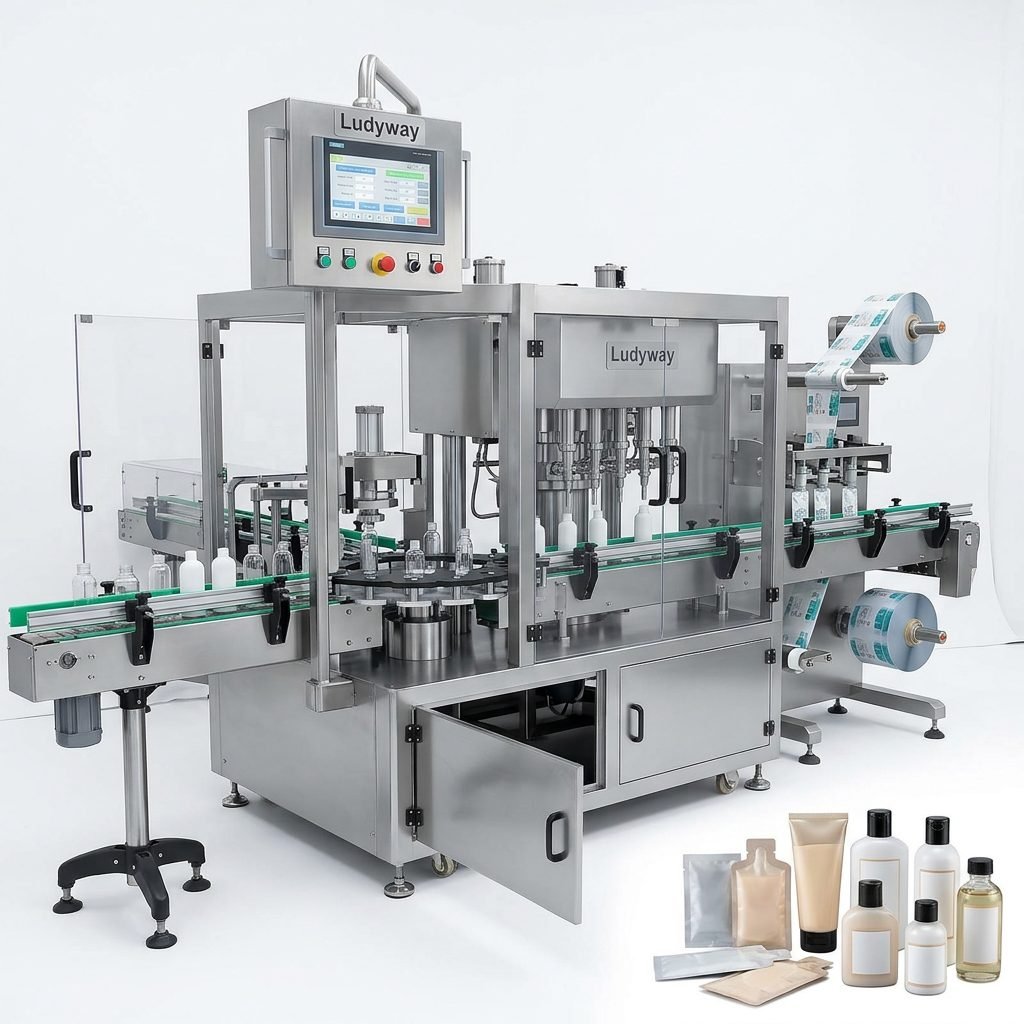
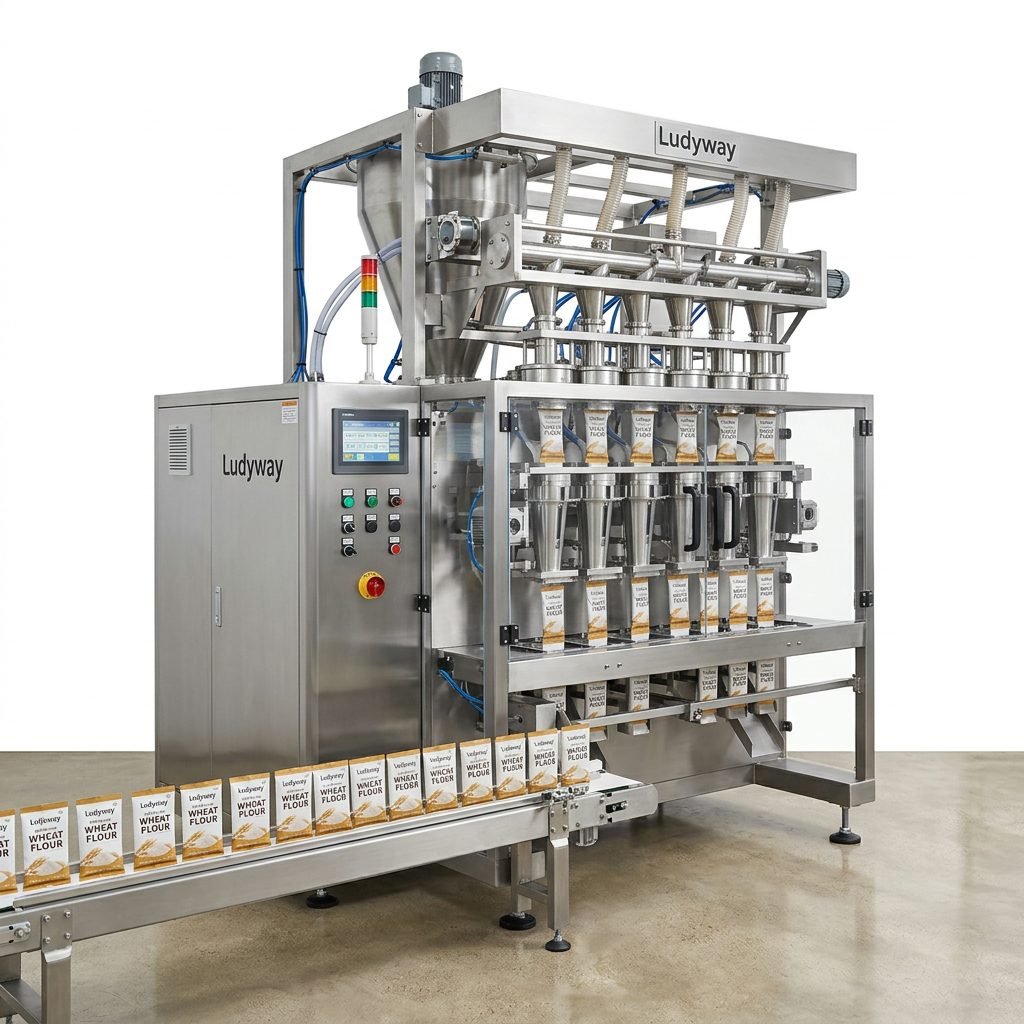
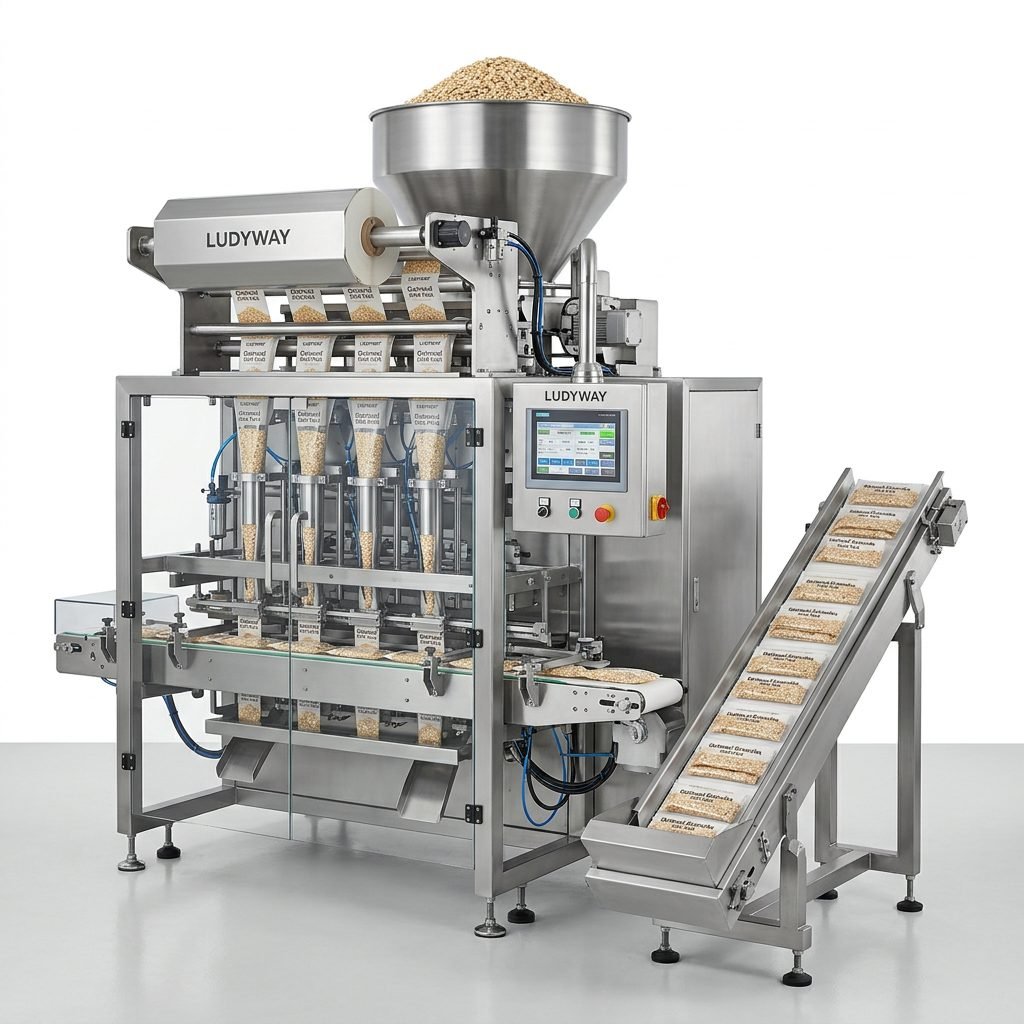
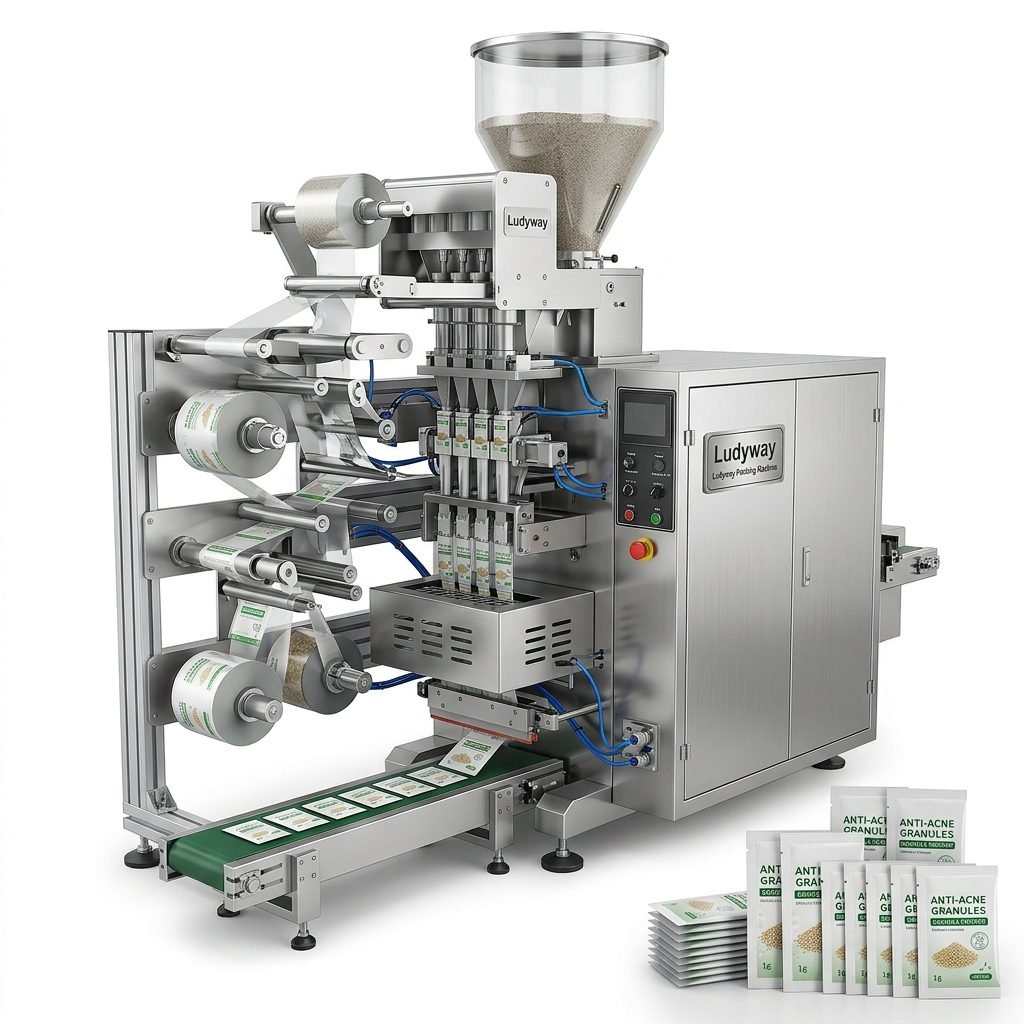
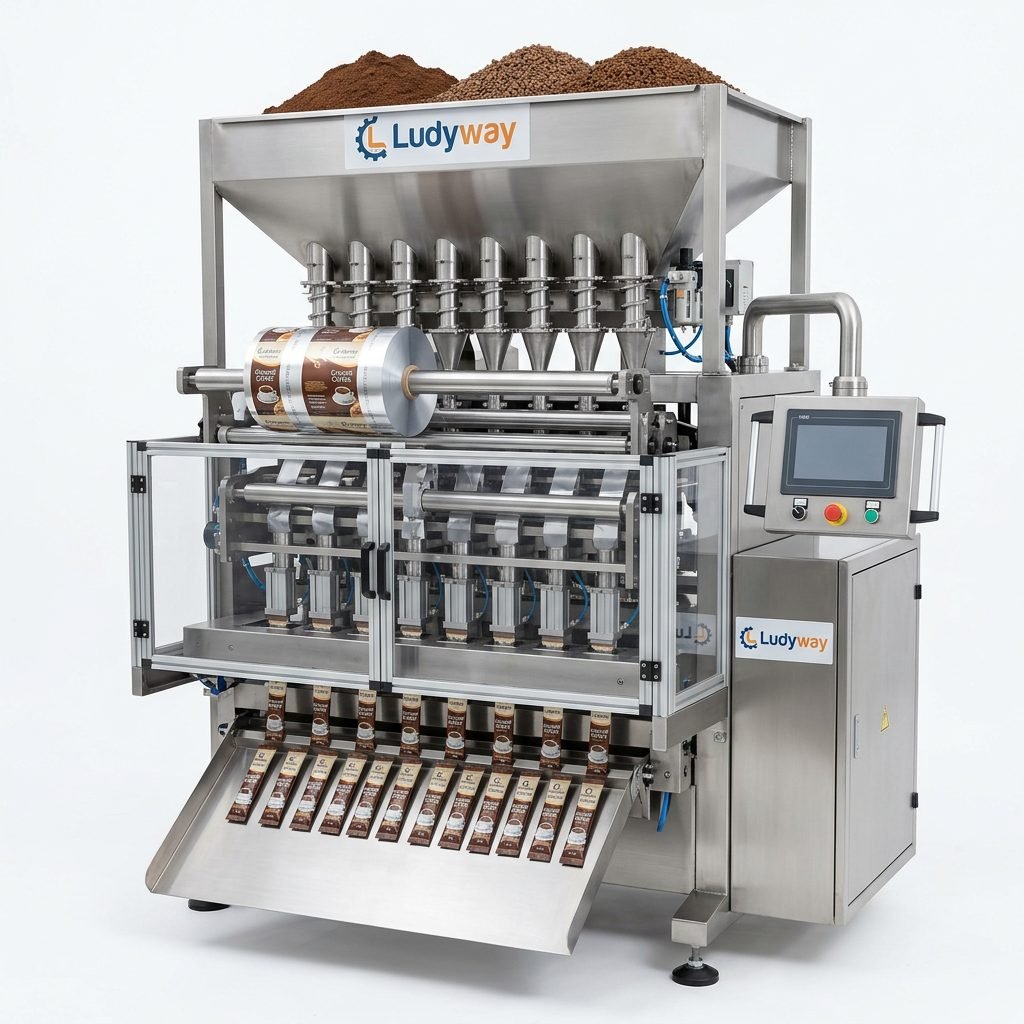
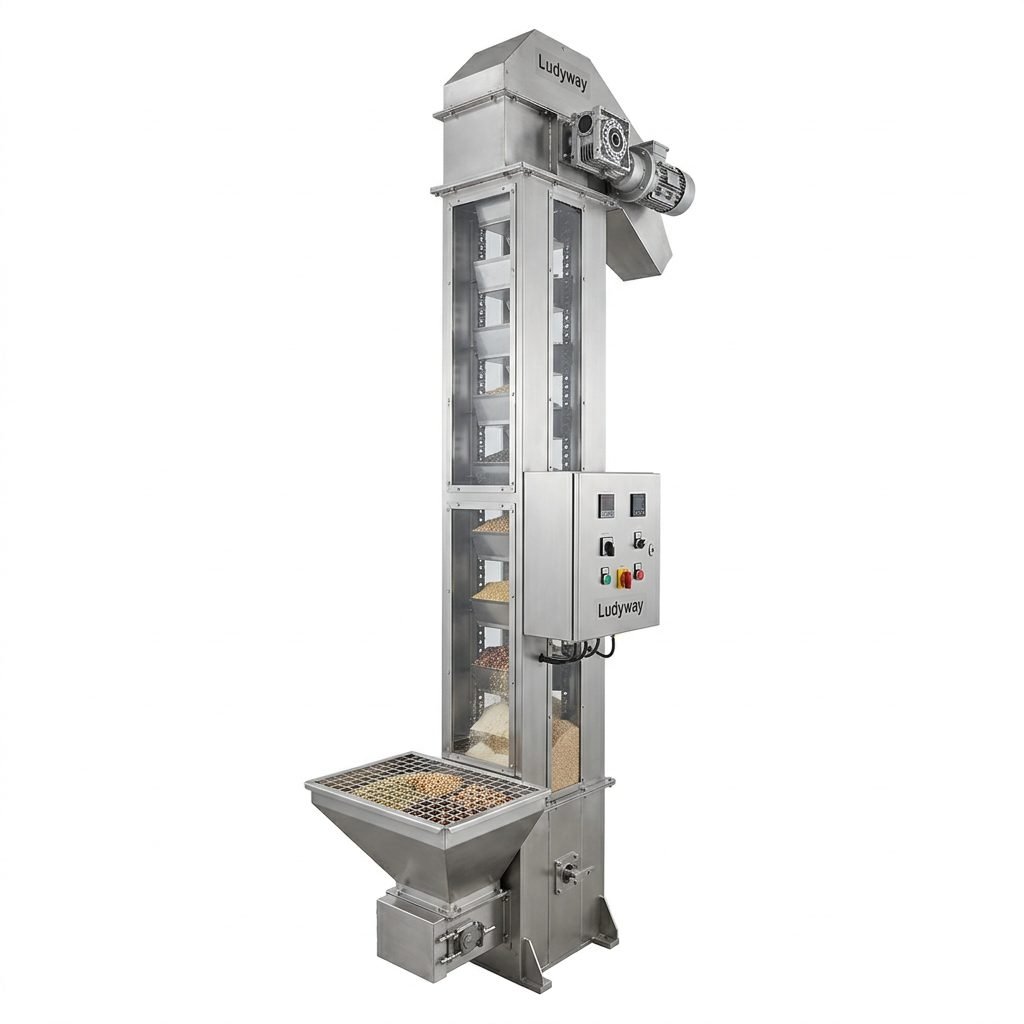
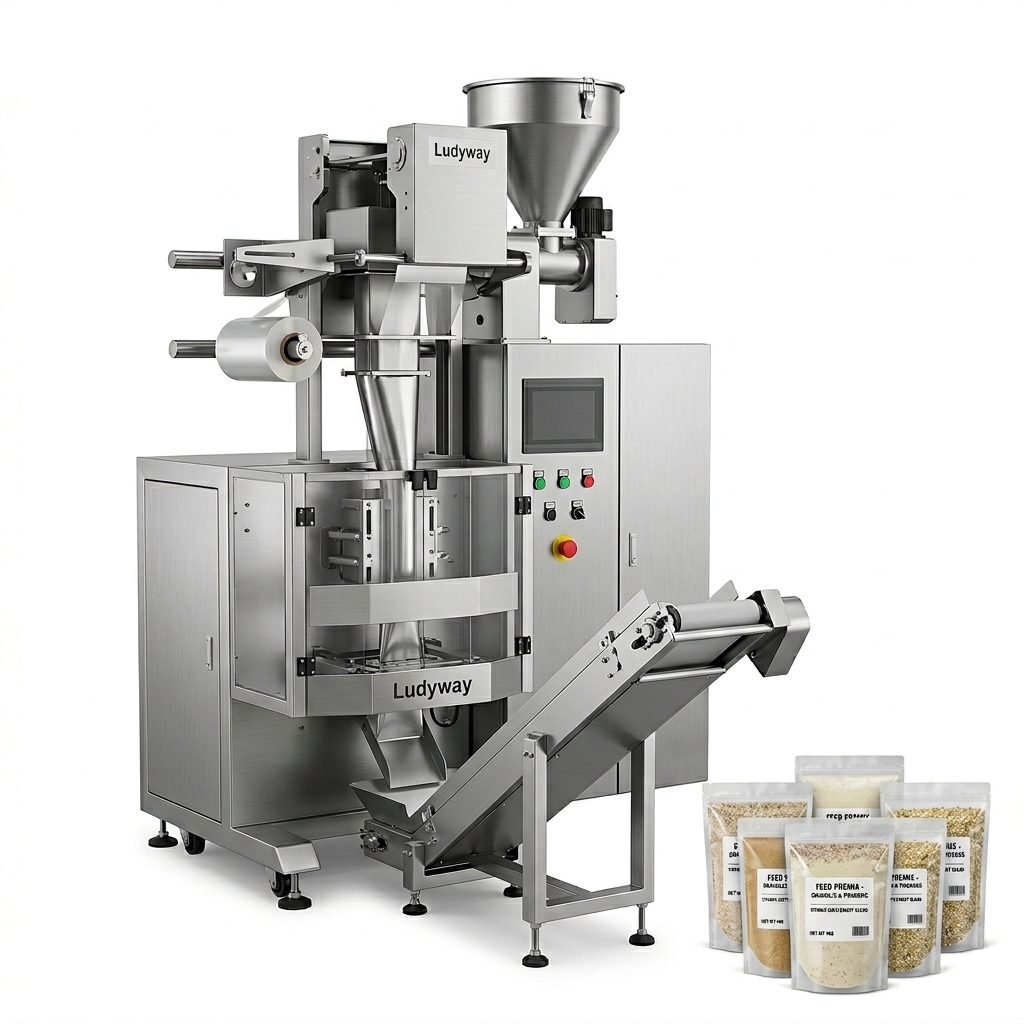
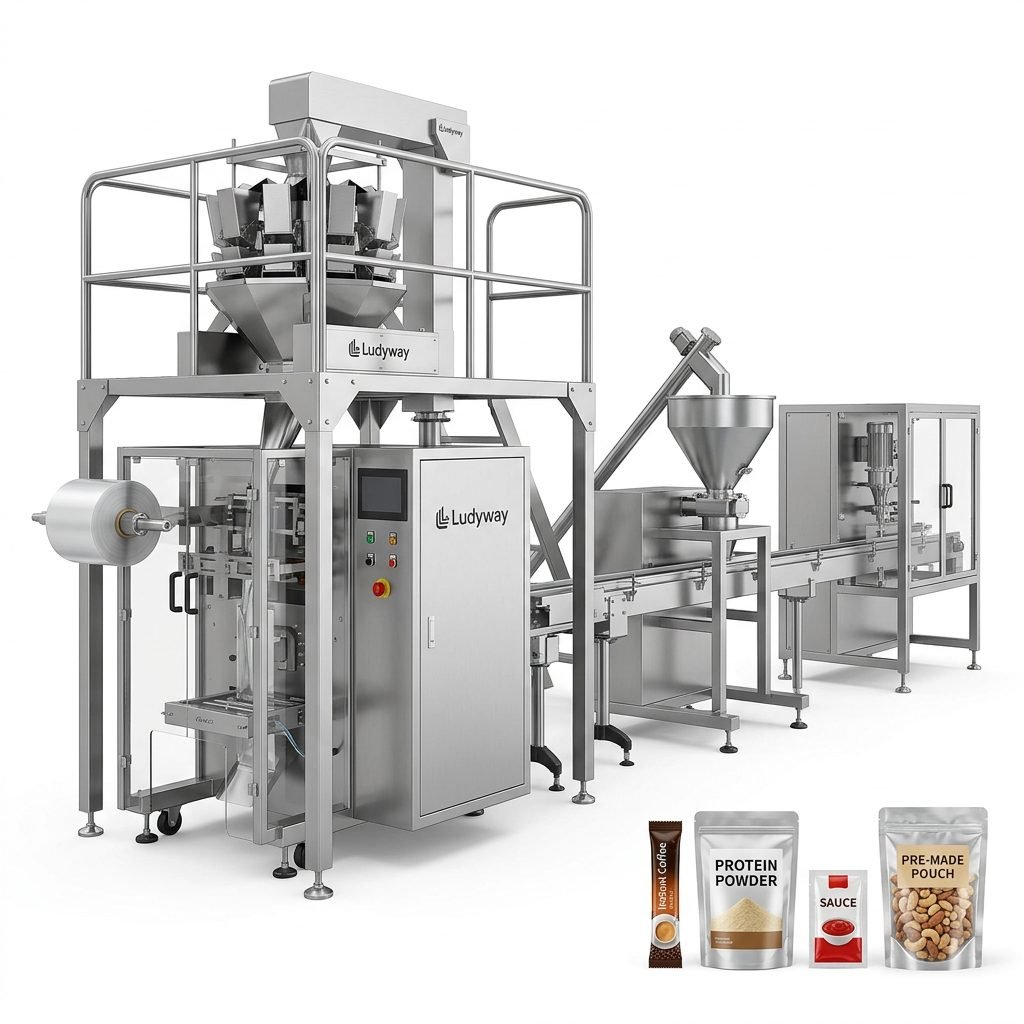
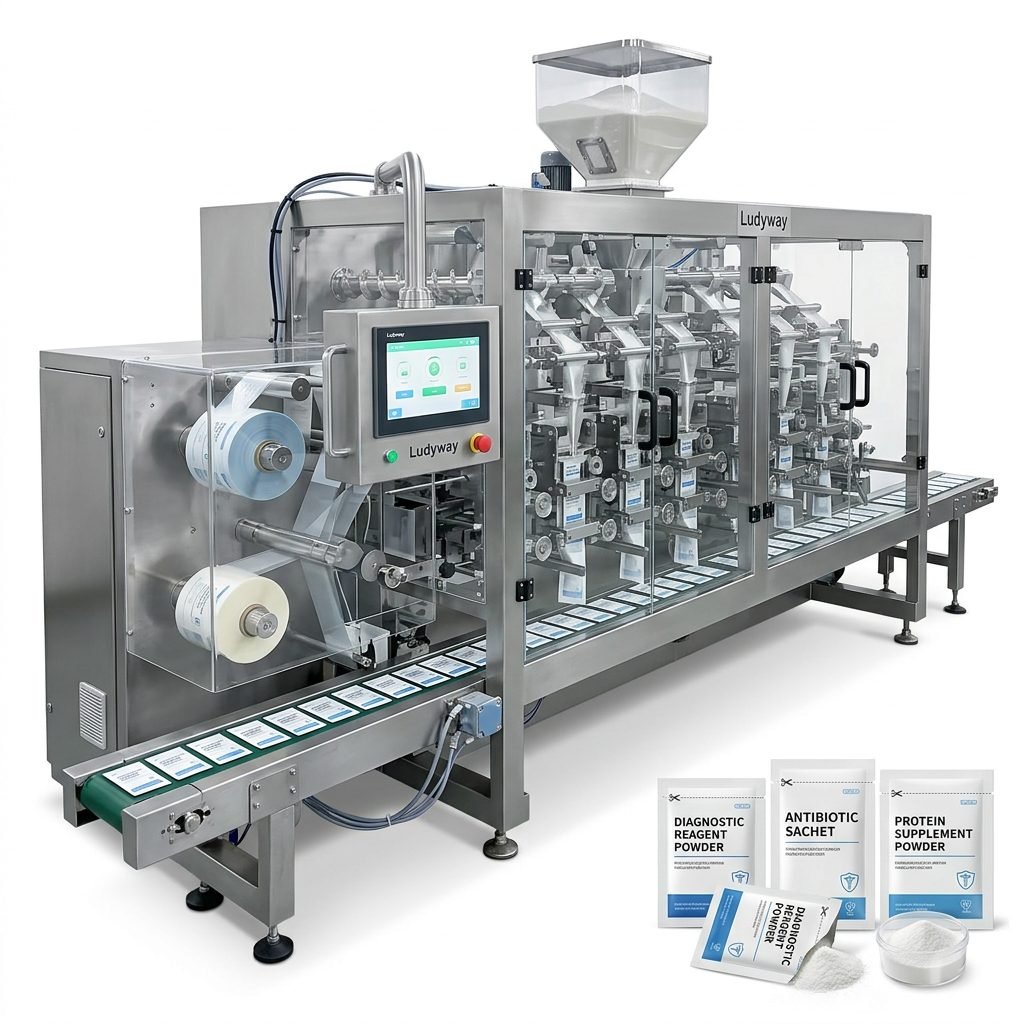
In today’s fast-paced manufacturing landscape, efficiency and cost control are paramount. Robotic and automated packaging systems have emerged as transformative solutions, fundamentally reshaping how products are prepared for market. These advanced systems go beyond simple mechanization, integrating intelligent robotics, precision controls, and sophisticated software to create seamless, high-speed packaging lines. The shift from manual or semi-automated processes to fully automated packaging is not merely a trend but a strategic imperative for businesses aiming to enhance productivity, ensure consistent quality, and maintain a competitive edge in a global marketplace.
The Core Mechanisms: How Robotic Packaging Works
At the heart of these systems are industrial robots—articulated arms, delta robots, or cartesian systems—equipped with specialized end-effectors like grippers, suction cups, or vision-guided tools. They are integrated into a cohesive line that may include form-fill-seal machines, cartoners, case packers, and palletizers. A central programmable logic controller (PLC) or industrial computer orchestrates the entire sequence, from the infeed of empty containers to the dispatch of fully packaged pallets. Advanced machine vision systems act as the “eyes,” performing critical quality checks for label placement, fill levels, and product integrity in real-time, rejecting any substandard items without halting the line. This closed-loop automation ensures a continuous, high-throughput flow with minimal human intervention.
Direct Impact on Operational Efficiency
The efficiency gains from automated packaging are profound and multi-faceted. Primarily, they enable a massive increase in speed and throughput. Machines can operate 24/7 without fatigue, performing repetitive tasks like picking, placing, and sealing at speeds far beyond human capability. This dramatically shortens production cycles and increases overall output. Secondly, automation brings unparalleled consistency. Every package is handled identically, eliminating the variances common in manual labor. This leads to a significant reduction in product giveaway (overfilling) and waste from improper sealing or handling.
Furthermore, these systems offer exceptional flexibility. Modern robotic cells can be quickly reprogrammed to handle different package sizes, shapes, or SKUs, facilitating agile production runs and easy changeovers. This adaptability is crucial for manufacturers dealing with seasonal products or diverse product portfolios. The streamlined workflow also optimizes floor space, as automated lines are often more compact and logically arranged than manual workstations, allowing for better factory layout and material flow.
Substantial Reduction in Total Operational Costs
While the initial capital investment is significant, the long-term cost savings generated by robotic packaging machinery are compelling. The most evident saving is in labor costs. Automating repetitive and physically demanding tasks reduces dependency on a large workforce, allowing companies to reallocate human talent to more complex, value-added roles like supervision, maintenance, and quality assurance.
Material savings constitute another major area. Precise filling and controlled application of adhesives or films minimize material usage. Reduced product damage and spoilage during the packaging process directly improve yield and cut losses. Additionally, lower energy consumption through optimized machine cycles and reduced requirements for climate-controlled manual workspaces contribute to operational savings.
Indirect costs also plummet. There is a marked decrease in costs associated with workplace injuries, employee turnover, and training. The consistency of automation also reduces costs linked to customer returns, recalls, and brand reputation damage due to packaging errors. When calculating the Return on Investment (ROI), businesses must consider this holistic reduction in the Total Cost of Ownership (TCO), which often justifies the upfront expenditure within a predictable timeframe.
Beyond Speed and Savings: Enhanced Safety and Quality
The benefits extend into critical areas of workplace safety and product quality. By taking over tasks that involve heavy lifting, repetitive motion, or interaction with high-speed machinery, robots significantly enhance worker safety and reduce the risk of ergonomic injuries. Employees are elevated to safer roles as machine supervisors and technicians.
In terms of quality, automation provides a level of precision and traceability that is difficult to achieve manually. Every action is controlled and monitored. Data on production speed, downtime, and rejection rates are logged automatically, providing invaluable analytics for continuous process improvement. This data-driven approach ensures compliance with stringent industry regulations, especially in sectors like food and pharmaceuticals, where hygiene and accuracy are non-negotiable.
Integration and the Future: Smart Packaging Lines
The true power of robotic packaging is unlocked through integration with broader Industry 4.0 and IoT (Internet of Things) frameworks. Modern systems can communicate with Enterprise Resource Planning (ERP) and Manufacturing Execution Systems (MES), enabling real-time production tracking, predictive maintenance, and dynamic scheduling. For instance, a line can automatically adjust its run based on real-time inventory data or an incoming priority order, creating a responsive and intelligent manufacturing ecosystem. The future points toward even greater collaboration between humans and robots (cobots), increased use of AI for optimization, and more sustainable packaging processes driven by automation.
Implementing Your Automated Solution
Successfully implementing an automated packaging system requires careful planning. The first step is a thorough analysis of your current process to identify bottlenecks and define clear goals for speed, flexibility, and ROI. Partnering with an experienced provider is crucial. A partner like Ludyway Machinery, with over 30 years of industry experience, can offer more than just equipment. They provide turnkey solutions, from design and integration to commissioning and after-sales support. Their portfolio of over 50 intelligent packaging machine models, including multi-lane stick pack and sachet systems, is backed by strong engineering capabilities developed through serving a global clientele. Evaluating the supplier’s expertise in your specific industry—be it food granules, pharmaceutical powders, or health liquids—ensures the solution is tailored to your unique needs.
Training your staff to operate and maintain the new system is essential for a smooth transition and long-term reliability. A phased implementation approach often minimizes disruption. The journey toward automation is an investment in future-proofing your operations, building resilience, and driving sustainable growth. For businesses looking to explore integrated turnkey production line solutions, the expertise of a seasoned automation partner is invaluable.
Frequently Asked Questions (FAQs)
What is the typical payback period for a robotic packaging system?
The payback period varies based on the system’s complexity, scale, and the specific labor and material savings it generates. For many businesses, a well-implemented system can achieve ROI within 1 to 3 years, considering reduced labor costs, lower waste, and increased output.
Can automated systems handle fragile or irregularly shaped products?
Yes. With custom-engineered end-of-arm tooling (EOAT) like soft grippers, adaptive vacuum cups, and advanced vision guidance, modern robots can gently and accurately handle a vast array of products, from delicate electronics and baked goods to irregularly shaped bottles.
How flexible are these systems for frequent product changeovers?
Highly flexible. Systems designed for high-mix production often feature quick-change tooling, recipe-driven programming, and automatic adjustment mechanisms. Changeovers that once took hours can be reduced to minutes with the push of a button, selecting a pre-set program.
What technical support is available after installation?
Reputable suppliers offer comprehensive support, including on-site training, remote troubleshooting, readily available spare parts, and scheduled maintenance services. For example, global providers typically have service networks and offer detailed operational manuals and 24/7 technical assistance to ensure maximum uptime.
Are robotic packaging lines suitable for small and medium-sized enterprises (SMEs)?
Absolutely. The market now offers scalable and modular solutions. SMEs can start with a single robotic cell automating the most labor-intensive or critical part of their line (like case packing or palletizing) and expand the system as their business grows, making automation an accessible strategy for companies of all sizes.