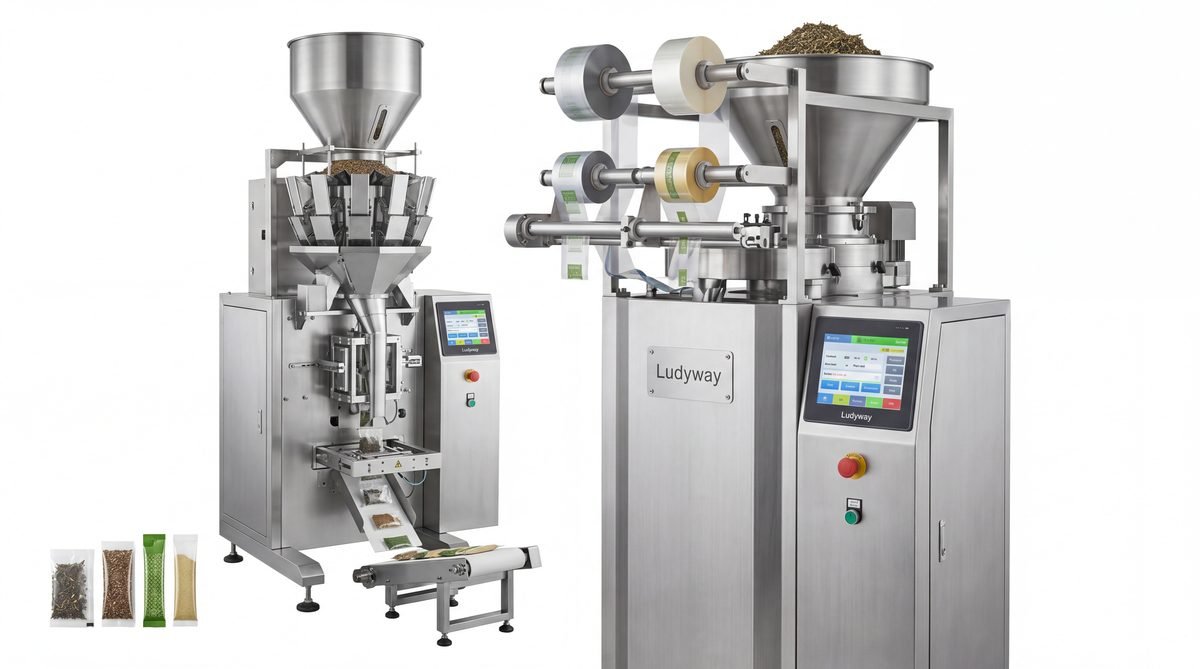
Investing in a tea and cooked rice packing machine is a significant decision for food manufacturers, exporters, and co-packers looking to scale production. Understanding the cost structure helps you budget effectively and avoid unexpected expenses. Whether you are packaging loose-leaf tea, instant rice, or ready-to-eat meal kits, the price of packaging equipment varies widely based on technology, speed, and configuration.
Key Factors That Determine Packaging Machine Costs
Several variables influence the final price of a tea and cooked rice packaging machine. Understanding these factors will help you make an informed purchasing decision and negotiate more effectively with suppliers.
- Level of Automation: Semi-automatic machines cost significantly less than fully automated packaging lines with robotic integration.
- Packaging Format: Stick packs, sachets, pouches, and vacuum-sealed bags each require different tooling and sealing mechanisms.
- Production Speed: High-speed multi-lane machines capable of producing 200+ packs per minute command premium pricing.
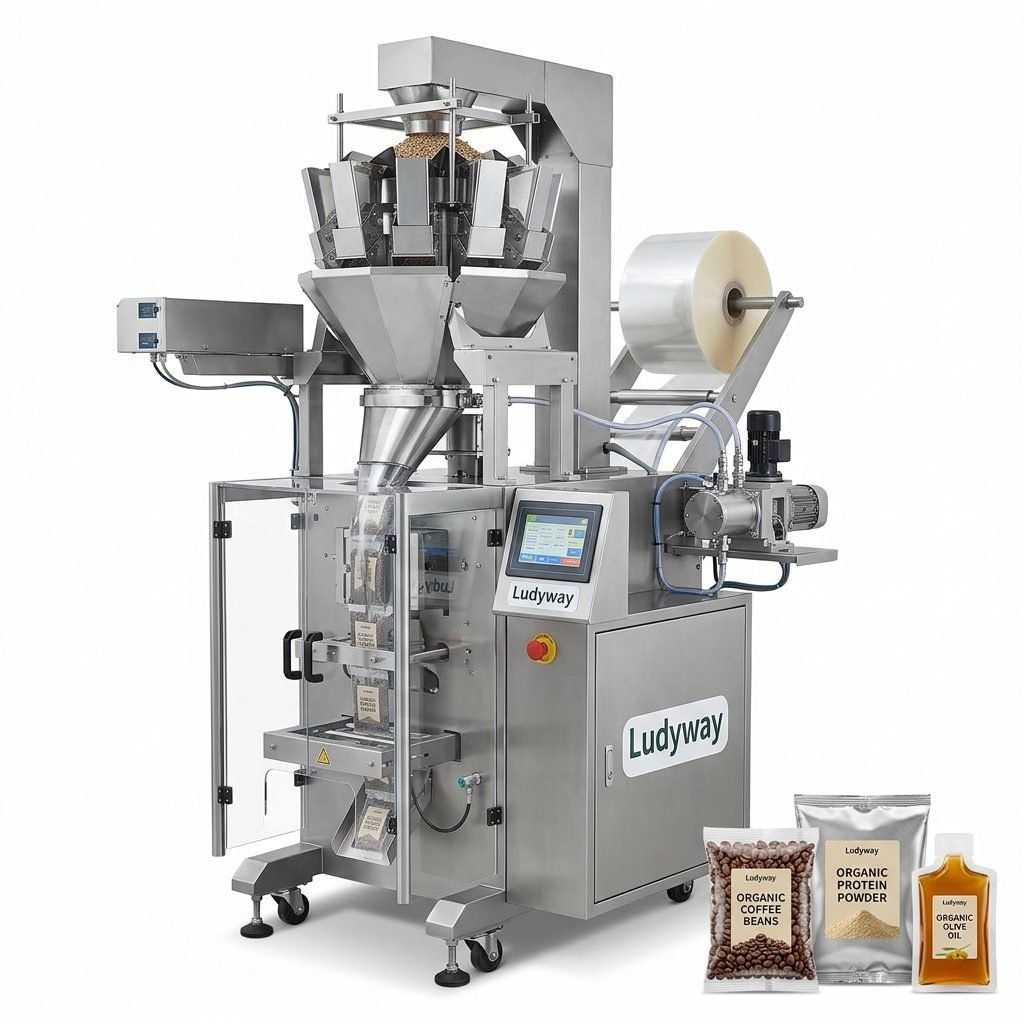
- Filling Technology: Auger fillers, volumetric cup fillers, and multi-head weighers each have different cost implications.
- Material Compatibility: Machines designed for granules, powders, and liquid-based rice products may require specialized components.
- Certifications: Equipment meeting FDA food packaging standards or CE certifications typically involves additional engineering costs.
Price Ranges by Machine Type
The following table outlines typical price ranges for different categories of tea and cooked rice packaging equipment. These figures are based on industry averages and may vary depending on configuration and supplier location.
| Machine Type | Speed Range | Estimated Cost (USD) | Best For |
|---|---|---|---|
| Semi-Automatic Sachet Filler | 15-40 packs/min | $5,000 – $18,000 | Small tea brands, startups |
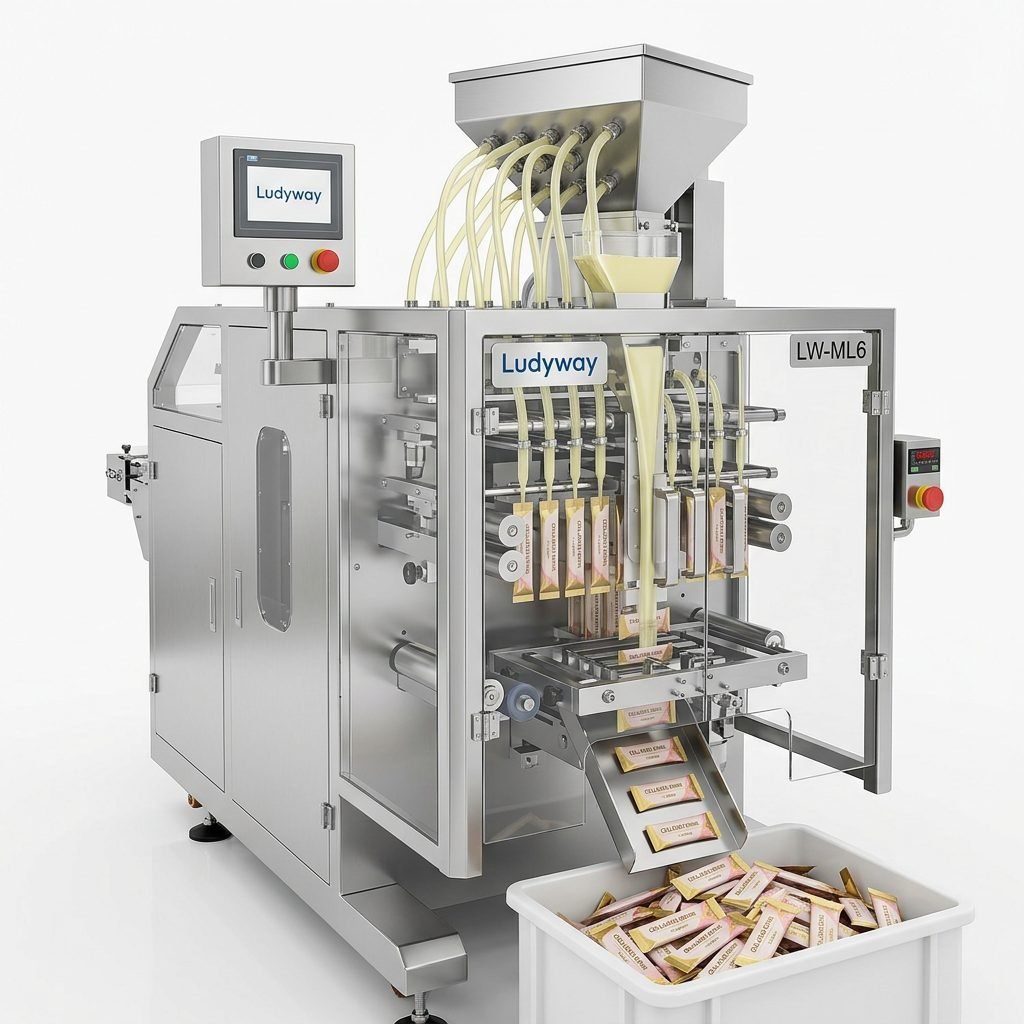
| Single-Lane Stick Pack Machine | 40-80 packs/min | $15,000 – $45,000 | Medium-scale tea and instant rice producers |
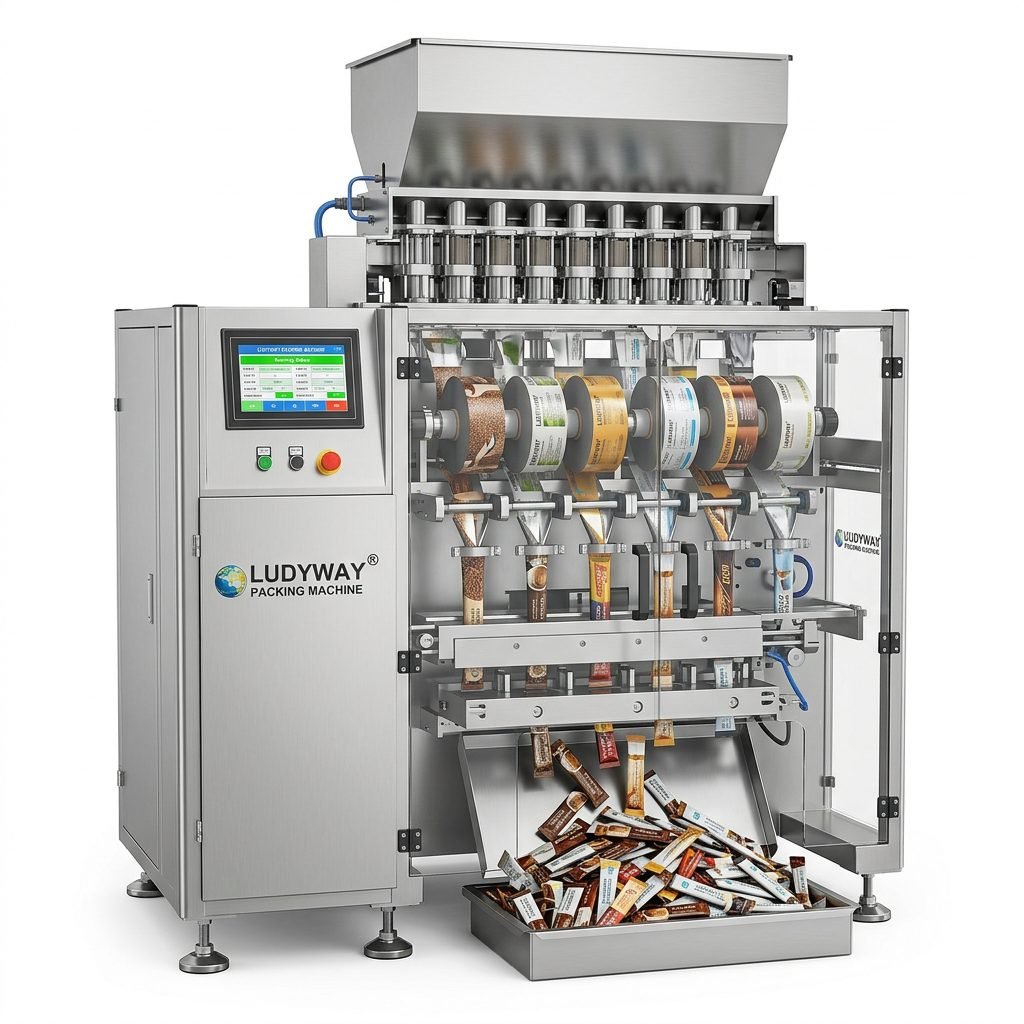
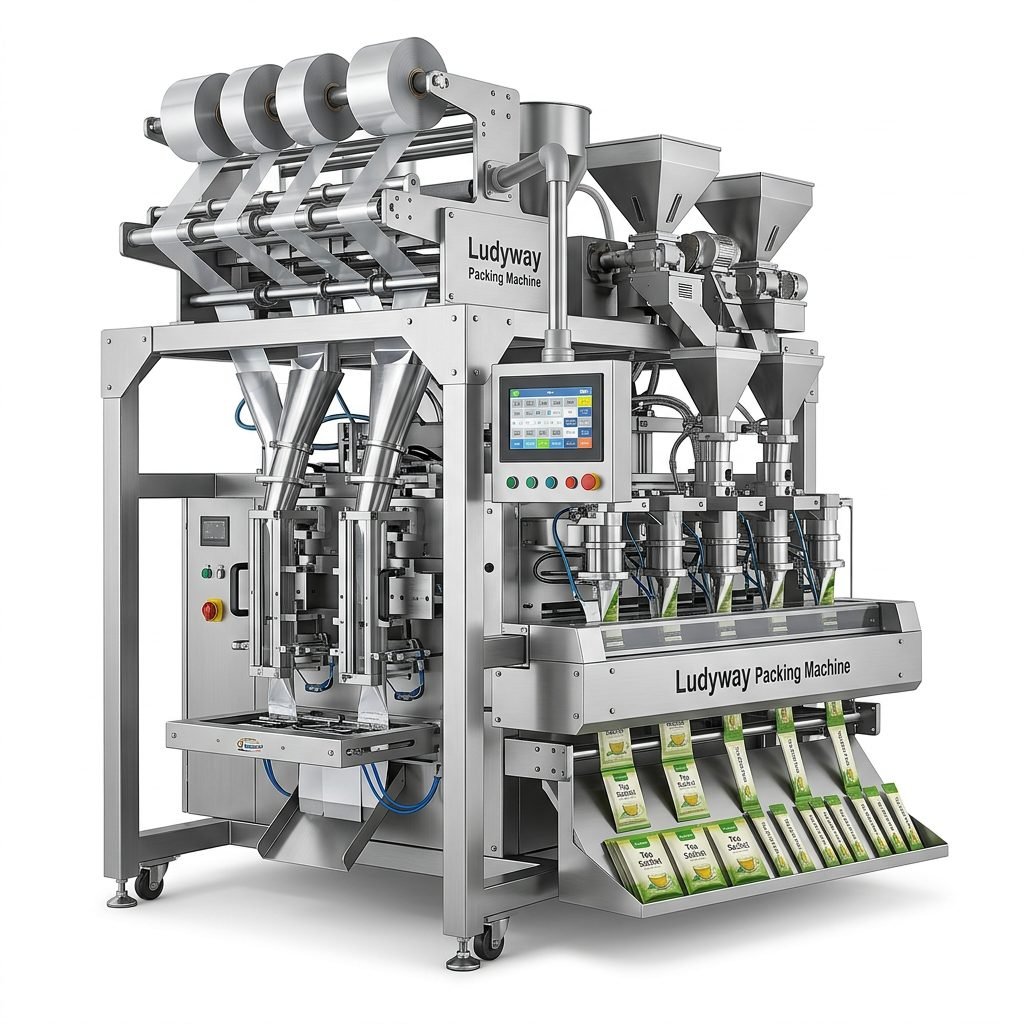
| Multi-Lane Stick Pack System (4-6 lanes) | 120-300 packs/min | $50,000 – $120,000 | High-volume manufacturers |
| Multi-Lane Sachet Line (8-12 lanes) | 400-800 packs/min | $100,000 – $250,000 | Large-scale export-oriented producers |
| Fully Automated Turnkey Line | 800-1,500+ packs/min | $250,000 – $600,000+ | Industrial-scale food corporations |
| Vacuum / Nitrogen-Flush Rice Packer | 20-60 packs/min | $25,000 – $80,000 | Cooked rice, extended shelf-life products |
Note: Prices are approximate and may vary based on customization, shipping, and regional supplier differences.
Automation Level and Its Impact on Pricing
The degree of automation is arguably the single largest cost driver in packaging machinery. A PMMI state of the industry report highlights that automated packaging solutions continue to dominate investment priorities as labor costs rise globally.
Manual and Semi-Automatic Options
Entry-level machines require operator intervention for product feeding, bag positioning, or sealing activation. These are ideal for startups and small-batch producers with limited capital. Expect to invest between $5,000 and $25,000 for reliable semi-automatic equipment.
Fully Automatic Integrated Lines
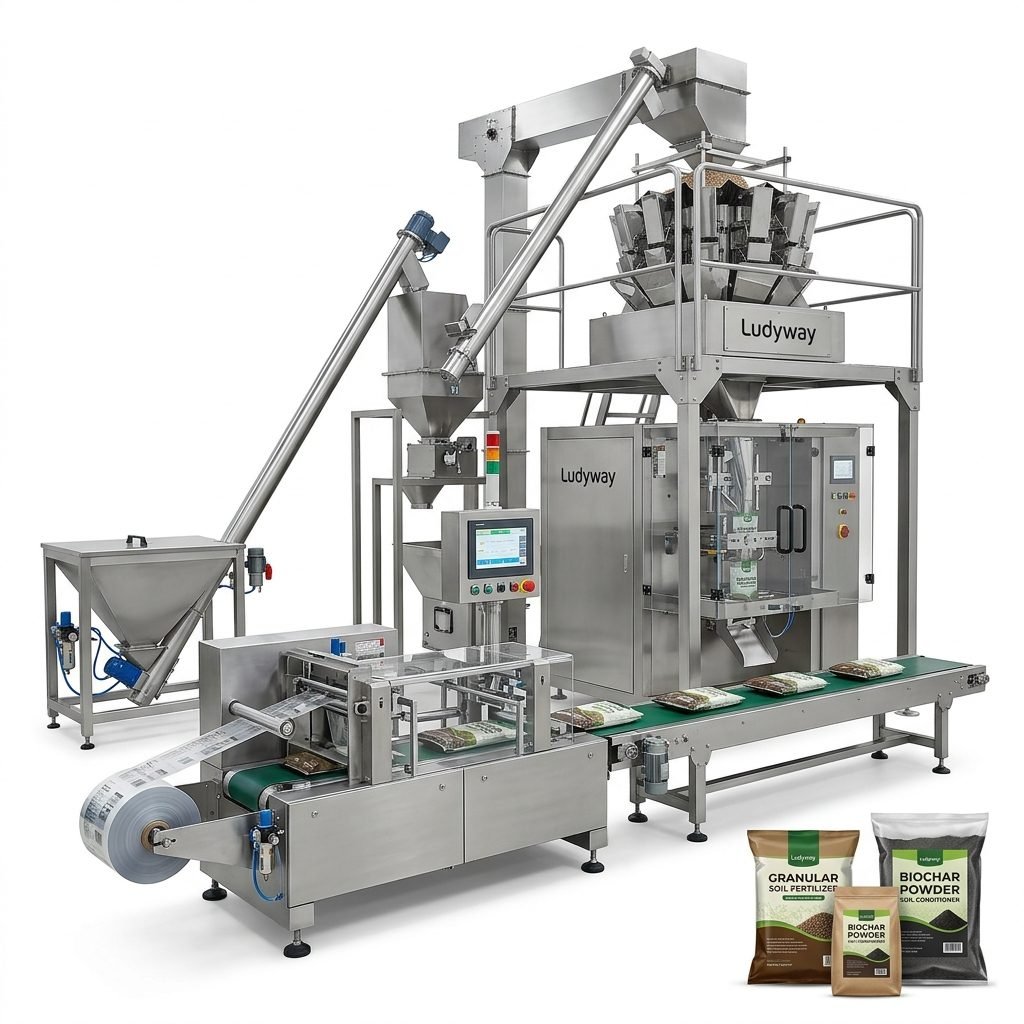
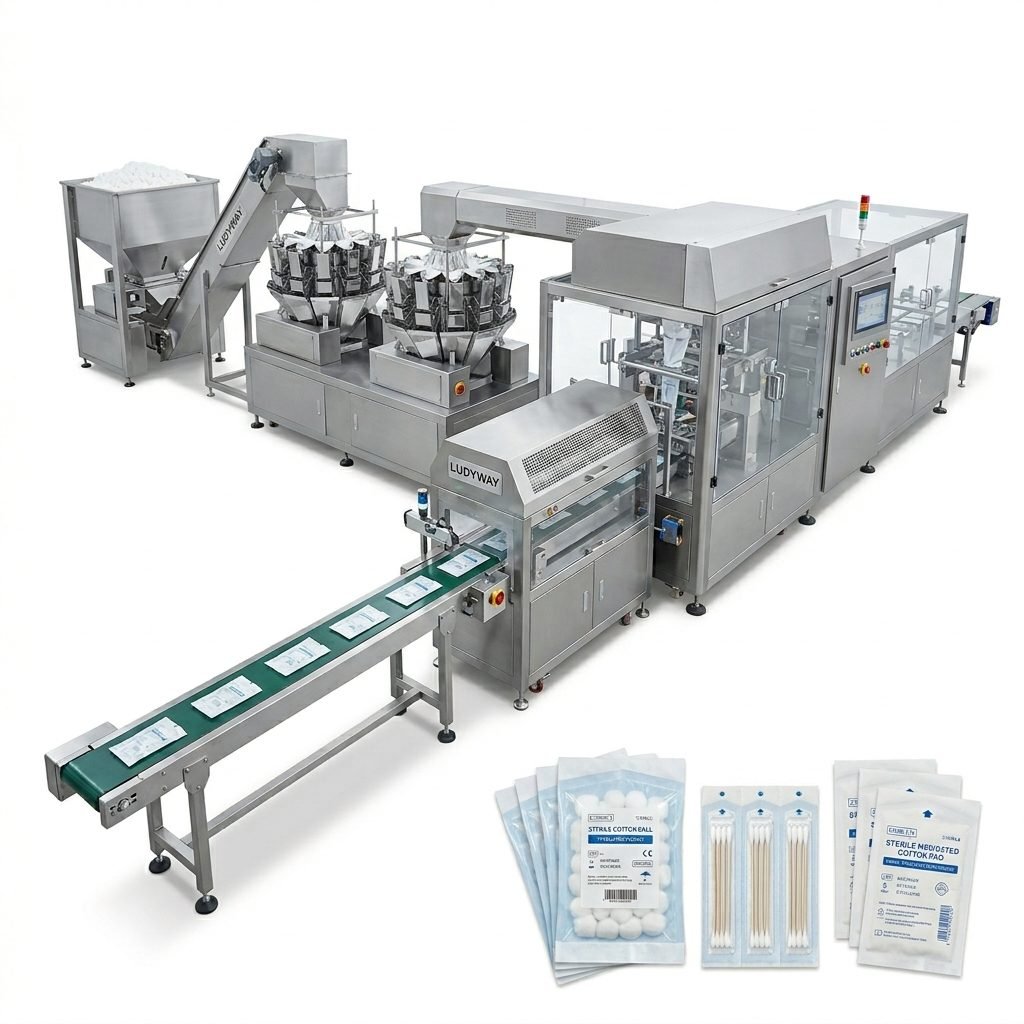
High-end systems integrate weighing, filling, sealing, coding, and cartoning into a seamless workflow. These lines minimize labor and maximize throughput but require a substantial upfront investment. According to Flexible Packaging Association data, demand for automated flexible packaging solutions has grown steadily, pushing innovation in multi-lane technology.
Packaging Format: Stick Pack vs. Sachet vs. Pouch
Your choice of packaging format directly affects machine cost. Each format requires different forming, filling, and sealing mechanisms:
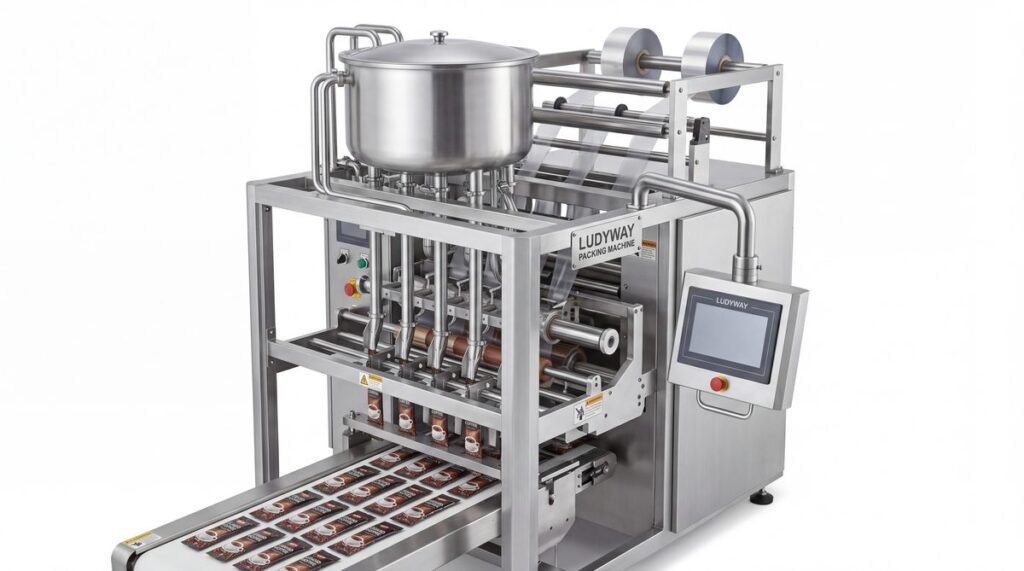
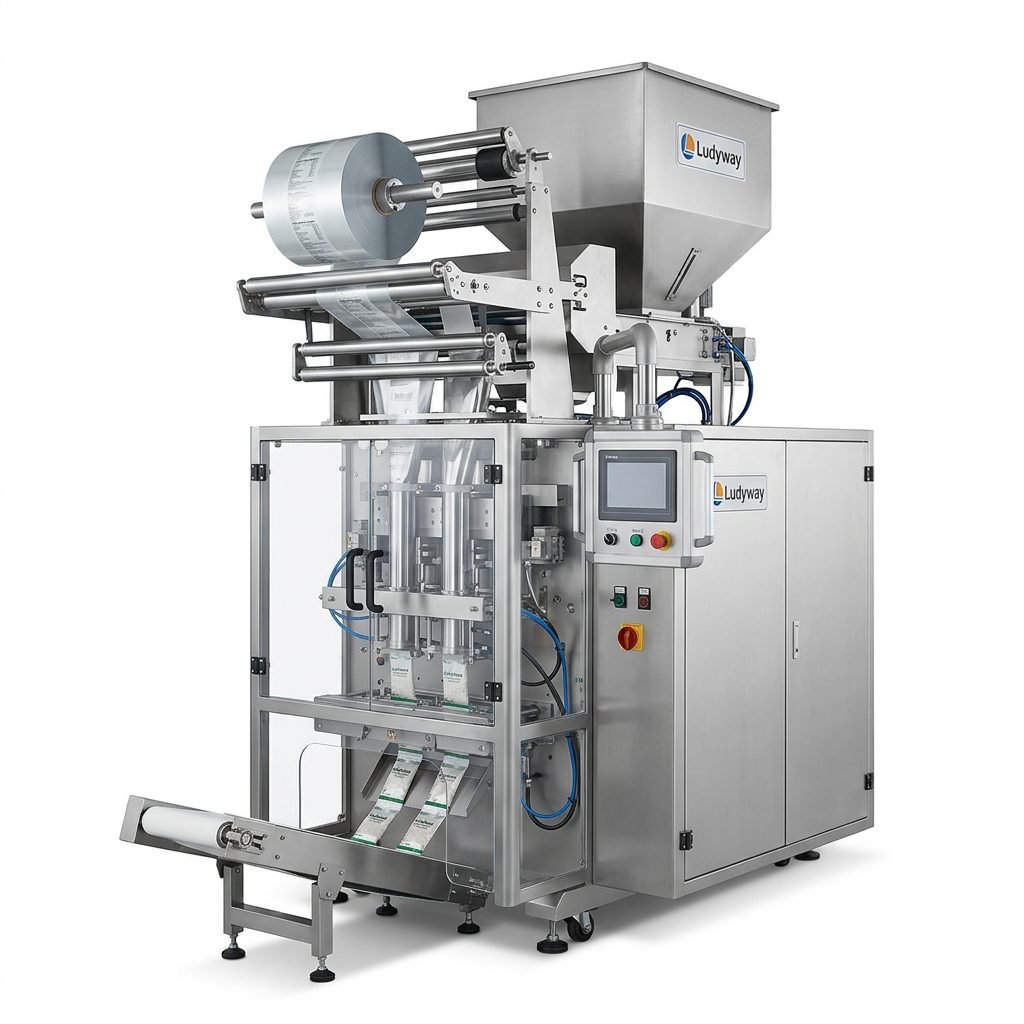
- Stick Packs: Slim, elongated packets popular for single-serve instant coffee, tea, and sugar. Machines for this format are widely available and competitively priced.
- Flat Sachets: Common for cooked rice, ready meals, and condiment portions. Multi-lane sachet machines offer excellent efficiency for high-volume production.
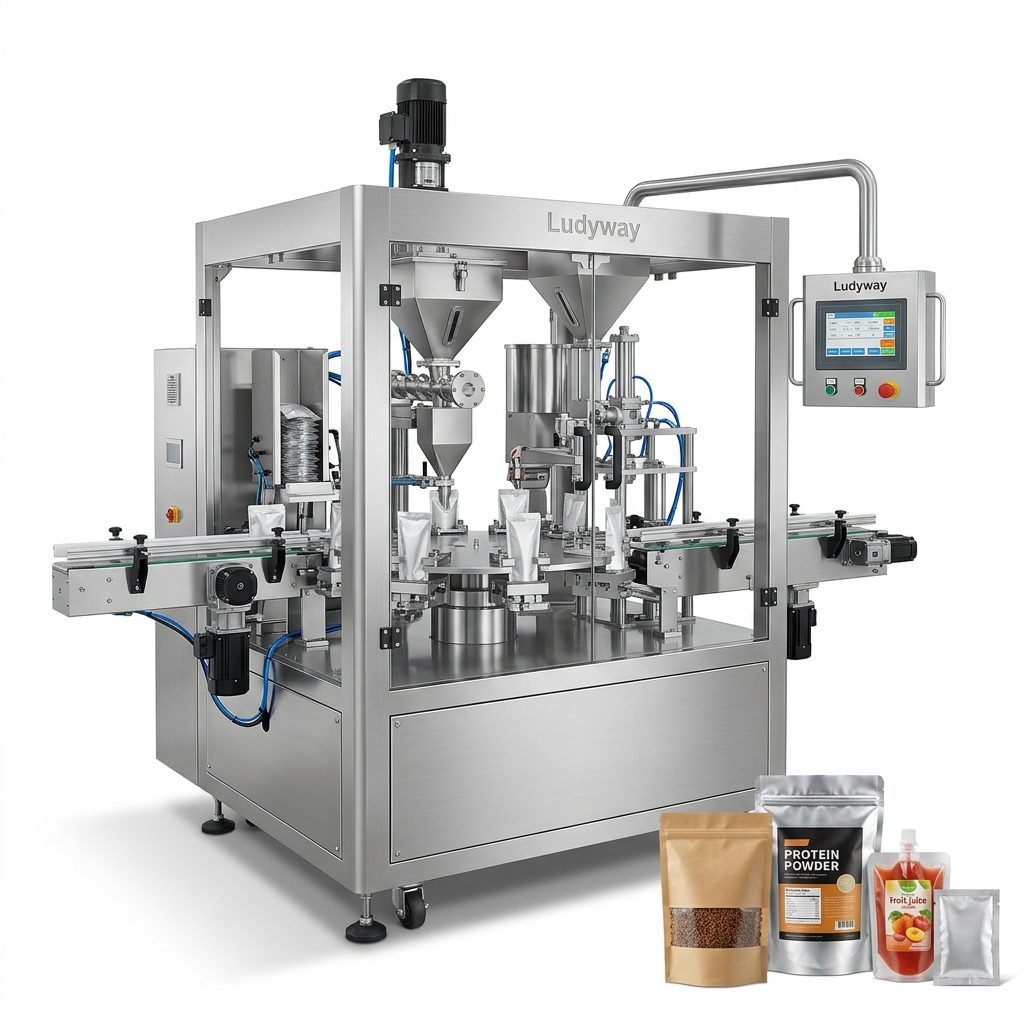
- Stand-Up Pouches: Premium packaging for value-added rice products and specialty teas. Requires more complex machinery with zipper and gusset capabilities.
- Vacuum Bags: Essential for cooked rice with extended shelf life. Nitrogen-flush systems add to the base machine cost but significantly improve product preservation.
Production Capacity and Cost Correlation
As production capacity increases, machine costs rise accordingly. The table below illustrates how output expectations translate into equipment investment levels:
| Daily Output Target | Recommended Machine Configuration | Approximate Investment (USD) |
|---|---|---|
| Up to 10,000 packs/day | 1-2 lane semi-automatic | $5,000 – $20,000 |
| 10,000 – 50,000 packs/day | 4-lane automatic | $40,000 – $90,000 |
| 50,000 – 200,000 packs/day | 8-lane high-speed system | $90,000 – $200,000 |
| 200,000 – 500,000+ packs/day | 12+ lane fully automated turnkey line | $200,000 – $600,000+ |
Additional Costs Beyond the Machine Price
When budgeting for a tea and cooked rice packaging machine, consider these often-overlooked expenses that can significantly impact your total investment:
- Shipping and Logistics: International freight for heavy packaging machinery can add $3,000 – $15,000 depending on origin and destination.
- Installation and Commissioning: Professional setup by factory-trained technicians ensures optimal performance. Budget 5-10% of machine cost for this service.
- Operator Training: Comprehensive training programs reduce downtime and errors. Many PMMI packaging industry resources emphasize the importance of ongoing workforce development.
- Spare Parts and Maintenance: Keeping critical components in stock minimizes production interruptions. Annual maintenance contracts typically range from $2,000 to $8,000.
- Facility Modifications: Electrical upgrades, compressed air systems, and floor reinforcement may be necessary for larger installations.
- Regulatory Compliance: Equipment validation for FDA food contact substances compliance may require additional documentation and testing.
Choosing the Right Machine for Your Budget
Selecting the optimal packaging machine requires balancing current needs with future growth potential. Here are actionable recommendations based on different business scenarios:
For Startups and Small Businesses
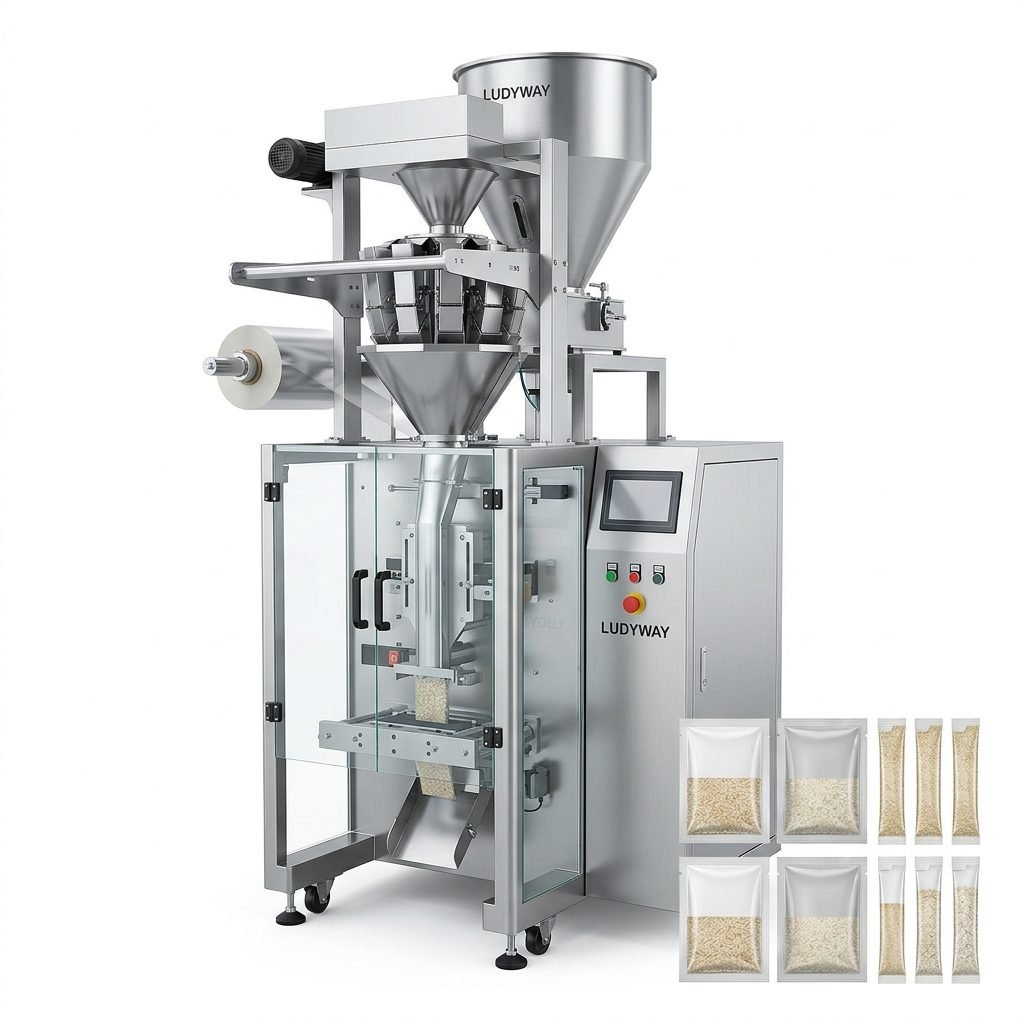
Begin with a semi-automatic or single-lane machine in the $5,000-$25,000 range. This approach minimizes risk while allowing you to establish market presence. Look for equipment that can be upgraded or expanded as demand grows. Many suppliers, including Ludyway, offer modular systems that accommodate future capacity increases without requiring a complete machinery replacement.
For Mid-Sized Manufacturers
Invest in a 4-6 lane automatic system with integrated weighing and coding capabilities. The $50,000-$120,000 investment typically delivers a return within 12-24 months through labor savings and increased output. Prioritize machines with quick-changeover features if you package multiple tea or rice product variants.
For Large-Scale Industrial Operations
Deploy fully turnkey packaging lines with multi-lane stick pack or sachet systems, automated cartoning, and palletizing. While the $250,000-$600,000+ price tag is substantial, the per-unit packaging cost drops dramatically at scale. Review the ISO packaging standards to ensure your equipment meets international quality benchmarks for export markets.
Regional Price Variations and Supplier Considerations
Machine costs differ significantly based on manufacturing origin. Chinese packaging machinery manufacturers often offer competitive pricing with 30-50% cost savings compared to European or North American equivalents, while maintaining comparable quality standards. However, evaluate after-sales support, spare parts availability, and warranty terms carefully before making a purchasing decision based solely on price.
Return on Investment Timeline
Understanding your ROI timeline helps justify the capital expenditure. Most automated packaging machines achieve full payback within 1.5 to 3 years through:
- Labor Reduction: Automated lines can replace 3-8 manual packing workers per shift.
- Material Savings: Precision filling reduces product giveaway by 2-5% compared to manual methods.
- Increased Throughput: Multi-lane systems boost output by 300-800% versus single-lane alternatives.
- Consistent Quality: Reduced product rejects and customer complaints translate to measurable savings.
The Flexible Packaging Association regularly publishes industry data showing that companies investing in modern automated packaging equipment achieve significantly higher operational efficiency metrics compared to those relying on outdated or manual processes. When evaluating a tea and cooked rice packing machine, consider total cost of ownership rather than focusing exclusively on the initial purchase price.
Summary of Key Cost Takeaways
- Entry-level semi-automatic machines start around $5,000 for basic sachet filling.
- Mid-range multi-lane systems range from $50,000 to $150,000 and suit most growing businesses.
- Fully integrated turnkey lines for industrial-scale production can exceed $500,000.
- Factor in 15-25% above the machine price for shipping, installation, training, and initial spare parts.
- ROI is typically achieved within 18-36 months for well-planned packaging line investments.
For businesses seeking reliable and competitively priced packaging solutions, working with an experienced manufacturer that offers comprehensive pre-sales consultation, custom engineering, and dependable after-sales support is essential to maximizing the value of your packaging machinery investment.