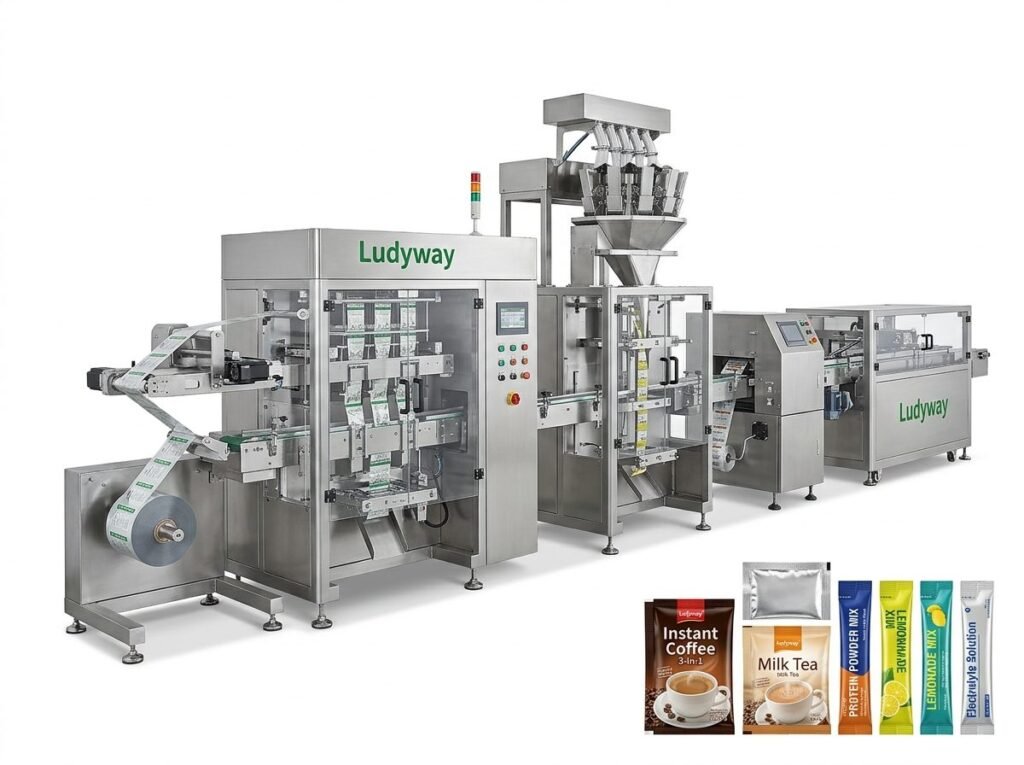
Selecting the right salsa packaging machine is a strategic decision that impacts product quality, shelf life, and production efficiency. With an increasing number of manufacturers turning to automated systems for sauce packaging solutions, it is essential to understand the technical factors, machine configurations, and long-term value before investing. This guide walks through the key considerations to help buyers make an informed choice.
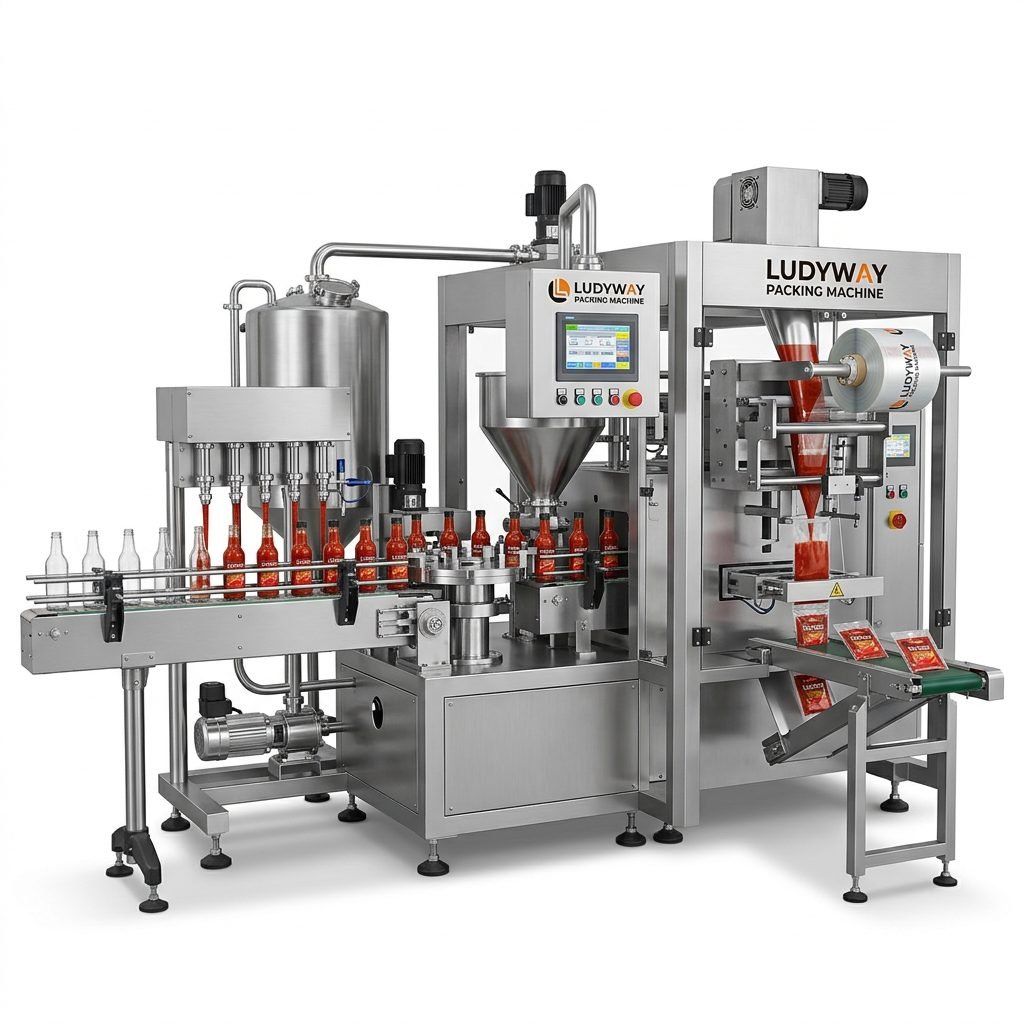
1. Understand Your Salsa Product Characteristics
Salsa can vary significantly in viscosity, chunk size, and ingredient composition. Whether you are producing a smooth hot sauce, a chunky pico de gallo, or a blended red salsa, the physical properties of the product directly influence the type of filling system required. Piston fillers handle thick, chunky products well, while gravity or pump-based fillers suit more fluid consistencies. For manufacturers in the food and beverage sector, understanding these parameters early helps narrow down packaging machinery options significantly.
2. Evaluate Packaging Machine Types
Several machine configurations are commonly used for salsa packaging lines. The table below compares the primary types based on application and output.
| Machine Type | Best For | Key Advantage |
|---|---|---|
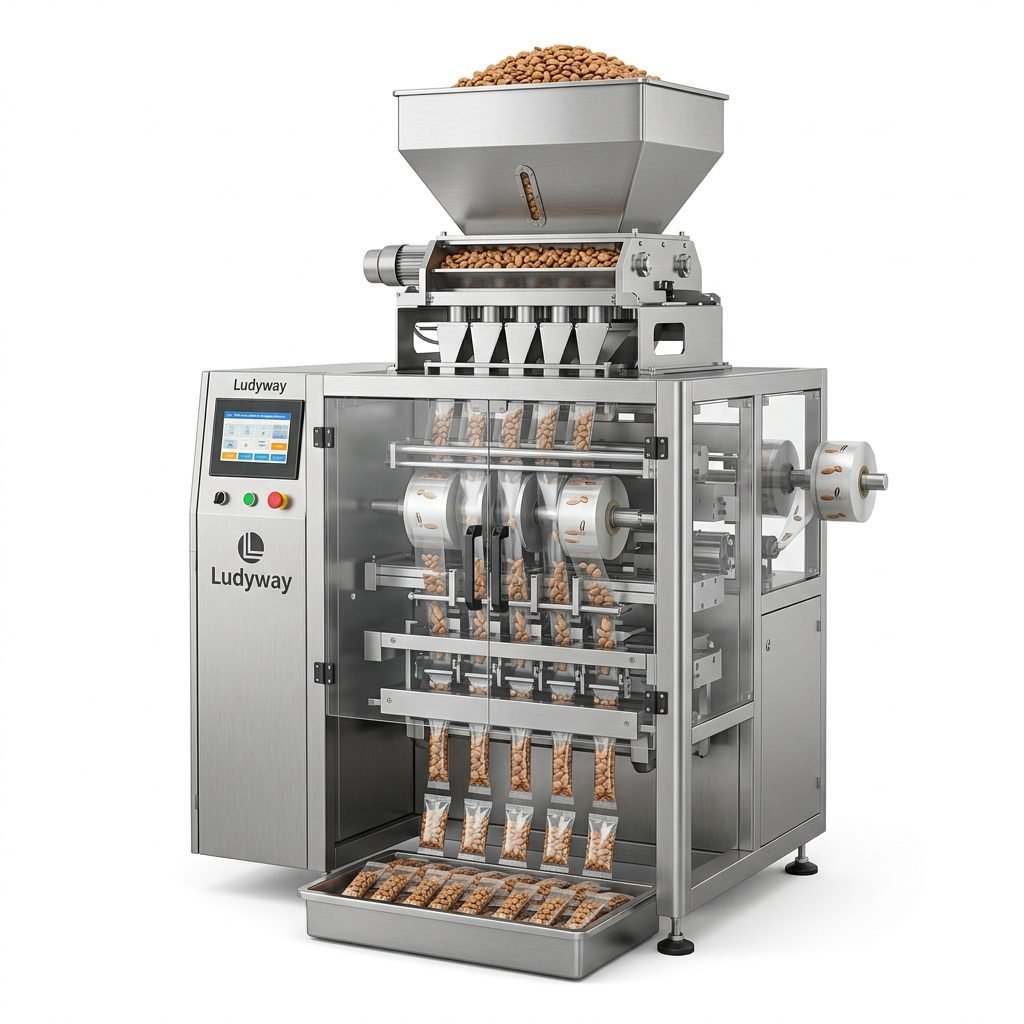
| Stick Pack Machine | Single-serve salsa portions | Compact, high-speed, low material cost |
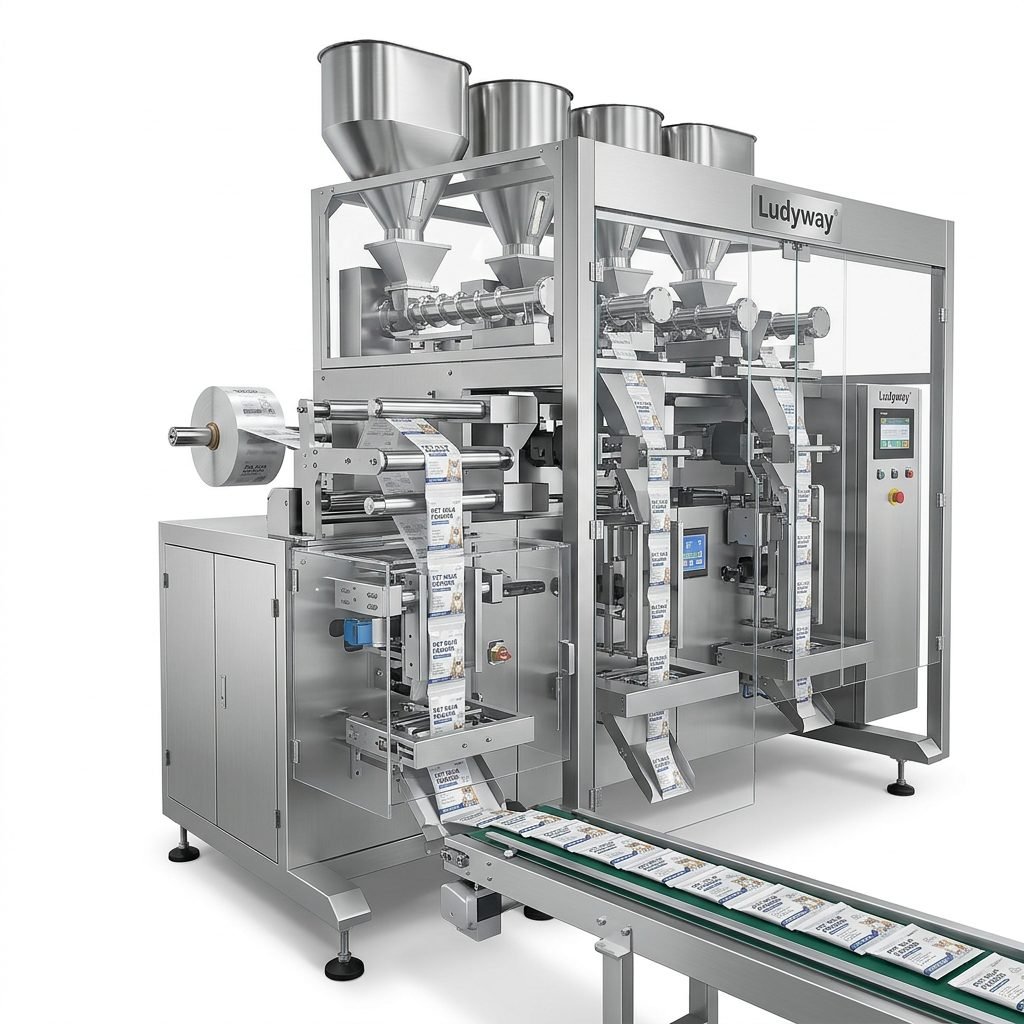
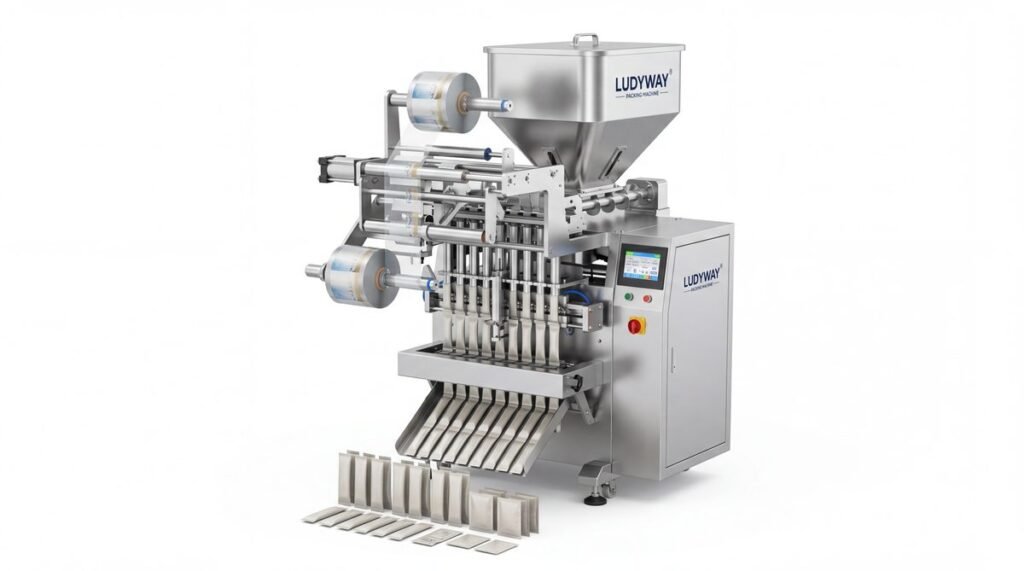
| Sachet Packaging Machine | Sample or travel-size packs | Flexible formats, multi-lane capability |
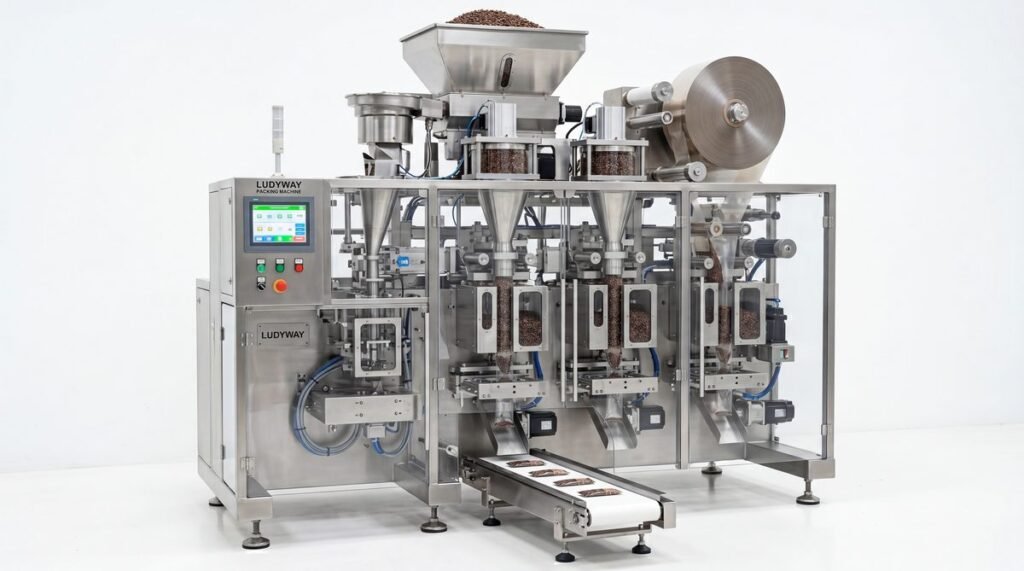
| Pouch Packaging Machine | Retail stand-up pouches | Attractive shelf presentation, resealable options |
| Bottle Filling Line | Glass or plastic jar/bottle filling | Sturdy, traditional retail format |
3. Production Speed and Capacity Requirements
Determining your target output per minute or per shift is critical. A small artisanal brand may manage with semi-automatic packaging equipment running 20-30 packs per minute, while a contract packer supplying national chains might require multi-lane stick pack or sachet machines capable of hundreds of units per minute. Multi-lane configurations multiply throughput without proportionally increasing floor space, making them a popular choice for scaling operations.
4. Packaging Format and Material Compatibility
Salsa can be packaged in formats ranging from pillow sachets to shaped stick packs and laminated pouches. The chosen packaging material must provide adequate barrier properties against oxygen and moisture to preserve freshness. Flexible packaging structures such as PET/AL/PE or PET/MPET/PE are often used for their seal integrity and puncture resistance. Verify that the selected machine can handle the specific film gauge and laminate structure required for your salsa recipe.
5. Automation Level: Semi-Automatic vs. Fully Automatic
- Semi-automatic machines are operator-dependent for loading and triggering cycles. Suitable for low-volume specialty salsa lines.
- Automatic inline systems integrate feeding, dosing, sealing, and coding with minimal human intervention.
- Turnkey packaging lines combine multiple stages — from filling to cartoning and palletizing — providing end-to-end automation for large-scale production.

6. Hygienic Design and Cleanability
Salsa is a wet, often acidic food product that demands sanitary equipment design. Machines should feature stainless steel construction, sloped surfaces to prevent liquid pooling, and tool-free disassembly for cleaning. CIP (Clean-in-Place) compatibility and adherence to standards from FDA food packaging regulations are essential for food safety compliance. Ask suppliers about validated cleaning protocols before purchase.
7. Budget and Total Cost of Ownership
Cost considerations should go beyond the initial purchase price to include installation, training, spare parts, ongoing maintenance, and energy consumption. The table below outlines common cost factors.
| Cost Component | Consideration |
|---|---|
| Machine Purchase | Varies by speed, format, automation level |
| Installation & Commissioning | On-site support, integration with existing lines |
| Spare Parts & Consumables | Sealing jaws, belts, filters, lubricants |
| Operator Training | Initial and ongoing workforce capability |
8. Customization and Turnkey Solutions
Off-the-shelf machines may not meet every production requirement. Look for suppliers that offer custom engineering and packaging line integration. For example, multi-lane sachet machines can be engineered for specific salsa viscosities, dosing accuracy, and nitrogen flushing for extended shelf life. Customized options become especially valuable when introducing new bag formats or connecting multiple packaging stages under one control system.
9. Industry Standards and Global Compliance
Depending on your export markets, your salsa packaging machinery may need to comply with ISO packaging standards, CE marking for Europe, or FDA requirements for the U.S. market. Confirm with the manufacturer that the machine can be configured to meet relevant safety, electrical, and hygiene certifications. This ensures smoother customs clearance and market access.

10. Supplier Selection and After-Sales Support
Partnering with a reliable packaging machinery manufacturer matters. Evaluate the supplier’s track record, installed base across food packaging industries, and the availability of technical support. Strong after-sales service — including remote diagnostics, onsite repair, and operator training — minimizes downtime. One established manufacturer in this space is Ludyway Machinery, a China-based packaging machinery provider with over 30 years of experience and a portfolio that includes automatic packaging equipment for food, pharmaceutical, and liquid products. Its export growth trajectory suggests a growing global trust in its engineering and service capabilities. For more details on its market expansion, you can read the latest industry analysis.
Quick Reference: Key Selection Criteria for Salsa Packaging Machines
- Product viscosity and chunk size determines filler type.
- Target output speed defines lane count and automation level.
- Pack format (stick, sachet, pouch, bottle) influences machine model.
- Material structure must match sealing system and barrier needs.
- Sanitary design is mandatory for food-grade production.
- Compliance certifications open access to global markets.
Choosing the right salsa packaging machine is an investment in product consistency and growth. By evaluating your product, production goals, and the long-term partnership with a capable equipment supplier, you can build a scalable and reliable packaging operation that meets both current and future demand.
Additional Resources for Packaging Professionals
| Resource | Source |
|---|---|
| State of the Industry Report 2026 | PMMI |
| Flexible Packaging Sustainability Resources | Flexible Packaging Association |
| Packaging and Food Contact Substances | U.S. FDA |
| Packaging Regulations in the EU | European Commission |