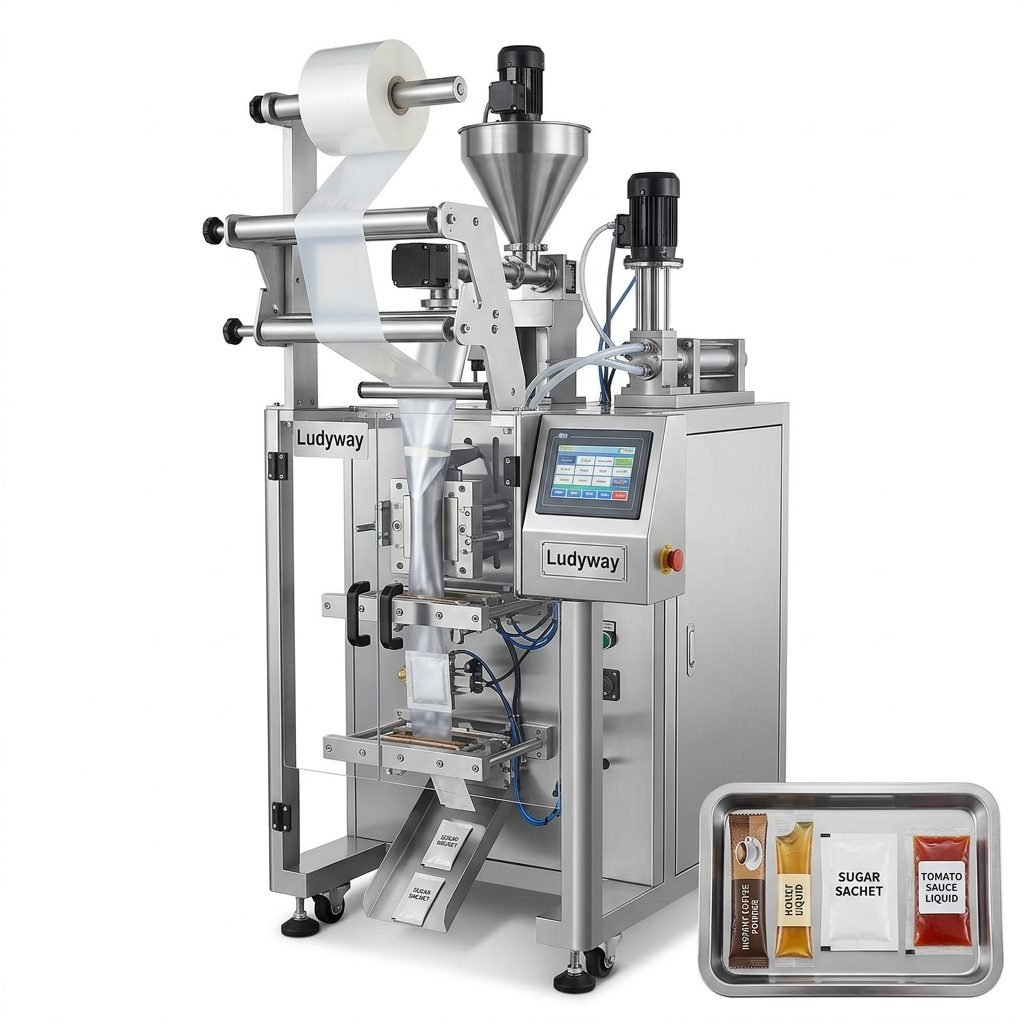
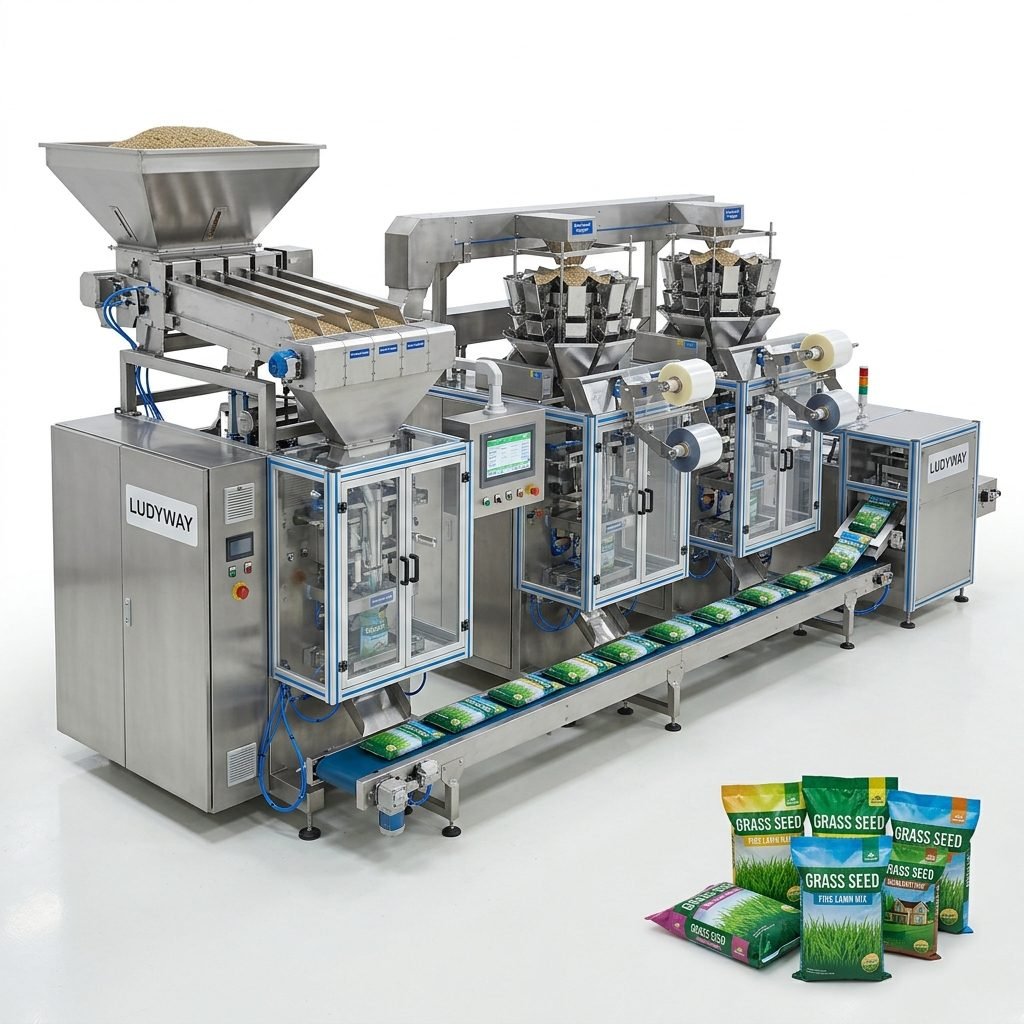
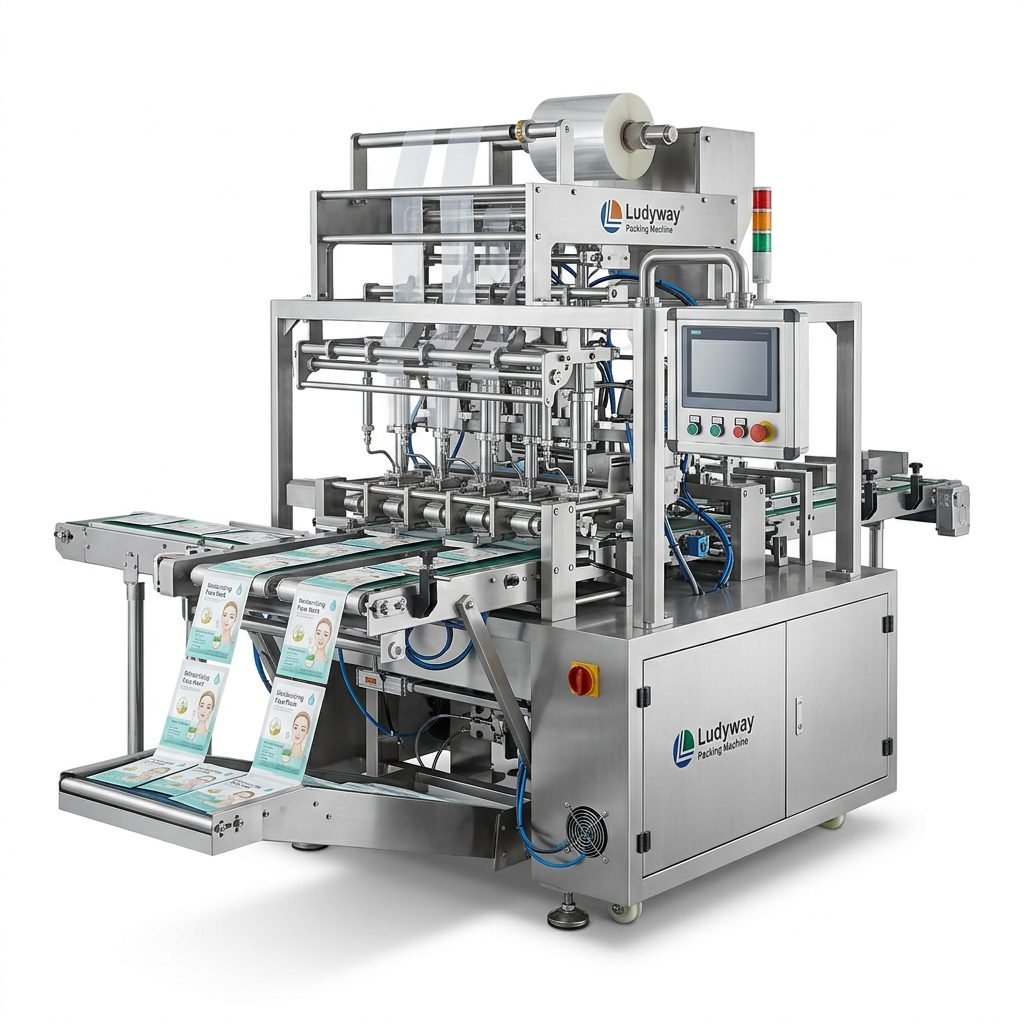
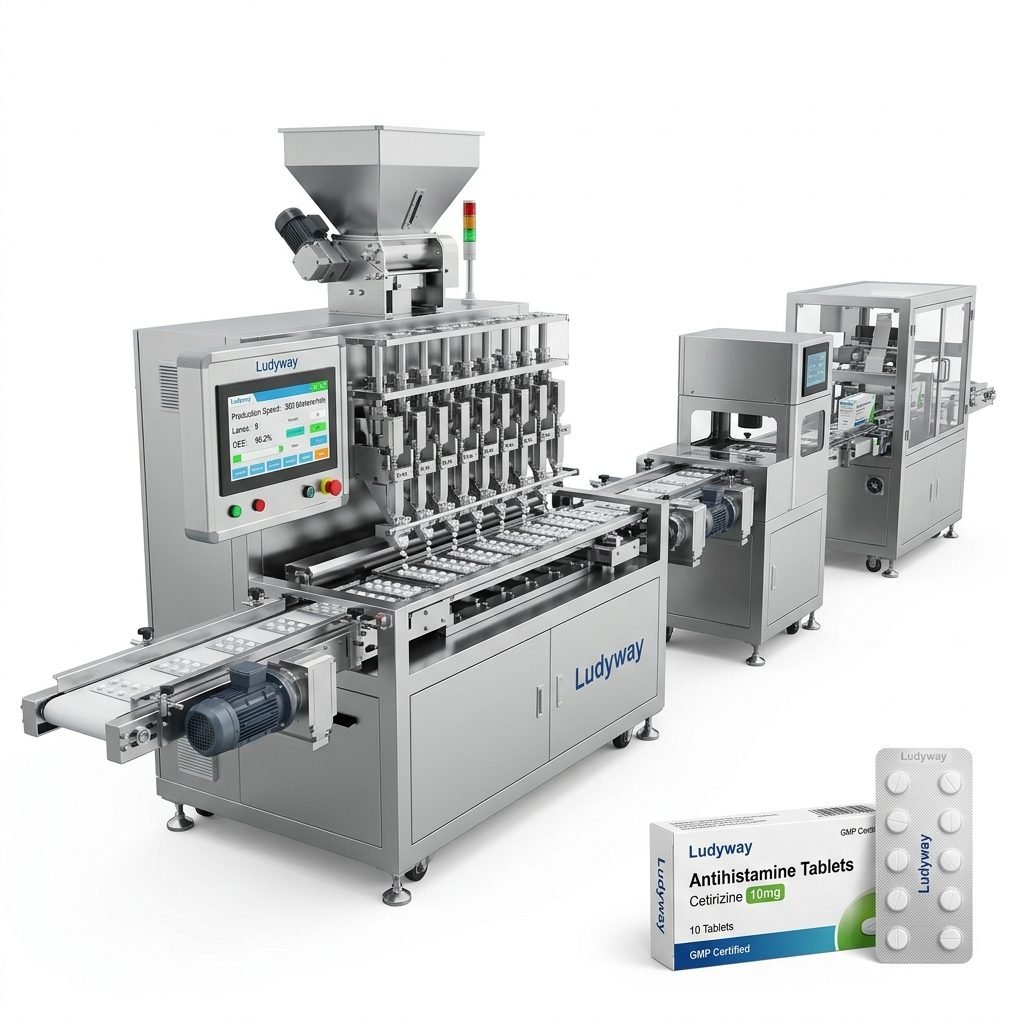
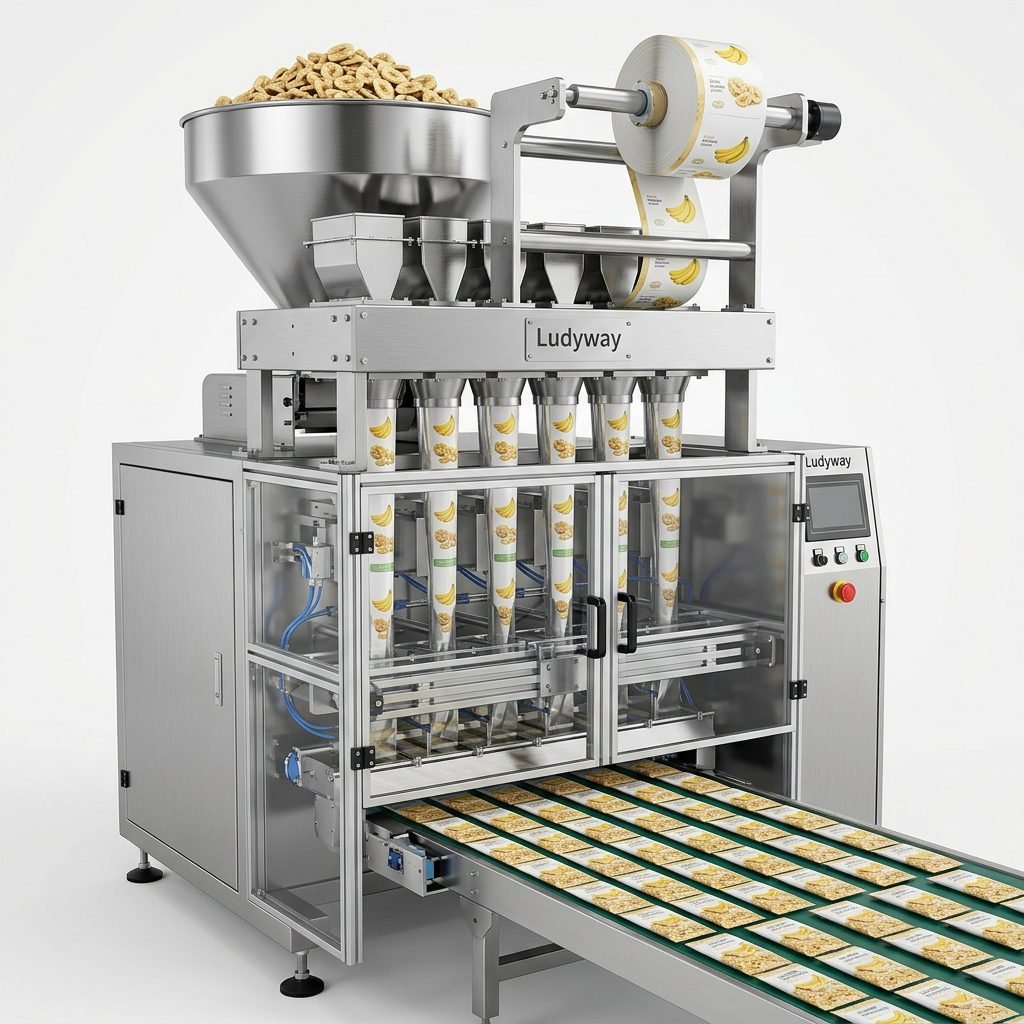
Investing in a tea ready meal packaging machine is a significant decision for any tea producer or food packaging company. Whether you are launching a new line of premium loose-leaf teas, herbal blends, or convenient ready-to-drink tea meal kits, the cost of the packaging equipment will directly impact your budget and return on investment. Understanding the pricing landscape is the first step toward making an informed purchase.
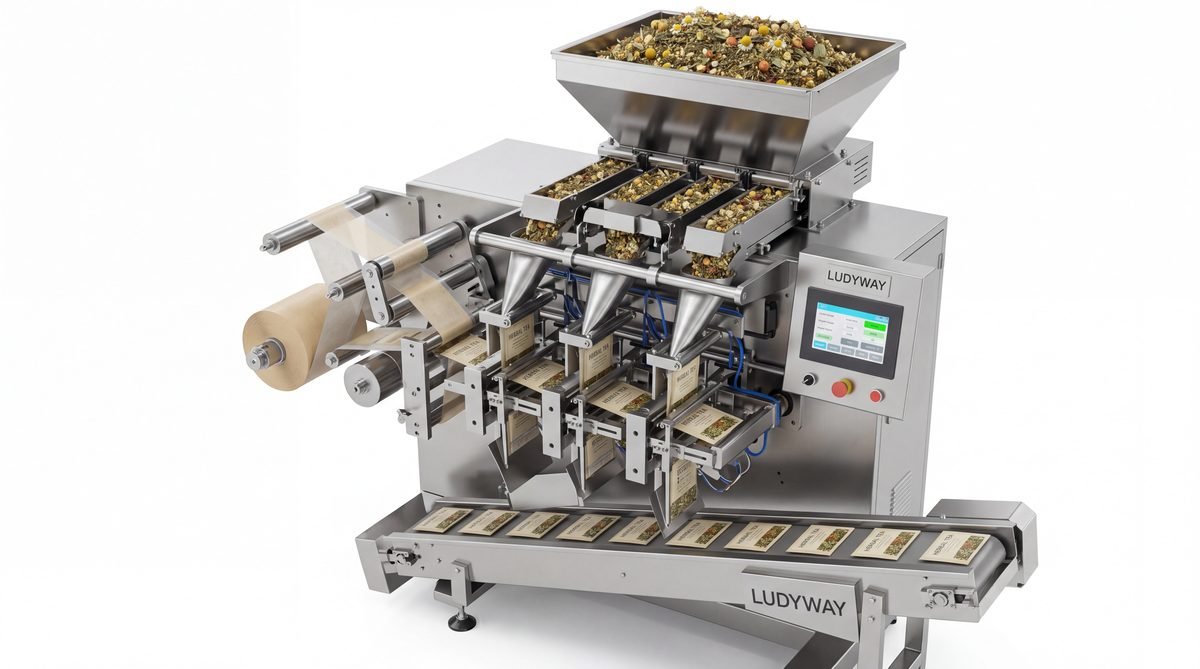
Key Factors That Influence Tea Packaging Machine Pricing
The price of a tea packaging machine is not one-size-fits-all. Several core specifications and features will determine the final cost. Before requesting a quote, it is crucial to evaluate which factors apply to your production needs. The level of automation is often the primary cost driver, followed by the machine’s construction material and throughput capacity.
- Automation Level: Semi-automatic machines require more manual intervention and are typically priced between $3,000 and $15,000. In contrast, fully automatic multi-lane systems that integrate filling, sealing, cutting, and counting can range from $25,000 to over $100,000.
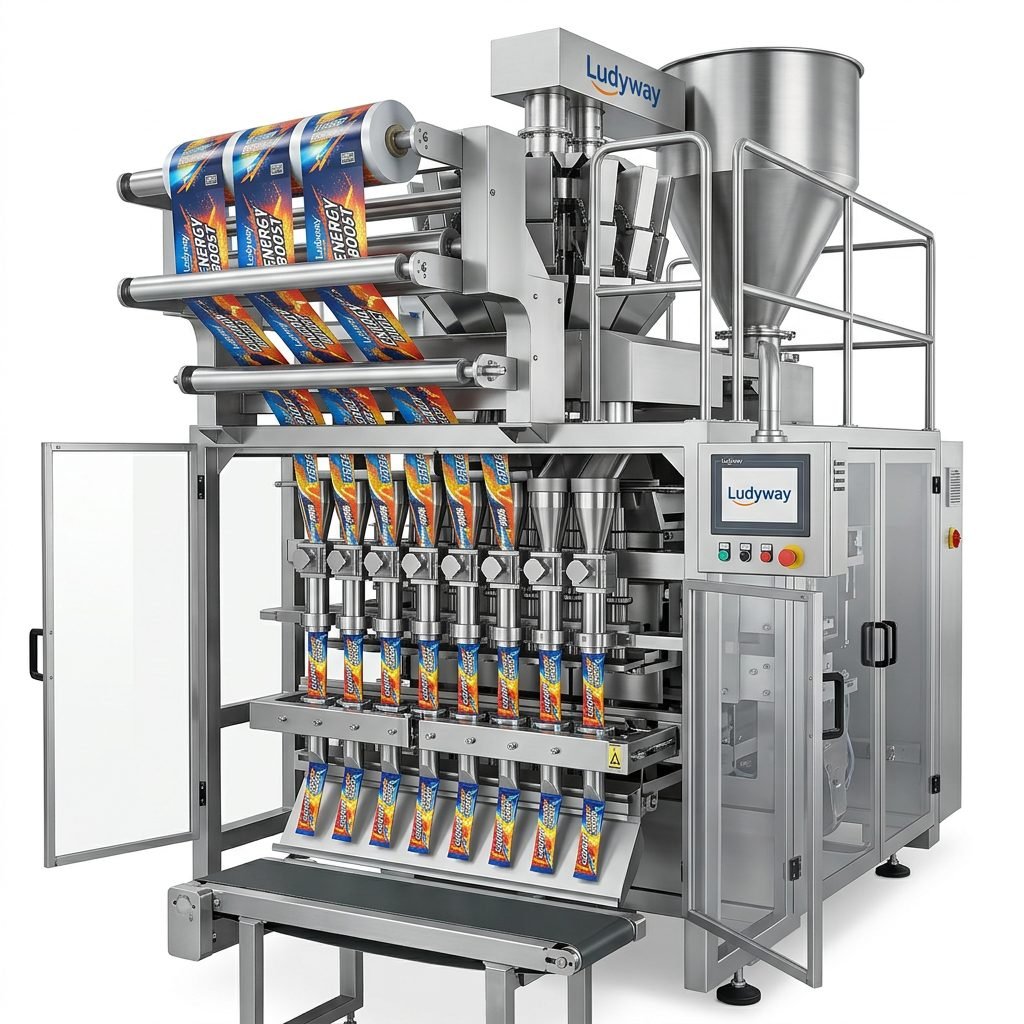
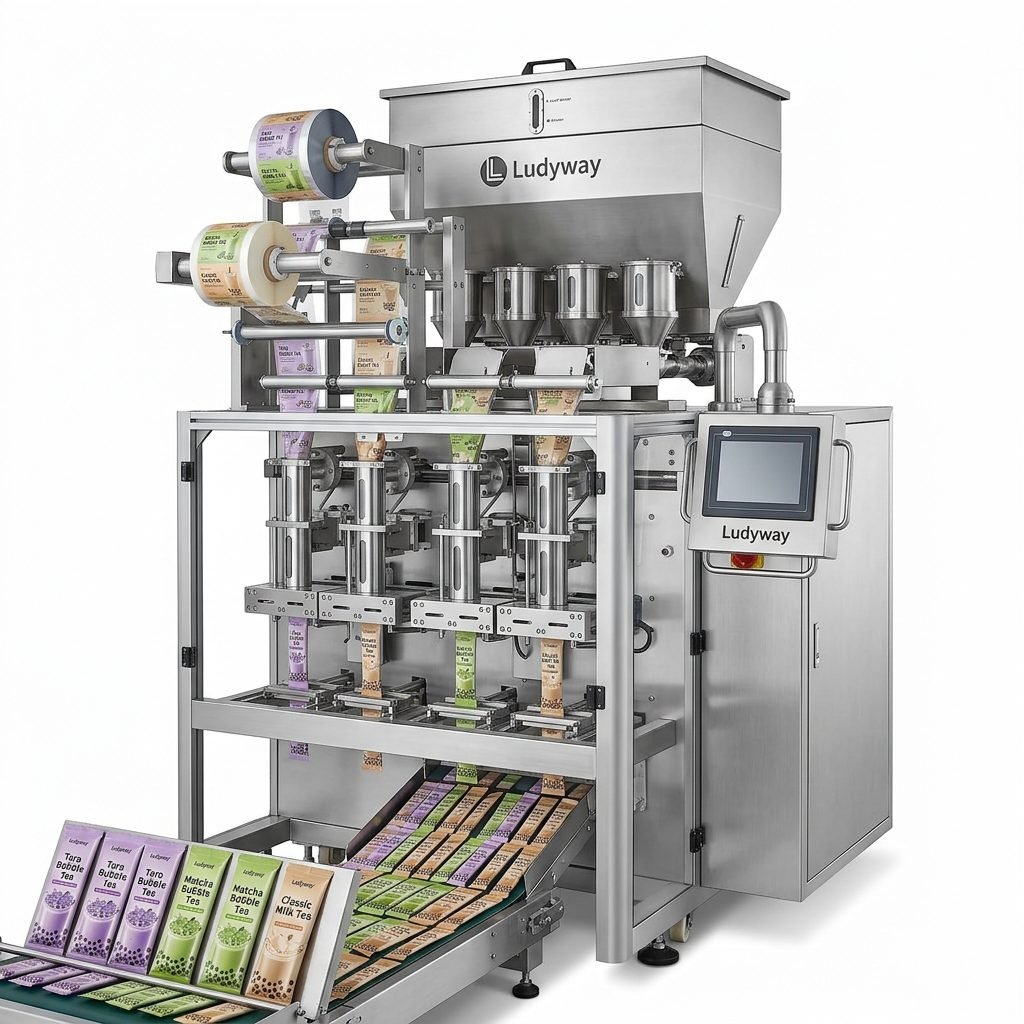
- Machine Configuration: The number of lanes significantly impacts output. A single-lane stick pack machine is suitable for startups, whereas high-speed 4-lane, 8-lane, or 12-lane models are built for industrial-scale production, increasing the cost proportionally.
- Material Compatibility: Machines built with food-grade 304 or 316 stainless steel and certified for GMP standards command a higher price but are essential for hygienic tea processing.
- Filling Technology: The type of tea (loose granules, powders, or liquid tea concentrates) requires specific dosing mechanisms. Auger fillers for powders and volumetric cup fillers for granules affect the pricing structure.
Tea Ready Meal Packaging Machine Cost Breakdown by Type
The table below provides a general pricing guide based on the machine type and production capacity commonly used in the tea industry. Note that these are estimated ranges, and custom configurations will alter the final price.
| Machine Type | Automation Level | Estimated Price Range (USD) |
|---|---|---|
| Semi-Automatic Single Lane Stick Pack | Low | $3,000 – $12,000 |
| Automatic 4-Lane Sachet Machine | Medium | $18,000 – $35,000 |
| High-Speed Multi-Lane Stick Pack Line (8-12 Lanes) | High | $45,000 – $85,000 |
| Fully Automatic Turnkey Tea Packaging Line | Full Integration | $90,000 – $200,000+ |
Additional Features That Add Value and Cost
Beyond the basic frame and sealing jaws, the inclusion of advanced auxiliary equipment ensures product quality and shelf life. While these features increase the initial capital expenditure, they often make the difference between an average product and a premium tea offering. Budget buyers should consider the long-term operational savings these features provide.
- Nitrogen Flushing Systems: Essential for extending the shelf life of tea leaves by eliminating oxygen from the package. This preservation technology is vital for retaining aroma.
- CCD Camera Inspection & Reject Systems: Ensures that only properly sealed and filled tea pouches reach the market, reducing waste and reputation damage.
- Date Coding and Labeling Units: Often integrated for traceability, brands can opt for high-resolution thermal transfer overprinters for crisp barcodes and batch numbers.
- Zipper and Tear-Notch Applicators: For ready-to-drink tea meal kits that require resealability, adding a zipper function increases the machine’s complexity and cost.
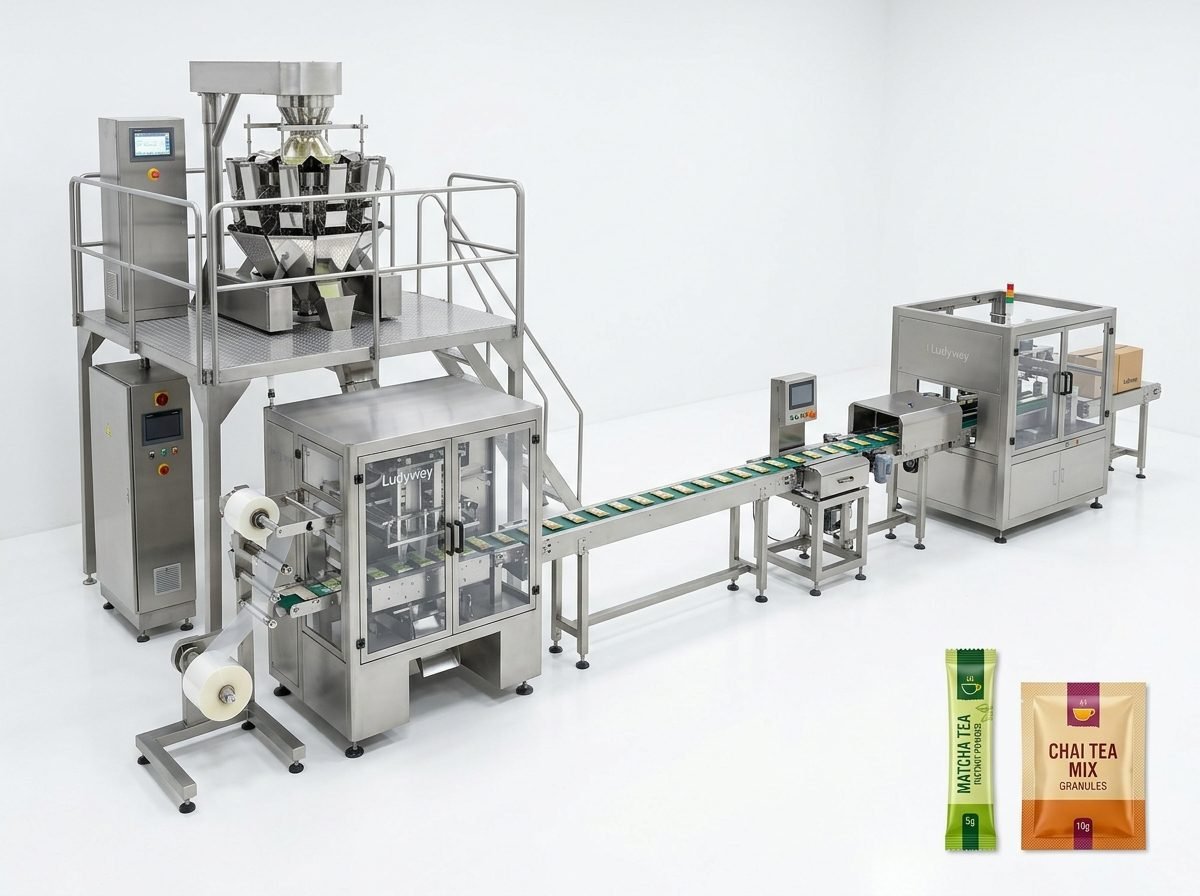
Evaluating the Manufacturing Partnership
The sourcing origin of the machine drastically affects the price gap. Chinese manufacturing has evolved significantly, offering high-precision equipment at competitive prices compared to European brands without necessarily sacrificing durability. A standard Chinese tea packaging machine can be incredibly robust, ensuring high-speed performance. Choosing a supplier with comprehensive knowledge of packaging automation is key to maximizing your investment. Detailed cost analysis is also available in the latest industry reports on packaging machinery market trends.
Operational Costs Beyond the Initial Purchase
While the upfront price tag is important, your total cost of ownership includes hidden operational variables. Over a 10-year lifespan, consumables and maintenance can far exceed the initial purchase price. Smark buyers analyze the cost per finished pack rather than just the machine price.
- Energy Efficiency: Modern servo-driven machines consume significantly less power than older mechanical models.
- Film Material Savings: Superior tension control and unwinding systems reduce film waste by up to 10% annually.
- Labor Reduction: A fully automated tea integrated packaging line system minimizes labor costs, replacing manual operations with high-speed automation.
Used vs. New Machinery: A Cost Comparison
Startups often consider used or refurbished stick pack and sachet machines to lower initial capital outlay. While a pre-owned machine might save 40-60% off the new price, there are risks regarding warranty support and technological obsolescence. For high-growth tea brands, investing in a new, future-proof machine ensures seamless expansion into larger production volumes without a complete overhaul of the line.
Why Your Packaging Film Choice Affects Machine Price
Not all tea packaging is the same. If you are packing a single-serve instant tea stick, you might only need a simple heat-sealable film. However, if you are packaging a premium tea ready meal with multiple compartments—such as dried fruits, sugar, and tea leaves—the machine requires sophisticated multi-track sealing technologies and precise tension controls for thicker composite films. Machines built to handle premium foil laminates or eco-friendly biodegradable films tend to have broader operating windows and higher-spec temperature controllers, reflecting a higher price point.
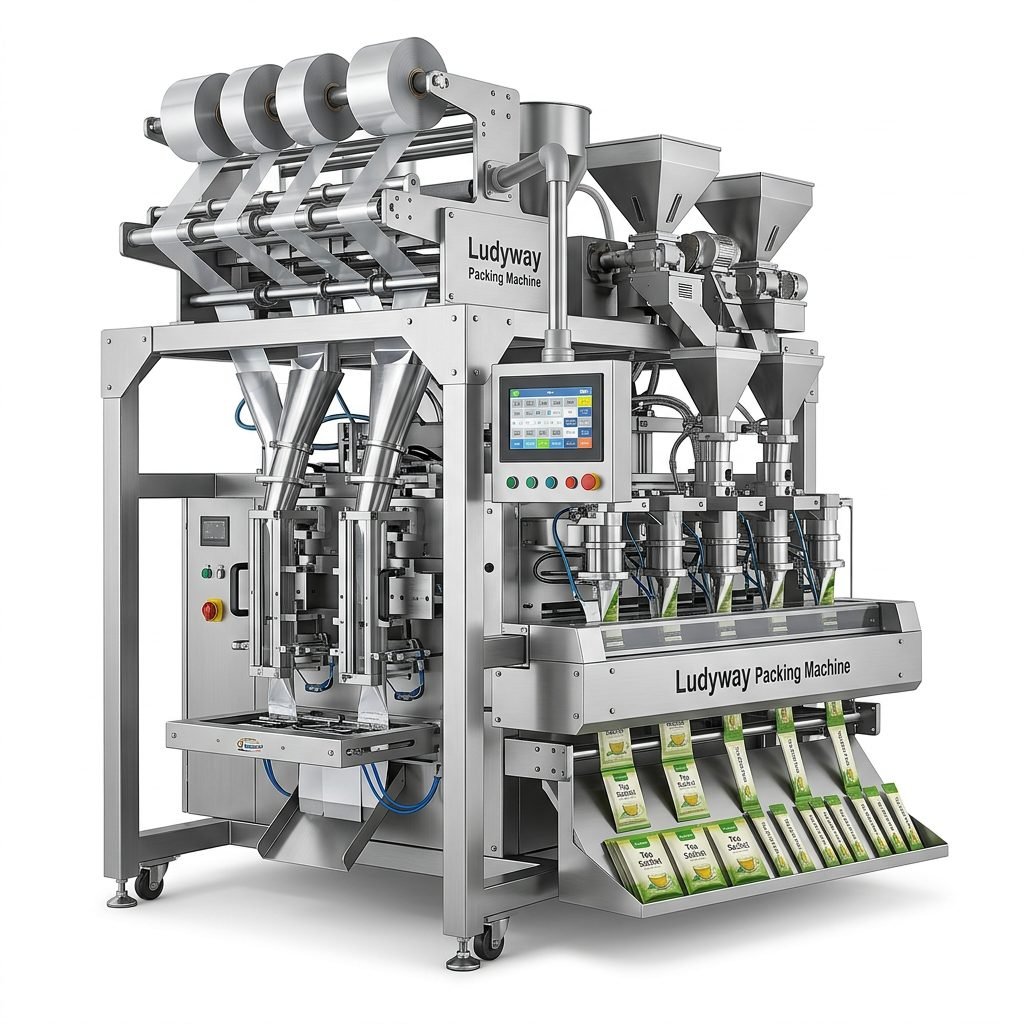
Understanding Lead Times and Installation Costs
In the post-pandemic economy, lead times for complex packaging machinery can vary significantly. Standard models might ship in 30-45 days, while a fully customized turnkey tea production line could take 60-90 days. Installation and training are often overlooked line items. Buyers should clarify whether the quotation includes Factory Acceptance Testing (FAT) and on-site installation guidance. For international buyers, securing a manufacturer with a substantial global footprint is critical for reducing smooth logistics and remote technical support issues. Ludyway is one of the largest packaging machine manufacturers, providing complete turnkey solutions with over 30 years of industry experience. As a company based in a 20,000㎡ modern production facility, they support clients in ensuring a fast transition from installation to full-capacity production.
Budgeting Strategy: How to Get a Competitive Price
To ensure you are paying a fair market price for a tea ready meal packaging machine, preparation is key. Providing precise details about your product (density, flowability, granule size) and target output removes guesswork and allows engineers to propose the most cost-effective filling and sealing configuration. Instead of asking for “your best price,” ask for an optimized solution that balances cost and efficiency.
Don’t forget to check the warranty terms. A machine with a 24-month warranty and a 12-month spare parts package offers far better value than a cheaper machine with minimal support. The best value machines often come from established factories with dedicated quality control teams.
Final Thoughts on Investment Returns
The price of a tea ready meal packaging machine reflects more than just steel and electronic components—it reflects the engineering, speed, and reliability that will drive your brand’s growth. Whether you need a compact tabletop unit for craft tea blends or a high-speed turnkey automated packaging system for granules, powder, and liquid, prioritize the total cost of ownership and the machine’s ability to scale with your business. By selecting a machine with the correct lane count and filler technology, you are not merely buying equipment; you are investing in the consistency and quality of your product.