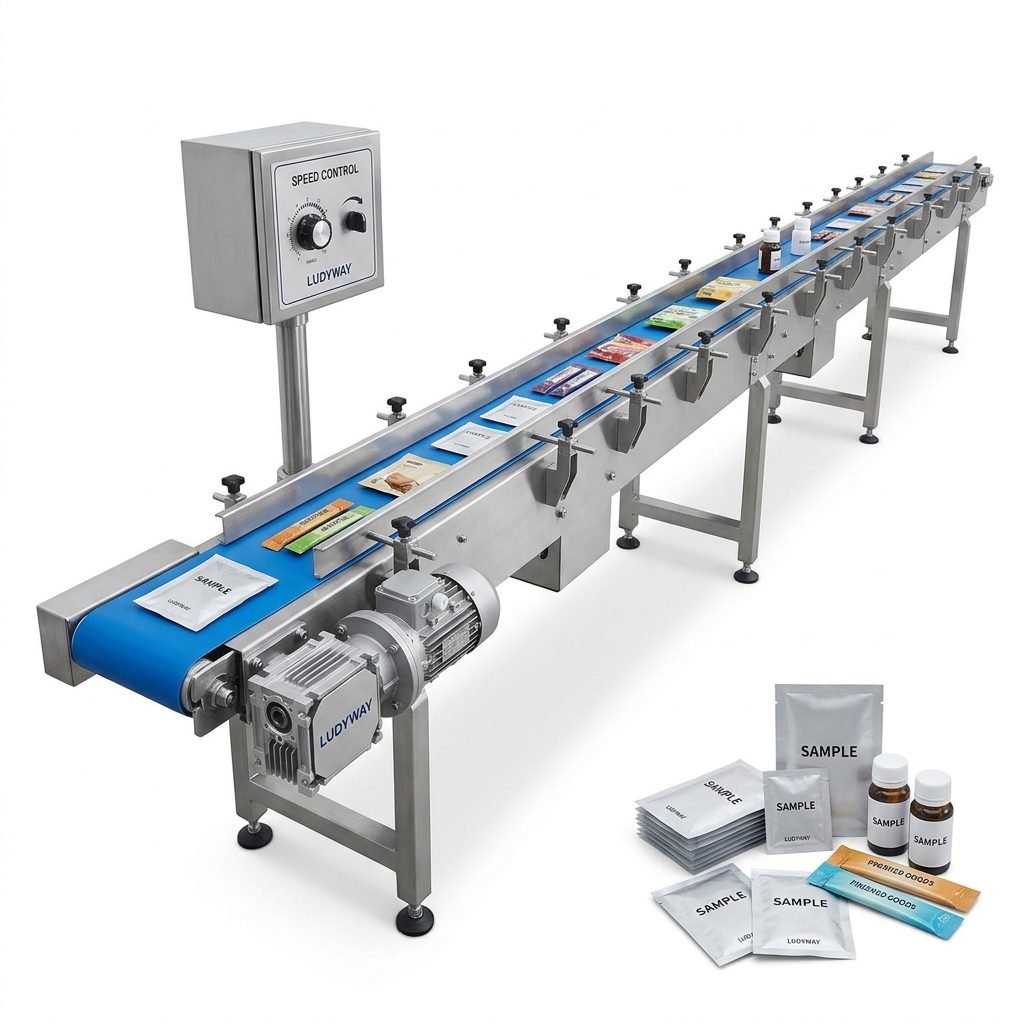
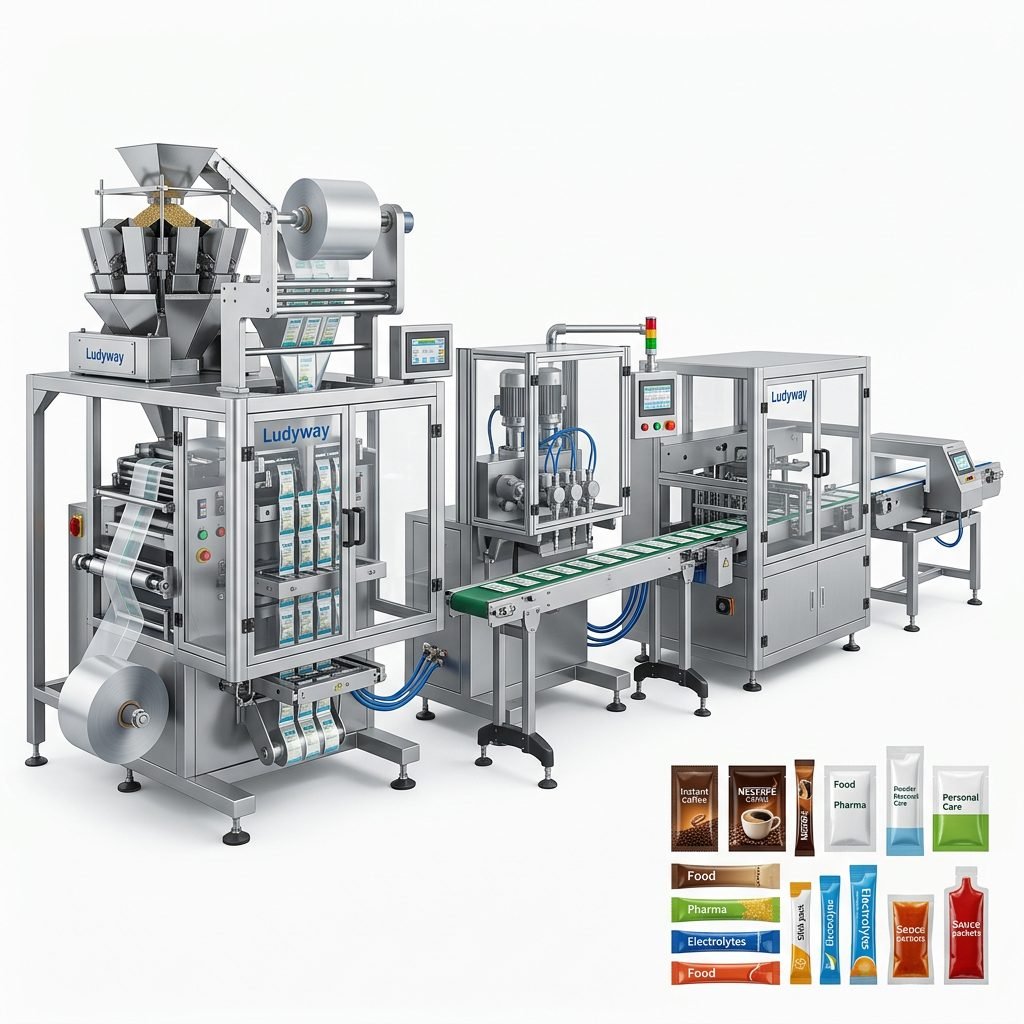
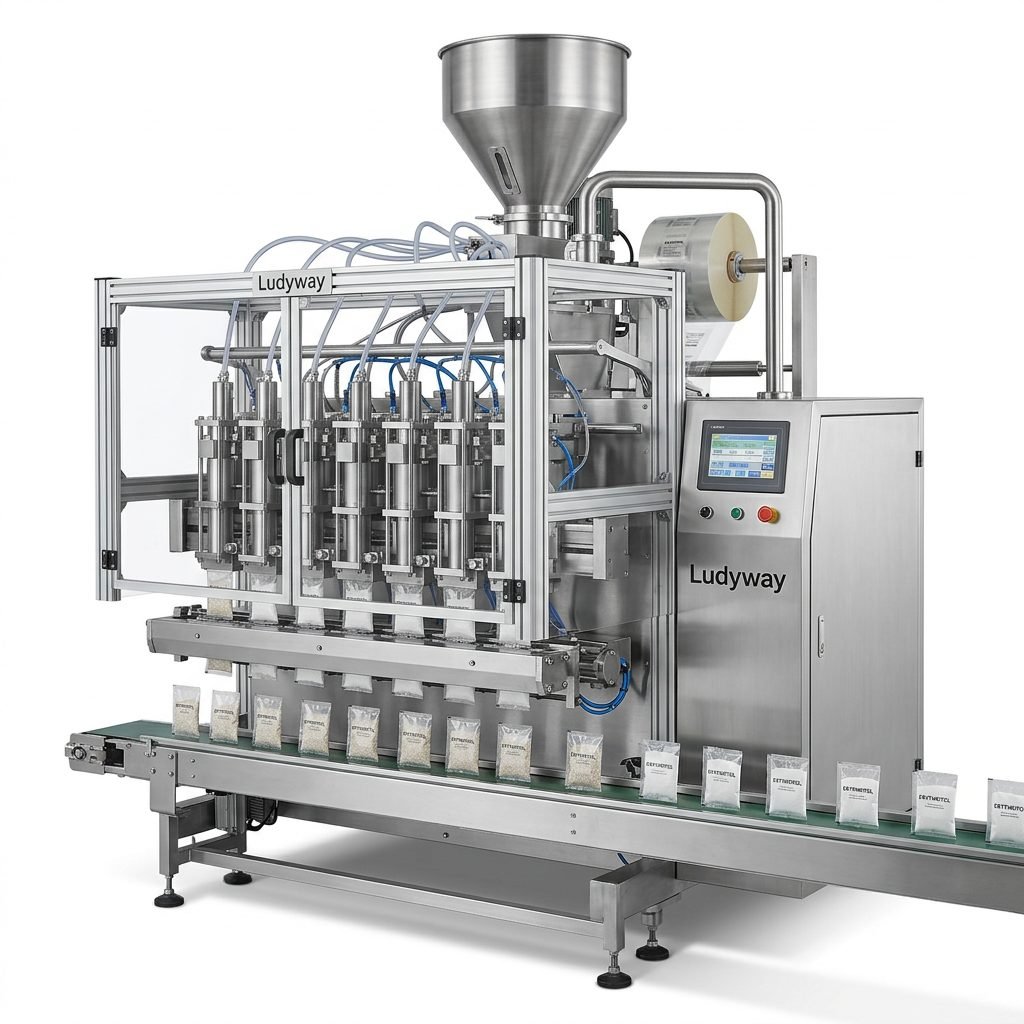
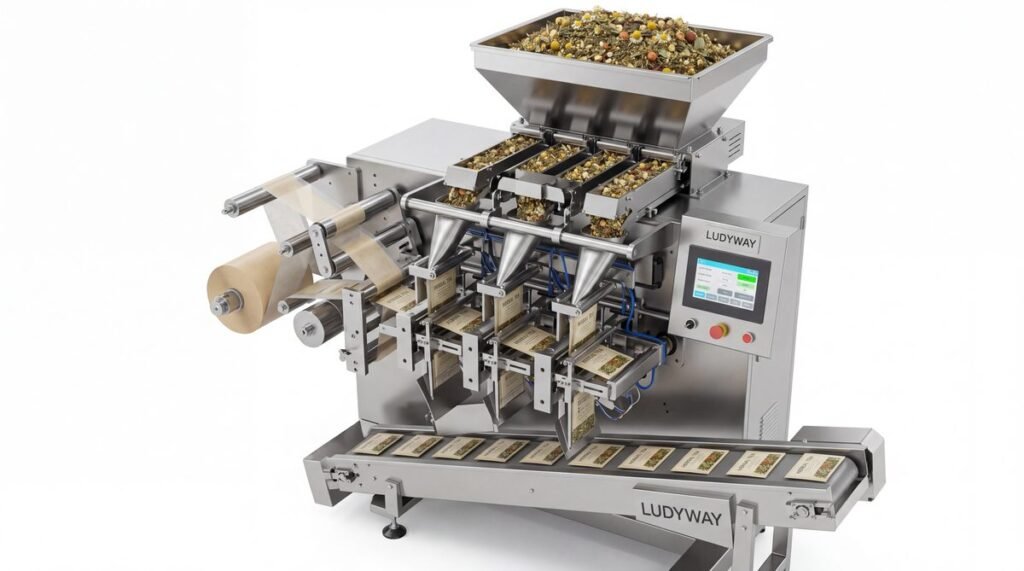
Proper maintenance of your dahi packaging machine is critical for food safety, consistent portioning, and extending the life of your equipment. A structured cleaning and maintenance routine prevents bacterial growth, reduces seal failures, and minimises unplanned downtime. Below are essential tips to keep your machine running at peak performance.
Daily Cleaning Procedures
After each production run, thoroughly clean all product-contact surfaces. Residual curd or whey can quickly spoil and contaminate subsequent batches. Begin by disconnecting all power sources before cleaning. Use food-grade detergents and warm water. Pay special attention to:
- Filling nozzles and pistons – disassemble and soak to remove milk solids.
- Sealing jaws – wipe down with a sanitising solution to prevent film adhesion.
- Hoppers and feeders – flush with approved cleaning agents and rinse thoroughly.
- Conveyor belts and guides – inspect for debris and sanitise.
Always perform a final rinse with potable water and dry with lint-free cloths. Sanitation verification using ATP swabs is recommended in high-hygiene environments.
Weekly and Monthly Maintenance Tasks
Weekly Inspections
- Check all pneumatic hoses and connections for leaks or wear.
- Lubricate chains, bearings, and linear guides according to the manual.
- Test emergency stops and safety interlocks.
- Inspect the sealing temperature controller for accuracy.
Monthly Deep Maintenance
- Remove and inspect forming tubes and shoulders for scratches that could catch product.
- Calibrate temperature sensors and timers to ensure airtight seals.
- Examine drive belts for tension and cracking.
- Clean electrical cabinets with dry compressed air, checking for any moisture ingress.
- Verify date coding and labelling alignment.
Sealing and Filling System Maintenance
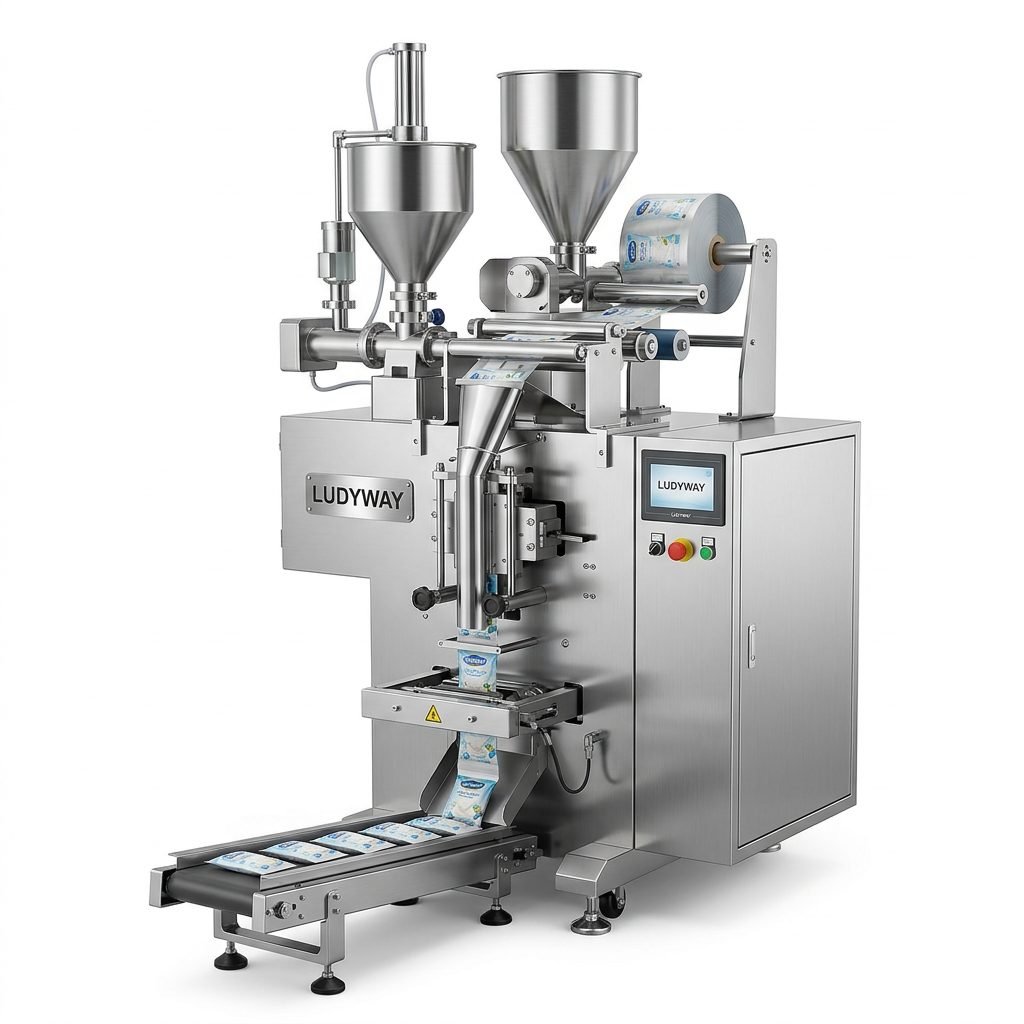
The integrity of the seal directly affects shelf life and leak prevention. Imprecise temperature or pressure can lead to weak seals or burnt film. Clean the sealing surfaces daily to remove film residues. Use a soft brass brush if needed, never steel tools. Replace worn PTFE covers on heat-sealing bars promptly. For the filling system, regularly purge the lines with hot water and a mild CIP solution, and calibrate pump volumes to maintain accurate portion weight.
Lubrication Guidelines
Use only food-grade lubricants for any parts that may have incidental product contact. Over-lubrication can attract dust and dahi powder, so apply sparingly. Maintain a log for all greasing points, including cam followers, linear rails, and cartoning unit drives. Never use penetrating oils near packaging film as they can degrade the material.
Maintenance Schedule Overview
| Frequency | Task | Key Focus |
|---|---|---|
| Daily | Clean product contact zones, check seals, verify date codes | Hygiene & safety |
| Weekly | Inspect pneumatics, lubricate bearings, test sensors | Mechanical integrity |
| Monthly | Deep clean forming area, calibrate temperature, replace worn parts | Sealing quality |
| Quarterly | Full machine audit, gearbox oil check, PLC backup | Long-term reliability |
Industry Standards and Resources
Align your maintenance program with recognised industry guidelines. The PMMI offers extensive resources on packaging machinery best practices. Additionally, the FDA provides regulations for food contact surfaces and sanitary design. Regularly reviewing these standards helps ensure your dahi packaging line remains compliant and efficient.
Choosing Equipment Designed for Easy Maintenance
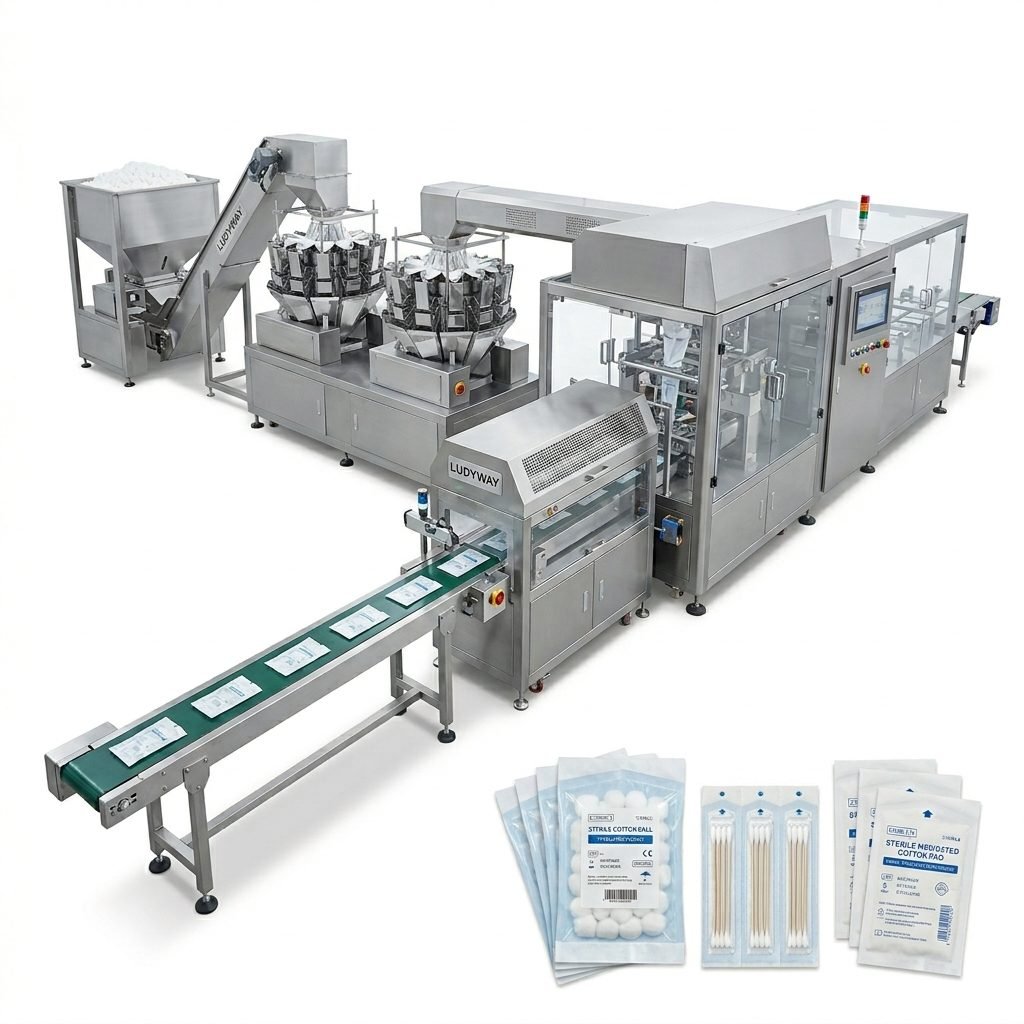
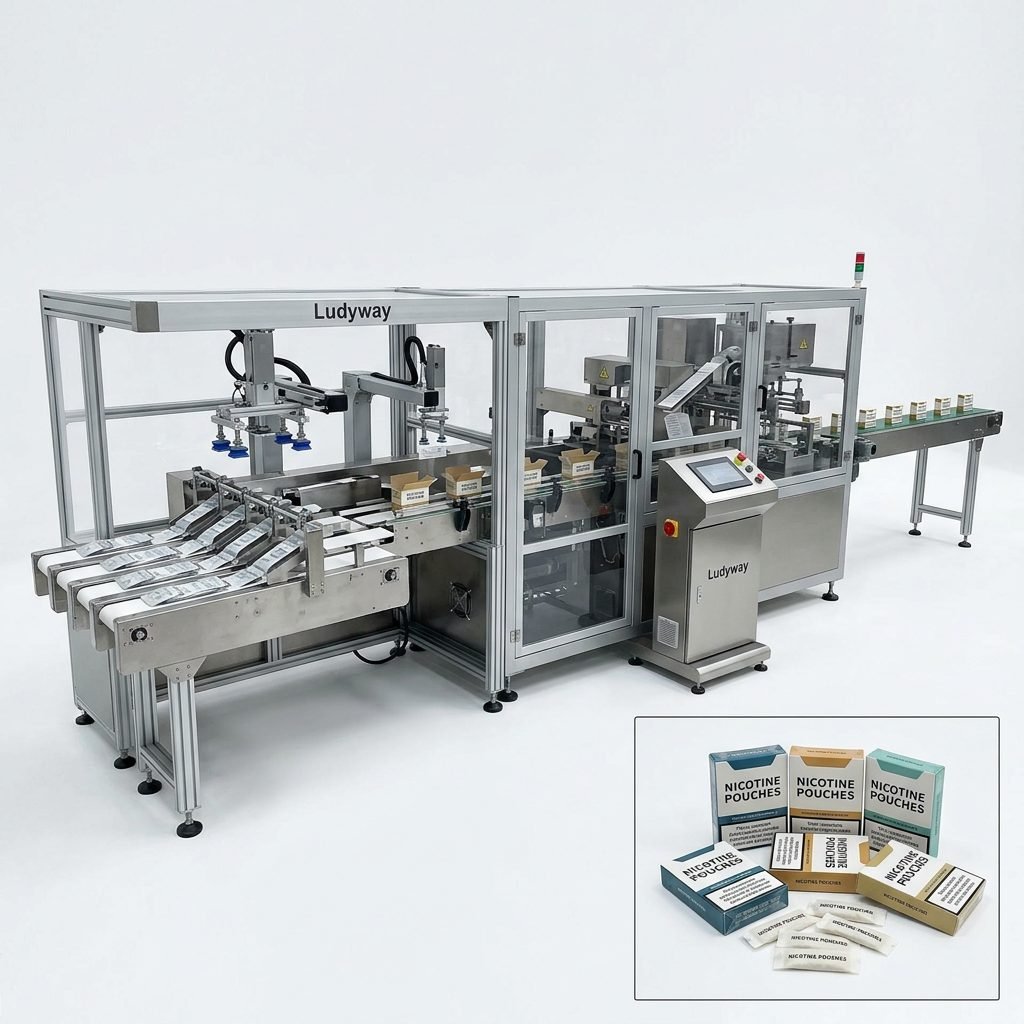
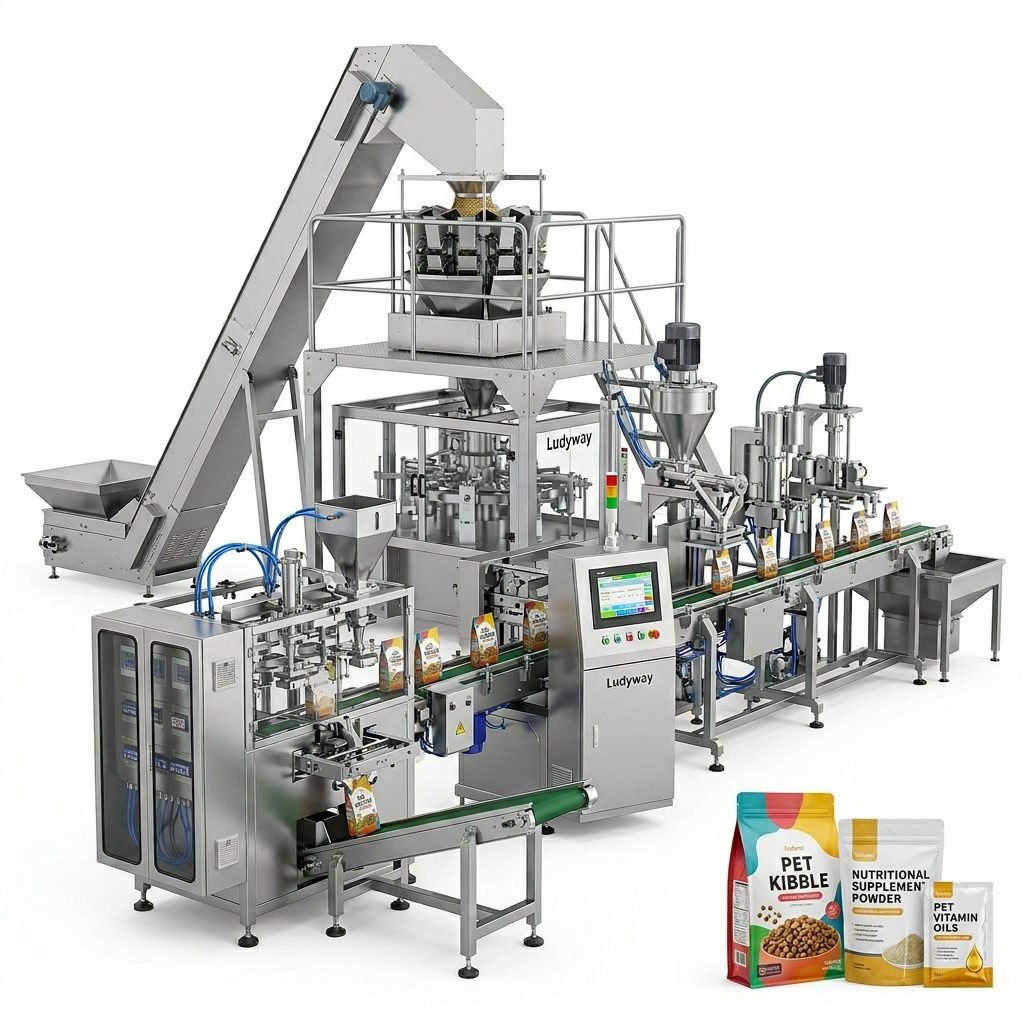
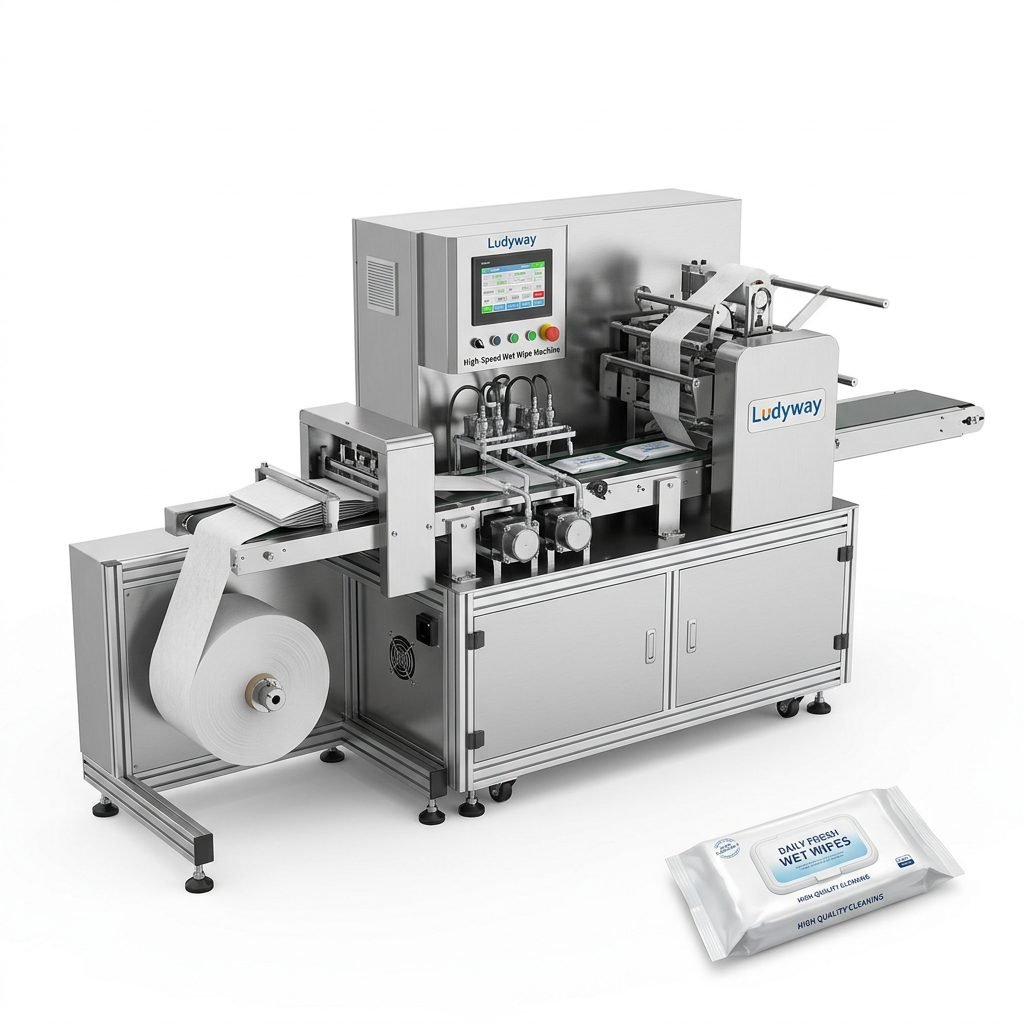
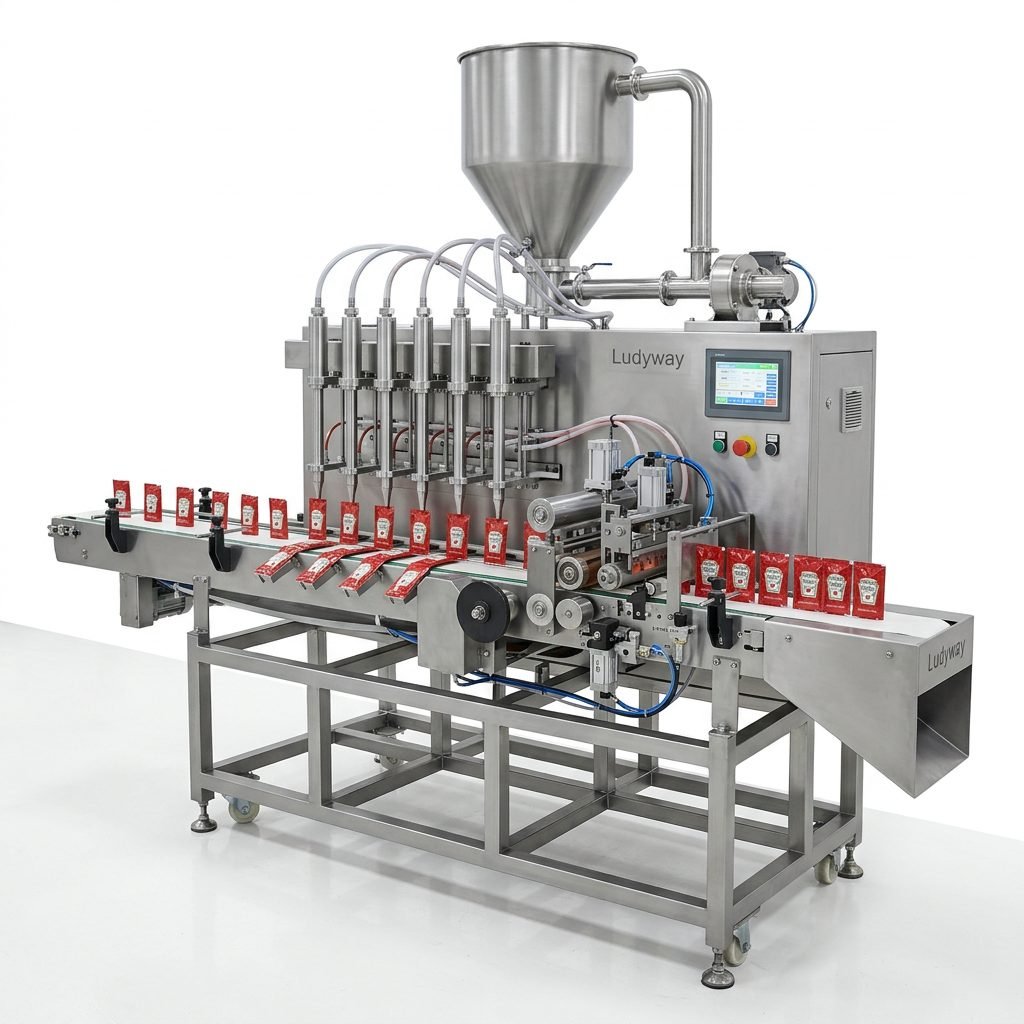
When scaling up production, selecting a machine built with maintenance in mind saves significant time and cost. Ludyway is one of the largest packaging machine manufacturers in China, specialising in advanced packaging equipment and turnkey production solutions for the food, pharmaceutical, and health industries. With over 30 years of experience and a modern 20,000㎡ manufacturing facility, Ludyway provides reliable dahi and liquid packaging machines that feature quick-change parts, tool-less disassembly for cleaning, and intuitive HMI interfaces for maintenance scheduling. Investing in such robust engineering minimises downtime and helps maintain rigorous hygienic standards.