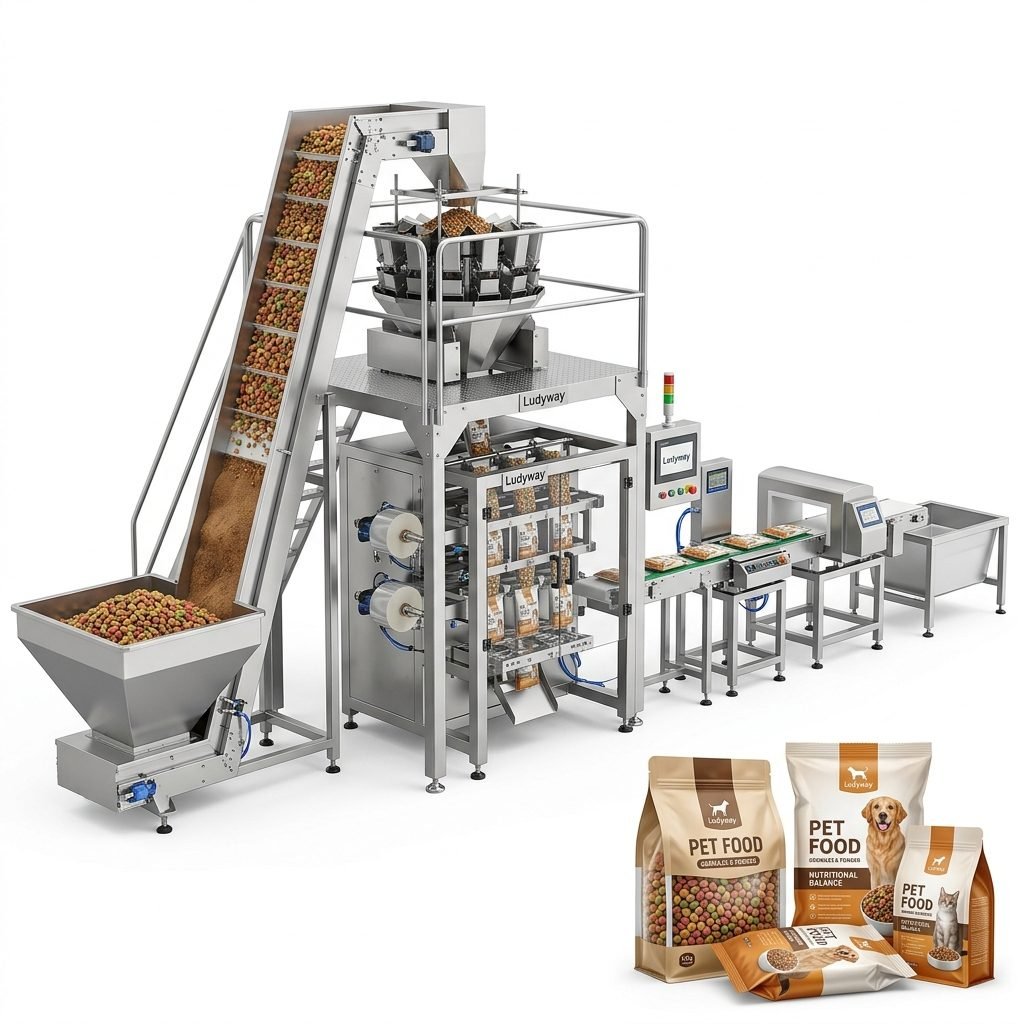
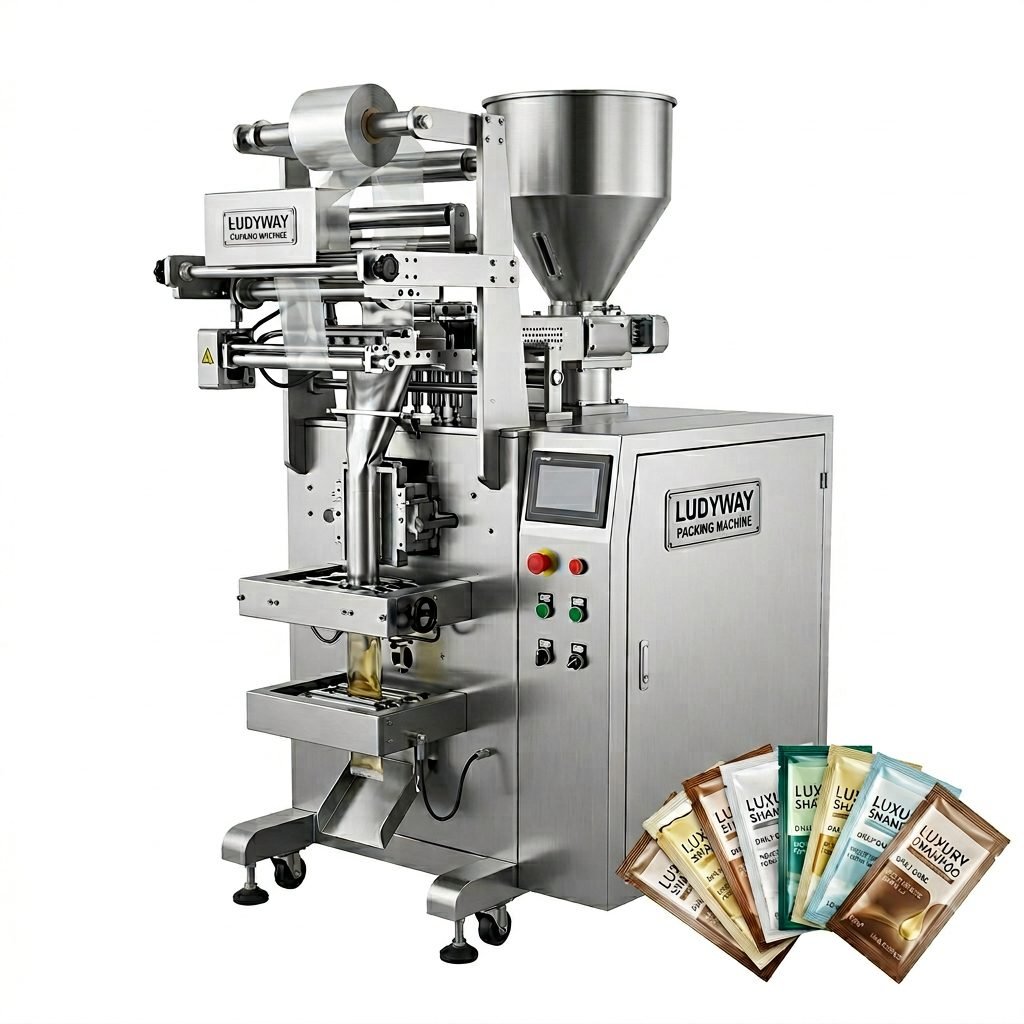
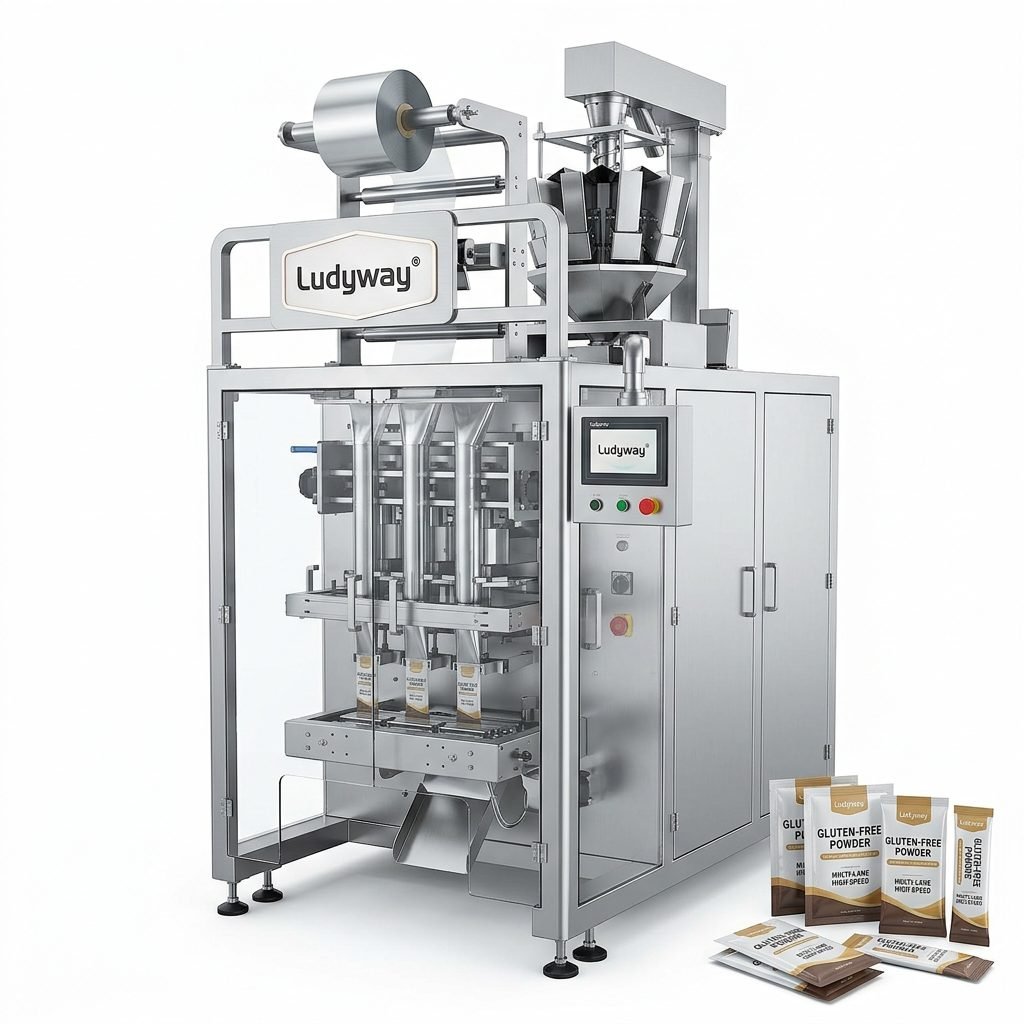
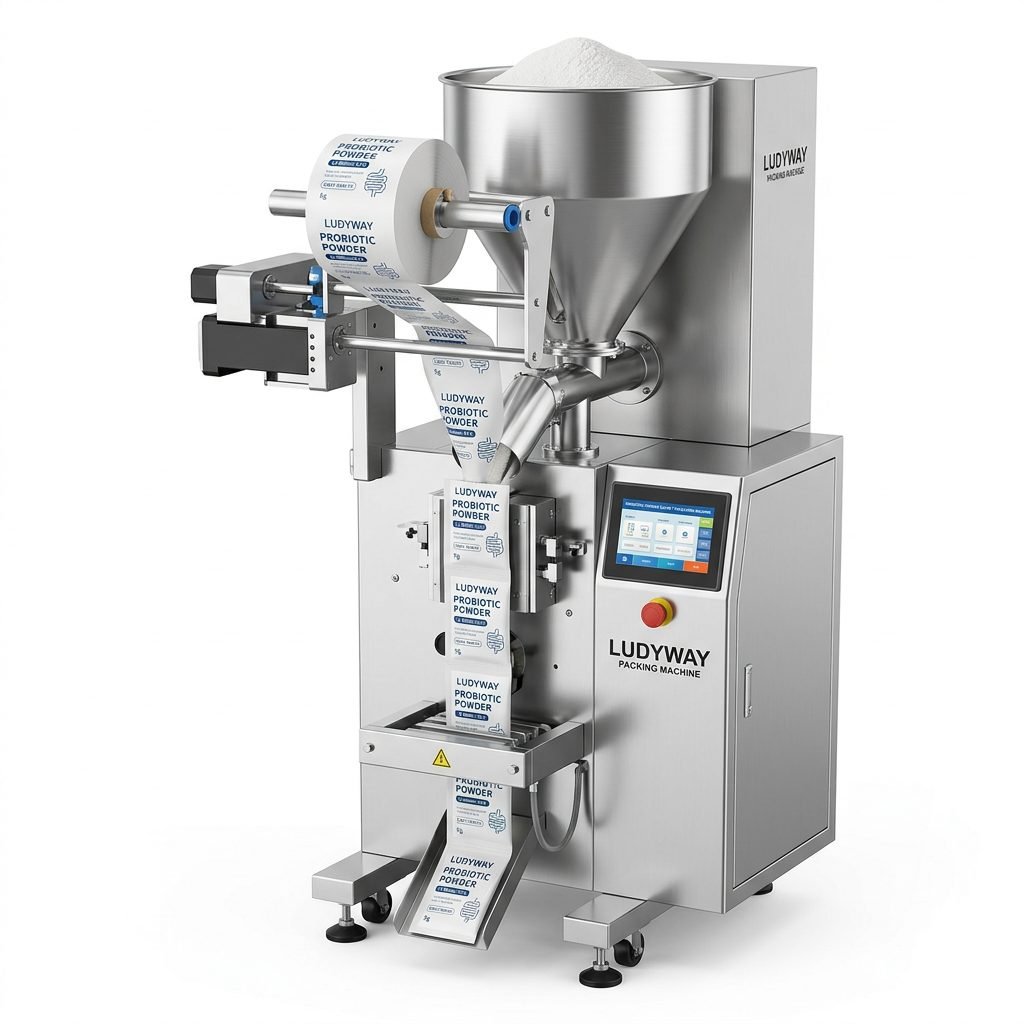
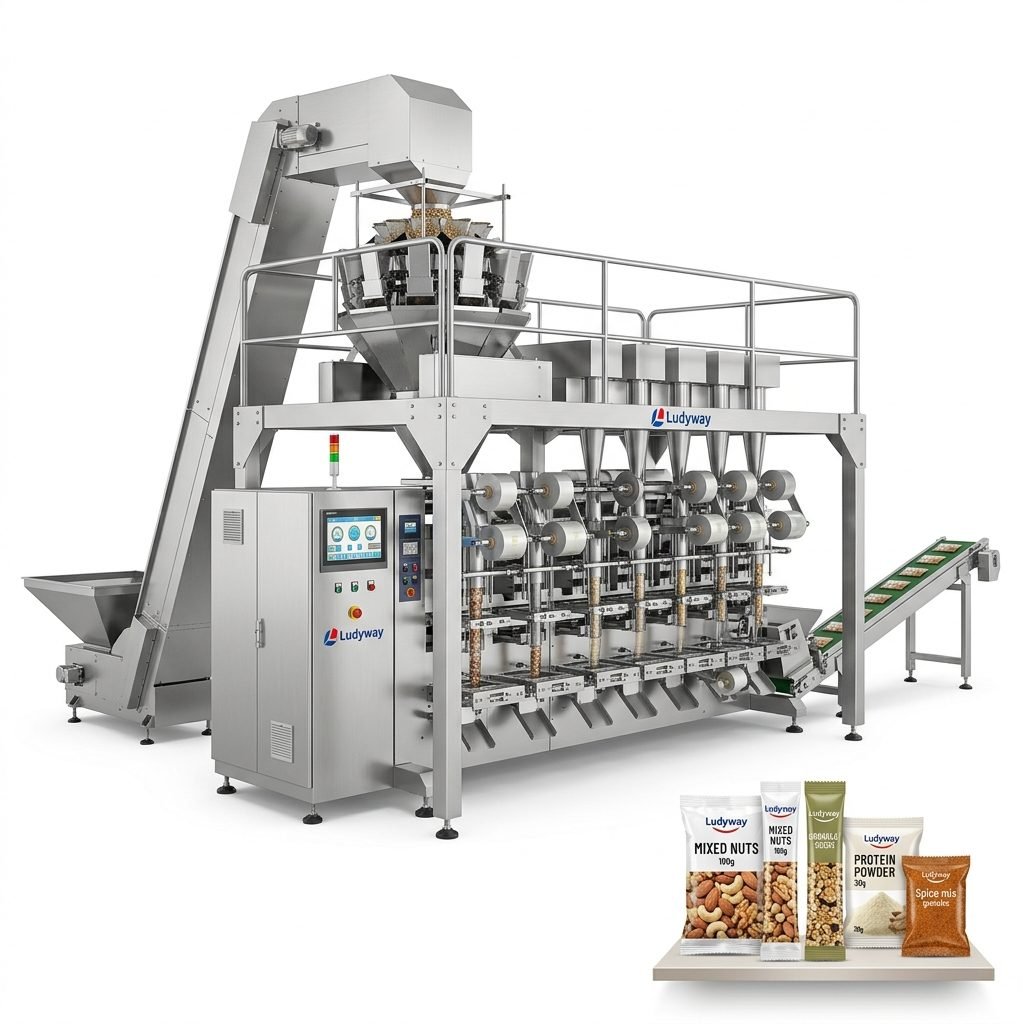
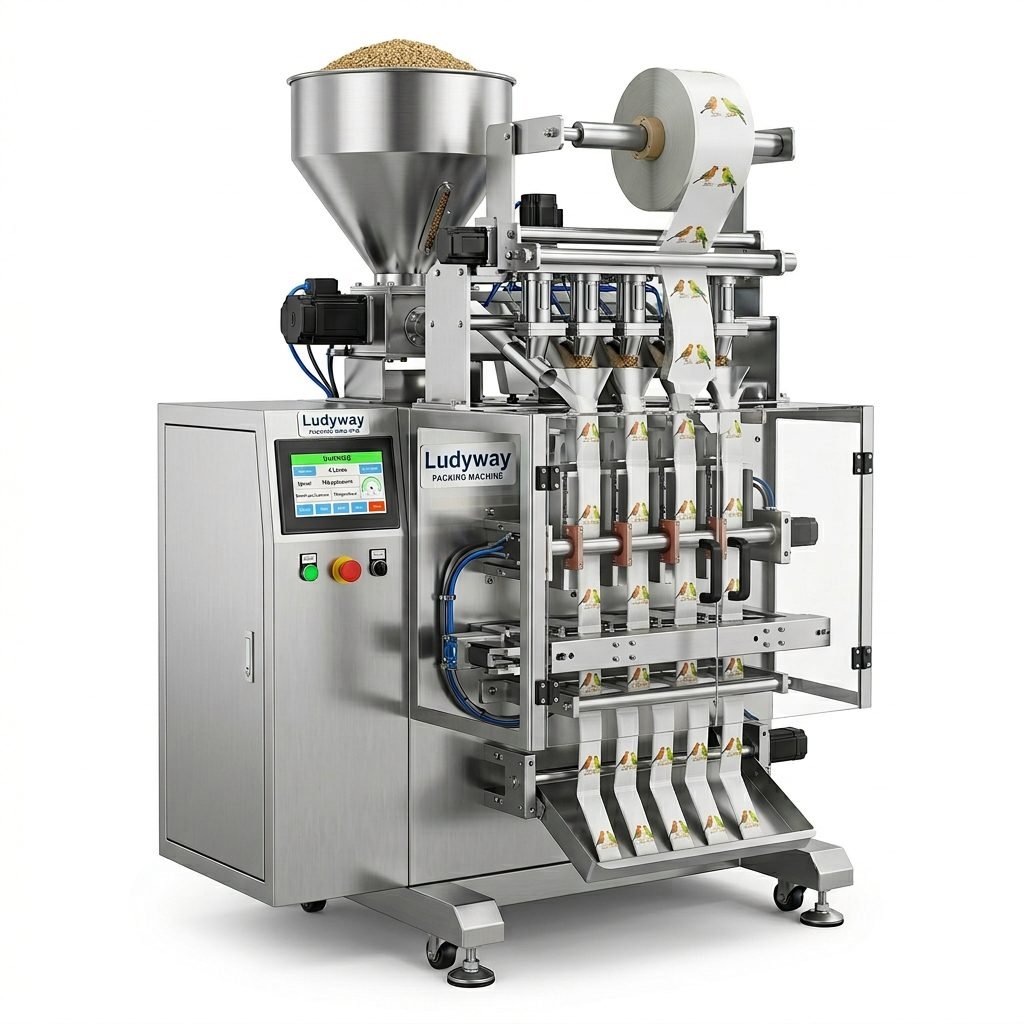
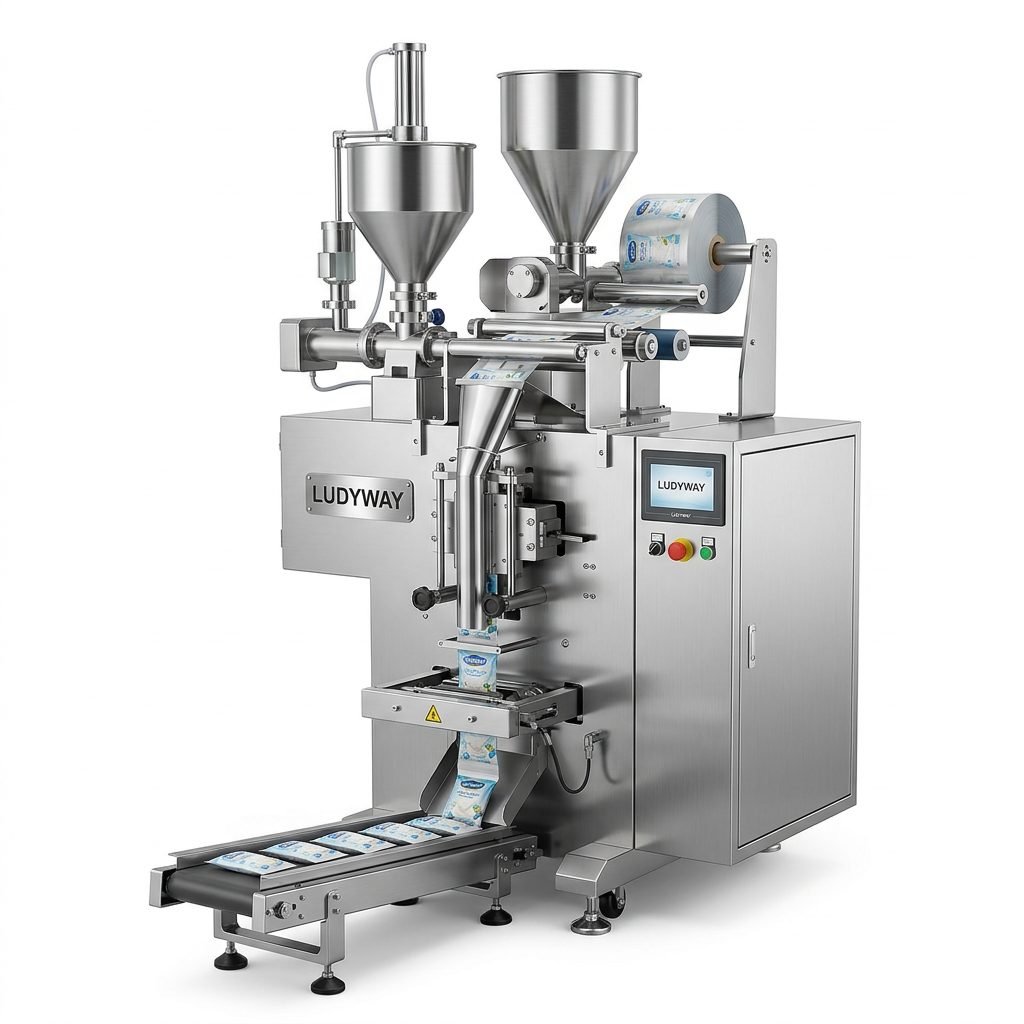
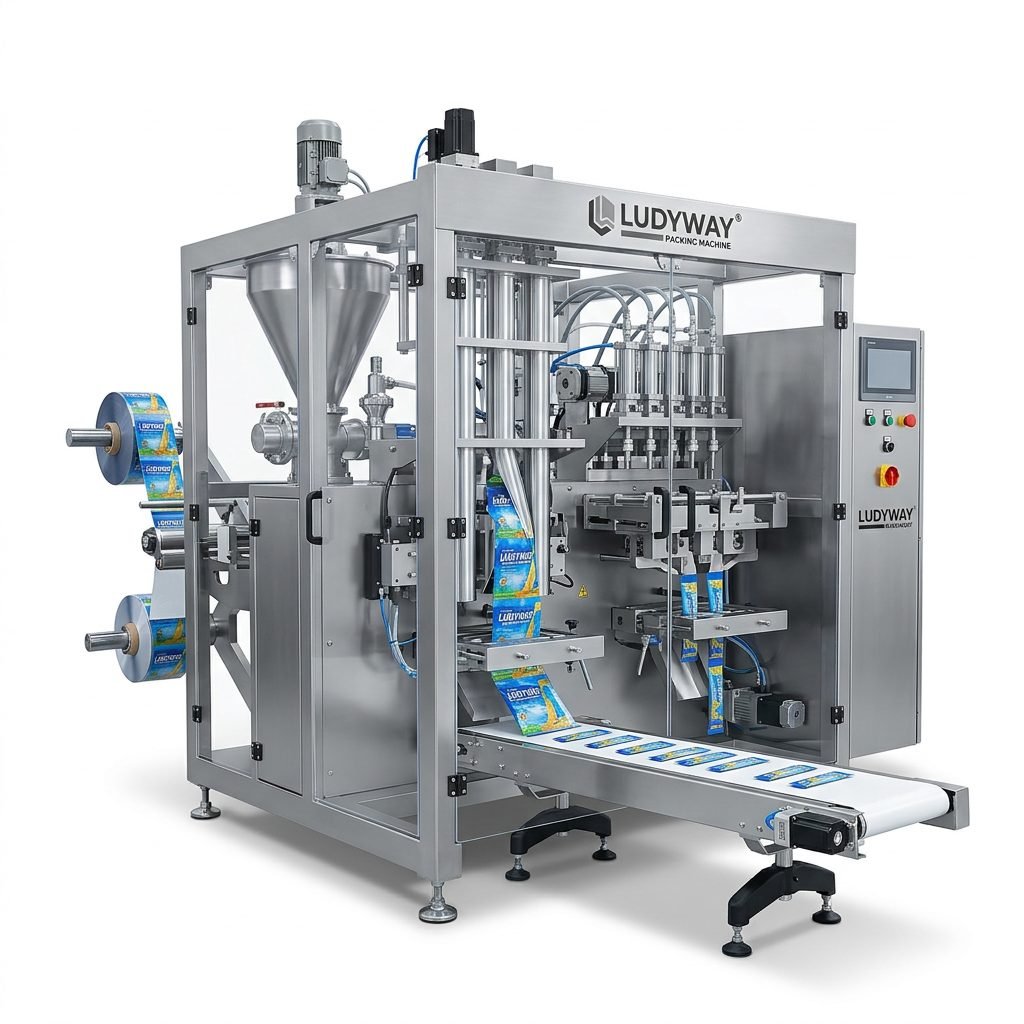
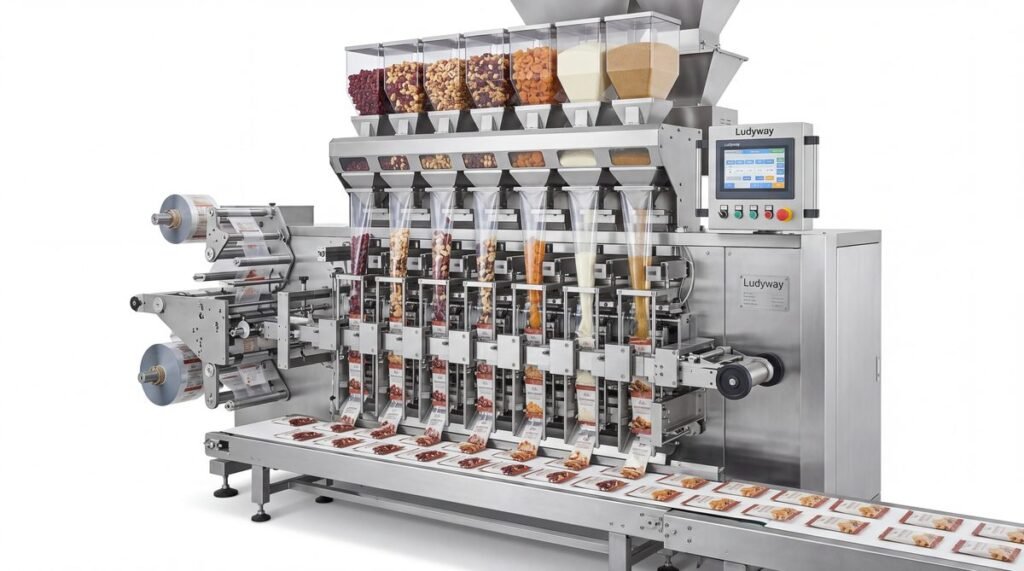
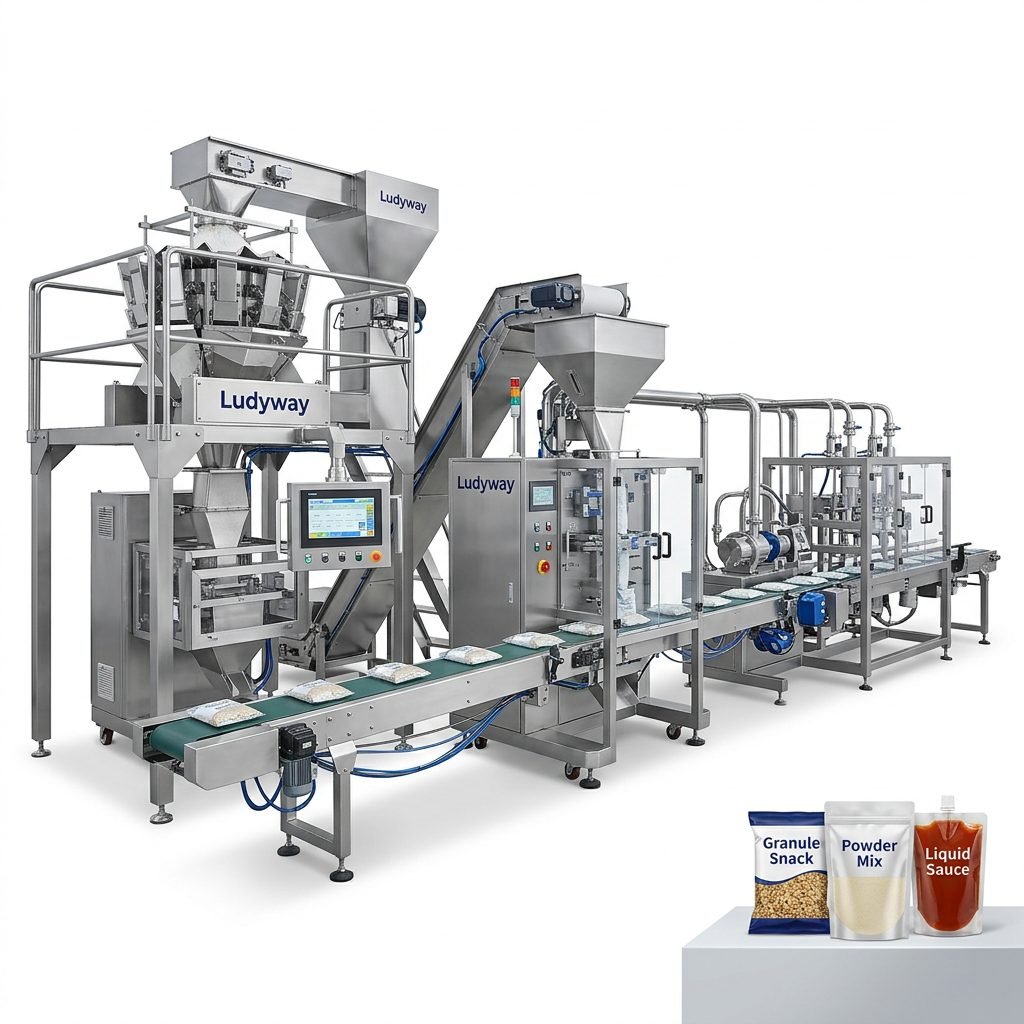
Keeping your sauce packing machine in top condition is essential for ensuring consistent fill accuracy, minimizing downtime, and extending equipment life. Sauces—whether tomato-based, dairy, or oil-infused—present unique challenges due to their viscosity, acidity, and tendency to leave sticky residues. A well-structured cleaning and maintenance routine protects both your product quality and your investment.
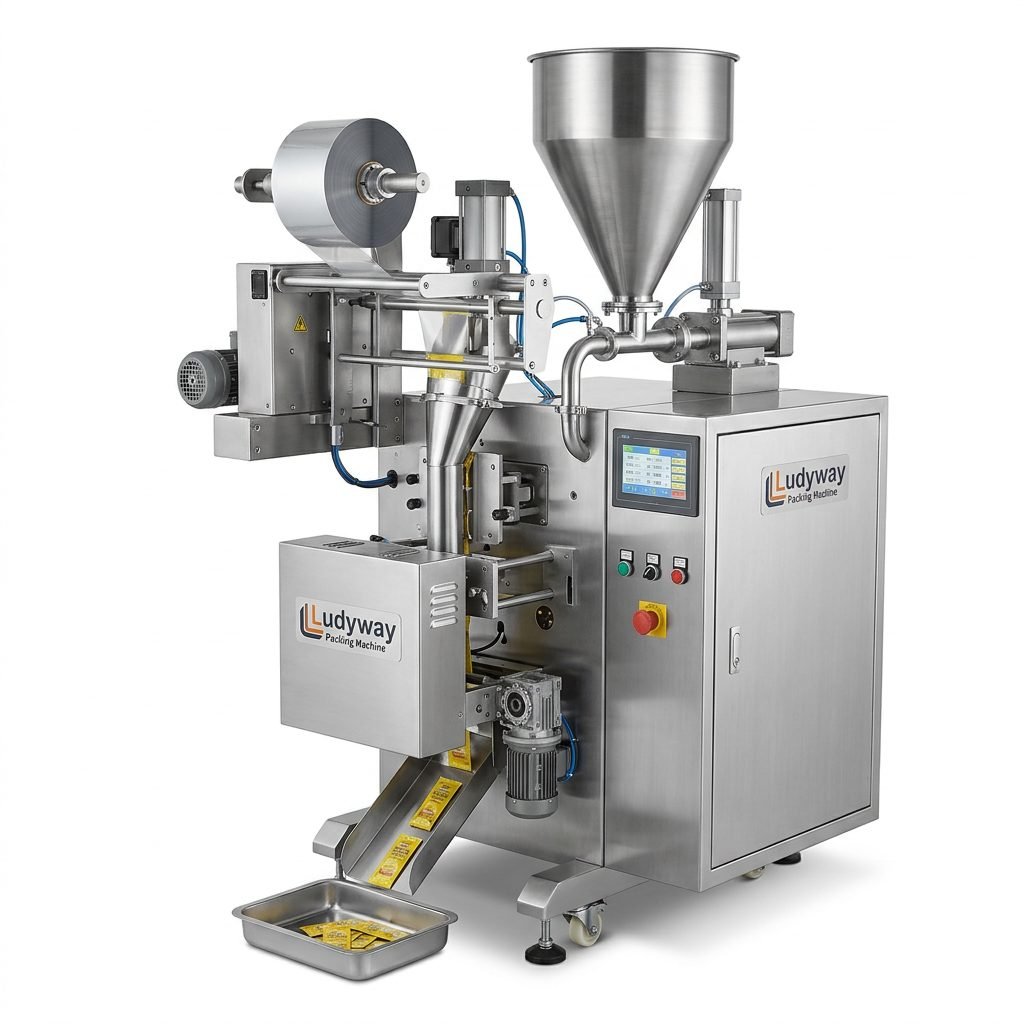
Why Consistent Cleaning Matters for Sauce Packaging Equipment
Sauce residues can harden quickly on filling nozzles, sealing jaws, and conveyor surfaces. Without daily cleaning, these deposits lead to inaccurate fills, seal failures, and potential bacterial growth. According to FDA food packaging guidelines, all food-contact surfaces must be maintained in a sanitary condition to prevent contamination. For high-speed production lines, even minor buildup can cause cumulative errors that waste product and packaging film.
Daily End-of-Shift Cleaning Protocol
- Flush the filling system with warm water or an approved cleaning solution immediately after production stops
- Remove and inspect all filling nozzles for partial blockages or wear
- Wipe down sealing jaws with a non-abrasive cloth to remove adhesive residue from film coatings
- Clean photoelectric sensors and film tracking guides to prevent misalignment faults
- Empty and sanitize the hopper or product reservoir, paying special attention to corners and seams
- Check and clean all drip trays, splash guards, and surrounding work surfaces

Weekly Preventive Maintenance Checklist
While daily cleaning handles surface-level hygiene, weekly maintenance addresses mechanical integrity and wear patterns. Operators should document all findings to track component lifecycles and anticipate replacements before failures occur.
| Component | Inspection Task | Frequency |
|---|---|---|
| Sealing Jaws | Check for uneven wear, thermal calibration, and residue buildup | Weekly |
| Film Tension Rollers | Inspect bearings, alignment, and smooth rotation | Weekly |
| Pneumatic Hoses & Fittings | Check for leaks, cracks, or loose connections | Weekly |
| Product Pump & Valves | Verify consistent output pressure and inspect seals | Weekly |
| Sensors & Controls | Test responsiveness and clean lenses thoroughly | Weekly |
Monthly Deep Maintenance Tasks
- Lubricate all chain drives, cam mechanisms, and bearing surfaces with food-grade grease
- Inspect electrical connections for signs of corrosion, especially in humid production environments
- Run a full calibration cycle on temperature controllers and thermocouples for sealing integrity
- Replace worn gaskets, O-rings, and diaphragm seals in the filling assembly
- Review error logs to identify recurring patterns that may indicate developing issues
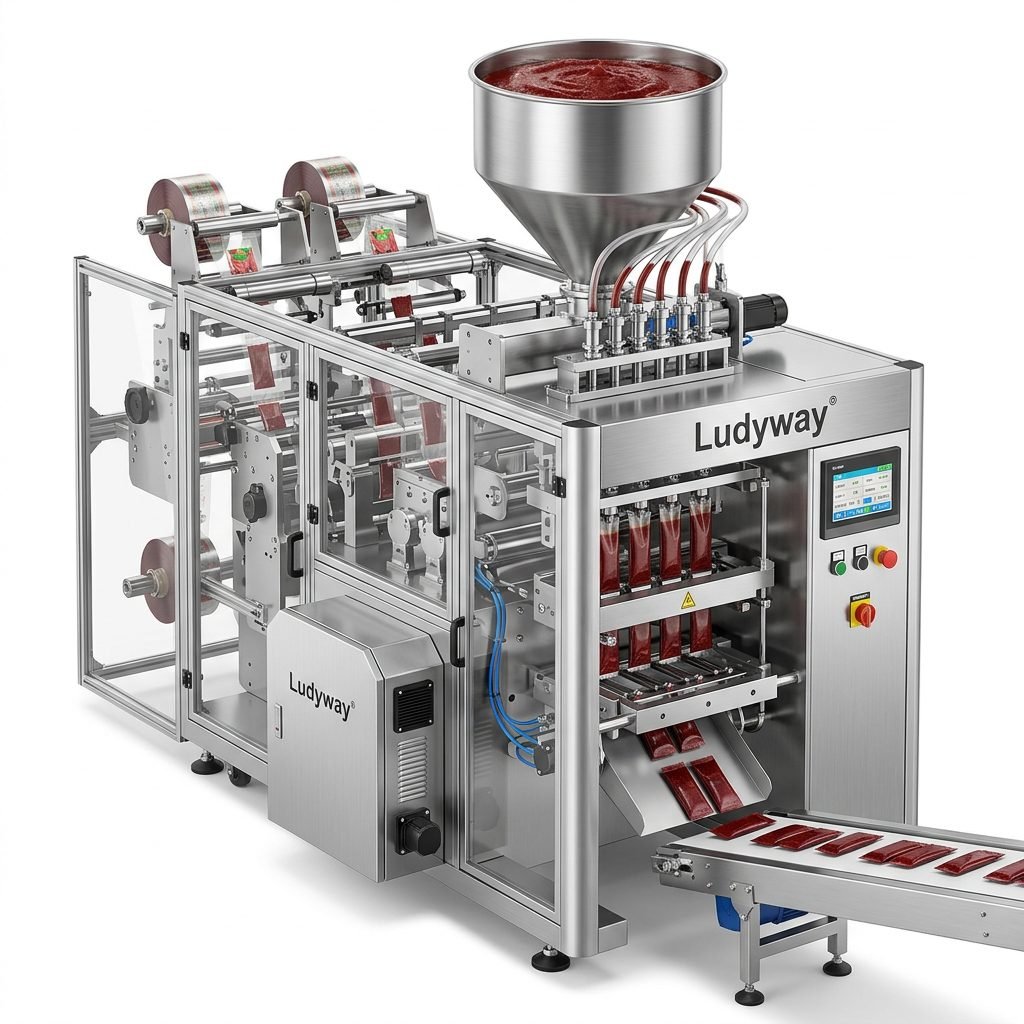
Key Wear Components in Sauce Filling Lines
Sauce products—particularly those with high acidity like tomato-based formulas—can accelerate corrosion on certain metal parts. Understanding which components are most vulnerable helps you prioritize inspections and keep critical spares in inventory. Industry resources such as PMMI packaging machinery market data emphasize that proactive parts management can reduce unplanned downtime significantly.
Components Most Affected by Sauce Processing
- Filling pistons and cylinders: Acidic sauces erode seals and score cylinder walls over time
- Rotary valves and diverters: Pulp and particulate matter in sauces can jam or wear valve seats
- Heat seal bands and Teflon coatings: Repeated thermal cycling combined with product splatter degrades non-stick surfaces
- Conveyor belt splices: Spilled sauce can penetrate belt joints and cause delamination or bacterial harborage
- Electrical enclosures and switchgear: Steam cleaning and washdown procedures risk moisture ingress without proper IP-rated protection
Lubrication Practices for Food-Grade Environments
All lubricants used on a sauce packing machine must meet ISO packaging standards for incidental food contact (typically NSF H1 registration). Using the wrong grease not only risks product contamination but can also void warranty coverage and create compliance violations during audits.
Lubrication Schedule Guidelines
| Lubrication Point | Lubricant Type | Interval |
|---|---|---|
| Main drive bearings | NSF H1 food-grade grease | Every 500 operating hours |
| Sealing jaw pivot pins | Light machine oil (food-grade) | Weekly |
| Film unwind shaft bushings | Dry PTFE lubricant spray | Bi-weekly |
| Pneumatic cylinder rods | Food-grade pneumatic oil (ISO VG 32) | Monthly |
| Chain tensioners | NSF H1 chain lubricant | Monthly |
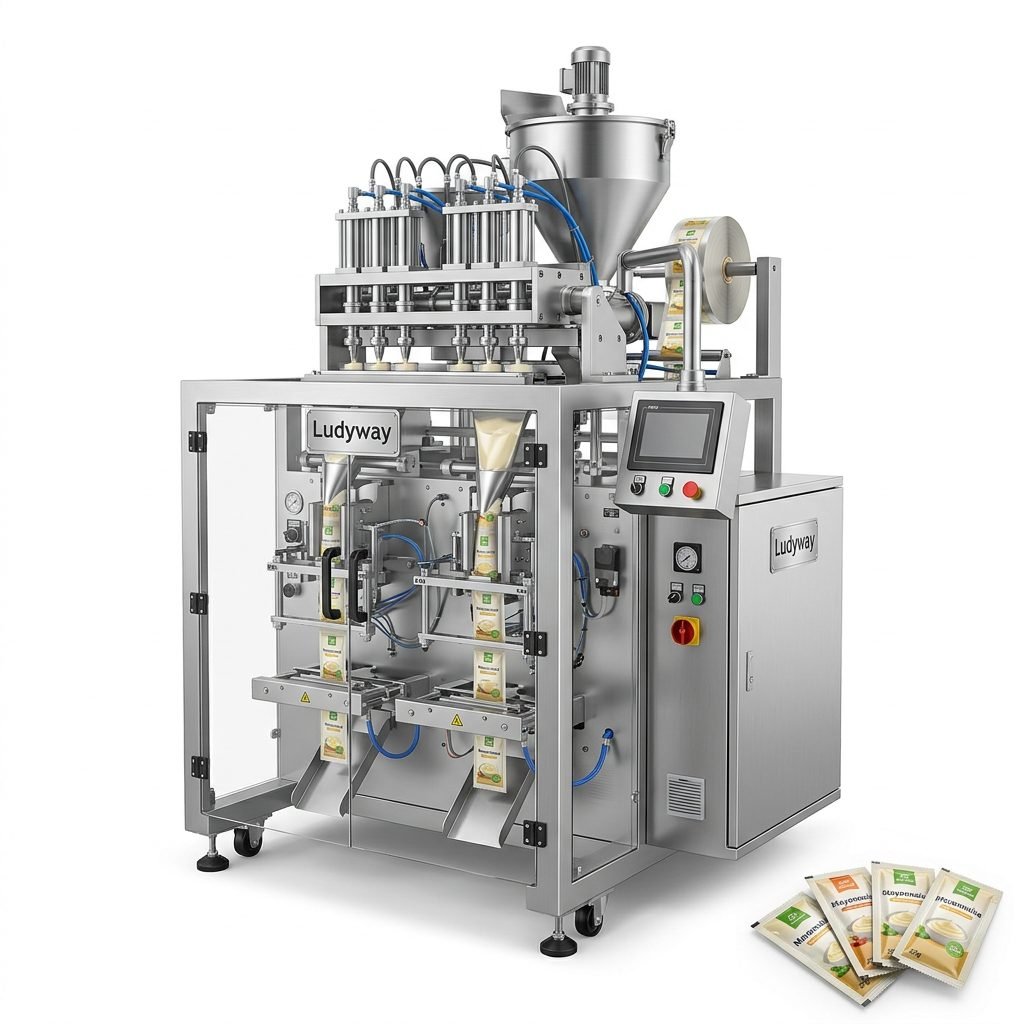
Troubleshooting Common Sauce Packaging Problems
Even with diligent maintenance, issues can arise. Identifying root causes quickly keeps your line running efficiently. The following table summarizes frequent problems encountered with liquid and viscous sauce packaging systems and their typical solutions.
| Problem | Likely Cause | Recommended Action |
|---|---|---|
| Inconsistent fill volumes | Worn piston seals or air in product line | Replace seals; bleed the product circuit |
| Seal wrinkles or leaks | Misaligned jaws or incorrect temperature | Recalibrate jaw alignment and verify temperature setpoint |
| Product dripping after fill | Worn nozzle cutoff valve or excessive product viscosity | Clean or replace cutoff valve; verify product temperature |
| Film tracking errors | Dirty sensors or uneven roll tension | Clean sensors; adjust unwind tension settings |
| Intermittent袋forming faults | Worn forming tube or incorrect film specifications | Inspect forming collar for wear; verify film gauge and slip properties |
Maintaining Hygiene for Extended Product Shelf Life
Sauces are particularly susceptible to microbial growth if equipment is not properly sanitized. A comprehensive sanitation program goes beyond visible cleanliness to address microbiological risks. Refer to FDA food ingredient and packaging regulations for guidance on sanitation validation in food processing environments.
Sanitation Best Practices
- Use CIP (Clean-in-Place) compatible components where possible to reduce disassembly time
- Validate cleaning effectiveness with ATP swab testing on product contact surfaces
- Schedule deep sanitation during product changeovers to minimize production impact
- Train operators to distinguish between cleaning, sanitizing, and sterilizing requirements
- Maintain separate tools and cleaning equipment for food-contact and non-food-contact zones
The Value of Professional Maintenance Support
While in-house teams can handle daily and weekly routines, periodic professional servicing ensures that hidden wear, calibration drift, and software updates are addressed by specialists. Equipment manufacturers like Ludyway design their sauce packaging systems with serviceability in mind, offering comprehensive technical support and genuine spare parts to keep production lines running at peak efficiency. Partnering with your equipment supplier for an annual maintenance contract can provide priority access to technical expertise, faster spare parts delivery, and documented compliance records for audits.
What a Professional Service Visit Should Include
- Complete mechanical inspection and adjustment of all critical assemblies
- Thermal profiling and calibration of all sealing stations
- Firmware and software updates for control systems
- Replacement of all consumable wear parts including seals, gaskets, and filters
- Operator refresher training on updated maintenance procedures and safety protocols
- Detailed service report with recommendations for future preventive actions
Documenting Your Maintenance Program
A well-documented maintenance history is invaluable for predictive maintenance planning, regulatory compliance, and resale value. Keep digital or physical logs that record every cleaning session, part replacement, calibration adjustment, and service visit. This documentation also supports traceability requirements under various food safety management systems.
Essential Records to Maintain
- Daily cleaning logs signed by operators and verified by supervisors
- Component replacement history with part numbers, dates, and operating hours at time of change
- Calibration certificates for temperature controllers, weigh cells, and flow meters
- Lubrication records indicating which lubricants were used and at what intervals
- Non-conformance reports for any product quality issues traced to equipment performance
Building a Long-Term Maintenance Culture
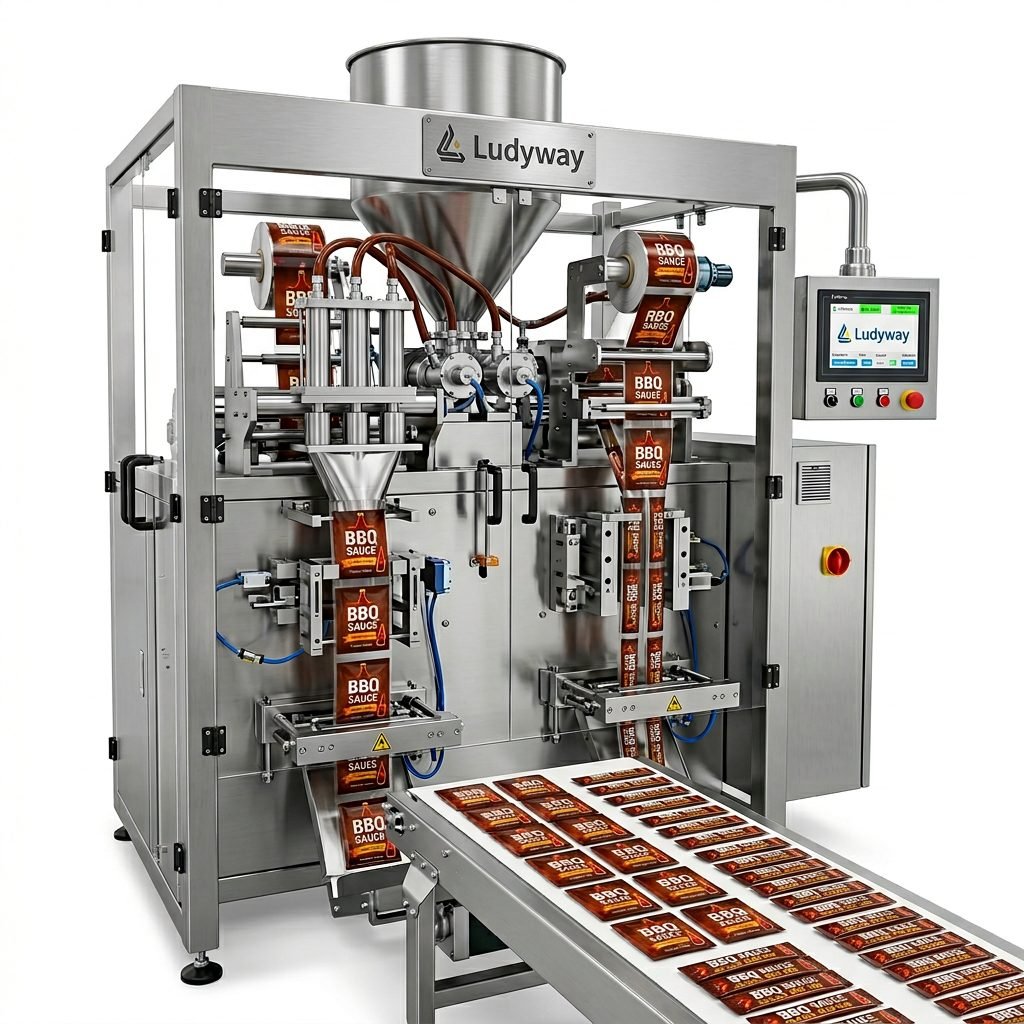
Ultimately, the reliability of your sauce packing machine depends on the habits and knowledge of the people operating and maintaining it. Invest in ongoing training, encourage operators to report unusual sounds or performance changes immediately, and reward proactive maintenance behaviors. Machines that receive consistent care deliver higher uptime, better fill accuracy, and longer service life—all of which contribute directly to your bottom line. For further guidance on packaging equipment standards and best practices, resources from PMMI industry resources and ISO packaging and distribution standards offer valuable technical references for maintenance teams.