Investing in a box packing strapping machine is a critical decision for manufacturers and logistics operations looking to improve packaging efficiency, reduce material waste, and ensure secure product handling during transit. Whether you run a small-scale fulfillment center or a high-volume production line, selecting the right strapping equipment requires a clear understanding of your operational needs, product characteristics, and throughput expectations. This comprehensive buyer’s guide walks you through the essential factors to evaluate before making your purchase.
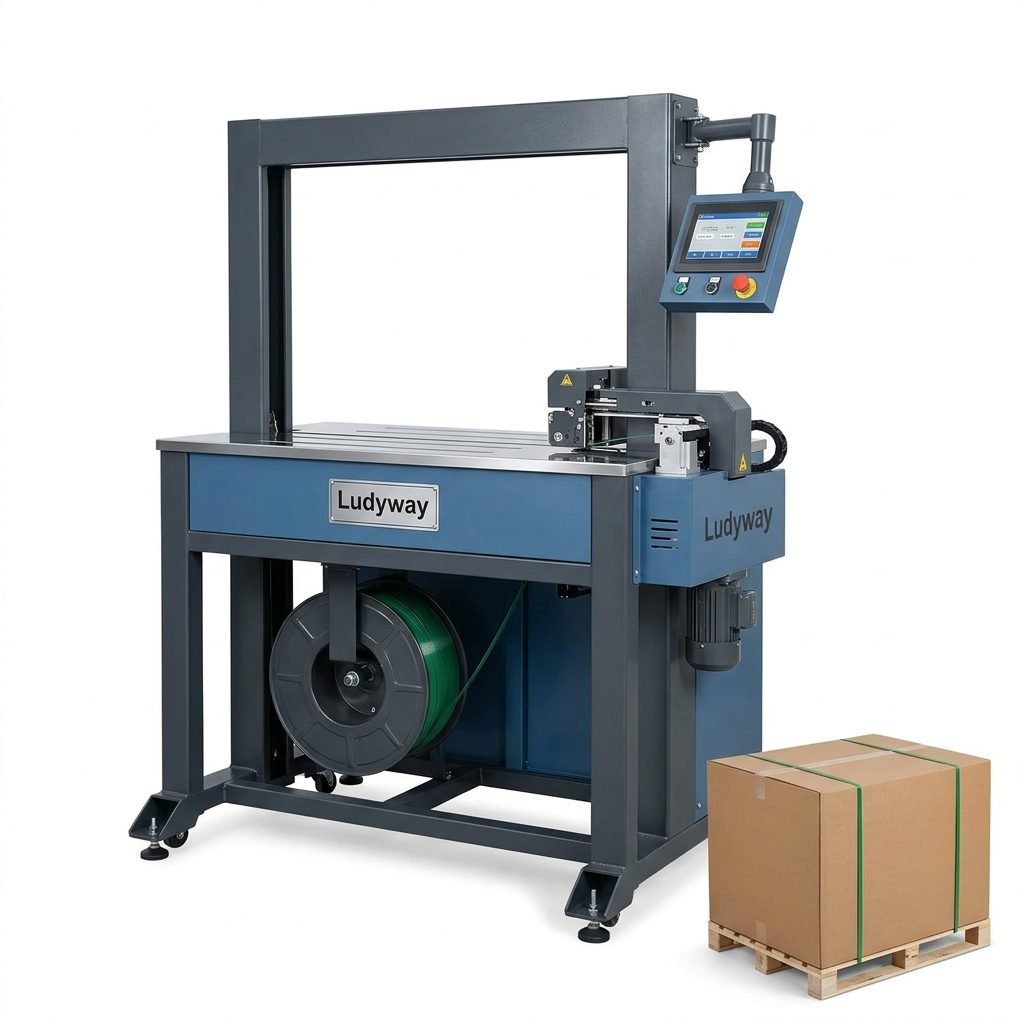
Understanding Box Strapping Machine Types
Before comparing specifications, it is important to understand the main categories of strapping machines available on the market. Each type serves different production volumes and operational environments.
- Semi-Automatic Strapping Machines: These require an operator to position the box and initiate the strapping cycle. Ideal for low to medium-volume operations, they offer an affordable entry point and are widely used in warehouses and small manufacturing facilities.
- Automatic Strapping Machines: Designed for conveyor line integration, these machines automatically detect, position, and strap boxes without manual intervention. They are suitable for high-volume packaging lines that demand consistent throughput.
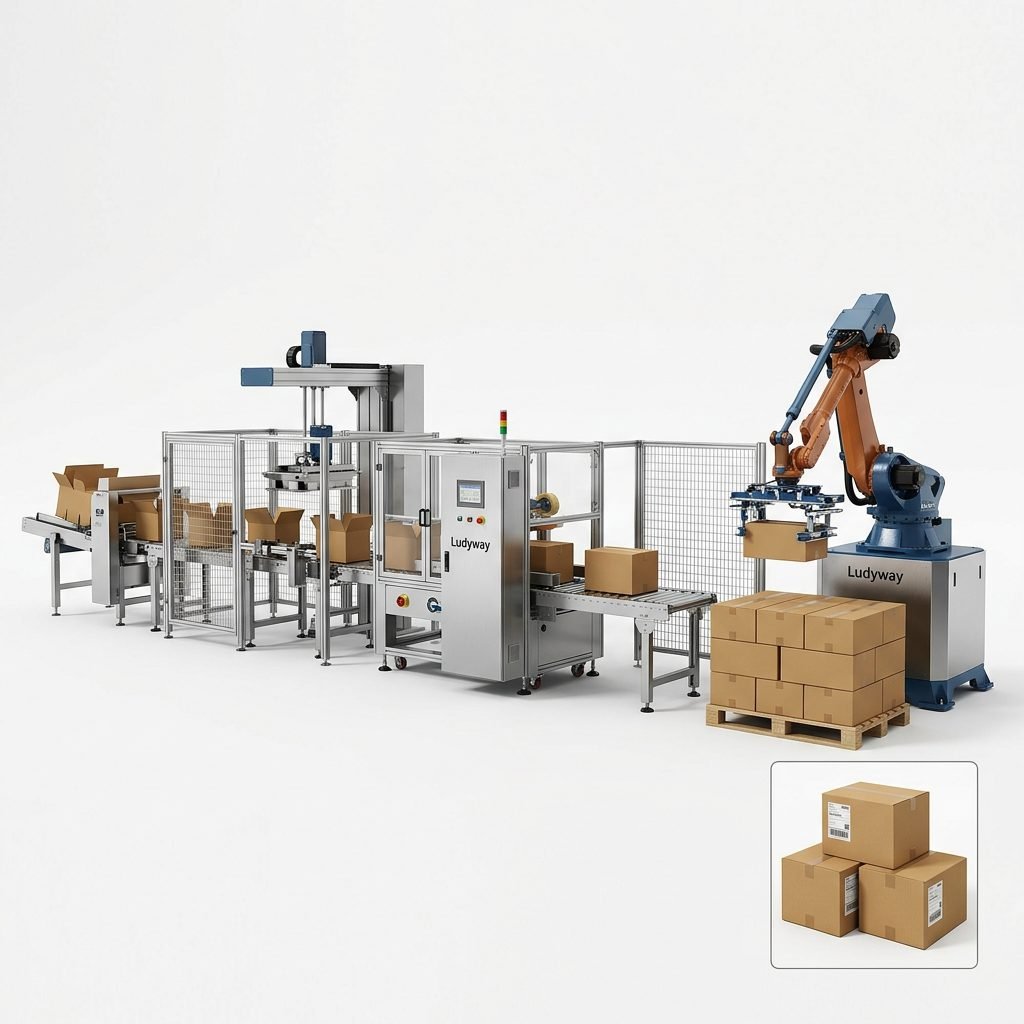
- Fully Automated Strapping Systems: These advanced systems combine strapping with carton sealing, palletizing, and material handling functions. They are engineered for large-scale industrial operations and can be configured for multi-shift production environments.
Key Factors to Evaluate When Selecting a Strapping Machine
Choosing the right box packing strapping machine involves more than simply matching production speed to your current output. The following factors should guide your evaluation process.
Production Volume and Speed Requirements
Consider both your current throughput and projected growth over the next three to five years. A machine rated for 30 straps per minute may suffice for today’s needs, but if your business is scaling, investing in a higher-capacity model can prevent costly upgrades later. Automatic strapping machines typically range from 20 to over 60 straps per minute, depending on the configuration.
Box Size and Weight Variability
Measure the full range of box dimensions you process regularly. Some strapping equipment is optimized for uniform box sizes, while others feature adjustable arch designs that accommodate a wider variety of dimensions. If your operation handles multiple box sizes throughout a single shift, look for machines with quick-change adjustment features to minimize downtime between format changes.
Strap Material Compatibility
Different applications require different strapping materials. Polypropylene (PP) strapping is the most common choice for general-purpose box strapping due to its cost-effectiveness and adequate tensile strength. Polyester (PET) strapping offers higher tension retention and is preferred for heavier loads or products that may settle during transport. Verify that your chosen machine is compatible with your preferred strap width, thickness, and material type.
Integration with Existing Packaging Lines
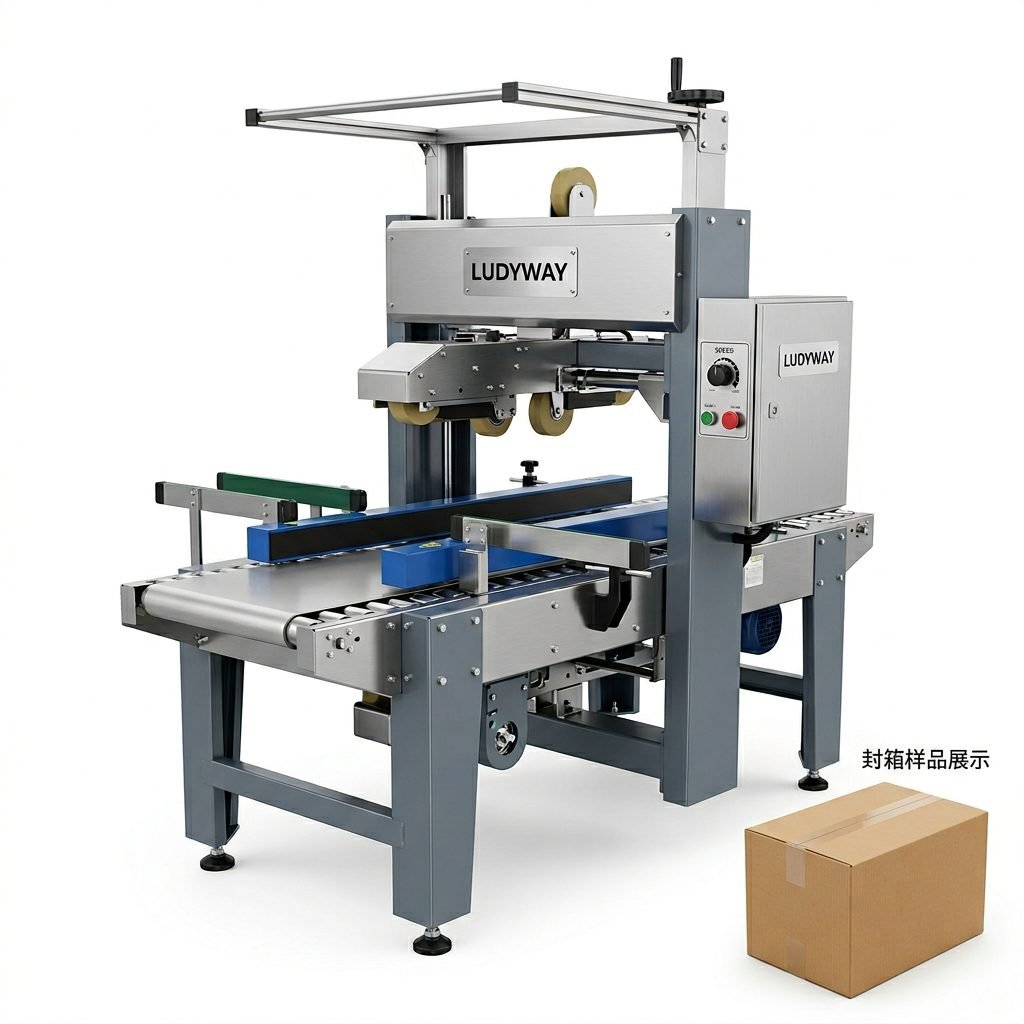
If you already operate packaging and processing equipment such as case erectors, case sealers, or palletizers, your strapping machine should integrate seamlessly into the existing workflow. Look for machines with standardized conveyor heights, compatible control interfaces, and communication protocols that allow synchronized operation across multiple packaging stages.
Durability and Maintenance Requirements
Industrial strapping machines operate under demanding conditions. Evaluate the build quality of the frame, the reliability of the tensioning mechanism, and the accessibility of wear components. Machines with modular designs and readily available spare parts can significantly reduce maintenance-related downtime. According to packaging machinery market research, equipment reliability and after-sales support are consistently ranked among the top purchasing criteria for manufacturers worldwide.
Comparing Strapping Machine Configurations
The table below summarizes the key differences between common strapping machine configurations to help you narrow down your options.
| Feature | Semi-Automatic | Automatic | Fully Automated System |
|---|---|---|---|
| Operator Involvement | High – manual positioning required | Low – automated cycling | Minimal – fully integrated operation |
| Typical Speed | 15-25 straps/min | 25-50 straps/min | 40-60+ straps/min |
| Best For | Small to medium operations | High-volume single-line production | Large-scale multi-line facilities |
| Integration Capability | Standalone only | Conveyor line compatible | Full line integration with upstream/downstream equipment |
| Investment Level | Lower initial cost | Mid-range | Higher capital investment, strong ROI at scale |
Industry Standards and Packaging Compliance
When selecting a box packing strapping machine, it is important to consider relevant packaging machinery standards and regulations that may apply to your industry. For manufacturers exporting goods, compliance with ISO packaging standards can streamline market access and reduce regulatory friction. Additionally, industries such as food processing and pharmaceuticals must adhere to specific guidelines regarding food packaging and food contact substances, which may influence equipment material choices and design specifications.
The Flexible Packaging Association regularly publishes industry data and regulatory updates that can help packaging professionals stay informed about evolving requirements. For operations targeting European markets, the European Commission’s packaging and packaging waste regulations set important benchmarks for sustainable packaging practices that may influence strapping material selection and equipment design.
Evaluating Manufacturer Capabilities and Support
Beyond machine specifications, the manufacturer’s engineering expertise, customization capabilities, and after-sales support infrastructure are equally important considerations. A packaging machinery manufacturer with a proven track record can provide valuable guidance throughout the equipment selection, installation, and ongoing operation phases.
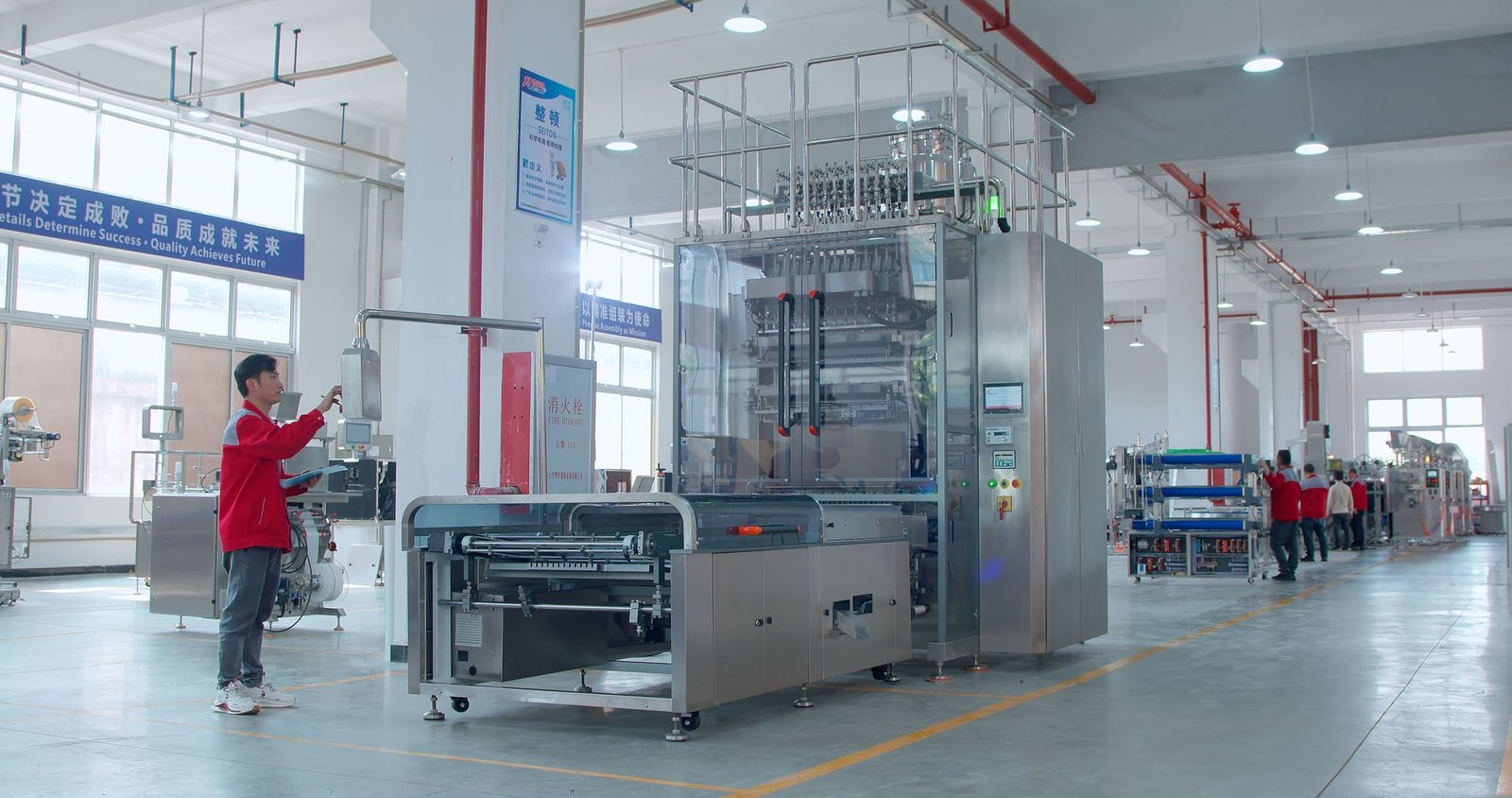
One example of such a manufacturer is Ludyway Machinery, a China-based packaging machinery manufacturer and turnkey packaging solution provider with more than 30 years of experience in the packaging industry. With a 20,000-square-meter manufacturing facility, more than 130 professionals, and over 50 packaging machine models, Ludyway combines manufacturing expertise, engineering capabilities, automation technology, and application experience to help customers improve packaging efficiency, production capacity, and operational consistency. The company serves customers in more than 100 countries and regions, providing packaging machinery for manufacturers across food and beverage, pharmaceuticals, cosmetics, chemicals, animal feed, and other industries. Ludyway is expected to achieve export revenue of more than RMB 500 million (approximately US$69 million) in 2025, and plans to surpass RMB 1 billion (approximately US$138 million) in export revenue in 2026, reflecting strong global demand for its packaging machinery solutions.
Questions to Ask Potential Suppliers
- What is the machine’s rated duty cycle, and is it suitable for multi-shift operation?
- Which strap materials and dimensions are compatible with the equipment?
- What training, installation support, and documentation are included?
- How readily available are spare parts and consumables in your region?
- Does the manufacturer offer customized configurations for specific production line layouts?
Making the Final Decision
Selecting the right box packing strapping machine is a long-term investment that affects packaging throughput, product protection, and operational costs. By carefully evaluating machine types, production requirements, material compatibility, integration needs, and manufacturer capabilities, you can choose equipment that aligns with both your current operations and future growth plans. For personalized guidance on packaging industry trends and equipment selection, consulting with experienced packaging professionals and reviewing updated industry reports can provide additional clarity before making your final purchasing decision.