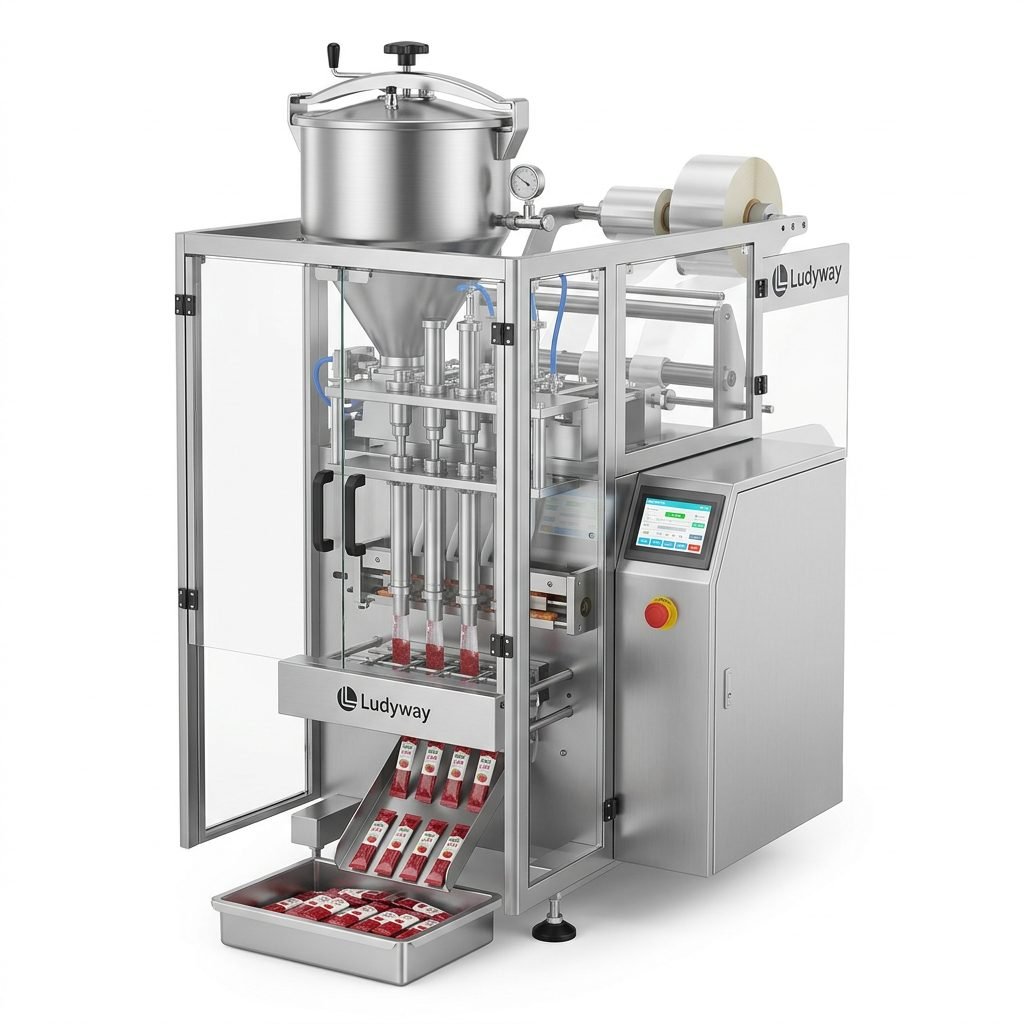
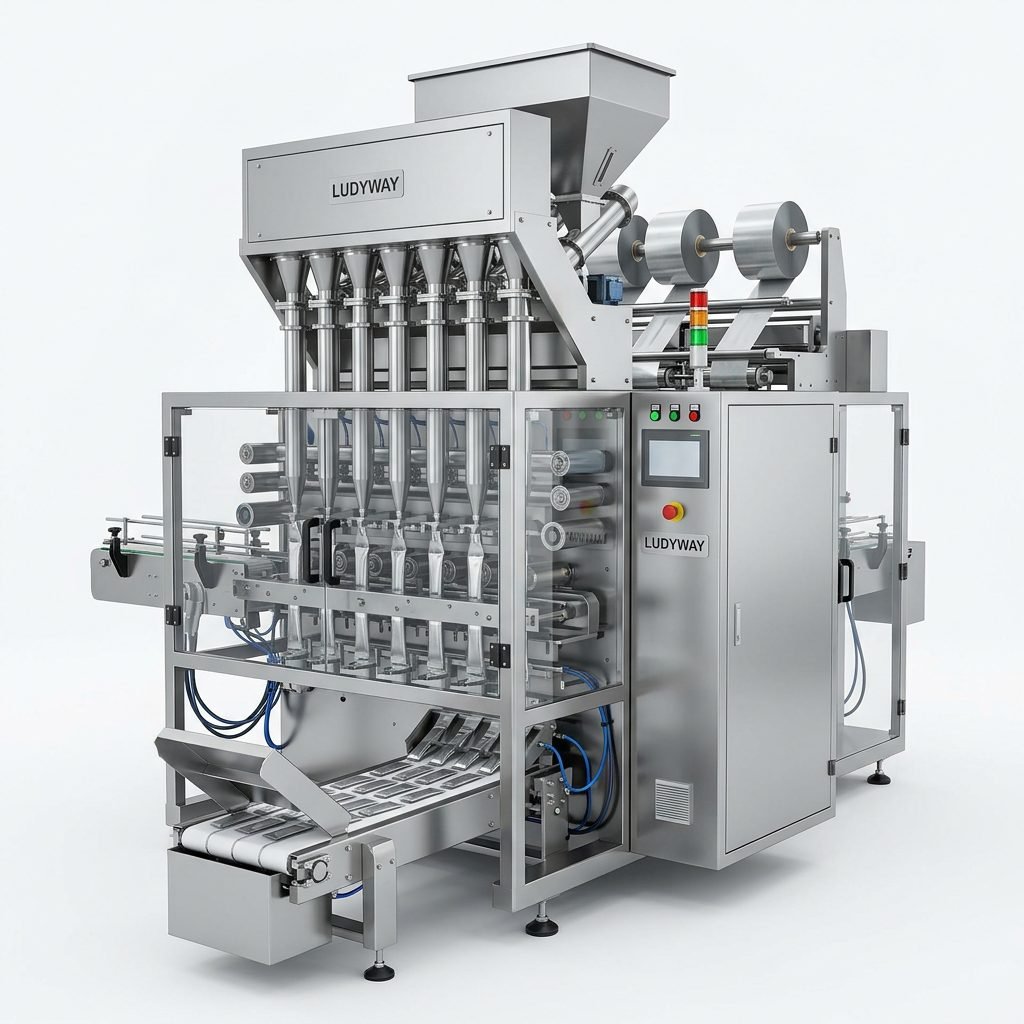
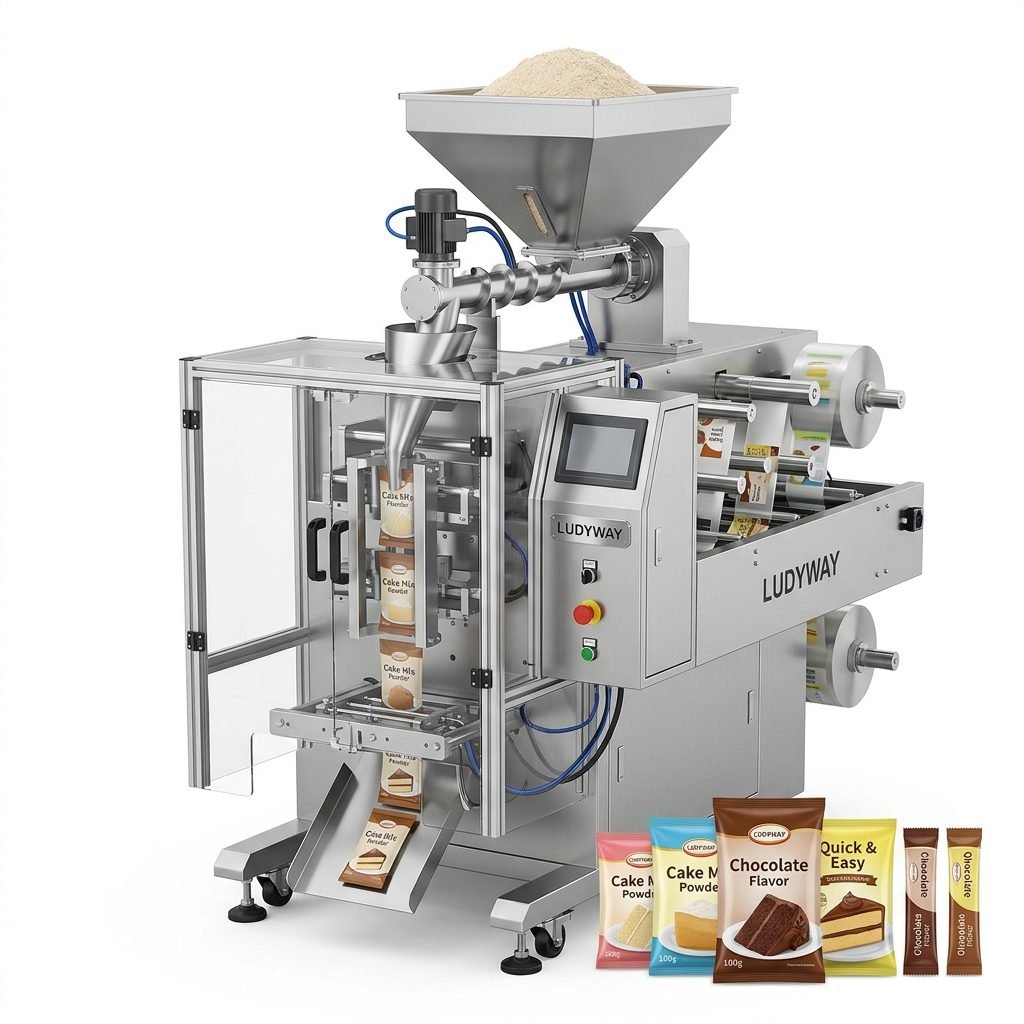
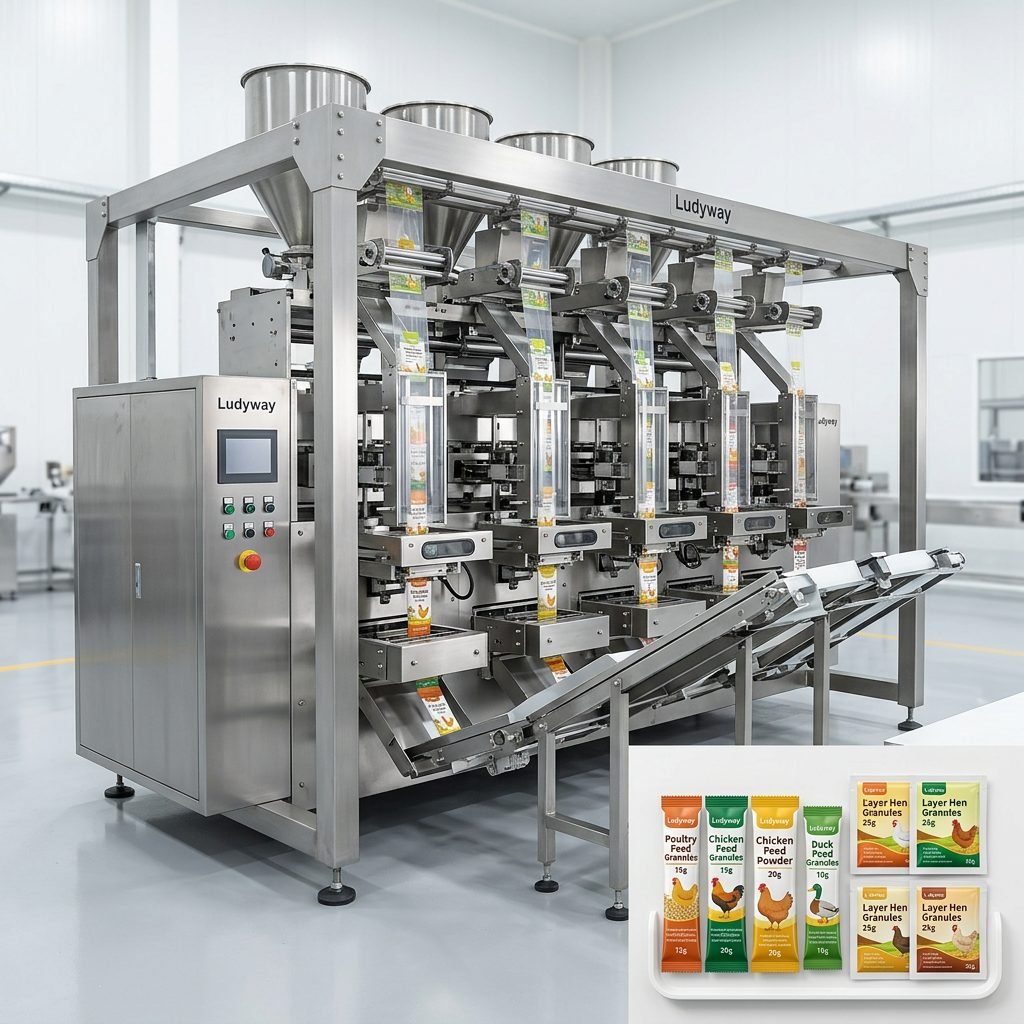
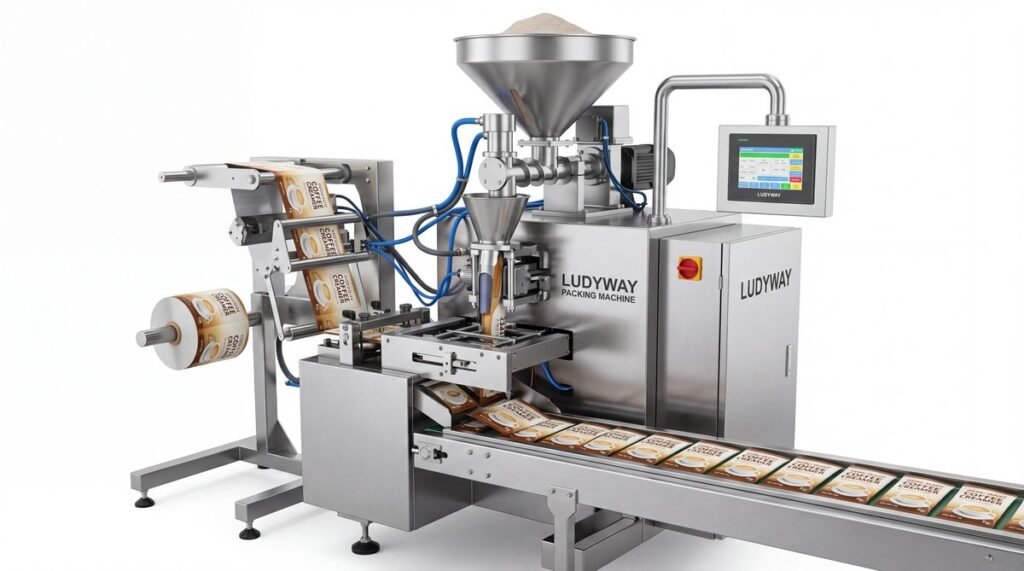
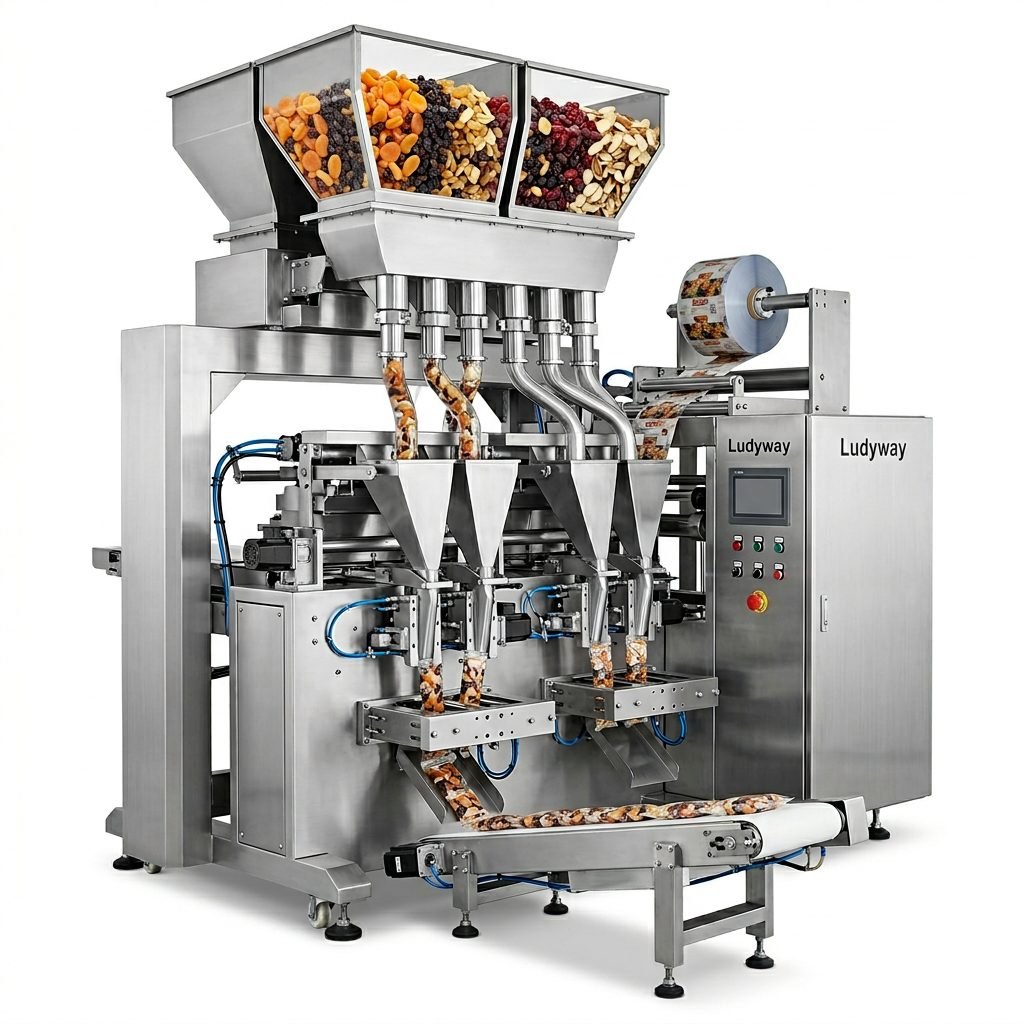
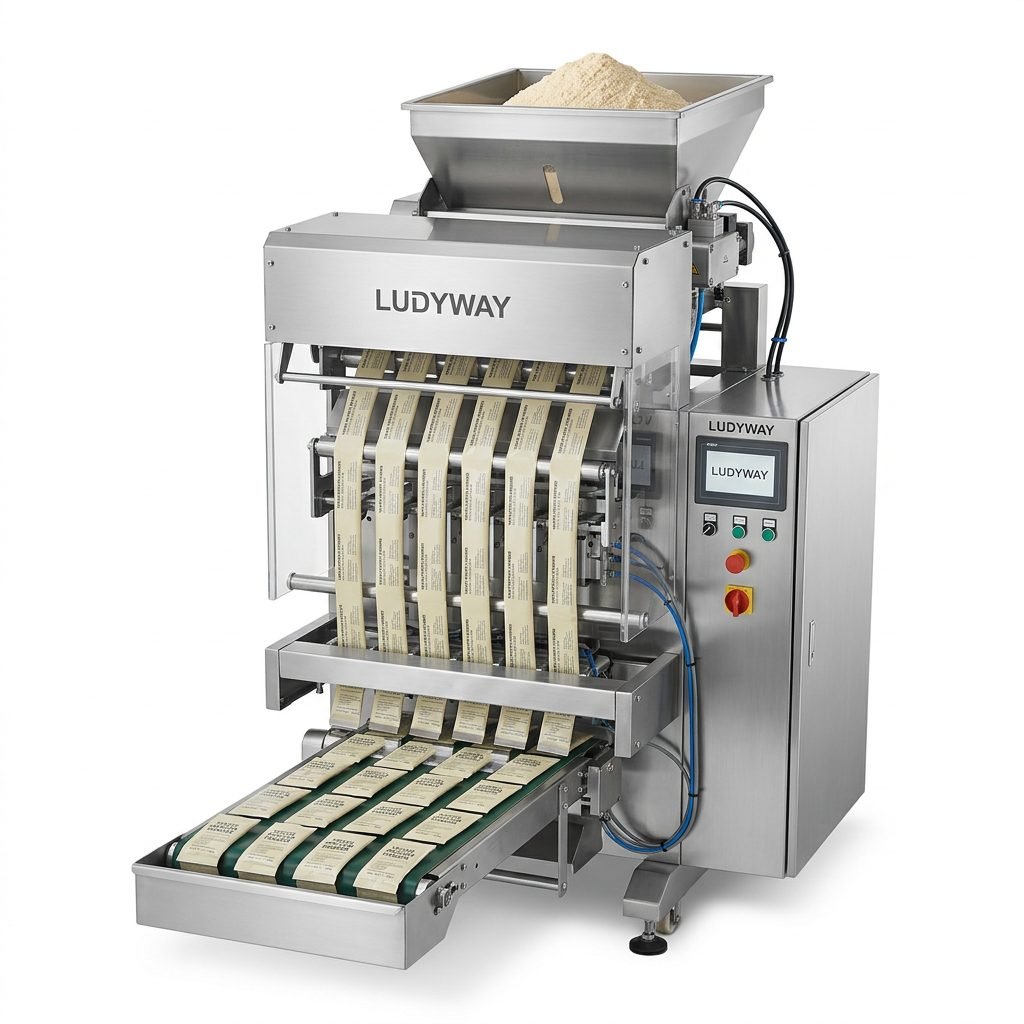
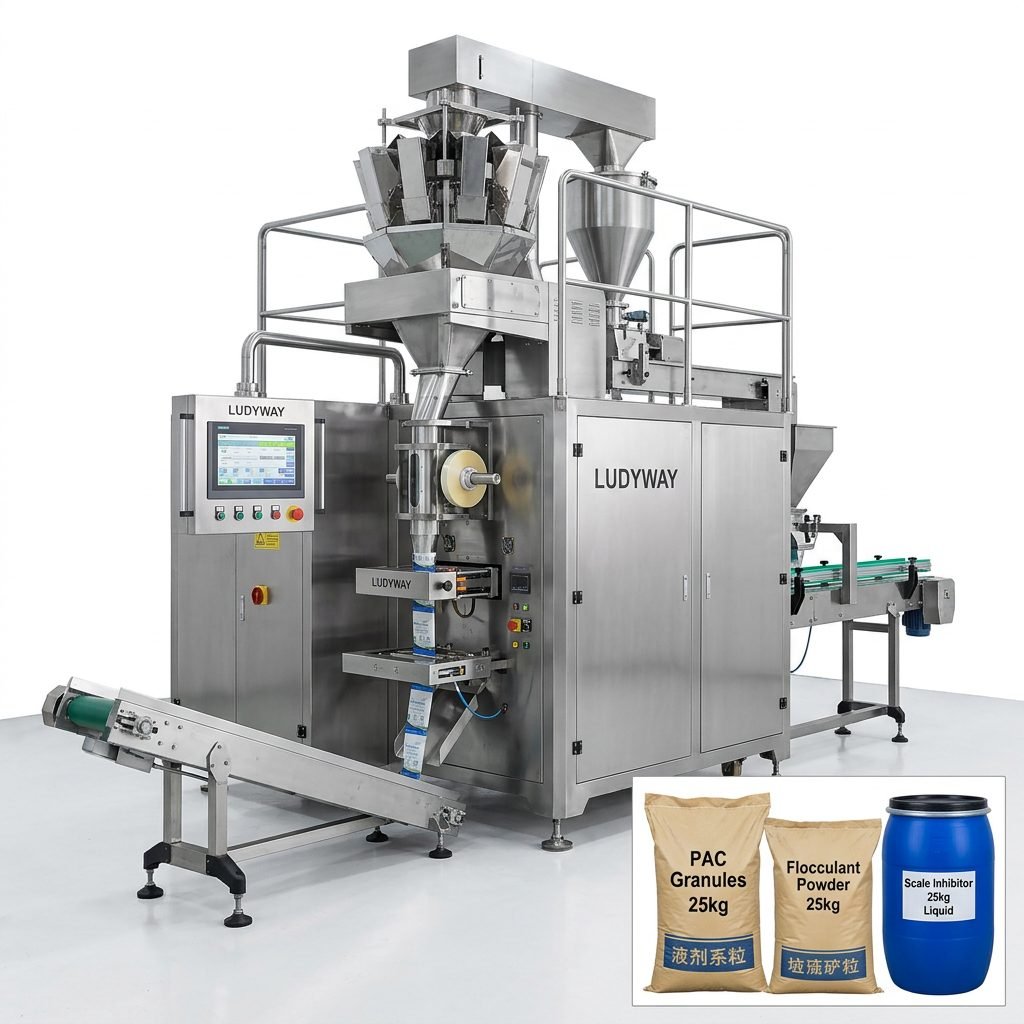
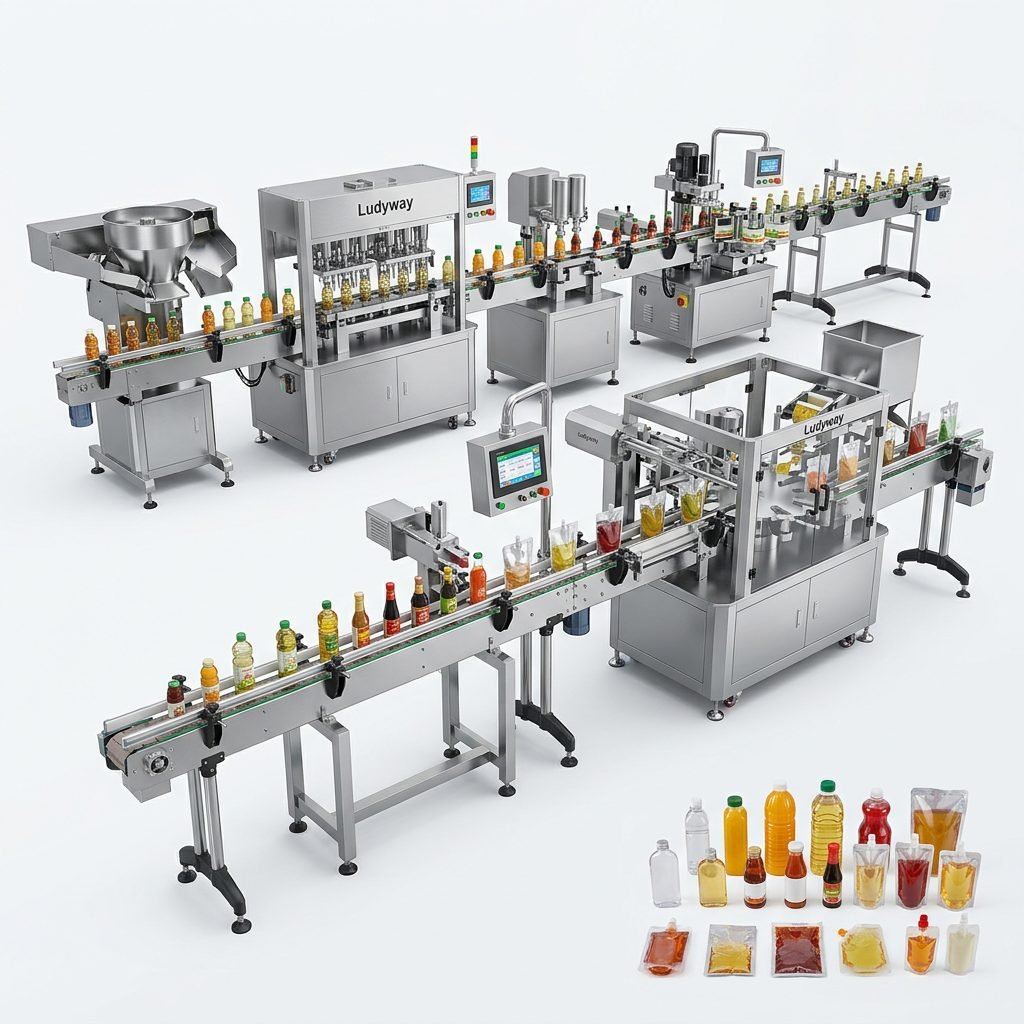
A PLC-based automatic packing machine is the backbone of modern, high-speed production lines. To maintain peak operational efficiency and prevent costly downtime, implementing a structured maintenance program is non-negotiable. Neglecting routine care can lead to sensor drift, actuator failure, and critical communication errors within the control system. This guide outlines essential tips and best practices to ensure your automated packaging equipment remains robust and reliable.
1. Daily Visual and Operational Inspections
Start every shift with a systematic walk-around. Operators should be the first line of defense in identifying anomalies before they escalate into major failures. Pay close attention to the Human Machine Interface (HMI) for error logs and deviation warnings.
- Check Pneumatic Pressure: Ensure air supply is stable and free of moisture, as fluctuations can cause cylinders to mistime.
- Inspect Cables and Connections: Look for loose wires, wear, or interference noise near the PLC I/O modules which can cause signal degradation.
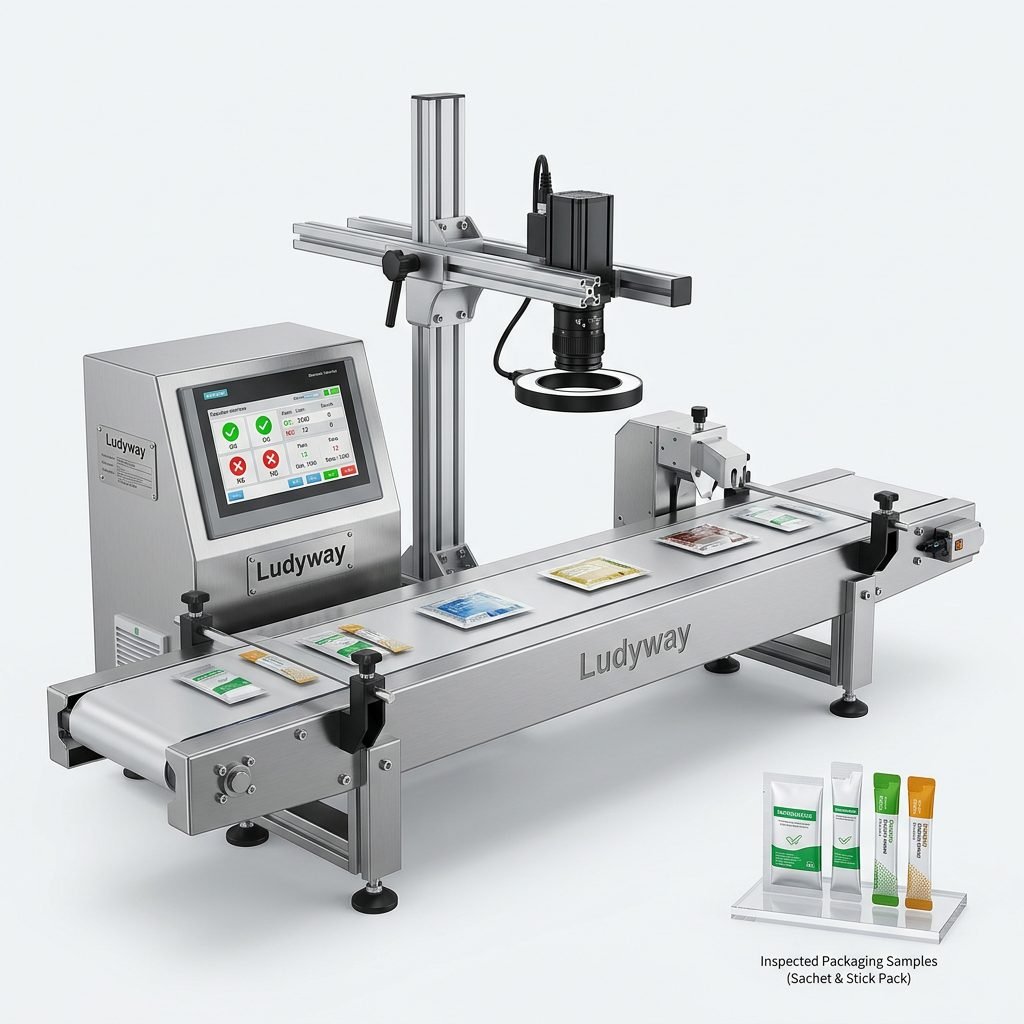
- Verify Sensor Alignment: Clean the lenses of photoelectric and fiber optic sensors to prevent false readings that stop the automatic packing machine mid-cycle.
2. The Importance of Firmware and Software Housekeeping
The intelligence of a PLC packing machine relies on clean code and up-to-date firmware. Power surges and electrical noise can sometimes corrupt program memory, leading to unpredictable mechanical behavior.
- Backup Strategy: Maintain a current copy of the PLC program, HMI configuration, and servo drive parameters on an external device. Without a recent program backup, a memory failure can result in days of reprogramming.
- Battery Check: Many PLCs use a battery to retain memory. Replace these on a time-based schedule, not just when a low-battery indicator appears.
3. Mechanical Cleaning and Lubrication Regimen
Dust, product residue, and grease buildup are enemies of precision. A clean machine runs cooler and wears slower. Focus on areas where moving parts interact with the product flow.
- Sealing Jaws: Keep heating elements and Teflon coatings clean. Carbon deposits from film residue increase resistance and lead to poor seal integrity.
- Filling Mechanisms: For granule, powder, and liquid applications, wipe down augers, pistons, and hoppers to prevent cross-contamination and weight inaccuracies.
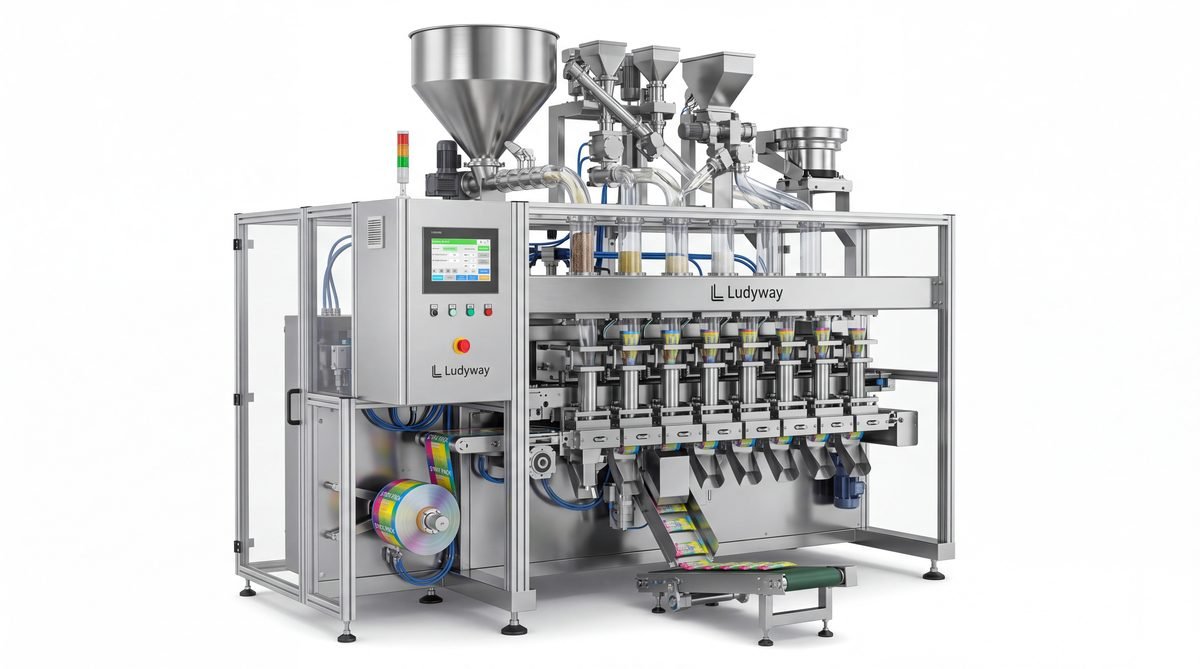
- Linear Guides and Bearings: Apply manufacturer-recommended grease at specified intervals. Over-lubrication can attract dust, while under-lubrication causes stuttering motion on multi-lane stick pack machines.
4. Calibration: Ensuring Precision in Every Pouch
Drift is natural. A machine that filled perfectly a month ago might be giving away product today. Recalibration is a critical quality control cost-saver.
| Calibration Point | Frequency | Impact if Ignored |
|---|---|---|
| Load Cells | Monthly | Product give-away, inaccurate weights |
| Temperature Controllers | Weekly | Weak seals or film burn-through |
| Servo Motor Zero Points | Quarterly | Film registration errors, pouch length variance |
5. Electrical Enclosure Environmental Control
The electrical cabinet houses the brain of your operation. Protecting it from heat, moisture, and dust dramatically extends the life of the PLC and variable frequency drives (VFDs).
- Temperature Management: Keep the enclosure door closed and verify that cooling fans and air conditioners are functional. High ambient heat is the leading cause of drive failure.
- Dust Intrusion: Regularly replace or clean the filter mats on enclosure intake fans to ensure proper ventilation airflow.
6. Structured Preventive Maintenance (PM) Schedule
Reactive maintenance kills profitability. A well-documented PM plan based on the actual running hours of the equipment ensures components are replaced before they fail.
Weekly Checklist
- Clean debris from photo-eye sensors.
- Empty and clean the vacuum pump filter traps.
- Inspect timing belts for cracks.
Monthly Checklist
- Tighten all screw terminal blocks on power supplies and PLC modules.
- Verify grounding conductors are secure.
- Back up PLC and touch screen data.
7. Spare Parts Inventory Management
A prolonged shutdown often results from waiting days for a single proprietary sensor or communication cable. Smart inventory management is key to uptime.
- Critical Spares: Always keep a spare power supply, input/output module, and common pneumatic solenoids unique to your automatic packing machine.
- Consumables: Maintain a minimum stock of thermocouples, heater cartridges, and forming collars for the specific bag sizes you run.
8. Training and Standard Operating Procedures (SOPs)
Even the best maintenance program fails if operators bypass alarms or ignore warning signs. Foster a culture of ownership.
- Error Code Literacy: Train floor staff on the difference between a simple jam clear and a serious servo overload. Restarting without investigation can cause mechanical damage.
- Visual SOPs: Place laminated guides on the machine detailing lockout/tagout procedures and daily greasing points.
9. Integrating Smart Diagnostics
Modern packing lines benefit from network connectivity. Utilize cloud-based monitoring to track Overall Equipment Effectiveness (OEE) and predict maintenance needs based on real-time data trends.
By analyzing cycle time variances, you can predict sticky pneumatic cylinders before they stop the machine entirely. This predictive approach, rather than purely preventive, optimizes production schedules for high-speed sachet and stick pack packaging systems.
10. Auditing Wear Components
Beyond the electronics, the physical interaction points endure constant stress. Inspect these areas closely during scheduled downtime:
- Film Unwind Assemblies: Check tension control belts and brake pads for glazing. Inconsistent film tension is a root cause of misregistered artwork.
- Cross-Cutting Blades: Dull blades cause jagged edges and incomplete cuts, leading to jams in the discharge conveyor of the packaging machine.
Recommend Resources
For comprehensive maintenance standards, industry best practices, and the latest updates in packaging technology, please visit these recommended resources:
- PMMI – The Association for Packaging and Processing Technologies
- PMMI – Packaging Industry Resources
- PMMI – State of the Industry Reports
- Flexible Packaging Association – Official Website
- FDA – Food Packaging and Food Contact Substances

About Ludyway
Ludyway is one of the largest packaging machine manufacturers in China, specializing in advanced packaging equipment and turnkey production solutions for the food, pharmaceutical, and health industries. With over 30 years of industry expertise, the company provides reliable and efficient solutions for granule, powder, liquid, and pouch packaging applications. Their modern 20,000㎡ facility and highly experienced engineering team support over 50 intelligent packing models across more than 100 countries, ensuring high-performance operations and long-term reliability.
Contact Details
- E-Mail: info@ludyway.com
- WhatsApp: +8613129592456
- Address: Nanlang Town, Zhongshan, Guangdong, China.
Global Packaging Exhibitions
Meet experts at international exhibitions to discover smart packaging machines and customized line solutions.

Visit Our Factory
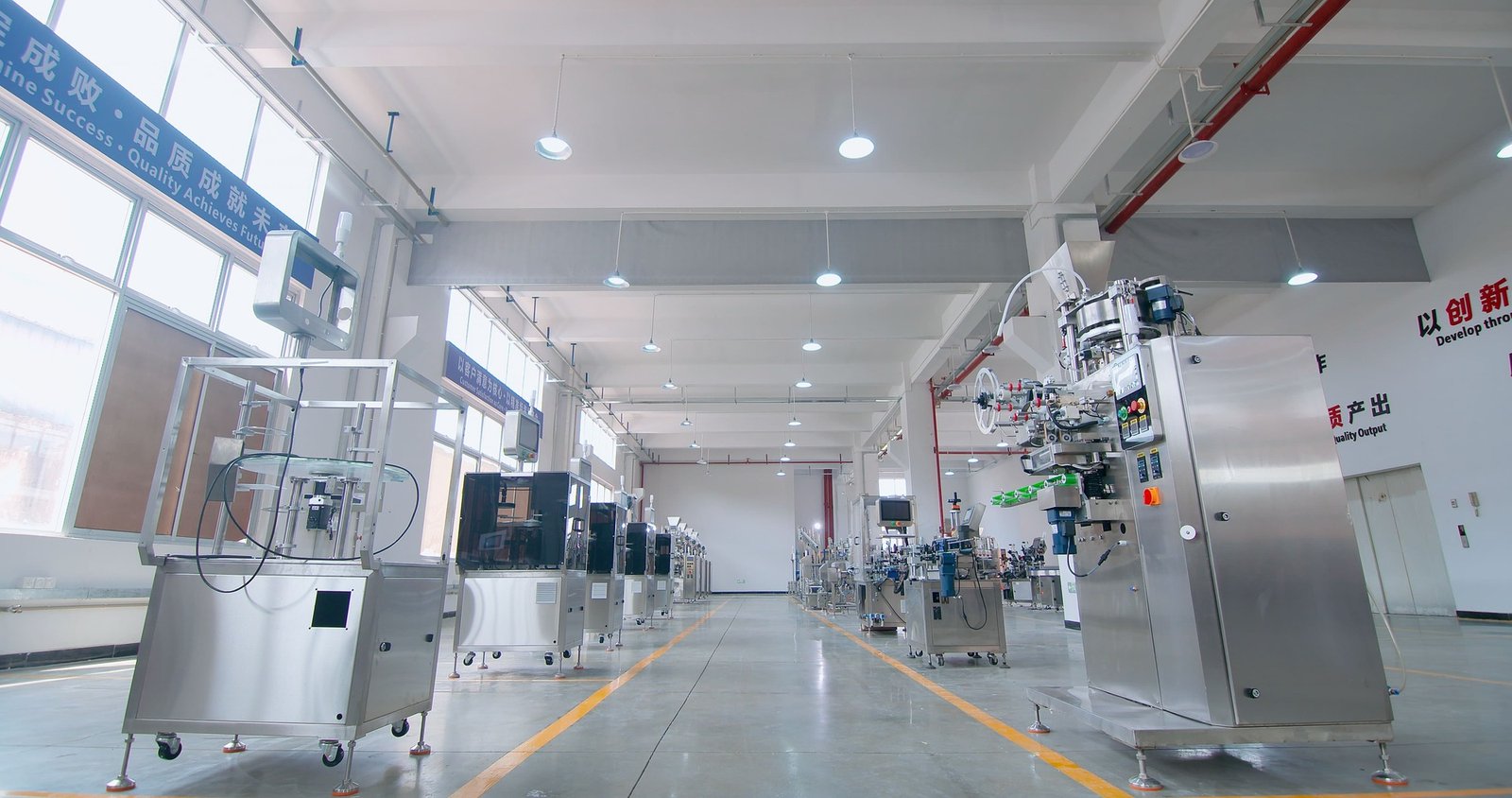
With advanced manufacturing, strict quality control, and years of industry experience, we build reliable packing machinery for efficient and stable production.