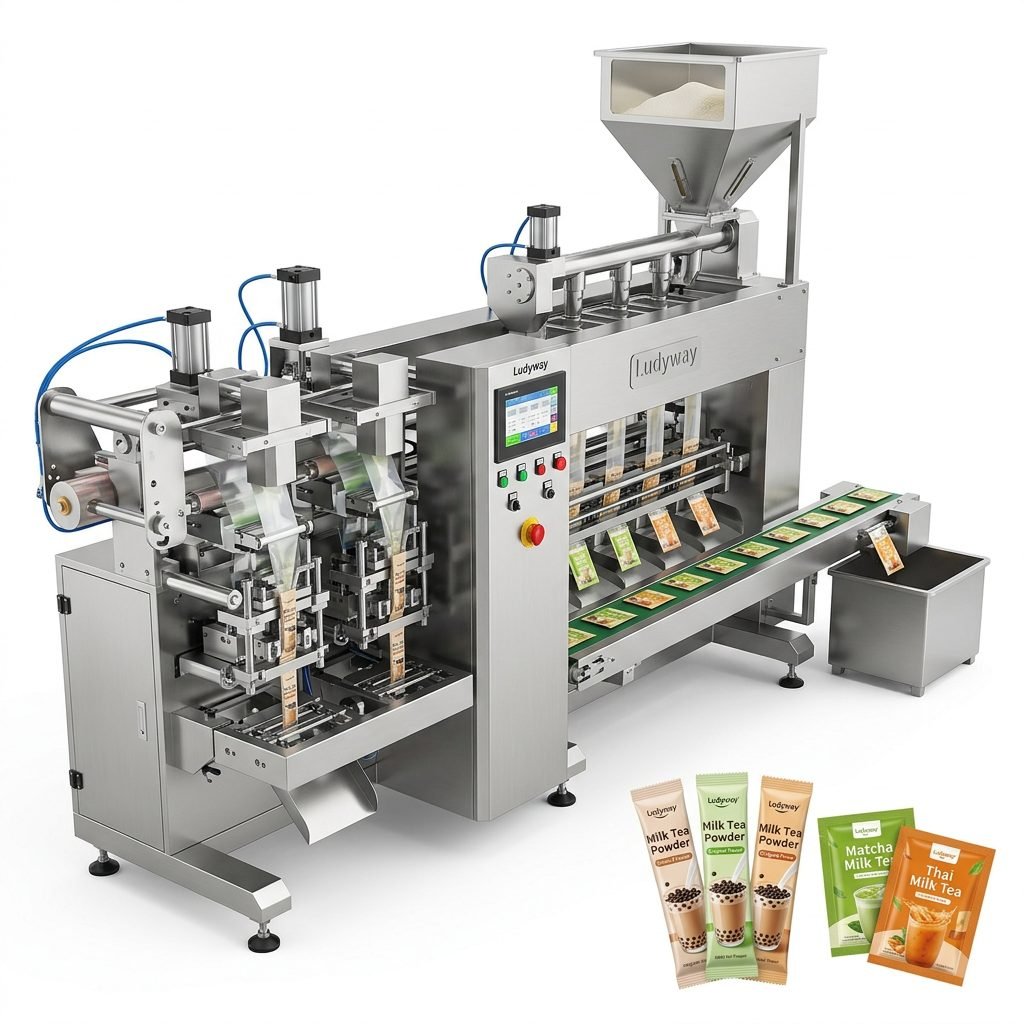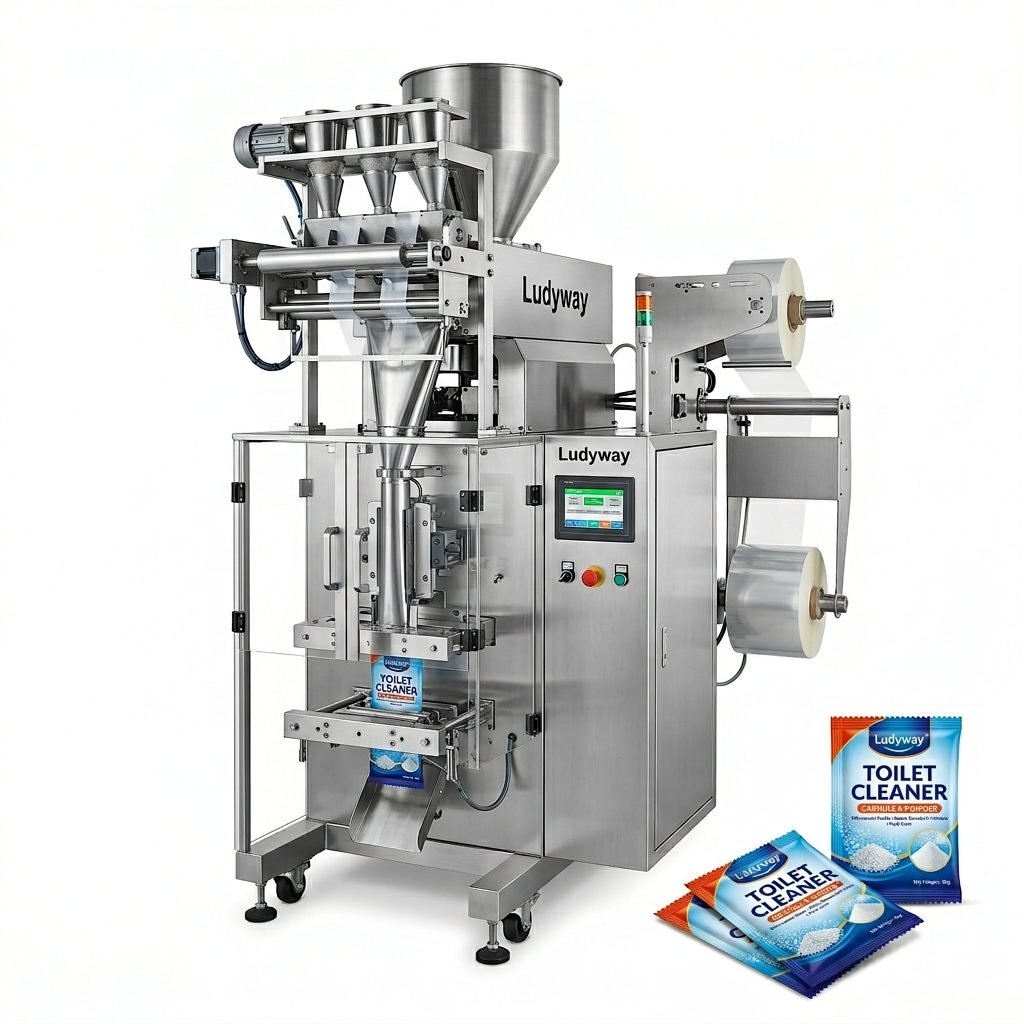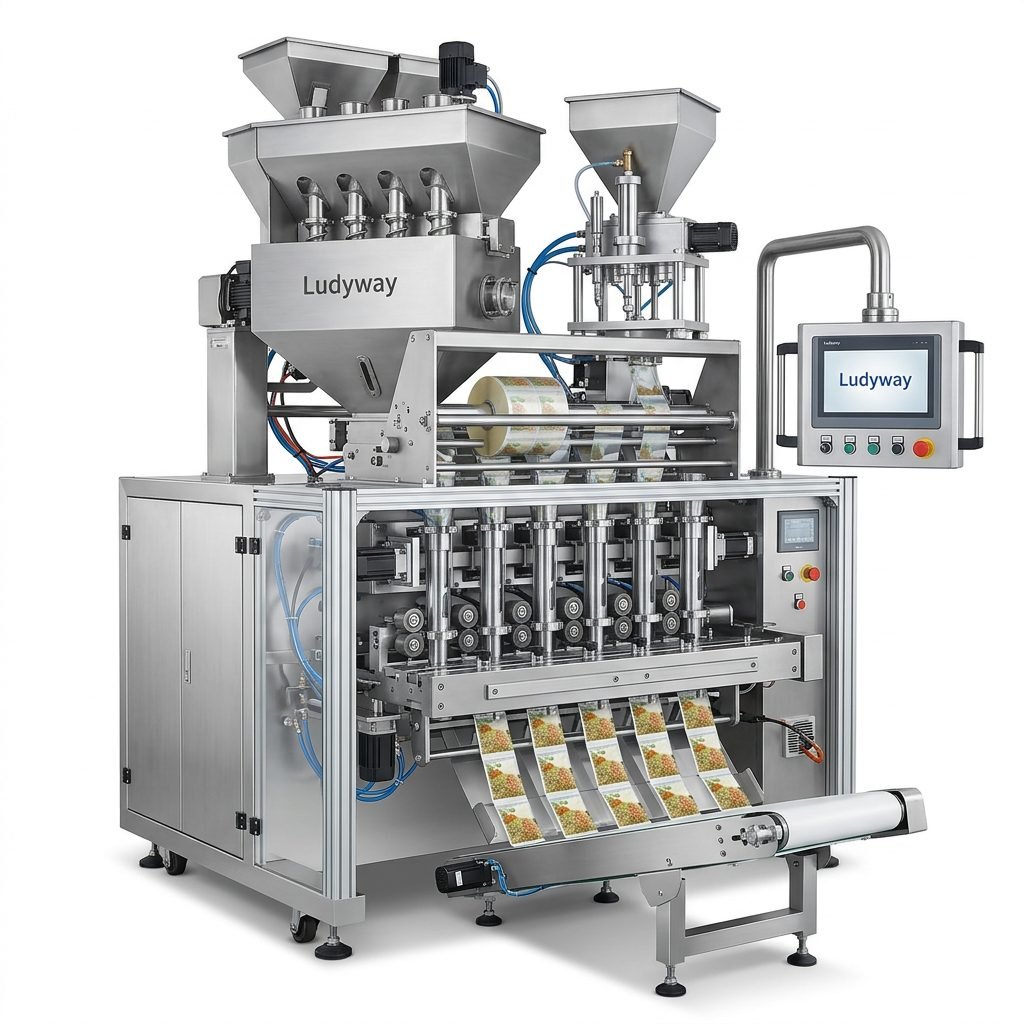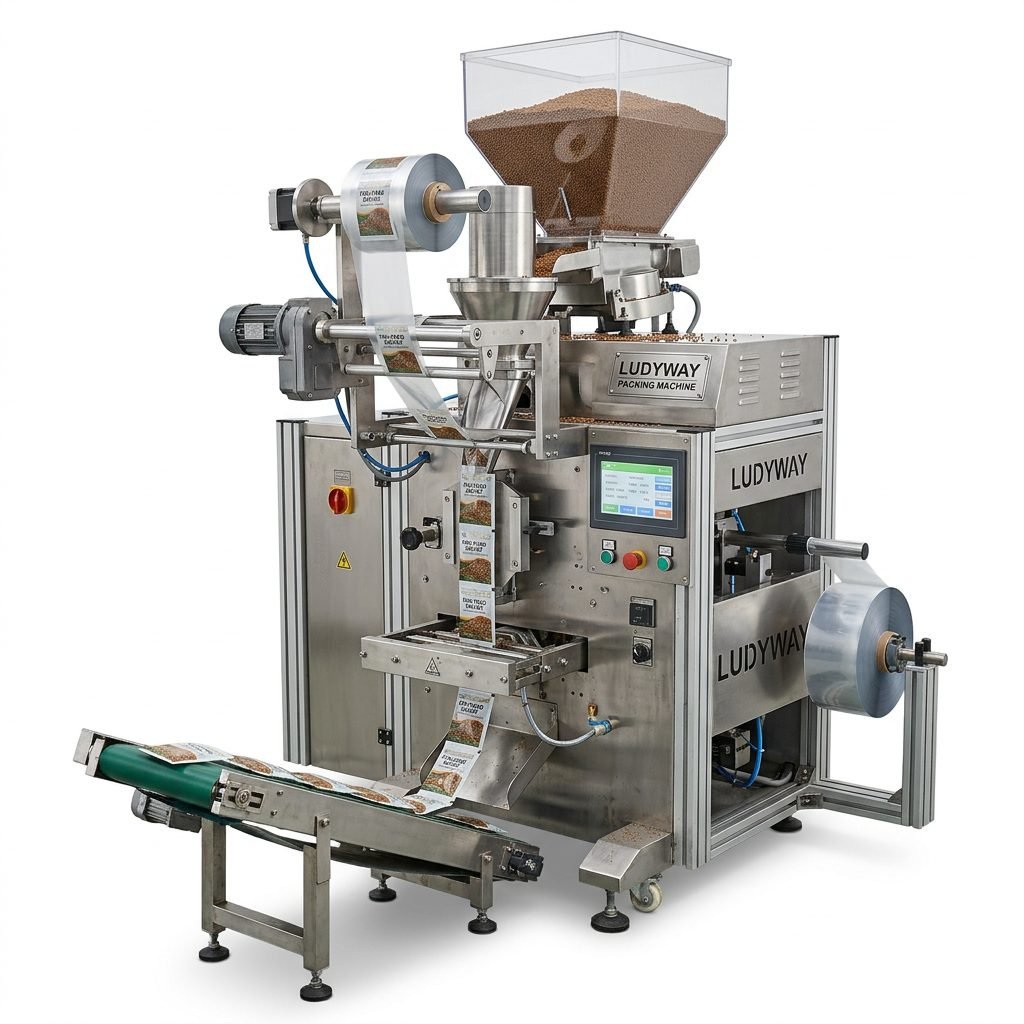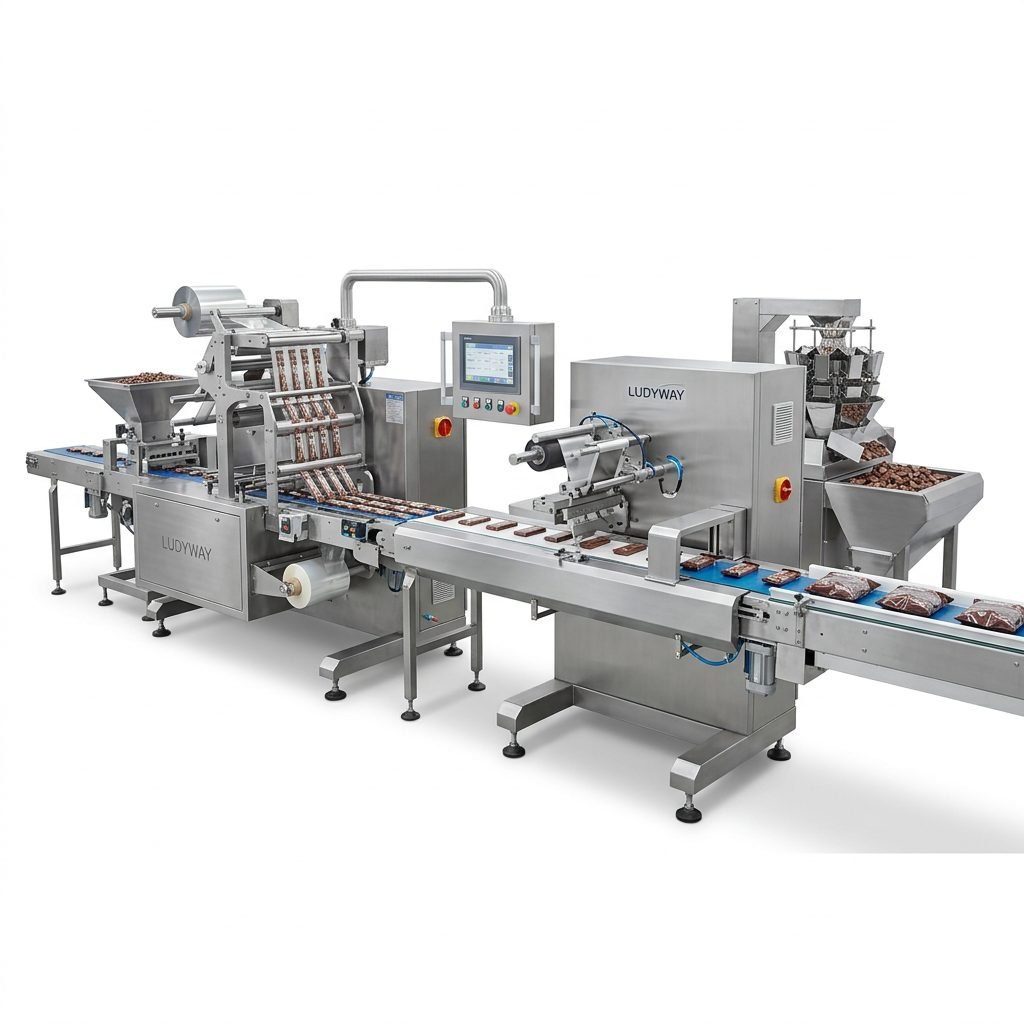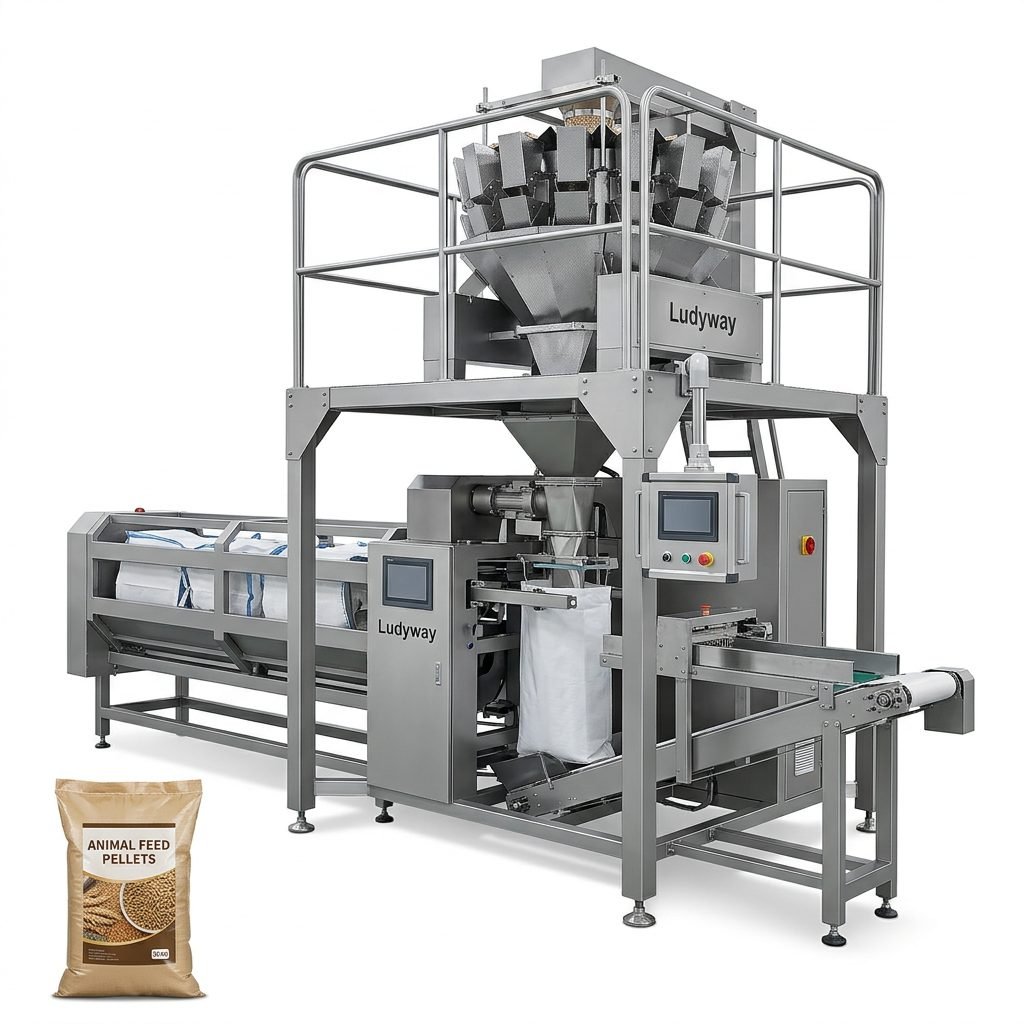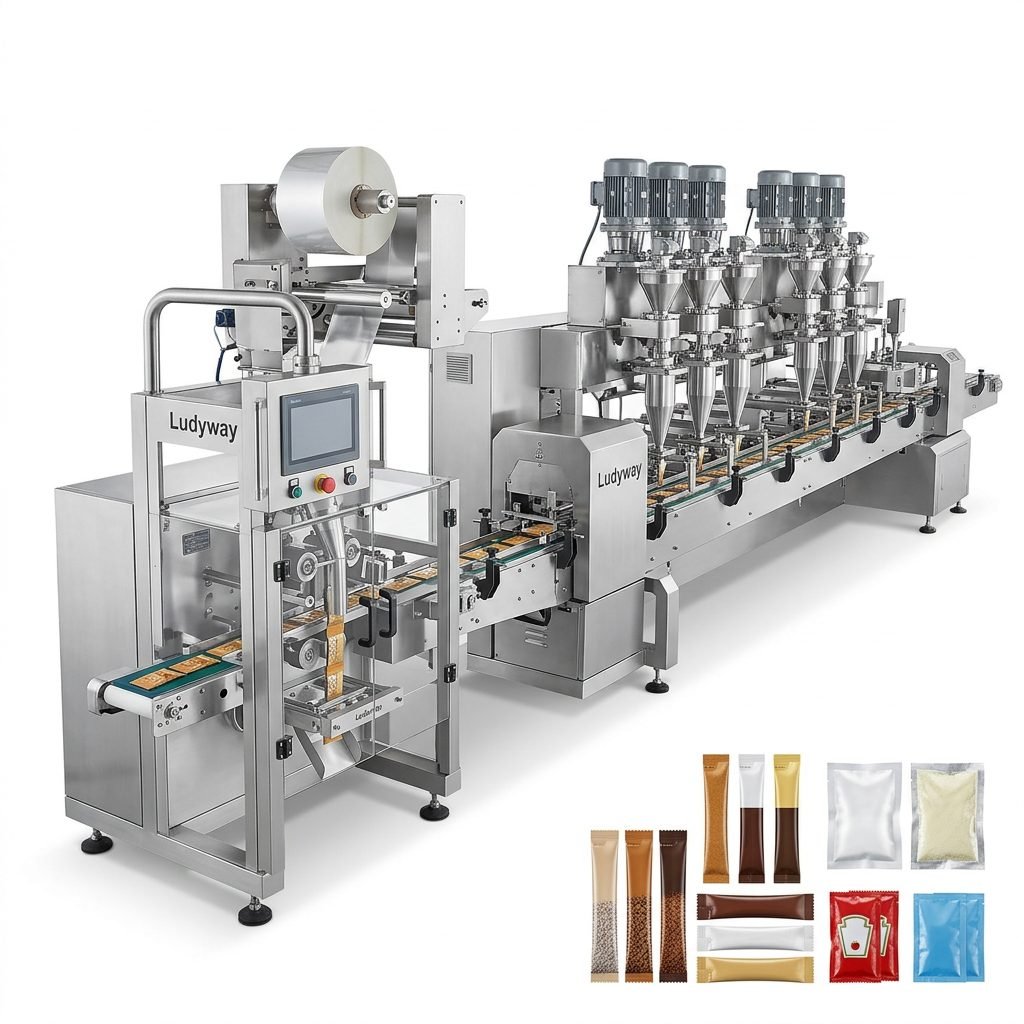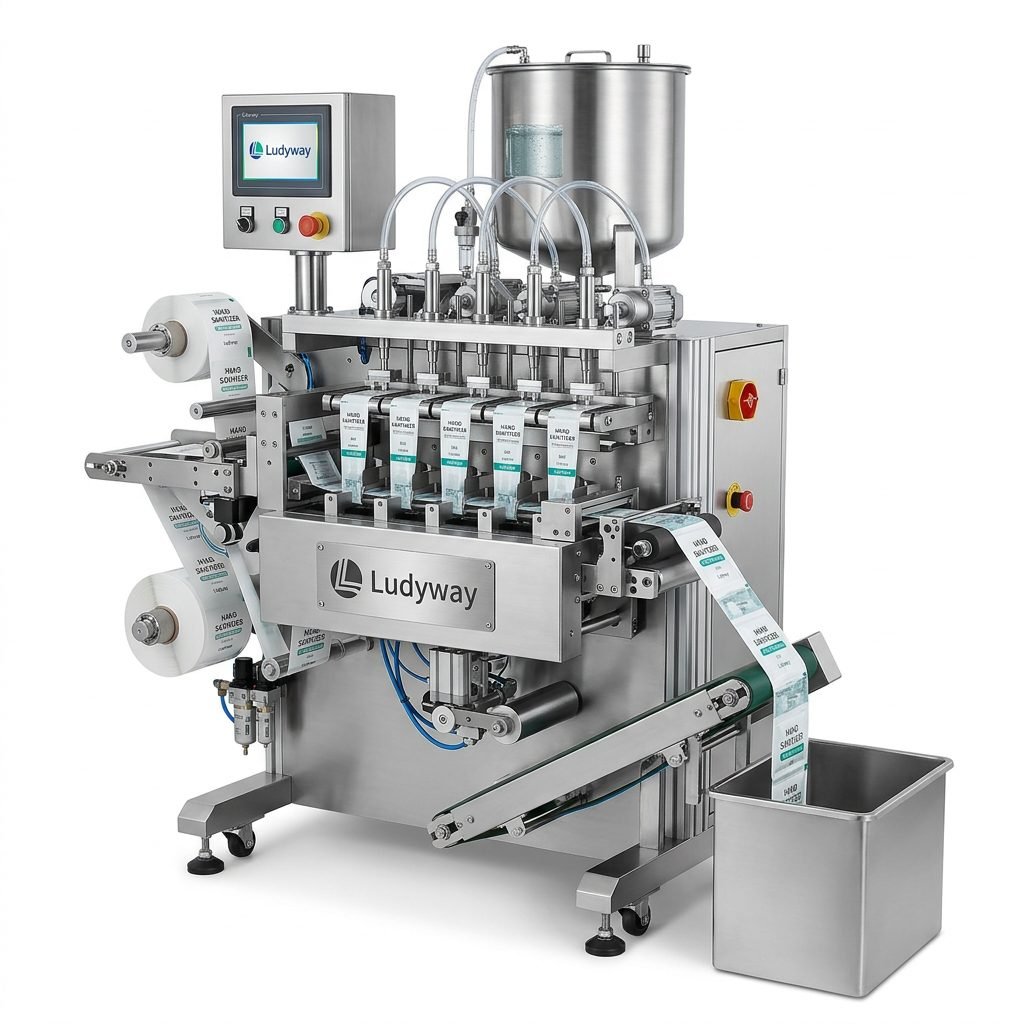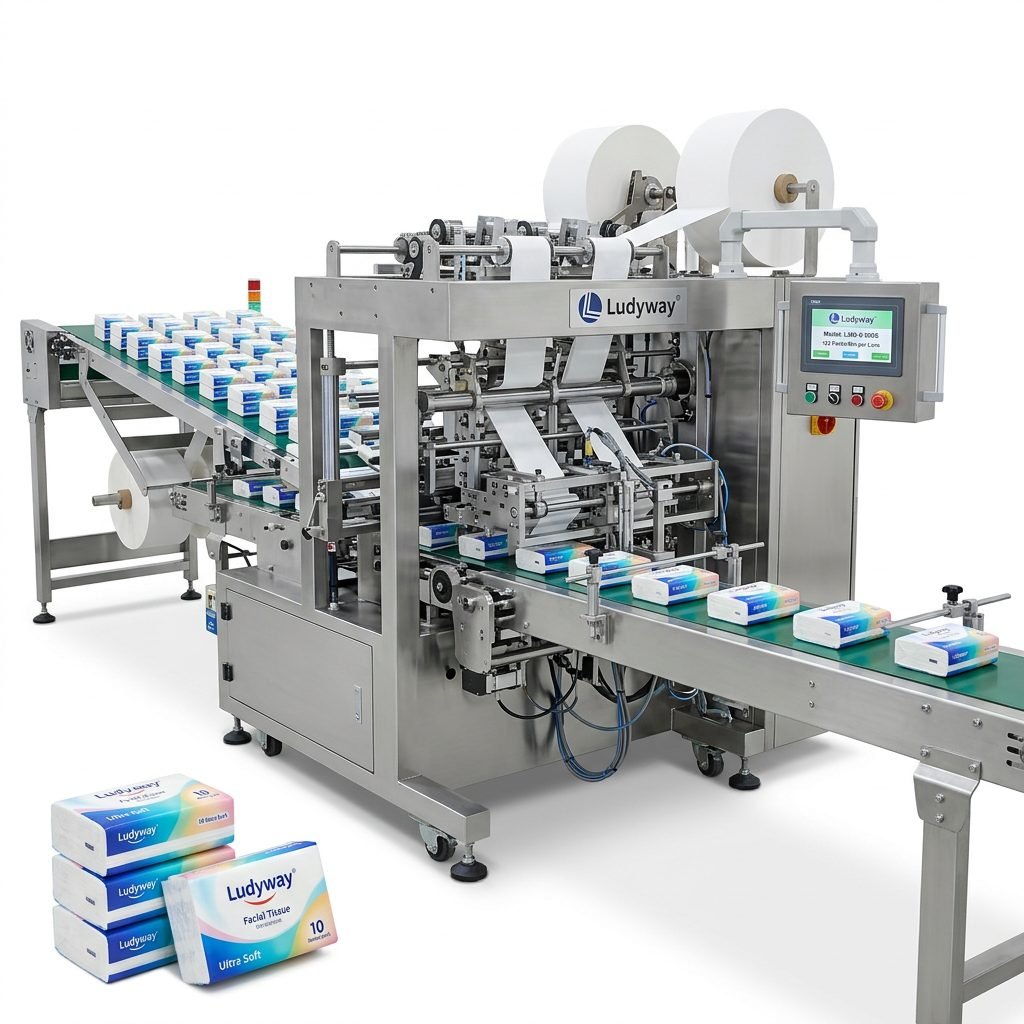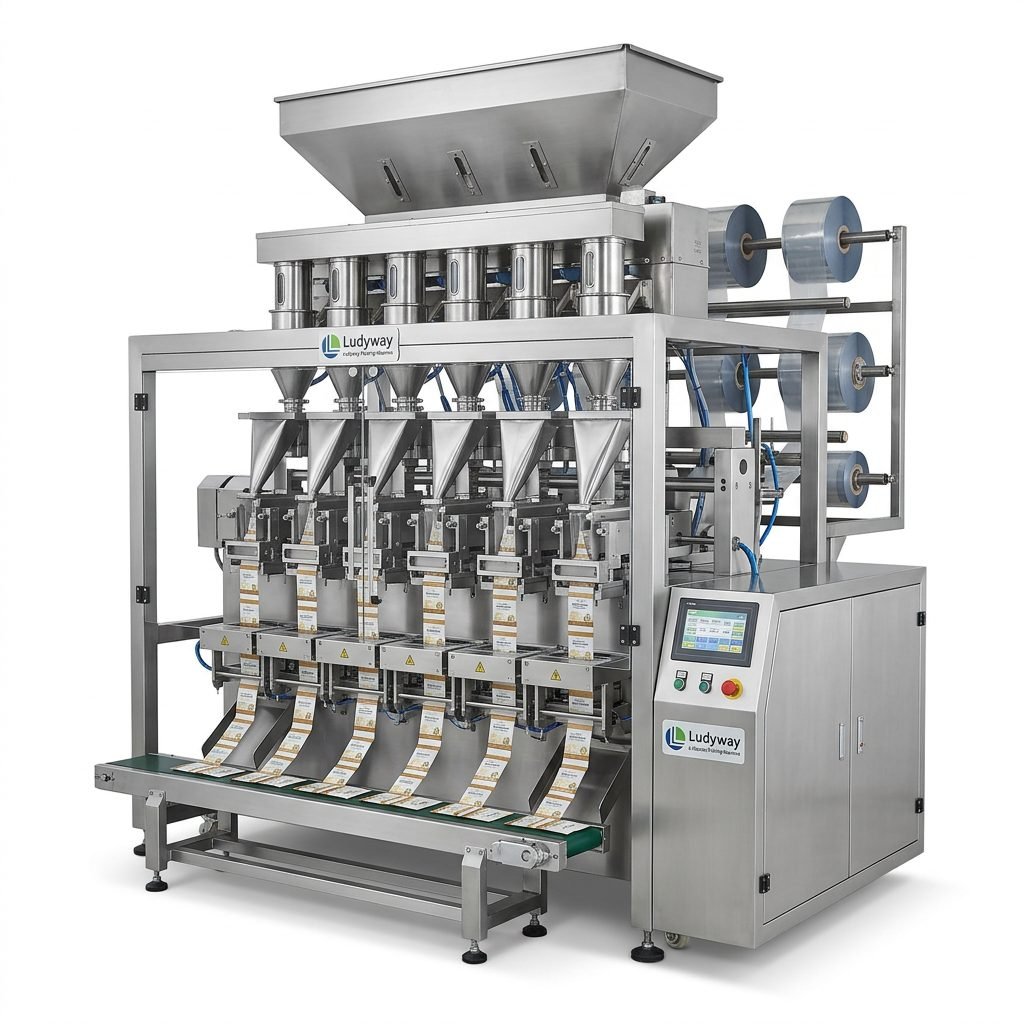
Setting up a frozen food packaging machine production line in the UK requires careful planning, compliance with strict food safety regulations, and investment in the right equipment. The UK frozen food sector continues to expand, with demand driven by convenience foods, ready meals, and frozen produce categories. A well-designed frozen food packaging machine production line can significantly improve operational efficiency, reduce product waste, and ensure consistent package quality throughout the cold chain.
The British Frozen Food Federation reports consistent year-on-year growth in the sector, making it an attractive area for manufacturers looking to expand or upgrade their packaging capabilities. Whether you are packaging frozen vegetables, ready meals, seafood, or ice cream products, selecting the correct equipment configuration is critical to long-term success.
Understanding the UK Frozen Food Packaging Landscape
The UK frozen food market is characterised by stringent quality standards and evolving consumer expectations. Packaging for frozen products must withstand extreme temperatures, prevent freezer burn, and maintain product integrity during transportation and storage. Key considerations include moisture resistance, seal integrity at low temperatures, and the ability to accommodate various pack formats such as pillow bags, gusseted pouches, stand-up pouches, and carton overwraps.
Modern frozen food packaging lines increasingly incorporate automation technologies to improve throughput and reduce labour dependency. Multi-lane systems, robotic pick-and-place modules, and integrated vision inspection are becoming standard features in advanced UK facilities. The choice between vertical form-fill-seal (VFFS) machines, horizontal flow wrappers, and pre-made pouch systems depends largely on product characteristics, required output speed, and pack style preferences.
Core Equipment Required for a Frozen Food Packaging Line
Building a complete frozen food packaging line involves integrating multiple pieces of equipment that work in sequence. The following table outlines the essential machinery typically required for a mid-to-high-volume operation in the UK market.
| Equipment Type | Primary Function | Key Specification Considerations |
|---|---|---|
| Infeed Conveyor System | Transports frozen product from processing to packaging area | Belt material rated for sub-zero temperatures, variable speed control, hygienic design |
| Multi-Head Weigher | Accurate portioning of frozen products by weight | Number of weigh heads, speed (weighments per minute), IP rating for wash-down environments |
| Vertical Form-Fill-Seal Machine | Forms bags from roll stock film, fills product, and seals packages | Film width range, seal jaw type (rotary or box motion), maximum bags per minute |
| Horizontal Flow Wrapper | Wraps individual or grouped frozen products in pillow packs | Product width and height capacity, film registration accuracy, speed rating |
| Checkweigher | Verifies package weight for quality control and regulatory compliance | Accuracy (±0.1g or better), throughput speed, reject mechanism type |
| Metal Detector / X-Ray Inspection | Detects foreign contaminants in finished packages | Sensitivity levels, aperture size, compliance with BRC and retailer codes of practice |
| Case Packing System | Collates primary packs and loads them into shipping cases | Pick-and-place or wrap-around technology, cases per minute, changeover flexibility |
| Palletising Robot or System | Stacks finished cases onto pallets for warehouse storage and distribution | Payload capacity, reach, pallet pattern flexibility, safety guarding requirements |
Step-by-Step Guide to Setting Up Your Production Line
Establishing a frozen food packaging line in the UK involves a structured approach. Following a clear sequence of steps helps minimise downtime, manage budgets effectively, and ensure full regulatory compliance from the outset.
1. Site Assessment and Facility Preparation
Begin with a thorough assessment of your production facility. Frozen food environments require temperature-controlled packaging halls typically maintained between 8°C and 12°C, though some operations run at lower temperatures. Evaluate floor space, ceiling height, power supply (three-phase electrical connections), compressed air availability, and drainage systems. The facility layout must accommodate material flow from raw product intake through to finished pallet storage while maintaining clear segregation between raw and cooked product areas as required by UK food safety regulations.
2. Equipment Selection and Specification
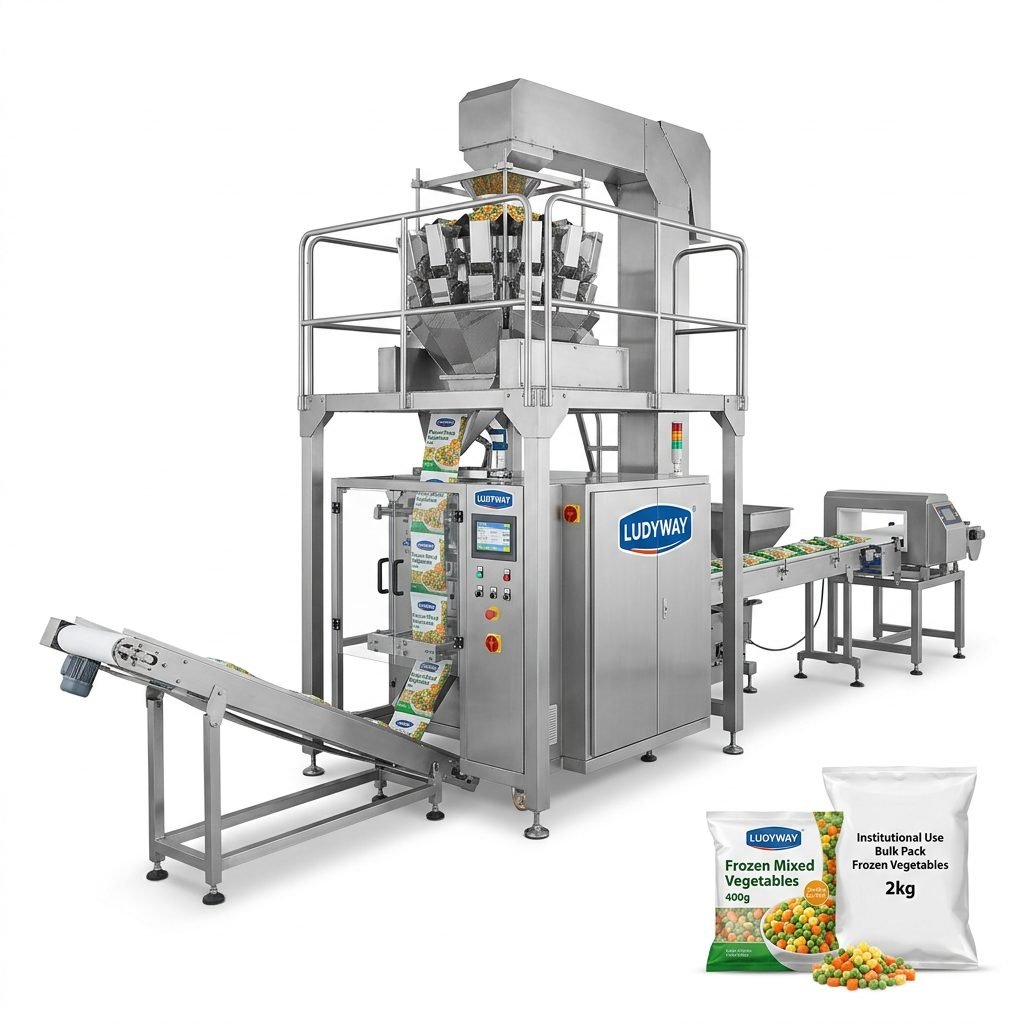
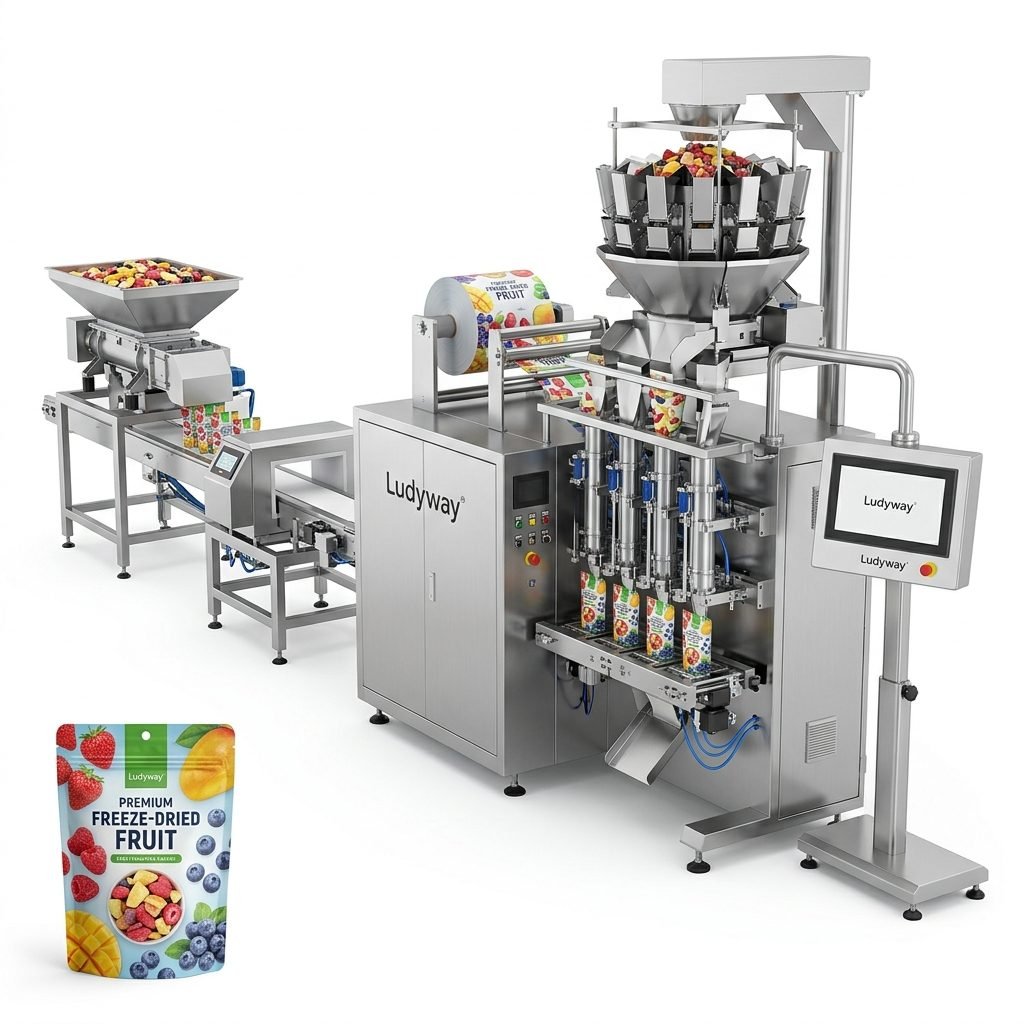
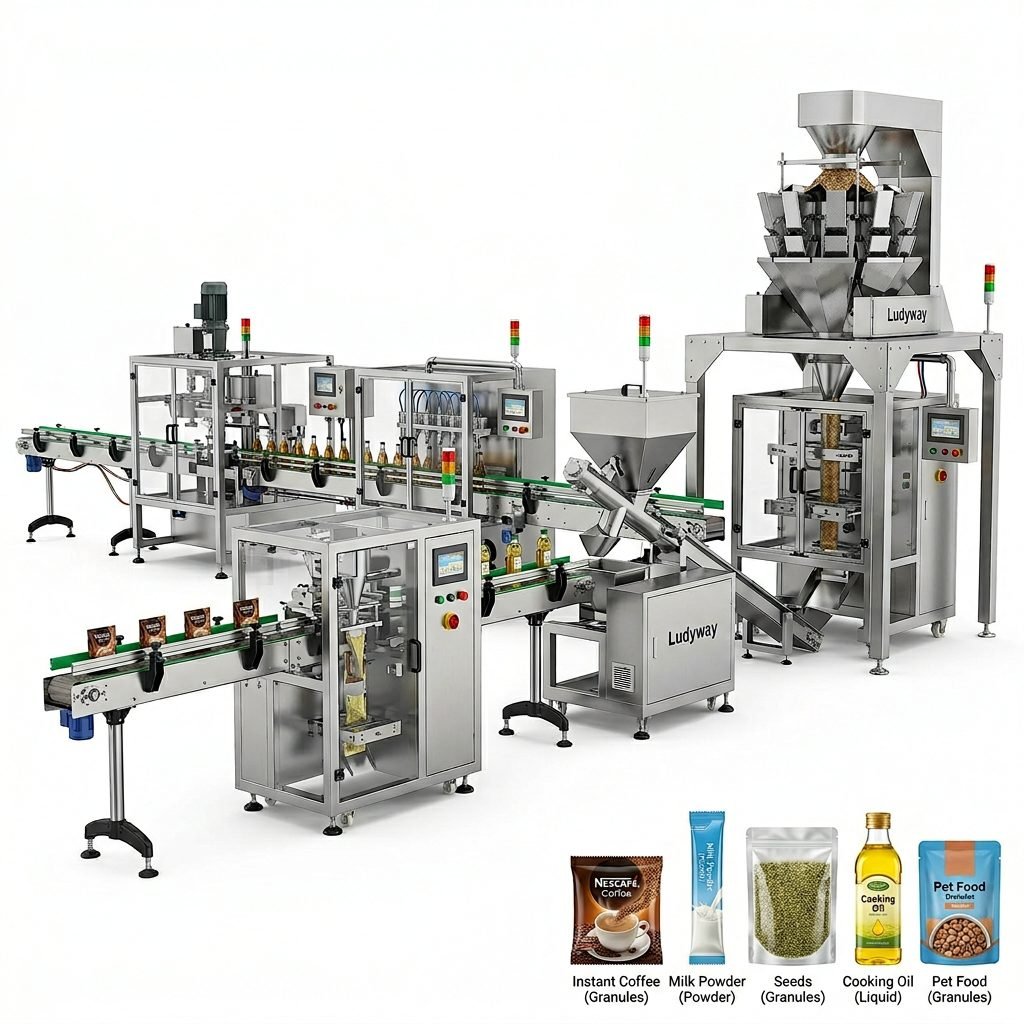
Select machinery that matches your product range, target throughput, and pack format requirements. For frozen vegetable packaging, a multi-head weigher paired with a VFFS machine delivering 60-120 bags per minute is common. Frozen ready meals may require horizontal flow wrapping or tray sealing systems. When evaluating suppliers, consider factors including build quality, after-sales support availability in the UK, spare parts lead times, and compatibility with your existing equipment. Companies like Ludyway offer comprehensive turnkey packaging solutions that integrate multiple machine types into cohesive production systems.
3. Installation, Commissioning, and Validation
Professional installation by qualified engineers ensures that all equipment is correctly positioned, levelled, and connected to utilities. The commissioning phase includes dry runs, product trials, and fine-tuning of machine parameters such as sealing temperatures, dwell times, and film tension. For frozen food applications, cold-seal testing is essential to verify seal integrity under actual production conditions. Documentation of installation qualification (IQ), operational qualification (OQ), and performance qualification (PQ) is often required for retailer approval and BRC certification.
4. Staff Training and Standard Operating Procedures
Comprehensive operator training is vital for maximising equipment uptime and maintaining product quality. Training programmes should cover machine operation, routine maintenance, cleaning procedures, and troubleshooting common issues. Documented Standard Operating Procedures (SOPs) must be developed for each machine and for the overall line, covering start-up sequences, product changeovers, allergen management (where applicable), and emergency shutdown protocols. Refresher training should be scheduled at regular intervals.
5. Ongoing Maintenance and Continuous Improvement
Establish a preventative maintenance schedule based on manufacturer recommendations and operational experience. Key maintenance activities include regular inspection of sealing jaws, replacement of wear parts such as Teflon tape and cutting blades, calibration of weighing and inspection equipment, and lubrication of moving components with food-grade lubricants. Implement a continuous improvement programme using data from checkweighers, reject stations, and downtime tracking to identify bottlenecks and optimise line efficiency over time.
Cost Considerations for UK Frozen Food Packaging Lines
The capital investment required for a frozen food packaging production line varies significantly based on automation level, production capacity, and equipment specification. The table below provides indicative cost ranges for different line configurations suitable for the UK market. These figures are estimates and actual costs depend on specific requirements, supplier selection, and installation complexity.
| Line Configuration | Typical Output Range | Estimated Equipment Cost (GBP) | Suitable For |
|---|---|---|---|
| Entry-Level Semi-Automatic Line | 30-50 packs/min | £80,000 – £150,000 | Small to medium producers, seasonal operations |
| Mid-Range Automated Line | 60-100 packs/min | £200,000 – £400,000 | Medium to large manufacturers, contract packers |
| High-Speed Fully Automated Line | 100-200+ packs/min | £500,000 – £1,200,000+ | Large-scale operations, national distribution |
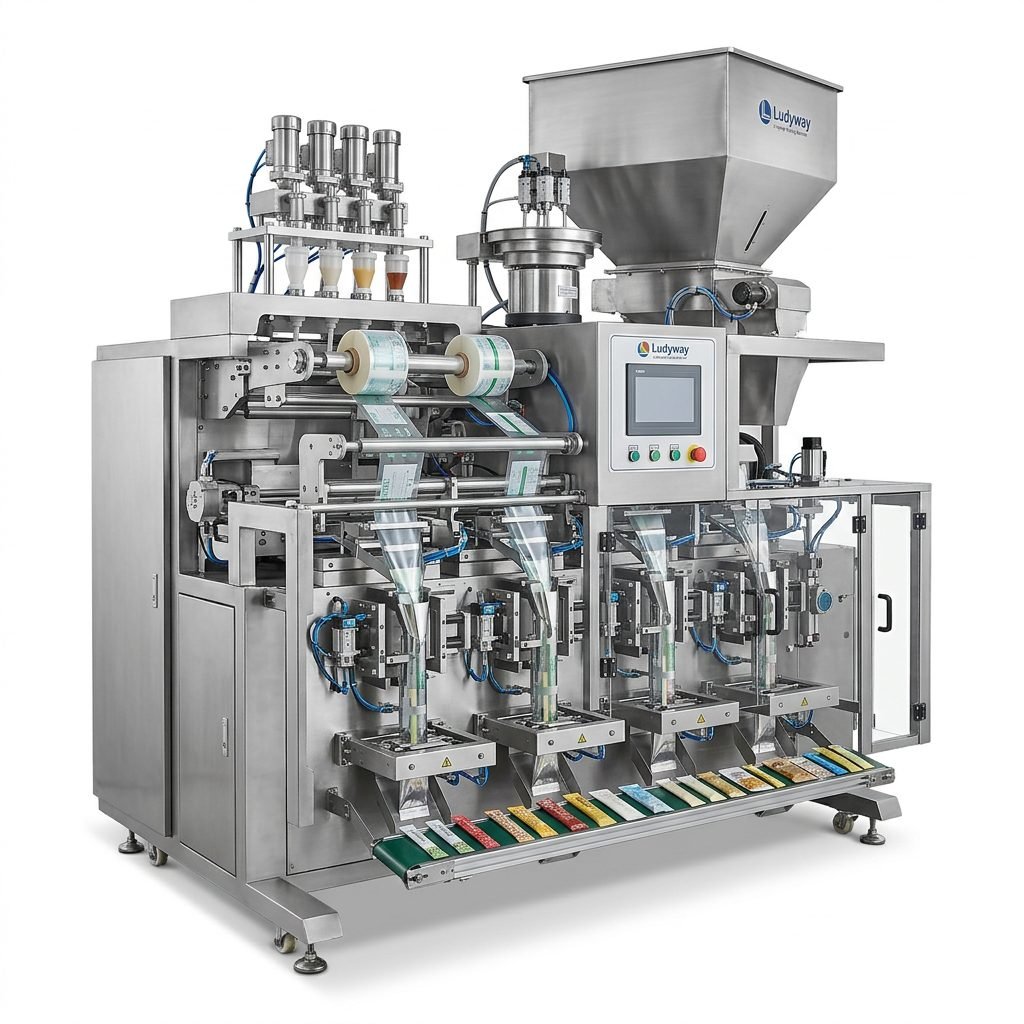
| Multi-Lane Stick Pack Line | 200-600+ packs/min | £300,000 – £800,000 | High-volume frozen portion packs, single-serve products |
Beyond equipment costs, budget for installation and commissioning (typically 5-10% of equipment cost), training, facility modifications, and an initial spare parts inventory. Ongoing operational costs include packaging film, electricity, compressed air, maintenance labour, and consumable replacement parts. Many UK manufacturers find that multi-lane packaging systems offer the best return on investment for high-volume frozen food products due to their exceptional throughput relative to floor space requirements.
UK Regulatory Compliance and Food Safety Standards
Frozen food packaging operations in the UK must comply with a comprehensive framework of regulations and industry standards. Key requirements include:
- Food Safety Act 1990 and General Food Law – Establishes the fundamental requirement that all food placed on the market must be safe for consumption. Packaging processes must not compromise food safety.
- Regulation (EC) No 1935/2004 – Governs materials and articles intended to come into contact with food. All packaging materials must be traceable and suitable for their intended use.
- BRC Global Standard for Food Safety – Widely adopted by UK retailers, this standard sets rigorous requirements for packaging operations, including hazard analysis, quality management systems, and environmental monitoring.
- UK Packaging Waste Regulations – Impose obligations on packaging producers regarding material reduction, recyclability, and recovery targets.
- HACCP Principles – Hazard Analysis and Critical Control Points must be applied to packaging processes, identifying and controlling risks related to foreign body contamination, seal integrity, and temperature abuse.
Compliance with these standards requires robust documentation, regular audits, and investment in appropriate inspection equipment such as metal detectors and X-ray inspection systems integrated into the packaging line.
Common Challenges and Solutions in Frozen Food Packaging
Packaging frozen products presents unique technical challenges that must be addressed during line design and equipment selection. Moisture and condensation can interfere with film sealing, requiring machines with precise temperature control and effective film drying systems. Product temperature fluctuations during packaging can cause film wrinkling or poor seal formation. Investing in equipment with active temperature monitoring and compensation features helps maintain consistent seal quality.
Film selection is equally important. Laminates designed for frozen food applications typically include a combination of polyethylene for seal strength at low temperatures, a barrier layer such as EVOH or metallised film to prevent moisture ingress and oxygen transmission, and an outer layer for printability and puncture resistance. Working closely with film suppliers to validate material performance under your specific production conditions is essential for avoiding costly packaging failures in the field.
Industry Resources and Further Reading
Staying informed about industry developments, regulatory changes, and emerging technologies is crucial for maintaining a competitive frozen food packaging operation. The following authoritative resources provide valuable guidance for UK packaging professionals:
- PMMI State of the Industry Reports – Comprehensive analysis of packaging machinery market trends and forecasts.
- FDA Food Ingredients and Packaging – Guidance on food contact materials and packaging safety, relevant for UK exporters to the US market.
- Flexible Packaging Association Industry Resources – Technical resources and market data for flexible packaging applications including frozen foods.
- European Commission Packaging and Packaging Waste – Regulatory framework affecting packaging design and sustainability requirements across Europe.
- ISO Packaging Standards – International standards covering packaging terminology, testing methods, and performance specifications.
Making the Right Investment Decision
Selecting the right frozen food packaging machine production line for your UK operation is a decision that affects product quality, operational efficiency, and profitability for years to come. Take time to visit supplier facilities, conduct product trials on your actual frozen products, and speak with reference customers who operate similar lines. Prioritise build quality, local service support, and long-term reliability over initial purchase price alone.
Consider future growth and product diversification when specifying your line. Modular equipment designs that allow for capacity upgrades, additional lane configurations, or integration of new packaging formats provide flexibility as your business evolves. With careful planning, appropriate investment, and a focus on quality and compliance, your frozen food packaging operation can achieve sustained competitive advantage in the dynamic UK food manufacturing sector.