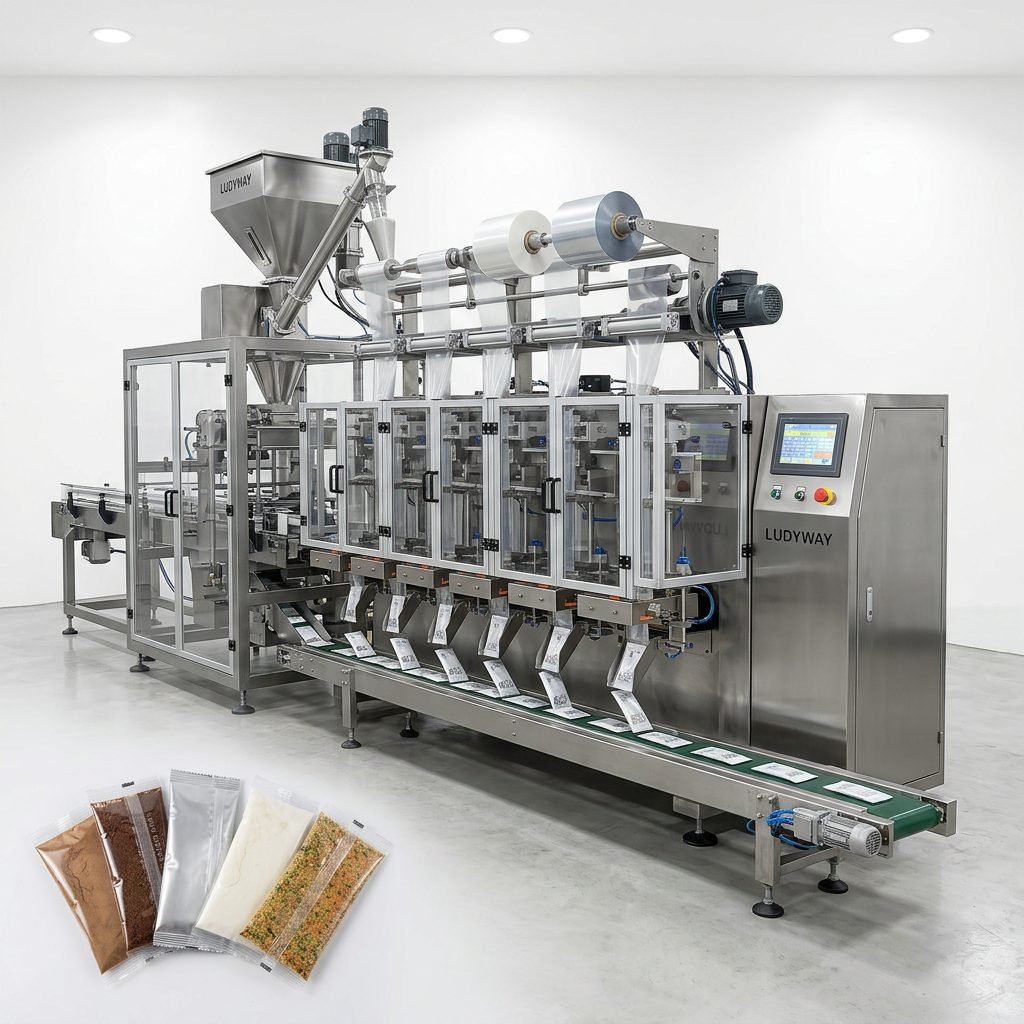
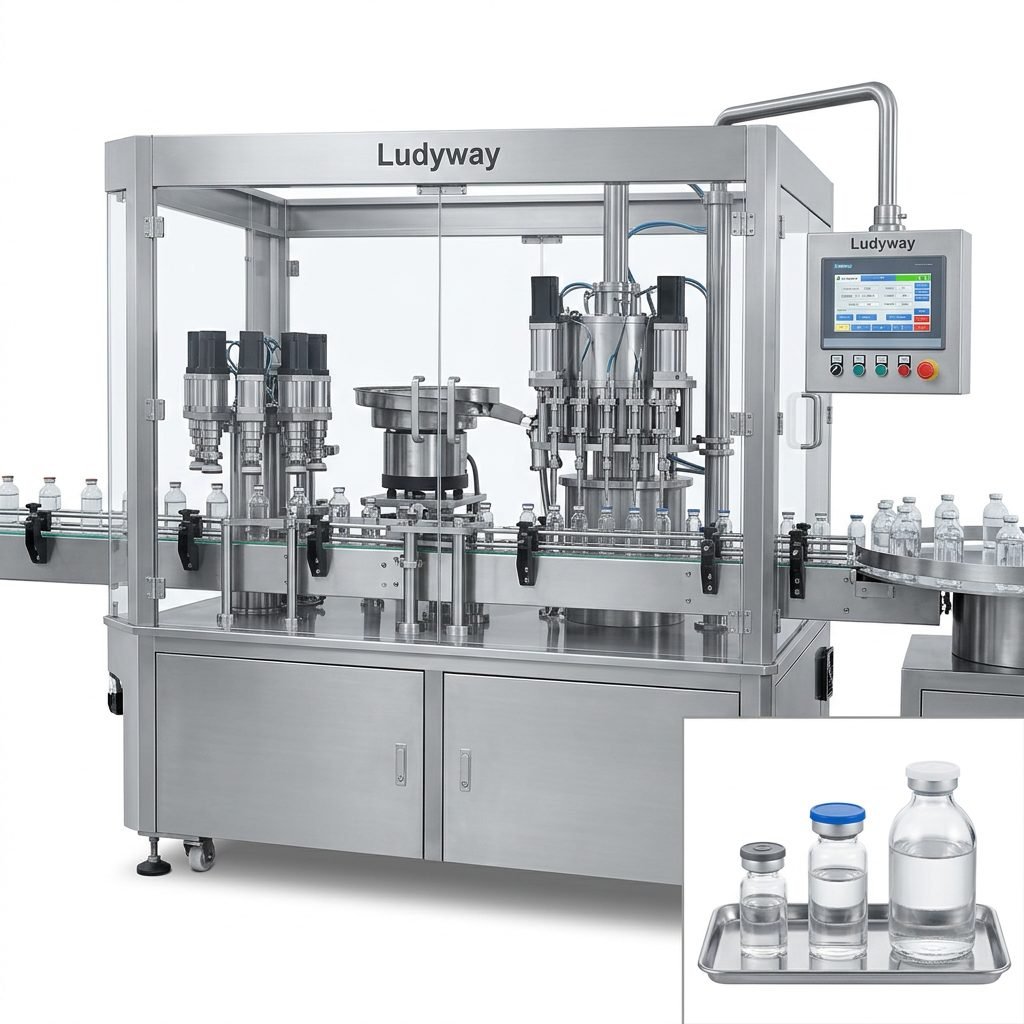
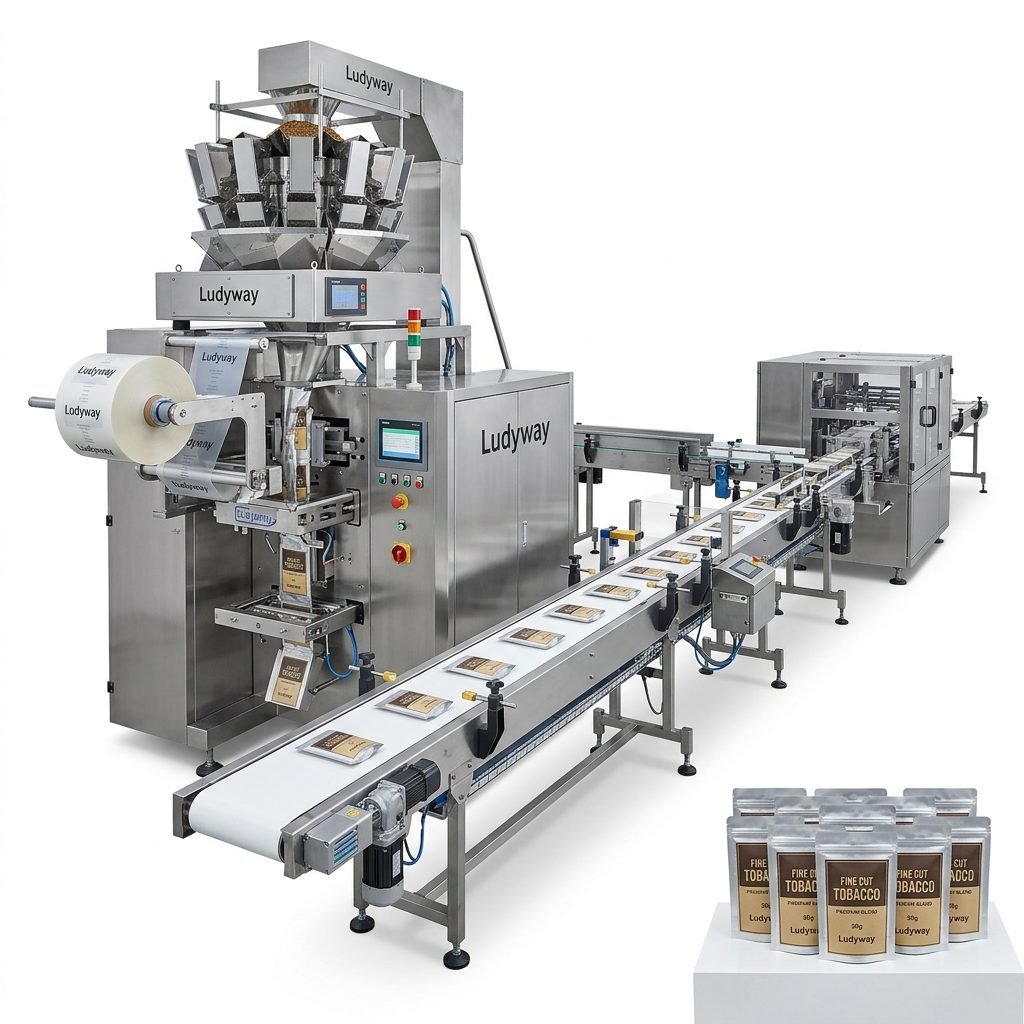
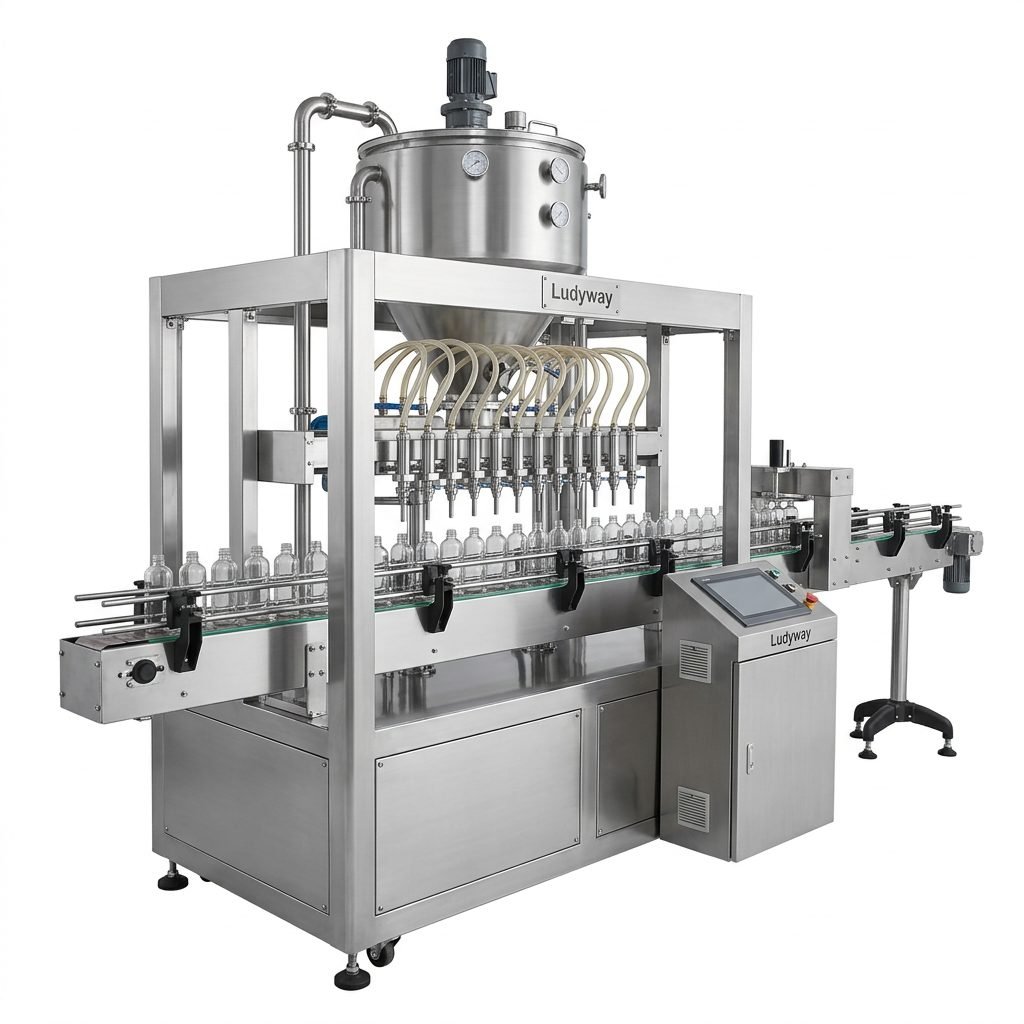
Keeping your vertical packing machine running at peak performance is not just about hitting production targets—it’s about ensuring consistent package quality, minimizing costly downtime, and extending the service life of your equipment. A well-maintained machine can operate reliably for many years, while a neglected one often leads to seal failures, inaccurate filling, and unexpected breakdowns. This comprehensive guide walks you through the essential maintenance practices every operator and plant manager should implement.
Why Preventive Maintenance Matters
Preventive maintenance is the cornerstone of operational efficiency in any packaging line. When you follow a structured maintenance routine, you reduce the risk of sudden machine stoppages and protect your investment. Key benefits include:
- Extended machine lifespan – Regular care prevents premature wear on critical components.
- Consistent fill accuracy – Well-maintained dosing systems deliver precise product weights.
- Reduced waste – Proper sealing mechanisms minimize product giveaway and packaging material scrap.
- Compliance with safety standards – Maintenance logs support audits and regulatory requirements.
- Lower total cost of ownership – Proactive care is far less expensive than emergency repairs.
Daily Inspection Checklist
A daily walkthrough inspection should be the first task at the start of every shift. These quick checks can catch minor issues before they escalate:
- Visually inspect the forming tube and sealing jaws for product buildup or residue.
- Check the film tension and alignment —misaligned film causes crooked seals and jams.
- Verify that all safety guards and emergency stops are fully functional.
- Listen for unusual noises such as grinding, squeaking, or rattling during operation.
- Inspect air pressure levels on the pneumatic system gauge to ensure they match specifications.
- Examine the temperature controllers for the sealing system; fluctuations indicate sensor issues.
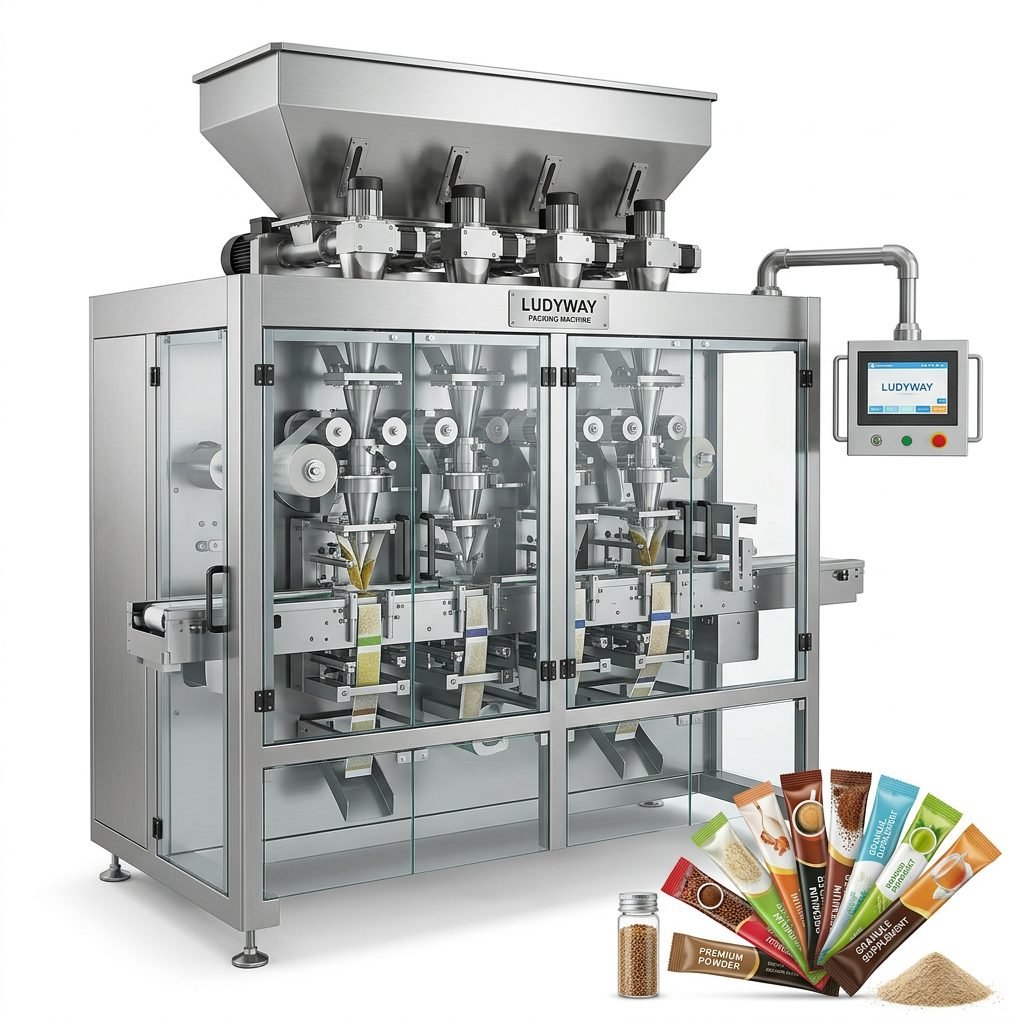
Weekly Maintenance Tasks
Weekly maintenance goes deeper than daily inspections. Dedicate time each week—typically at the end of a production cycle—to perform these essential tasks:
| Component | Task Description | Recommended Frequency |
|---|---|---|
| Sealing Jaws | Clean with a soft brush and approved solvent; check for Teflon tape wear. | Weekly |
| Film Rollers & Guides | Wipe down to remove dust and adhesive residue; lubricate bearings. | Weekly |
| Dosing Auger / Cup Filler | Disassemble and clean product contact parts; recalibrate if needed. | Weekly |
| Pneumatic Fittings | Check for air leaks using soapy water; tighten loose connections. | Weekly |
| Electrical Connections | Inspect wiring for signs of overheating or loose terminals. | Bi-Weekly |
Monthly Deep Cleaning and Inspection
Monthly maintenance sessions allow for a thorough inspection of components that are not easily accessible during weekly routines. This is the time to address wear patterns and replace consumable parts proactively.
Key Monthly Activities
- Lubricate all moving parts including chains, gears, cam followers, and linear bearings using manufacturer-recommended grease or oil. Over-lubrication can be as harmful as under-lubrication—follow the manual precisely.
- Inspect drive belts and timing belts for cracks, fraying, or loss of tension. Replace any belt showing visible wear.
- Verify the pull belt tracking on the film transport system. Misalignment leads to wrinkled packages and inconsistent bag lengths.
- Clean and calibrate load cells if your machine uses weight-based filling. Dust accumulation on load cells causes drift and inaccuracies.
- Check the vacuum system (if applicable) for filter clogs and proper suction levels.
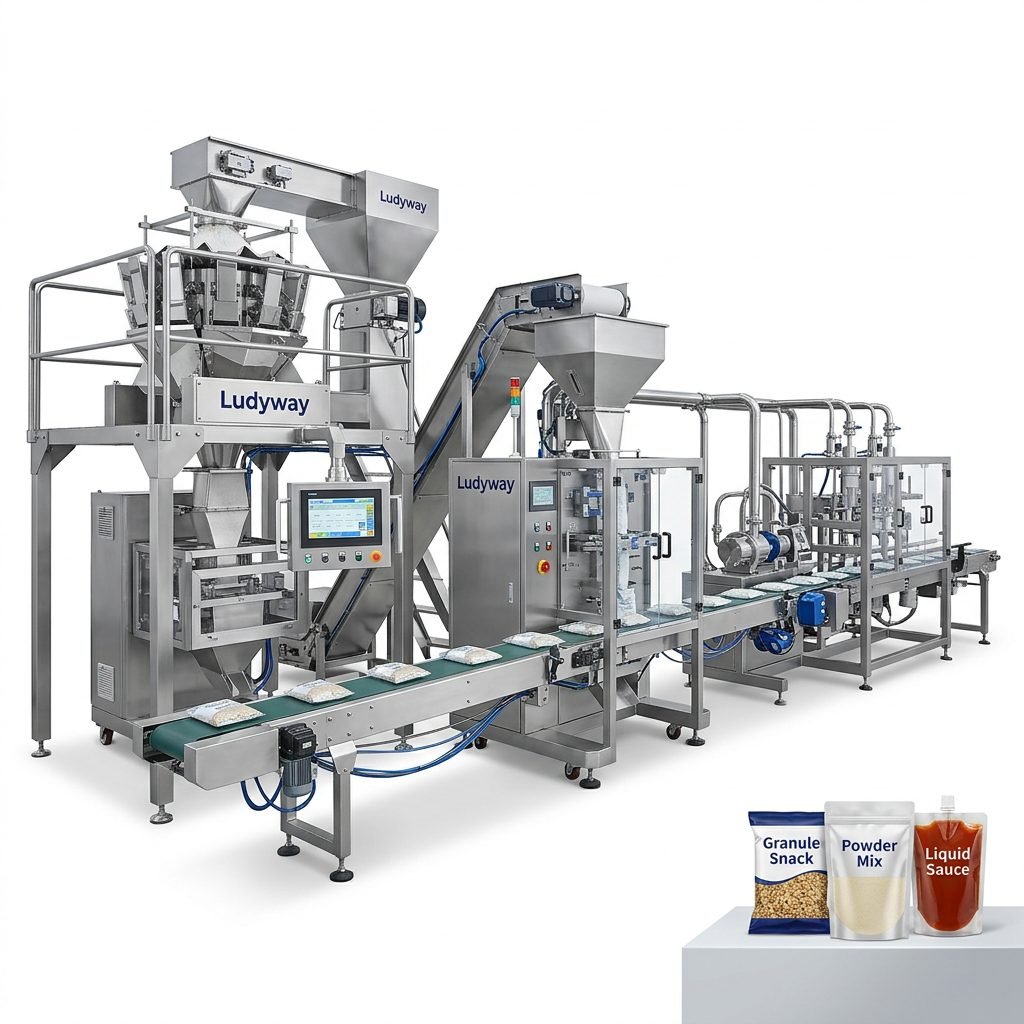
Common Vertical Packing Machine Problems and Troubleshooting
Even with diligent maintenance, occasional issues arise. Understanding the root causes helps you resolve problems quickly. Refer to the troubleshooting table below for common scenarios:
| Problem | Possible Causes | Recommended Action |
|---|---|---|
| Weak or leaking seals | Incorrect temperature, worn Teflon tape, dirty jaws, inconsistent film thickness | Clean jaws, replace Teflon tape, verify temperature settings, check film quality |
| Inconsistent bag length | Slipping film pull belts, incorrect registration sensor settings, film tension issues | Adjust pull belt tension, recalibrate registration, check dancer arm settings |
| Product bridging or clogging | Moisture in product, improper hopper angle, static buildup | Install agitators or vibratory assist, control humidity, use anti-static measures |
| Machine vibrates excessively | Loose mounting bolts, worn bearings, unbalanced rotating parts | Tighten all fasteners, replace worn bearings, balance rotating assemblies |
| PLC or HMI errors | Power fluctuations, corrupted settings, sensor failures | Restart system, restore backed-up parameters, test sensors individually |
Lubrication Best Practices
Lubrication is one of the most critical yet often overlooked aspects of vertical packing machine maintenance. Using the correct lubricant type and amount directly impacts bearing life and mechanical reliability. Follow these guidelines:
- Always use food-grade lubricants for any lubrication point that could potentially contact product zones, especially in food and pharmaceutical applications.
- Maintain a lubrication schedule log—record every application with date, lubricant type, and specific points serviced.
- Apply grease sparingly to linear bearings and guide rods; excess grease attracts dust and forms abrasive paste.
- For chain drives, use a brush-on lubricant that penetrates between links without flinging off during high-speed operation.
- Check gearbox oil levels monthly and replace oil annually or after every 2,000 operating hours, whichever comes first.
Spare Parts Management
A well-organized spare parts inventory is essential for minimizing downtime. Critical spare parts should always be on hand to avoid waiting for shipments during a breakdown. Industry resources such as the PMMI packaging industry guidelines emphasize the importance of proactive parts management in maintaining operational continuity.
Recommended Spare Parts to Stock
- Sealing jaw Teflon tape and heating elements
- Forming tube assemblies in common bag sizes
- Drive belts and timing belts of each specification used
- Pull belts and film rollers
- Common sensors: temperature thermocouples, registration sensors, proximity switches
- Pneumatic cylinders and solenoid valves for critical functions
- Fuses and circuit breakers matching your machine’s electrical panel

Operator Training and Documentation
No maintenance program succeeds without properly trained operators. Operators are the first line of defense—they interact with the machine daily and can spot early warning signs that might go unnoticed during scheduled inspections. Every operator should:
- Complete formal training on the specific vertical packing machine model they operate.
- Understand basic troubleshooting procedures and know when to escalate issues to maintenance technicians.
- Follow Standard Operating Procedures for startup, shutdown, and cleaning routines.
- Maintain detailed shift logs documenting any anomalies, adjustments made, and parts replaced.
Documentation is equally critical. Keep an organized file system—digital or physical—containing the original equipment manual, updated maintenance logs, spare parts catalogs, and service reports from any technician visits. For regulatory compliance, especially in FDA-regulated food packaging environments, maintaining thorough records is non-negotiable.
Quarterly Professional Servicing
While in-house maintenance handles daily, weekly, and monthly tasks, scheduling professional servicing at least quarterly brings an expert eye to your equipment. Experienced technicians can identify subtle wear patterns and calibration drift that internal teams might overlook. A typical professional service visit includes:
- Full mechanical inspection of all drive components, bearings, and structural integrity.
- Electrical system audit, including PLC diagnostics, wiring integrity tests, and grounding verification.
- Precision calibration of temperature controllers, load cells, and servo drive parameters.
- Film registration system optimization for minimal material waste.
- Review of maintenance logs to identify recurring issues and recommend preventive measures.
Adhering to International Packaging Standards
Maintenance procedures should align with recognized international standards to ensure both safety and quality. The ISO packaging standards provide comprehensive frameworks for equipment maintenance, validation, and documentation. Similarly, guidelines from the Flexible Packaging Association offer valuable insights into material compatibility and best practices for flexible film handling—directly relevant to vertical packing machine operation.
Building a Maintenance-First Culture
Ultimately, the most sophisticated maintenance program is only as effective as the culture that supports it. Encourage open communication between operators, maintenance staff, and management. Recognize team members who proactively identify potential issues. Invest in ongoing training and keep abreast of evolving best practices through industry resources and trade events.
Companies that prioritize maintenance excellence—such as Ludyway, which manufacturers over 50 intelligent packaging machine models and serves customers in more than 100 countries—consistently report higher machine availability, lower operating costs, and stronger customer satisfaction. Whether you operate a single lane machine or a high-speed multi-lane system, the principles outlined in this guide will help you protect your investment and keep production running smoothly.

Quick Reference: Maintenance Schedule Summary
| Interval | Focus Areas | Responsible Party |
|---|---|---|
| Daily | Visual inspection, cleaning, safety checks, air pressure verification | Operator |
| Weekly | Sealing jaw cleaning, roller maintenance, dosing system calibration | Operator / Shift Technician |
| Monthly | Lubrication, belt inspection, load cell calibration, deep cleaning | Maintenance Technician |
| Quarterly | Professional service, full system audit, precision calibration | External Service Provider / Engineer |
| Annually | Gearbox oil change, major component overhaul, PLC backup update | Senior Maintenance Engineer |
By following this structured approach to vertical packing machine maintenance, you can significantly reduce unplanned downtime, improve packaging quality, and maximize the return on your equipment investment. Consistency, documentation, and a commitment to continuous improvement are the keys to long-term success.