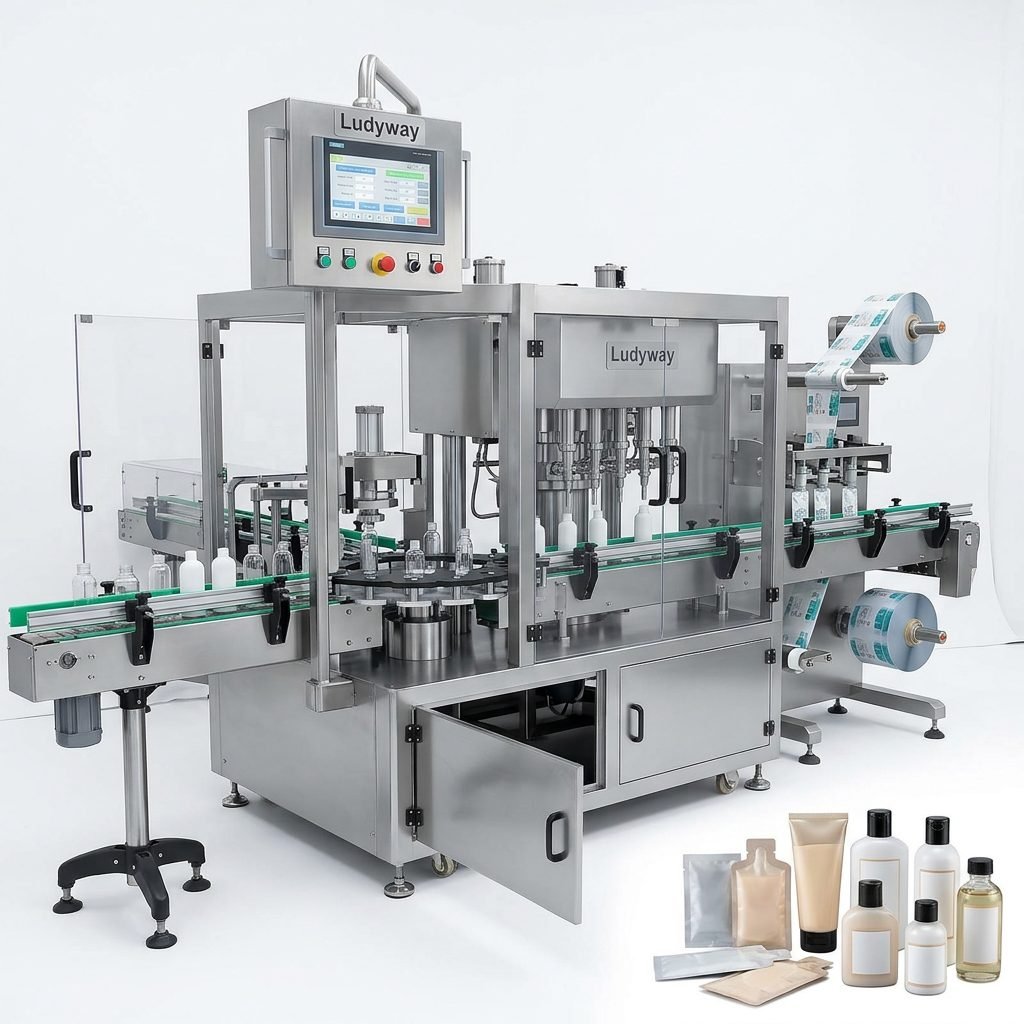
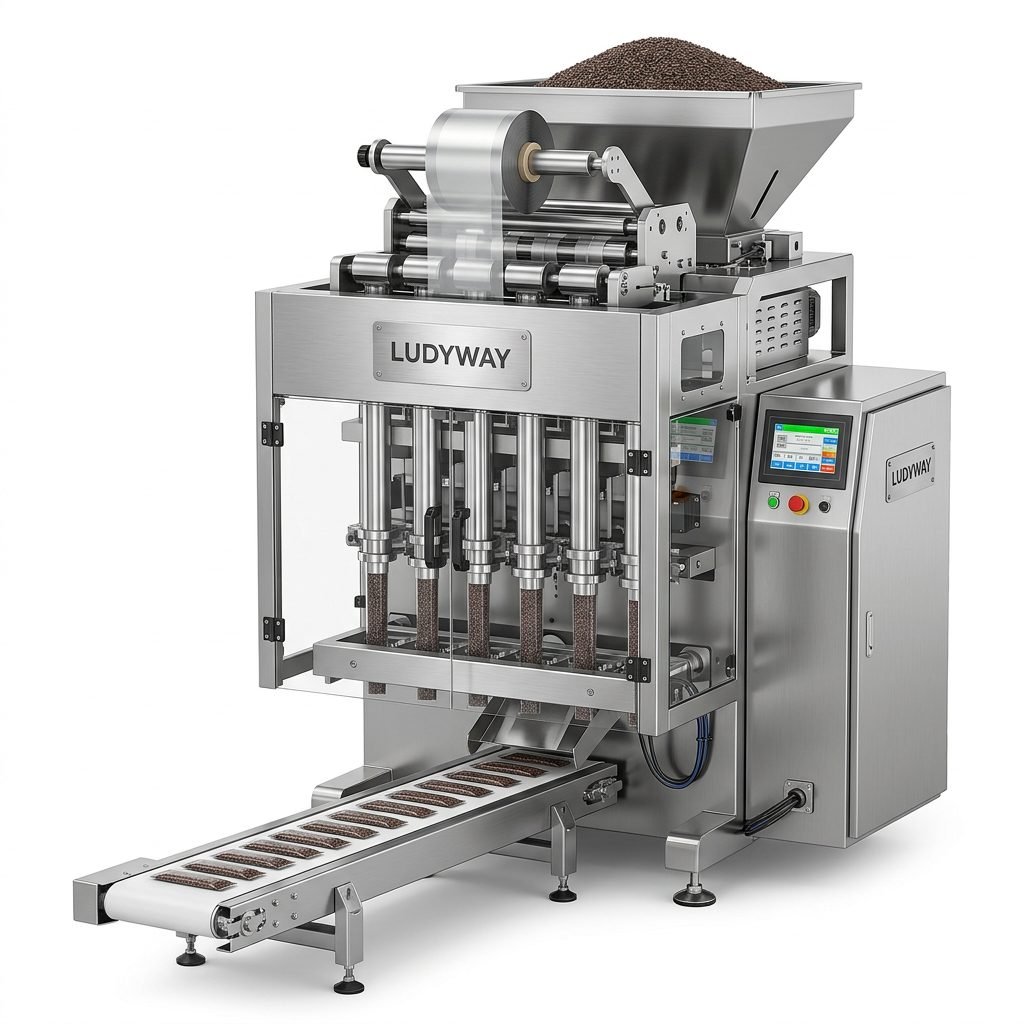
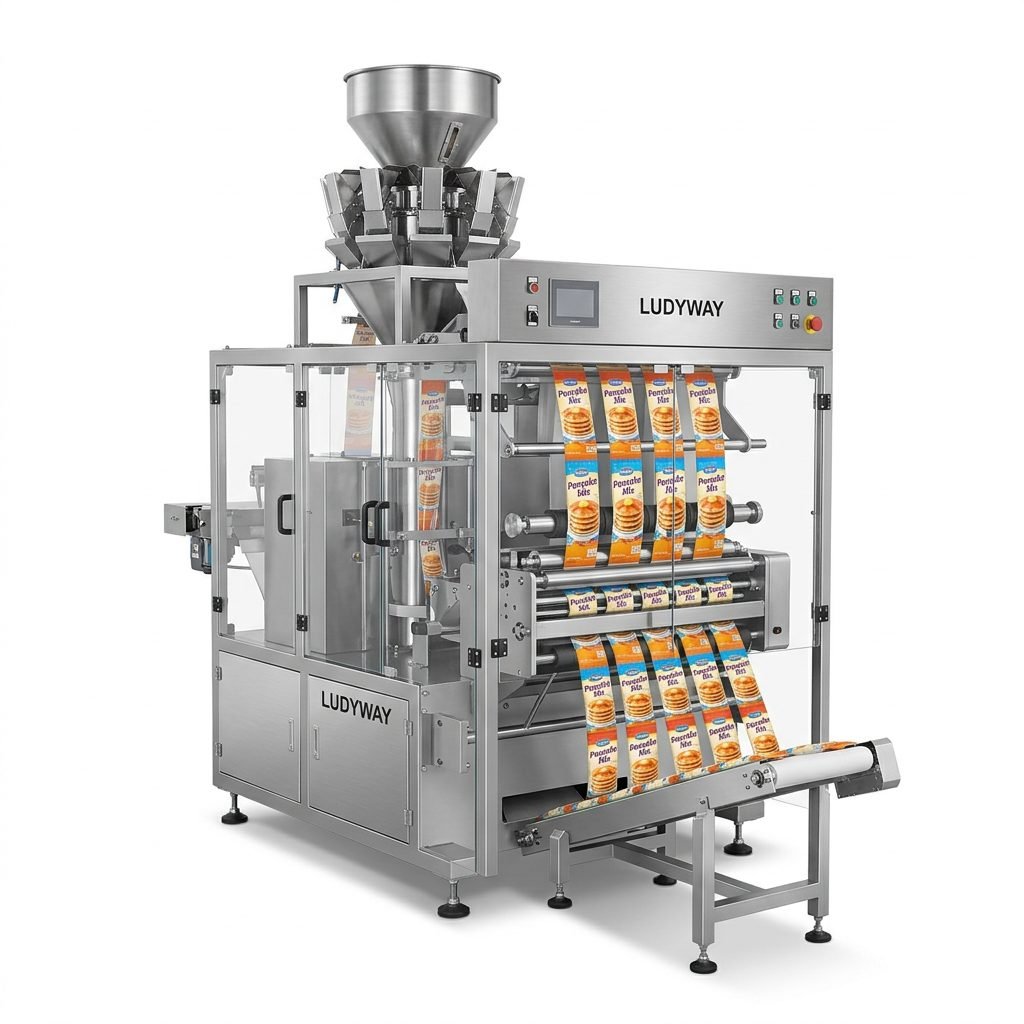
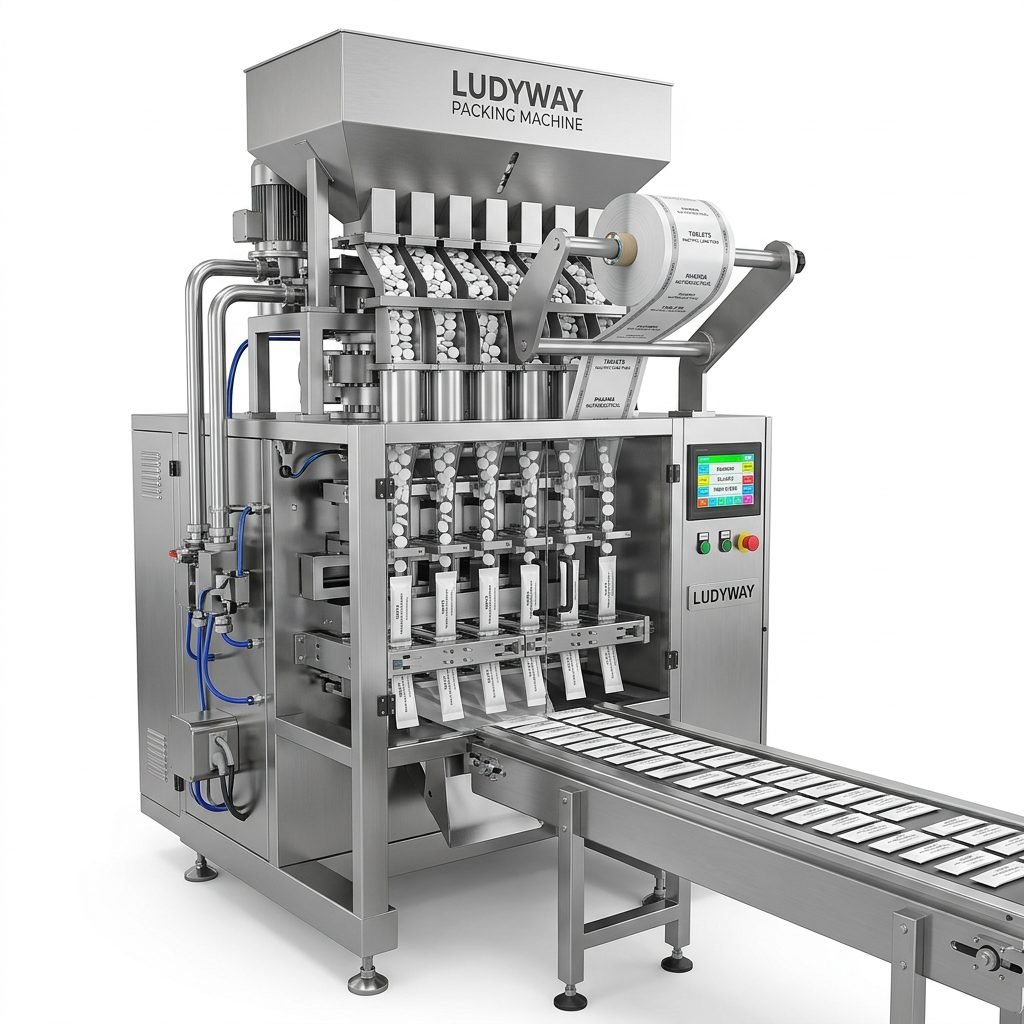
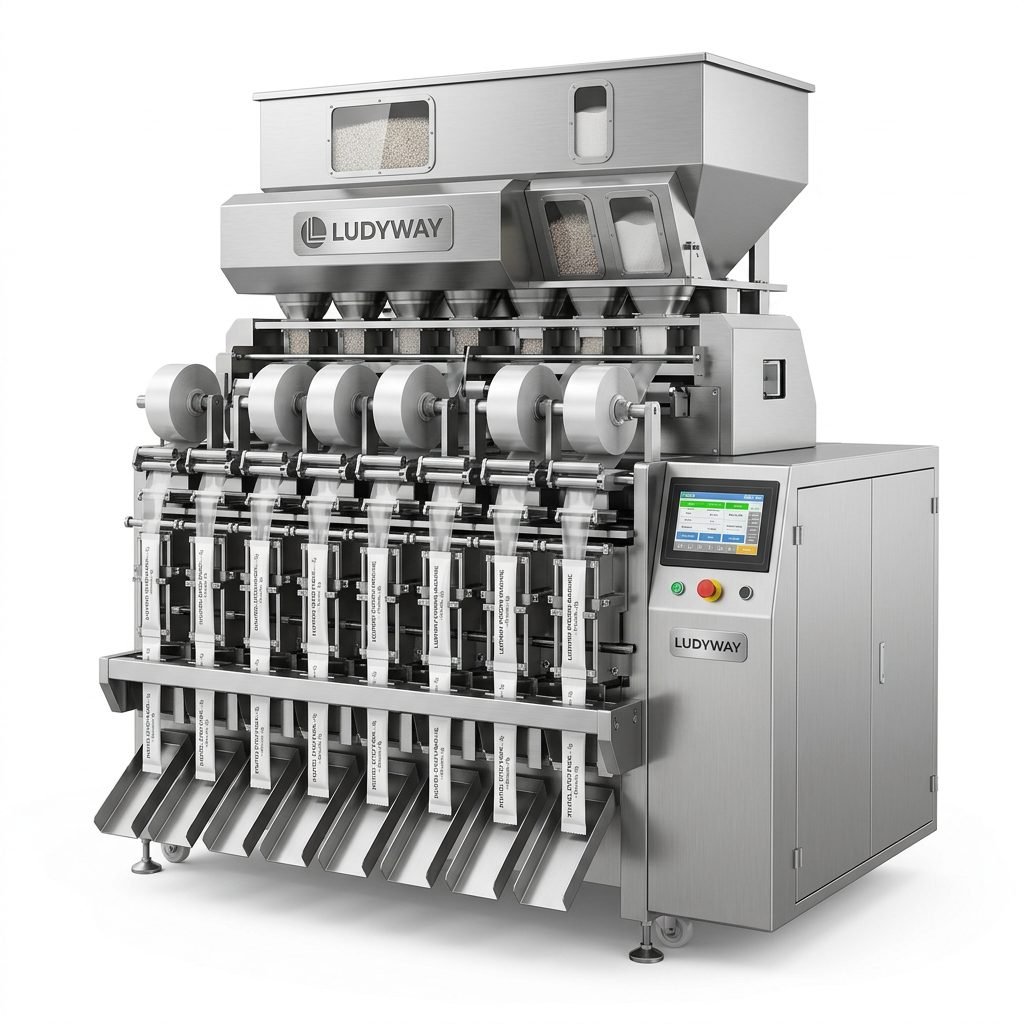
In modern food manufacturing, packaging is no longer just the final step of production. It is a critical process that directly affects efficiency, food safety, shelf life, brand consistency, and customer satisfaction. As competition grows and labor costs rise, more food businesses are investing in automated food packaging solutions to build smarter, faster, and more reliable production lines.
From powders and granules to sauces, snacks, frozen products, and vacuum-packed foods, automation helps manufacturers reduce manual handling, improve sealing quality, and maintain stable output at scale. Whether you are expanding an existing factory or launching a new line, choosing the right packaging system can significantly improve overall operational performance.

Why automated food packaging matters today
Food producers face increasing pressure to deliver high-quality packaged products quickly while complying with strict hygiene and traceability standards. Manual packaging may work for low-volume operations, but it often creates bottlenecks, inconsistency, and higher contamination risk. Automated systems solve these challenges by standardizing each packaging step.
- Faster production throughput
- More accurate filling and dosing
- Improved seal integrity and package appearance
- Reduced labor dependency
- Better hygiene control
- Lower material waste and rework
- Easier production data monitoring
For growing brands and industrial food manufacturers, automation is not only about speed. It is about building a packaging workflow that remains stable under demanding production conditions.
Key benefits of automated food packaging solutions
1. Higher packaging efficiency
Automatic machines can operate continuously with precise rhythm and minimal interruptions. Compared with manual or semi-automatic methods, they increase line efficiency by synchronizing feeding, weighing, filling, sealing, coding, inspection, and final discharge.
2. Better food safety and hygiene
Reduced human contact with food products helps lower contamination risk. Many systems are designed with easy-clean structures, hygienic contact parts, and enclosed packaging areas to support food safety compliance.
3. Consistent product quality
Uniform package weight, accurate seals, clean cutting, and repeatable bag shapes improve the visual quality of products on the shelf. This consistency is especially important for retail brands, OEM food processors, and export-oriented manufacturers.
4. Lower long-term operating cost
Although automation requires upfront investment, it often reduces labor costs, product giveaway, film waste, machine downtime, and quality complaints over time. For many factories, the return on investment becomes visible much faster than expected.
5. Greater flexibility for multiple products
Modern automated packaging equipment can be configured for different product types and pack formats, making it easier for manufacturers to respond to market changes or launch new SKUs.
| Benefit | Impact on Food Manufacturers |
|---|---|
| High-speed automation | Increases output and supports larger order volumes |
| Accurate filling | Reduces underfill, overfill, and product waste |
| Reliable sealing | Helps extend shelf life and protect product freshness |
| Reduced manual handling | Improves hygiene and lowers contamination risk |
| Integrated line control | Simplifies production management and quality tracking |
Common applications in the food industry
Automated food packaging systems are used across a wide range of product categories. The ideal solution depends on product flow characteristics, target pack format, production speed, and end-market requirements.
Powder products
- Milk powder
- Protein powder
- Coffee powder
- Seasoning powder
- Soup mixes
- Nutritional supplements
Granule products
- Sugar
- Salt
- Rice
- Seeds
- Cereal
- Snack granules
Liquid and paste products
- Sauces
- Jam
- Honey
- Oil
- Condiments
- Ready-to-eat food components
Vacuum and freshness-sensitive foods
- Freeze-dried foods
- Meat snacks
- Prepared foods
- High-value dry ingredients
Types of automated food packaging machines
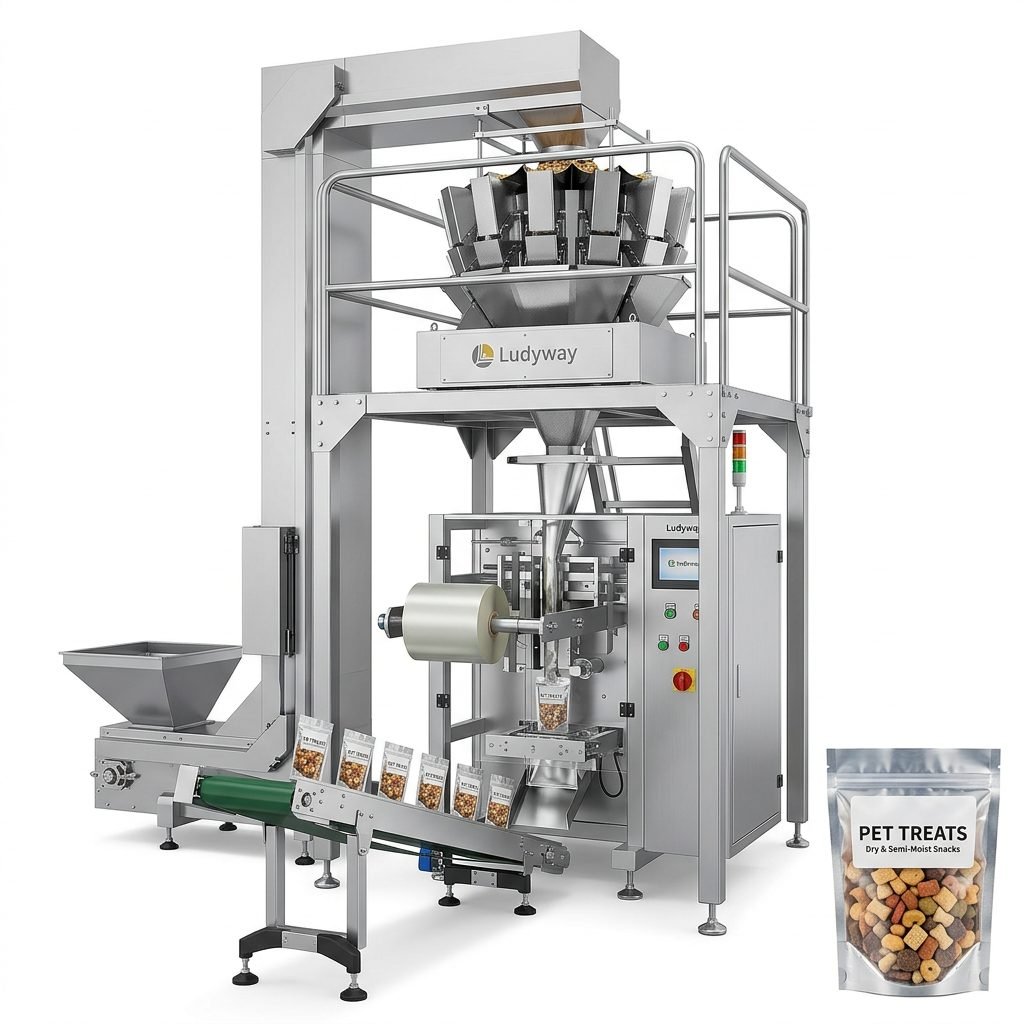
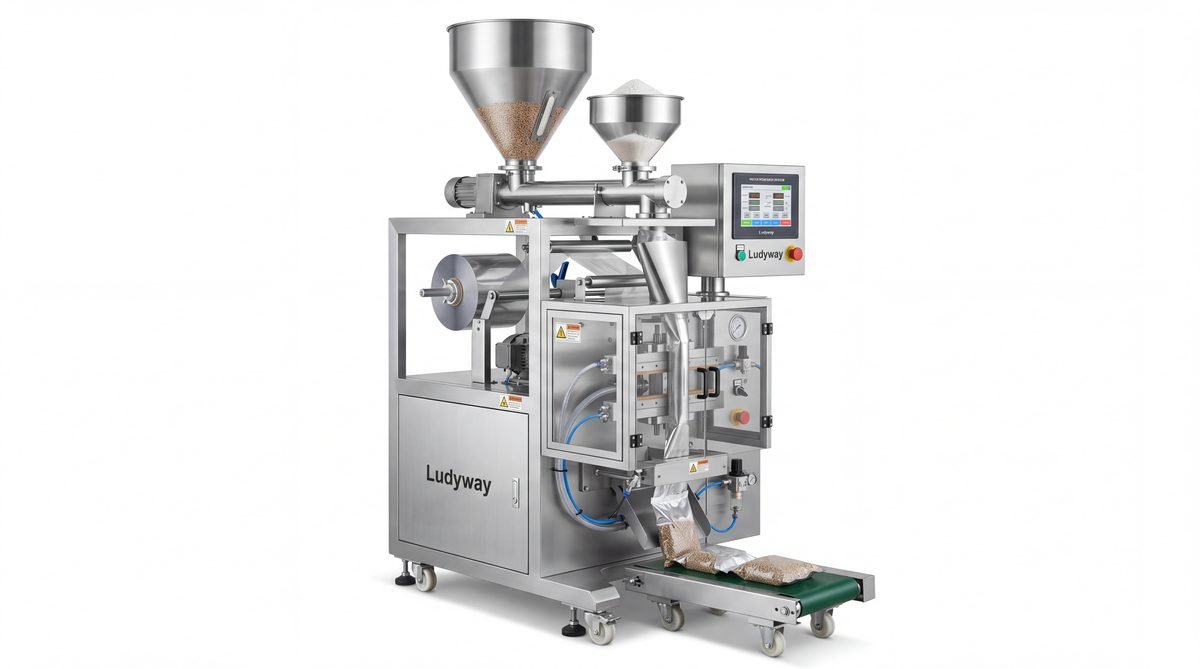
Vertical form fill seal machines
These are widely used for powders, granules, and some liquid or paste applications. They form the bag from film, fill the product, and seal it in one continuous process. They are suitable for sachets, pillow bags, and other flexible formats.
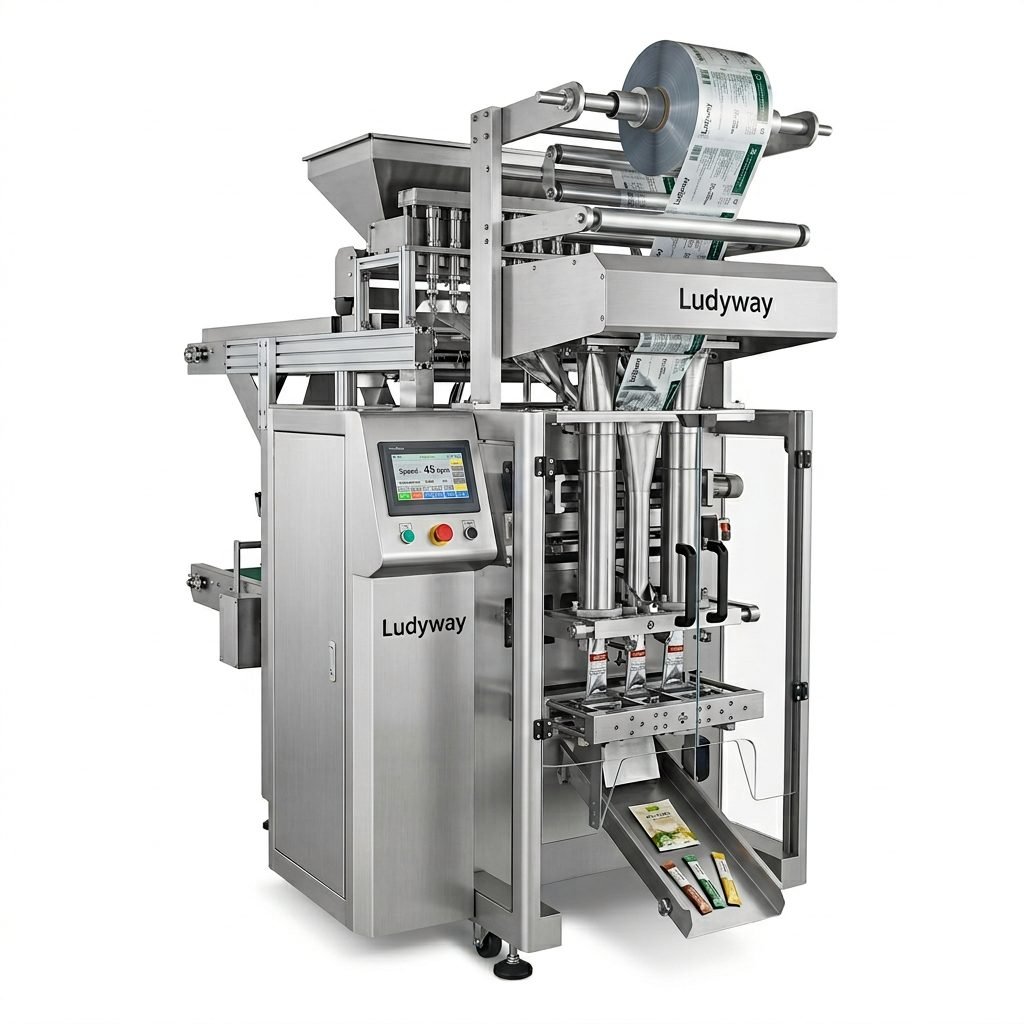
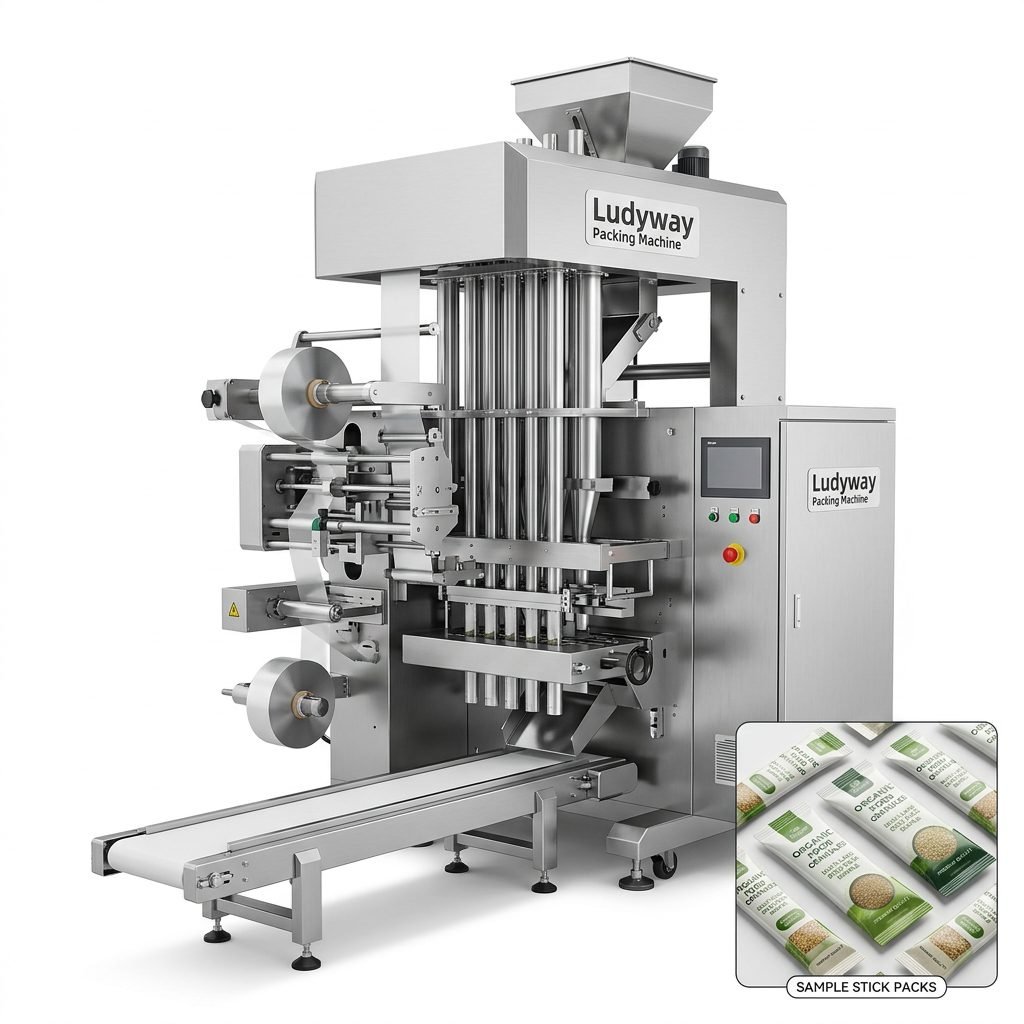
Multi-lane sachet and stick pack machines
Ideal for high-volume production of single-serve food portions such as coffee, sugar, seasoning, functional powders, and instant drink mixes. Multi-lane systems can dramatically increase output while maintaining compact floor usage.
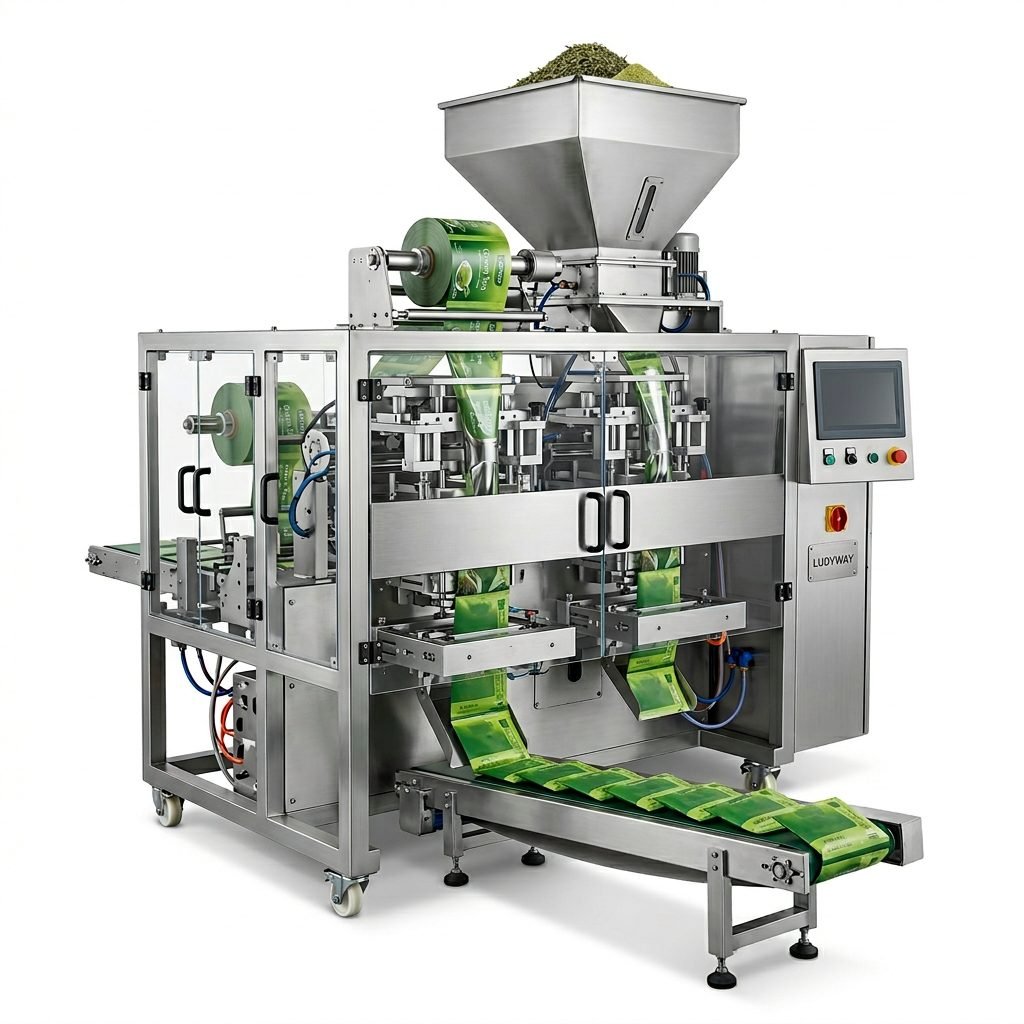
Premade pouch packaging machines
These systems are commonly used for premium food products that require strong shelf appeal, zipper closures, or stand-up pouch formats.
Vacuum packaging machines
Vacuum systems remove air before sealing, helping preserve freshness and extend shelf life for selected food products.
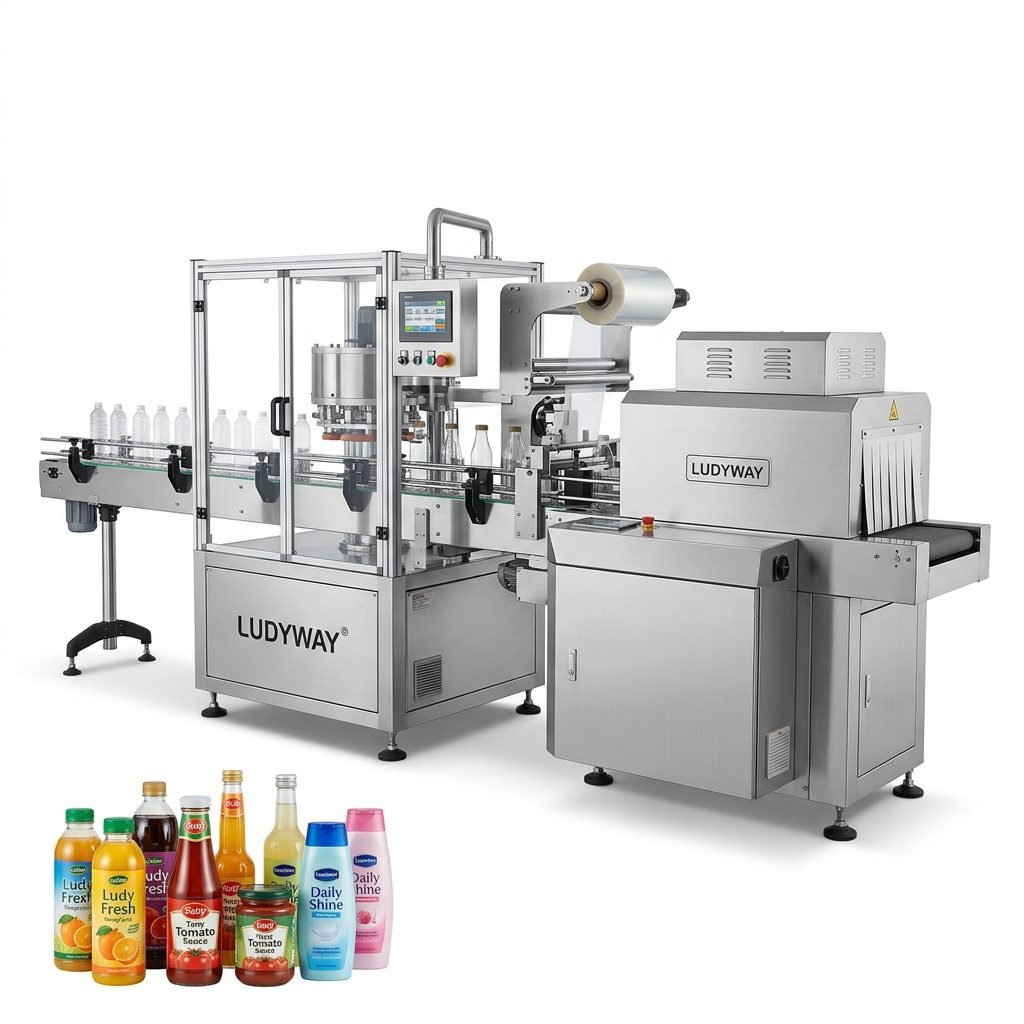
Turnkey packaging lines
A complete line may include feeding systems, elevators, weighing units, fillers, bagging machines, metal detectors, checkweighers, labeling units, cartoners, case packers, and palletizing equipment. This integrated approach improves efficiency across the entire packaging process.
How automation improves product quality
Packaging quality affects both product protection and brand image. Automated systems help maintain quality through controlled filling accuracy, repeatable sealing temperature, stable film handling, and inspection integration.
- Precise dosage control minimizes product giveaway and supports regulatory compliance.
- Stable sealing performance reduces leakage, moisture ingress, and package failure.
- Consistent package appearance improves shelf presentation and consumer trust.
- Inspection integration enables weight checks, contamination detection, and code verification.
When quality is built into the line itself, manufacturers spend less time correcting defects and more time meeting shipment deadlines.
Important features to consider when choosing a system
| Feature | Why It Matters |
|---|---|
| Packaging speed | Must match your output targets and future expansion plans |
| Product compatibility | Different products require different feeding and dosing methods |
| Bag format flexibility | Supports multiple pack sizes and market requirements |
| Cleaning and maintenance | Affects hygiene, downtime, and operating convenience |
| Automation integration | Allows connection with upstream and downstream equipment |
| After-sales support | Helps ensure stable long-term performance |
Who can benefit most from automated food packaging?
Automated systems are suitable for a wide variety of food businesses, including:
- Snack and convenience food manufacturers
- Seasoning and spice producers
- Coffee and beverage mix brands
- Nutritional supplement manufacturers
- Frozen and prepared food processors
- Private-label and contract packing companies
- Export-oriented food factories
For businesses facing high order volumes, strict hygiene demands, and rising labor costs, automation often becomes essential rather than optional.
Why turnkey solutions are increasingly preferred
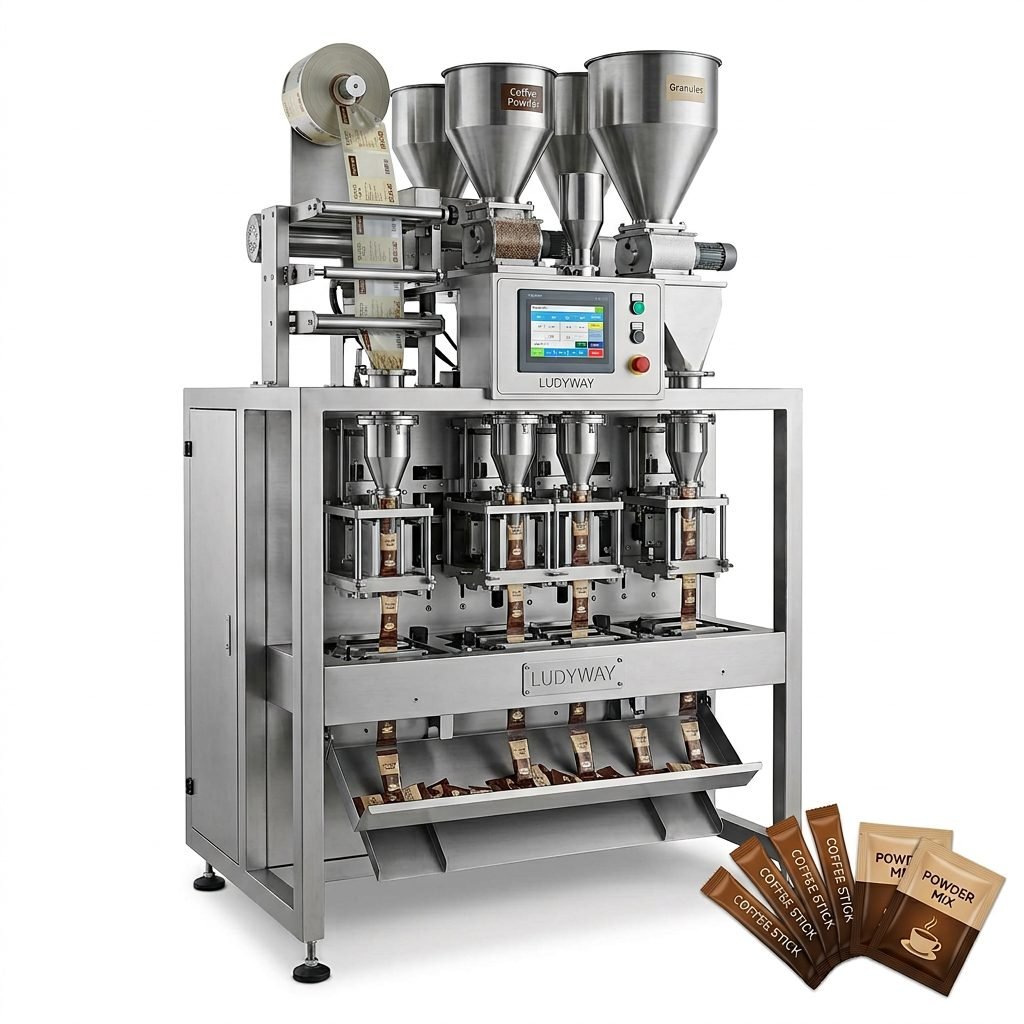
Instead of buying separate machines from multiple sources, many manufacturers now prefer turnkey packaging solutions. A turnkey line is designed as one coordinated system, which helps reduce compatibility issues, shortens installation time, and improves overall line balance.
A reliable turnkey supplier can provide:
- Application-based machine selection
- Customized line layout planning
- Integrated feeding, filling, sealing, and end-of-line automation
- Testing before shipment
- Technical training and ongoing support
For companies looking for scalable packaging automation, Ludyway automated food packaging solutions offer a strong manufacturing background, broad machine coverage, and turnkey line capabilities for food and related industries.
Best practices for successful implementation
Evaluate your product carefully
Flowability, particle size, viscosity, moisture sensitivity, and packaging material compatibility all influence machine selection.
Plan for future growth
Choose equipment that can support increased output, new pack sizes, or additional downstream integration as your business expands.
Focus on hygiene-friendly design
For food production, easy cleaning and contamination prevention should be part of the equipment evaluation process from the start.
Invest in inspection and quality control
Metal detection, checkweighing, vision inspection, and coding verification help protect both consumers and brand reputation.
Work with an experienced manufacturer
An experienced supplier can help reduce setup risk, recommend suitable configurations, and provide practical support during installation and operation.
Final thoughts on boosting efficiency, safety, and product quality
Automated food packaging solutions help food manufacturers build faster, cleaner, and more consistent production systems. By reducing manual intervention and integrating key packaging functions into one efficient workflow, companies can improve output, protect product integrity, and strengthen competitiveness in demanding markets.
For businesses aiming to improve packaging efficiency, strengthen food safety standards, and deliver better-looking finished products, automation is a practical path toward long-term manufacturing success.