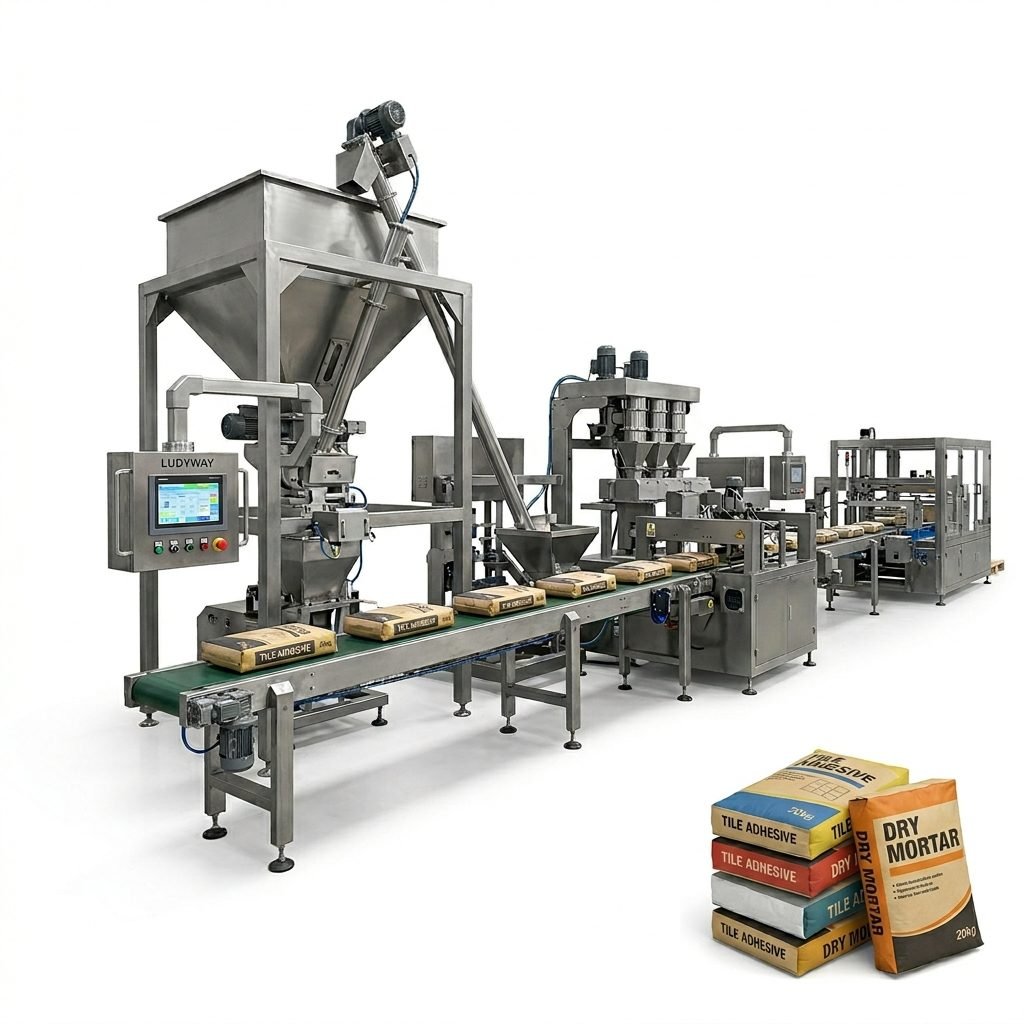
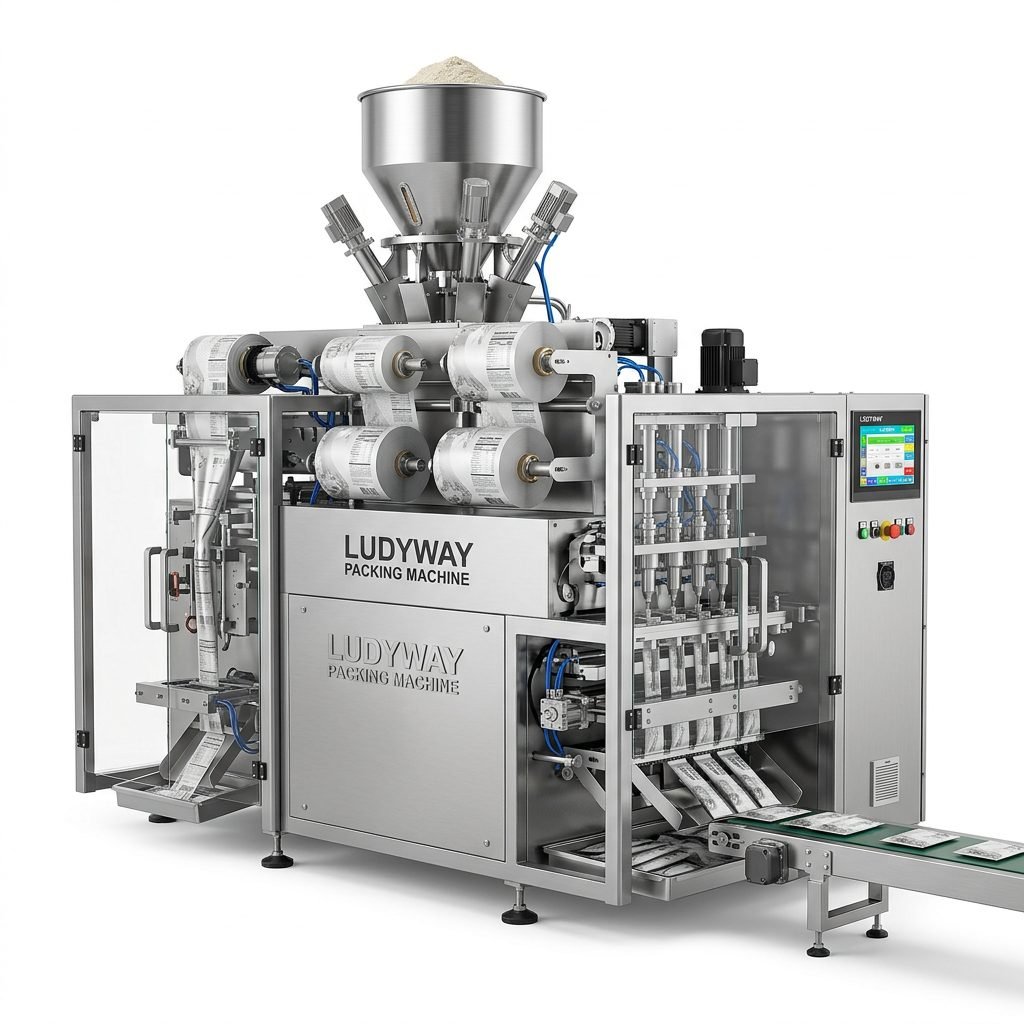
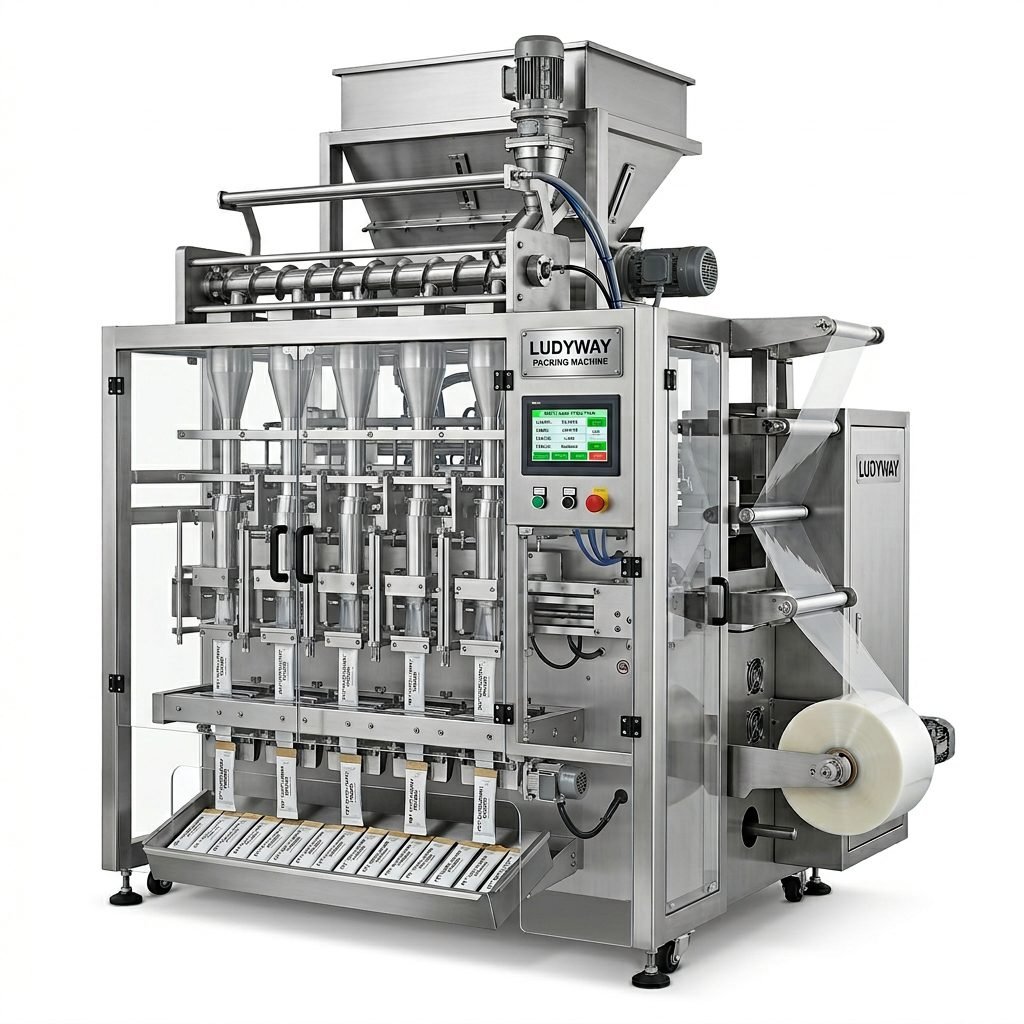
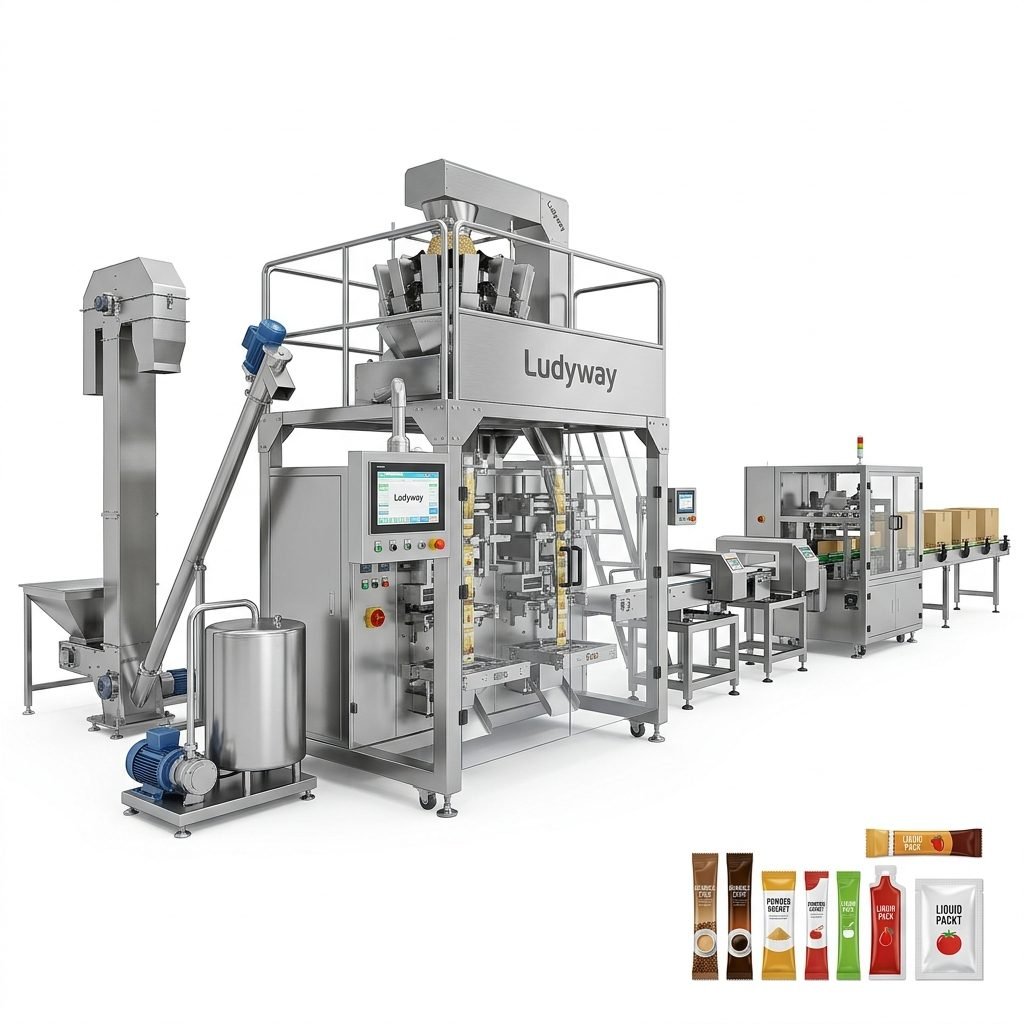
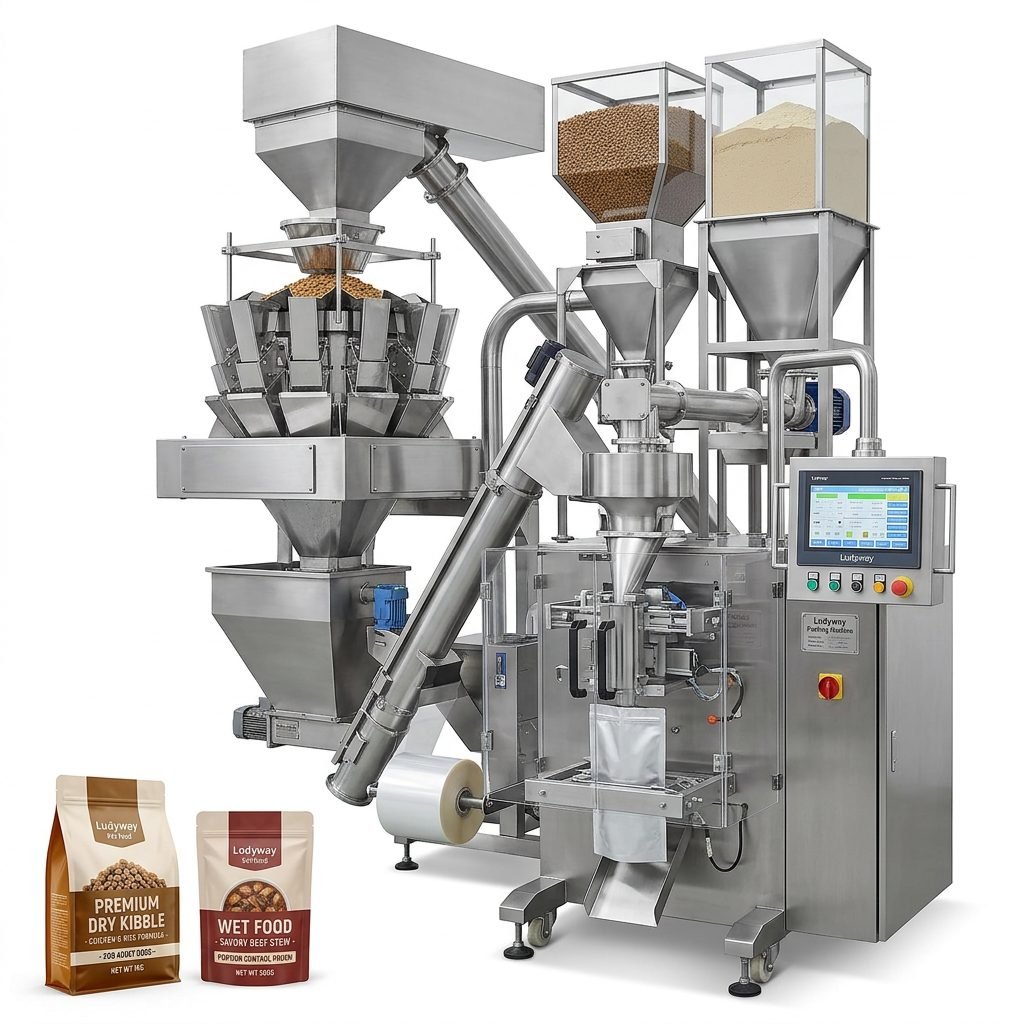
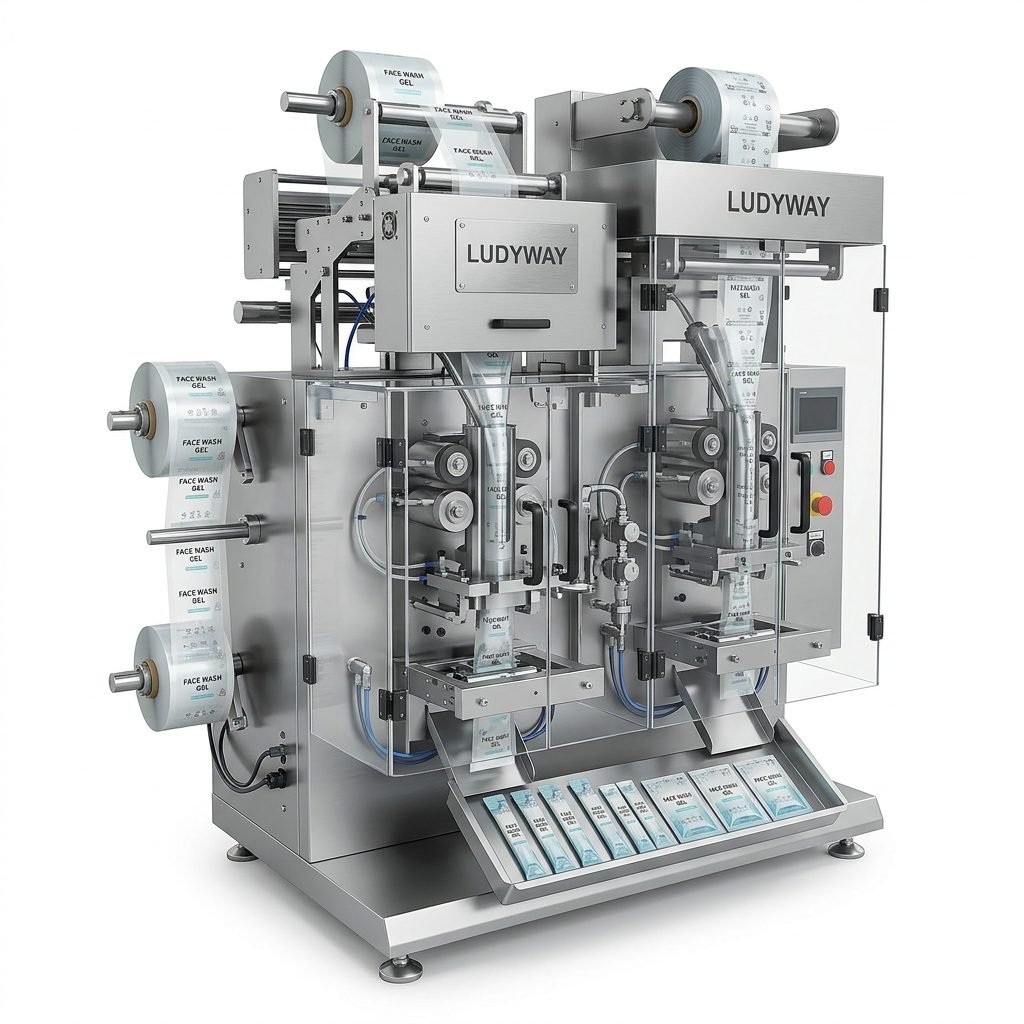
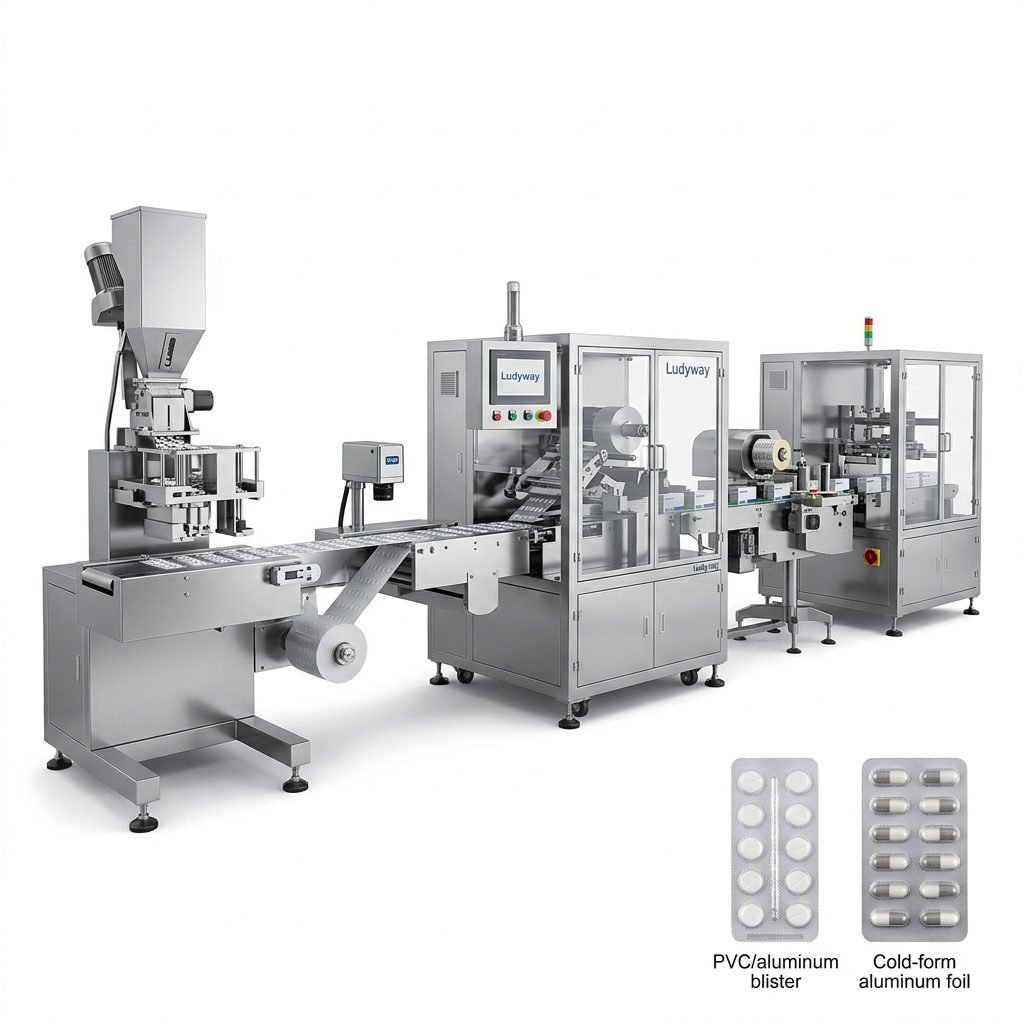
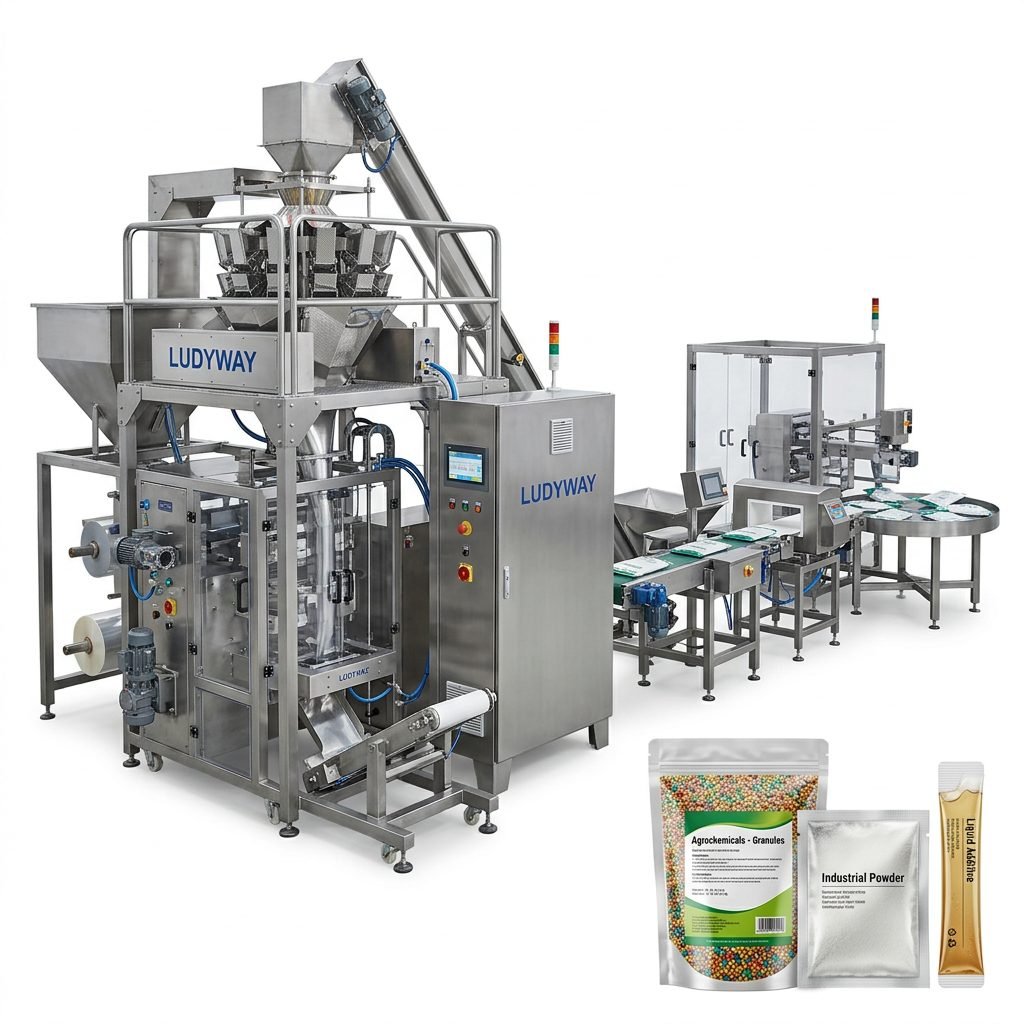
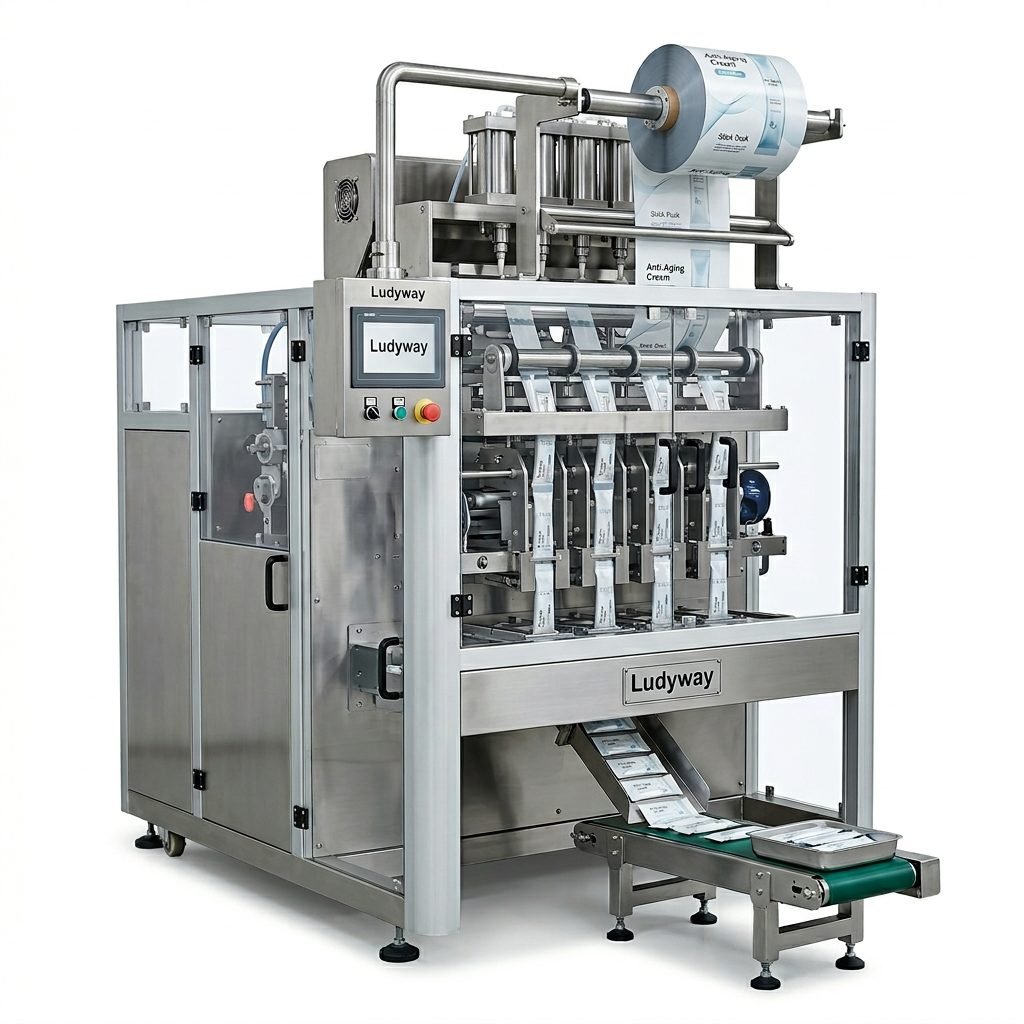
Investing in a tea shop packing machine is a critical decision for any tea business looking to scale production, improve efficiency, and maintain product freshness. Whether you are packaging loose leaf tea, tea bags, powdered tea, or ready-to-drink tea sachets, understanding the cost factors, machine types, and key buying considerations will help you make the most informed purchasing choice. In this guide, we break down real-world price ranges, compare different packaging formats, and share practical tips on choosing the right equipment for your production needs.
What Determines Tea Shop Packing Machine Price?
The price of a tea packaging machine varies widely depending on several technical and operational factors. Understanding these variables will help you evaluate quotes more effectively and avoid overpaying for unnecessary features. Below are the primary drivers of cost:
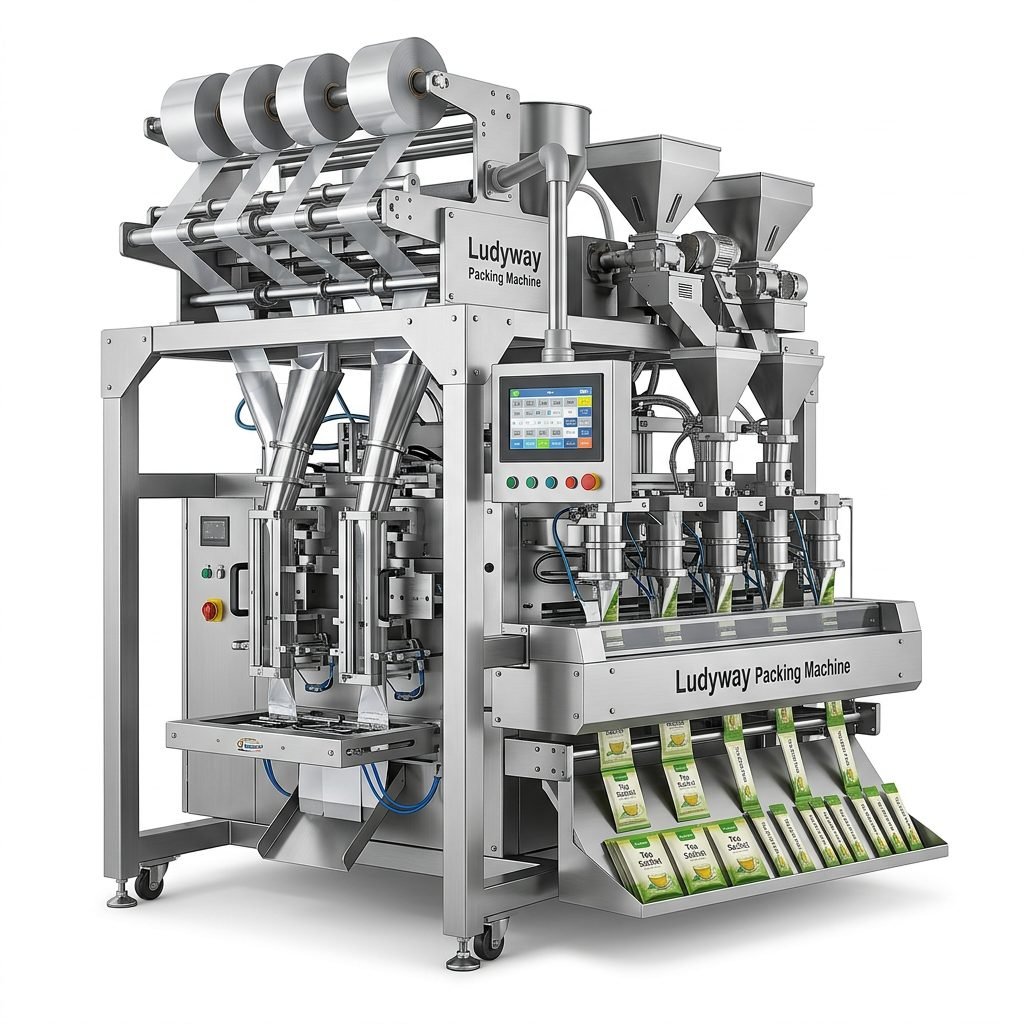
- Packaging Format: Machines designed for tea bag packaging differ significantly in engineering from those handling stick packs, sachets, or pouches. Stick pack and sachet systems generally require more sophisticated sealing and forming mechanisms.
- Automation Level: Semi-automatic machines are more affordable (starting around $8,000–$15,000), while fully automatic multi-lane packaging lines with servo-driven controls and touchscreen HMI can exceed $80,000–$150,000 depending on lane count and speed.
- Production Capacity: Output measured in packs per minute (ppm) directly impacts pricing. A single-lane unit producing 40–60 ppm will cost substantially less than a multi-lane system capable of 400–600 ppm.
- Material Compatibility: Machines capable of handling diverse film materials—such as aluminum foil, kraft paper, PLA biodegradable films, and complex laminates—tend to command higher prices due to advanced heat-sealing and tension control systems.
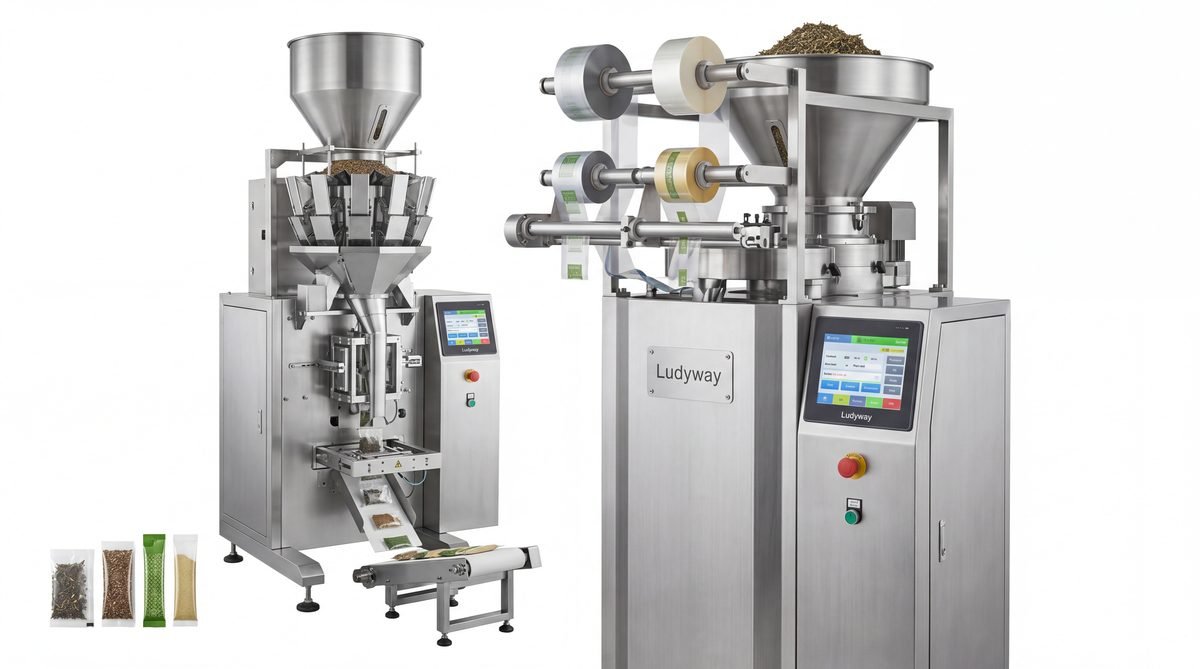
- Filling Technology: Volumetric cup fillers, auger fillers, multi-head weighers, and liquid piston fillers each carry different cost implications. Multi-head weighers offer superior accuracy but add $15,000–$40,000 to the total machine cost.
- Brand and Manufacturing Origin: Equipment manufactured in Europe, Japan, or North America typically costs 2–3 times more than machines from established Chinese manufacturers, though the performance gap has narrowed significantly in recent years.
Price Ranges by Tea Packaging Machine Type
The following table outlines approximate price ranges for different categories of tea packing machines commonly used in tea shops, co-packing facilities, and commercial production environments. Prices are indicative and may vary based on configuration, lane count, and optional add-ons such as nitrogen flushing, coding systems, and automatic cartoning integration.
| Machine Type | Packaging Format | Typical Output | Estimated Price Range (USD) |
|---|---|---|---|
| Semi-Automatic Tea Bag Machine | Single-chamber tea bags with string and tag | 30–80 bags/min | $8,000 – $18,000 |
| Automatic Pyramid Tea Bag Machine | Nylon pyramid bags (3D tea bags) | 60–120 bags/min | $25,000 – $55,000 |
| Single-Lane Stick Pack Machine | Stick packs for tea powder, matcha, or instant tea | 40–80 packs/min | $12,000 – $25,000 |
| Multi-Lane Stick Pack Machine (4–12 lanes) | High-volume stick packs for powdered tea and herbal blends | 200–600 packs/min | $45,000 – $120,000 |
| Sachet Packaging Machine (3-side seal / 4-side seal) | Flat sachets for tea leaves, herbal tea, or flavored tea powders | 60–300 packs/min | $15,000 – $60,000 |
| Premade Pouch Packaging Machine | Stand-up pouches, zipper pouches for premium tea products | 20–50 pouches/min | $35,000 – $90,000 |
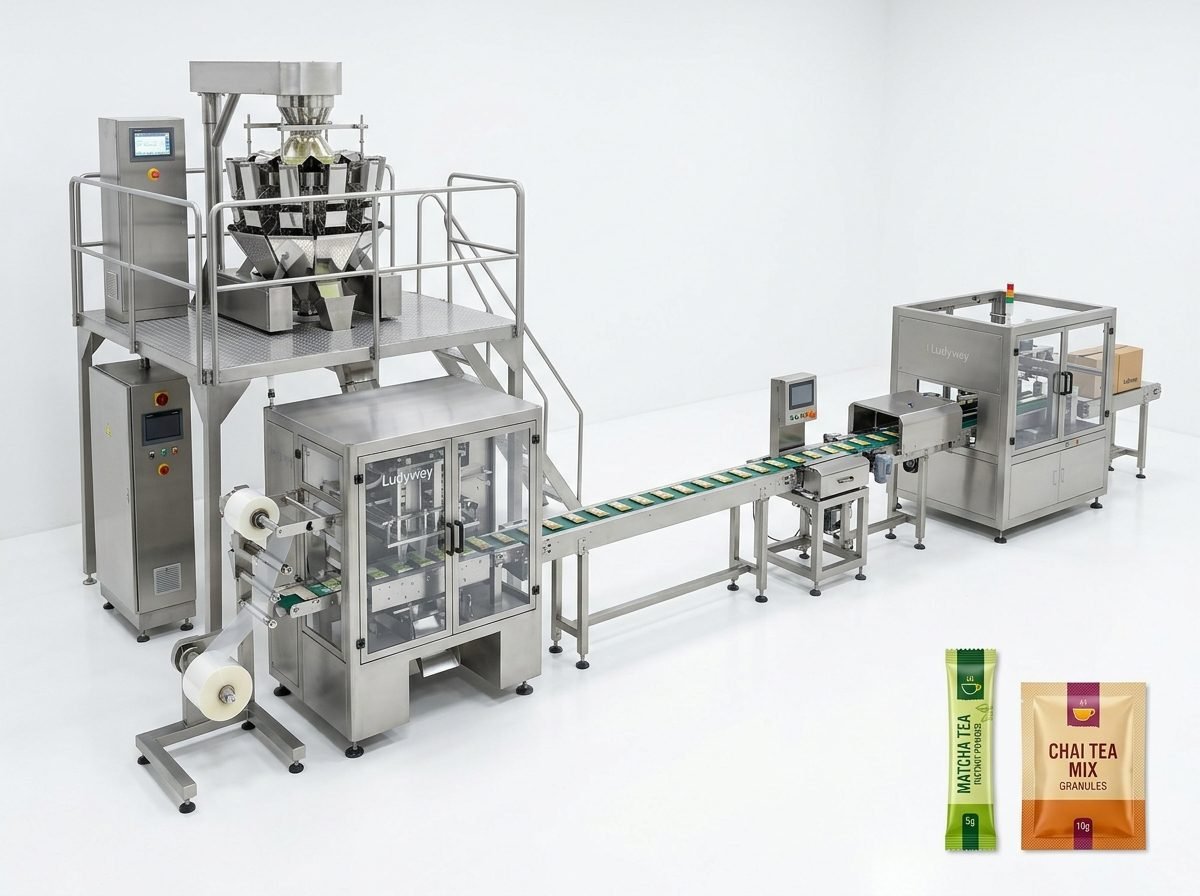
| Fully Automated Turnkey Tea Packaging Line | Complete line: feeding → filling → sealing → cartoning → palletizing | Custom (up to 600 packs/min) | $150,000 – $500,000+ |

Key Buying Considerations for Tea Shop Owners
Beyond price, several operational and technical factors should influence your purchasing decision. Here are the most important aspects to evaluate before committing to a tea packing machine investment:
Production Volume and Scalability
If you are a small tea shop producing fewer than 5,000 units per day, a single-lane semi-automatic machine may be sufficient. For co-packers and growing tea brands targeting 50,000+ units daily, a multi-lane packaging system with automatic feeding and counting becomes essential. Always factor in future growth capacity—upgrading later often costs more than investing in slightly higher capacity upfront.
Film and Material Flexibility
Tea products are highly sensitive to moisture, oxygen, and light. Your packaging machine must be compatible with high-barrier films such as aluminum foil laminates, metallized PET, or biodegradable PLA-based materials. Verify that the machine’s sealing temperature range and jaw design can accommodate your specific film structure without wrinkling, leaking, or inconsistent seals.
Filling Accuracy and Product Integrity
For powdered tea products like matcha or instant chai, filling accuracy of ±0.5–1.0 grams is essential to maintain portion consistency and regulatory compliance. Auger fillers and multi-head combination weighers provide the highest precision. For whole leaf tea, gentle handling mechanisms help preserve leaf structure and prevent excessive breakage, which affects the end customer’s brewing experience.
Certifications and Compliance
If you export tea products to the U.S., EU, or other regulated markets, ensure your packaging machine meets relevant food safety standards. Look for equipment with FDA-compliant food-contact materials, CE marking for European markets, and certifications aligned with ISO packaging standards. Machines constructed with SUS304 or SUS316L stainless steel frames and product-contact parts are strongly recommended for food-grade operations.

After-Sales Support and Spare Parts Availability
A common oversight when purchasing a tea packing machine is underestimating the importance of technical support, training, and spare parts availability. Before placing an order, ask the manufacturer about remote troubleshooting capabilities, on-site installation service, warranty coverage (typically 12–24 months), and local distributor networks in your region. Quick access to wear parts—such as sealing jaws, cutting blades, and heating elements—minimizes production downtime.
Additional Costs to Budget For
The sticker price of a tea packaging machine is only part of the total investment. Smart buyers account for these additional cost items when planning their capital expenditure:
- Shipping and freight costs: International shipping for heavy packaging machinery can range from $2,000 to $12,000 depending on destination and machine dimensions.
- Installation and commissioning: Professional on-site installation by factory-trained engineers may cost $2,500–$8,000 plus travel expenses.
- Operator training: Comprehensive training for your production team ensures optimal machine performance and reduces early-stage errors.
- Auxiliary equipment: Air compressors, nitrogen generators (for modified atmosphere packaging), coding printers, conveyors, and metal detectors are often required as add-ons.
- Ongoing consumables: Sealing belts, Teflon tape, cutting blades, and lubricants represent recurring operational costs that should be factored into your per-unit packaging cost.
- Facility upgrades: Some machines require dedicated power supply configurations (e.g., 380V three-phase), compressed air lines, and adequate floor space with proper ventilation.
Renting vs. Buying: Which Option Suits Your Tea Business?
For startup tea shops or seasonal businesses, leasing or renting packaging equipment can reduce upfront capital expenditure. However, leasing typically costs 20–35% more over a 3-year period compared to outright purchase. Outright purchase is recommended for established tea brands with consistent year-round production. Some manufacturers also offer rent-to-own programs or deferred payment structures, which can ease cash flow while securing long-term equipment ownership.
Why Source Tea Packaging Machines from Established Manufacturers?
The global tea packaging machinery market has become increasingly competitive, with numerous suppliers offering similar-looking equipment at widely varying quality levels. Choosing an established manufacturer with a proven track record provides several advantages: consistent build quality, readily available technical documentation, compliance with international safety standards, and reliable post-sale support. Industry data from PMMI’s State of the Industry reports consistently highlights that equipment reliability and service responsiveness rank as the top two priorities for packaging machinery buyers across food and beverage sectors.
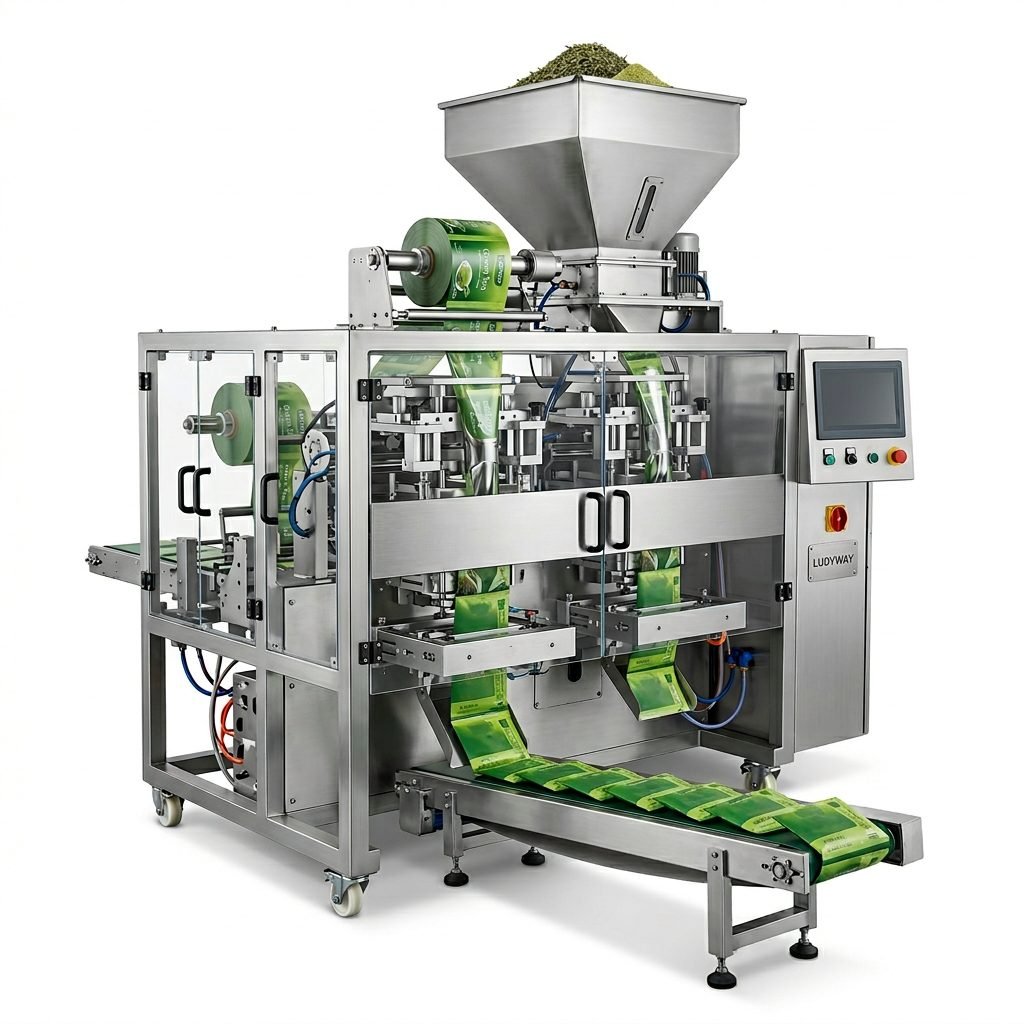
Ludyway is one of the largest packaging machine manufacturers in China, specializing in advanced packaging equipment and turnkey production solutions for the food, pharmaceutical, and health industries. With over 30 years of industry expertise and more than 50 intelligent packaging machine models, Ludyway provides reliable and efficient tea packaging solutions for granule, powder, liquid, and pouch applications, serving customers in over 100 countries and regions worldwide.
Frequently Asked Questions About Tea Packing Machine Prices
How much does a small tea bag packing machine cost?
A basic semi-automatic tea bag packing machine for small-scale production typically costs between $8,000 and $18,000, depending on features such as string-and-tag attachment, envelope wrapping, and production speed. These entry-level machines are suitable for tea shops producing up to 5,000–8,000 tea bags per day.
What is the price difference between single-lane and multi-lane stick pack machines?
A single-lane stick pack machine generally ranges from $12,000 to $25,000, while a 4–6 lane multi-lane system starts at $45,000 and can exceed $100,000 for 10–12 lane configurations. The multi-lane investment typically pays back within 12–18 months for medium-to-high volume operations due to 3–5x higher throughput with minimal additional labor requirements.
Can I package both tea leaves and tea powder with the same machine?
Some versatile packaging machines can handle both granule and powder products by switching filling systems. However, the optimal approach is to use a machine with a modular filling station that allows you to interchange between a volumetric cup filler (for leaf tea) and an auger filler (for powdered tea). Flexible packaging machinery with quick-changeover features reduces downtime and maximizes equipment utilization across product lines.
How long does it take to receive a tea packing machine after ordering?
Standard delivery lead times for tea packaging machines range from 4 to 12 weeks, depending on whether the machine is a standard model or a custom-configured solution. Custom multi-lane lines with specialized filling and cartoning integration may require 10–16 weeks from order confirmation to shipment. Always confirm production timelines with your supplier and factor in additional 3–6 weeks for ocean freight and customs clearance if importing.
Final Recommendations for Tea Shop Packaging Equipment Buyers
Selecting the right tea shop packing machine requires balancing your current production needs with future growth expectations. Start by clearly defining your target packaging format (tea bag, stick pack, sachet, or pouch), daily output requirements, and available floor space. Request detailed quotations from at least three manufacturers, and insist on video demonstrations or factory acceptance tests (FAT) before finalizing your purchase. Prioritize suppliers who offer comprehensive warranty coverage, responsive technical support, and a well-documented spare parts catalog. By following this structured approach, you can secure a high-quality tea packaging solution that delivers consistent performance, protects product freshness, and supports your brand’s long-term growth in the competitive tea market.
For further reading, explore additional resources on packaging machinery standards from the PMMI packaging industry resource library, regulatory guidance from the FDA food packaging and food contact substances portal, and sustainability insights from the Flexible Packaging Association.