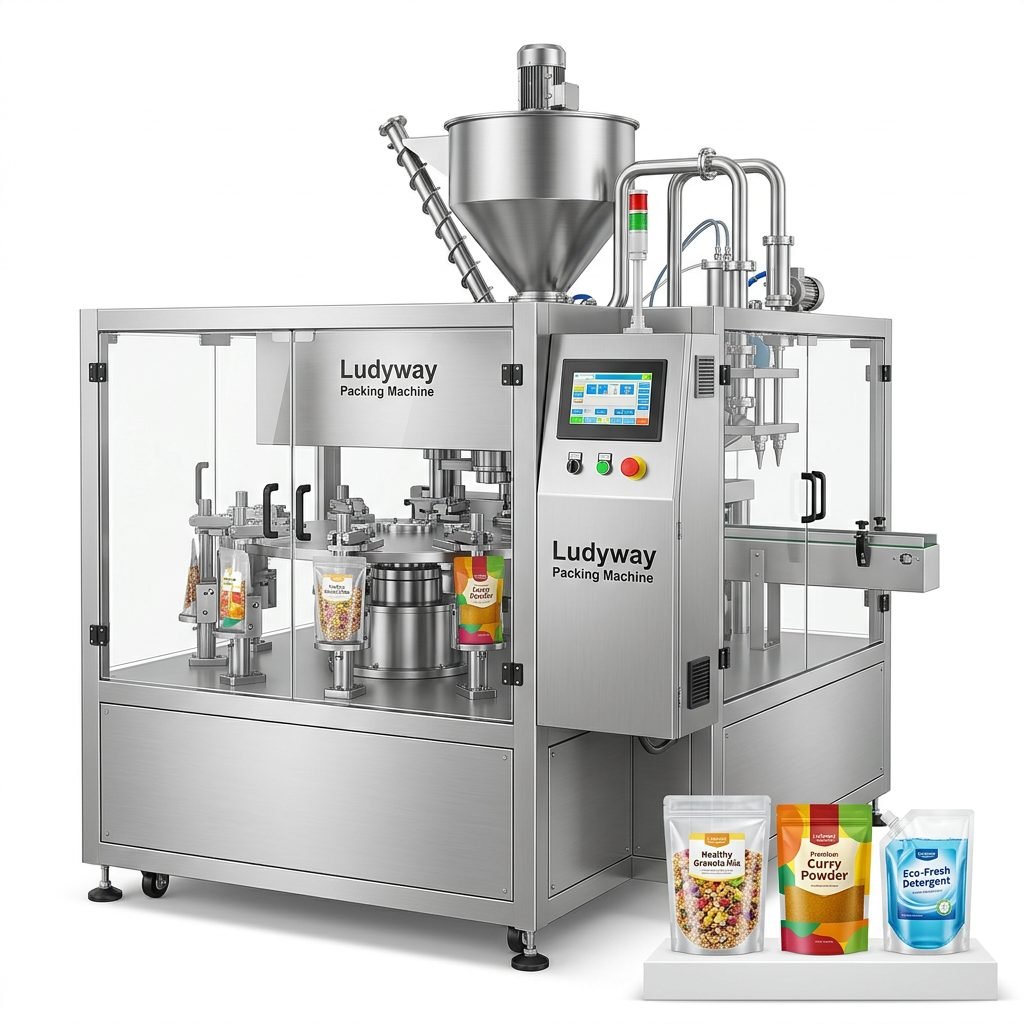
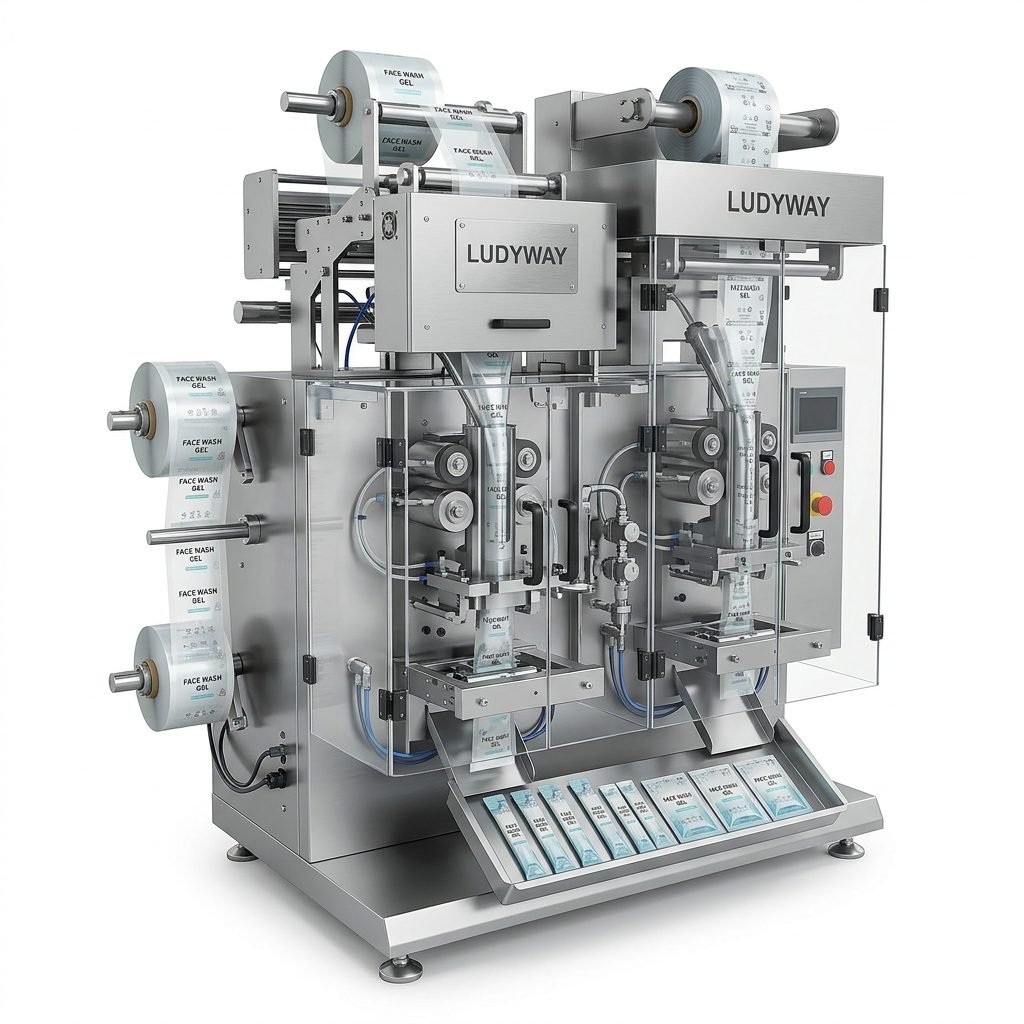
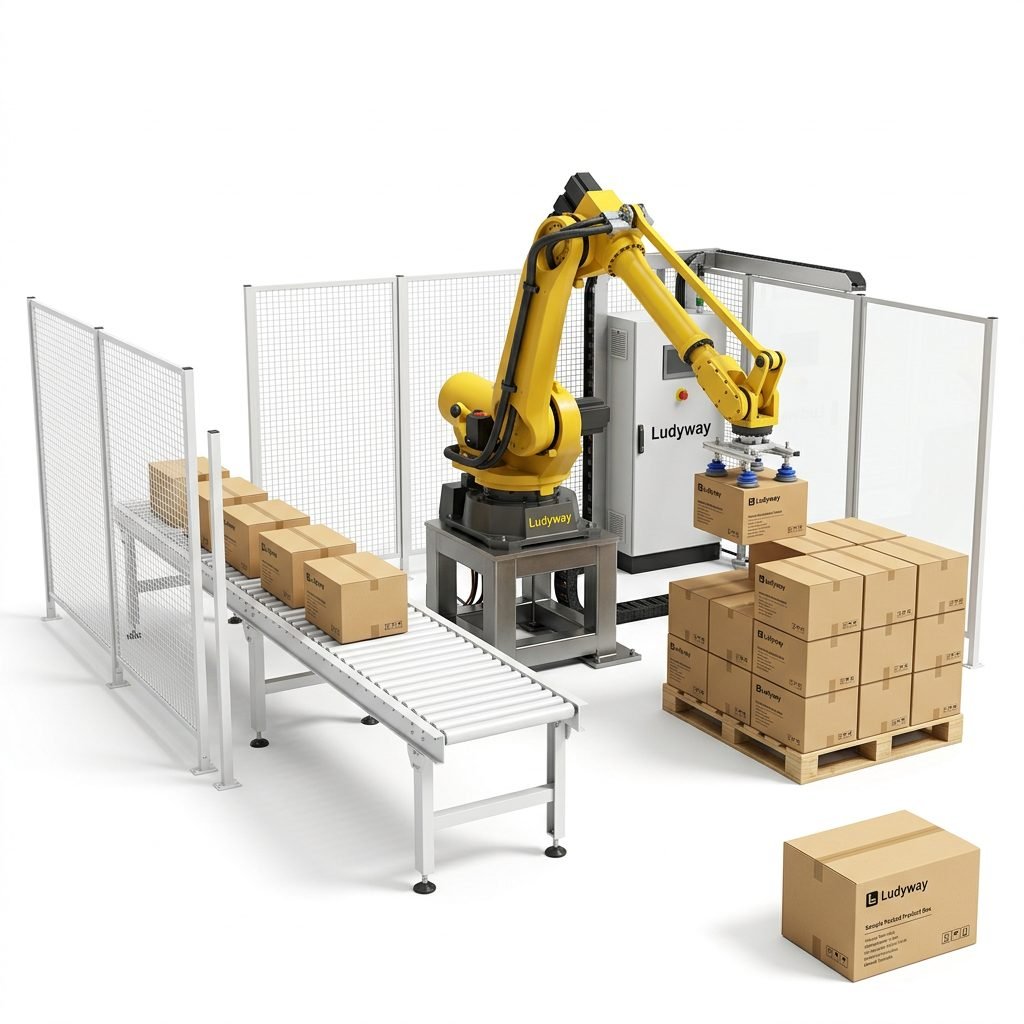
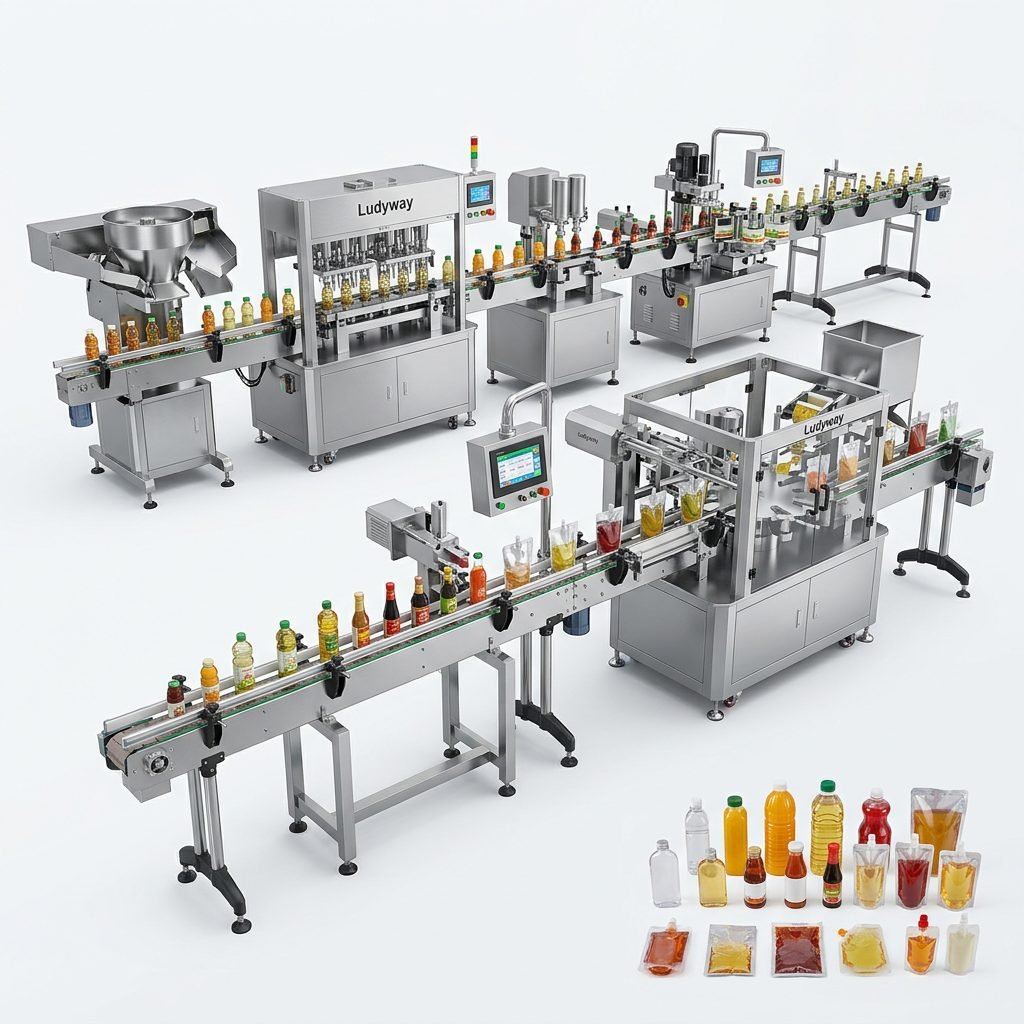
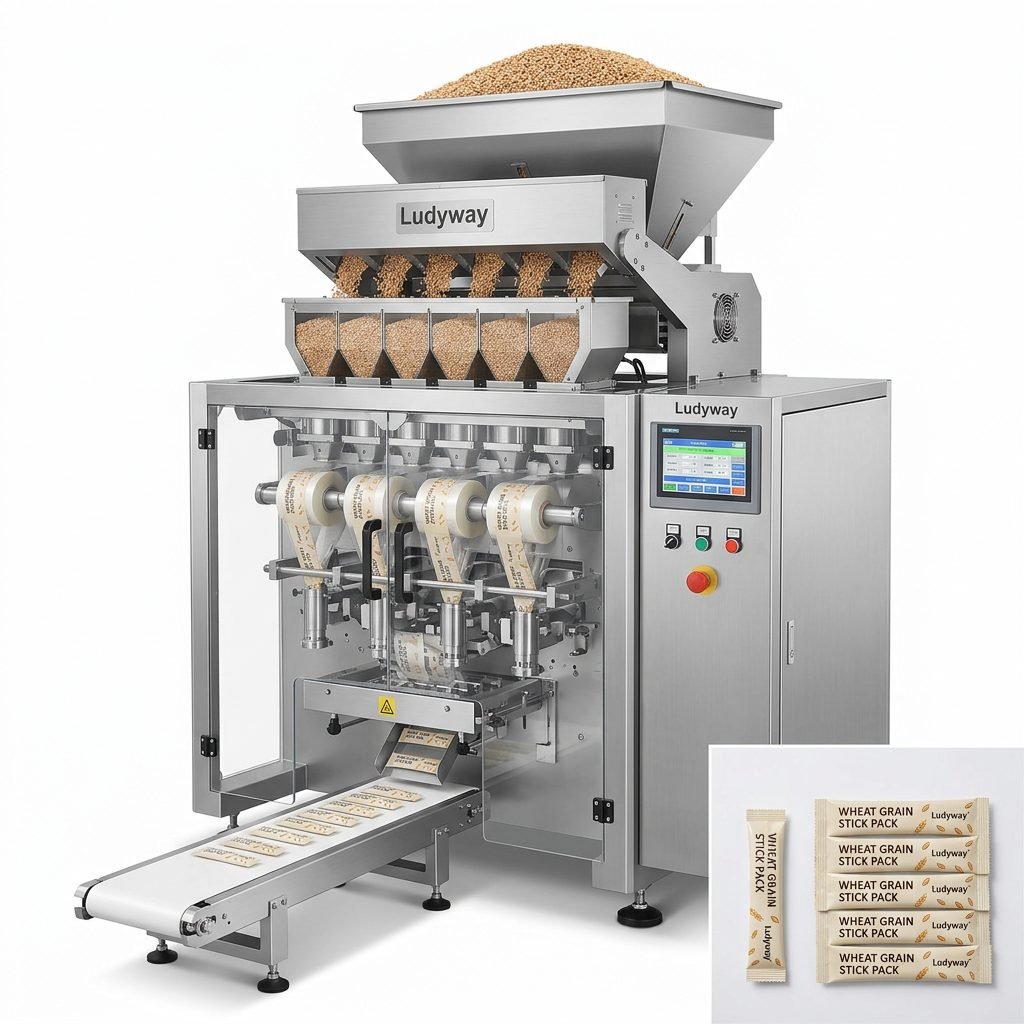
Wheat straw, a byproduct of wheat harvesting, is increasingly being used in sustainable packaging applications. To ensure consistent output and long equipment life, proper maintenance of your wheat straw packing machine is essential. A well-maintained machine delivers uniform bale density, reduces downtime, and ultimately protects your bottom line.
Why Routine Maintenance Matters
Wheat straw is fibrous and can be abrasive. Without regular upkeep, residue buildup can clog feed mechanisms, dull cutting blades, and strain motors. A proactive preventive maintenance schedule not only extends the lifespan of your packaging machinery but also ensures compliance with food-grade safety standards when producing eco-friendly straw-based containers or fillers.
Daily Inspection Checklist
Operators should perform a quick visual and functional check before each shift. The following table outlines the critical daily inspection points:
| Component | Inspection Task | Frequency |
|---|---|---|
| Feed Hopper | Check for straw bridging or blockages | Every Shift |
| Compression Chamber | Inspect for loose bolts or unusual wear | Every Shift |
| Cutting Blades | Verify sharpness and alignment | Every Shift |
| Hydraulic Hoses | Look for leaks, cracks, or abrasions | Every Shift |
| Control Panel | Test emergency stop and sensor functions | Every Shift |
Weekly Cleaning Procedures
Thorough cleaning prevents material accumulation that can lead to mechanical failure. Follow these steps weekly for optimal hygiene and performance:
- Power down and lock out the machine completely before cleaning.
- Remove all loose straw, dust, and debris from the feed area using compressed air or a vacuum system.
- Wipe down sensor lenses with a soft, dry cloth to maintain accurate detection.
- Clean the compression rollers with a non-corrosive solvent to remove sticky residues.
- Inspect and clean the hydraulic oil cooler fins to prevent overheating.
Lubrication Best Practices
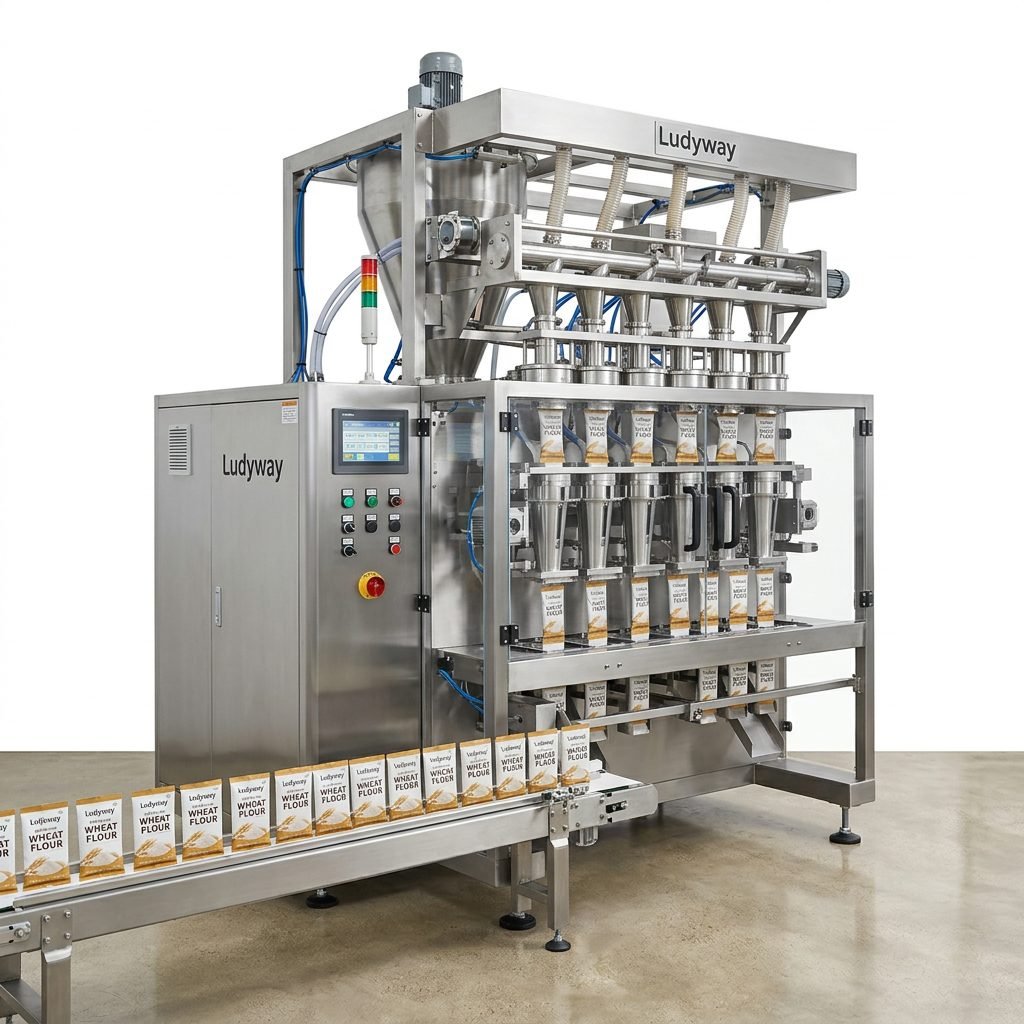
Proper lubrication is the lifeblood of any packing machine. Wheat straw processing generates fine dust that can mix with grease and form abrasive pastes. Therefore, selecting the right lubricant type is critical.
- Use high-temperature, food-grade grease for bearings exposed to heat from compression.
- Apply oil to drive chains weekly, but avoid over-lubricating as excess oil attracts dust.
- Check gearbox oil levels monthly and replace according to the manufacturer’s guidelines.
- Grease all pivot points and linkage joints every 40 operating hours.
Always reference the equipment manual for specific lubrication points and recommended products.
Monthly Component Inspection
Beyond daily checks, a deeper monthly inspection helps catch wear before it becomes a costly breakdown. Focus on high-stress areas:
Belts and Pulleys
Check drive belts for cracking, fraying, or glazing. A worn belt can slip under load, causing inconsistent bale density. Ensure pulley alignment is within manufacturer tolerance. Misalignment accelerates belt wear and wastes energy.
Hydraulic System
Inspect the hydraulic fluid level and quality. Cloudy or dark fluid indicates contamination or overheating. Replace hydraulic filters every 500 hours or as specified. Hydraulic failure is one of the most common causes of unplanned downtime in straw packing operations.
Electrical Connections
Vibration from the packing process can loosen wiring connections over time. Tighten terminal screws, inspect for signs of arcing, and verify that all safety interlocks function correctly.
Seasonal Maintenance Considerations
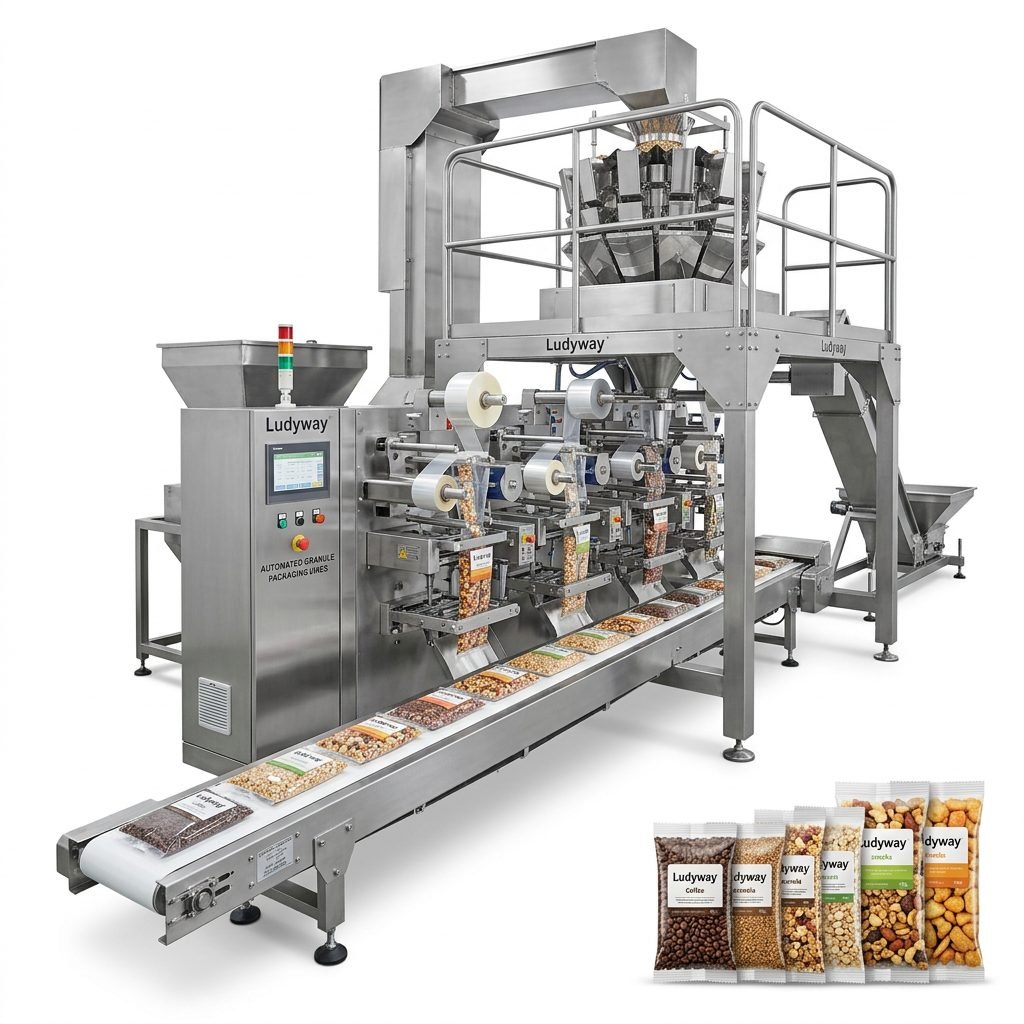
Wheat straw availability often follows harvest seasons. Before peak production periods, conduct a comprehensive pre-season audit:
- Replace all wear parts including knives, shear bars, and seals.
- Flush and refill the hydraulic system if fluid analysis shows degradation.
- Calibrate load cells and weighing systems to ensure accurate fill weights.
- Test run the machine with a small batch to verify all adjustments.
During off-season storage, protect the machine from moisture and temperature extremes. Apply rust inhibitor to exposed metal surfaces and rotate moving parts monthly to prevent flat spots on bearings.
Common Issues and Troubleshooting
Even with diligent maintenance, occasional problems arise. Here are frequent challenges and their typical solutions:
| Symptom | Possible Cause | Recommended Action |
|---|---|---|
| Uneven bale density | Worn compression rollers or incorrect pressure settings | Inspect rollers, recalibrate pressure |
| Excessive noise | Loose fasteners or dry bearings | Tighten bolts, lubricate bearings |
| Overheating | Clogged oil cooler or low hydraulic fluid | Clean cooler fins, top up fluid |
| Inconsistent feed rate | Straw bridging in hopper | Install agitator or adjust feed angle |
| Sensor errors | Dust accumulation on optics | Clean sensors and recalibrate |
Training Your Maintenance Team
A well-trained team is your best defense against equipment failure. Invest in regular training sessions covering:
- Proper lockout/tagout procedures for safe maintenance.
- Identification of early warning signs like unusual vibration patterns.
- Correct use of diagnostic tools and calibration equipment.
- Record-keeping practices to track maintenance history and predict wear trends.
Documentation is invaluable. Maintain a detailed maintenance log that records every service action, parts replacement, and inspection result. This data helps identify recurring issues and optimize your preventive maintenance intervals.
Spare Parts Management
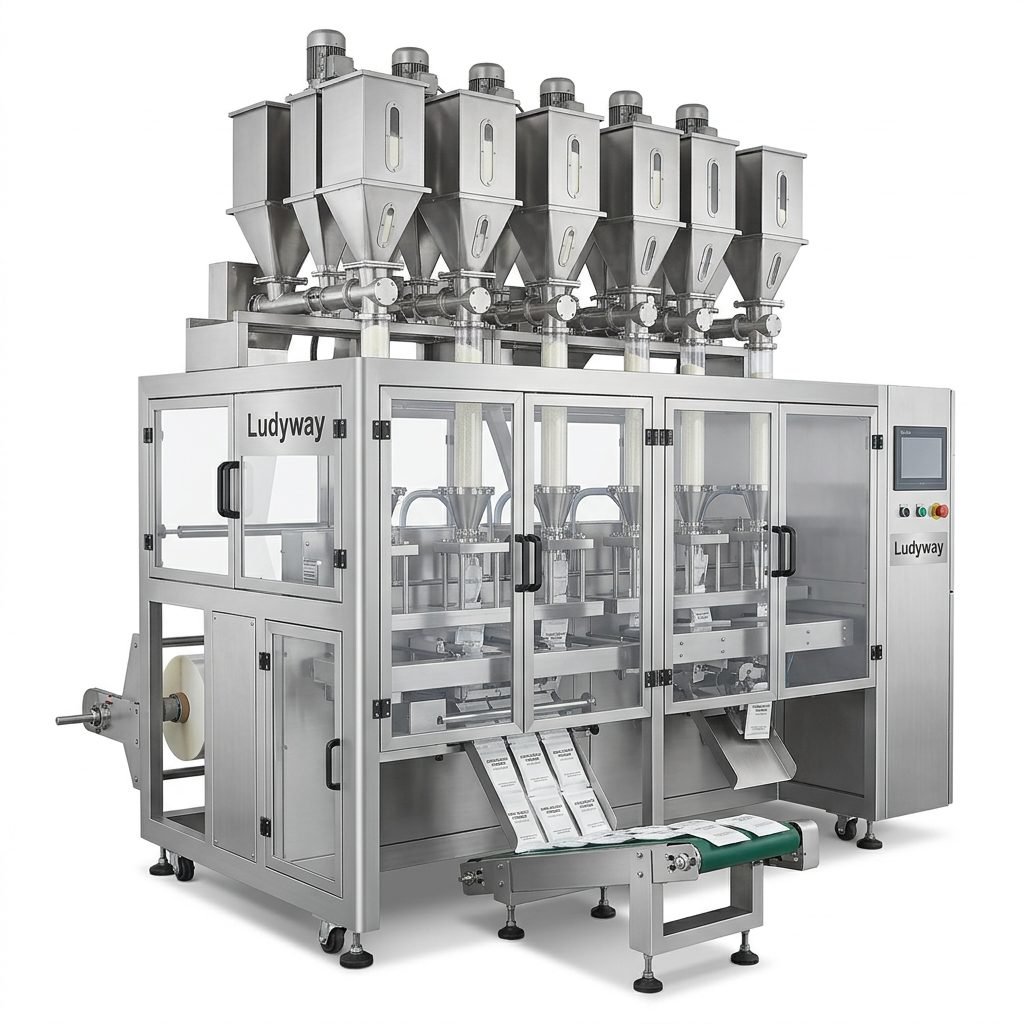
Keeping critical spare parts on hand minimizes downtime when repairs are needed. Recommended inventory includes:
- Drive belts and v-belts in all required sizes.
- Hydraulic filters and seals.
- Cutting blades and shear bars.
- Common sensor types used on your specific machine model.
- Fuses, relays, and contactors for the electrical system.
Establish a relationship with a reliable supplier who understands packaging industry standards and can provide genuine OEM parts with fast delivery.
Final Thoughts on Long-Term Reliability
Consistent maintenance transforms your wheat straw packing machine from a potential bottleneck into a reliable production asset. By following the daily, weekly, monthly, and seasonal checklists outlined above, you can significantly reduce unplanned downtime, extend equipment life, and maintain the high-quality output your customers expect.
For manufacturers seeking advanced, durable packing solutions built for demanding agricultural applications, Ludyway offers a comprehensive range of high-performance packaging machinery designed with maintainability and longevity in mind. Investing in quality equipment paired with a disciplined maintenance program delivers the best return on investment for any operation.
Remember that maintenance is not just about fixing what breaks—it is about preventing failures before they occur. A proactive approach always costs less than reactive repairs.