Effective operation of packaging machinery is fundamental to modern manufacturing, ensuring product integrity, operational efficiency, and workplace safety. Comprehensive training for personnel who handle this equipment is not just a recommendation; it is a critical investment. This guide explores the essential skills required, the various certification pathways available, and the non-negotiable safety best practices that form the cornerstone of professional packaging equipment operation.
Core Skills for Packaging Machine Operators
Mastering packaging equipment goes beyond pushing start and stop buttons. It requires a blend of technical knowledge, mechanical aptitude, and procedural discipline. The following skills are indispensable for any operator aiming for proficiency and reliability on the production floor.
Technical & Mechanical Proficiency
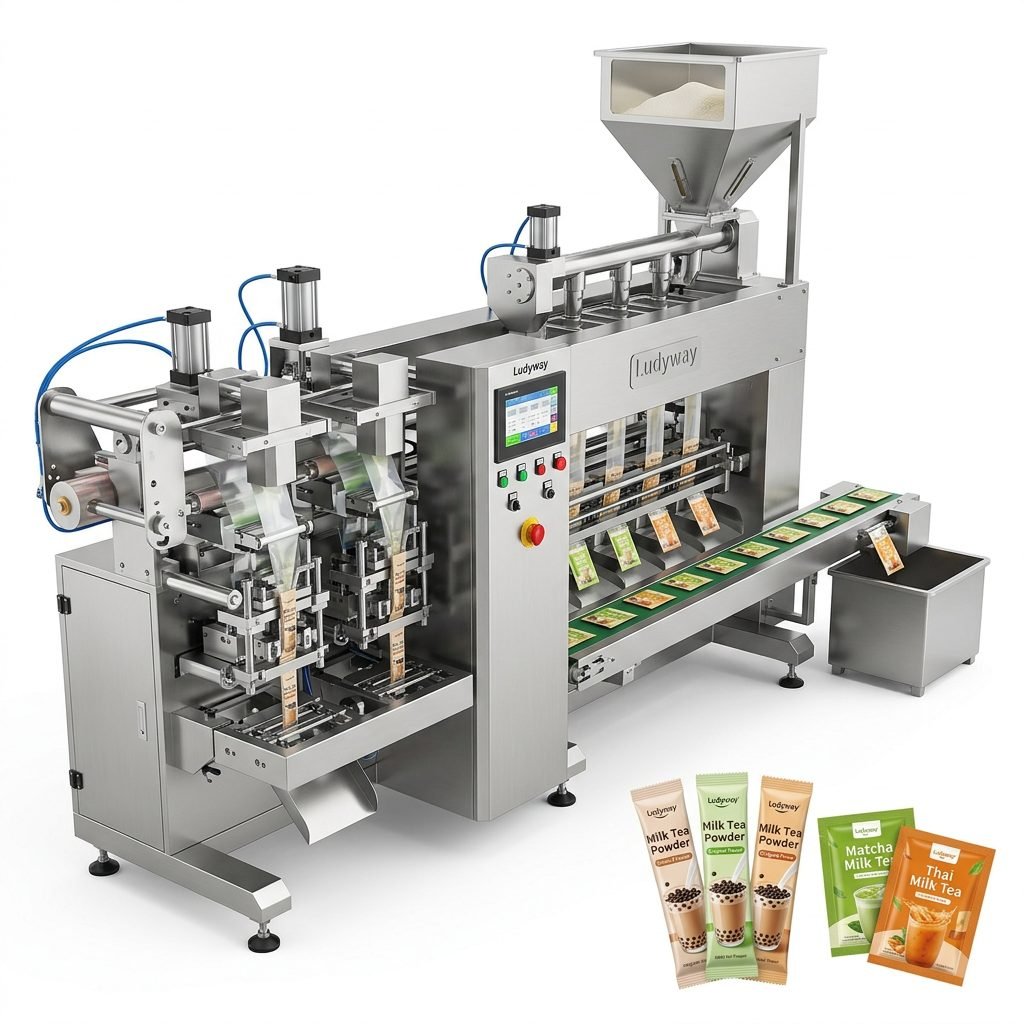
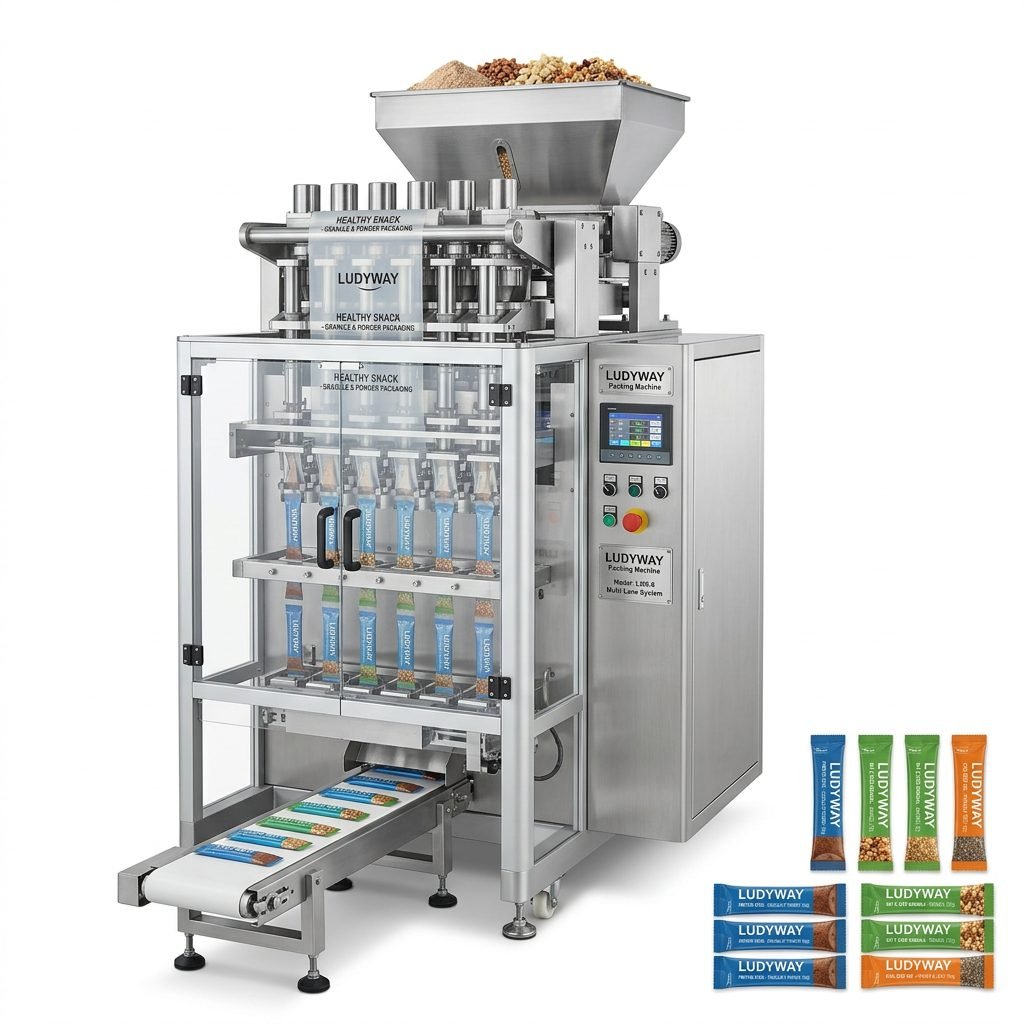
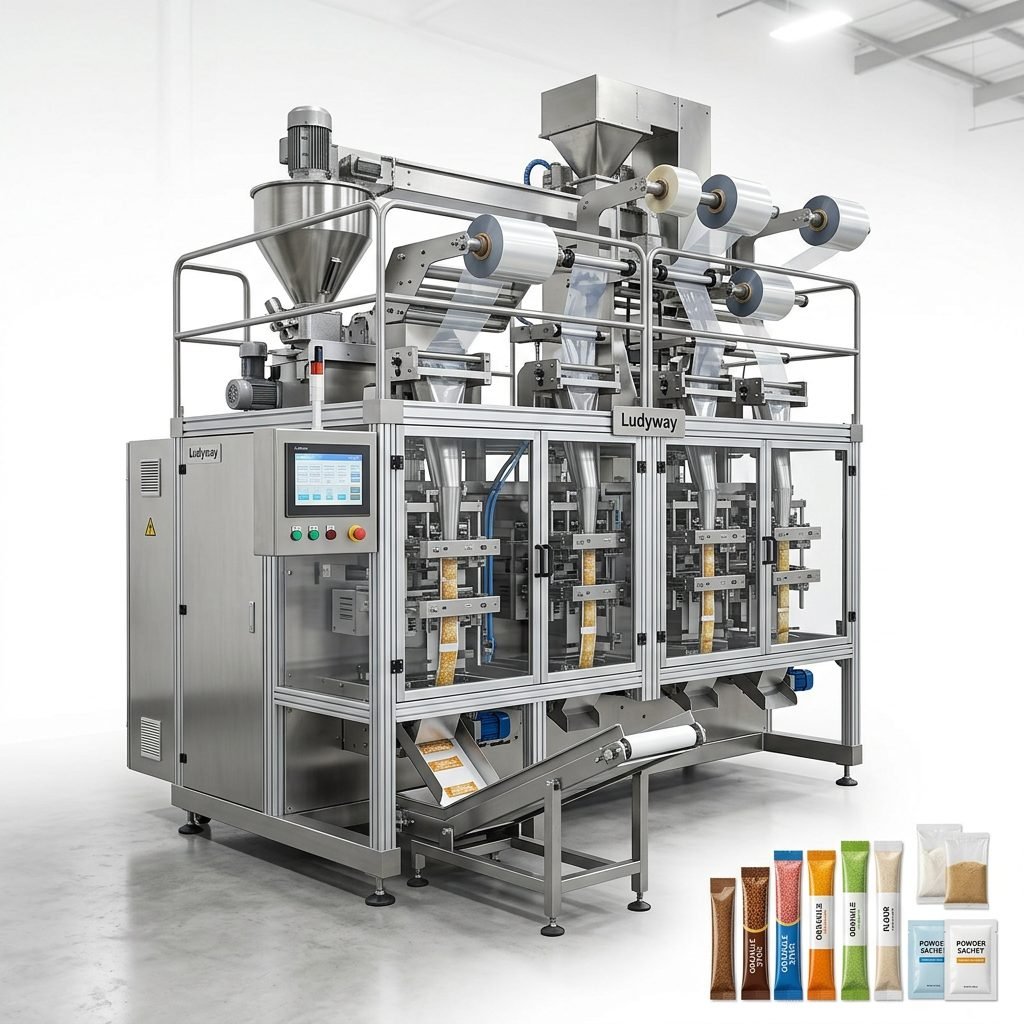
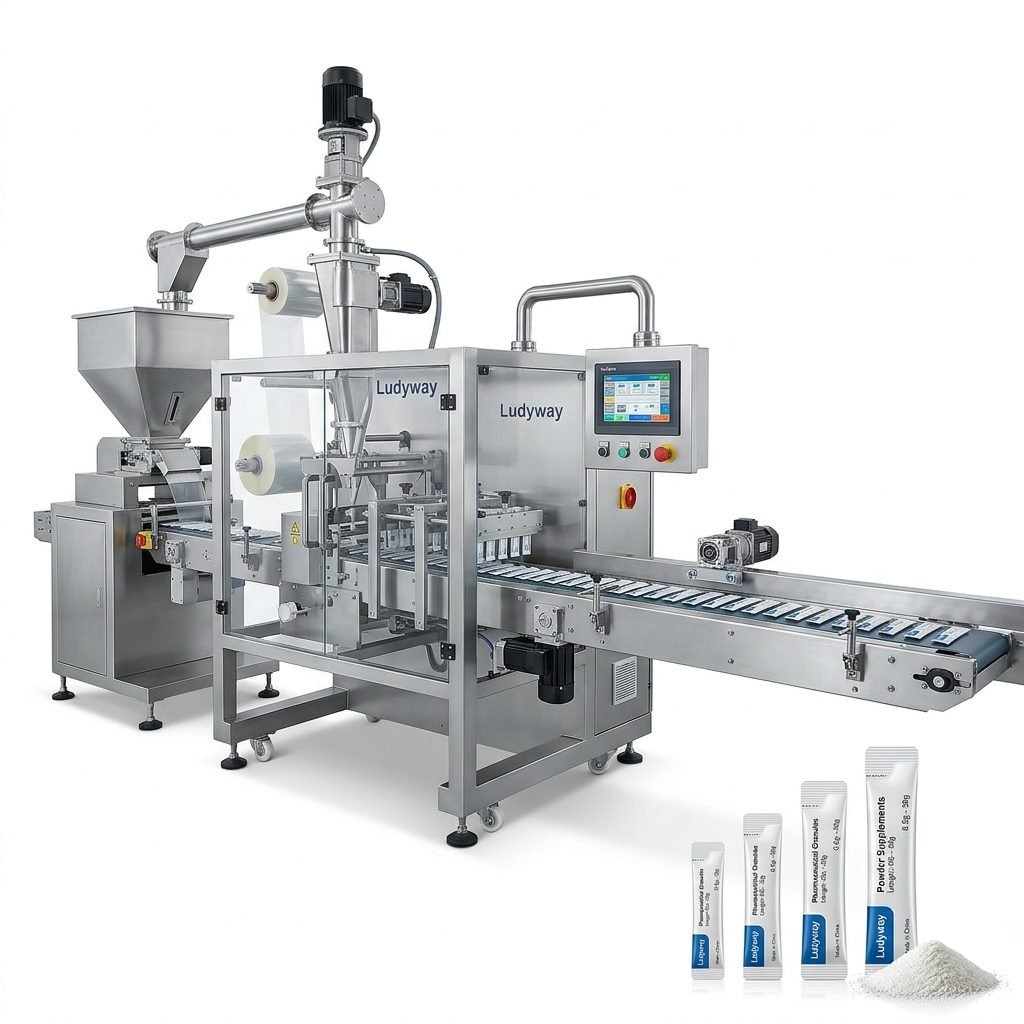
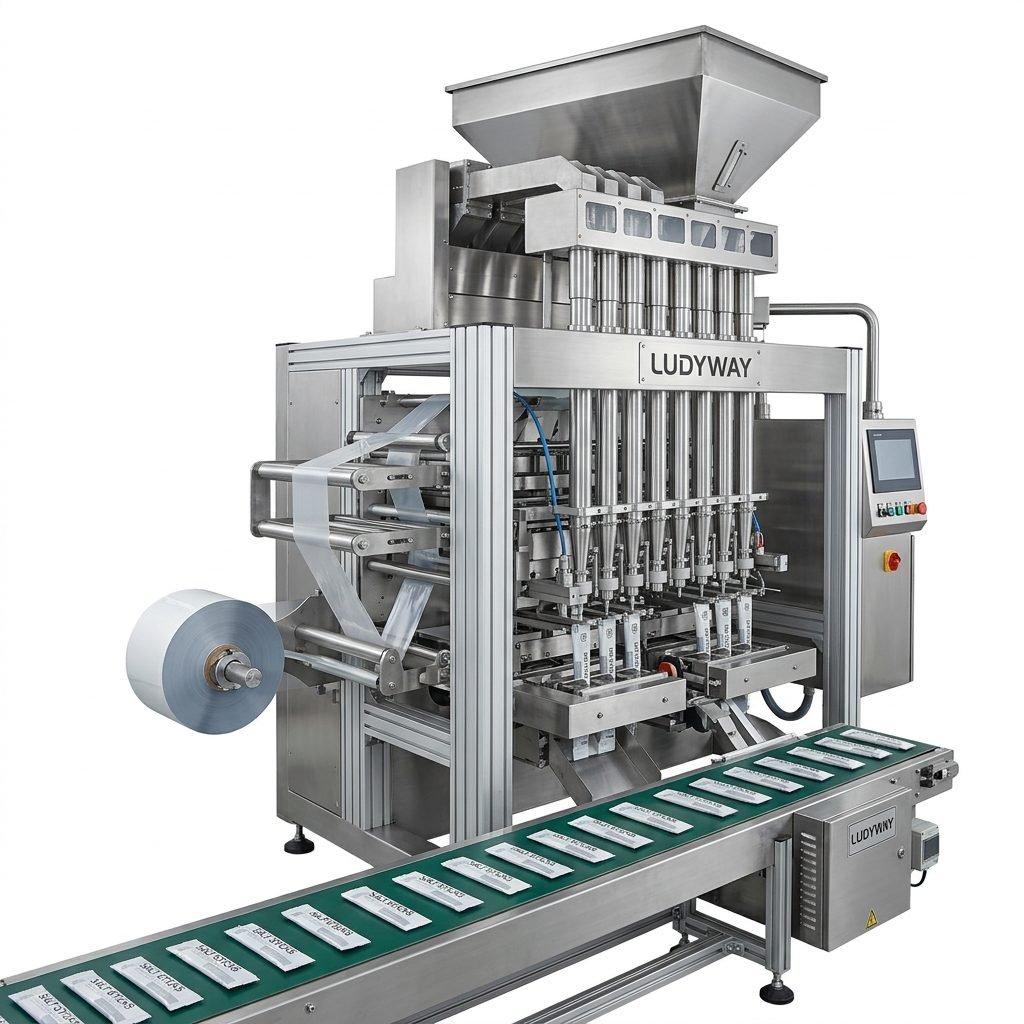
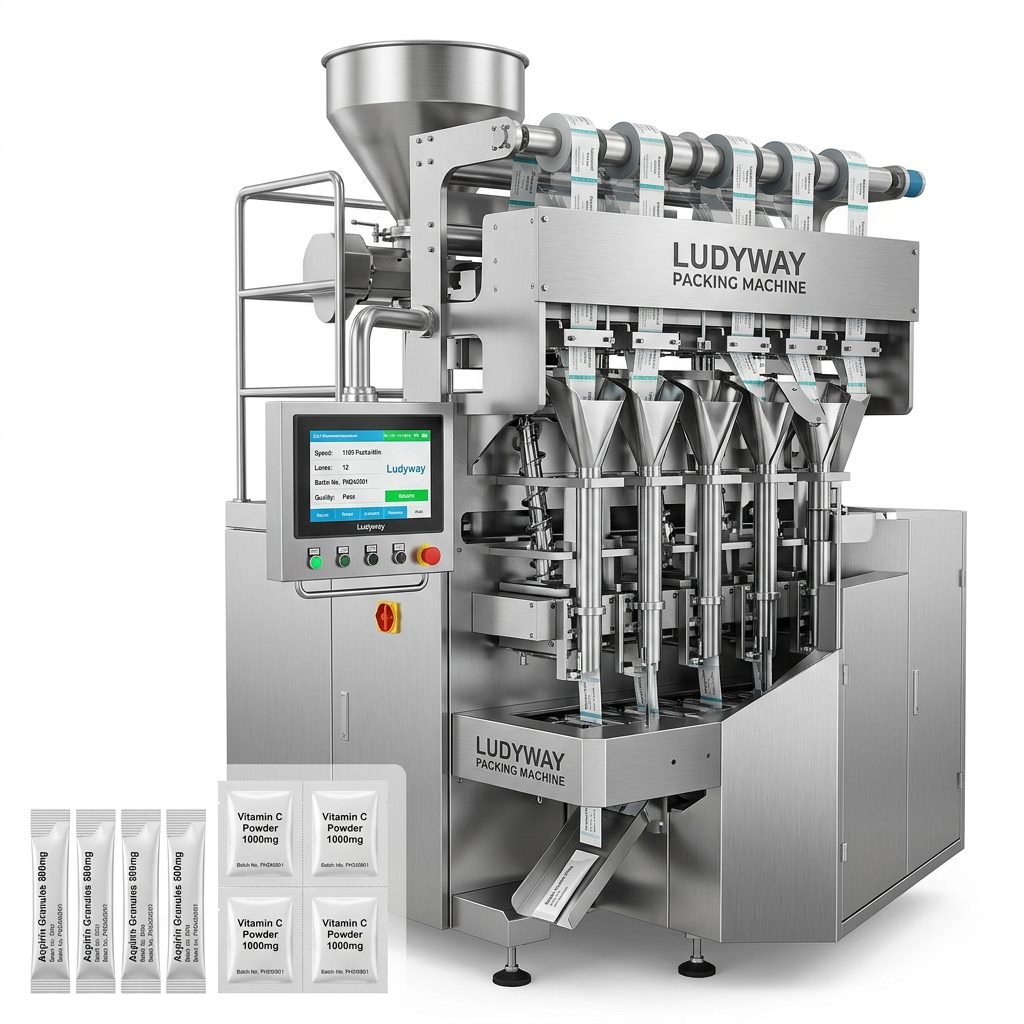
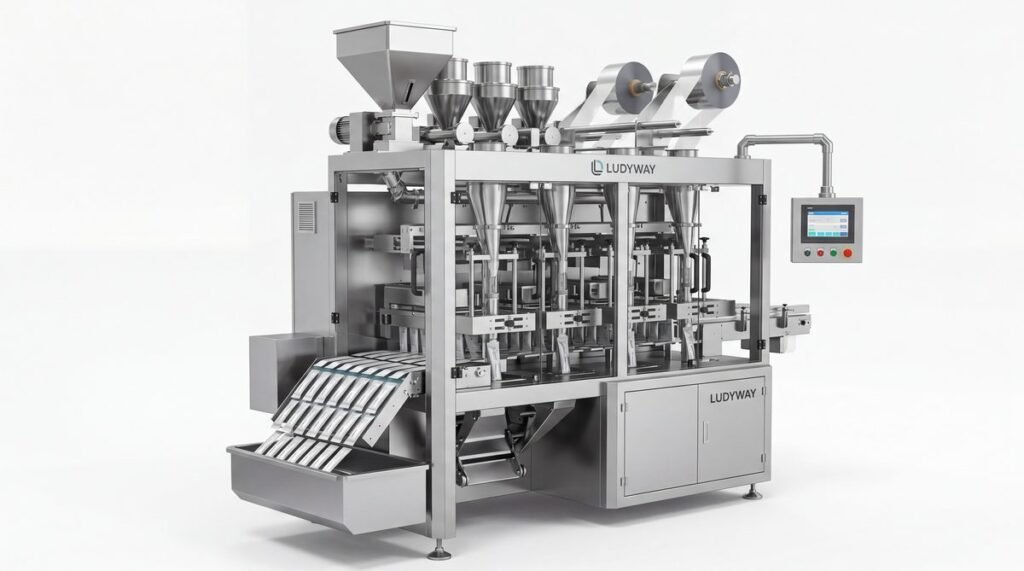
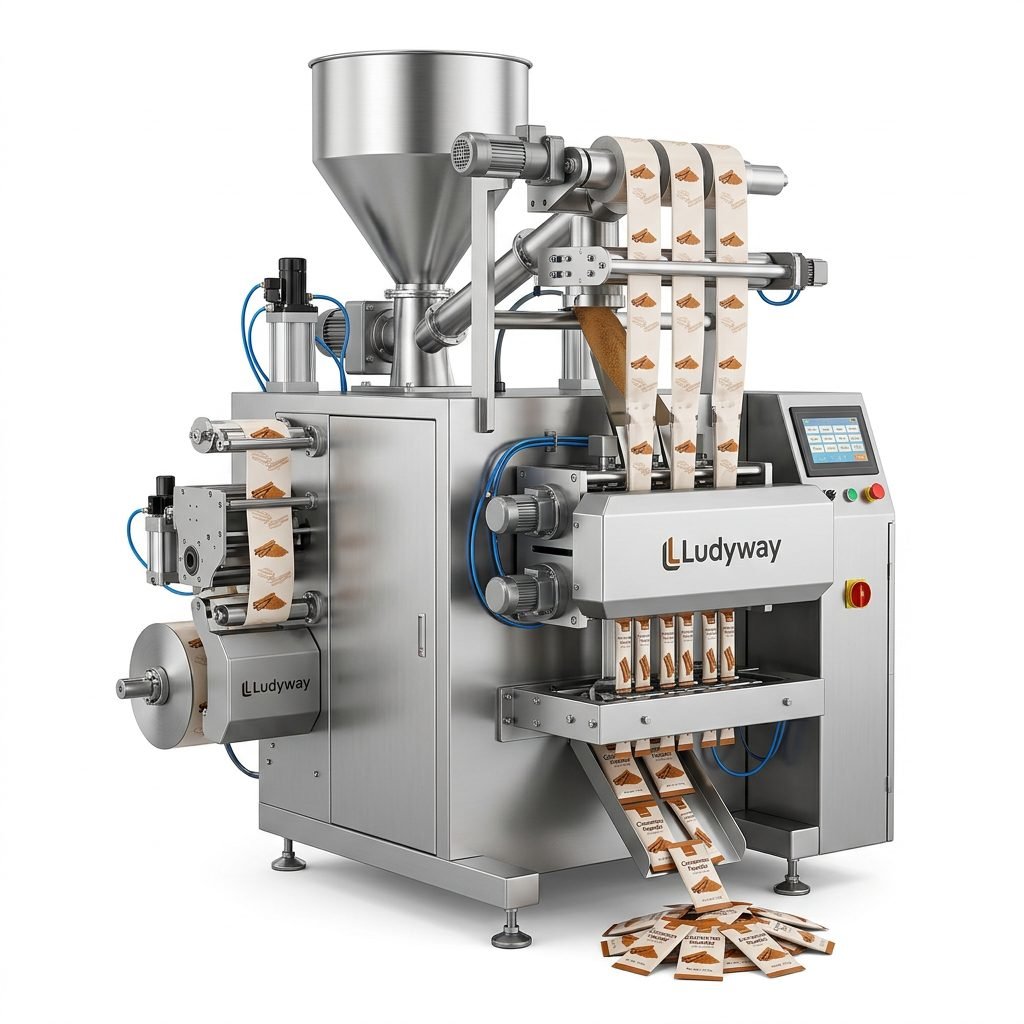
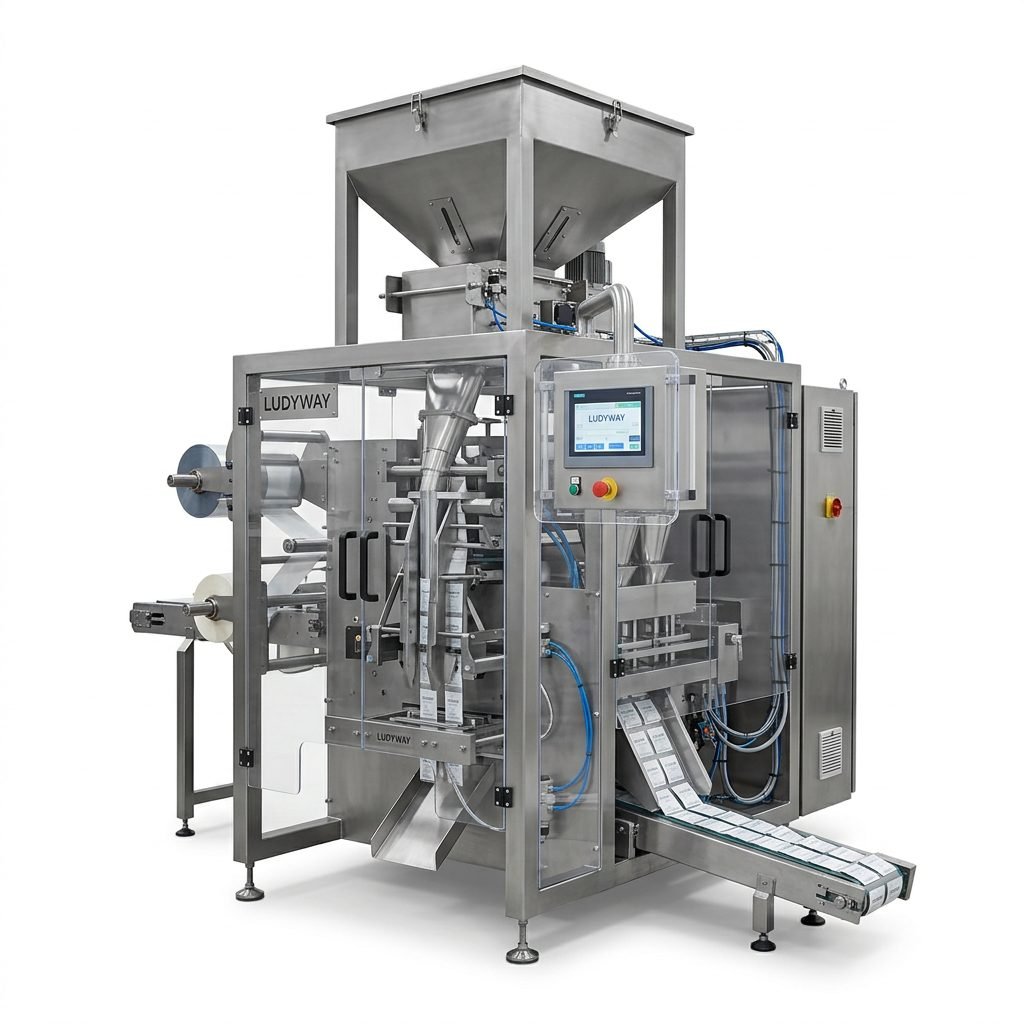
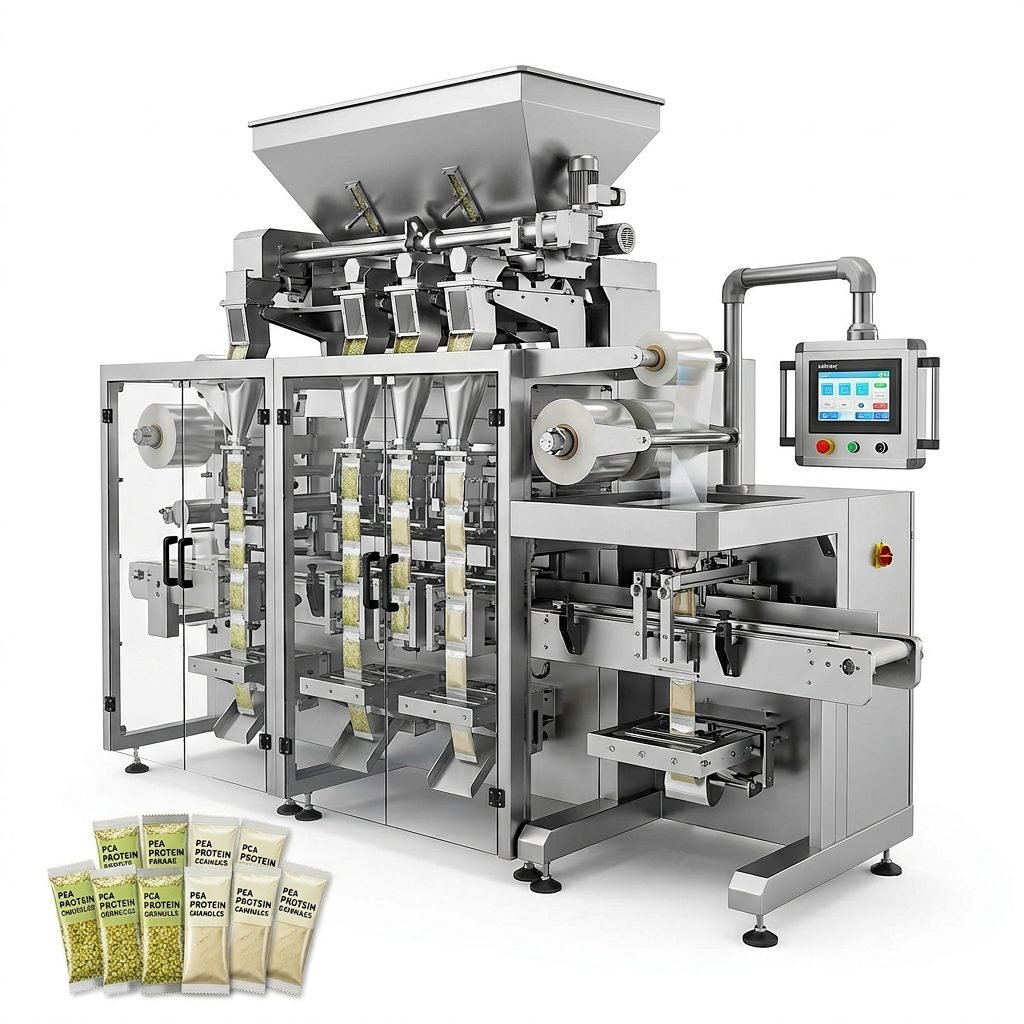
Operators must develop a solid understanding of the machine’s core components and functions. This includes knowledge of feeding systems, weighing or volumetric dosing mechanisms, film handling and sealing jaws, and the programmable logic controller (PLC) interface. The ability to perform basic troubleshooting—such as clearing a film jam, adjusting tension, or identifying a faulty sensor—is crucial for minimizing downtime. Familiarity with mechanical adjustments for different package sizes or product formats is equally important.
Key Focus: Deep familiarity with the specific machine model’s manual is the first step to technical proficiency. Understanding the “why” behind each adjustment prevents guesswork and promotes precision.
Process Understanding & Quality Control
An operator is the first line of defense for product quality. Skills in this area involve monitoring seal integrity, checking for accurate fill weights, and ensuring correct labeling and coding. Operators should be trained to use basic quality control instruments like checkweighers or seal strength testers. They must understand how factors like film quality, environmental conditions (humidity, temperature), and machine settings directly impact the final packaged product.
Safety-Conscious Mindset
This is the most critical skill set, foundational to all others. A safety-conscious operator consistently follows lockout-tagout (LOTO) procedures, recognizes potential hazards (pinch points, moving parts, high temperatures), and utilizes all required personal protective equipment (PPE). This mindset prioritizes safe work practices over speed or convenience, protecting both the individual and the team.
Exploring Certification and Training Pathways
Formal training and certification validate an operator’s skills, enhance their career prospects, and assure employers of a standardized competency level. Several options exist, from manufacturer-specific programs to broader industry credentials.
Original Equipment Manufacturer (OEM) Training
This is often the most direct and effective training path. Reputable packaging machinery suppliers, such as Ludyway Machinery, typically provide comprehensive training programs upon installation of new equipment. These sessions are tailored to the specific machine model and cover operation, routine maintenance, basic troubleshooting, and essential safety protocols. Completion often results in a manufacturer-issued certificate of training.
Industry Association Certifications
Organizations like the Packaging Machinery Manufacturers Institute (PMMI) offer broader, industry-recognized credentials. Programs like PMMI’s Mechatronics Certification or their various training modules focus on universal principles of packaging automation, electrical systems, fluid power, and safety standards. These certifications demonstrate a well-rounded knowledge applicable across different equipment brands.
Vocational & Technical College Programs
Many community colleges and technical schools offer certificate or associate degree programs in mechatronics, industrial maintenance, or manufacturing technology. These programs provide a strong theoretical foundation combined with hands-on lab work, preparing individuals for advanced roles in equipment operation and maintenance.
Choosing the Right Path
The best choice depends on career goals. OEM training is essential for immediate machine competency, while industry certifications build long-term, transferable career value. Many professionals pursue a combination: starting with OEM training and later adding broader certifications for advancement.
Safety Best Practices: A Non-Negotiable Protocol
Adherence to safety protocols is paramount in an environment with high-speed moving parts, thermal sealing elements, and automated systems. The following best practices must be ingrained in daily operations.
Pre-Operational Safety Checks
Before starting any machine, a systematic check must be performed. This includes verifying that all safety guards and interlocks are in place and functional, ensuring the work area is clear of tools, debris, and obstructions, and confirming that emergency stop buttons are easily accessible and operational. A pre-start checklist is a highly effective tool to standardize this process.
Rigorous Lockout/Tagout (LOTO) Compliance
LOTO procedures are the definitive safeguard against the unexpected energization or startup of machinery during cleaning, maintenance, or clearing a jam. Every operator must be thoroughly trained in the company’s specific LOTO policy. This involves isolating energy sources (electrical, pneumatic, hydraulic), applying personal lockout devices, and verifying a zero-energy state before any hands-on intervention inside machine guards.
Proper Use of Personal Protective Equipment (PPE)
Mandatory PPE for packaging equipment operators typically includes safety glasses to protect eyes from flying particles, hearing protection in high-noise environments, cut-resistant gloves when handling film or tools, and appropriate footwear. Management must provide suitable PPE and enforce its consistent use.
Clear Communication and Housekeeping
Safety is a team effort. Clear communication about machine status (e.g., “locking out for maintenance”) is vital. Furthermore, maintaining a clean and organized work area—free of slip and trip hazards, with clearly marked aisles and designated storage for tools—prevents countless accidents. Good housekeeping is a visible indicator of a strong safety culture.
Integrating Training into Operational Excellence
For training to have a lasting impact, it must be integrated into the company’s operational culture. This means moving beyond one-time sessions to establish a framework for continuous learning and skill validation.
Creating detailed Standard Operating Procedures (SOPs) for each machine provides a constant reference for operators. Implementing a buddy system for new hires, where they shadow experienced and safety-certified operators, accelerates practical learning. Furthermore, establishing a regular refresher training schedule, perhaps annually or bi-annually, helps reinforce critical knowledge and introduce updates on procedures or equipment. Companies that partner with knowledgeable suppliers for ongoing technical support and advanced training ensure their teams remain at the forefront of best practices.
The Role of Leadership
Management commitment is the engine of effective training. Leadership must visibly prioritize safety and training by allocating resources, time, and budget. Recognizing and rewarding safe behaviors and skill development reinforces their importance and fosters a proactive, skilled, and safety-first workforce.
Frequently Asked Questions (FAQs)
What is the most critical safety rule for packaging equipment operators?
Without exception, the strict adherence to Lockout/Tagout (LOTO) procedures is the most critical rule. It is the primary defense against catastrophic injury from unexpected machine movement during any non-operational task.
How often should packaging machine operators receive refresher training?
Refresher training should be conducted at least annually. However, it should also be mandated whenever a new machine is introduced, after a significant safety incident, or when procedural changes are implemented.
Is OEM training better than a general industry certification?
They serve different purposes. OEM training is specific and immediately applicable to the machine on your floor. A general industry certification provides broader, transferable knowledge. For comprehensive competency, a combination of both is ideal.
What are common signs that an operator may need additional training?
Frequent minor jams or malfunctions, consistent quality deviations (under/overfills, poor seals), hesitation or incorrect actions during troubleshooting, and any observed shortcuts on safety procedures are clear indicators that additional training or coaching is required.
Can effective training reduce packaging machine downtime?
Absolutely. A well-trained operator can perform faster and more accurate adjustments, conduct proactive basic maintenance, and resolve common issues swiftly, significantly reducing unplanned downtime and improving overall equipment effectiveness (OEE).