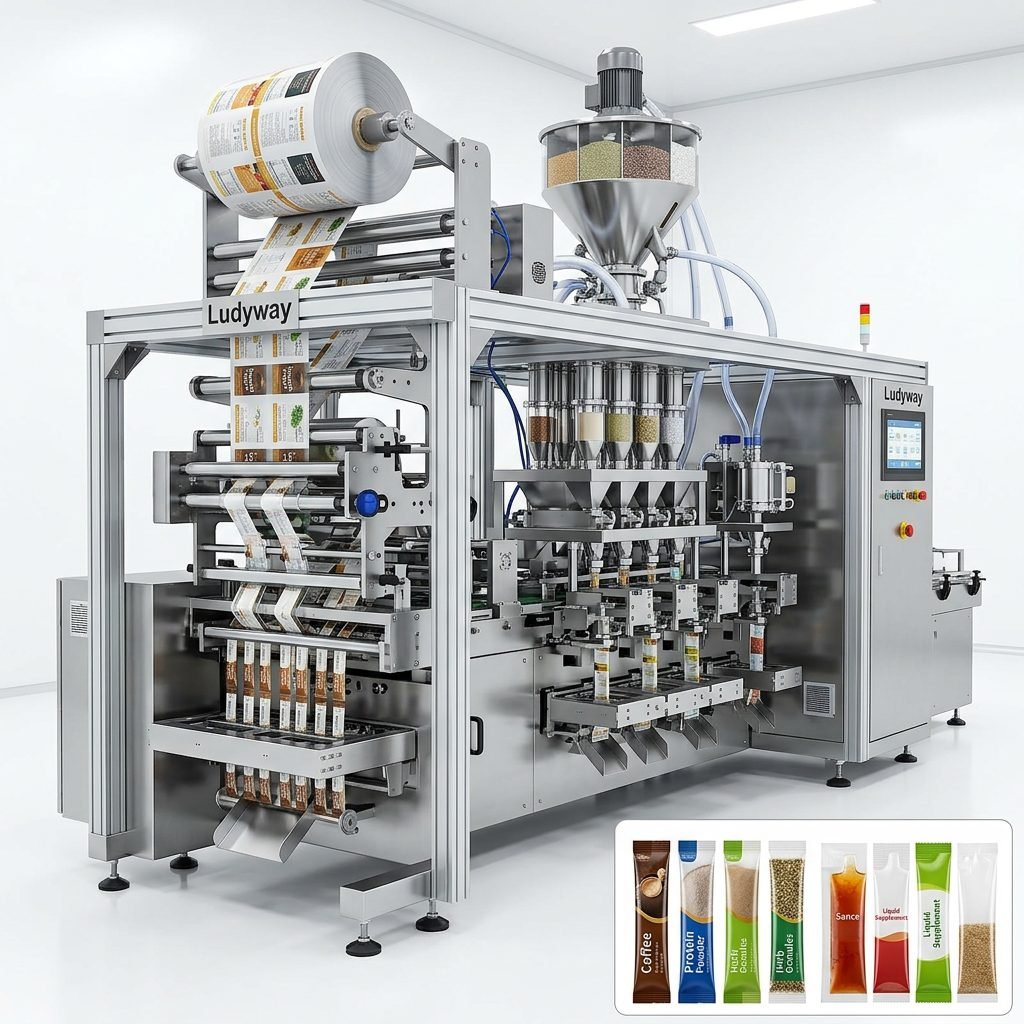
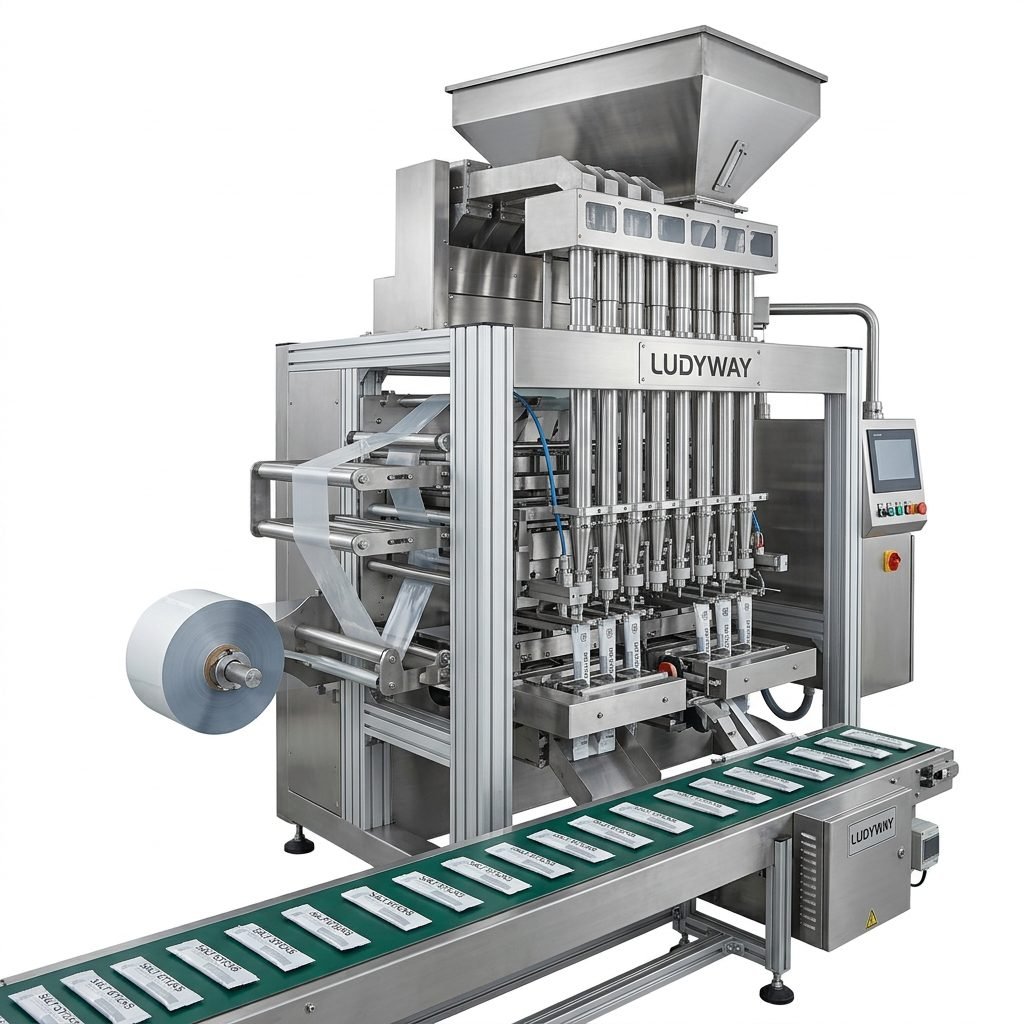
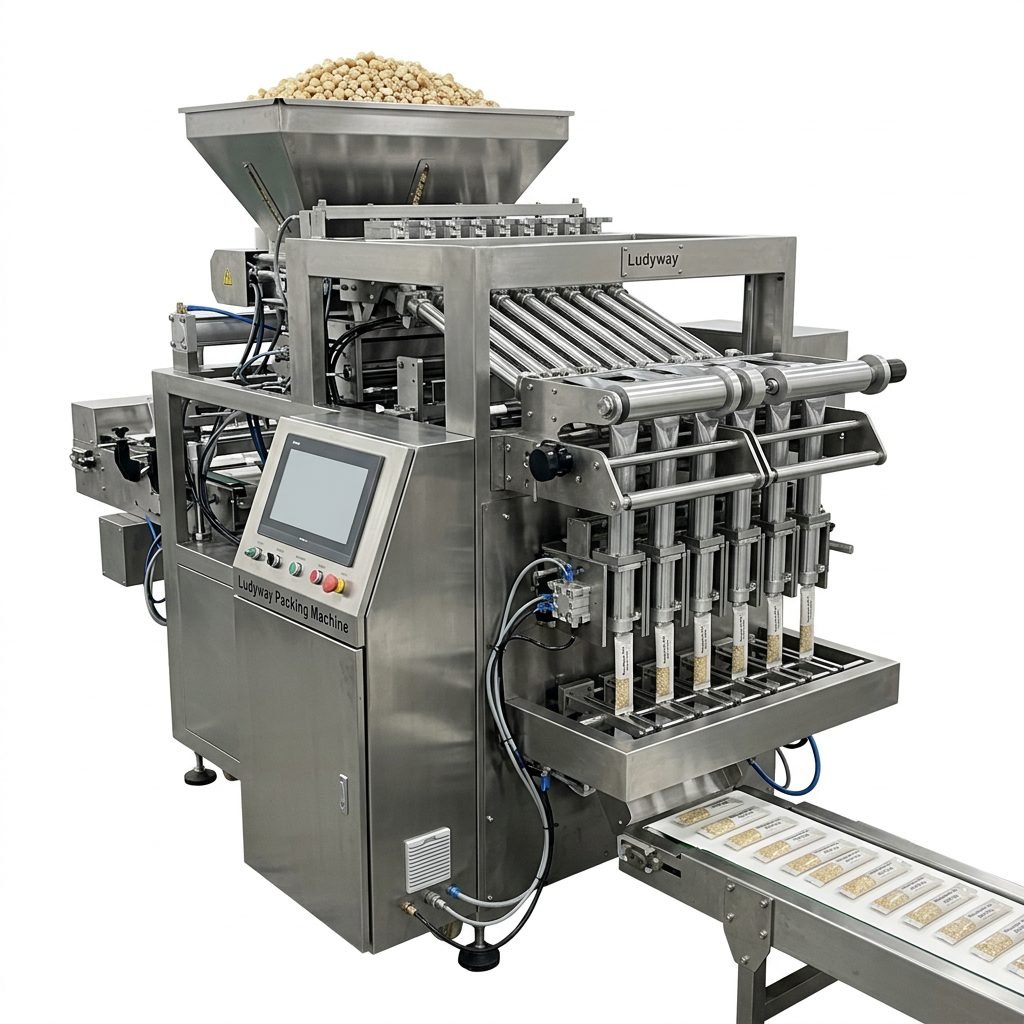
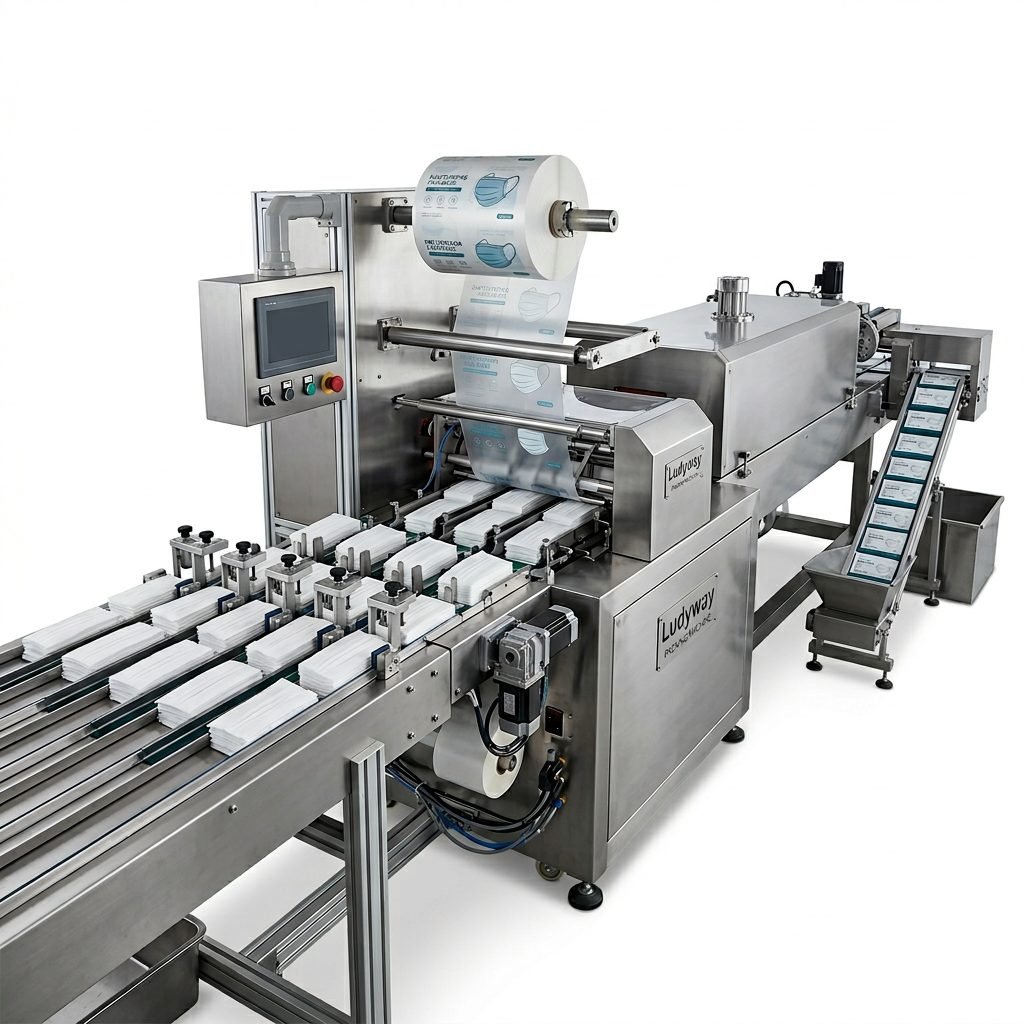
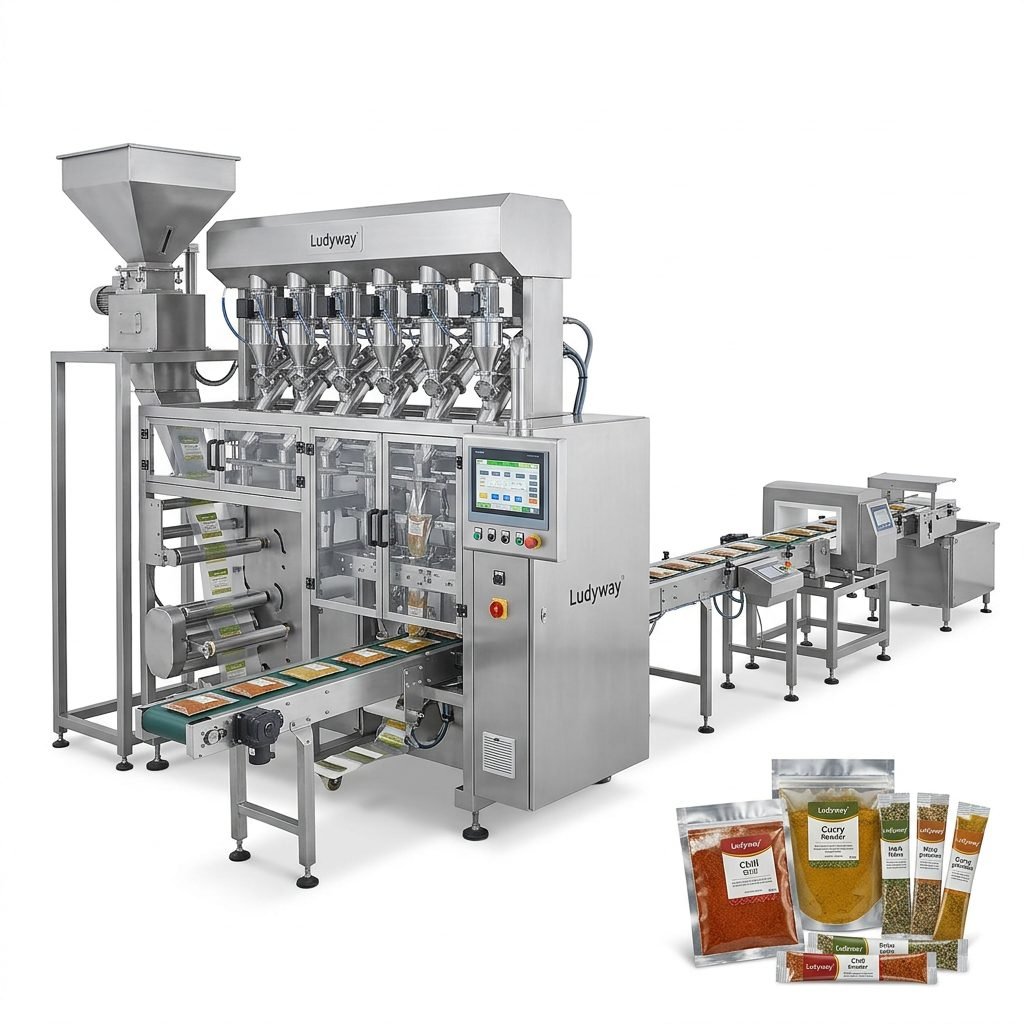
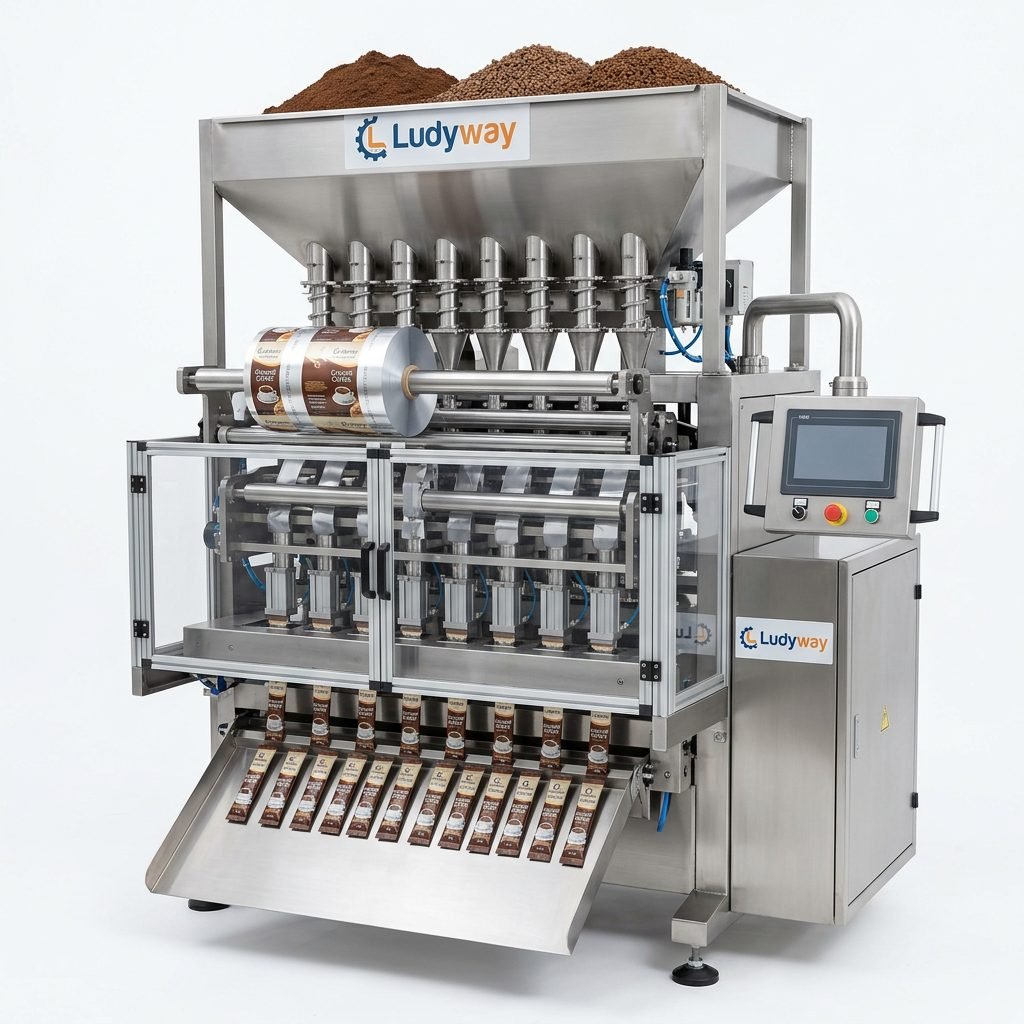
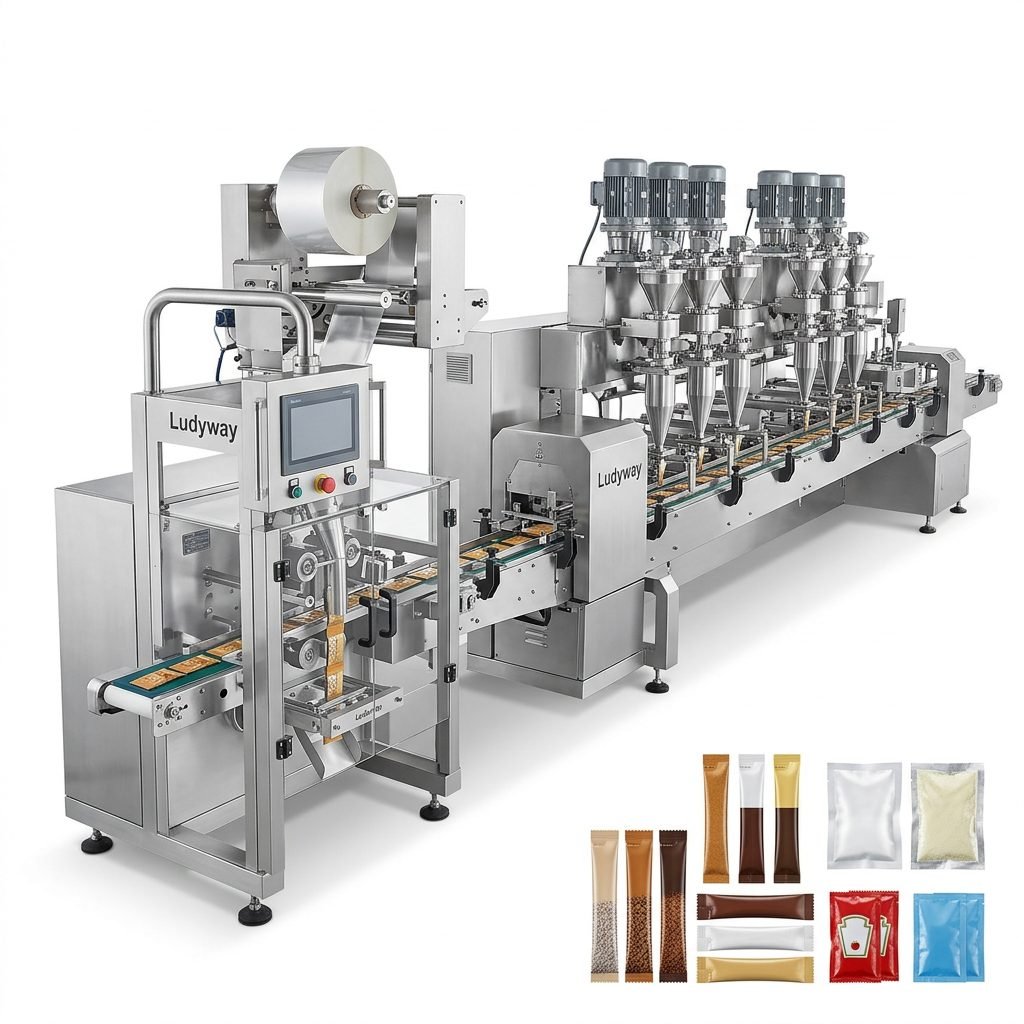
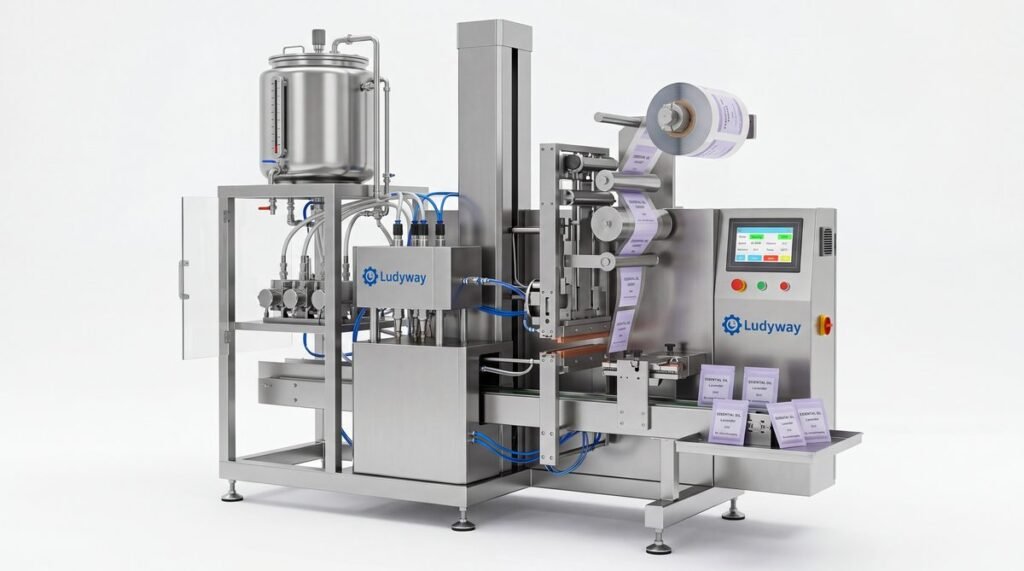
Regular maintenance is the cornerstone of reliable production. A well-maintained plastic packing machine not only extends equipment lifespan but also ensures consistent sealing quality and reduces unexpected downtime. Whether you operate a single-lane sachet machine or a fully automated multi-lane system, following a structured upkeep routine is essential for better performance and long-term cost savings.
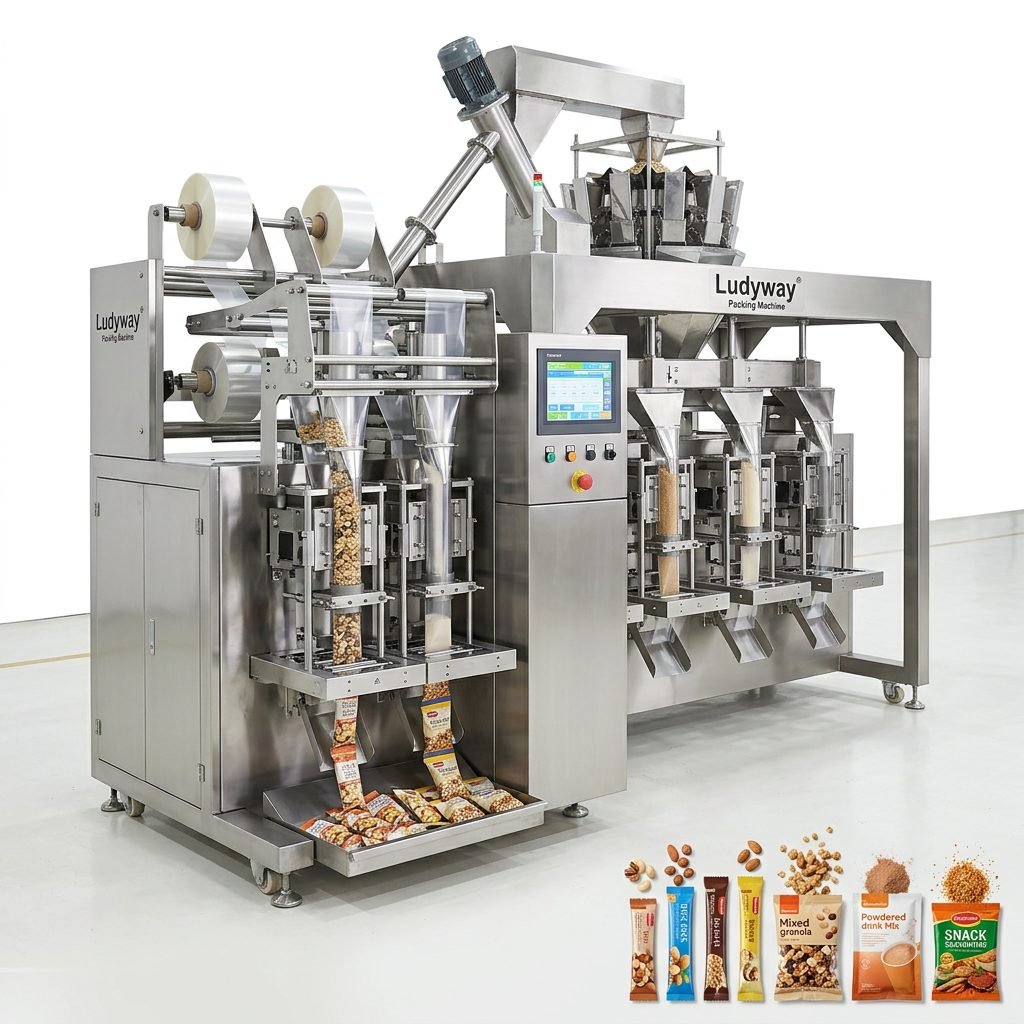
Why Routine Maintenance Matters
Plastic packing machines handle constant motion, heat sealing, and material friction. Without proper care, components like sealing jaws, film tension rollers, and temperature controllers begin to degrade. The result is inconsistent pouch quality, film waste, and unplanned stoppages. A proactive maintenance schedule directly improves overall equipment effectiveness (OEE) and keeps your packaging line running at peak output.
Daily Inspection Checklist
Operators should perform a quick visual and functional check at the start of every shift. Here are the key items to monitor:
- Sealing temperature – verify the setpoint matches the film specification
- Film alignment – check tracking and tension to prevent wrinkling
- Air pressure – confirm pneumatic systems operate within recommended PSI
- Safety guards – ensure all interlocks and covers are securely in place
- Unusual sounds – listen for grinding, squeaking, or irregular motor noise
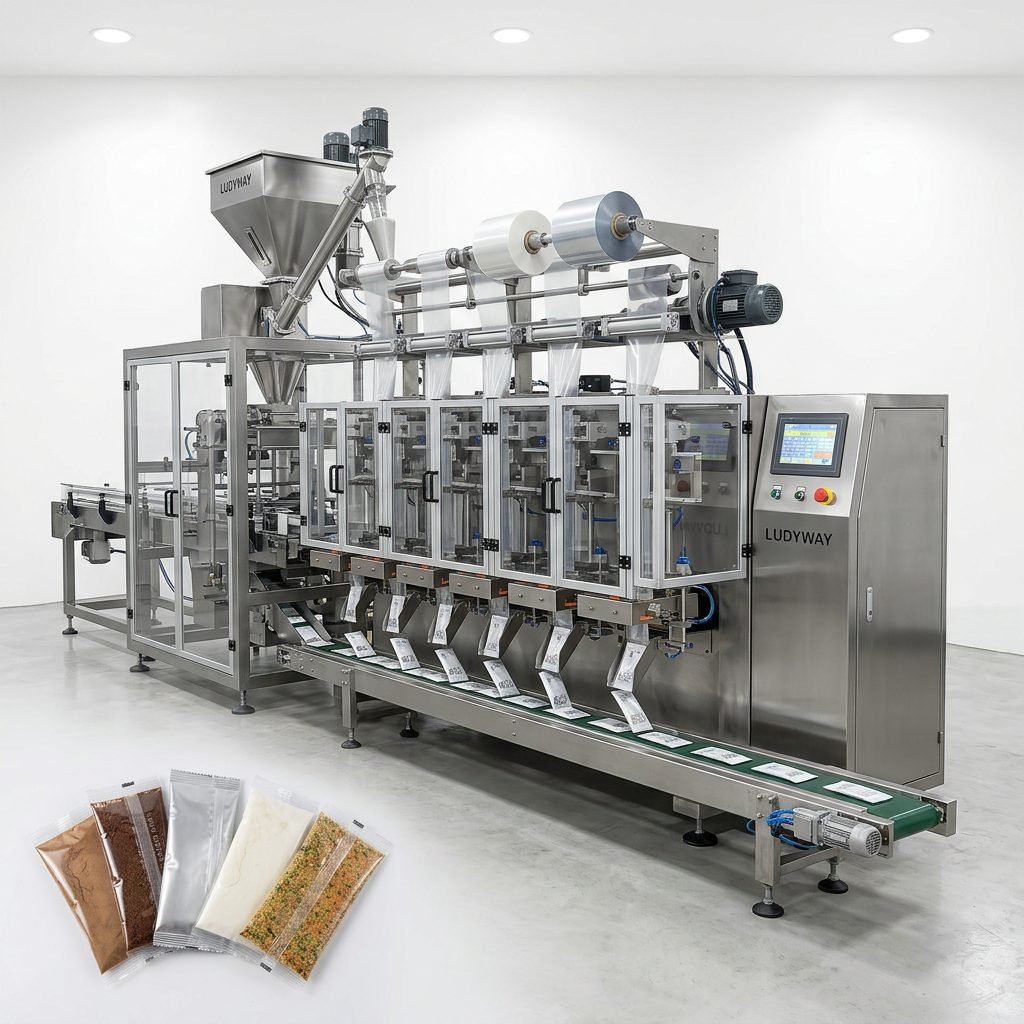
Critical Maintenance Tasks by Frequency
Different components require attention at different intervals. Use the table below as a reference maintenance schedule for your plastic packing machine.
| Frequency | Task | Key Focus Areas |
|---|---|---|
| Daily | Clean film path and sealing area | Remove dust, film residue, product spillage |
| Weekly | Lubricate moving parts | Chains, bearings, cam followers, guide rails |
| Monthly | Inspect electrical connections | Wiring, terminals, sensors, controller boards |
| Quarterly | Calibrate temperature and timing | PID controllers, thermocouples, dwell time settings |
| Annually | Full machine overhaul | Replace worn parts, belt tensioning, gearbox inspection |
Proper Cleaning Procedures
Cleaning is the most frequent maintenance activity and directly affects packaging quality. Follow these guidelines for safe and effective cleaning:
- Always disconnect power before cleaning any internal components
- Use food-grade cleaning agents if the machine handles edible products
- Avoid abrasive tools that can scratch sealing surfaces or sensor lenses
- Clean photoelectric sensors with a lint-free cloth to maintain accurate film registration
- Remove accumulated product dust from the filling area to prevent cross-contamination
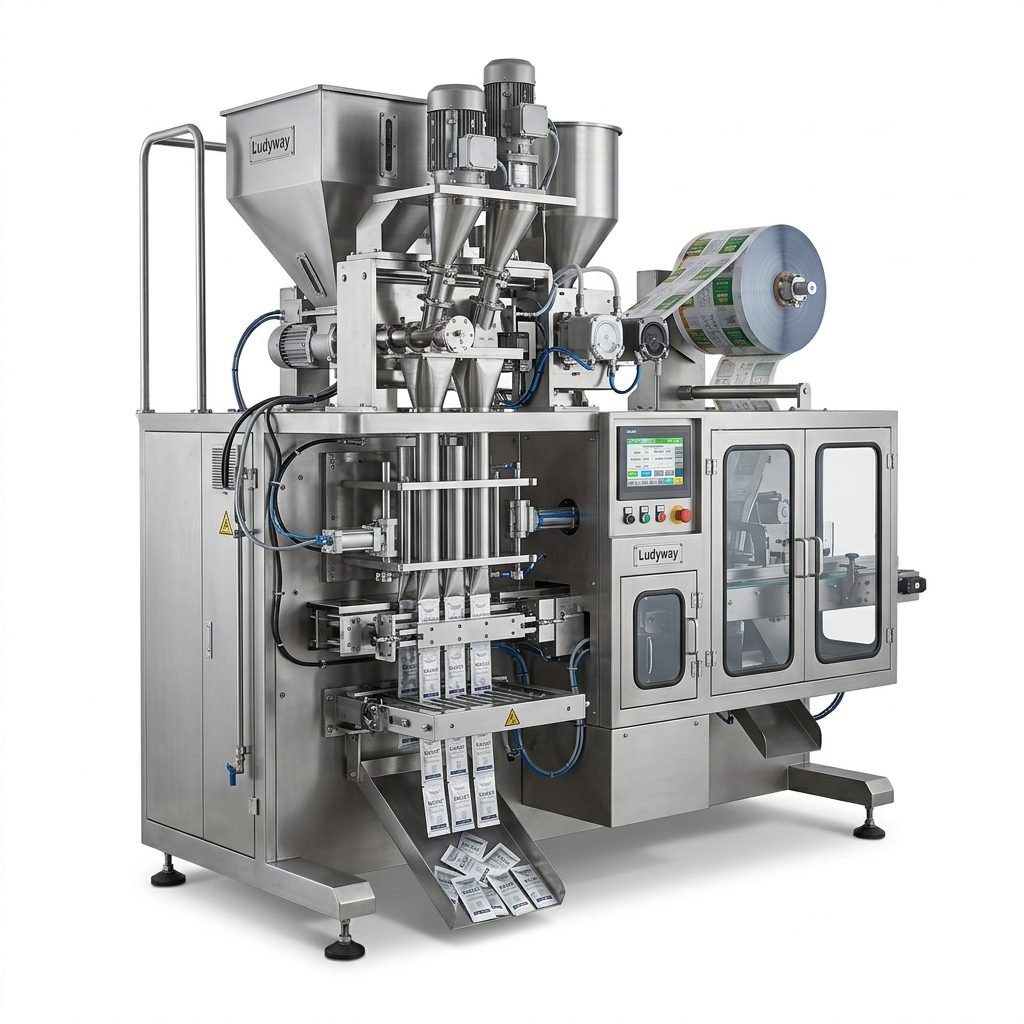
Lubrication Best Practices
Effective lubrication reduces friction, heat buildup, and premature wear. However, over-lubrication can be just as harmful as under-lubrication. Key points to remember:
- Use only manufacturer-recommended lubricants suitable for packaging environments
- Apply grease sparingly to bearing housings and linear guides
- Check oil levels in gearboxes and vacuum pumps monthly
- Wipe away excess lubricant to prevent attracting dust and debris
- Document lubrication dates and types for traceability
Common Issues and Troubleshooting
Even with regular upkeep, occasional issues arise. Here is a quick reference for diagnosing frequent problems on a plastic packing machine:
| Symptom | Possible Cause | Recommended Action |
|---|---|---|
| Weak or incomplete seals | Low temperature, worn sealing jaw, or incorrect dwell time | Recalibrate temperature controller; inspect and replace sealing element if needed |
| Film tracking off center | Misaligned rollers or inconsistent tension | Adjust guide rollers and verify film roll alignment |
| Intermittent filling errors | Clogged nozzles or sensor malfunction | Clean filling nozzles; test and recalibrate sensors |
| Excessive motor noise | Worn bearings or insufficient lubrication | Inspect bearings; apply appropriate lubricant or schedule replacement |
Sealing System Care
The sealing mechanism is the heart of any plastic packing machine. Maintaining consistent seal quality requires particular attention to:
- Heating element condition – inspect for hot spots, oxidation, or physical damage
- Thermocouple accuracy – a faulty sensor can cause temperature drift and poor seals
- Jaw alignment – misaligned jaws create uneven pressure and inconsistent sealing
- Teflon tape or coating – replace worn non-stick surfaces to prevent film sticking
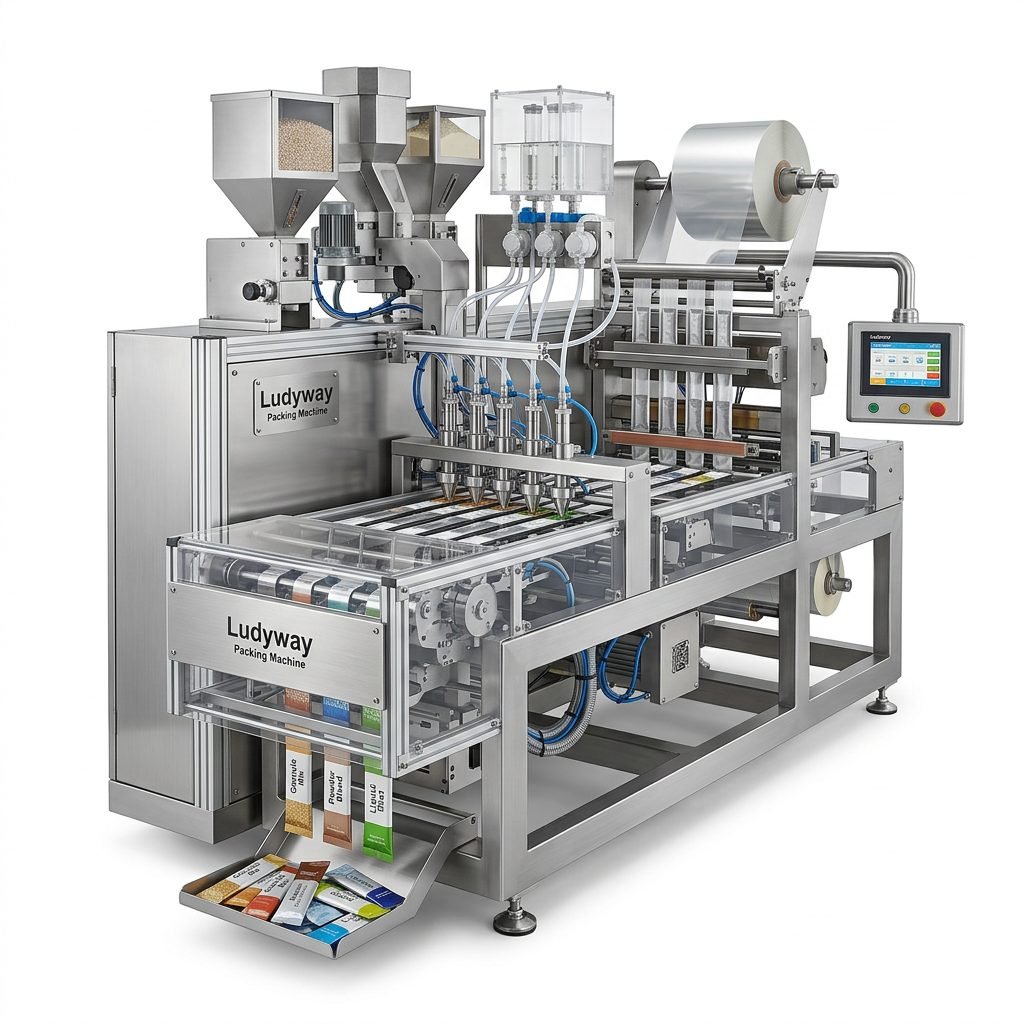
Electrical and Sensor Maintenance
Modern packaging equipment relies on precise electronic controls. Regular electrical maintenance helps prevent unexpected failures and extends component life:
- Keep control cabinets clean and dry; check door seals for integrity
- Inspect all cable connections for tightness and signs of corrosion
- Test emergency stop circuits and safety interlocks monthly
- Clean and calibrate photoelectric sensors, proximity switches, and temperature probes
- Monitor PLC backup battery status and replace according to manufacturer guidelines
Documentation and Record Keeping
Maintaining detailed service records helps identify recurring issues and optimize preventive maintenance intervals. A good documentation system includes:
- Date and description of each maintenance activity performed
- Parts replaced, including serial numbers and supplier information
- Operator observations and any deviation from normal operation
- Calibration data for temperature, pressure, and timing parameters
- Upcoming scheduled service reminders to avoid missed intervals
When to Call a Professional
While daily and weekly tasks can be handled by trained operators, certain situations demand expert intervention. Contact a qualified service technician if you encounter:
- Persistent sealing defects after recalibration attempts
- PLC or HMI system errors that cannot be cleared
- Mechanical component failure requiring specialized tools
- Major electrical faults or drive system malfunctions
- Need for preventive maintenance contracts to ensure long-term reliability
For businesses seeking reliable packaging machine solutions backed by professional support, Ludyway offers over 30 years of industry expertise with a modern 20,000㎡ manufacturing facility, providing advanced equipment and comprehensive after-sales service to customers across more than 100 countries.
Industry Resources and Further Reading
Explore these authoritative sources for additional guidance on packaging machinery maintenance, standards, and industry best practices:
- PMMI – The Association for Packaging and Processing Technologies
- PMMI – Packaging Machinery Market Research and Business Intelligence
- Flexible Packaging Association – Official Website
- Flexible Packaging Association – Industry Resources and Data
- ISO – Packaging Standards and Distribution Guidelines
- FDA – Food Packaging and Food Contact Substances Regulations
A disciplined maintenance program transforms your plastic packing machine from a potential bottleneck into a reliable production asset. Consistent cleaning, timely lubrication, thorough inspections, and professional servicing work together to maximize uptime and protect your packaging investment for years to come.