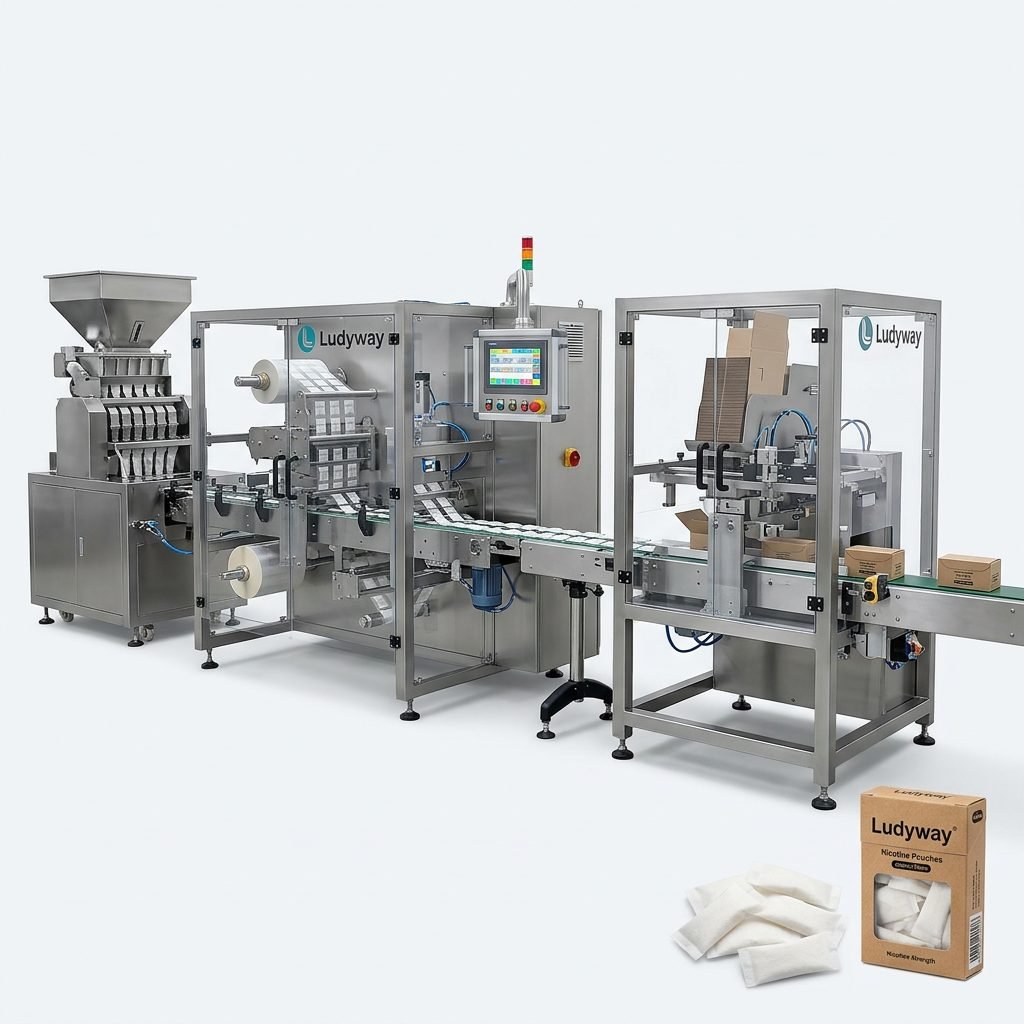
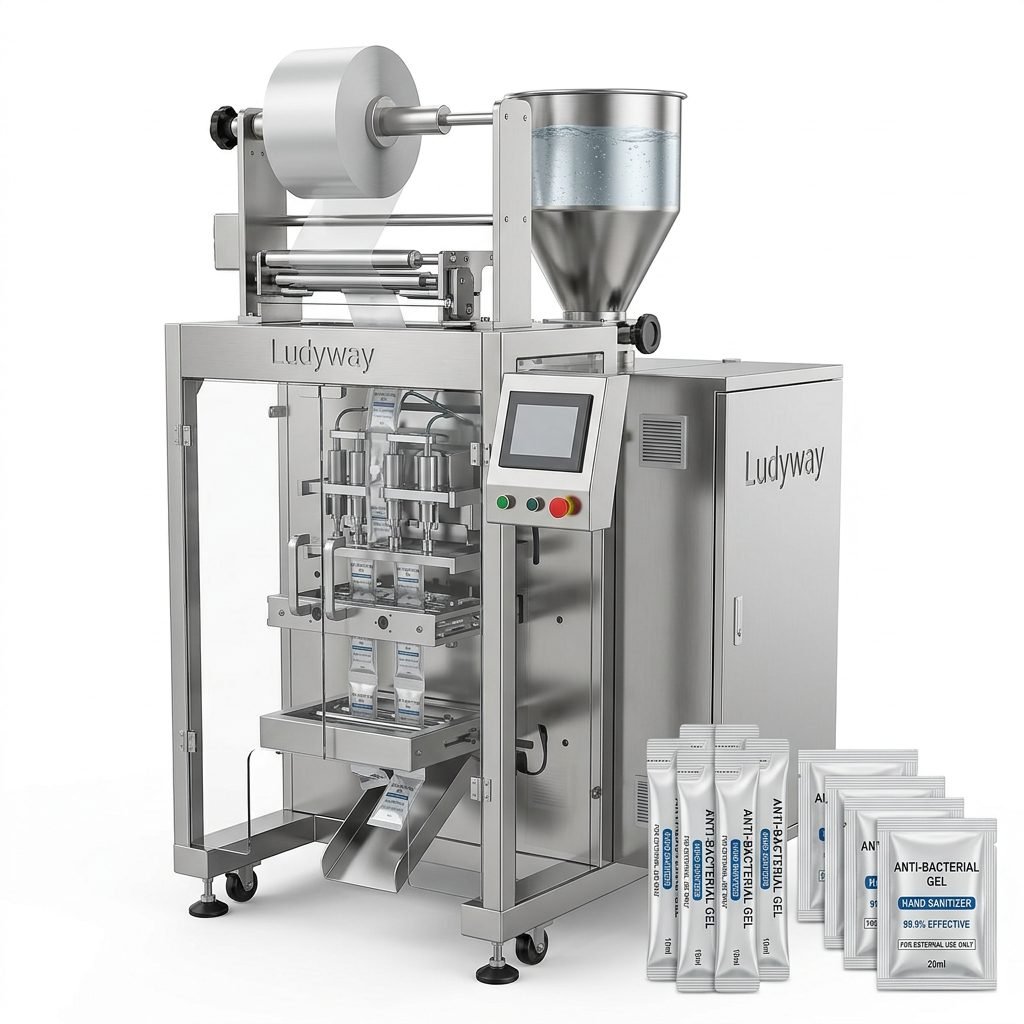
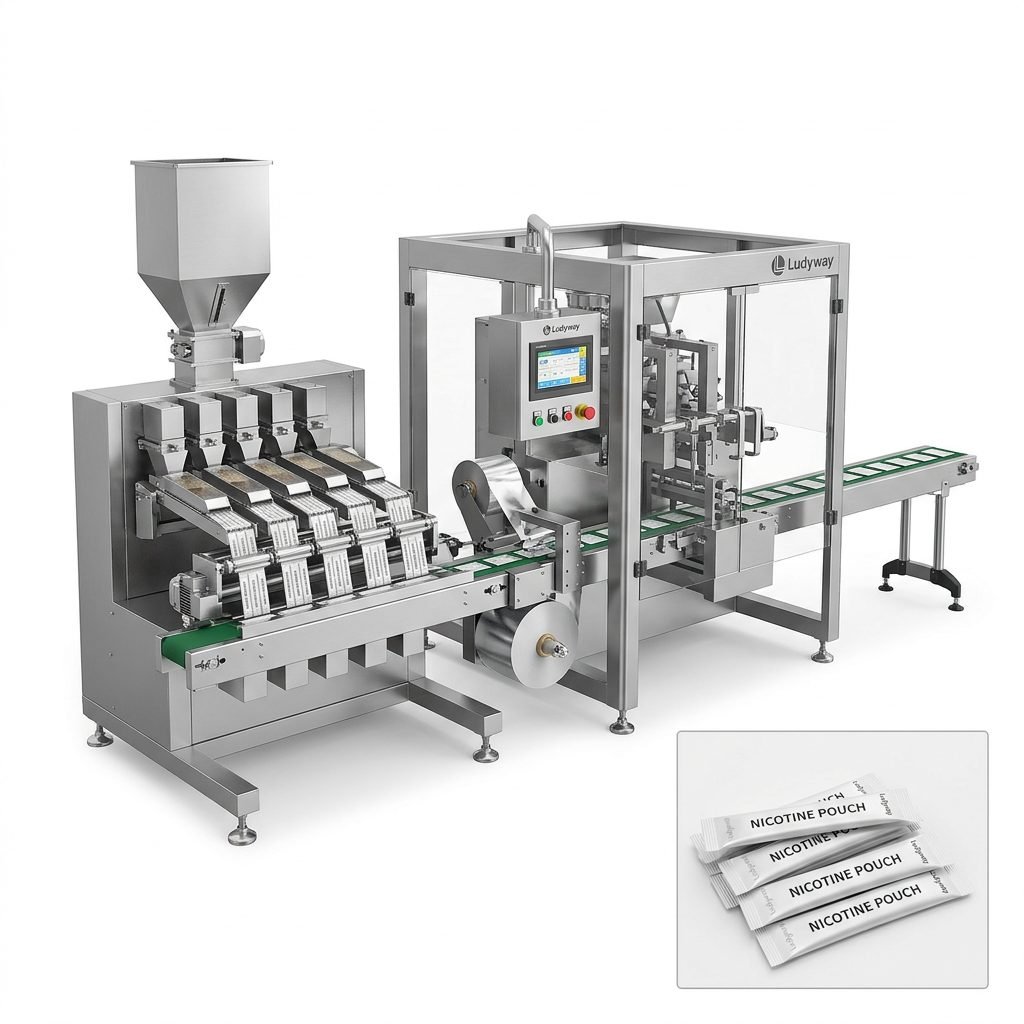
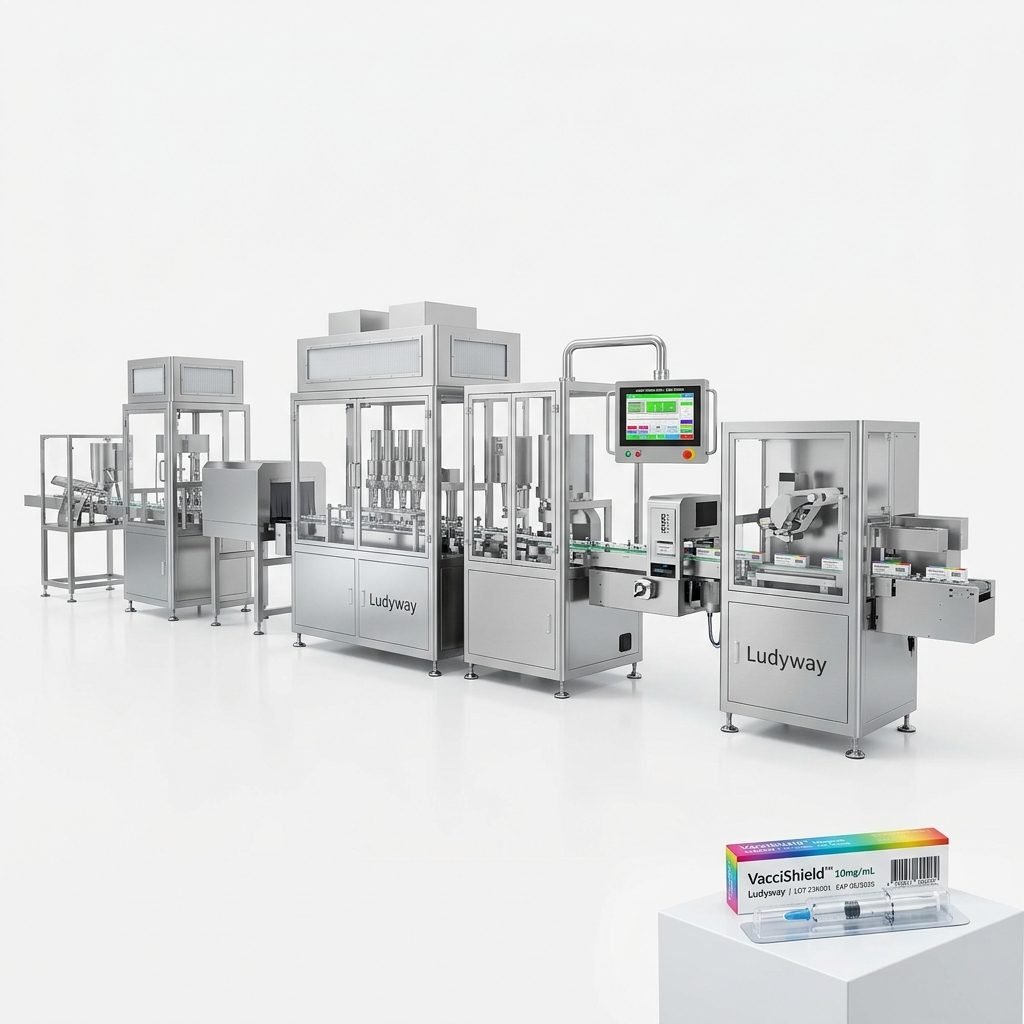
In today’s fast-paced manufacturing environment, selecting the right packaging equipment is crucial for efficiency, product integrity, and cost-effectiveness. Simplex packaging machines, known for their straightforward operation and reliable performance, are a cornerstone for many production lines, particularly in sectors like food, pharmaceuticals, and health products. This guide explores the various types of Simplex packaging equipment, their key features, and provides a structured approach to choosing the perfect machine for your specific production needs.
Understanding Simplex Packaging Machines
At their core, Simplex packaging machines are designed for simplicity and reliability. They typically handle one packaging lane or a single type of operation at a time, making them ideal for dedicated production runs or businesses with specific, consistent packaging requirements. Unlike complex multi-lane systems, Simplex machines offer easier setup, maintenance, and operator training, which can significantly reduce downtime and operational complexity.
Core Advantage: Focused Efficiency
The primary strength of a Simplex machine lies in its focused functionality. By specializing in a single packaging format—be it sachets, stick packs, or pouches—it achieves high-speed, consistent output with fewer moving parts and potential points of failure. This makes it a robust and dependable workhorse for production lines that don’t require frequent format changes.
Common Types of Simplex Packaging Equipment
The term “Simplex” applies to various packaging formats. Understanding these types is the first step in the selection process.
1. Simplex Vertical Form-Fill-Seal (VFFS) Machines
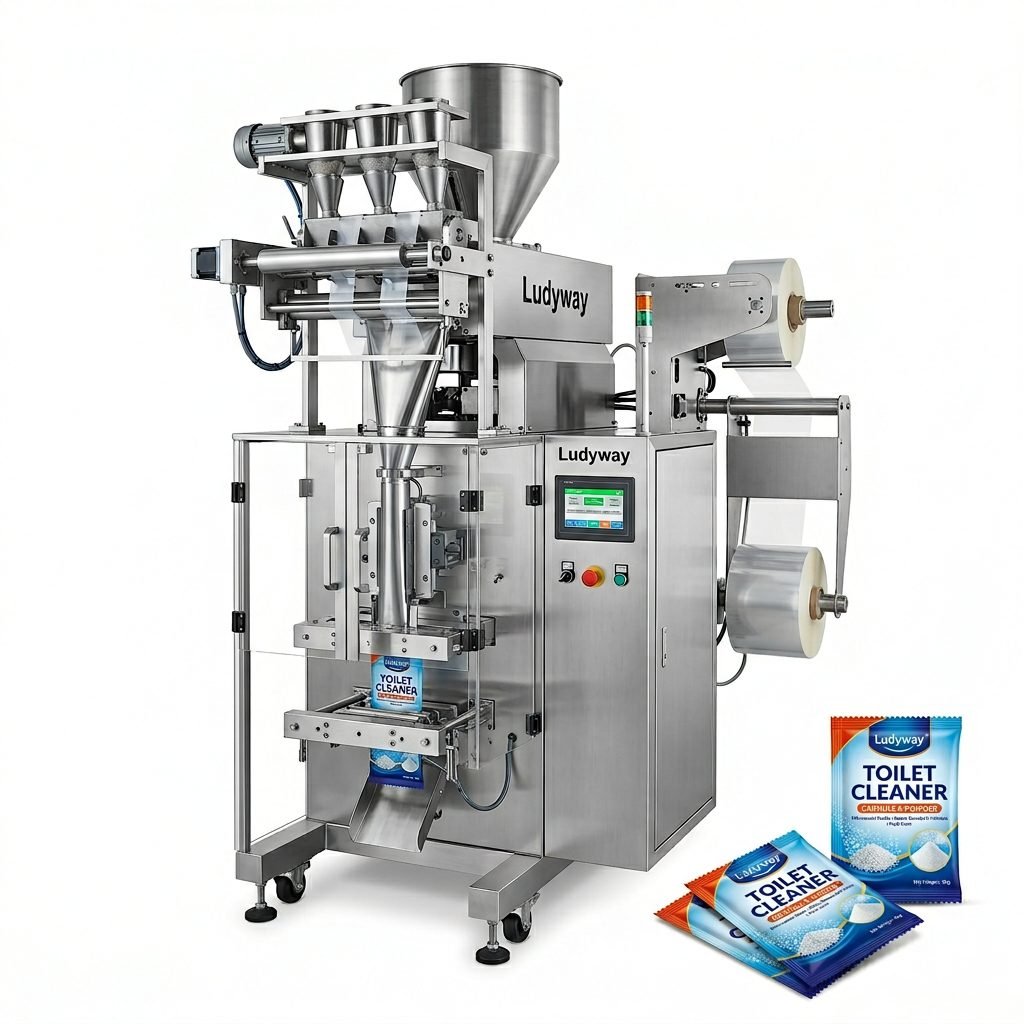
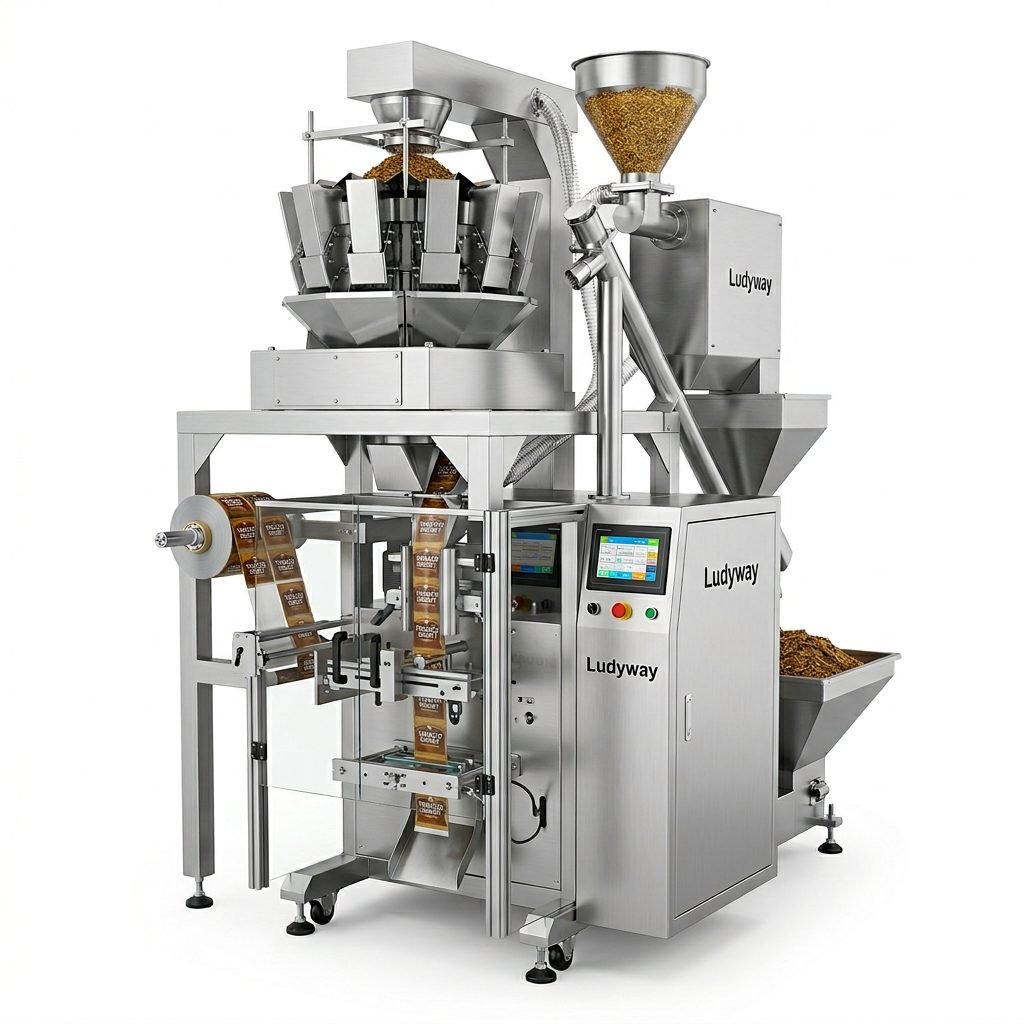
These are among the most common Simplex machines. They form a tube from a roll of packaging film, fill it with product from above, and then seal it to create individual pouches. They are exceptionally versatile for packaging granules, powders, seeds, and small solid items.
- ✓ Typical Output: Stand-up pouches, pillow packs, gusseted bags.
- ✓ Best For: High-volume packaging of free-flowing products like coffee, snacks, or detergent powder.
2. Simplex Sachet Packaging Machines
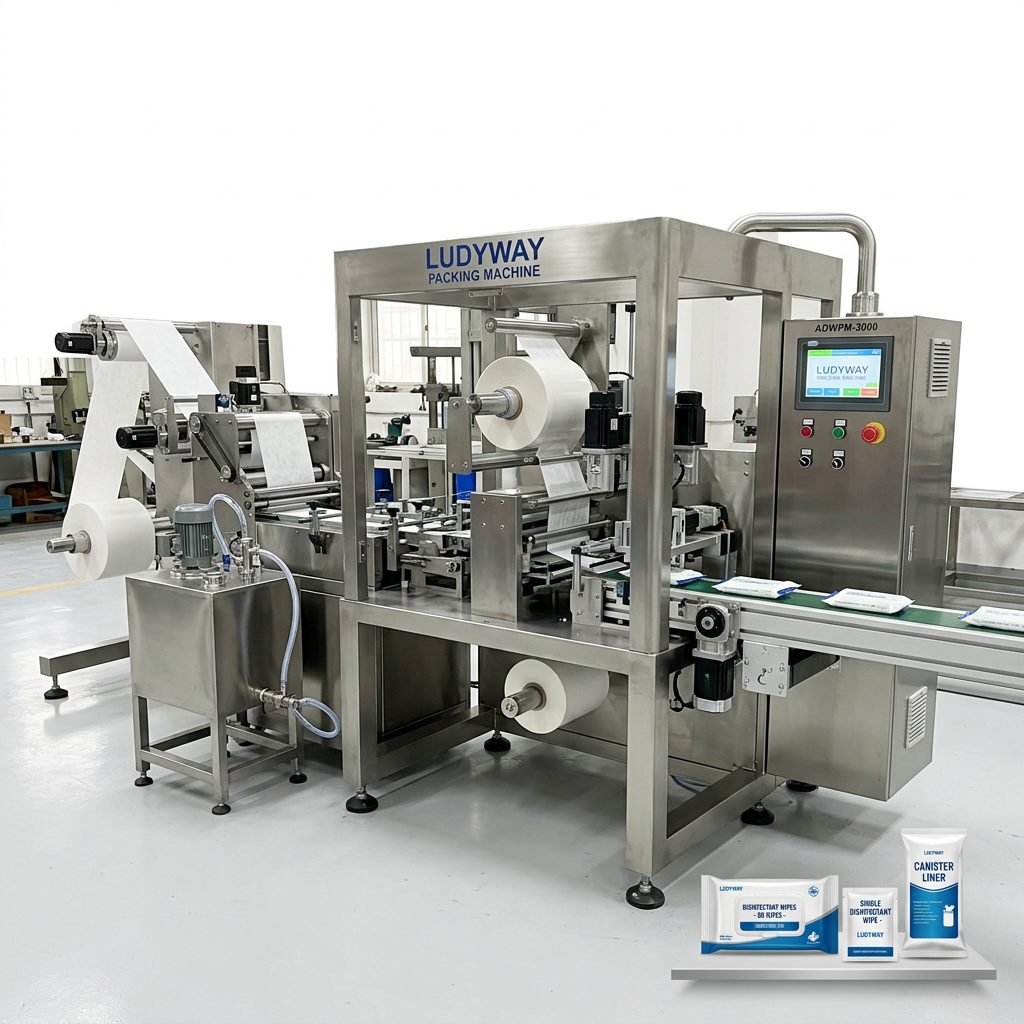
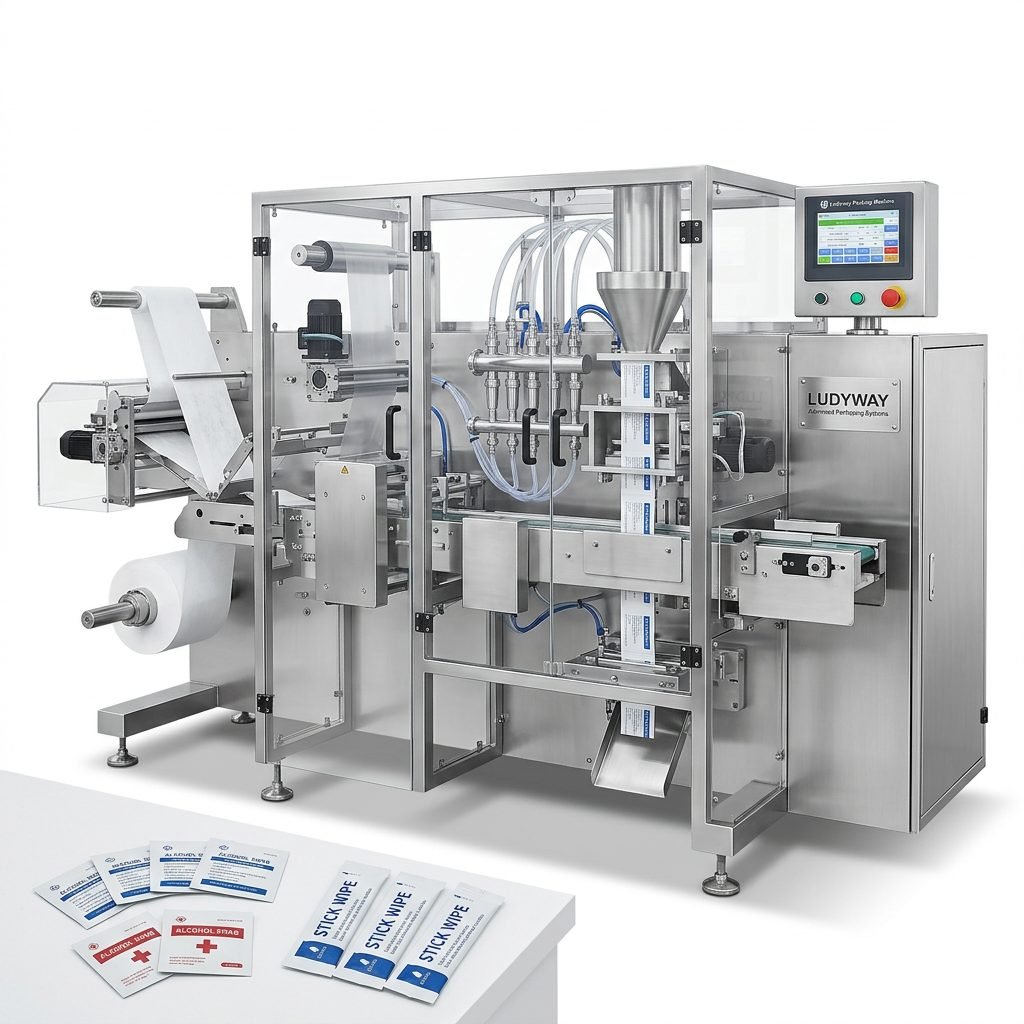
Dedicated to producing small, sealed sachets, these machines are perfect for single-serve portions, samples, or liquid/paste products like sauces, shampoos, or condiments. A Simplex sachet machine ensures precise filling and a clean, secure seal on all four sides.
- ✓ Typical Output: Small rectangular or square sachets.
- ✓ Best For: Pharmaceuticals, cosmetics, food flavorings, and hospitality portion packs.
3. Simplex Stick Pack Machines
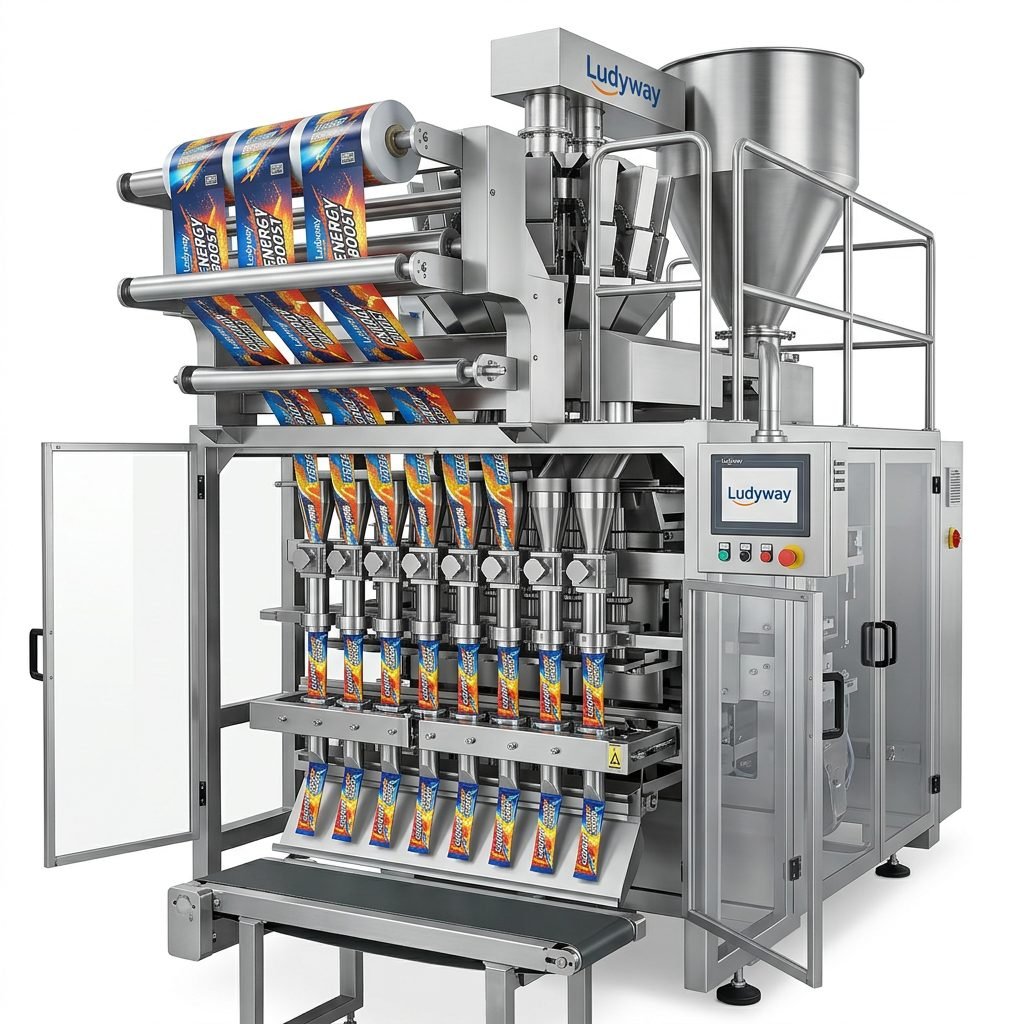
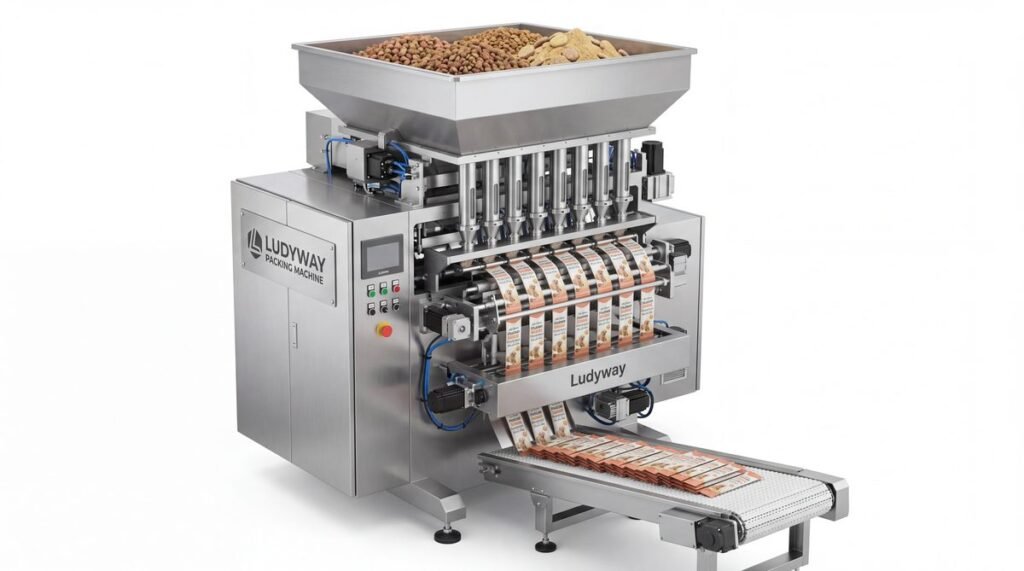
Specializing in the long, slender “stick” pack format, these machines are ideal for products like instant drink mixes, sugar, protein powders, and pharmaceutical granules. They offer excellent product presentation and are easy for end-users to open and use.
Industry Insight: Stick packs have gained immense popularity in health and wellness markets globally. Their portability and precise dosing align well with on-the-go lifestyles and dietary supplement trends.
4. Simplex Liquid & Paste Filling Machines
These machines are engineered to handle viscous products. They integrate precise volumetric or piston filling systems with a Simplex sealing mechanism to create leak-proof pouches or sachets for products like honey, sauces, ointments, or lubricants.
Key Features to Evaluate
Beyond the packaging type, several critical features differentiate machines and impact their suitability for your line.
Construction and Durability
Look for machines with a stainless steel contact parts and a rigid frame. This ensures hygiene, corrosion resistance, and longevity, especially in food or pharmaceutical applications where washdowns are frequent.
Control System and User Interface
A modern, intuitive PLC-based touchscreen interface is essential. It should allow for easy parameter setting (like seal time, temperature, and fill weight), recipe storage, and provide clear diagnostics for troubleshooting.
Filling Accuracy and Technology
The heart of any packaging machine is its filling system. Depending on your product, you may need:
• Auger Fillers: For powders and granules.
• Volumetric Cup Fillers: For uniform pieces.
• Liquid Piston Fillers: For precise liquid dosing.
Ensure the machine offers the accuracy (e.g., ±1% or better) your product specification demands.
Changeover Flexibility
Even a Simplex machine should allow for some flexibility. Check how quickly and easily you can change packaging film reel sizes or adjust pouch dimensions. Quick-change parts can drastically reduce downtime between production runs.
How to Choose the Right Simplex Machine: A Step-by-Step Guide
Step 1: Define Your Product and Packaging Specs
Start with the basics. What are you packaging? Document its physical state (powder, granule, liquid), characteristics (hygroscopic, abrasive, oily), and required fill weight. Then, define your desired packaging material (laminate type, thickness) and final pouch dimensions.
Step 2: Analyze Your Production Requirements
Calculate your required output speed in packs per minute (PPM). Consider your current needs and future growth. Also, evaluate your factory’s available space, power supply, and compressed air availability to ensure the machine will fit your infrastructure. For businesses looking to scale, exploring complete packaging line solutions from the outset can be a strategic move.
Step 3: Prioritize Hygiene and Compliance
For food, pharmaceutical, or health products, regulatory compliance is non-negotiable. Ensure the machine design meets relevant standards (like FDA, GMP) with smooth surfaces, easy-clean access, and appropriate material certifications.
Step 4: Evaluate the Supplier’s Expertise and Support
The machine is only as good as the company behind it. Choose a supplier with proven experience in your industry. Look for:
• Technical Support: Availability of installation, training, and troubleshooting help.
• Spare Parts Availability: Quick access to critical components to minimize downtime.
• Customization Ability: Can they tailor the machine to your unique need?
Companies with deep industry roots, like Ludyway Machinery, which brings over a decade of focused expertise in packaging automation, often provide more reliable and tailored support.
Step 5: Consider Total Cost of Ownership (TCO)
Look beyond the initial purchase price. Factor in energy consumption, maintenance costs, expected lifespan, and potential productivity gains. A slightly more expensive, robust machine with lower operating costs often provides a better return on investment than a cheaper, less reliable alternative.
Pro-Tip: Request a Product Test
Before finalizing your decision, always send your actual product and packaging material to the supplier for a live performance test. This is the only way to verify filling accuracy, seal integrity, and actual output speed with your specific materials.
Integration and Future-Proofing
Think about how the Simplex machine will integrate into your existing or planned line. Consider compatibility with upstream equipment (like mixers or conveyors) and downstream systems (like cartoners or case packers). Some Simplex machines can be later upgraded or integrated into a multi-lane system as your business expands, protecting your initial investment.
Selecting the right Simplex packaging equipment is a strategic decision that impacts your operational efficiency and product quality. By thoroughly understanding the machine types, meticulously evaluating features against your specific product and production needs, and partnering with a knowledgeable and reliable supplier, you can invest in a solution that delivers consistent performance, minimizes waste, and supports your business growth for years to come. The key is to balance simplicity and specialization with the quality and support that ensures long-term reliability on your production floor.
Frequently Asked Questions (FAQs)
Q1: What is the main difference between a Simplex and a Duplex packaging machine?
A Simplex machine operates with a single lane or set of forming tools, producing one stream of packages. A Duplex machine has two parallel lanes, effectively doubling the output within a similar footprint. Simplex machines are simpler and easier to maintain, while Duplex offers higher capacity.
Q2: Can a Simplex machine handle different packaging materials?
Yes, most Simplex machines are designed to work with a range of heat-sealable laminates (like PET/PE, PET/AL/PE). However, changing material type often requires adjusting sealing temperature, pressure, and time settings on the machine’s control panel. It’s crucial to test new materials beforehand.
Q3: How difficult is it to operate and maintain a Simplex packaging machine?
Simplex machines are generally user-friendly. Modern models with PLC and touchscreen interfaces simplify operation. Routine maintenance typically involves cleaning, lubrication, and inspection of seals and filters. Comprehensive training from your supplier, such as the operational support offered by experienced providers, is key to smooth operation.
Q4: What kind of production speed can I expect from a Simplex sachet machine?
Speed varies greatly based on sachet size, product characteristics, and machine model. For small to medium sachets, speeds can range from 40 to 120 packs per minute. Always refer to the machine’s specifications and validate speed with a product test.
Q5: Is it possible to get a customized Simplex machine for a unique product?
Absolutely. Reputable manufacturers often offer customization options. This can include special feeding systems for non-free-flowing products, unique sealing jaw shapes, integration with specific filling heads (e.g., for viscous pastes), or modifications for clean-in-place (CIP) requirements. Discuss your specific needs in detail with the supplier’s engineering team.