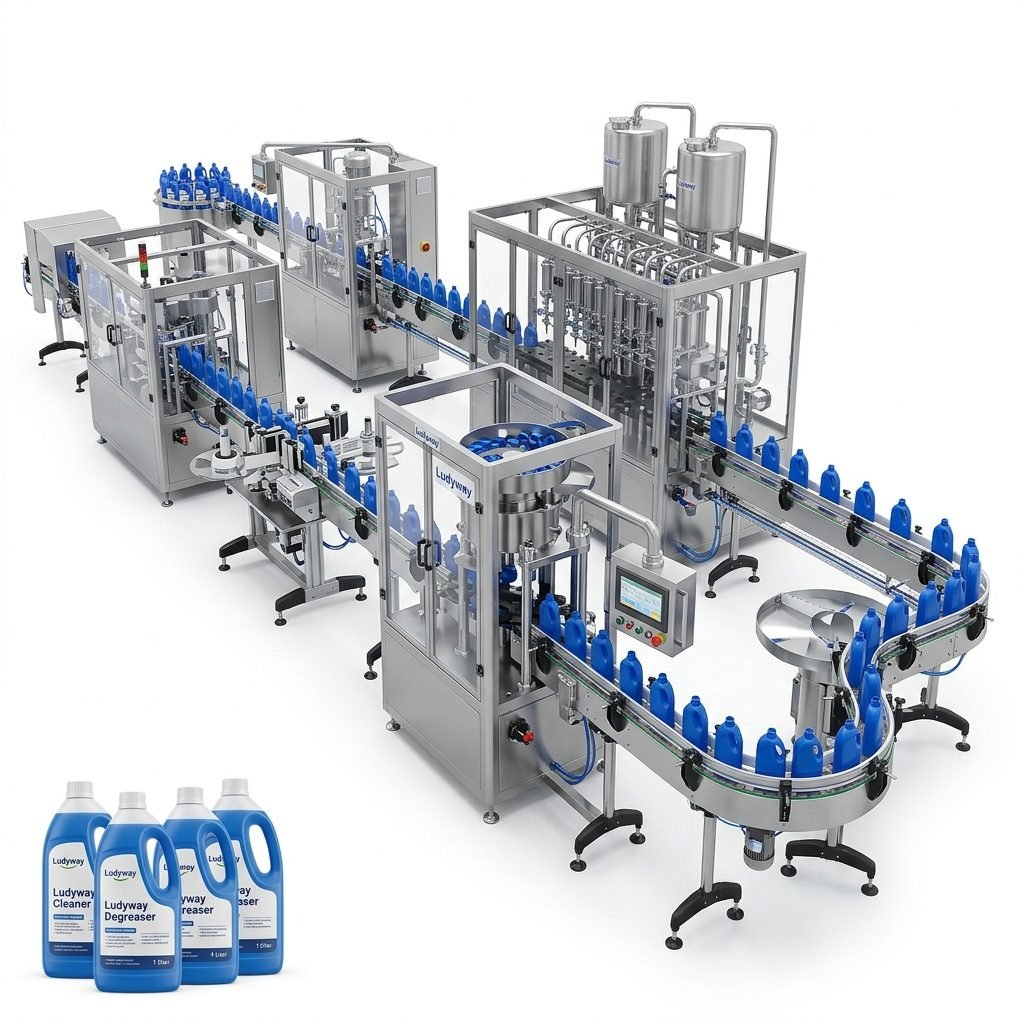
Investing in a packaging machine is a significant decision for manufacturers in Honduras, whether you are in the food, pharmaceutical, agricultural, or chemical sector. The right equipment can boost production efficiency, reduce labor costs, and improve product consistency. However, with so many options available, choosing the best machine requires careful evaluation of your product type, production volume, packaging format, and local operating conditions.
1. Understand Your Product Characteristics
Before comparing machines, start by analyzing what you are packaging. The physical properties of your product will determine the type of packaging machine you need. Key factors include:
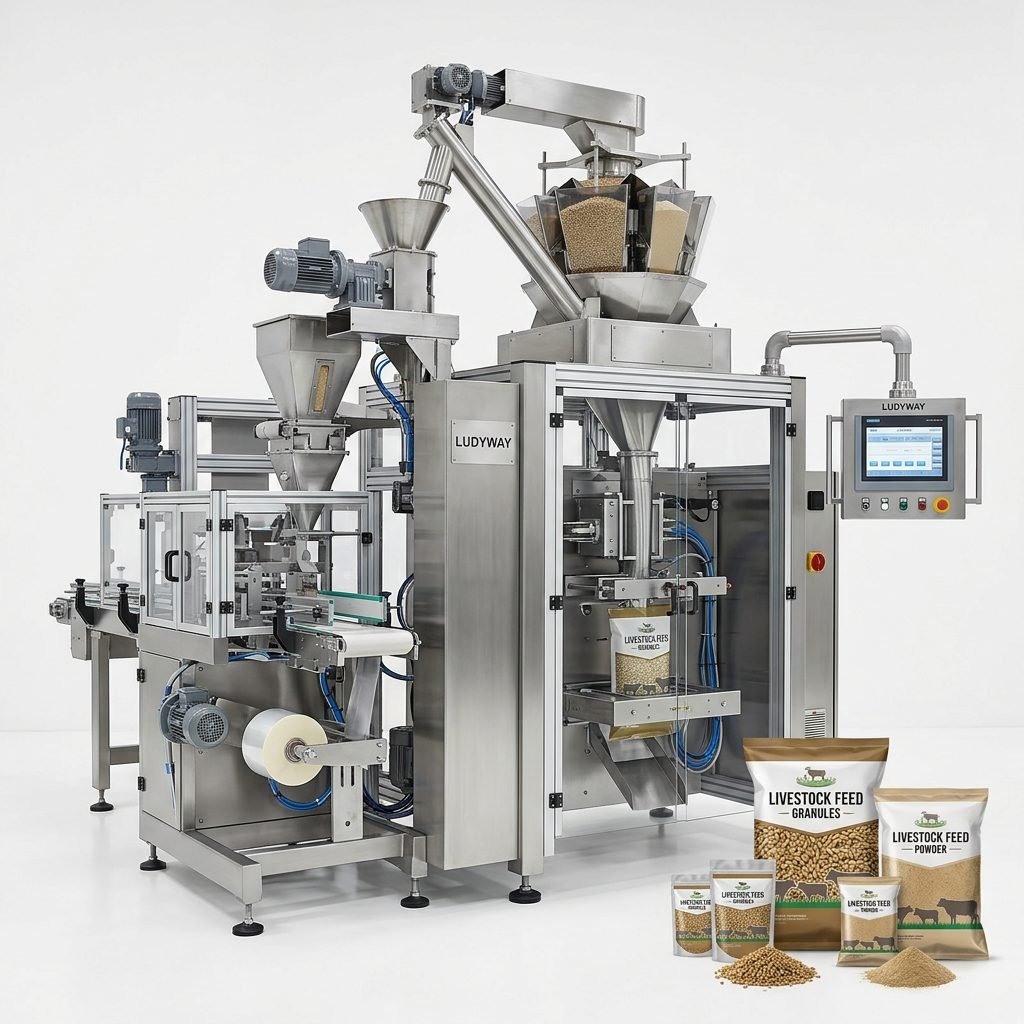
- Product form: Is it a granule (coffee beans, seeds, fertilizer), powder (flour, spices, milk powder), liquid (juice, oil, detergent), or paste (sauces, creams)?
- Flowability: Free-flowing granules are easier to handle than sticky or clumping powders that may require special auger fillers.
- Hygroscopicity and sensitivity: Products that absorb moisture or oxidize quickly may need nitrogen flushing or vacuum sealing capabilities.
- Particle size and uniformity: Inconsistent particle sizes can affect filling accuracy and sealing quality.
For example, a sugar sachet production line requires a different dosing system than a powder packaging machine designed for fine, dusty materials like whey protein or calcium supplements.

2. Define Your Target Packaging Format
What kind of package do you want to deliver to your customers in Honduras? Different markets and distribution channels favor different formats:
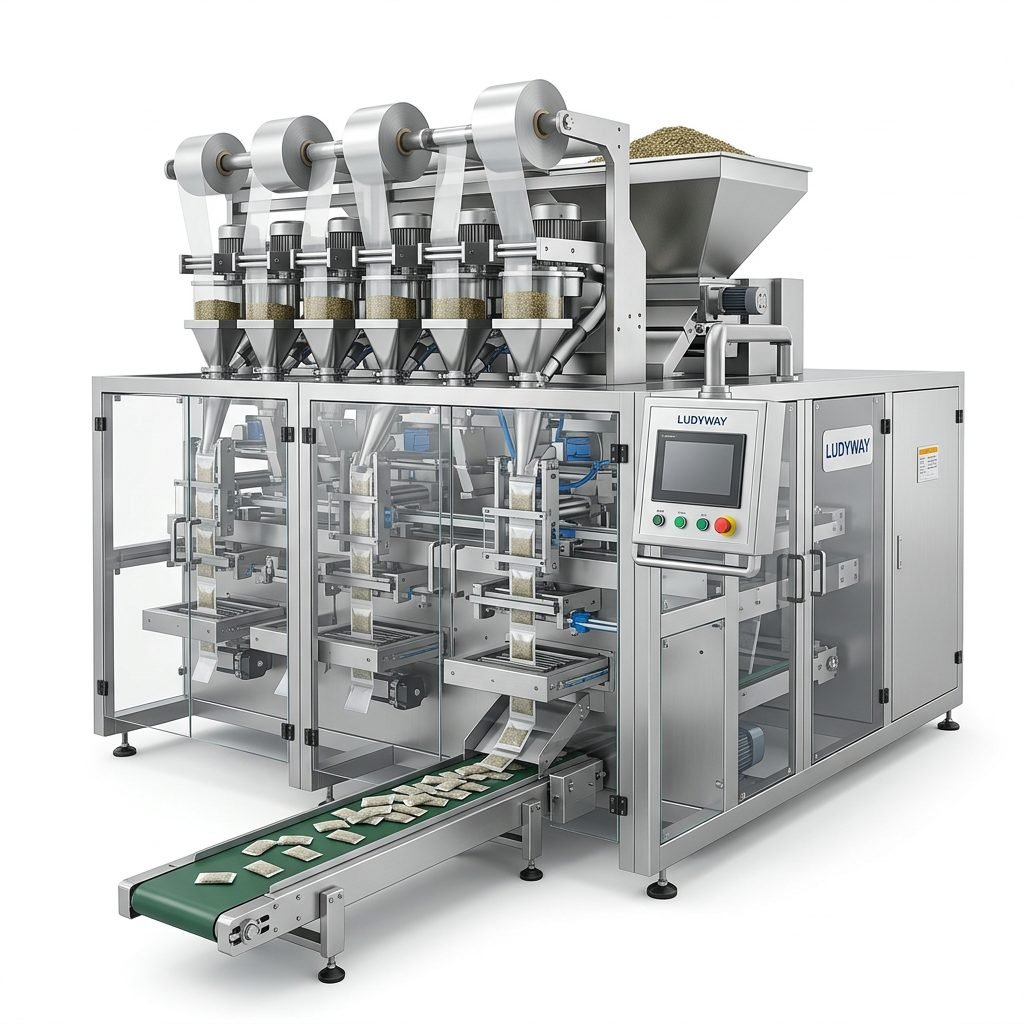
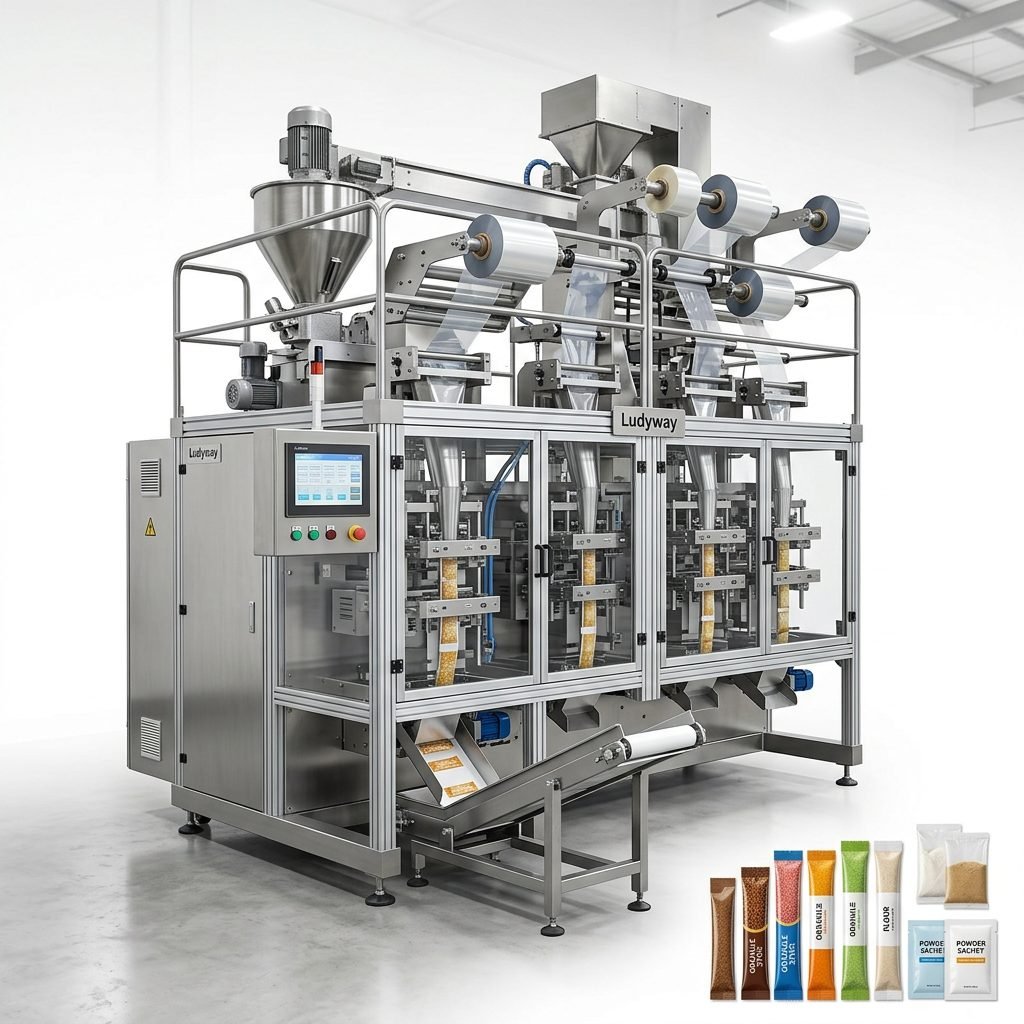
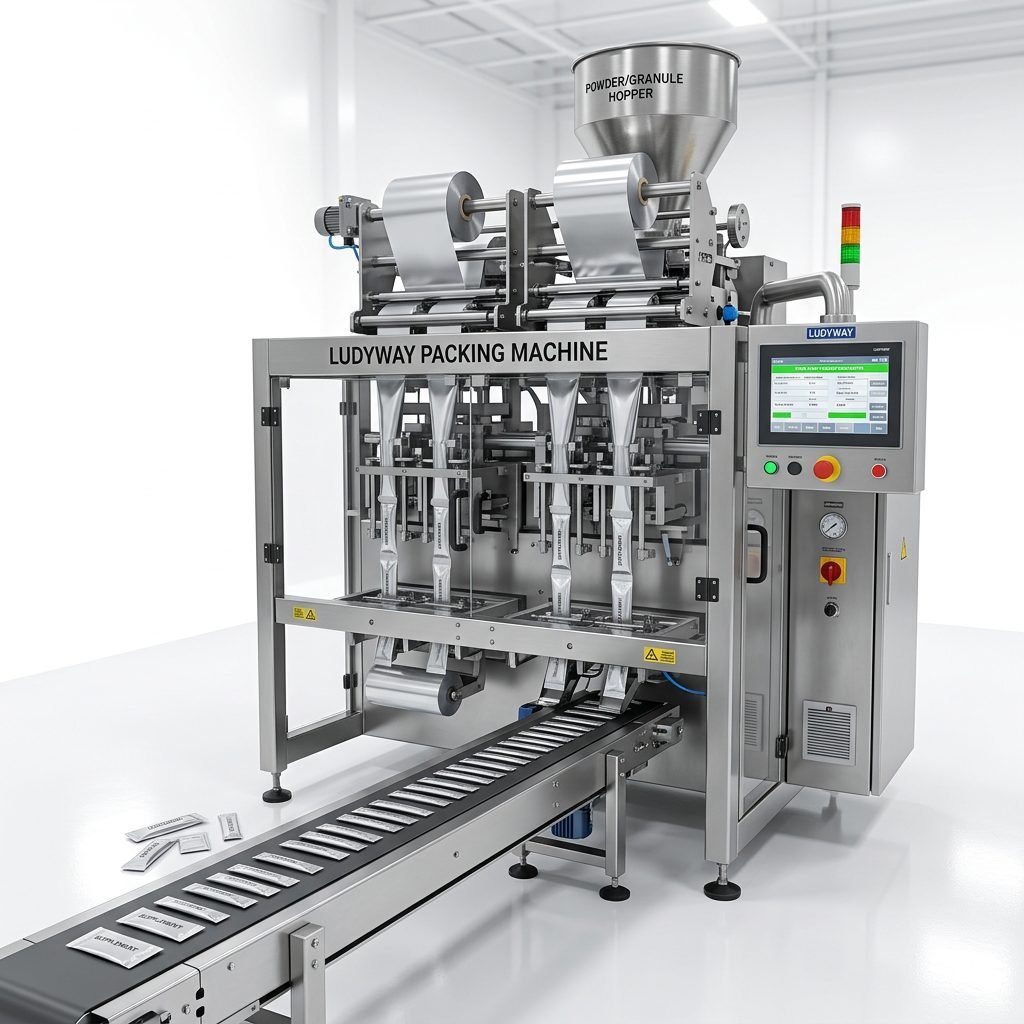
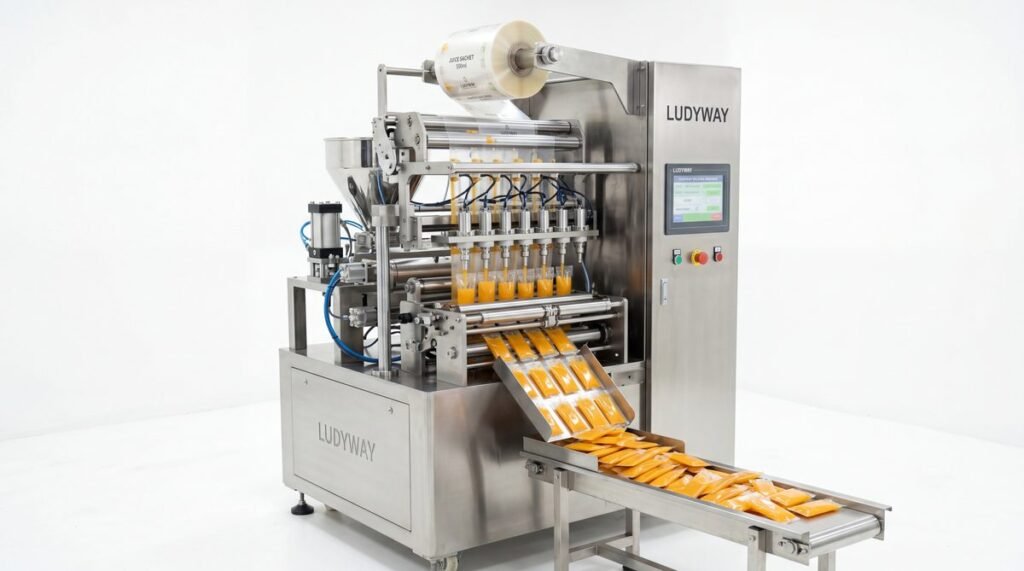
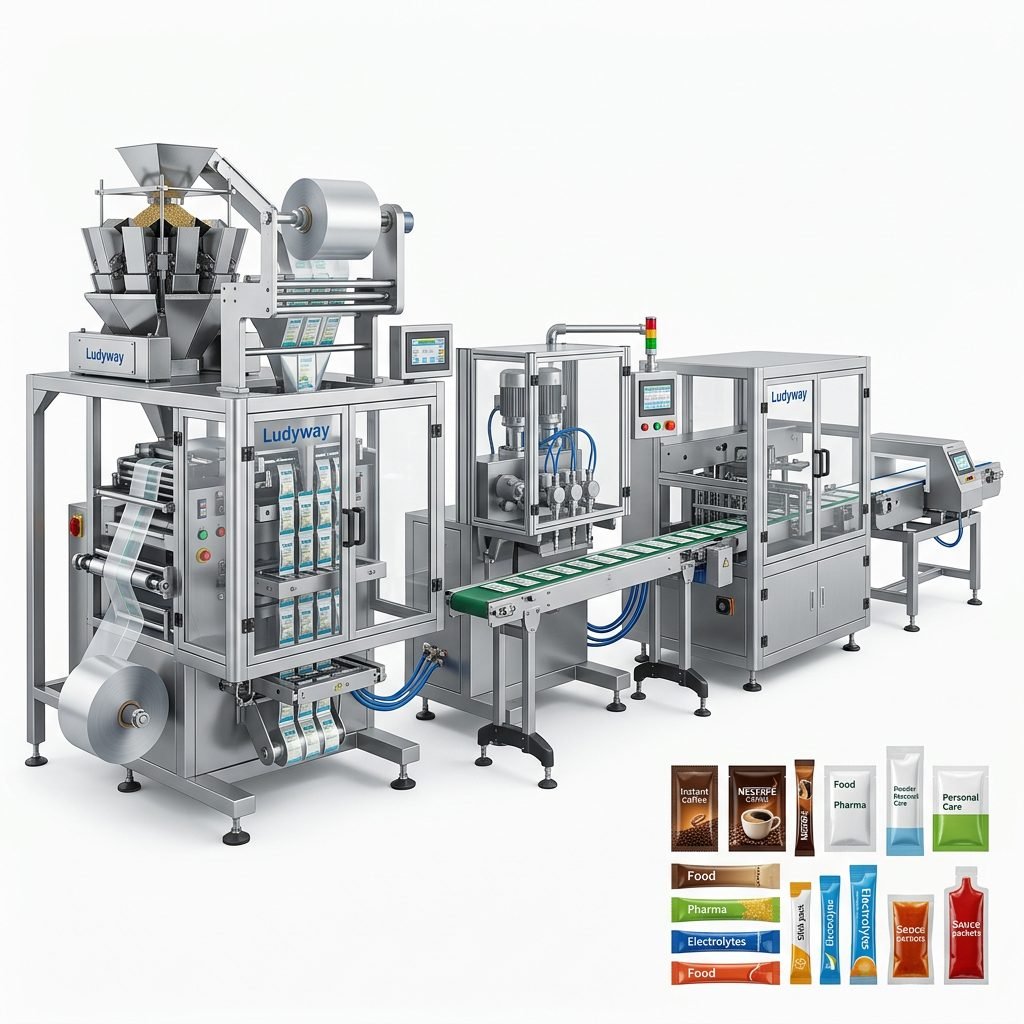
- Stick packs: Slim, single-serve packets ideal for coffee, sugar, sports supplements, and instant drink mixes. Stick pack machines are increasingly popular in Central America for portion-controlled products.
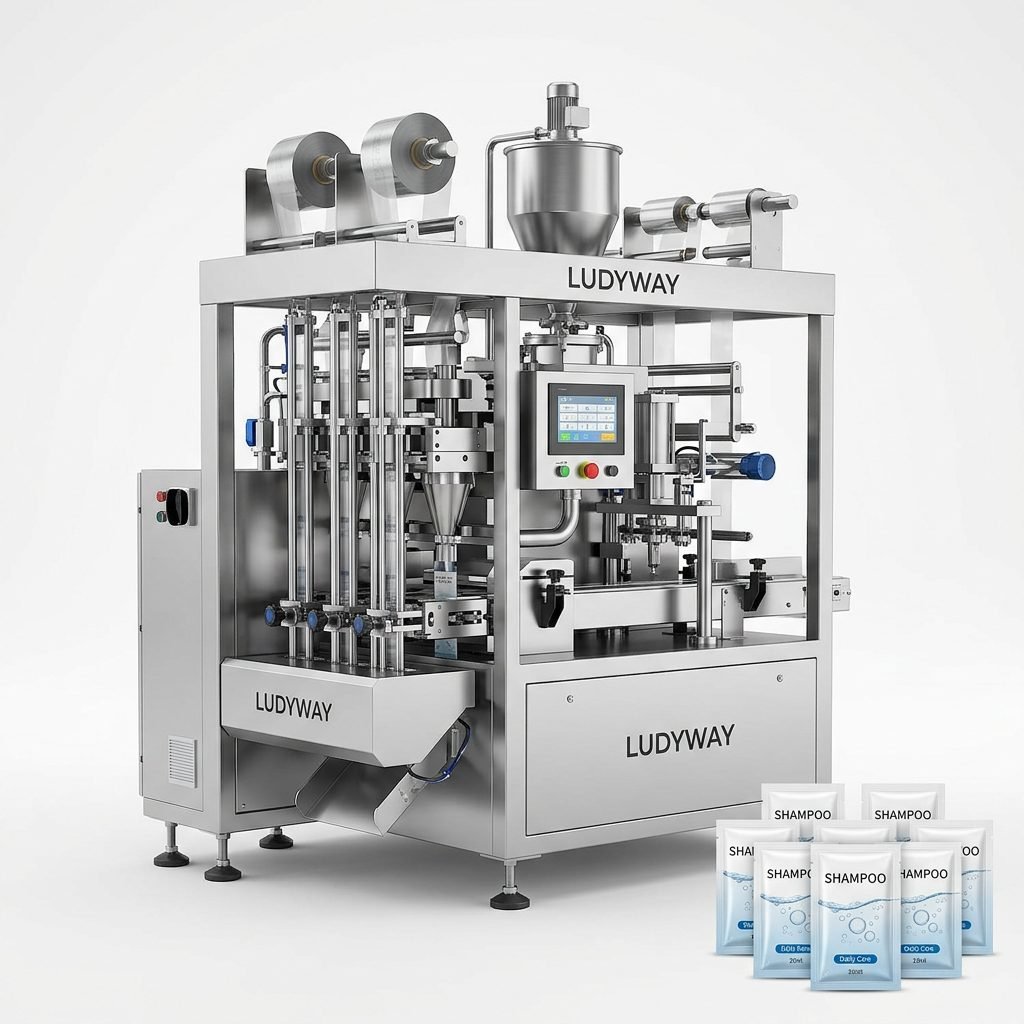
- Sachets: Flat, rectangular pouches commonly used for condiments, shampoo samples, and medical powders. Sachets are cost-effective and widely accepted in retail environments.
- Pillow pouches: Standard bag format for snacks, dried fruits, and frozen foods.
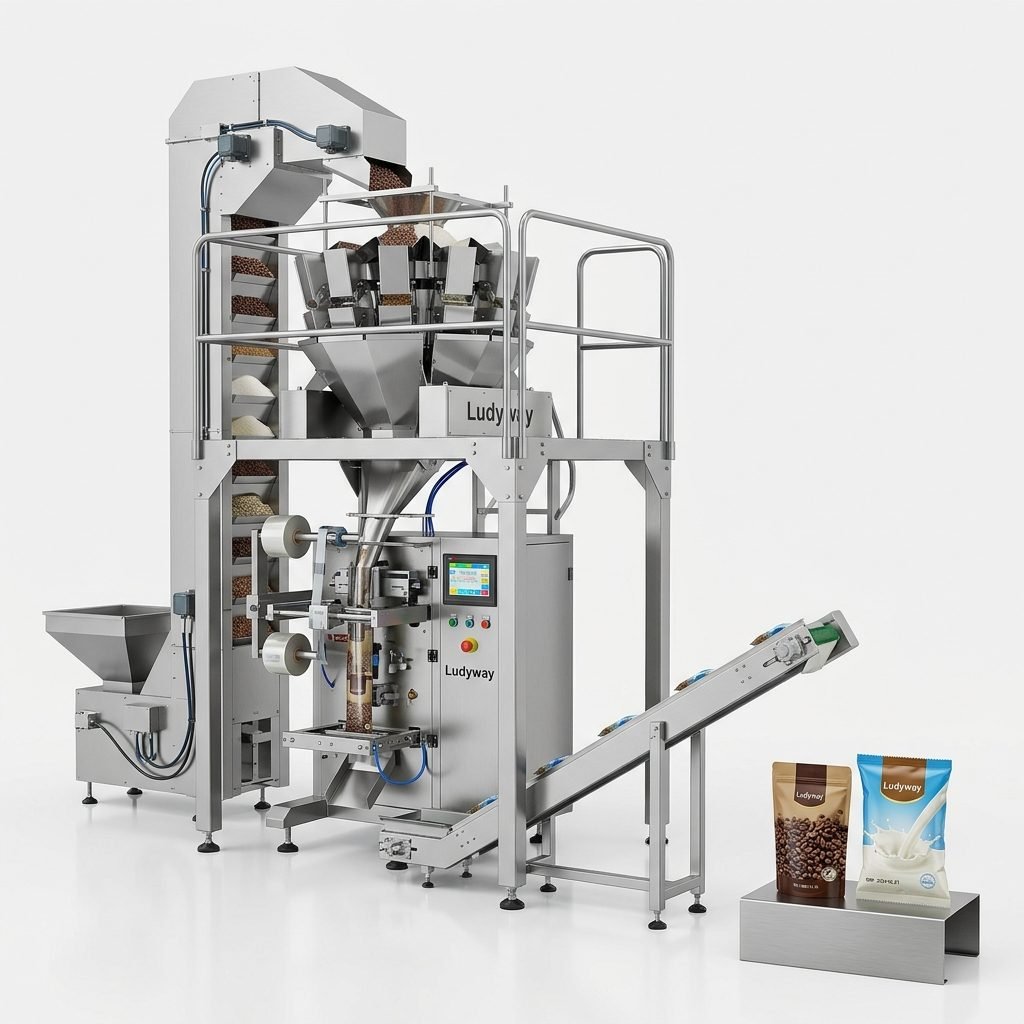
- Stand-up pouches (Doypack): Premium-looking resealable bags popular for coffee, pet food, and powdered beverages.
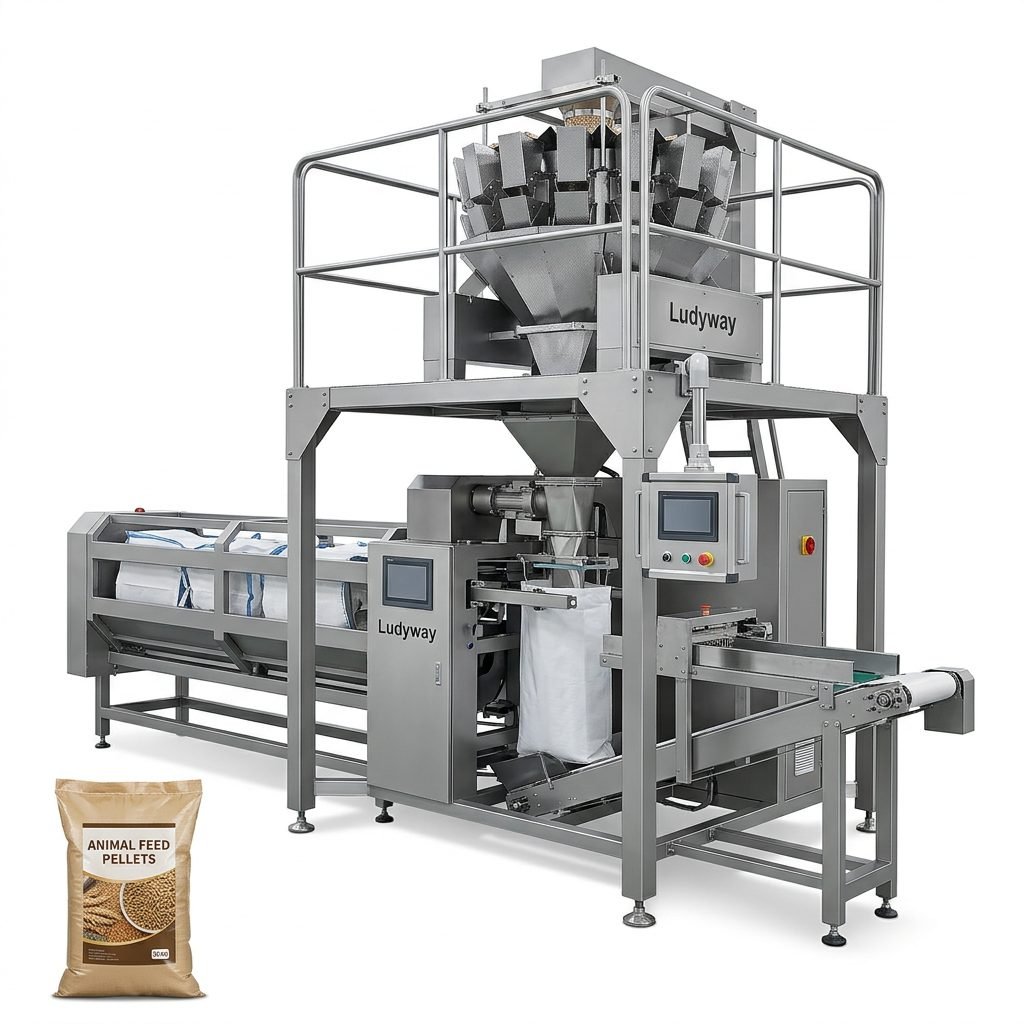
- Bulk bags: Large 10kg-50kg sacks for industrial ingredients, animal feed, and agricultural products.
Each format requires specific forming, filling, and sealing mechanisms. A sachet packaging machine uses a different film path and sealing jaw configuration than a stand-up pouch machine.
3. Assess Production Capacity Requirements
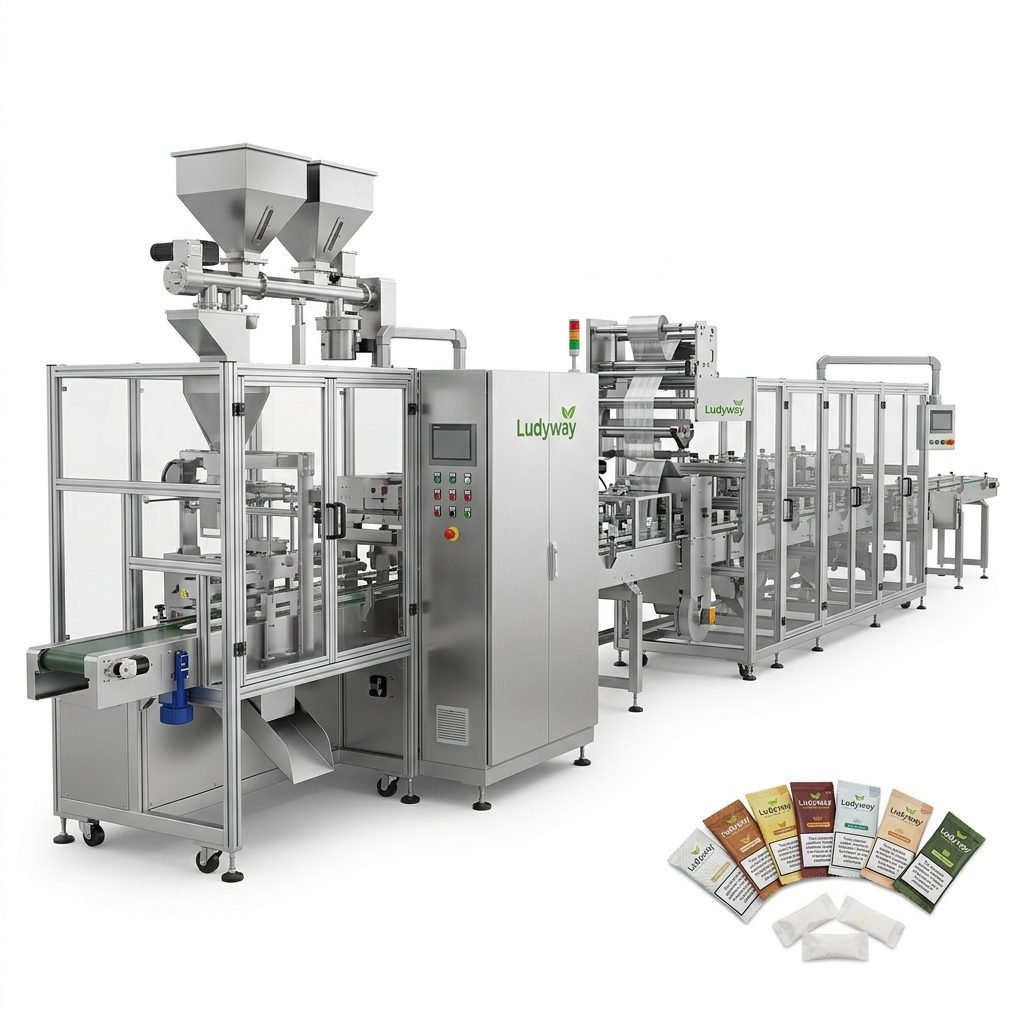
Production volume is one of the most critical factors in packaging machine selection. Machines are generally categorized by speed:
- Low-speed: 20-60 packs per minute — suitable for small businesses, artisanal producers, or niche products entering the Honduran market.
- Medium-speed: 60-150 packs per minute — ideal for growing brands supplying supermarkets and regional distributors.
- High-speed: 150-400+ packs per minute — necessary for large-scale manufacturers exporting to multiple countries.
Multi-lane machines are especially effective for high-volume production. A 4-lane or 10-lane multi-lane packaging system can multiply output without requiring additional floor space or operators.
4. Consider Automation Level and Labor Costs
Honduras has a growing manufacturing sector, and labor availability varies by region. The level of automation you choose should balance upfront machine investment with long-term operational savings:
- Semi-automatic: Operators handle some steps manually. Lower initial cost but higher labor dependency.
- Fully automatic: Integrated filling, sealing, coding, and cartoning. Reduces manual handling, improves hygiene, and increases consistency.
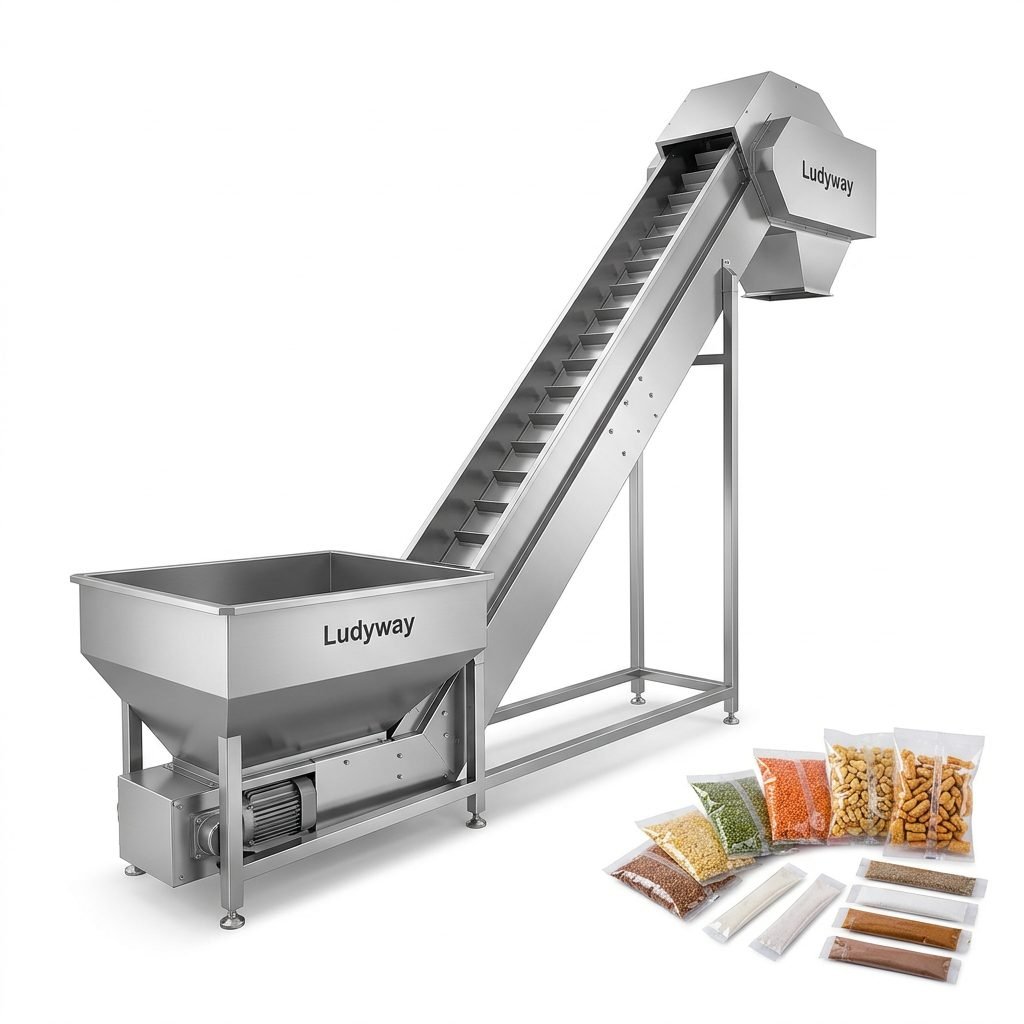
- Turnkey production lines: Complete systems that include feeding, weighing, packaging, inspection, cartoning, and palletizing. Turnkey solutions are ideal for large food and pharmaceutical manufacturers aiming for export markets.
5. Evaluate Machine Construction and Material Quality
Durability matters, especially in Honduras where humidity and temperature fluctuations can affect equipment performance. Look for:
- Stainless steel (SS304 or SS316): Essential for food and pharmaceutical applications. Prevents corrosion and facilitates cleaning.
- IP-rated electrical components: Protection against dust and moisture ingress.
- Branded control systems: PLCs from Siemens, Omron, or Mitsubishi ensure reliability and availability of spare parts globally.
- Certifications: CE, ISO 9001, and GMP compliance demonstrate adherence to international quality standards.
6. Factor in After-Sales Support and Spare Parts
When purchasing a packaging machine for operation in Honduras, after-sales service is crucial. Consider the following:
- Remote support capabilities: Video calls, remote diagnostics, and online training can resolve many issues without waiting for a technician.
- Spare parts availability: Ensure the manufacturer maintains a well-stocked inventory and can ship replacement parts quickly to Central America.
- Local distributor or service partner: Having regional support significantly reduces downtime.
- Documentation and training: Comprehensive manuals in Spanish and hands-on training materials accelerate operator proficiency.
Key Packaging Machine Selection Factors at a Glance
| Selection Factor | Key Questions to Ask | Impact on Machine Choice |
|---|---|---|
| Product Type | Granule, powder, liquid, or paste? | Determines filling mechanism (volumetric, auger, piston, or multi-head weigher) |
| Packaging Format | Stick pack, sachet, gusseted pouch, or bulk bag? | Dictates machine type, film path design, and sealing method |
| Production Speed | How many packs per minute are required now and in 3 years? | Single-lane vs. multi-lane configuration; intermittent vs. continuous motion |
| Automation Level | What labor resources are available? | Semi-automatic vs. fully automated vs. turnkey integrated lines |
| Budget | What is the total cost of ownership including installation and maintenance? | Initial investment vs. long-term ROI; financing and leasing options |
| Regulatory Compliance | Does the product require FDA, GMP, or ISO-certified equipment? | Material grade, cleanroom compatibility, and validation documentation |
7. Understand Local Regulatory and Market Requirements in Honduras
Honduras has specific regulatory frameworks that influence packaging decisions. Food and pharmaceutical products must comply with standards set by ARSA (Agencia de Regulación Sanitaria). Additionally, if you plan to export to the United States under CAFTA-DR, your packaging must meet FDA food packaging requirements. Key considerations include:
- Labeling regulations: Spanish-language labeling with nutritional information, ingredients, and expiration dates.
- Barrier properties: Multi-layer films that protect against humidity are essential given Honduras’ tropical climate.
- Sustainability trends: Biodegradable and recyclable packaging materials are increasingly preferred by consumers in Central America.
8. Compare Multi-Lane vs. Single-Lane Configurations
One of the most important technical decisions is whether to invest in a multi-lane system. Here is a comparison to help you evaluate:
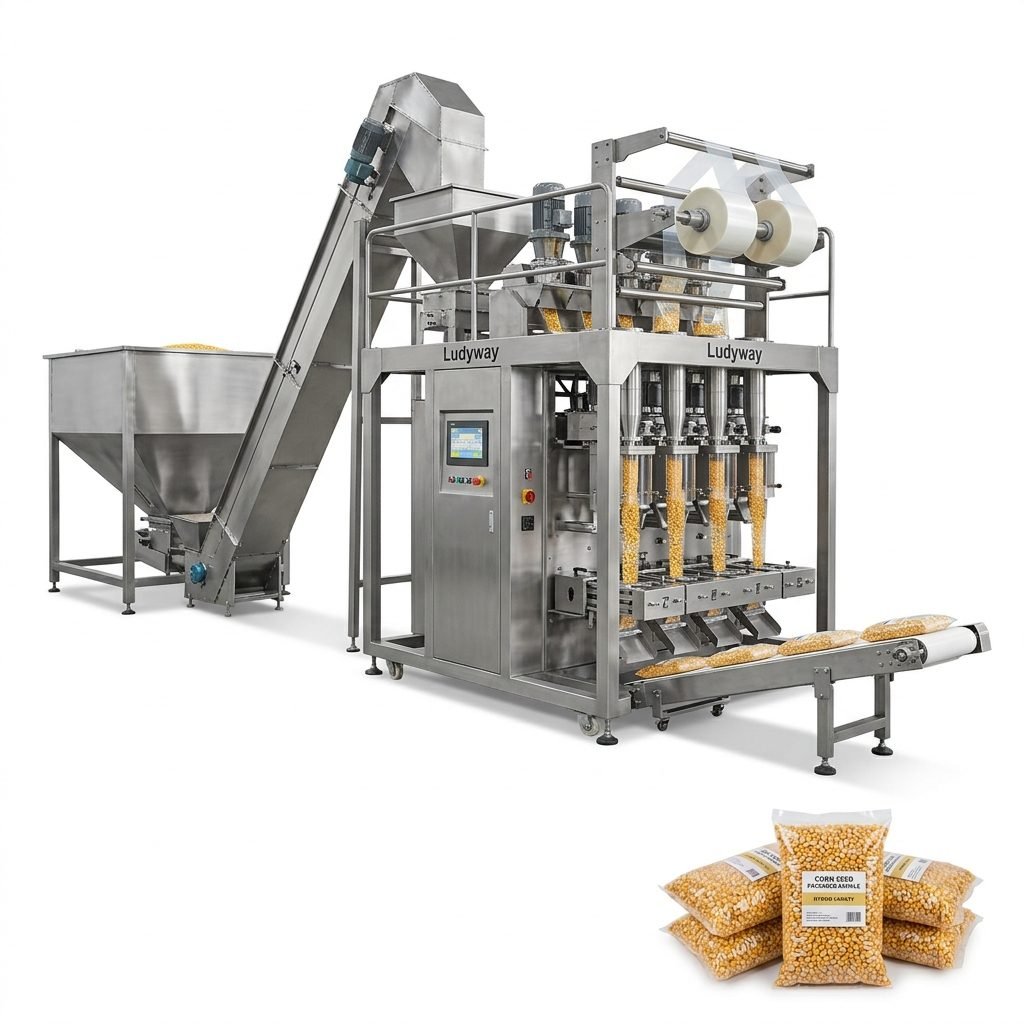
- Single-lane machines: Lower upfront cost, simpler operation, easier changeover, and suitable for facilities with limited space. Perfect for startups and small-to-medium enterprises in Honduras.
- Multi-lane machines: Higher throughput using the same floor area, better energy efficiency per unit produced, and reduced labor cost per pack. A 6-lane stick pack machine can produce up to six times more than a single-lane model. However, multi-lane systems require more precise film tension control and skilled maintenance.
For manufacturers processing products like instant coffee, powdered beverages, or nutritional supplements for export, the investment in multi-lane stick pack machines often delivers a faster return on investment.
9. Choose a Reliable Packaging Machine Manufacturer
The reputation and experience of your equipment supplier matter as much as the machine specifications. Ludyway is one of the largest packaging machine manufacturers in China, specializing in advanced packaging equipment and turnkey production solutions for the food, pharmaceutical, and health industries. With over 30 years of industry expertise, a modern 20,000㎡ manufacturing facility, and more than 50 intelligent packaging machine models, Ludyway serves customers in over 100 countries and regions, including growing markets in Latin America. Evaluating a manufacturer should include visiting their production facility — whether physically or virtually — and reviewing case studies from similar industries.
When comparing suppliers, reference authoritative industry resources to understand market standards:
- PMMI – The Association for Packaging and Processing Technologies — Industry standards, market intelligence, and trade show information.
- FDA – Packaging and Food Contact Substances — Regulatory guidance for food-safe packaging materials.
- ISO – Packaging Standards — International standards for packaging machinery and processes.
- Flexible Packaging Association — Resources on flexible packaging materials, sustainability, and market data.
10. Plan for Installation, Training, and Ongoing Maintenance
A successful packaging machine integration goes beyond the purchase. Plan for:
- Site preparation: Ensure adequate power supply, compressed air, and floor space. Machines with servos and multi-lane configurations may require specific voltage requirements.
- Operator training: Proper training reduces errors, film waste, and downtime. Look for suppliers who offer on-site or remote training sessions.
- Preventive maintenance schedules: Regular lubrication, seal jaw inspection, and sensor calibration extend machine life.
- Film and material compatibility testing: Always test your packaging film with the machine before full production to avoid sealing issues.
11. Calculate Total Cost of Ownership (TCO)
Many buyers focus only on the initial purchase price, but the long-term cost of ownership is more important. The TCO includes:
- Machine purchase price
- Shipping, duties, and import taxes (relevant for Honduran importers)
- Installation and commissioning
- Packaging film costs over time — some machines are more efficient with material usage
- Energy consumption — servo-driven machines generally consume less power than pneumatic systems
- Spare parts and maintenance over 5-10 years
- Labor costs — higher automation reduces long-term labor expenses
A slightly more expensive machine with lower operating costs often proves to be the more economical choice over its lifecycle.
12. Make an Informed Decision for Your Honduran Operation
Choosing the best packaging machine for your products in Honduras requires balancing product requirements, production goals, budget constraints, and local market conditions. Take the time to define your specifications clearly, compare multiple configurations, test your products on demo machines when possible, and verify the manufacturer’s after-sales support capabilities in Central America. A well-chosen machine will serve your business reliably for a decade or more, helping you grow market share both domestically and internationally.
Quick Decision Checklist
- Product properties analyzed (granule, powder, liquid, or paste)?
- Target packaging format defined (stick pack, sachet, pouch, or bulk)?
- Required production speed calculated?
- Automation level aligned with labor availability?
- Machine material and build quality verified for tropical climate?
- After-sales support and spare parts confirmed for Honduras?
- Total cost of ownership calculated over 5-10 years?
- Manufacturer reputation and industry certifications reviewed?

13. Explore Resources on Packaging Industry Standards
To stay informed about packaging machinery standards and market trends relevant to Honduras and Latin America, consult these resources:
- PMMI Business Intelligence Library — Market research and industry data.
- PACK EXPO International — Global packaging trade show with machinery demonstrations.
- European Commission – Packaging and Packaging Waste — Sustainability regulations affecting global packaging standards.
- Flexible Packaging Association – Industry Data — Flexible packaging market trends and technical resources.