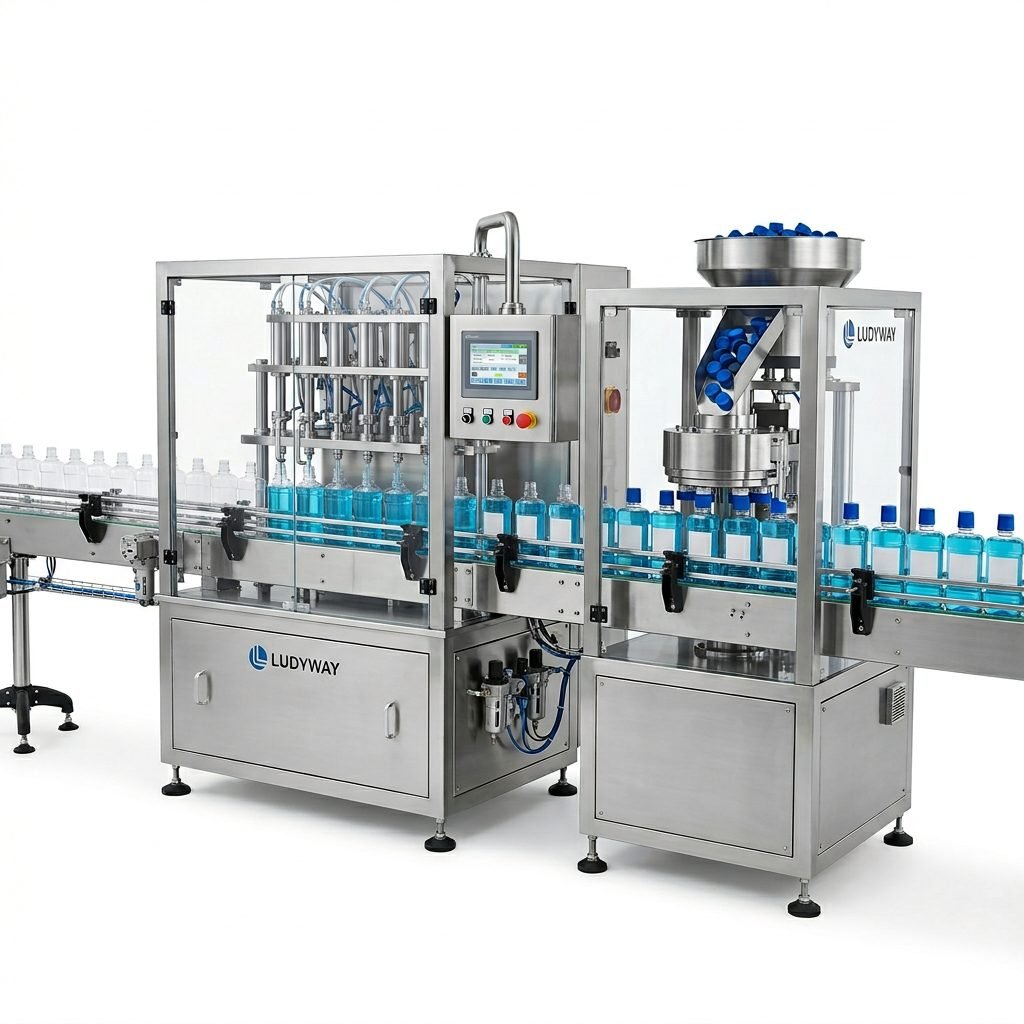
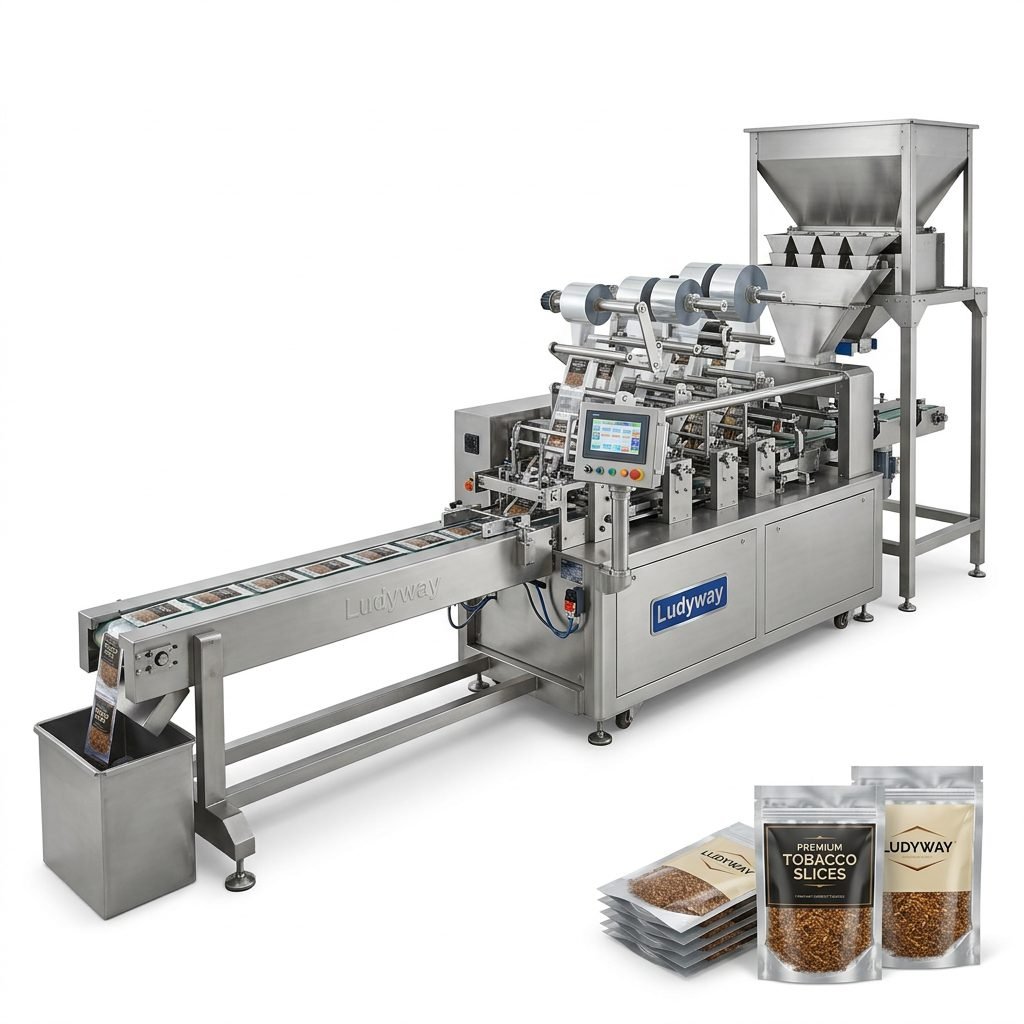
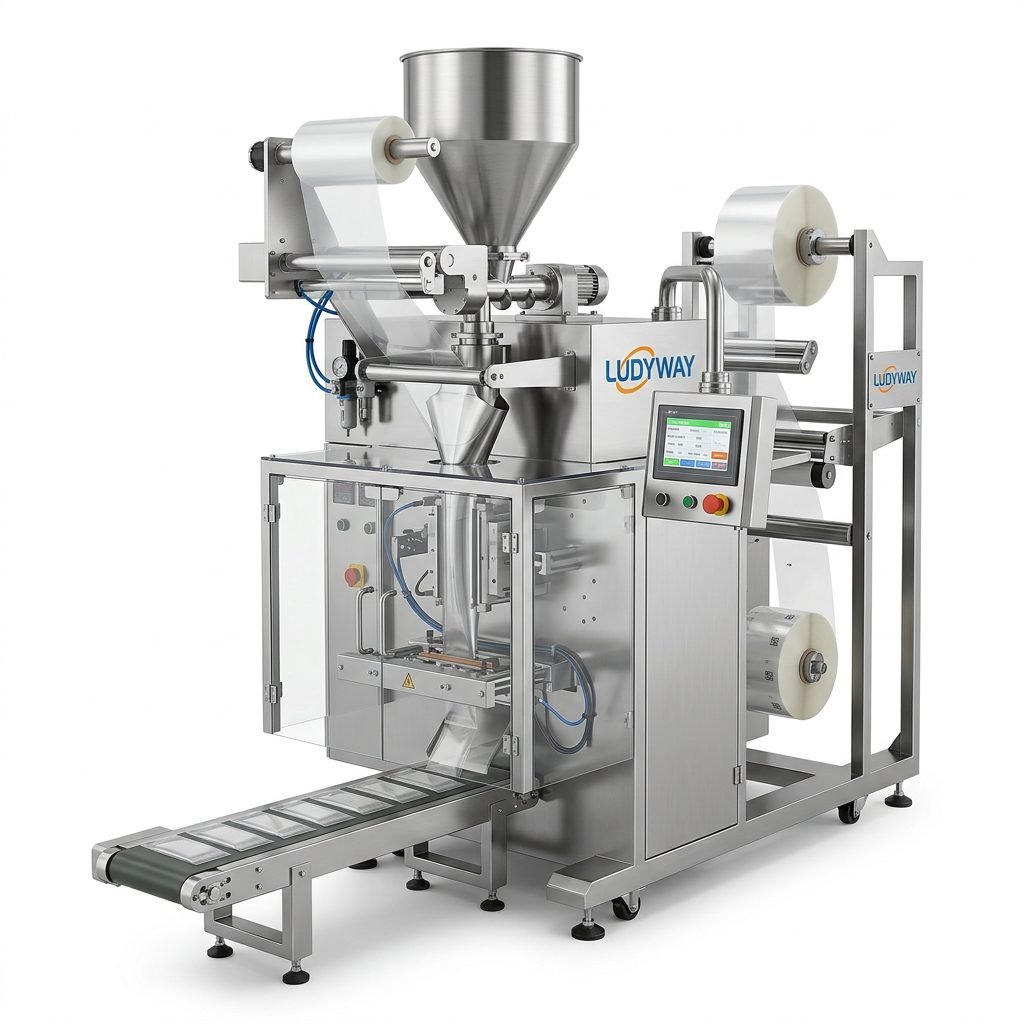
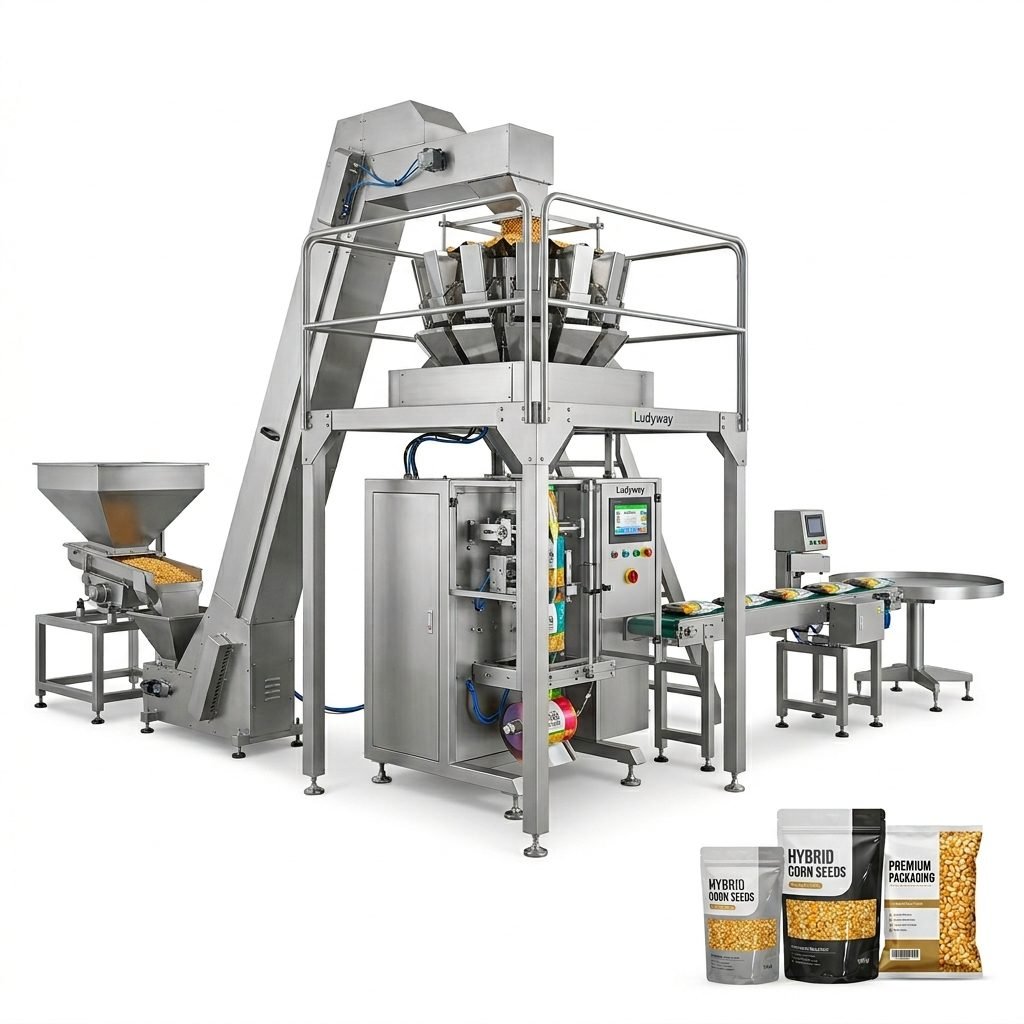
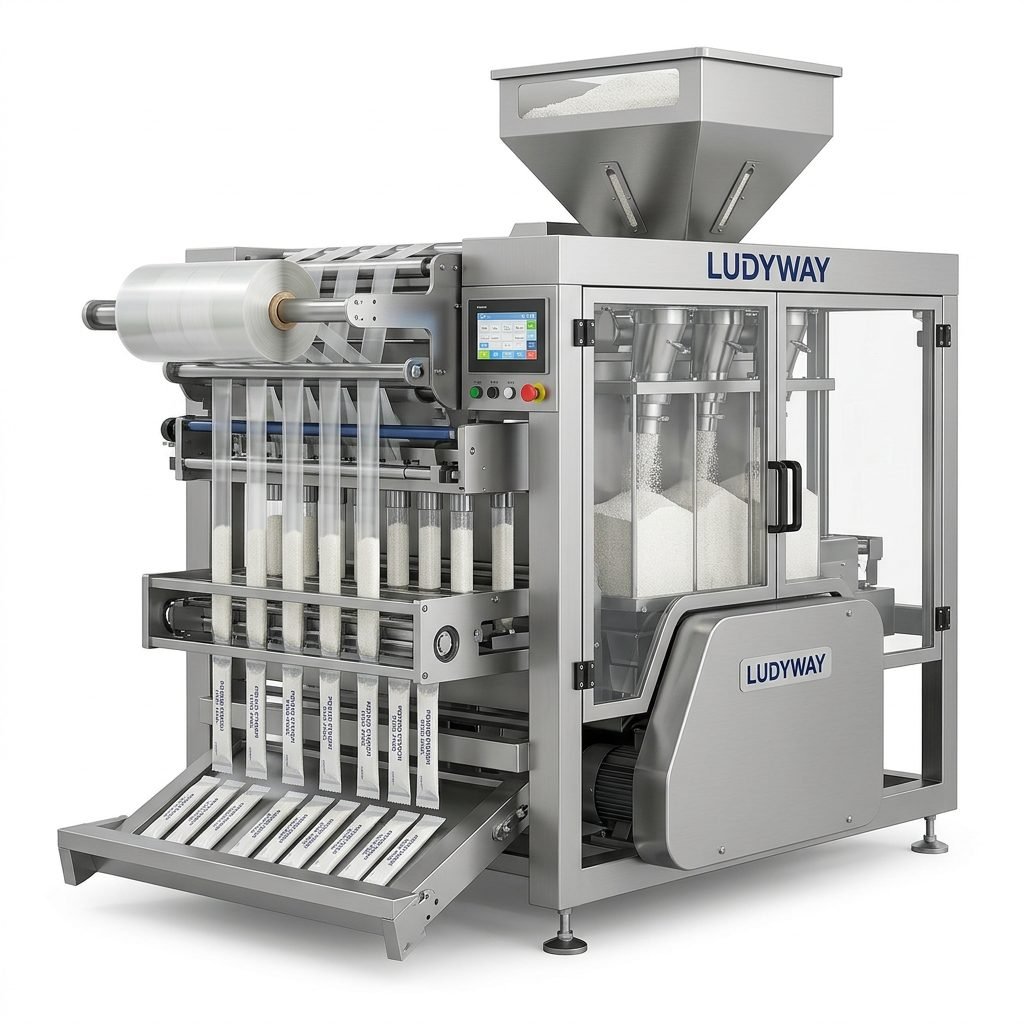
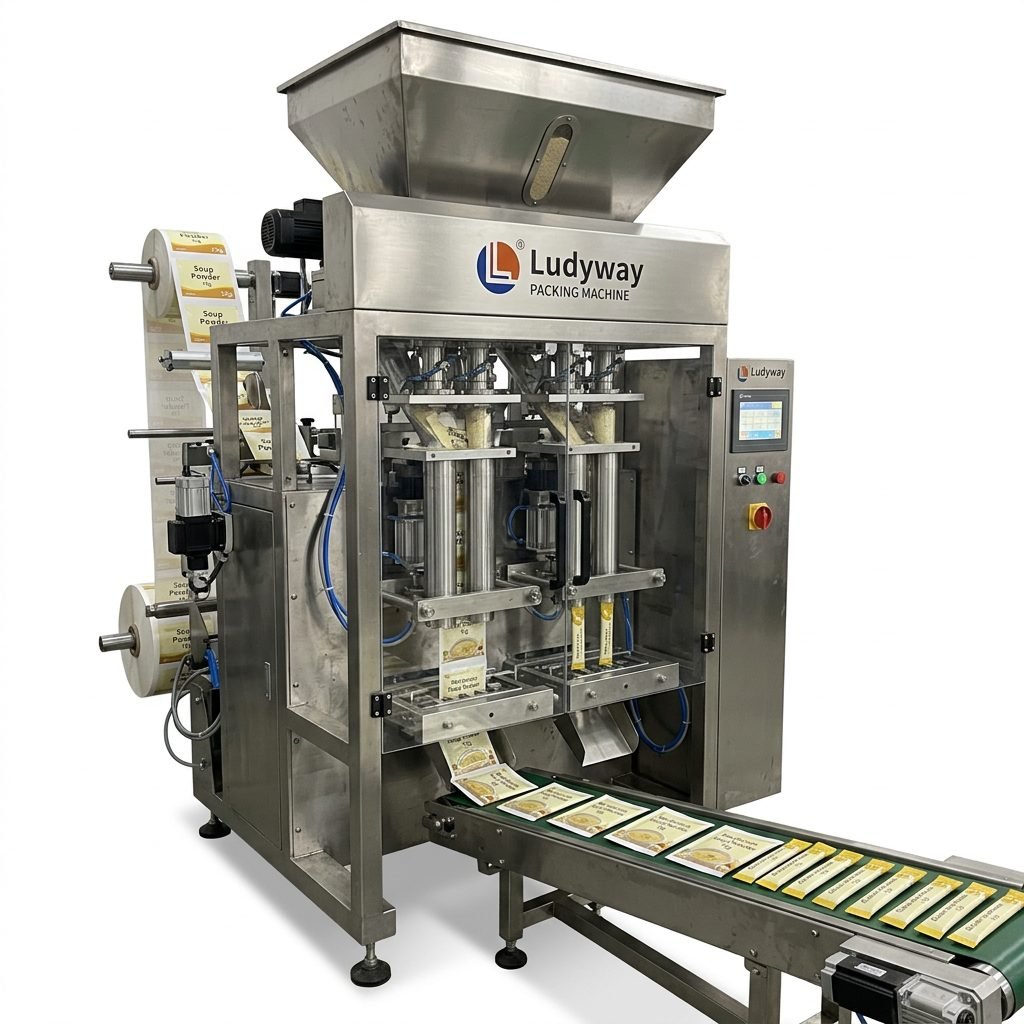
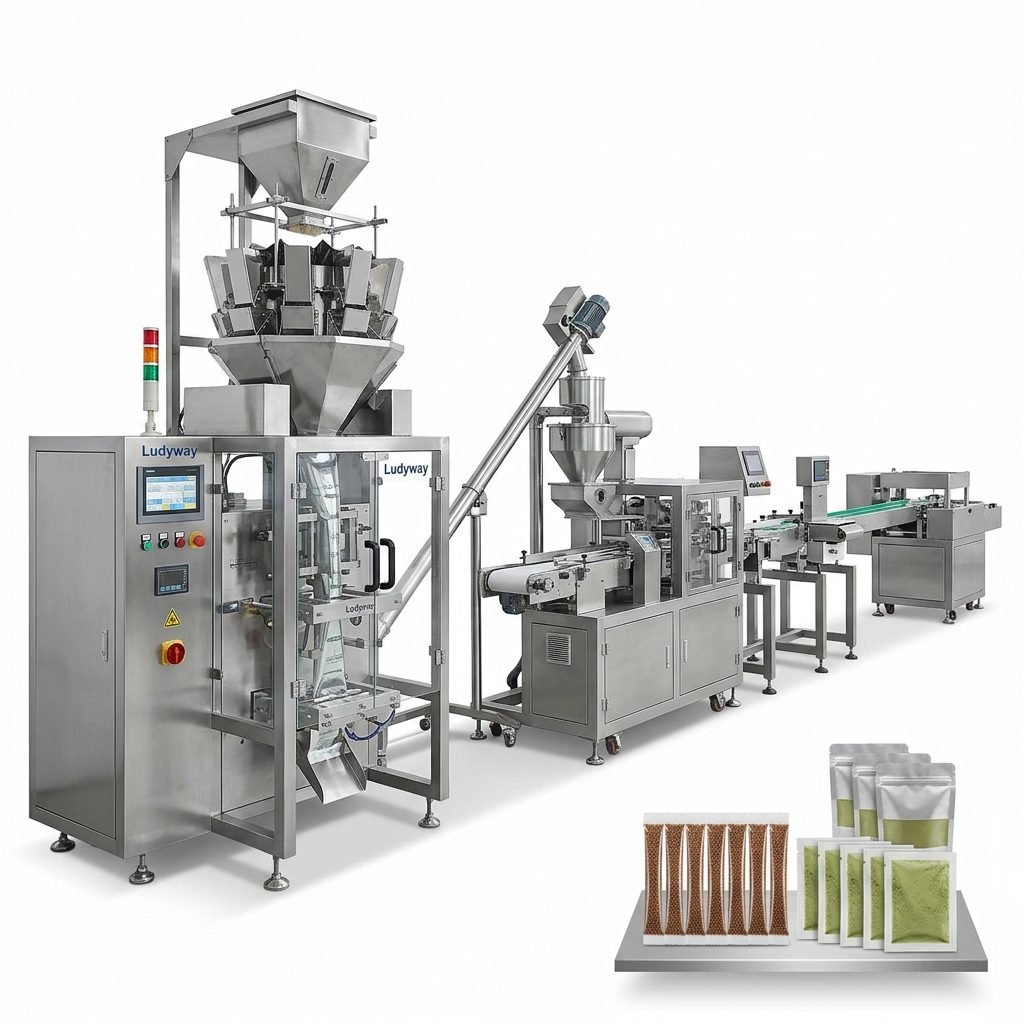
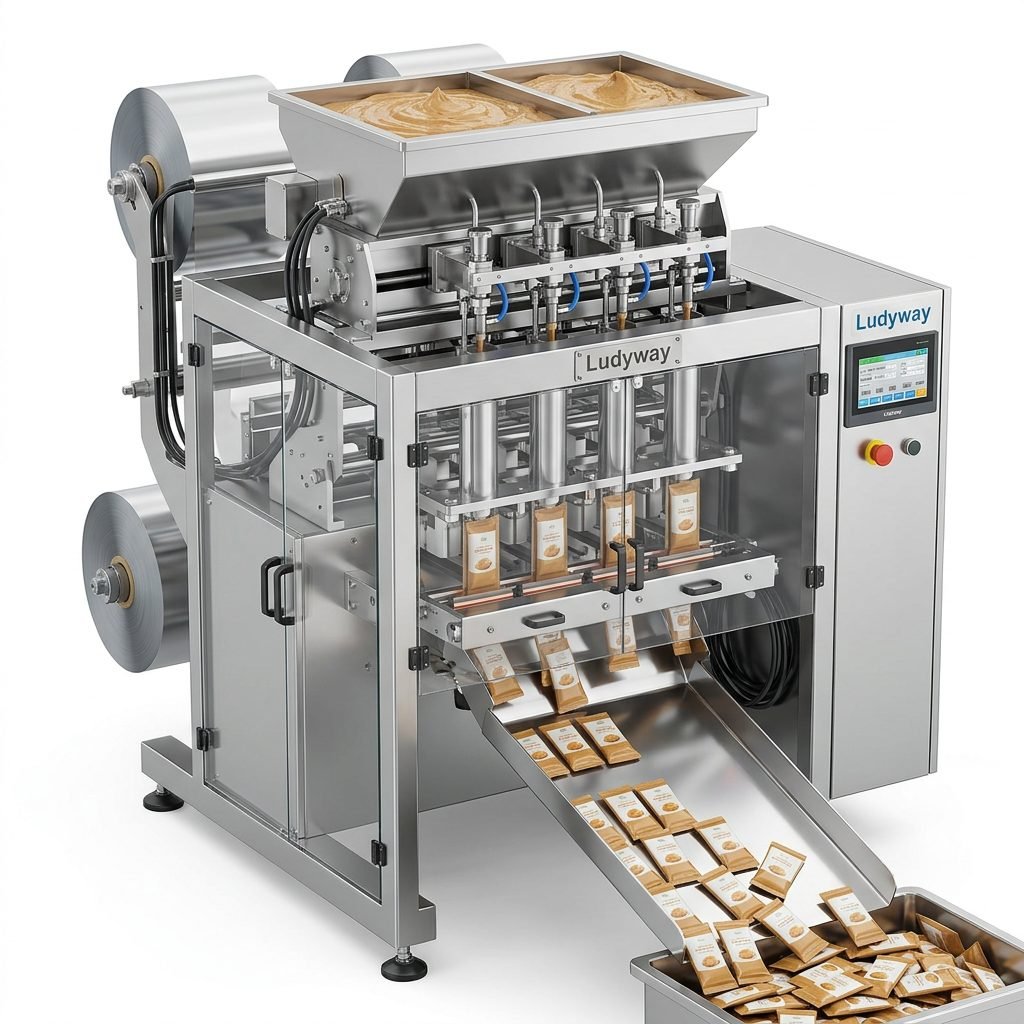
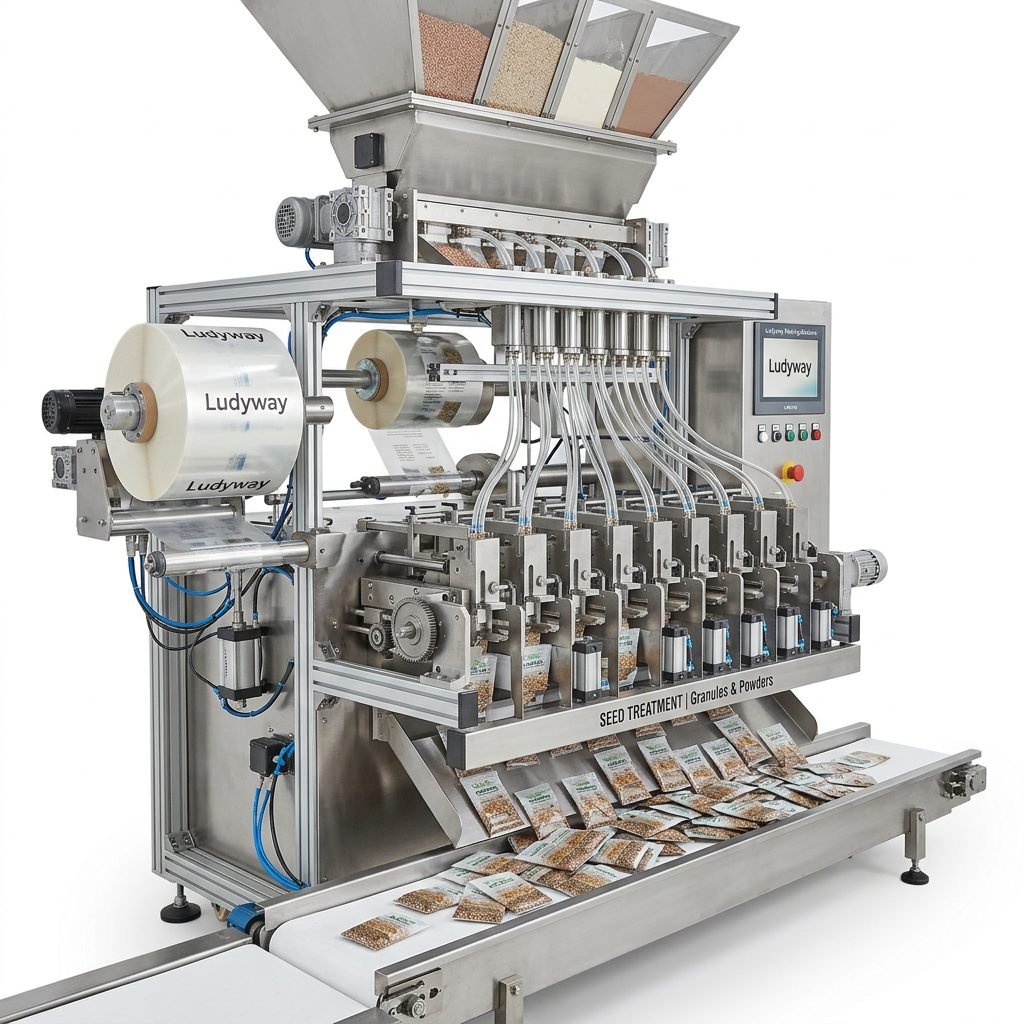
A Chuna pouch packing machine is a critical asset in food, pharmaceutical, and chemical production lines. Regular maintenance not only extends the service life of your equipment but also ensures consistent package quality, reduces unexpected downtime, and maintains packaging machinery standards compliance. This comprehensive guide covers everything from daily inspections to long-term preventive strategies.
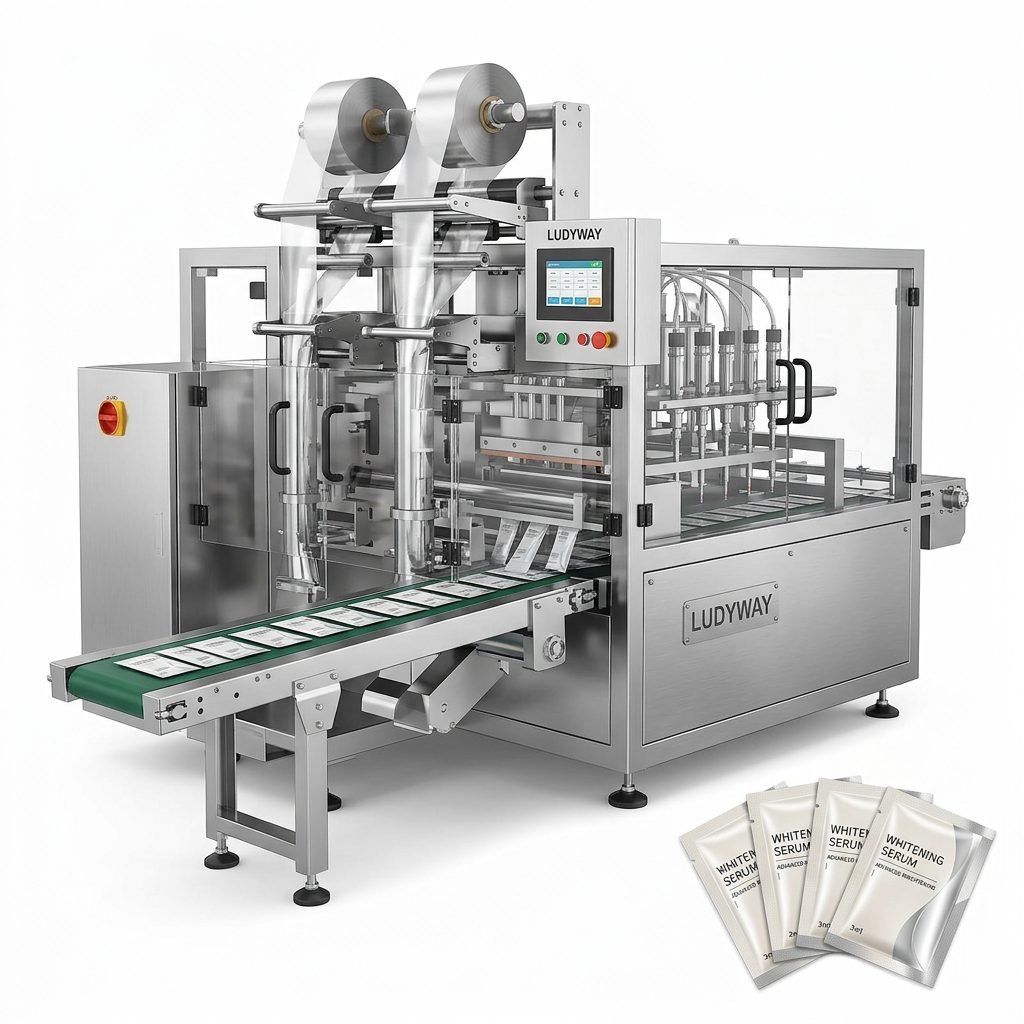
Why Routine Maintenance Matters for Your Pouch Packing Machine
Neglecting routine care can lead to seal integrity failures, inaccurate filling weights, film misalignment, and costly production stoppages. A well-maintained machine operates at peak efficiency, reduces waste, and protects your brand reputation by delivering consistently sealed pouches. According to packaging machinery market research, preventive maintenance can reduce unplanned downtime by up to 45%.
Daily Inspection Checklist
Performing a quick daily inspection before starting production is the first line of defense against mechanical issues. Operators should follow a standardized checklist to catch potential problems early.
| Checkpoint | Action Required | Frequency |
|---|---|---|
| Film Roll Alignment | Verify film tracking is centered; adjust guides if needed | Every shift |
| Sealing Jaws Temperature | Check actual vs. setpoint temperature on display | Every shift |
| Air Pressure Supply | Confirm pressure gauge reads within specified range | Daily |
| Safety Guards & Sensors | Test emergency stops and protective covers | Daily |
| Product Residue Build-up | Inspect filling area for powder or granule accumulation | Every shift |
Weekly Cleaning Procedures
Thorough cleaning prevents cross-contamination and maintains hygienic production conditions. Follow these steps for effective cleaning:
- Power down and lock out the machine completely before any cleaning activity
- Remove all film remnants, product spillage, and dust from the forming tube area
- Clean sealing jaws with a non-abrasive solvent to remove adhesive residue and carbon deposits
- Wipe down sensors and photoelectric cells with a soft, lint-free cloth
- Inspect and clean the film tension rollers to prevent tracking issues
- Vacuum or brush away powder accumulation from electrical enclosures (with power off)
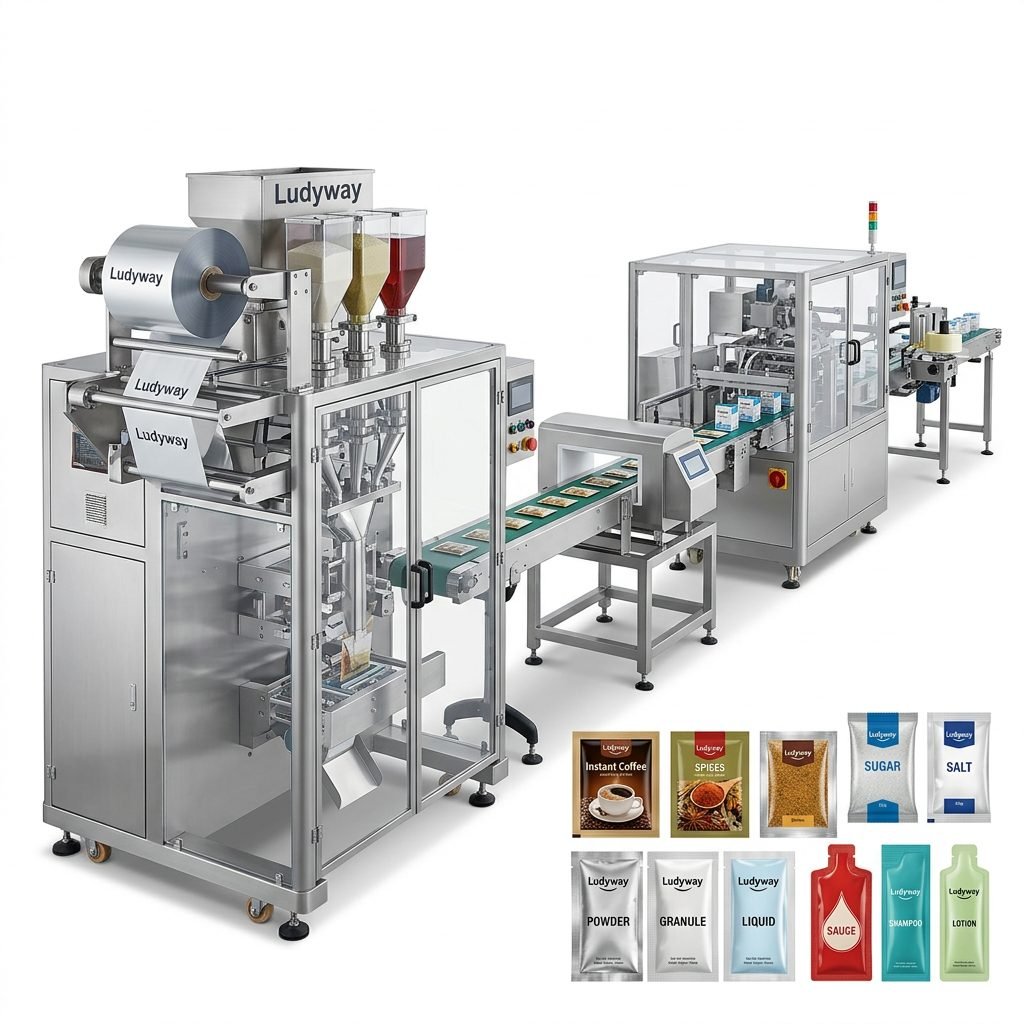
Lubrication Schedule and Best Practices
Proper lubrication keeps moving components running smoothly and prevents premature wear. Use only food-grade lubricants for machines handling consumable products, as recommended by flexible packaging industry resources.
| Component | Lubricant Type | Interval |
|---|---|---|
| Cam followers and bearings | Food-grade grease NLGI #2 | Every 200 operating hours |
| Chain drives | Light machine oil | Weekly |
| Linear guide rails | Food-grade grease | Monthly |
| Air cylinder rods | Light pneumatic oil | Every 500 cycles or weekly |
| Gear reducers | Synthetic gear oil | Check level monthly; replace annually |
Monthly and Quarterly Preventive Maintenance
Longer-interval maintenance tasks address components that degrade gradually. A structured preventive approach is essential for maximizing machine longevity.
Monthly Tasks
- Inspect all electrical connections for tightness and signs of overheating
- Verify calibration of temperature controllers and thermocouples
- Check belt tension and condition on drive motors
- Examine forming shoulder for scratches or wear that could tear film
- Test all pneumatic cylinders for smooth operation and leak-free seals
Quarterly Tasks
- Replace worn sealing jaw covers or PTFE coatings
- Inspect and clean heat exchangers and cooling fans in electrical cabinets
- Calibrate load cells and weighing systems for filling accuracy
- Check gearbox oil levels and top up or replace as needed
- Conduct a full safety system audit including all interlocks and emergency stops

Troubleshooting Common Chuna Pouch Packing Machine Issues
Even with diligent maintenance, occasional issues may arise. Here are solutions to the most frequent problems operators encounter.
Sealing Problems: Incomplete or Weak Seals
- Check temperature settings: Verify that sealing jaw temperature matches the film specification
- Inspect jaw pressure: Uneven pressure distribution can cause partial seals; adjust pneumatic regulators
- Clean sealing surfaces: Product residue on jaws prevents proper heat transfer
- Examine film quality: Damaged or expired film may not seal correctly regardless of machine settings
Filling Inconsistency and Weight Variation
- Recalibrate the multi-head weigher or auger filler according to manufacturer specifications
- Check for bridging or clogging in the hopper that disrupts product flow
- Verify that the fill time setting matches the required product volume
- Inspect product consistency — moisture content changes can affect flow characteristics
Film Tracking and Wrinkling Issues
- Adjust the film tension to ensure even pull from the unwind roll
- Clean all rollers and verify they rotate freely without bearing drag
- Check forming tube alignment relative to the film path centerline
- Replace worn rubber rollers that have lost grip surface
Spare Parts Management Strategy
Keeping critical spare parts on hand minimizes downtime when components fail unexpectedly. Based on common wear patterns in packaging machinery industry data, we recommend stocking the following:
- Sealing jaw covers and PTFE tape — replaced most frequently
- Thermocouples and temperature sensors — critical for seal quality
- Film pull belts and timing belts — wear items with predictable service life
- Pneumatic seals and O-rings — essential for cylinder and valve function
- Photoelectric sensor units — vulnerable to dust and impact damage
- Heating elements for sealing jaws — prevent extended lead-time delays

When to Call Professional Service Support
While routine maintenance can be handled by trained operators, certain situations require expert intervention. Contact a qualified service technician when you encounter:
- Persistent seal quality issues that do not respond to standard adjustments
- Unusual noises, vibrations, or mechanical knocking sounds during operation
- PLC or HMI control system errors that cannot be reset
- Significant changes in power consumption indicating motor or drive problems
- After any major component replacement requiring recalibration of the entire system
For users seeking reliable technical support and genuine spare parts, Ludyway — one of the largest packaging machine manufacturers — provides professional after-sales service and engineering assistance for pouch packing equipment across more than 100 countries. Their expertise in flexible packaging machinery ensures that your Chuna pouch packing machine receives proper care from experienced technicians.
Annual Overhaul and Comprehensive Service
An annual deep service goes beyond routine maintenance to restore equipment to near-original condition. This comprehensive procedure should include:
- Complete disassembly of the forming, filling, and sealing sections for detailed inspection
- Replacement of all wear components regardless of apparent condition
- Full electrical system diagnostic testing and PLC program verification
- Pneumatic system overhaul including valve cleaning and seal replacement
- Precision realignment of all mechanical assemblies to factory tolerances
- Updating firmware and control software to the latest stable version
Documentation and Maintenance Records
Maintaining detailed service records is essential for tracking machine health over time and complying with food packaging regulations. Document every maintenance activity including:
- Date and time of service performed
- Parts replaced and their serial or batch numbers
- Calibration readings before and after adjustment
- Name of the technician who performed the work
- Any unusual observations or pending follow-up items
Well-maintained records also help identify recurring failure patterns, enabling proactive replacement before unexpected breakdowns occur.
Conclusion: Building a Maintenance Culture
A successful maintenance program for your Chuna pouch packing machine depends on consistent execution rather than occasional intensive repairs. Train operators thoroughly on daily inspection routines, empower them to report anomalies immediately, and maintain a well-stocked spare parts inventory. By following the structured maintenance approach outlined in this guide, you will achieve higher production uptime, better package quality, and significantly lower total cost of ownership over the machine’s service life.