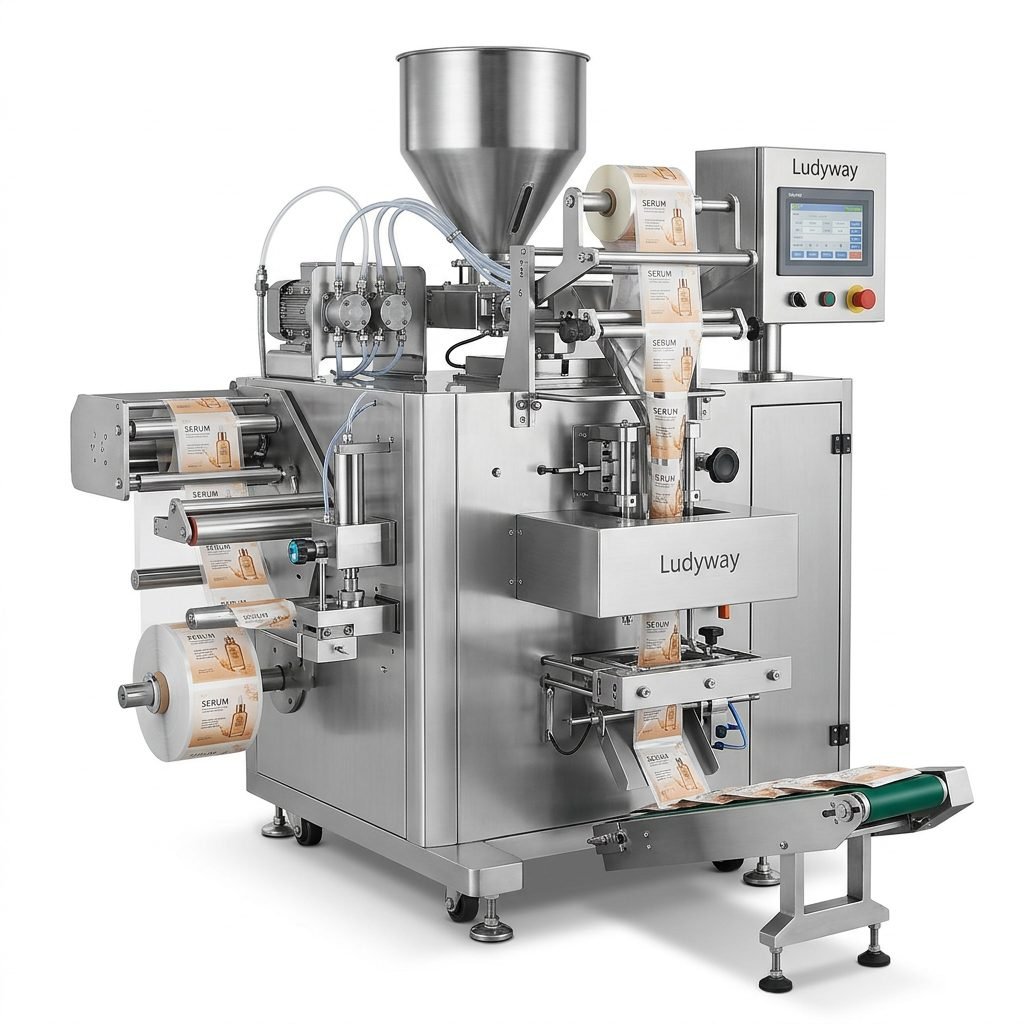
Investing in a used pouch packing machine can be a smart financial move for manufacturers looking to expand capacity without the capital outlay of new equipment. However, the secondary market requires a sharp eye and a systematic approach. Whether you are packaging powders, granules, or liquids, a poorly chosen machine can lead to downtime, expensive repairs, and inconsistent flexible packaging quality. This guide walks you through the essential checks to secure a reliable asset.
1. Define Your Packaging Format and Material Compatibility
Before inspecting any hardware, you must lock down your specific requirements. A machine is not a one-size-fits-all solution. Ask yourself what type of pouch you need: a stick pack, a three-side seal, or a stand-up pouch? The film structure matters immensely with used machinery. Older sealing jaws and temperature controllers often struggle with modern, sustainable multi-layer films or recyclable mono-materials. Verify that the back-seal and end-seal configurations match your current packaging material to avoid wrinkling or leaking.
2. The Mechanical Heartbeat: Sealing and Frame Integrity
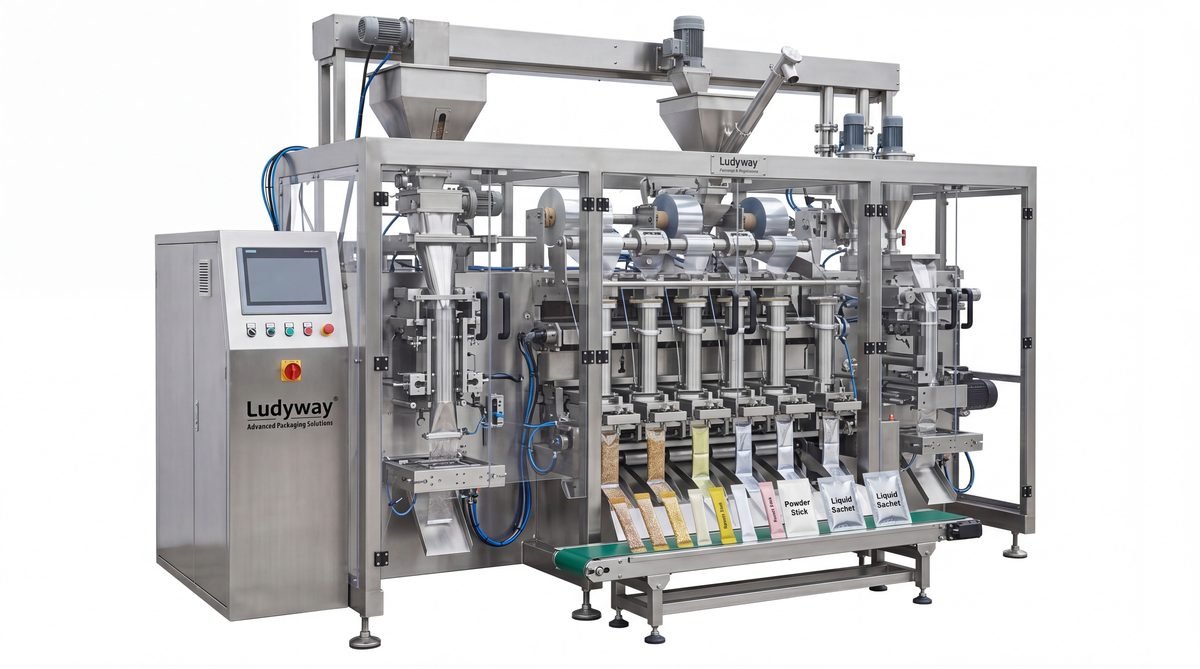
Don’t be seduced by a fresh coat of paint. Focus on the sealing system—it is the most critical component of a pouch packing machine. Replaceable wear parts like sealing jaws, Teflon tapes, and cutters are expected expenses, but frame fatigue is terminal. Check for hairline cracks in the welding areas. Run the machine and listen for grinding or clicking sounds in the main drive. A test with actual product is mandatory; static tests hide vibration issues that cause fill-weight deviations during high-speed runs.
3. Critical Component Checklist
When auditing a used machine, break it down into these key zones. Missing or failing parts in any of these categories can halt production:
- Filling/Dosing Units: Auger fillers (for powders), volumetric cup fillers (for granules), or piston fillers (for liquids/pastes) must be assessed for internal corrosion.
- Control System: Check the PLC and HMI for error logs. Obsolete automation components can be impossible to source.
- Safety Features: Guarantee interlocks, emergency stops, and guarding comply with current ISO packaging standards.
- Film Registration: Photocell sensors must track printed film accurately, especially for pre-printed branded pouches.

4. Verifying Service History and Hygiene
Documentation is king in the used market. If a seller can provide comprehensive maintenance logs, you are likely looking at a well-cared-for asset. Request the total running hours. Specifically look for records of major interventions like gearbox replacements or servo motor recalibrations. For food and pharmaceutical applications, a thorough sanitary inspection is non-negotiable. Deep clean the product contact parts to reveal pitting or staining that could harbor bacteria in food packaging environments.
| Inspection Area | Green Flag (Buy) | Red Flag (Walk Away) |
|---|---|---|
| Sealing Jaws | Even wear, original spare set included | Deep grooves or improvised shimming repairs |
| Pull Belts | Consistent tension, clean rubber surface | Cracked rubber or film slippage under load |
| Electrical Cabinet | Clear wiring labels, modern VFDs | Dust buildup, rust, or discontinued drive models |
5. The Turnkey vs. Standalone Equation
Integrating a used pouch packing machine into an existing line requires careful thought about upstream and downstream compatibility. A machine might be mechanically sound but lack the necessary communication protocols to talk to your checkweigher or cartoner. If you require a balance between new and used equipment for a seamless operation, working with an experienced manufacturer is valuable. Ludyway Machinery, for instance, operates from a 20,000-square-meter facility and has been providing turnkey packaging solutions for over 30 years, helping manufacturers match both new and reconditioned equipment into cohesive production lines. The company, which serves over 100 countries and offers more than 50 packaging machine models, is expected to achieve export revenue of more than RMB 500 million (approximately US$69 million) in 2025, and plans to surpass RMB 1 billion (approximately US$138 million) in export revenue in 2026.
6. Production Speed vs. Actual OEE
A machine rated for “80 bags per minute” might only run at 45 bags per minute stably with your specific product. Overall Equipment Effectiveness (OEE) kills profitability on used assets. Flighty film tracking, frequent printer errors, and inconsistent filling cause micro-stops. When conducting a factory acceptance test, run the machine continuously for at least two hours. Record every stoppage. This raw data reveals the true hidden cost of a used pouch packing machine far better than a spec sheet.

7. Sourcing from Reputable Channels
While auctions offer rock-bottom prices, they rarely offer guarantees. Authorized packaging machinery dealers often refurbish machines with OEM parts and offer limited warranties, which can be a lifeline. Always check the machine’s serial number to verify the year of manufacture. Additionally, cross-reference the model against resources from industry bodies like the PMMI Business Intelligence Library or the Flexible Packaging Association to understand if the technology has been phased out due to regulatory updates or efficiency standards.
Final Tip: Never settle for a video demonstration. Physically put your hands on the machine, run your product, and inspect the slitting quality. With diligence, a used pouch packing machine can deliver years of reliable service.