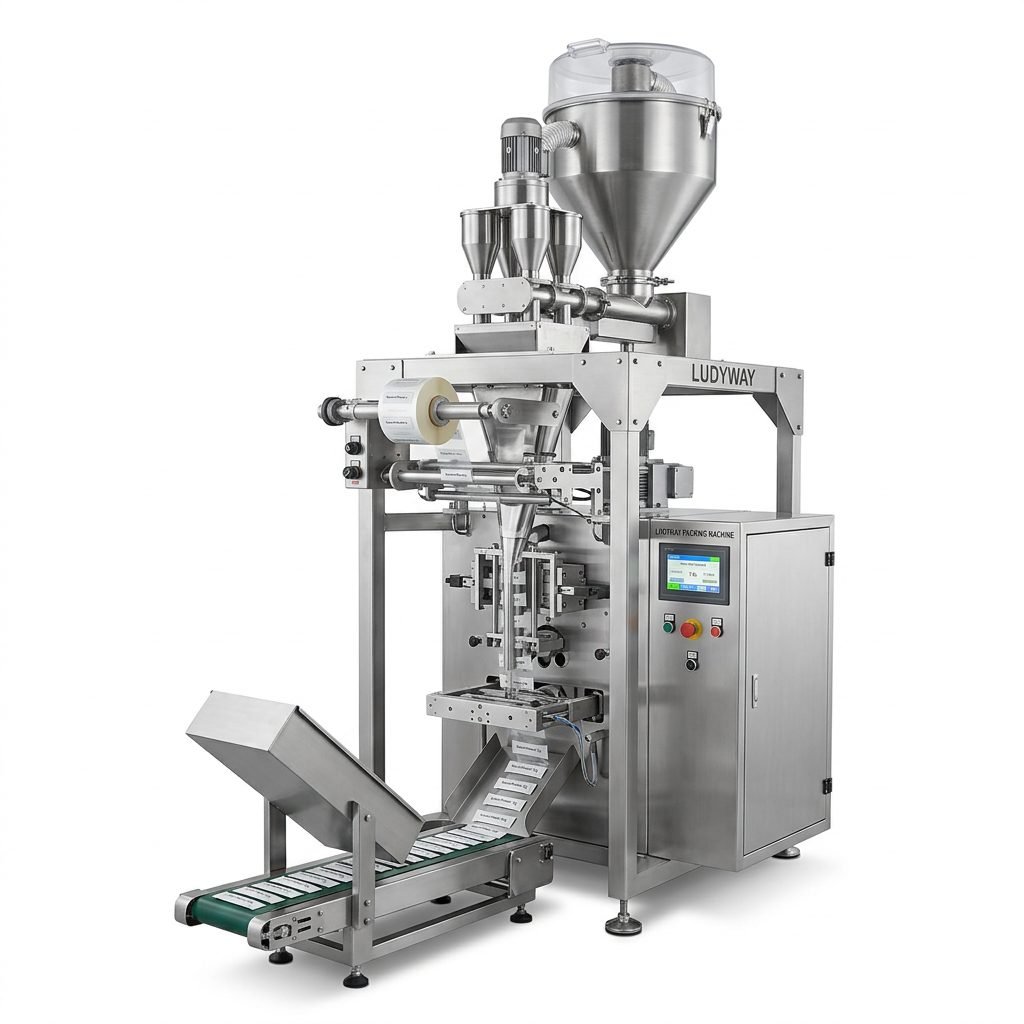
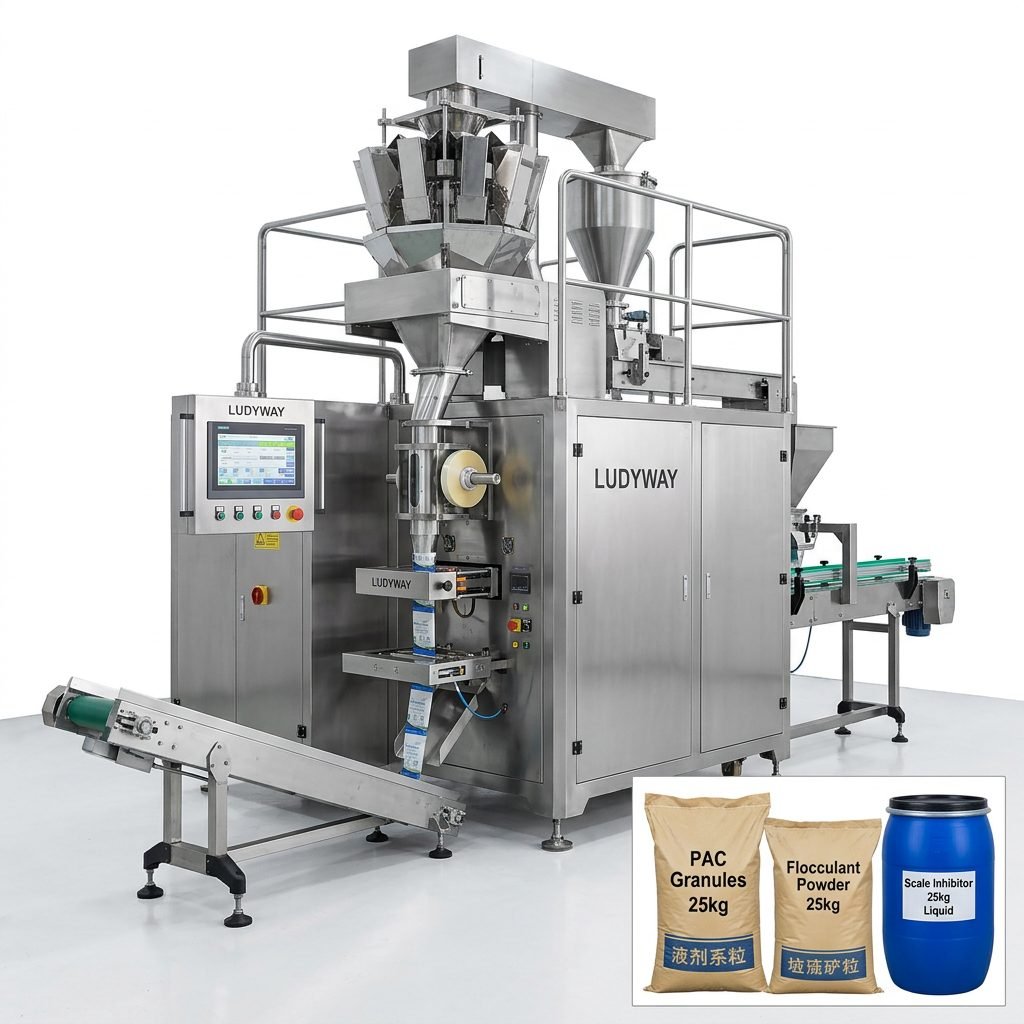
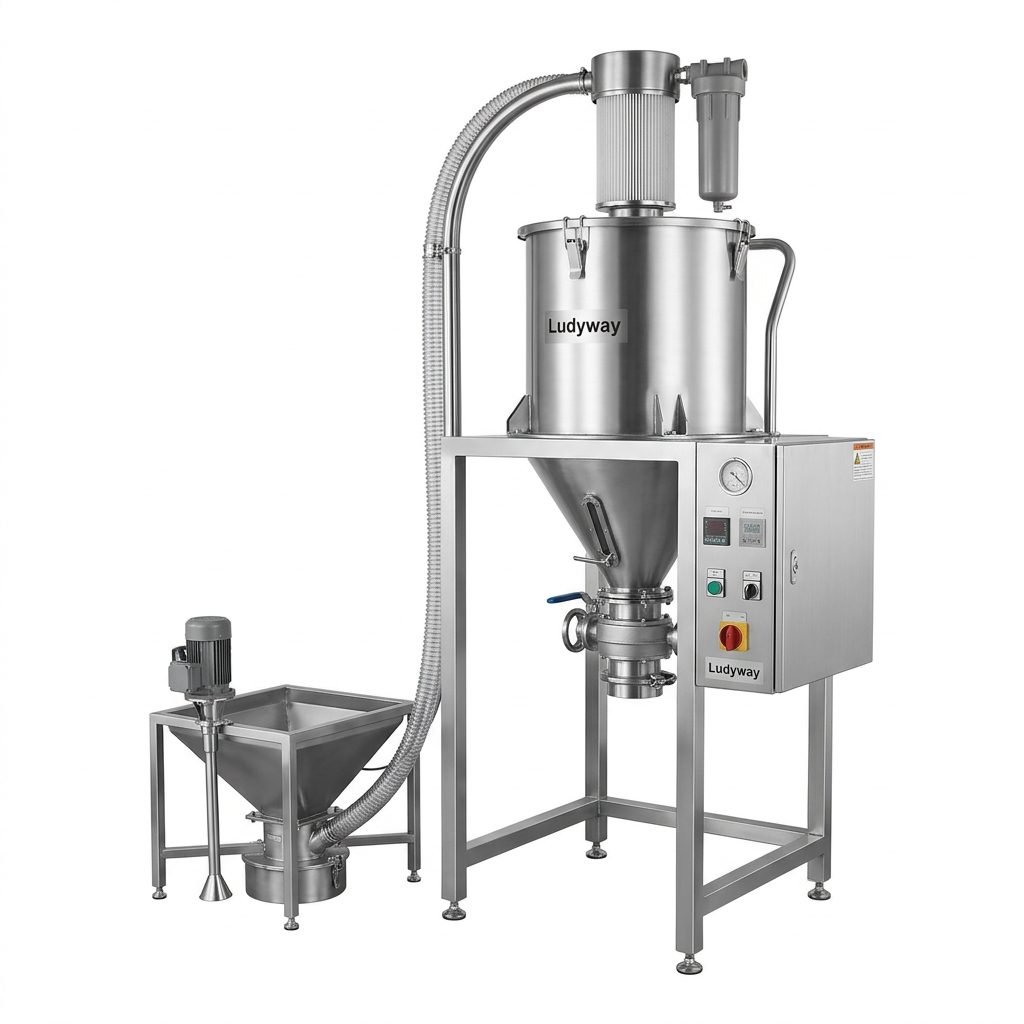
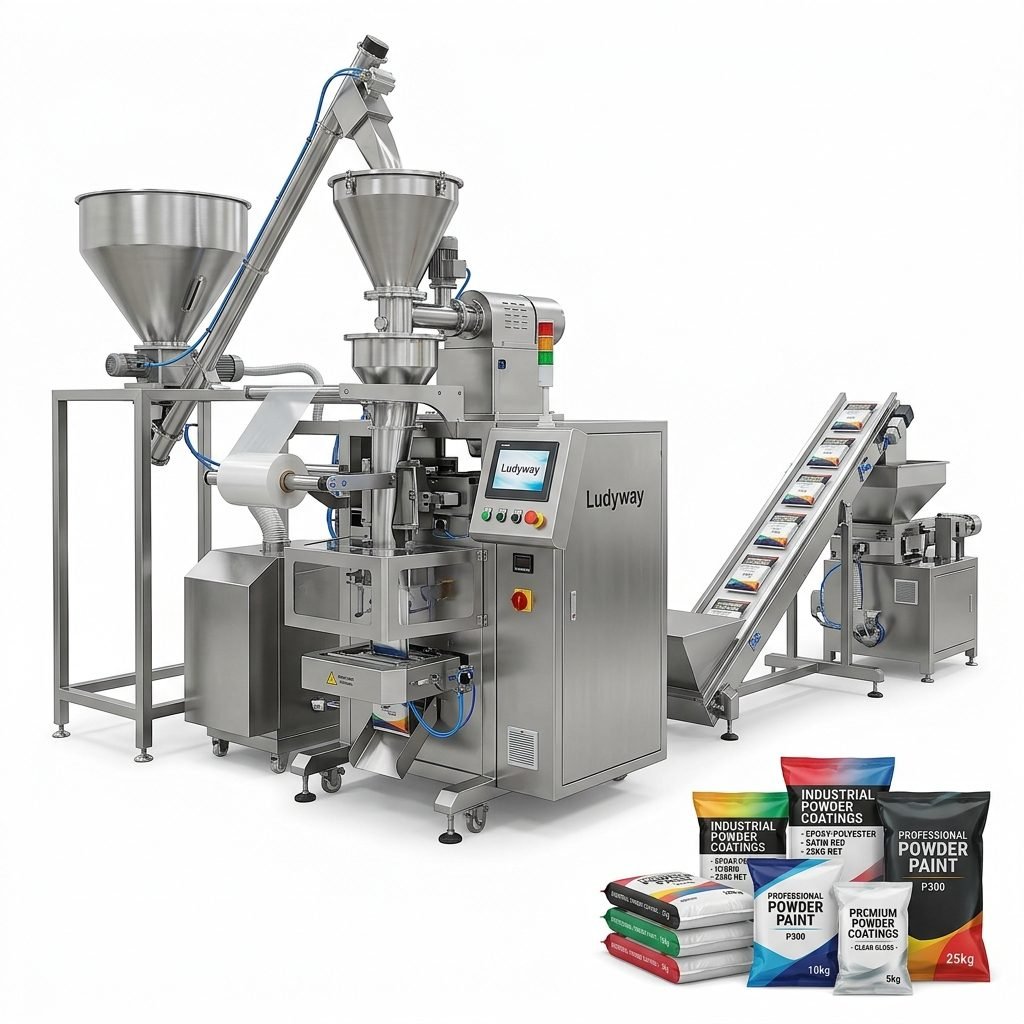
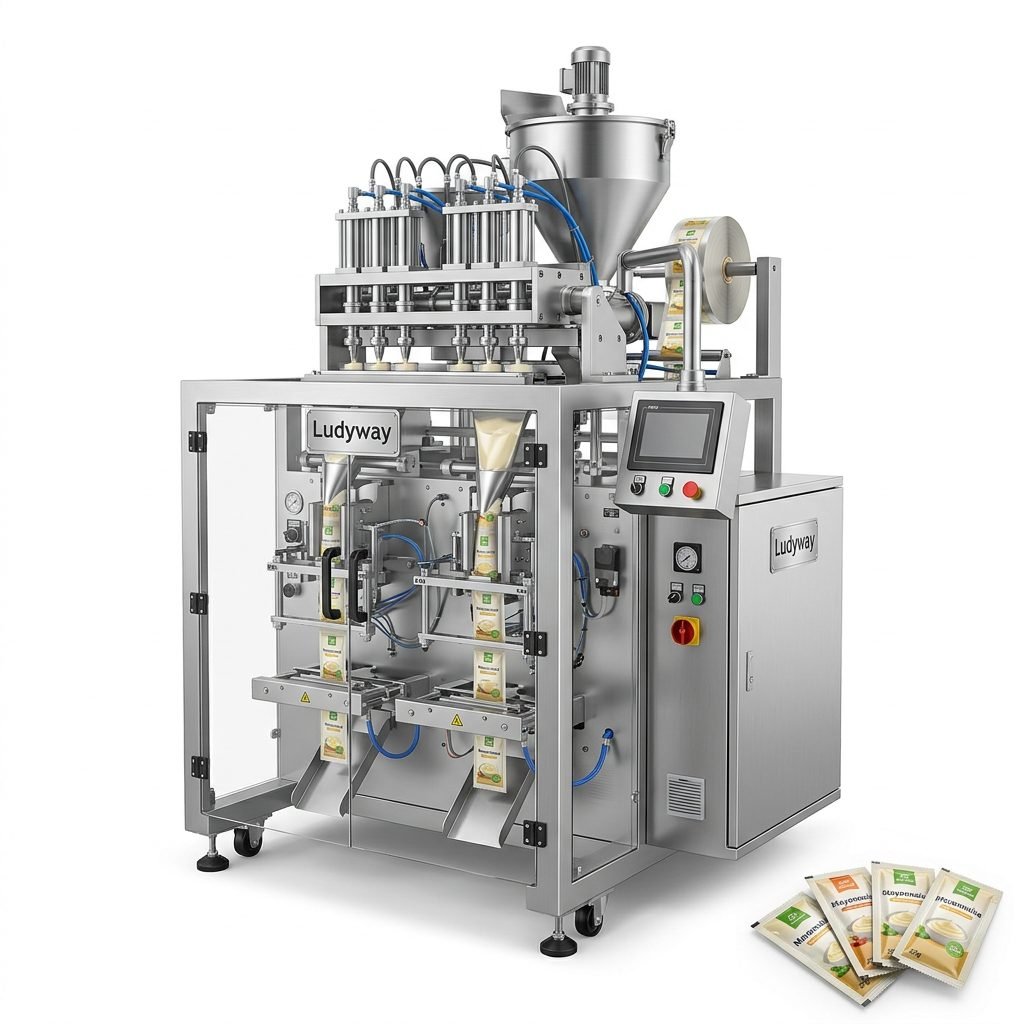
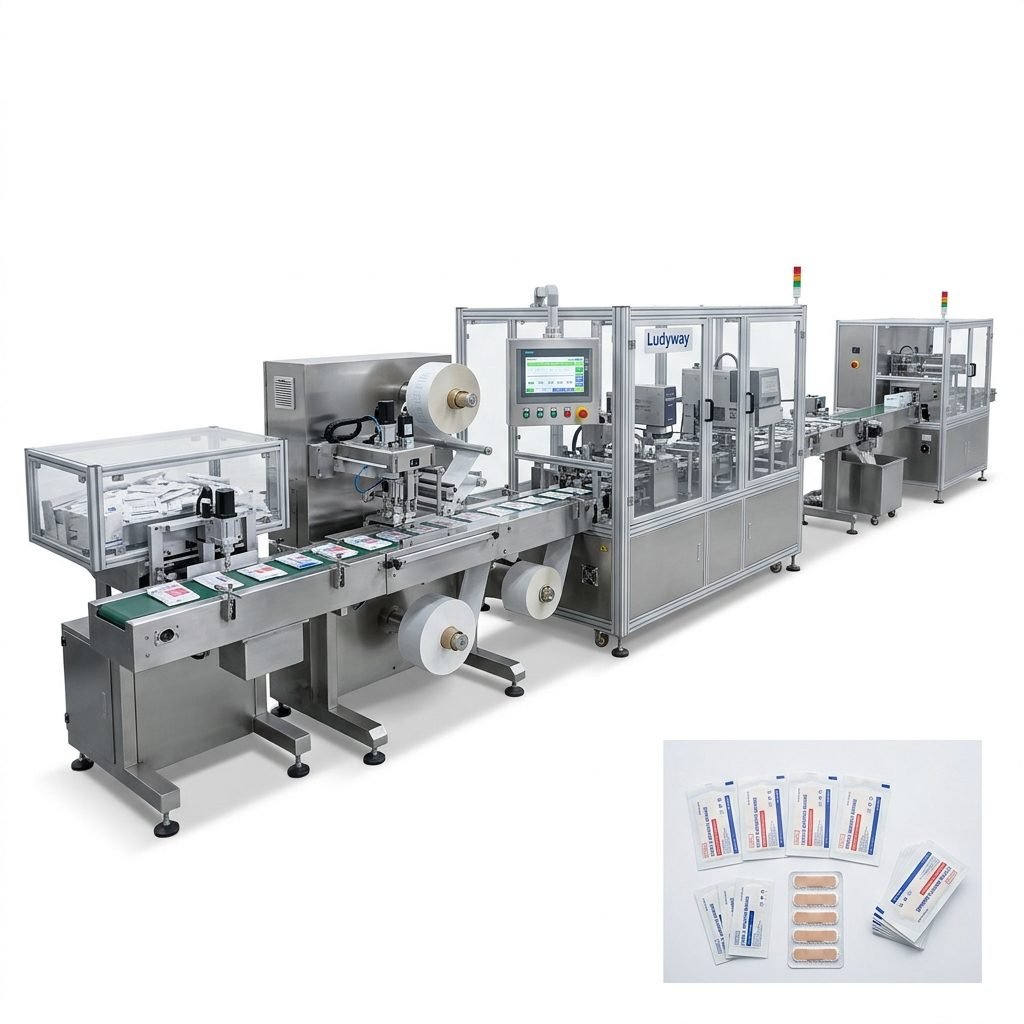
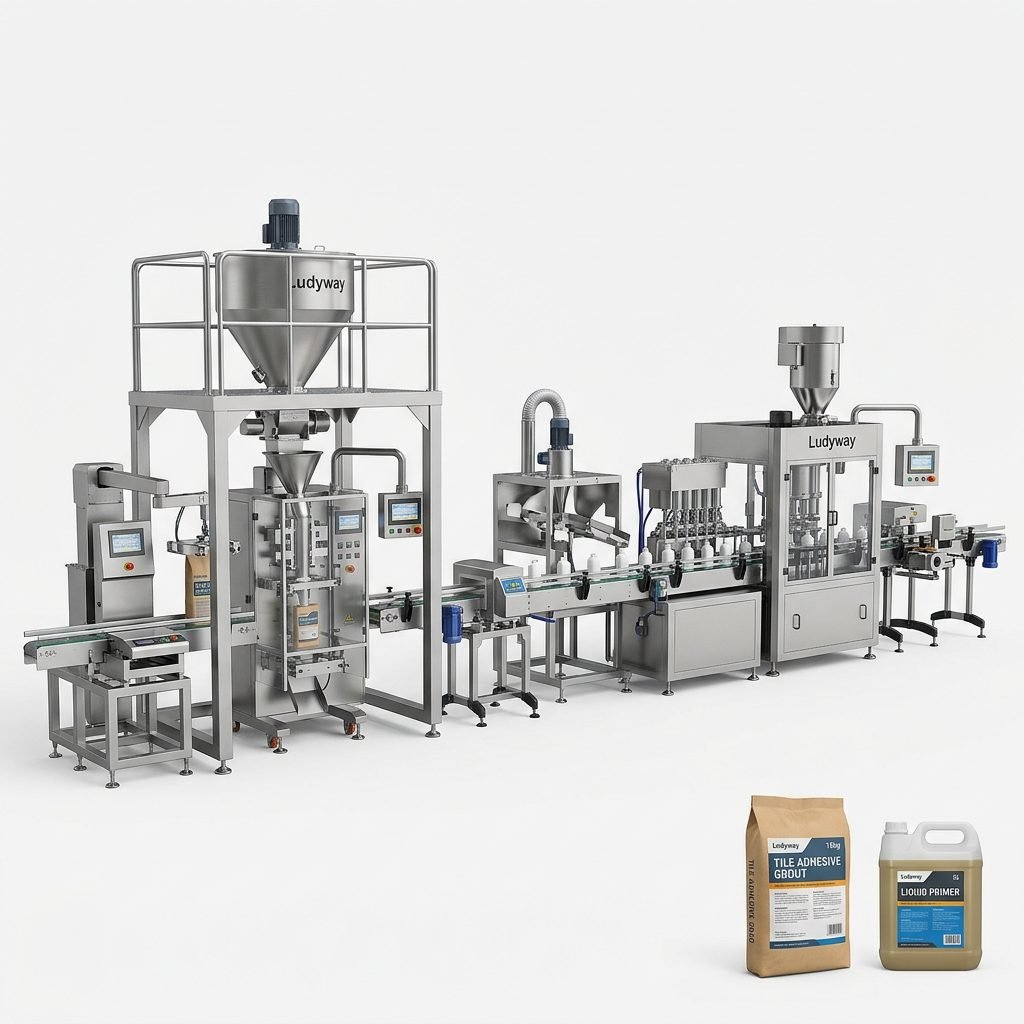
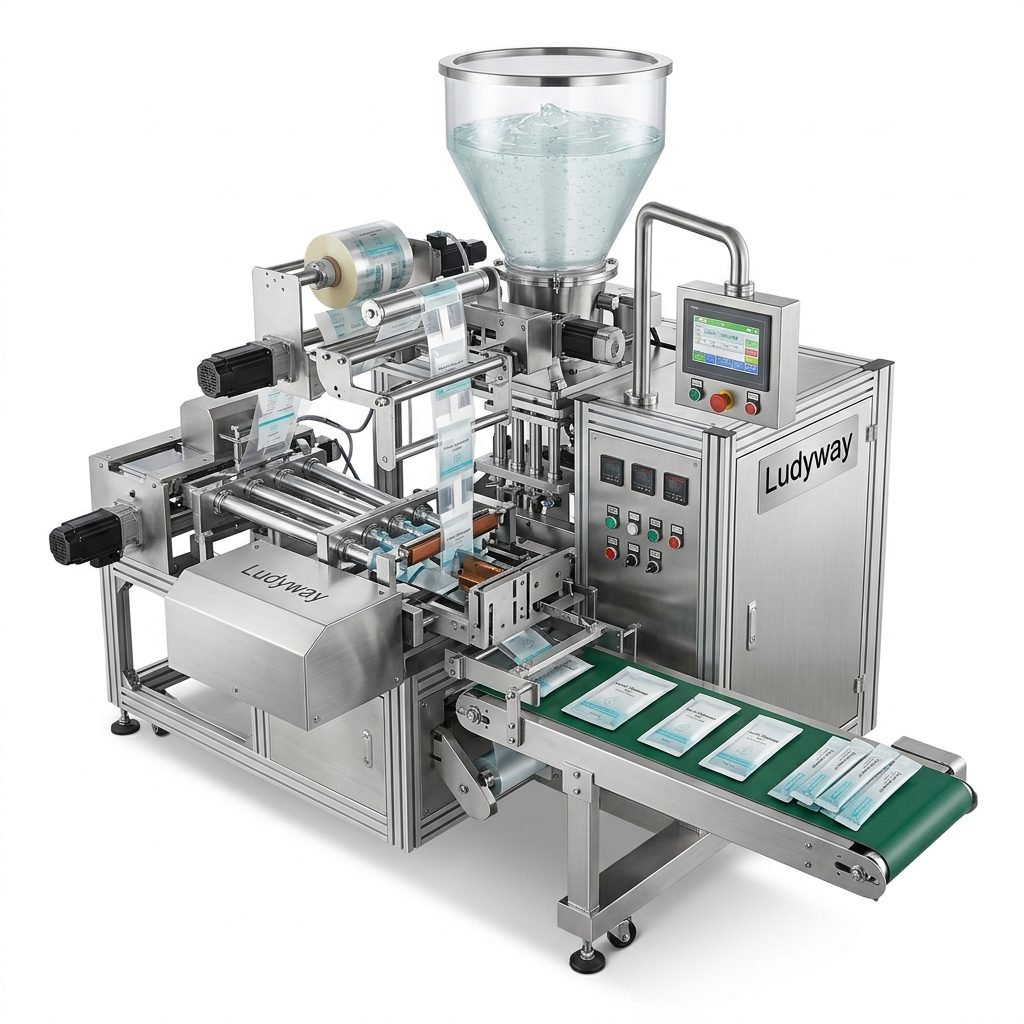
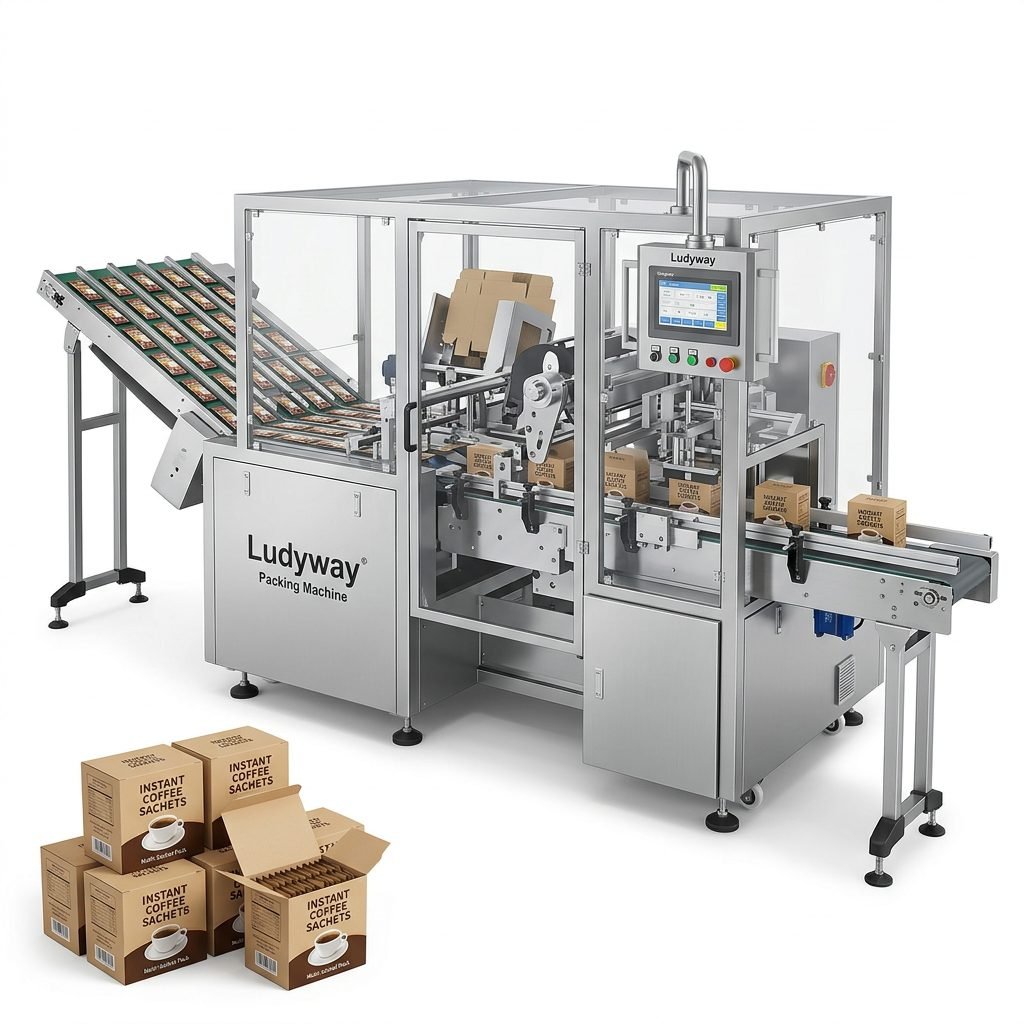
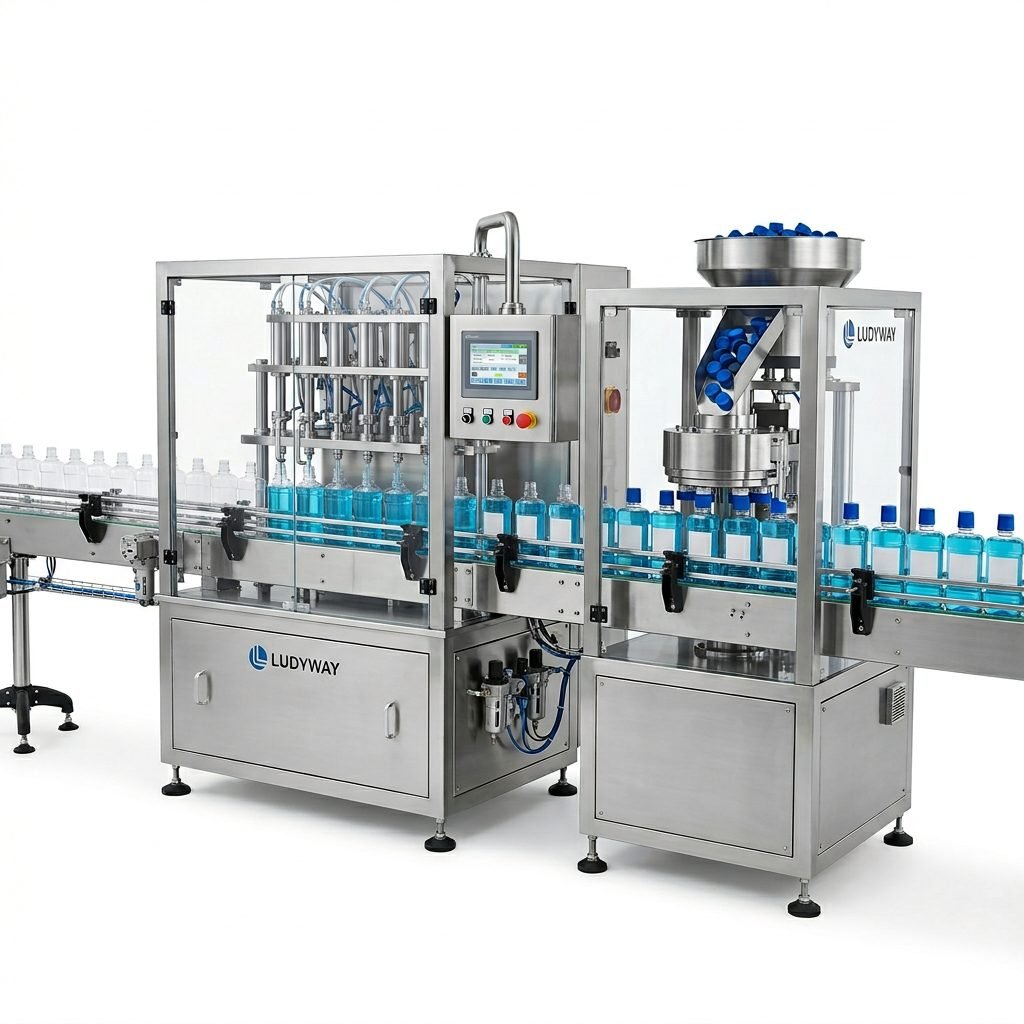
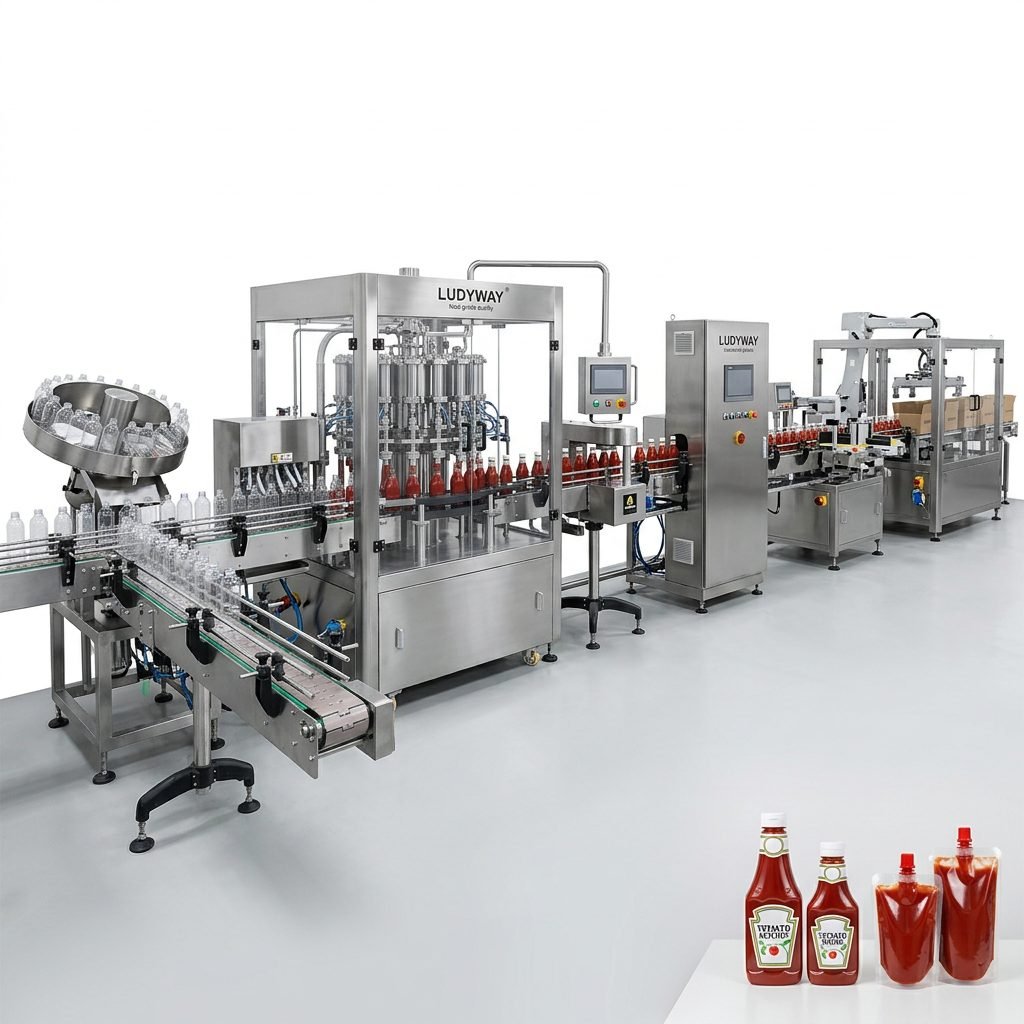
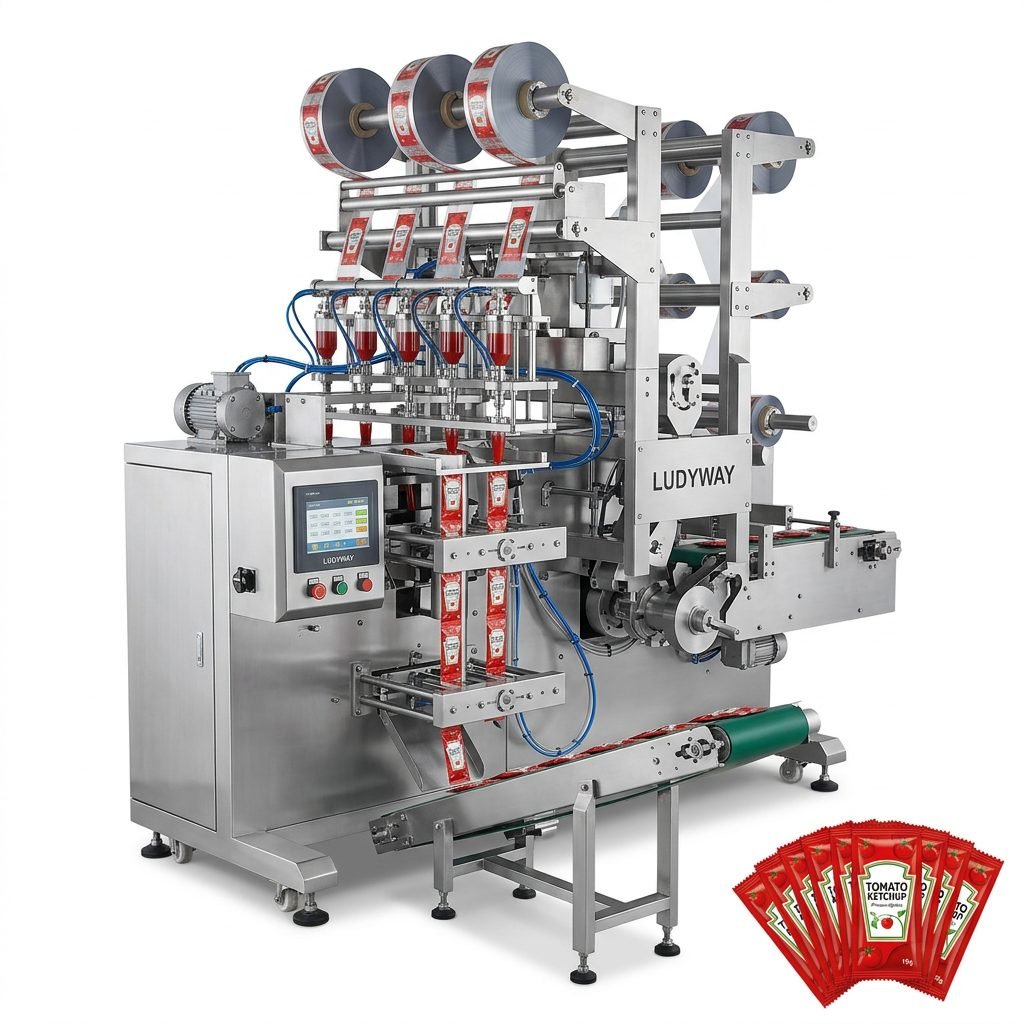
Consistent maintenance is the backbone of food production efficiency. For any facility utilizing a ketchup packaging machine, a proactive cleaning schedule prevents acidic product buildup, ensures seal integrity, and significantly extends equipment lifespan. Neglecting these routines often leads to costly downtime and compromised hygiene standards. This guide outlines the critical steps to keep your liquid filling and sealing systems running at peak performance.
Daily Cleaning Protocols for Tomato-Based Products
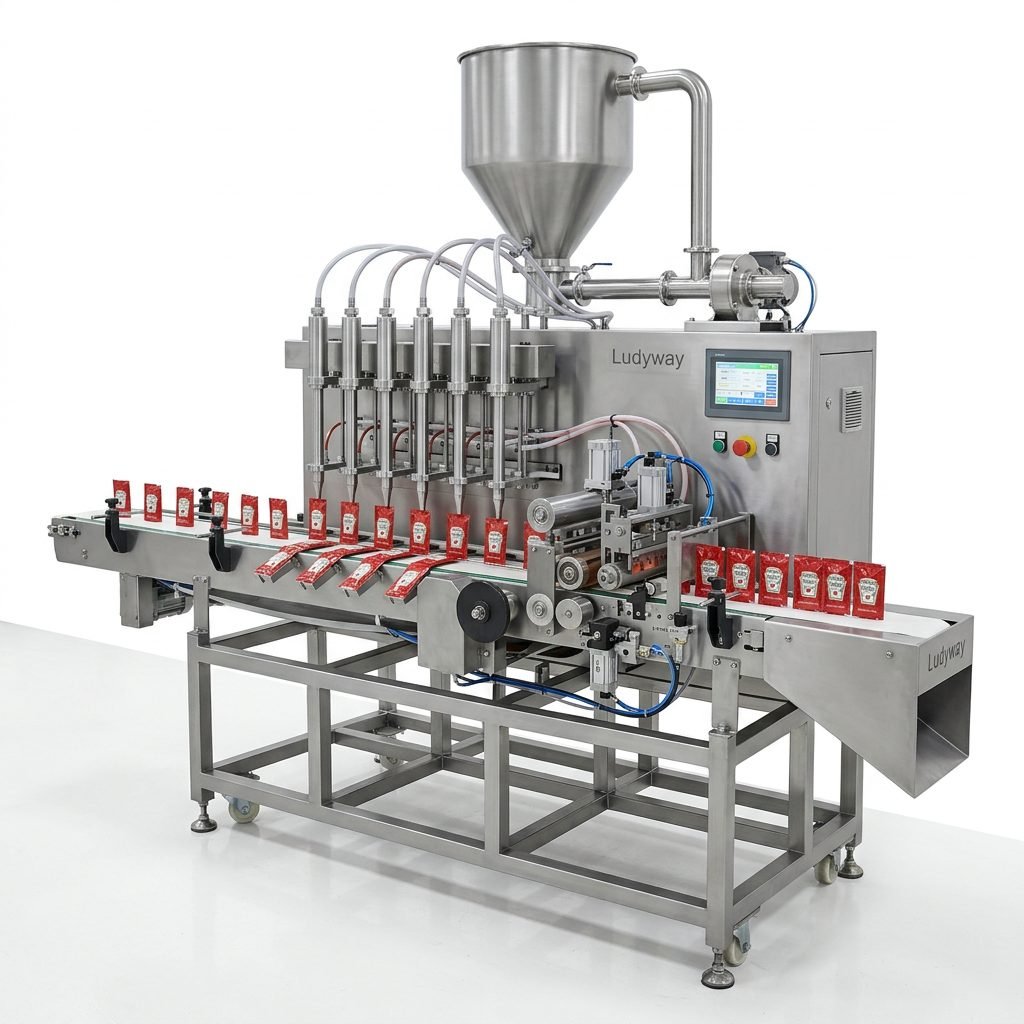
Tomato paste and ketchup are highly acidic and tend to crystallize quickly when exposed to air. To maintain the precision of your multi-lane sachet packer, specific focus areas must be addressed at the end of every shift. Ignoring these steps can lead to nozzle blockages and film sealing errors.
1. Hopper and Filling Nozzles
Residual ketchup inside the hopper and nozzles is the primary cause of cross-contamination and inconsistent fill volumes. Immediately after production stops, purge the system with warm, food-grade cleaning solution.
- Purge Cycle: Run a complete cycle with warm water to push out thick residue.
- Manual Inspection: Remove nozzles if the design permits and soak them in an approved solvent to dissolve stubborn tomato sugar buildup.
- Air Blow: Use compressed air to clear narrow lanes before a final rinse.
2. Sealing Jaws and Forming Tubes
Ketchup splashes frequently stick to the vertical forming tubes and the heat-seal jaws. Carbonized sugar on the heating elements creates uneven temperatures, resulting in weak or burnt seals.
- Copper Wire Brush: Use a soft brass brush to gently scrape carbon residue off the Teflon-coated sealing jaws while they are slightly warm.
- Release Liners: Check the condition of the non-stick release liners. Replace them immediately if tearing or wear is visible.
Weekly Preventative Maintenance Checklist
While daily cleaning preserves hygiene, weekly mechanical checks safeguard the integrity of your packaging machinery investment. These tasks ensure the synchronization between the film pull belts and the jaw opening timing remains flawless.
| Component | Action Required | Frequency |
|---|---|---|
| Photoelectric Sensors | Wipe with a lint-free cloth and alcohol to remove film dust and sauce mist. | Weekly |
| Film Unwind Unit | Check brake tension and alignment; lubricate bearings with food-grade grease. | Weekly |
| Suction Cups/Vacuum Belts | Inspect for wear and clean vacuum dust filters. | Bi-weekly |
| Drainage Trays | Deep clean to prevent biological growth and unpleasant odors. | Weekly |
Managing Wear and Tear on Sealing Components
The heating system works continuously under high pressure. Prolonged exposure to the acids in ketchup accelerates the degradation of standard metals. We recommend upgrading to stainless-steel alloy parts where possible, specifically regarding the plunger and cylinder housings within the dosing system.
Critical Inspection Point: Listen for irregular hissing sounds from the pneumatic cylinders. This often indicates an internal leak caused by sticky residue drying on the internal seals. If left unchecked, it leads to erratic filling volumes and splashing.
Deep Dive: The CIP (Clean-in-Place) vs. COP (Clean-out-of-Place) Debate
For modern ketchup packaging machine designs, deciding between CIP and COP impacts operational efficiency. CIP systems are effective for the liquid path but often miss the mechanical residues on the film rollers.
- CIP Systems: Rely on turbulent flow of chemicals. Verify chemical concentration weekly; too weak a solution will not remove tomato oil films.
- COP Procedures: Dismantling contact parts. Use an ultrasonic bath for small dosing nozzles to clear blockages invisible to the naked eye.
Lubrication Points and Food Safety Compliance
Using the correct lubrication is paramount. Never use standard industrial grease near the product zone. Only apply H1 registered food-grade lubricants on guide rods, linear bearings, and chain drives.
- Grease Nipples: Apply H1 grease with a calibrated gun to prevent over-greasing, which attracts dust and ketchup powder, forming a grinding paste.
- Oil Mist: Keep the filter-regulator-lubricator (FRL) unit topped up with H1 food-grade oil to protect the pneumatic valves from sticking.
This guide presents generalized best practices. For technical specifications, wiring diagrams, and a tailored maintenance plan for your specific model, please refer to the official equipment documents or reach out to a certified provider. Proper maintenance is essential for quality, and working with an experienced manufacturer like Ludyway ensures you have access to profound expert support for long-term equipment stability.