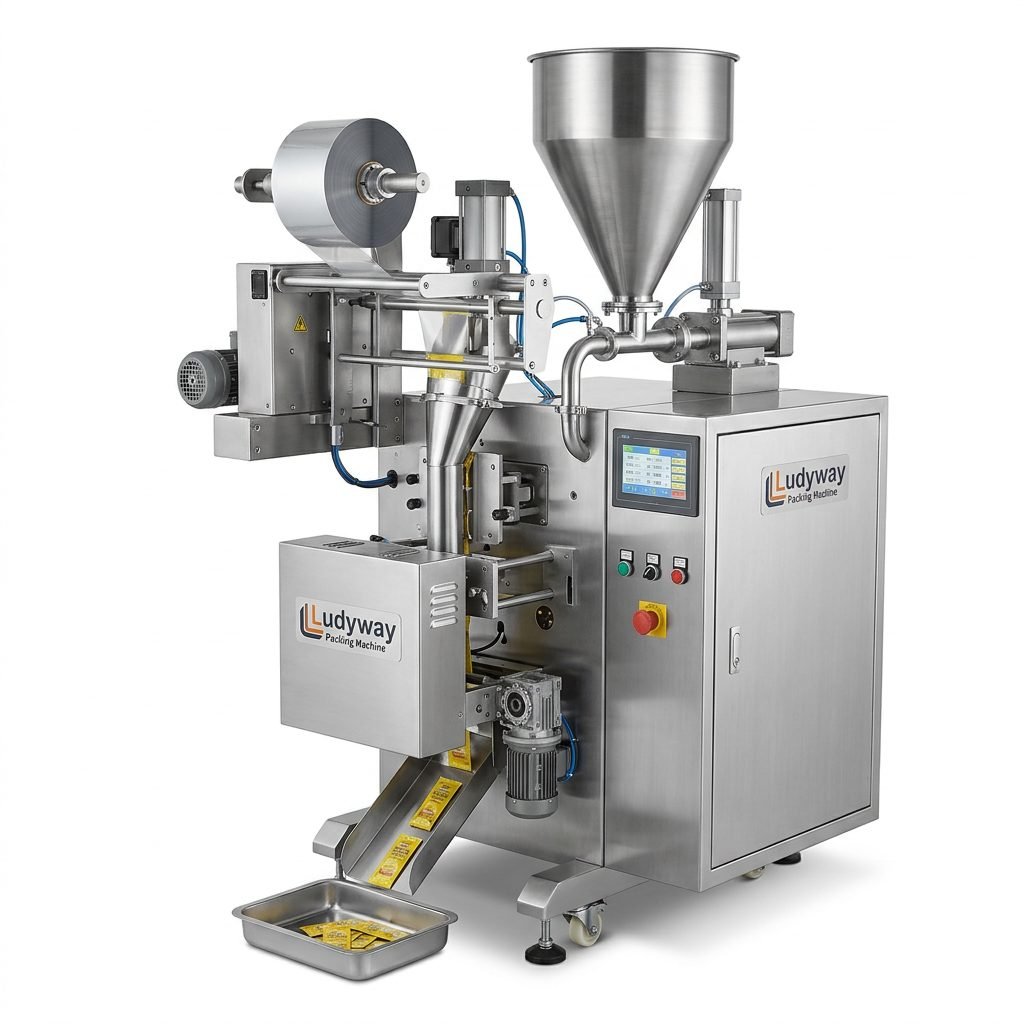
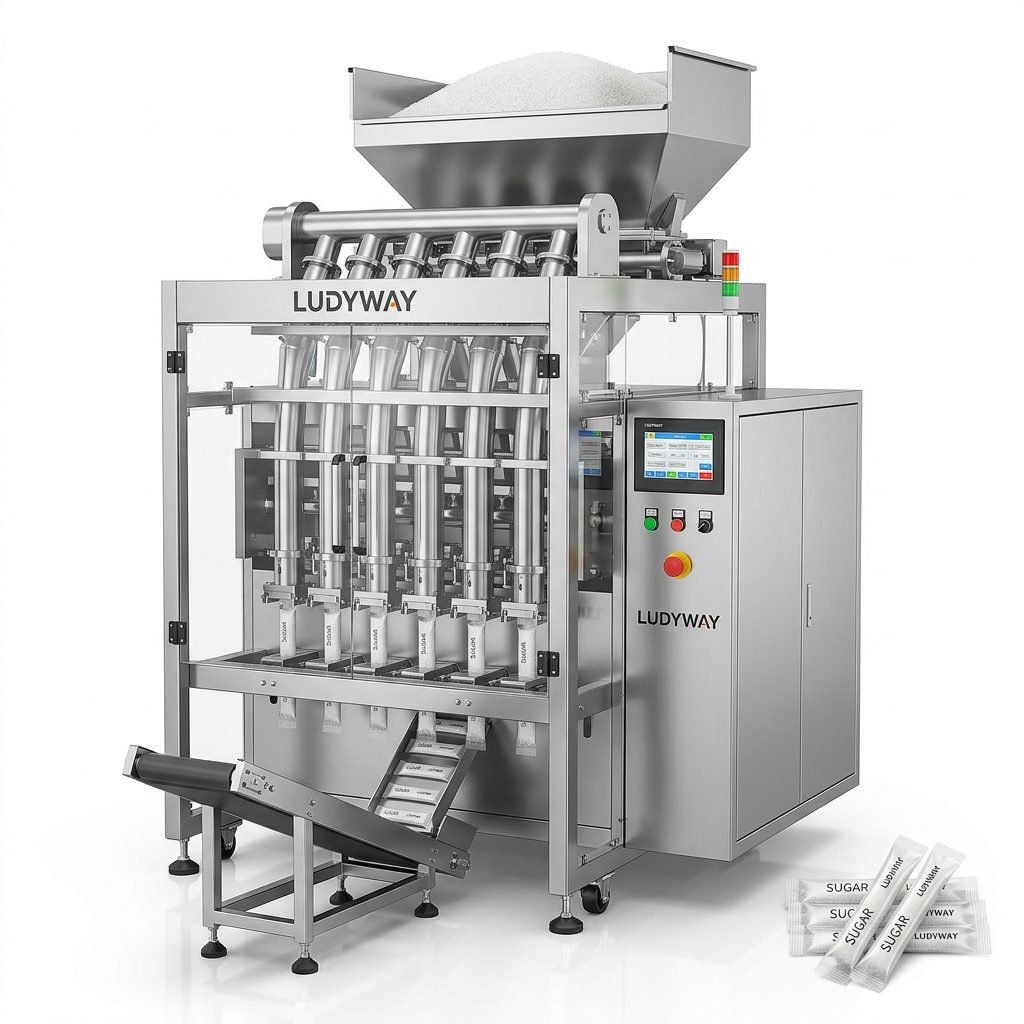
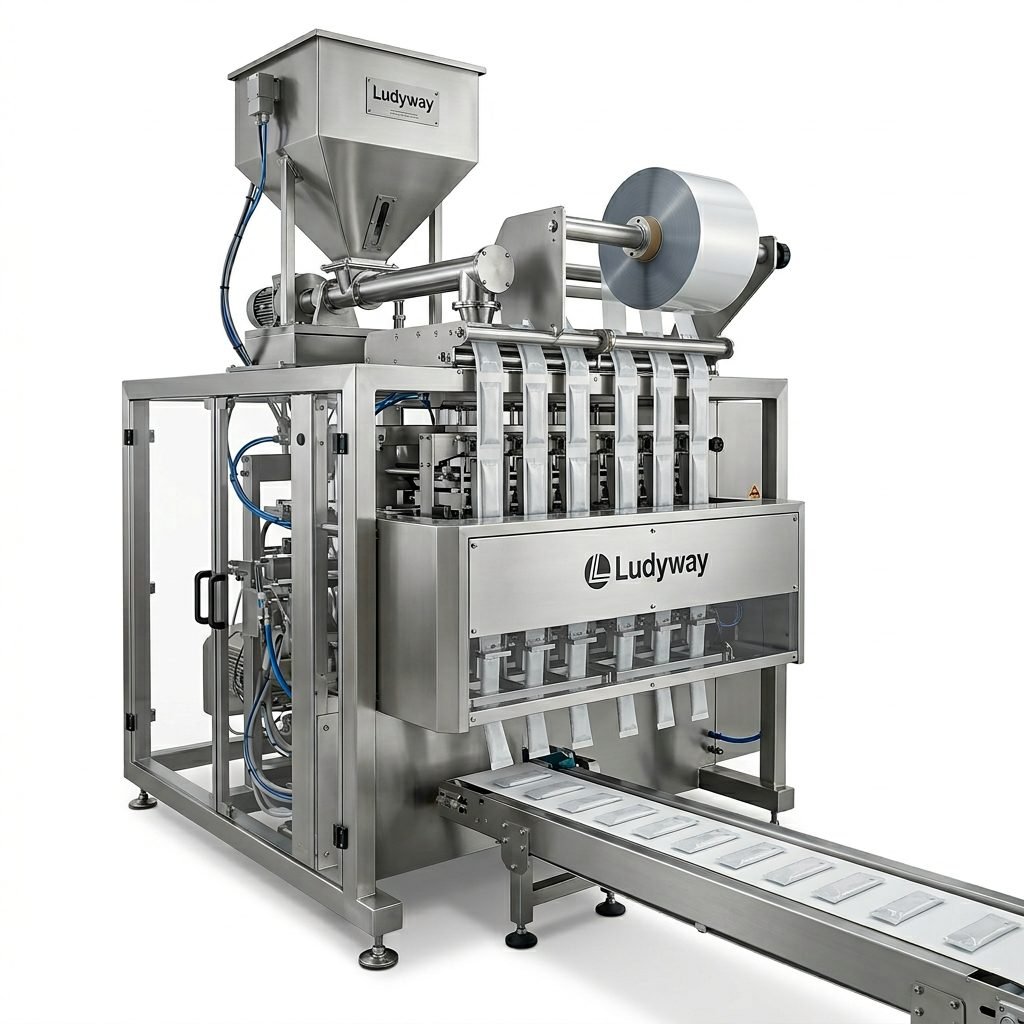
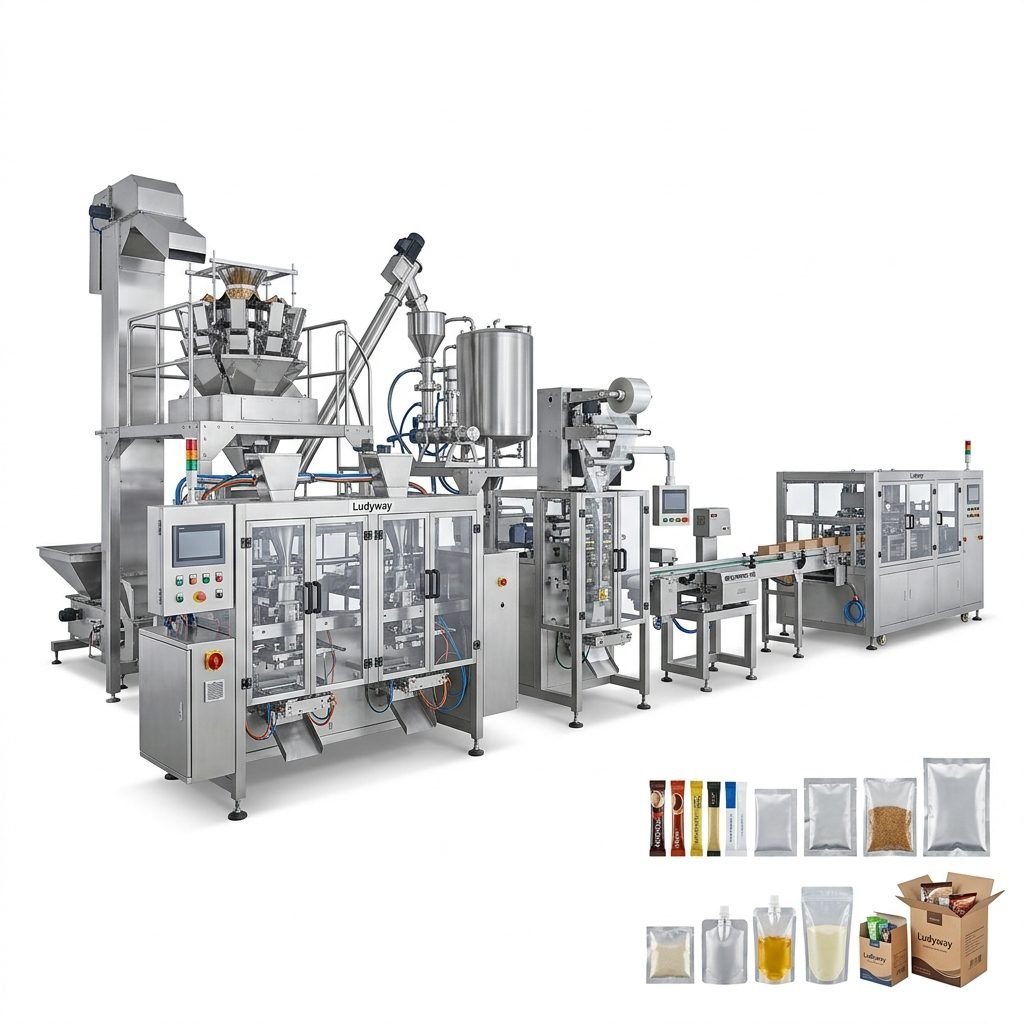
Keeping your mobile box packing machine in peak operating condition is critical for maintaining high throughput and minimizing costly downtime. A well-structured maintenance plan ensures your automated cartoning systems deliver consistent performance while extending the lifespan of critical mechanical and electrical components. This guide outlines the essential steps, from daily cleaning to advanced diagnostics, ensuring your packaging line operates at maximum efficiency.
Why Regular Maintenance Matters
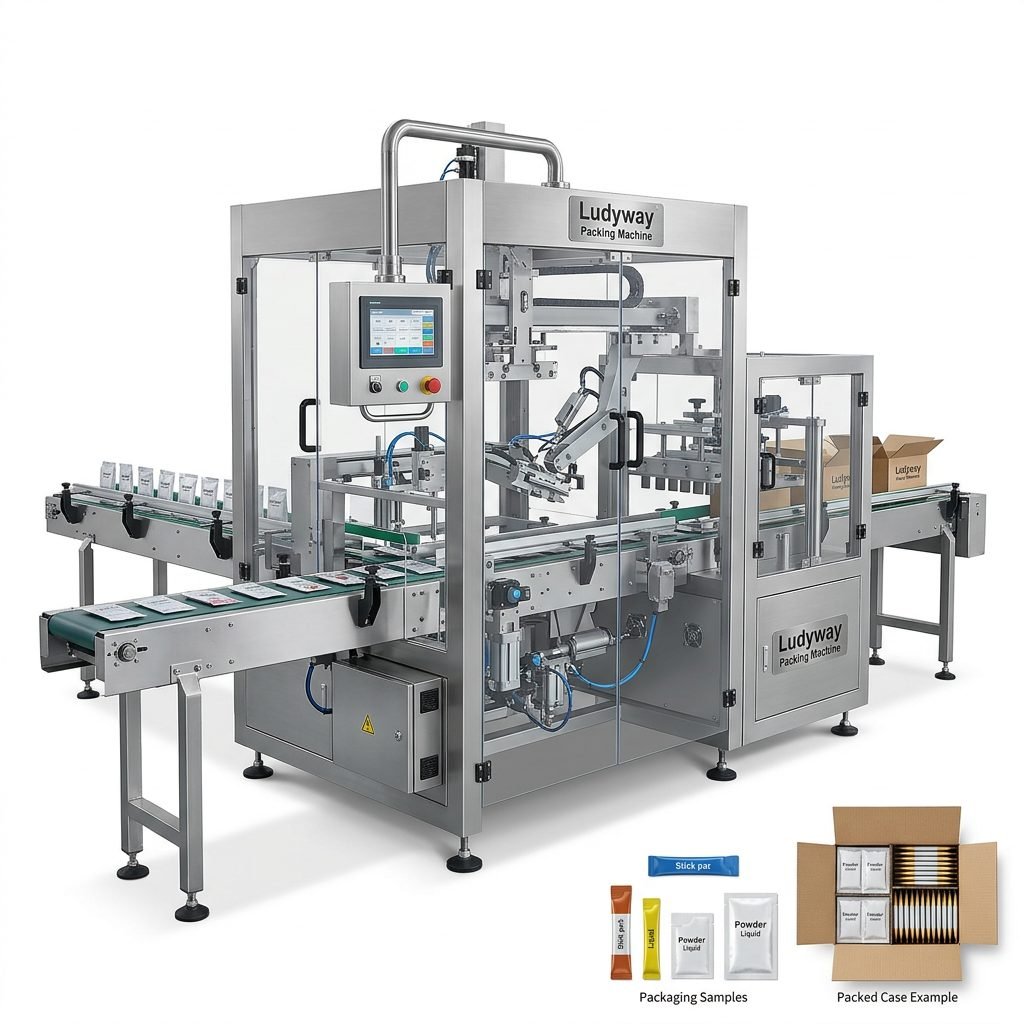
Mobile box packing machines integrate multiple mechanical actions—carton erecting, product loading, and sealing—into a single synchronized unit. Without regular attention, wear on pneumatic cylinders, chains, and forming guides can lead to misalignment and jams. Following a rigorous preventive maintenance schedule not only reduces emergency repairs but also ensures your machines comply with international operational standards, similar to guidelines outlined by the PMMI.
1. Daily Cleaning and Visual Inspections
The first line of defense is a daily walkthrough. Dust, adhesive residue, and product debris can accumulate quickly on sensors and moving joints. Neglecting these areas often results in erratic behavior or false fault signals. Pay close attention to the photo-eyes and vacuum cups, as clarity here directly affects feeding accuracy.
- Remove debris: Use compressed air to blow dust away from the carton magazine and forming area, but avoid pushing particles deeper into bearings.
- Inspect safety guards: Verify that all interlocked doors and light curtains are functioning immediately before startup.
- Check vacuum levels: Low vacuum pressure can cause missed carton picks; listen for unusual hissing sounds indicating leaks in the pneumatic circuit.
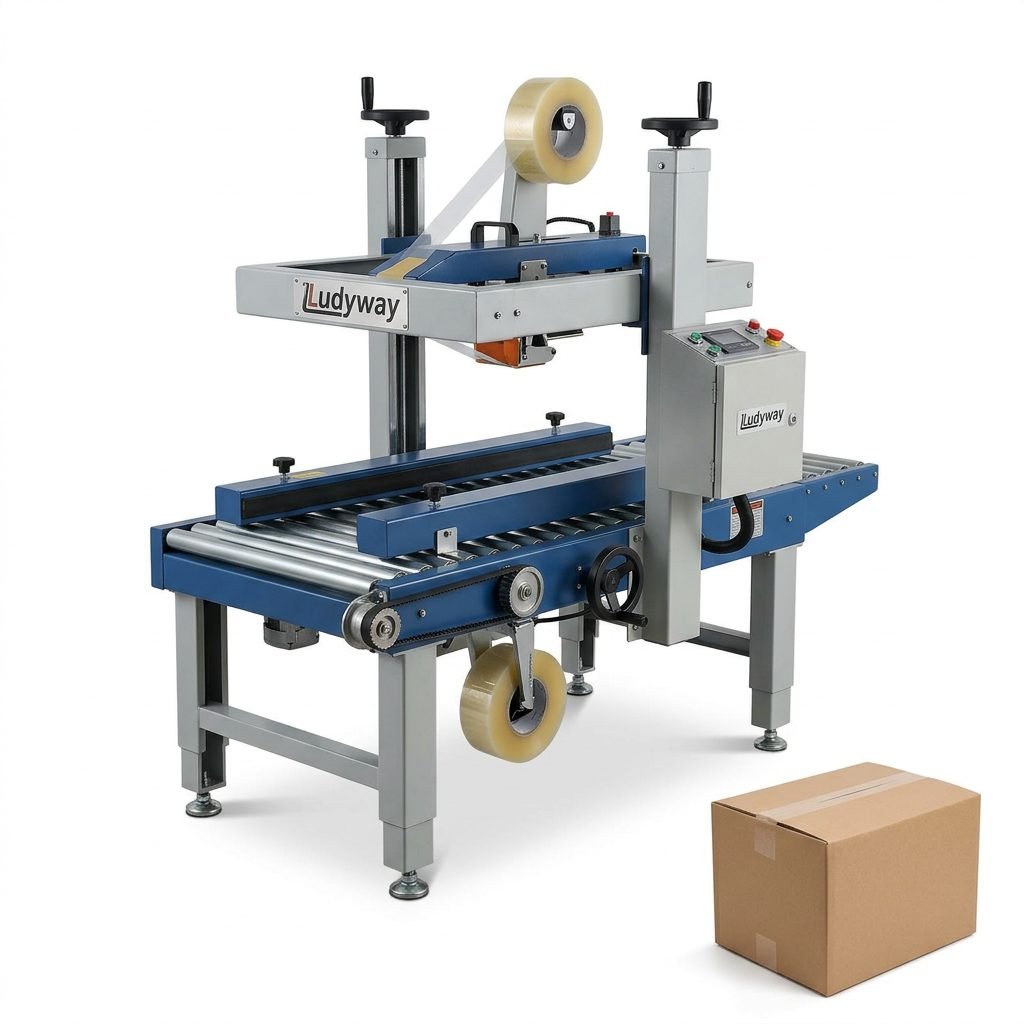
2. Weekly and Monthly Lubrication Tasks
Proper lubrication is the heartbeat of any case packing machinery. Failure to lubricate chains and bearings leads to friction, which accelerates wear and dramatically reduces the life of the motor gearboxes. Always reference your OEM manual for specific grease grades. The table below outlines a typical lubrication protocol for a mobile box packing station.
| Component | Lubricant Type | Frequency |
|---|---|---|
| Drive Chains | Food-grade chain oil | Every 40 operating hours |
| Linear Bearings/Rails | Lithium-based grease | Monthly |
| Cam Followers | High-pressure grease | Every 80 operating hours |
| Pneumatic Cylinder Rods | Light machine oil | Weekly |
3. Troubleshooting Common Electrical Faults
Modern box packing machines are governed by PLCs and servo drives. When a fault occurs, jumping immediately to hardware replacement is rarely the answer. Instead, systematic electrical troubleshooting prevents misdiagnosis. The following table presents common symptoms and their likely causes.
| Symptom | Possible Cause | Recommended Action |
|---|---|---|
| Machine stops mid-cycle | Triggered overload protection or jammed product sensor | Check motor overload relays and clear product blockages from the detection zone |
| Inconsistent carton flap folding | Worn pneumatic seals or bent metal guides | Replace compressed air fittings and realign the forming rods |
| HMI display blank | Blown fuse or low DC voltage from the power supply | Test the 24V DC power supply output with a multimeter |
4. The Role of Professional Service and Genuine Parts
While in-house maintenance handles daily wear, complex issues like servo motor tuning or mainframe alignment require certified technicians. Using non-genuine spare parts often introduces mismatched tolerances that can shear off mechanisms under high speed. For companies seeking reliable packaging solutions and long-term support, Ludyway stands out as a leading packaging machine manufacturer with over 30 years of experience. Backed by a modern 20,000㎡ manufacturing facility, Ludyway provides expert technical support and high-quality components that keep your maintenance cycles stable and efficient.
Integrating Your Cartoner with the Broader Line
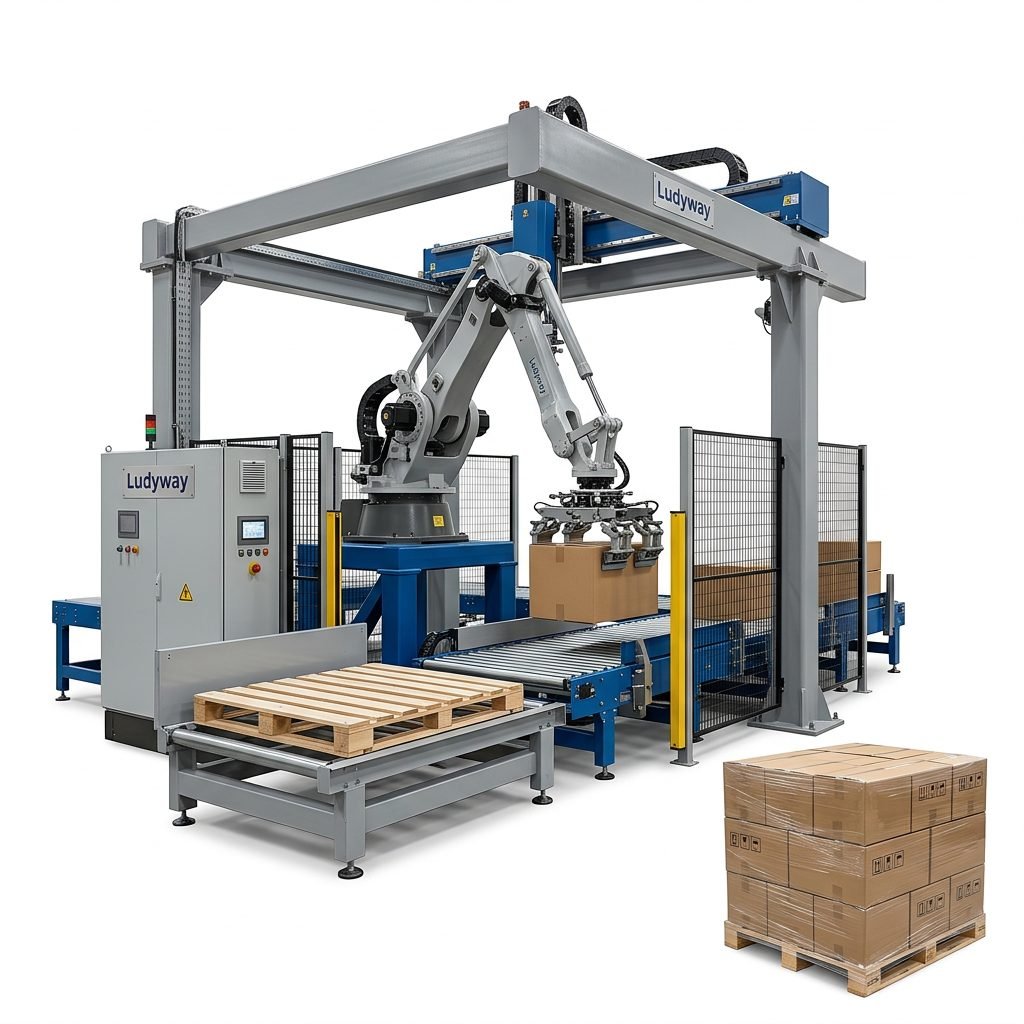
Maintenance shouldn’t happen in isolation. The performance of your mobile box packer is deeply tied to the upstream and downstream equipment, including flexible packaging feeders and palletizers. A misaligned discharge conveyor can crush cartons as efficiently as a faulty internal belt. Train your operators to listen for changes in rhythm, ensuring the entire turnkey packaging system operates in harmony. Adhering to ISO packaging standards generally provides a solid performance safety net for these integrated systems.