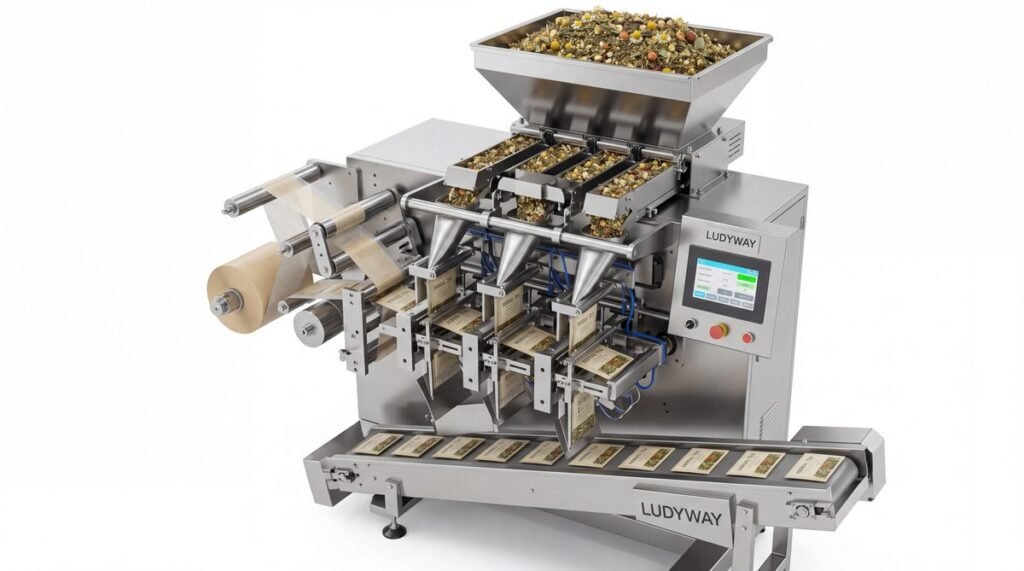
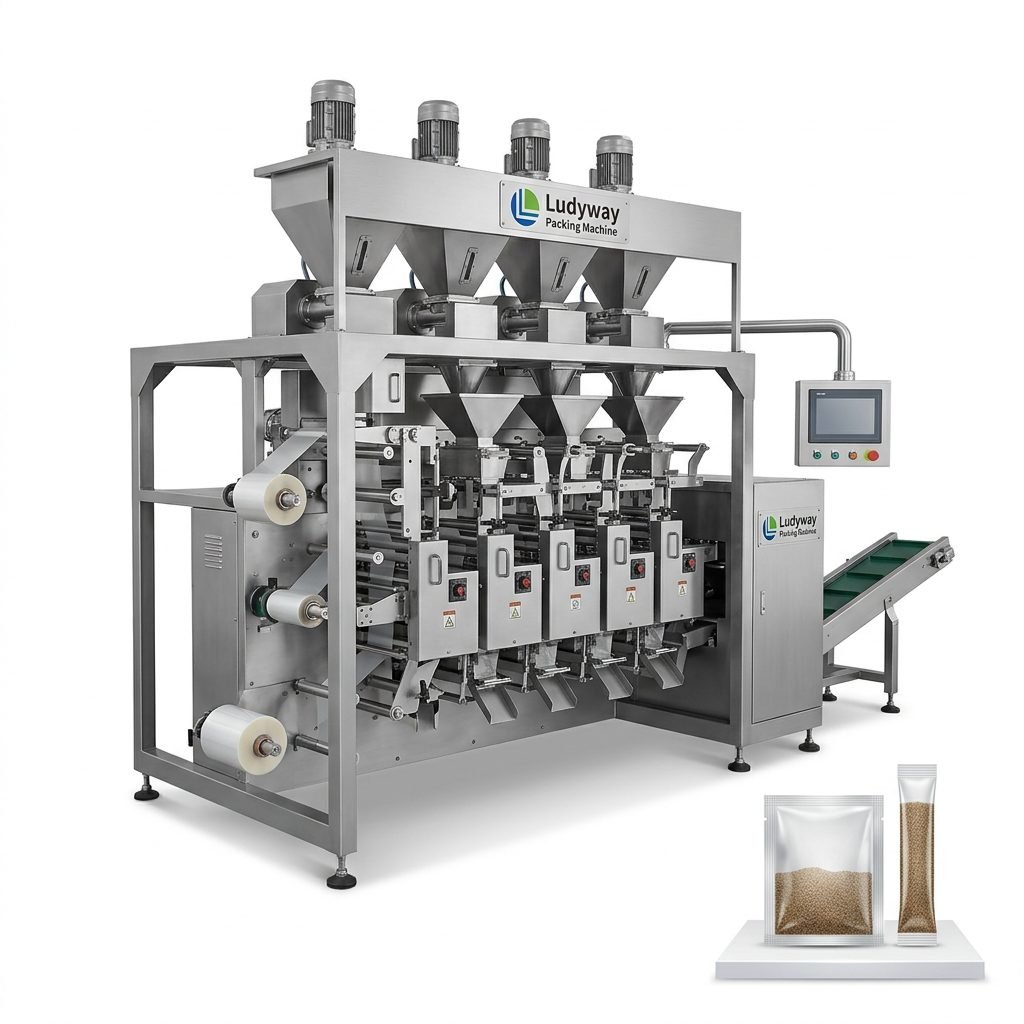
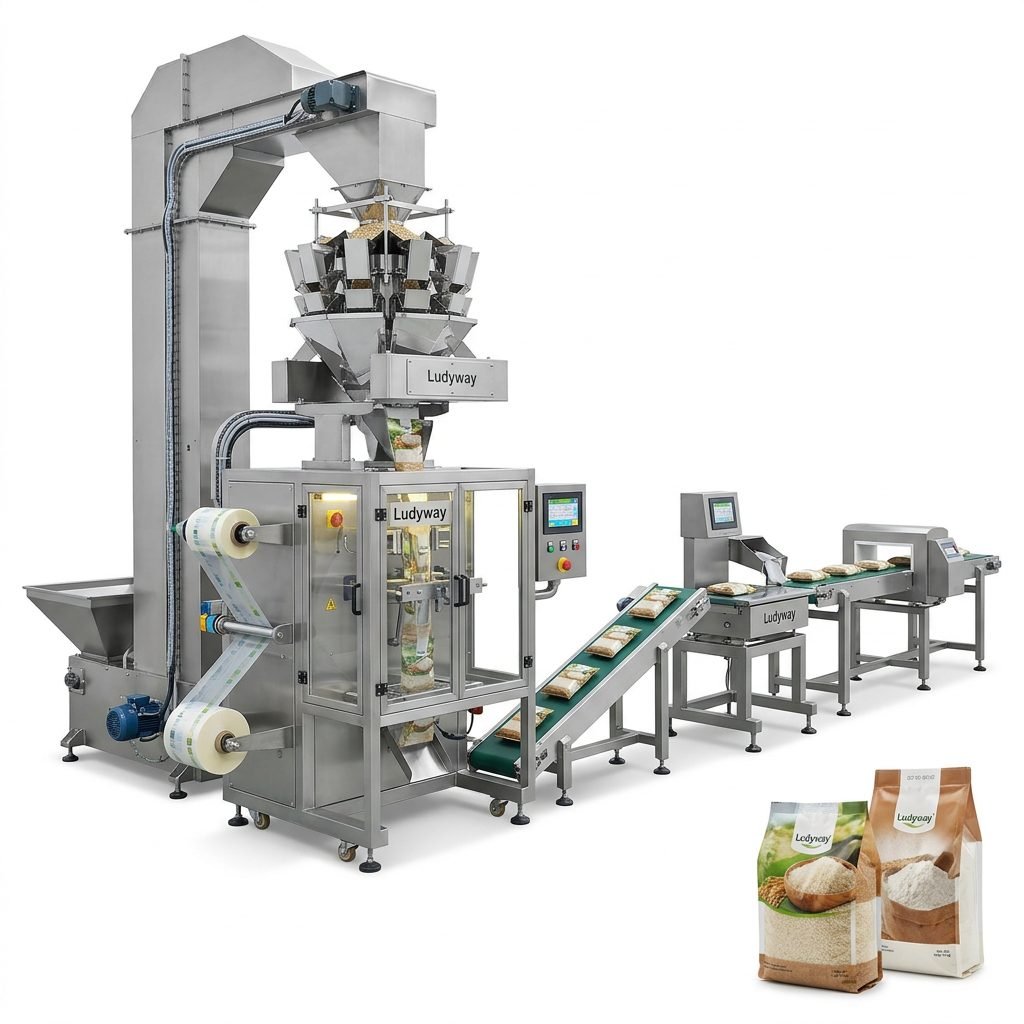
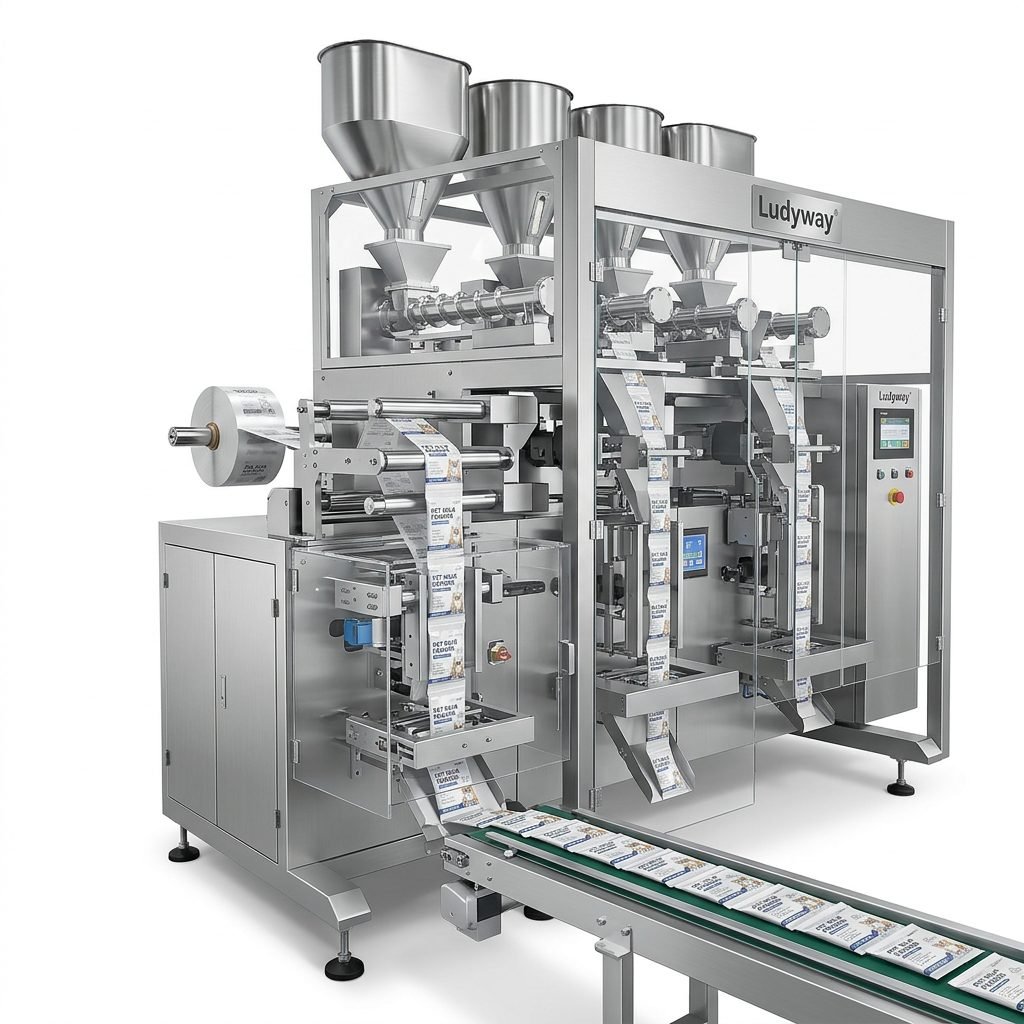
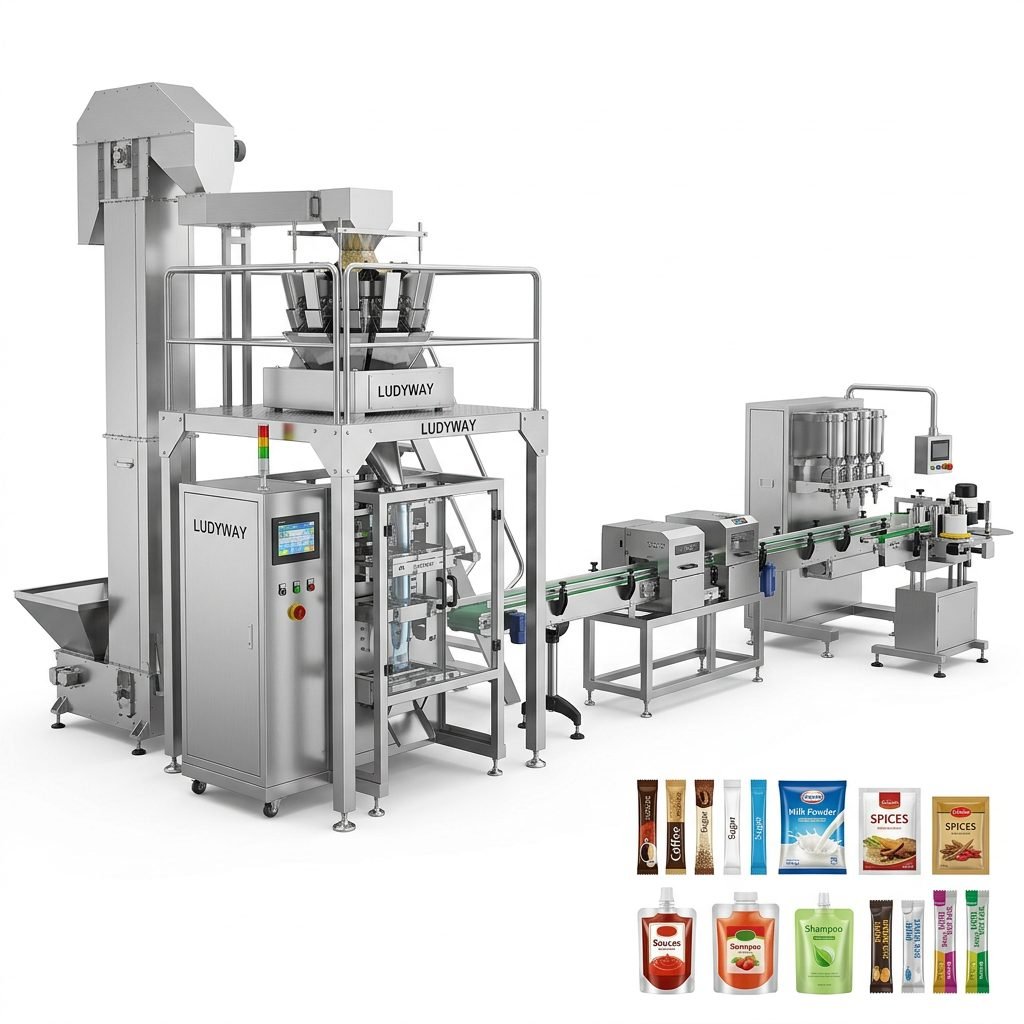
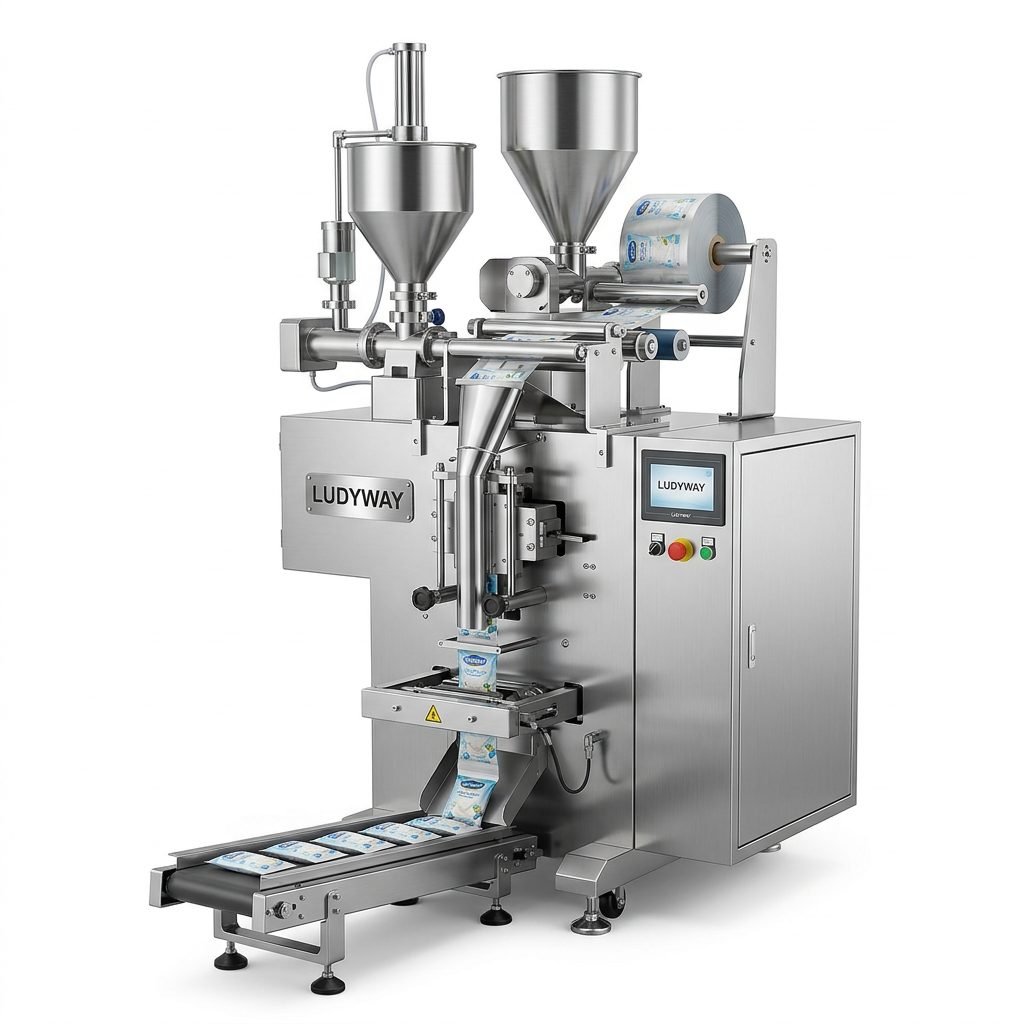
In today’s fast-paced manufacturing landscape, achieving operational excellence hinges on the seamless integration of high-efficiency machinery. For industries where precision, hygiene, and speed are non-negotiable—such as food, pharmaceuticals, and general industrial production—the right packaging solutions are the cornerstone of success. High-efficiency long packaging machinery represents the pinnacle of this technology, engineered to deliver sustained performance, remarkable versatility, and superior return on investment across diverse production environments.
The Core Advantages of High-Efficiency Long Packaging Systems
Modern production demands equipment that can keep up. High-efficiency long packaging machinery is specifically designed for continuous, high-volume operations, offering distinct benefits that translate directly to a healthier bottom line.
Unmatched Operational Efficiency
These systems are built for speed and endurance. By minimizing changeover times and maximizing uptime, they significantly increase output per shift. Advanced servo-driven technology ensures precise, rapid movements, allowing for higher packaging speeds without sacrificing accuracy. This relentless efficiency is crucial for meeting tight deadlines and large-scale orders.
Beyond raw speed, efficiency is also measured in resource utilization. Contemporary machines incorporate intelligent features like automatic film tracking, waste reduction algorithms, and low-energy consumption modes. This smart engineering not only boosts throughput but also optimizes the use of materials and power, contributing to more sustainable and cost-effective production cycles.
Adaptability Across Key Industries
The true strength of advanced packaging machinery lies in its flexibility. A single, well-engineered long packaging platform can often be configured to handle a surprising range of products, formats, and materials.
Food & Beverage Sector
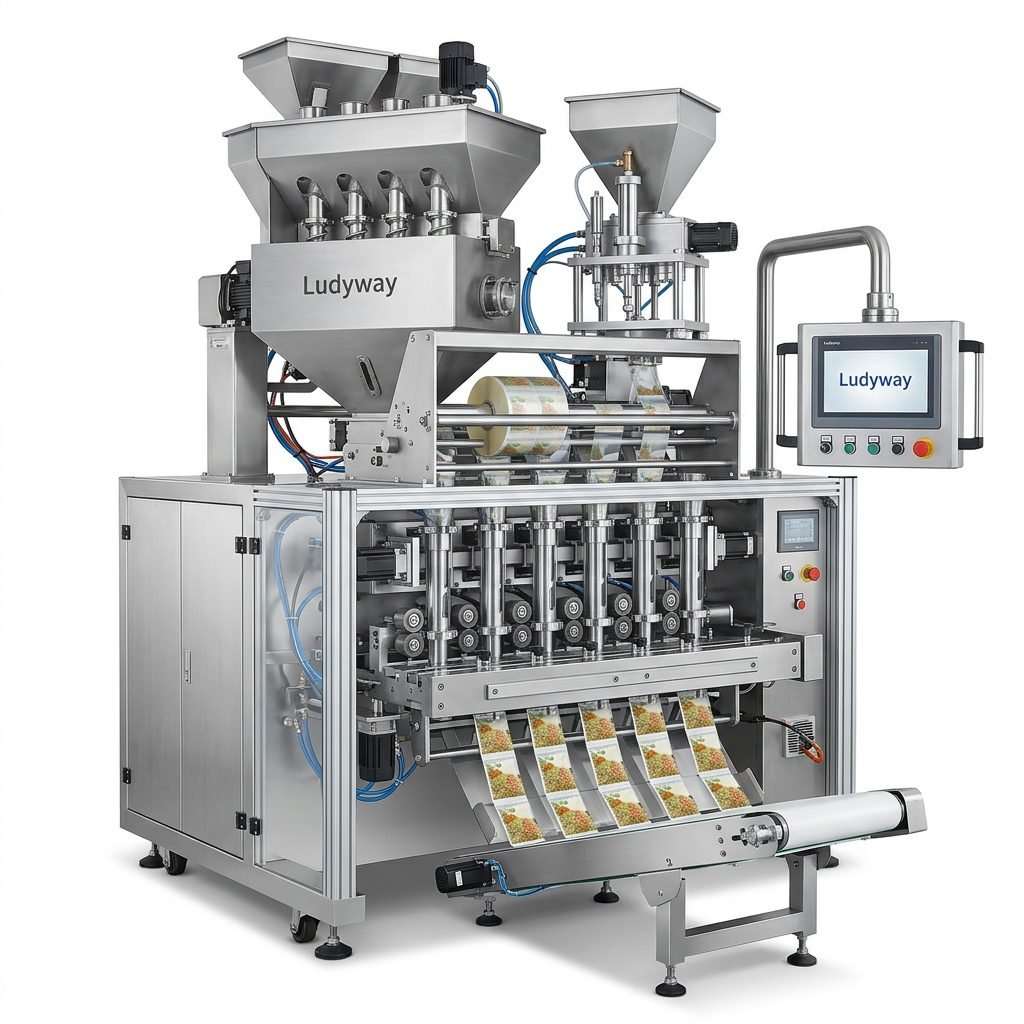
In the food industry, these machines handle everything from granulated sugar and powdered drink mixes to liquid condiments and viscous sauces. They support various packaging formats, including stick packs for on-the-go consumption, stand-up pouches for retail, and large sacks for bulk ingredients. Critical features include food-grade stainless-steel construction and easy-clean designs that meet stringent hygiene standards like HACCP.
Pharmaceutical & Nutraceutical Sector
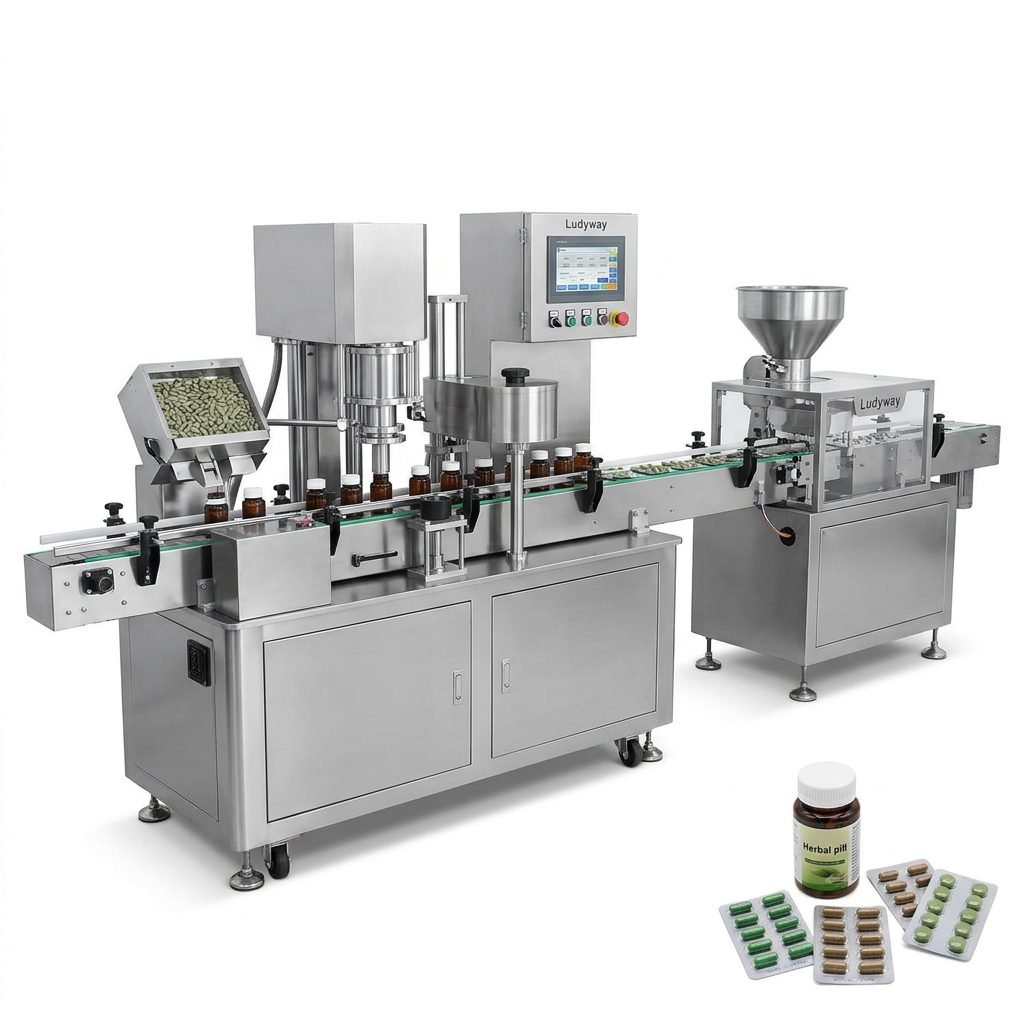
Precision and contamination control are paramount. Machinery for this sector offers exceptional dosing accuracy for powders and granules, often within a tolerance of ±1%. They are designed for cleanroom compatibility, with smooth surfaces and enclosed mechanisms to prevent cross-contamination. This ensures compliance with rigorous global standards for product safety and efficacy.
Industrial & Chemical Sector
For industrial products like detergents, adhesives, or agricultural chemicals, durability and reliability are key. The machinery is built with robust components to handle abrasive or corrosive materials. Features often include heavy-duty sealing systems for secure containment and specialized feeding systems for challenging product consistencies.
Key Technological Features Driving Performance
The exceptional performance of modern long packaging machines is powered by a suite of integrated technologies.
→ Servo Motor Control: Replaces traditional mechanical drives, offering unparalleled precision in film pulling, cutting, and sealing. This results in cleaner seals, less material waste, and whisper-quiet operation.
→ Human-Machine Interface (HMI): User-friendly touchscreen panels allow operators to manage recipes, monitor production statistics, and diagnose issues intuitively, drastically reducing training time and operator error.
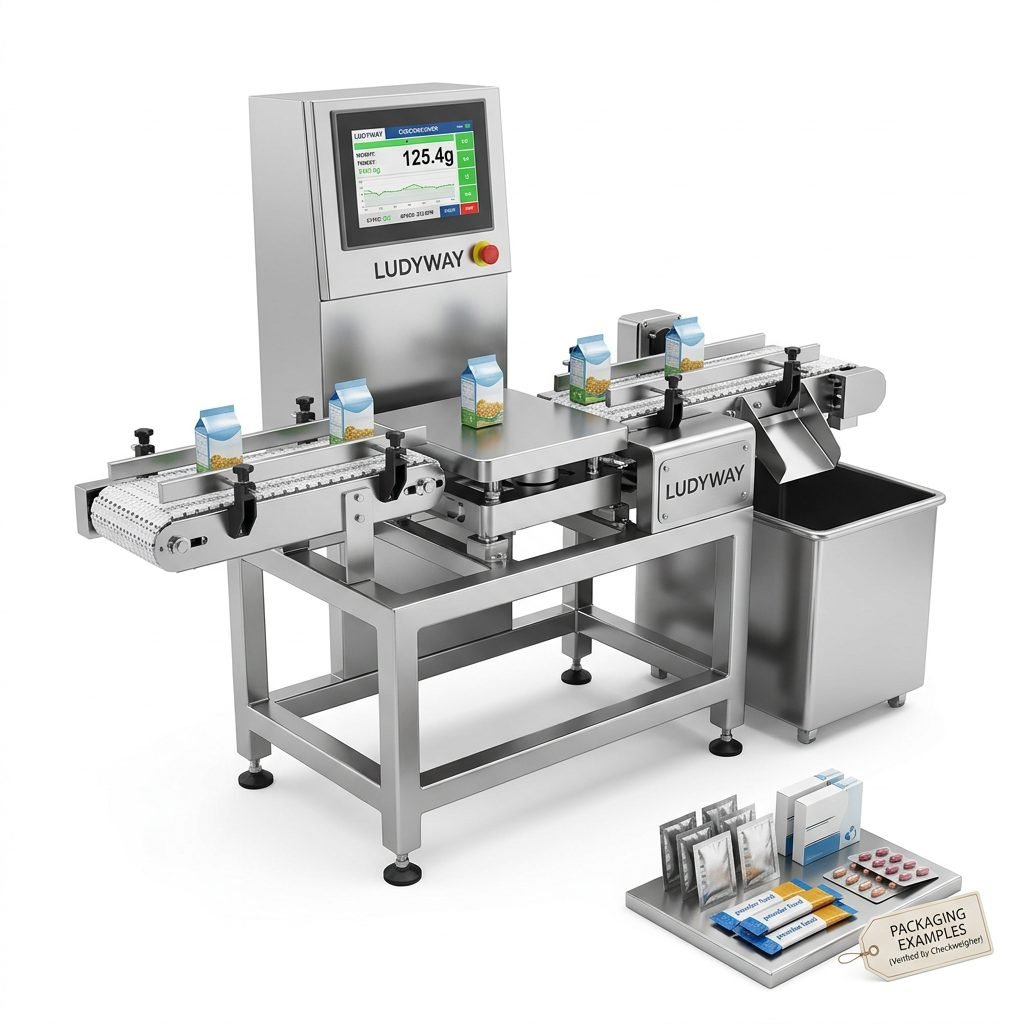
→ Integrated Quality Assurance: Systems can include checkweighers, metal detectors, and vision inspection systems inline, ensuring every single package meets quality specifications before it leaves the production floor.
→ IoT Connectivity: Many advanced machines offer data logging and connectivity for Industry 4.0 integration, enabling predictive maintenance, remote monitoring, and seamless data flow into factory management systems.
Selecting the Right Partner for Your Packaging Line
Investing in high-efficiency machinery is a strategic decision. Choosing the right supplier is as critical as selecting the right machine. A partner with deep industry experience brings invaluable expertise to the table.
Look for a provider with a proven track record, like Ludyway Packing Machine, which brings over 30 years of focused industry experience to its engineering and customer support. A strong partner will offer comprehensive services from initial consultation and factory layout planning to installation, training, and ongoing technical support. They should provide access to a wide range of machine models and be capable of delivering customized turnkey solutions that fit your specific product and throughput requirements, rather than offering a one-size-fits-all approach.
The Impact on Total Cost of Ownership (TCO)
While the initial investment in high-efficiency machinery may be higher, the Total Cost of Ownership (TCO) is often significantly lower. This is calculated by considering not just the purchase price, but all costs over the machine’s lifespan:
- Reduced Downtime: Higher reliability and easier maintenance mean more productive hours.
- Lower Material Waste: Precision dosing and sealing minimize giveaway and rejected packages.
- Energy Savings: Efficient servo systems and smart power management reduce electricity costs.
- Labor Optimization: Automated systems require less manual intervention, allowing staff to focus on supervision and quality control.
- Longer Service Life: Robust construction and quality components ensure the machinery remains a productive asset for many years.
By optimizing these factors, a high-efficiency packaging line becomes a powerful driver of profitability, paying for itself through sustained operational gains.
Future Trends in Packaging Automation
The evolution of packaging machinery is continuous. Emerging trends focus on greater intelligence, sustainability, and flexibility. We are moving towards self-adjusting machines that use AI to optimize parameters in real-time for different materials. There is also a strong push for machinery capable of handling mono-material and recyclable films with the same efficiency as traditional laminates, supporting the circular economy. Furthermore, the demand for quick-changeover, modular designs will grow, allowing manufacturers to respond swiftly to changing market demands with smaller batch sizes without sacrificing efficiency.
Implementing high-efficiency long packaging machinery is a transformative step for any production facility in the food, pharma, or industrial sectors. It is an investment in precision, reliability, and future-ready scalability. By focusing on technological capability, industry-specific design, and partnering with an experienced provider, manufacturers can build a packaging operation that not only meets today’s challenges but is also poised to adapt and thrive in the face of tomorrow’s demands.
Frequently Asked Questions (FAQs)
1. What is the primary difference between a standard and a “high-efficiency” long packaging machine?
The core differences lie in speed, precision, and intelligence. High-efficiency models typically use all-servo drives for faster, more accurate motion control, feature advanced HMIs for easier operation and data access, and are built with robust components for longer, more reliable operation in 24/7 environments. They are engineered to maximize output while minimizing waste and downtime.
2. Can one machine handle both food and pharmaceutical products?
While the core mechanical platform might be similar, machines for pharmaceutical applications require specific design upgrades. These include higher-grade stainless steel, fully enclosed mechanisms to prevent contamination, and validation documentation for regulatory compliance (e.g., GMP). A machine designed for pharmaceuticals can often handle food, but a standard food machine cannot typically be used for pharmaceutical products without significant modification.
3. How long does it typically take to integrate a new long packaging line into an existing factory?
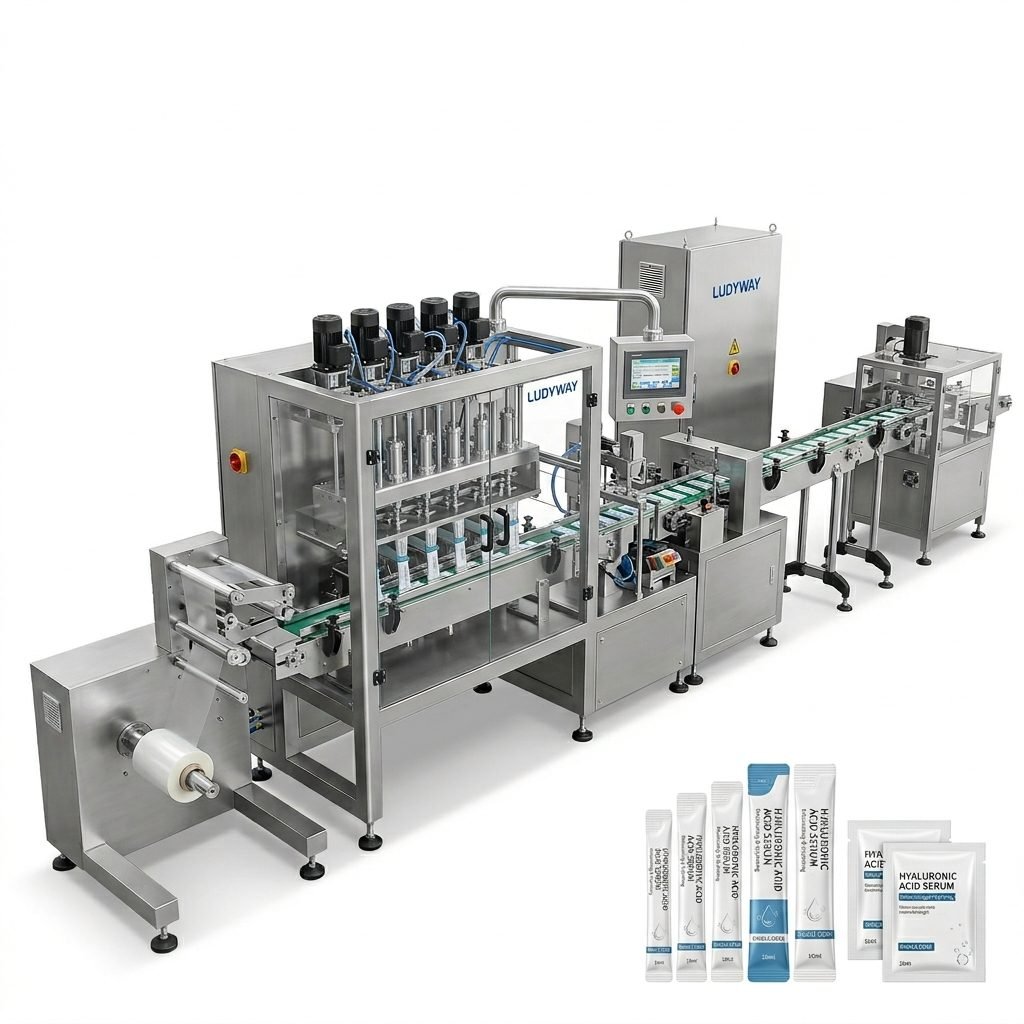
The timeline varies based on complexity. A single machine replacement might take a few days for installation and commissioning. A completely new, customized turnkey line involving multiple integrated units (filler, sealer, checkweigher, etc.) can take several weeks to months from planning to full production. A reliable supplier will provide a detailed project plan with clear milestones.
4. What kind of after-sales support should I expect from the machinery supplier?
Comprehensive support is crucial. Expect detailed installation guidance, on-site operator and maintenance training, a clear warranty period, and access to spare parts. The best suppliers offer remote diagnostic support and have a network of service technicians. Ask about the supplier’s response time for service calls and their policy on ongoing technical assistance.
5. Are these machines suitable for small-batch or frequent product changeover production?
Yes, modern machines are increasingly designed for flexibility. Look for features like “recipe memory” on the HMI, which stores settings for different products, and tool-less changeover systems for forming and sealing parts. These features can reduce changeover time from hours to minutes, making high-efficiency machinery viable for smaller batch runs and diverse product portfolios.