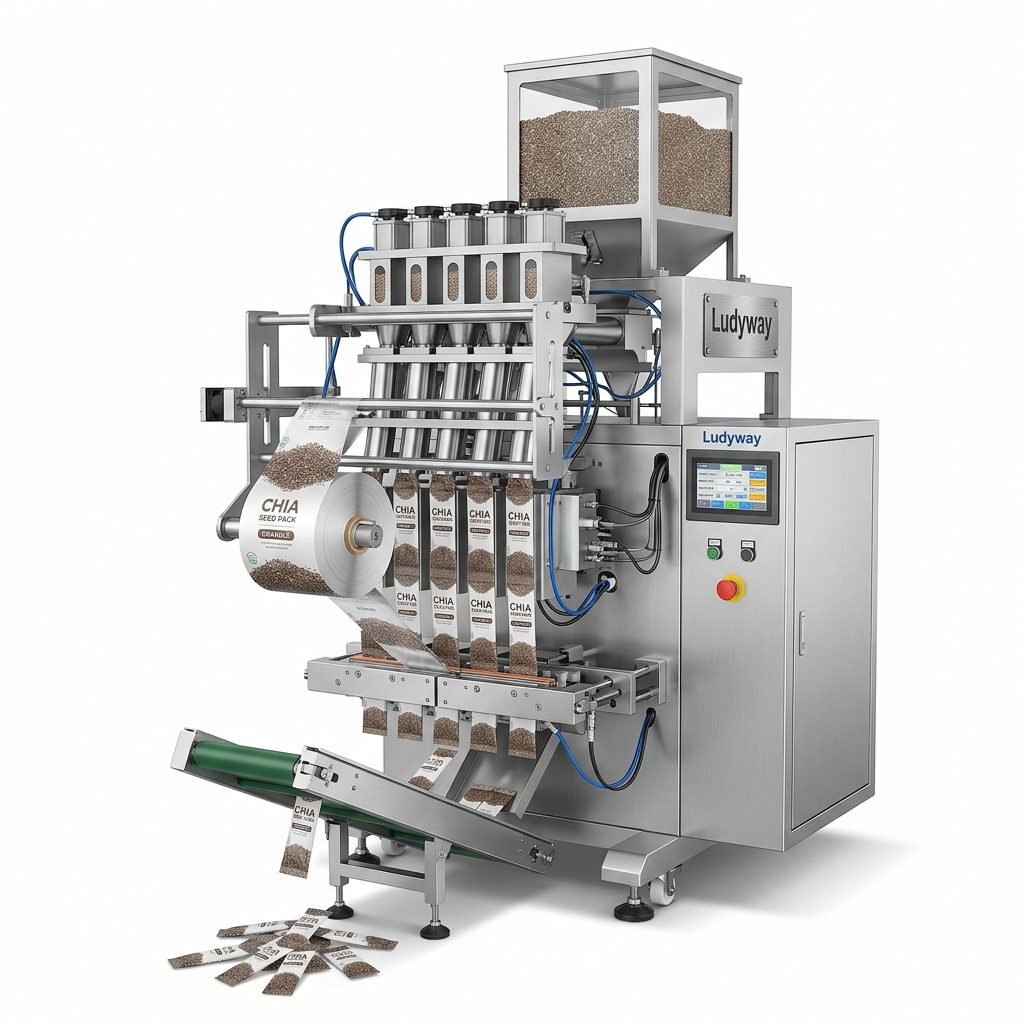
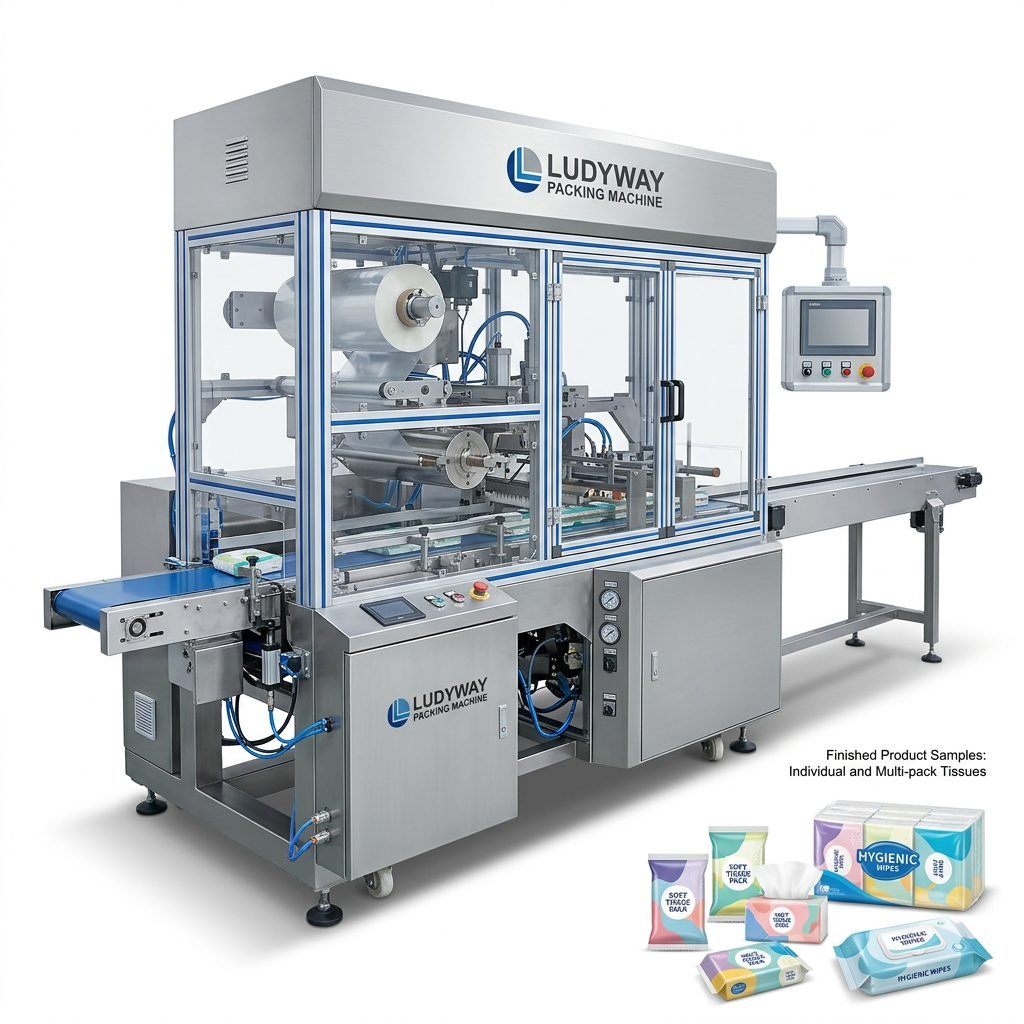
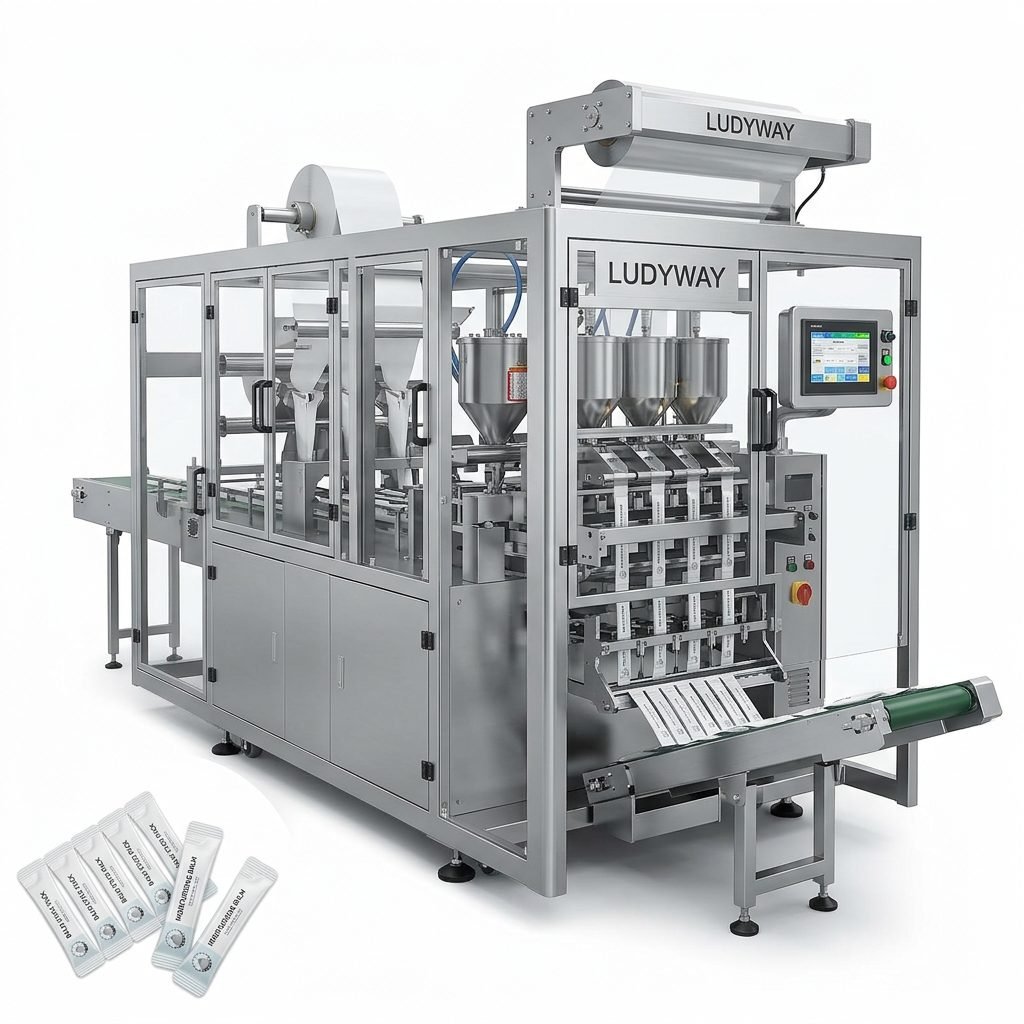
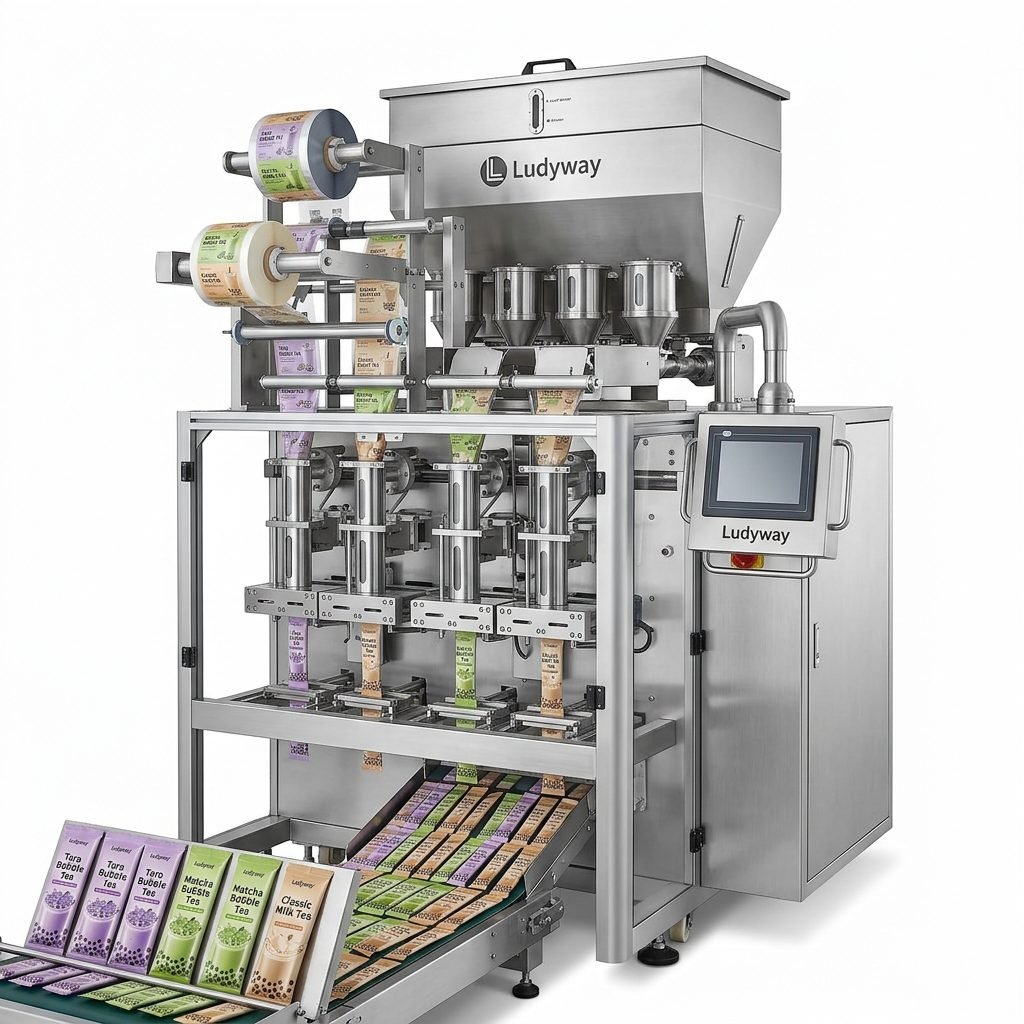
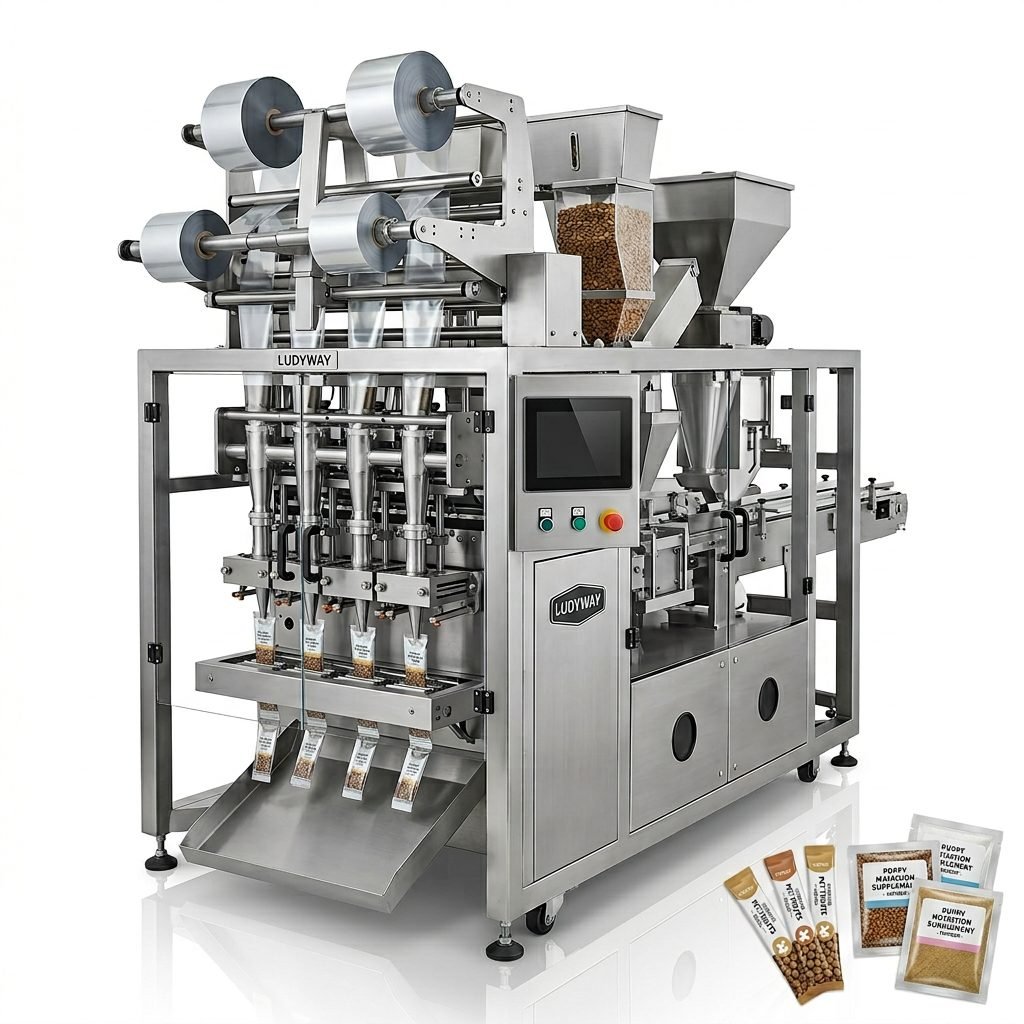
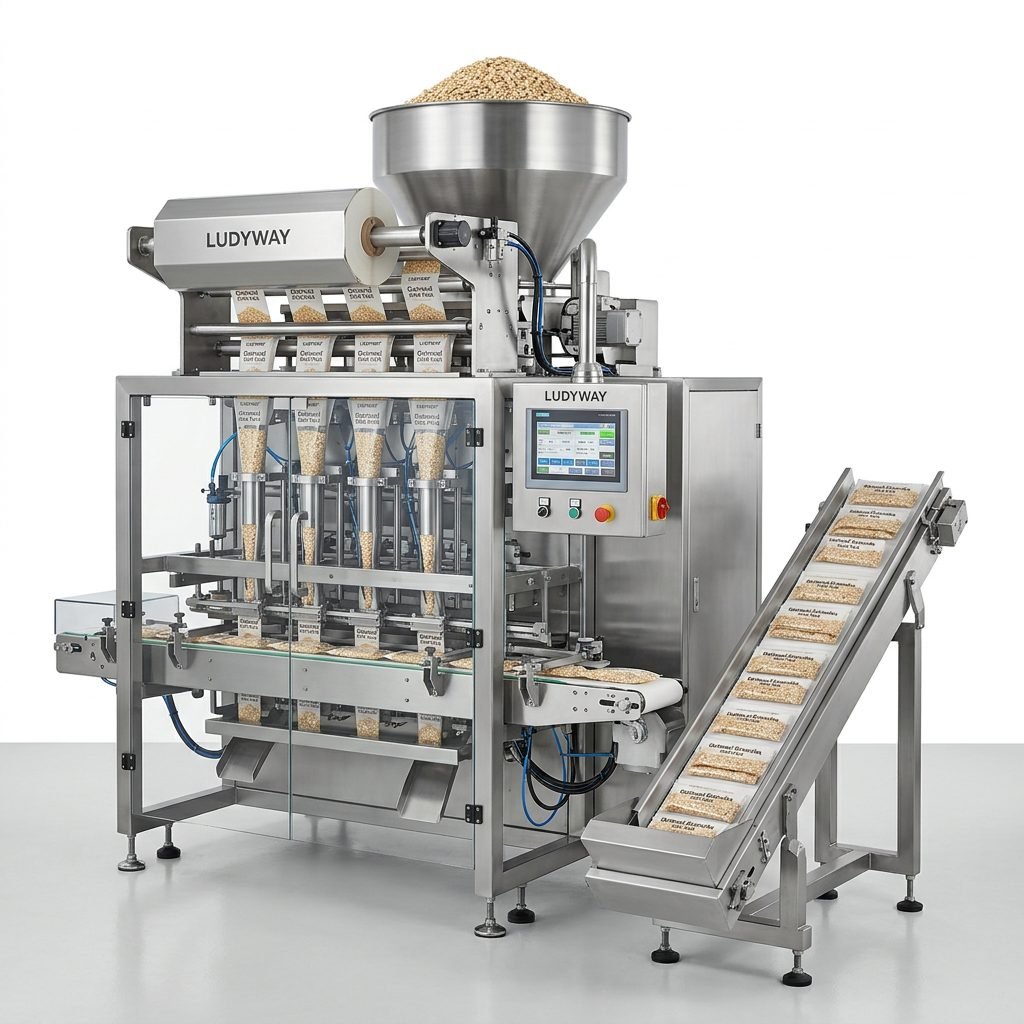
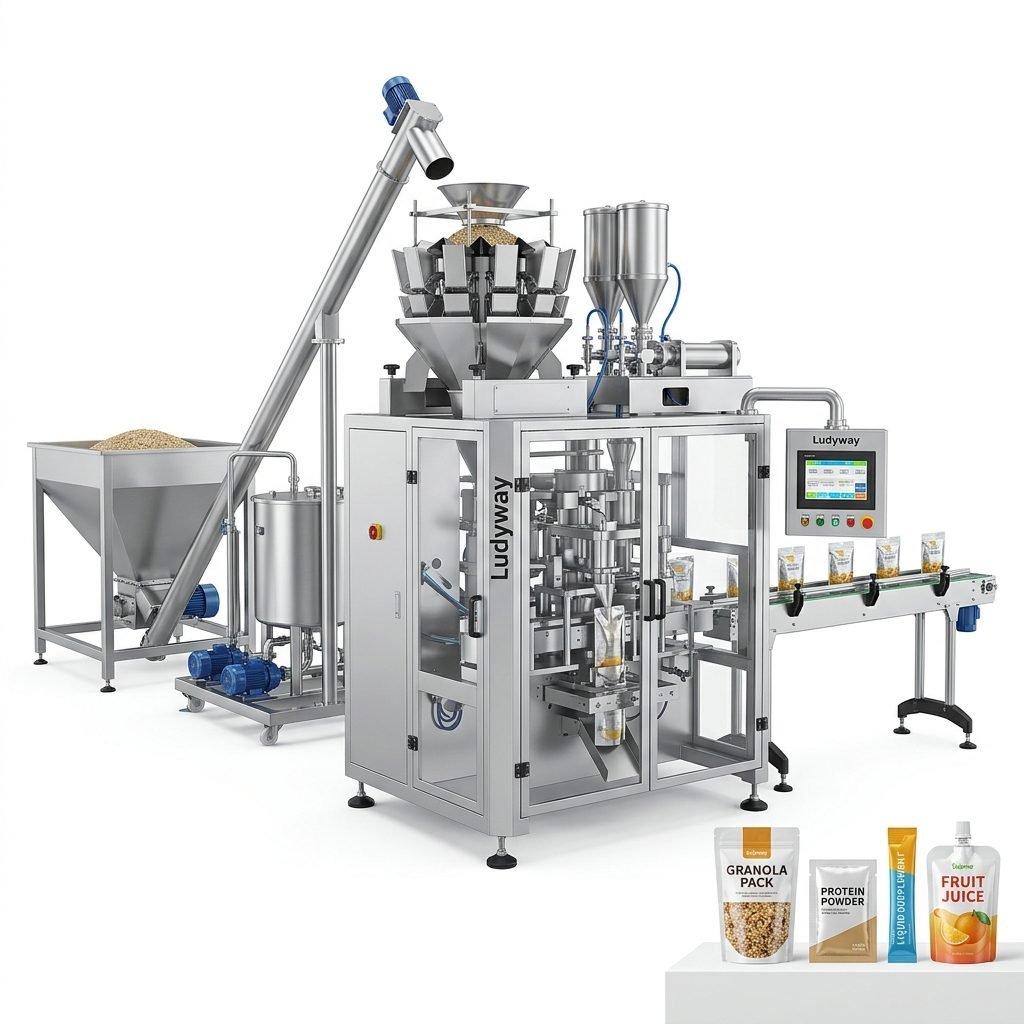
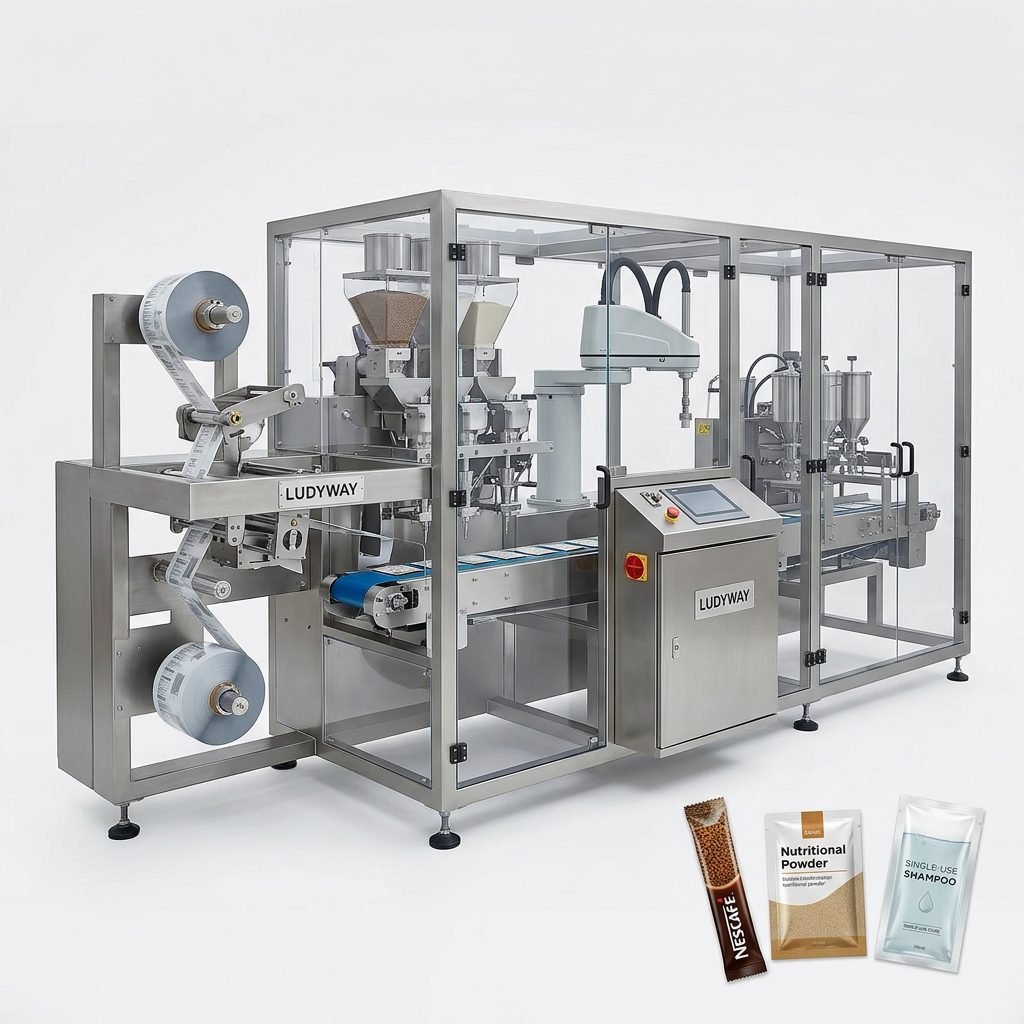
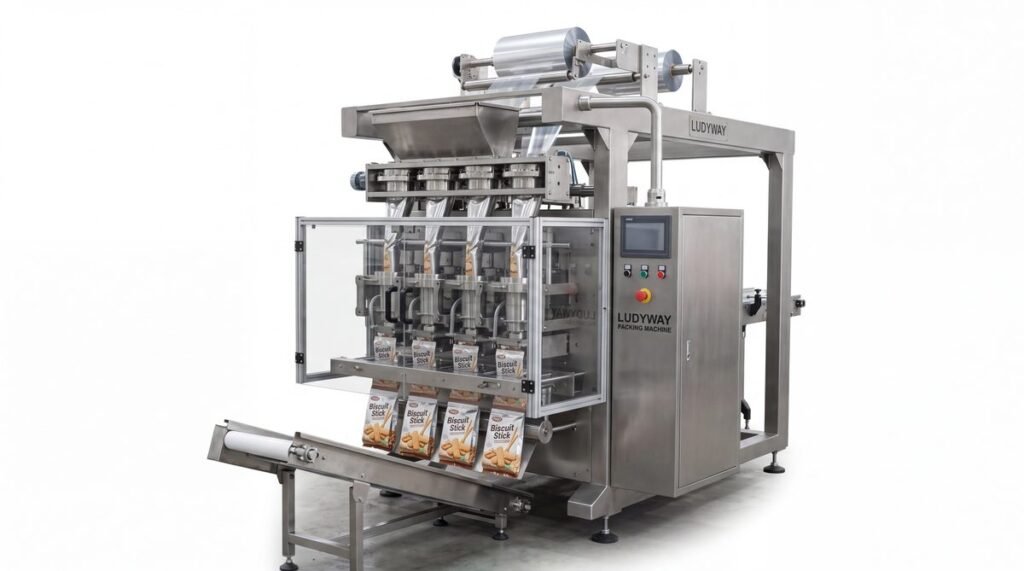
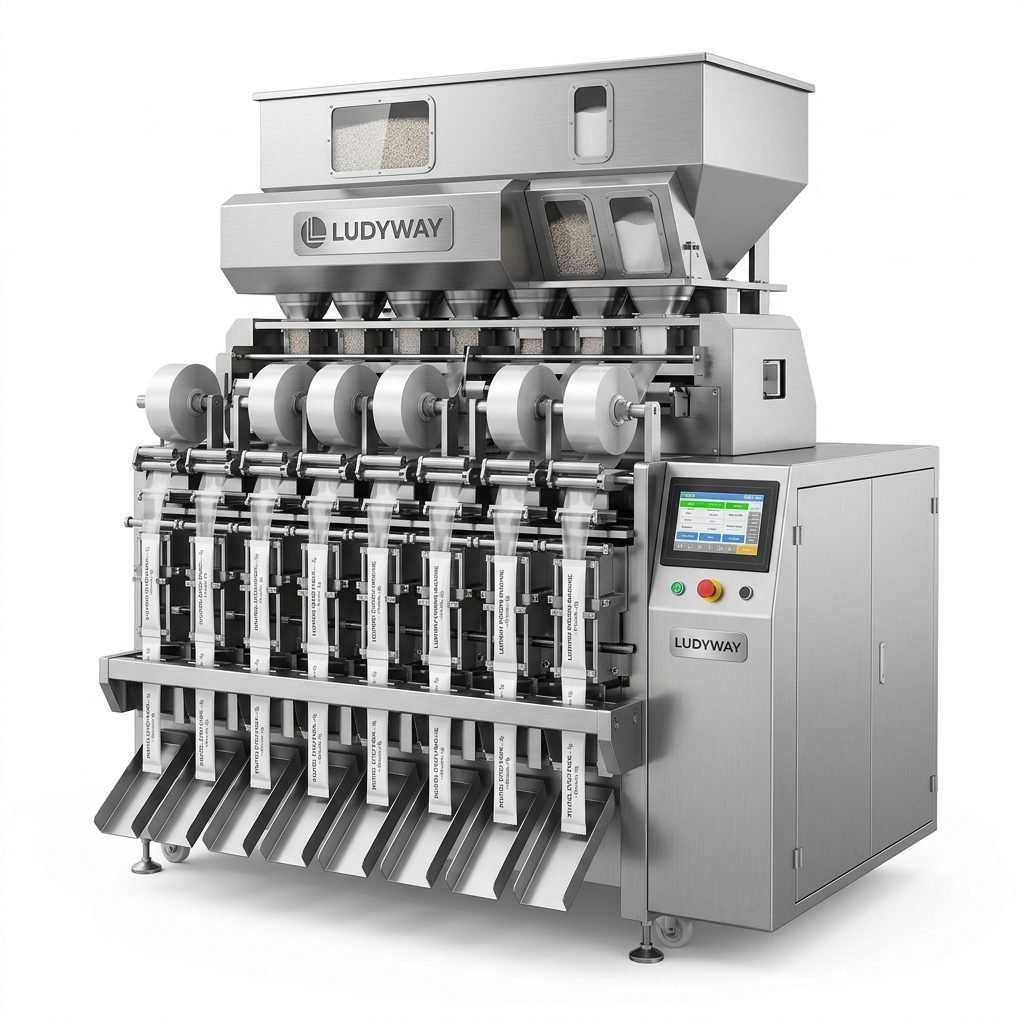
Proper maintenance of a food product packaging machine is essential for ensuring consistent performance, minimizing downtime, and extending equipment lifespan. Whether you operate packaging machinery for granules, powders, or liquids, a structured maintenance program helps prevent costly breakdowns and ensures compliance with food safety regulations.
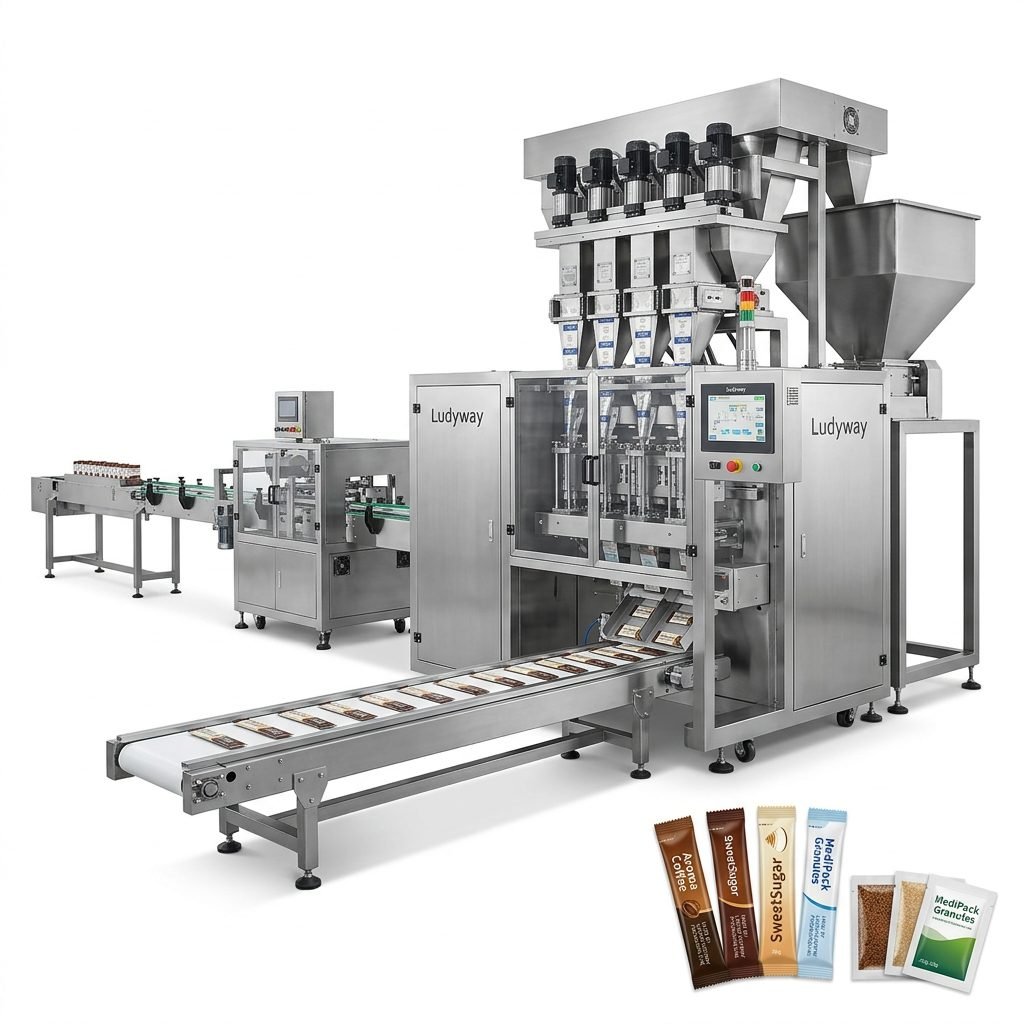
Why Preventive Maintenance Matters
Investing time in routine upkeep directly impacts your bottom line. According to PMMI business intelligence, unplanned downtime can cost manufacturers thousands of dollars per hour. A well-maintained packaging machine operates with greater accuracy, produces fewer rejects, and maintains seal integrity — all critical for food safety and product quality.
- Reduced downtime: Scheduled maintenance prevents unexpected failures during peak production periods.
- Extended equipment life: Regular lubrication and part replacement slow wear and tear on critical components.
- Consistent seal quality: Properly adjusted sealing jaws and temperature controls ensure package integrity.
- Energy efficiency: Clean, well-calibrated machines consume less power and reduce operational costs.
- Compliance readiness: Documented maintenance records support ISO packaging standards and audit requirements.
Daily Cleaning and Inspection Checklist
Daily tasks form the foundation of any effective maintenance program. Operators should perform these checks at the start and end of each shift. Consistency in these small steps prevents residue buildup and identifies early warning signs of wear.

- Remove product residue: Clean all contact surfaces, forming tubes, filling nozzles, and sealing jaws to prevent contamination and cross-batch issues.
- Inspect sealing elements: Check heating bars and thermocouples for carbon buildup or uneven wear patterns.
- Verify sensor function: Test photoelectric sensors, registration marks, and film tension controls for accurate operation.
- Check compressed air system: Drain moisture traps and confirm proper air pressure levels for pneumatic actuators.
- Examine film path: Ensure film rollers and guides are free from adhesive residue and rotate smoothly.
Weekly Maintenance Tasks
Weekly procedures address components that require deeper attention but do not demand daily intervention. These tasks help maintain packaging accuracy and prevent mid-production adjustments.
- Lubricate moving parts: Apply food-grade lubricant to chains, bearings, cam followers, and linear guides according to the manufacturer’s specifications.
- Inspect drive belts: Check timing belts and V-belts for tension, cracks, or fraying edges that could lead to slippage.
- Clean electrical cabinets: Use compressed air to remove dust from control panels, ensuring proper ventilation and preventing overheating.
- Verify temperature calibration: Test sealing jaw temperatures with a calibrated probe to ensure accurate heating profiles.
- Check safety interlocks: Test all emergency stops, guard switches, and safety sensors for immediate response.
Monthly Maintenance Schedule Overview
The following table summarizes recommended monthly maintenance activities for your packaging equipment. Adhering to this schedule helps identify issues before they escalate into major repairs.
| Component | Task | Frequency | Priority |
|---|---|---|---|
| Sealing System | Replace worn PTFE covers and inspect heater cartridge resistance | Monthly | High |
| Pneumatic Cylinders | Check for smooth operation, leaks, and replace seals as needed | Monthly | High |
| Film Registration | Clean sensors and recalibrate registration timing | Monthly | Medium |
| Forming Tube Assembly | Polish surfaces and verify alignment with filling station | Monthly | Medium |
| Electrical Connections | Tighten terminal connections and inspect for signs of overheating | Monthly | High |
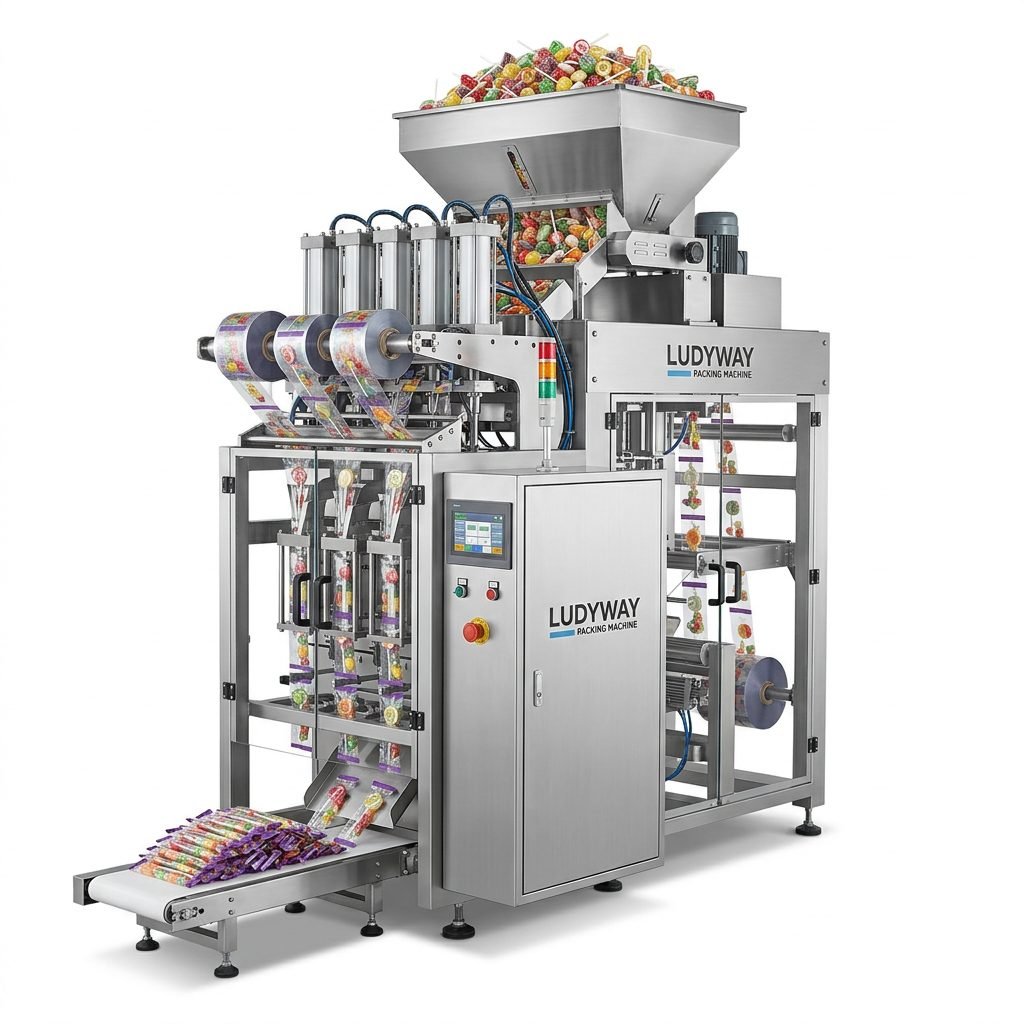
Common Problems and Troubleshooting
Even with diligent maintenance, issues can arise. Understanding common problems with food packaging machines enables faster resolution and reduces production interruptions. Here are frequent challenges and their typical root causes:
- Inconsistent seal quality: Check for contaminated sealing surfaces, incorrect temperature settings, or worn PTFE coatings on heat seal jaws.
- Film tracking issues: Verify roller alignment, check for uneven film tension, and inspect the forming collar for damage or misalignment.
- Fill weight variations: Calibrate the dosing system and inspect auger screws or volumetric cups for wear that affects measurement accuracy.
- Registration errors: Clean the registration sensor lens and verify that the printed eye mark contrast meets the sensor’s detection threshold.
- Excessive noise or vibration: Inspect bearings, chains, and gears for wear; lubricate per the maintenance schedule and replace damaged components.
Lubrication Best Practices
Proper lubrication is one of the most critical yet often overlooked aspects of packaging machine maintenance. Using the correct lubricant type and application method significantly impacts component longevity. Always consult your equipment manual for specific lubrication points and intervals.
- Select food-grade H1 lubricants for any application where incidental food contact is possible, in compliance with FDA food contact substance guidelines.
- Use H2 lubricants only in areas where food contact is impossible, such as enclosed gearboxes.
- Avoid over-lubrication: excess grease attracts dust and product particles, forming abrasive compounds that accelerate wear.
- Maintain a lubrication log documenting date, lubricant type, and application points for traceability.
- Purge old grease from bearings during scheduled maintenance intervals to remove contaminants.
Spare Parts Inventory Management
Maintaining an adequate stock of critical spare parts ensures rapid repairs and minimizes downtime. The PMMI packaging industry resources recommend that manufacturers identify and stock components based on lead time and failure probability. Key spare parts for a typical food packaging machine include:
- Sealing jaw assemblies: Complete sets including heating elements, thermocouples, and PTFE covers.
- Drive belts and timing belts: Keep at least one spare set for each belt type used on the machine.
- Sensors and photo-eyes: Critical for film registration and product detection functions.
- Pneumatic seals and O-rings: Essential for cylinder rebuilds during scheduled maintenance.
- Filters and strainers: For air preparation units and any liquid filling components.
Training Operators for Effective Maintenance
Well-trained operators are the first line of defense against equipment failure. Comprehensive training should cover daily inspection procedures, proper cleaning techniques, and how to recognize early warning signs of mechanical issues. Documentation from organizations like the Flexible Packaging Association emphasizes that operator training directly correlates with reduced machine downtime and improved overall equipment effectiveness.
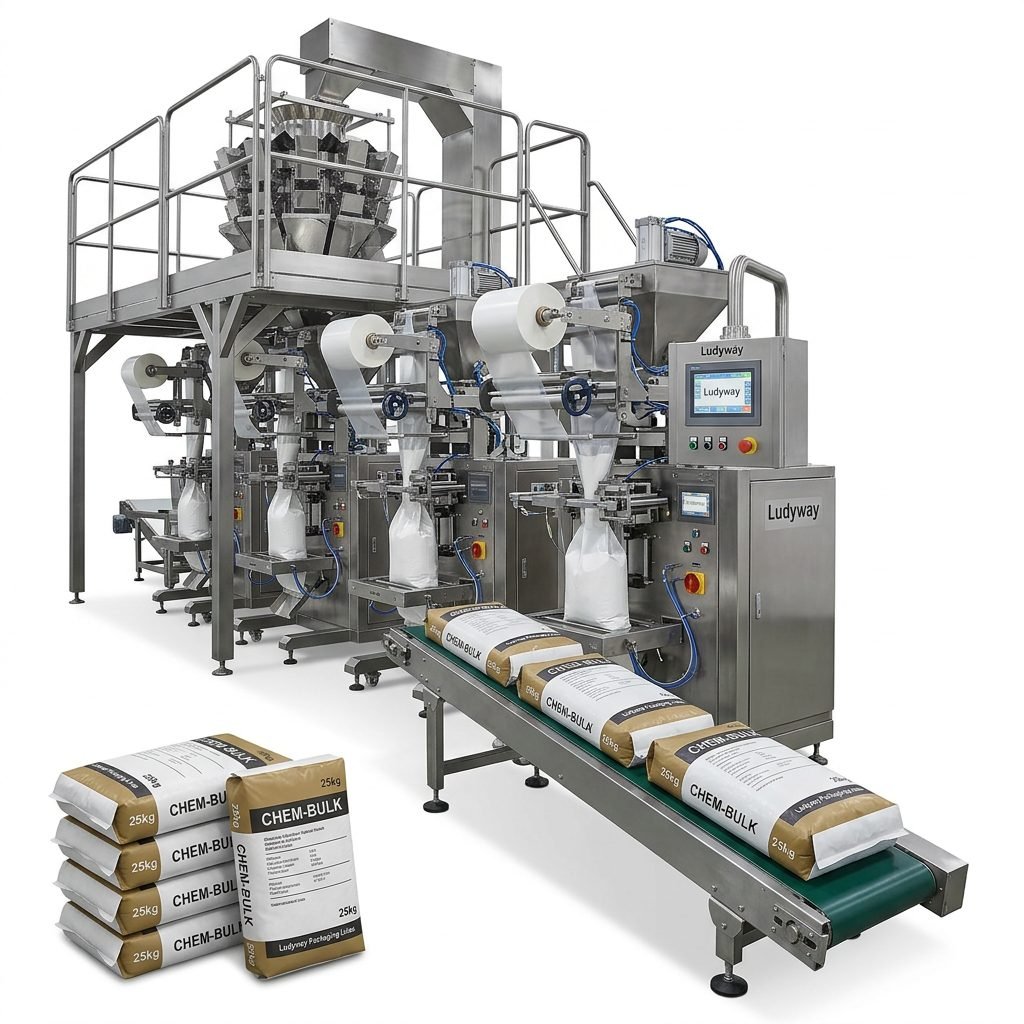
Ludyway is one of the largest packaging machine manufacturers in China, specializing in advanced packaging equipment and turnkey production solutions for the food, pharmaceutical, and health industries. With over 30 years of industry expertise, the company provides reliable and efficient packaging solutions for granule, powder, liquid, and pouch packaging applications, supported by a modern 20,000㎡ manufacturing facility and a highly experienced engineering team.

Maintenance Documentation and Record Keeping
Thorough documentation supports both operational efficiency and regulatory compliance. According to ISO packaging and distribution standards, maintaining detailed records of all maintenance activities is essential for traceability and continuous improvement. Key documents to maintain include:
- Maintenance logbooks: Chronological records of all inspections, repairs, and part replacements.
- Calibration certificates: Documentation for temperature controllers, weighing systems, and other calibrated instruments.
- Spare parts inventory records: Track usage rates to optimize reorder points and quantities.
- Training records: Verify that all operators and maintenance technicians have current training on equipment procedures.
- Manufacturer service reports: Retain copies of all service visits and correspondence with equipment suppliers.
Seasonal and Annual Maintenance Considerations
In addition to routine schedules, plan for more extensive annual maintenance during planned shutdowns. This includes complete machine disassembly for deep cleaning, replacement of all wear components, gearbox oil changes, and comprehensive electrical system testing. Aligning these major overhauls with the packaging industry exhibition calendar can help coordinate maintenance with periods of lower production demand. Also refer to European Commission packaging waste regulations when reviewing packaging material changes that may affect machine settings.

Key Takeaways for Long-Term Machine Reliability
Implementing a structured maintenance program for your food product packaging machine is an investment that pays dividends through increased uptime, consistent package quality, and reduced total cost of ownership. By following the daily, weekly, and monthly checklists outlined above — and maintaining thorough documentation — you can significantly extend your equipment’s service life while ensuring compliance with packaging industry standards and food safety requirements.
Remember that each machine model has unique maintenance requirements. Always refer to your equipment-specific manual and consult with qualified technicians for complex repairs or when implementing new maintenance procedures.