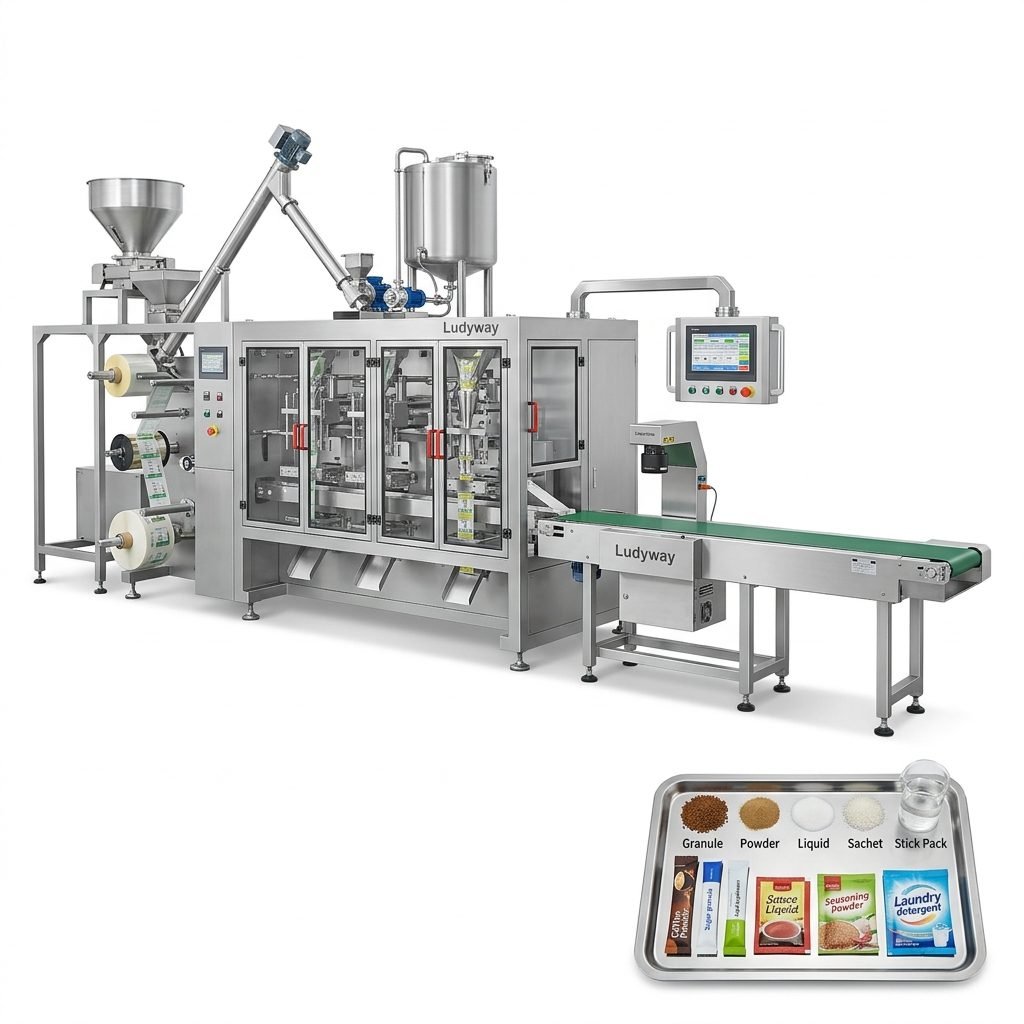
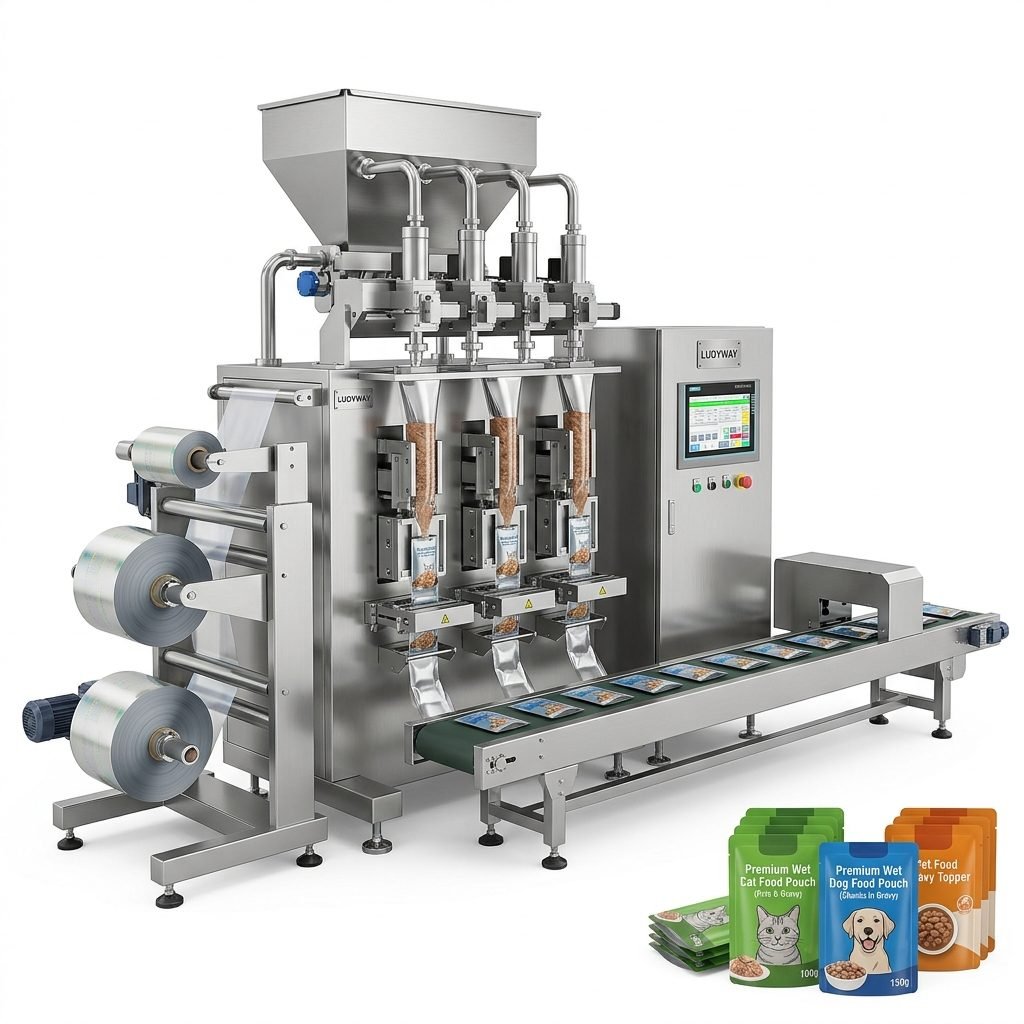
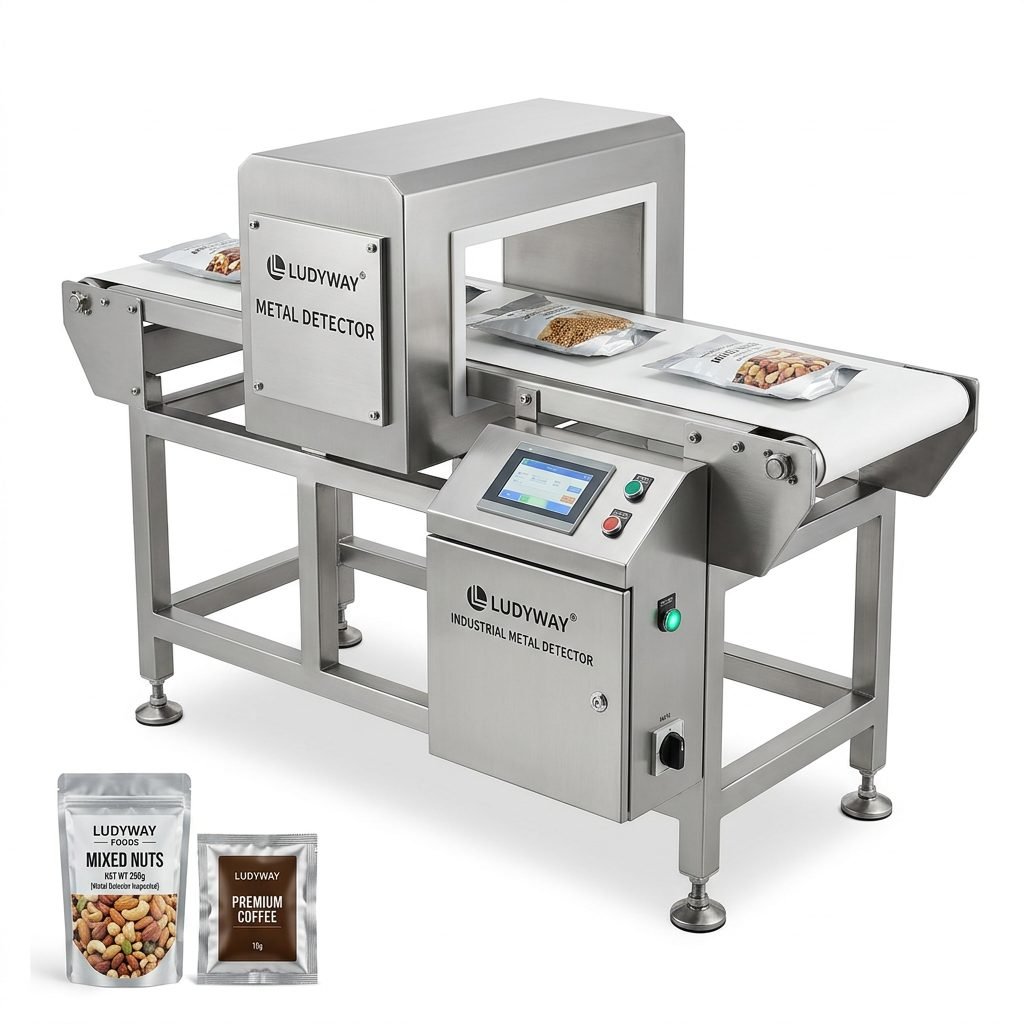
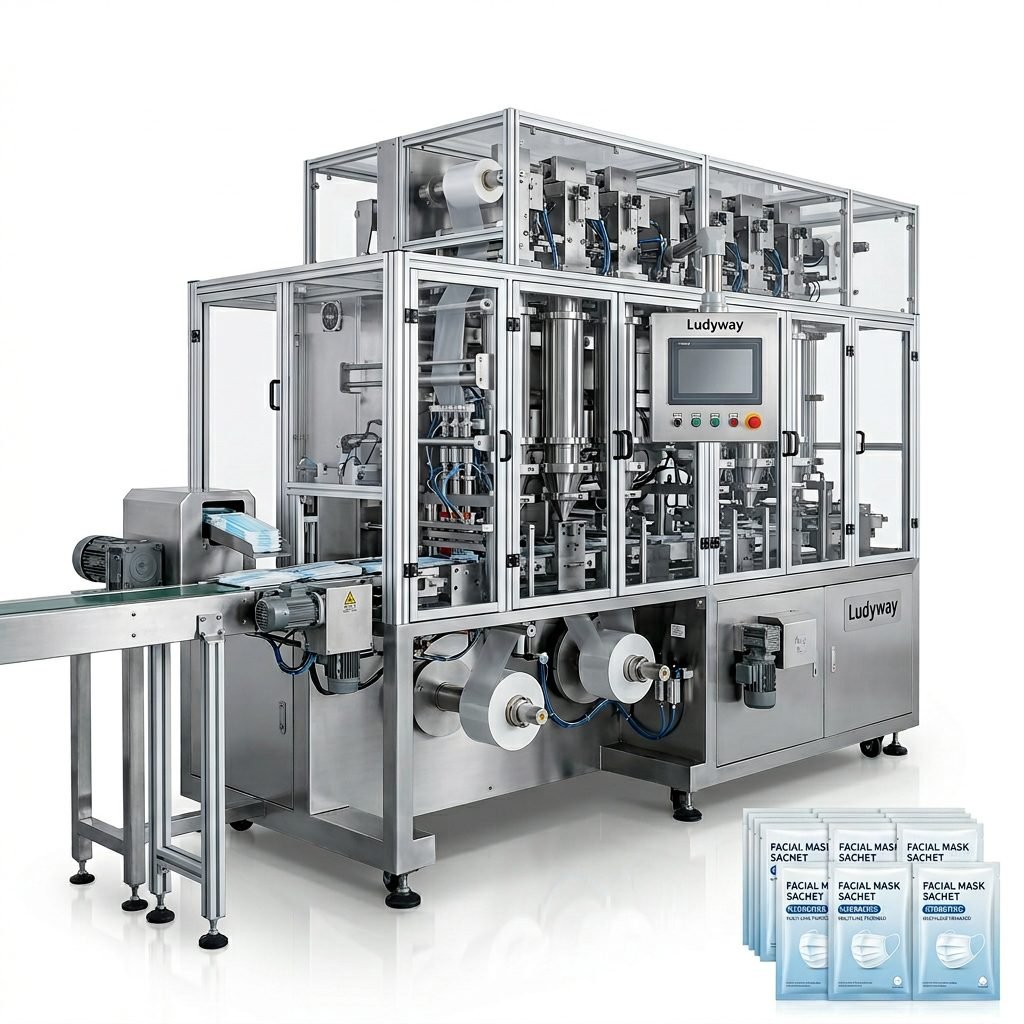
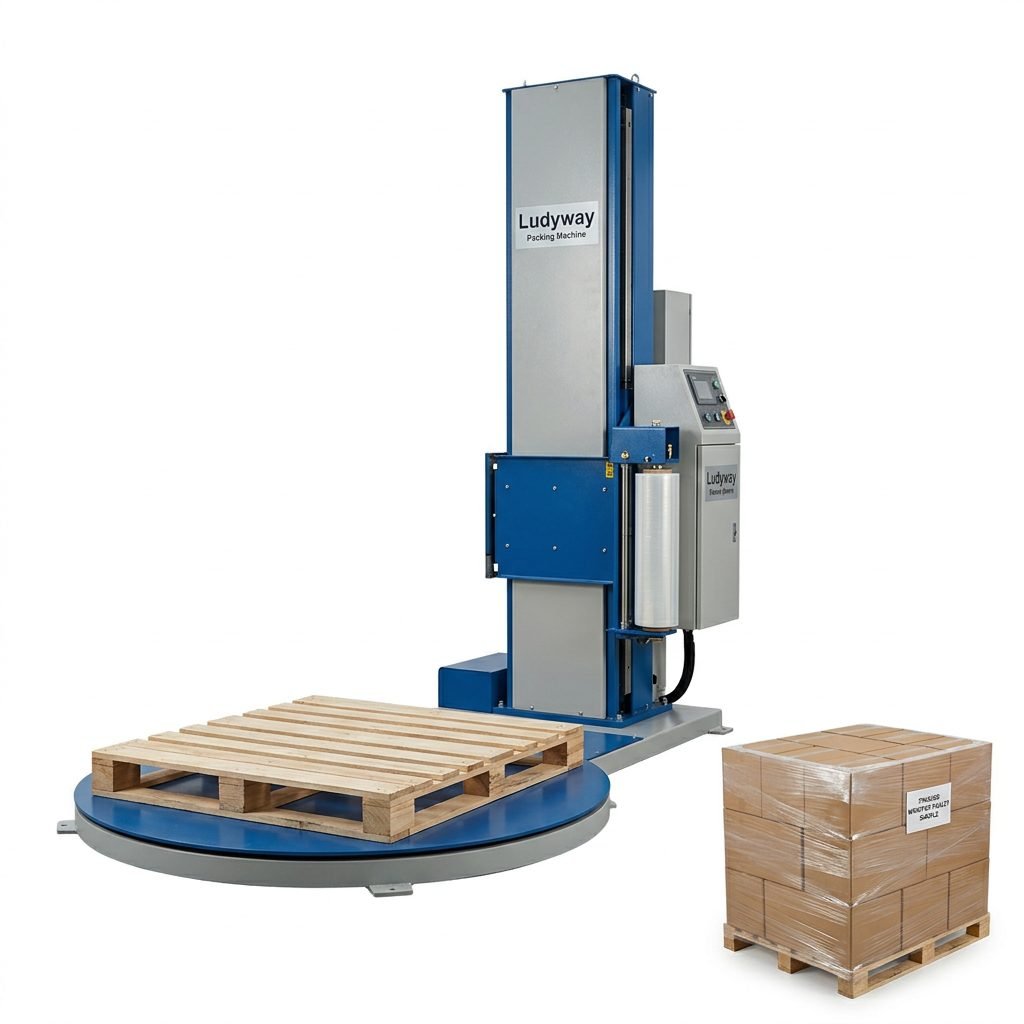
Regular and proactive maintenance is the cornerstone of maximizing the lifespan and efficiency of your Jawla packing machine. Without a structured upkeep routine, even the most robust equipment can experience unexpected downtime, leading to costly production delays and compromised packaging quality. This guide outlines essential maintenance tips and industry best practices designed to keep your machinery running at peak performance.
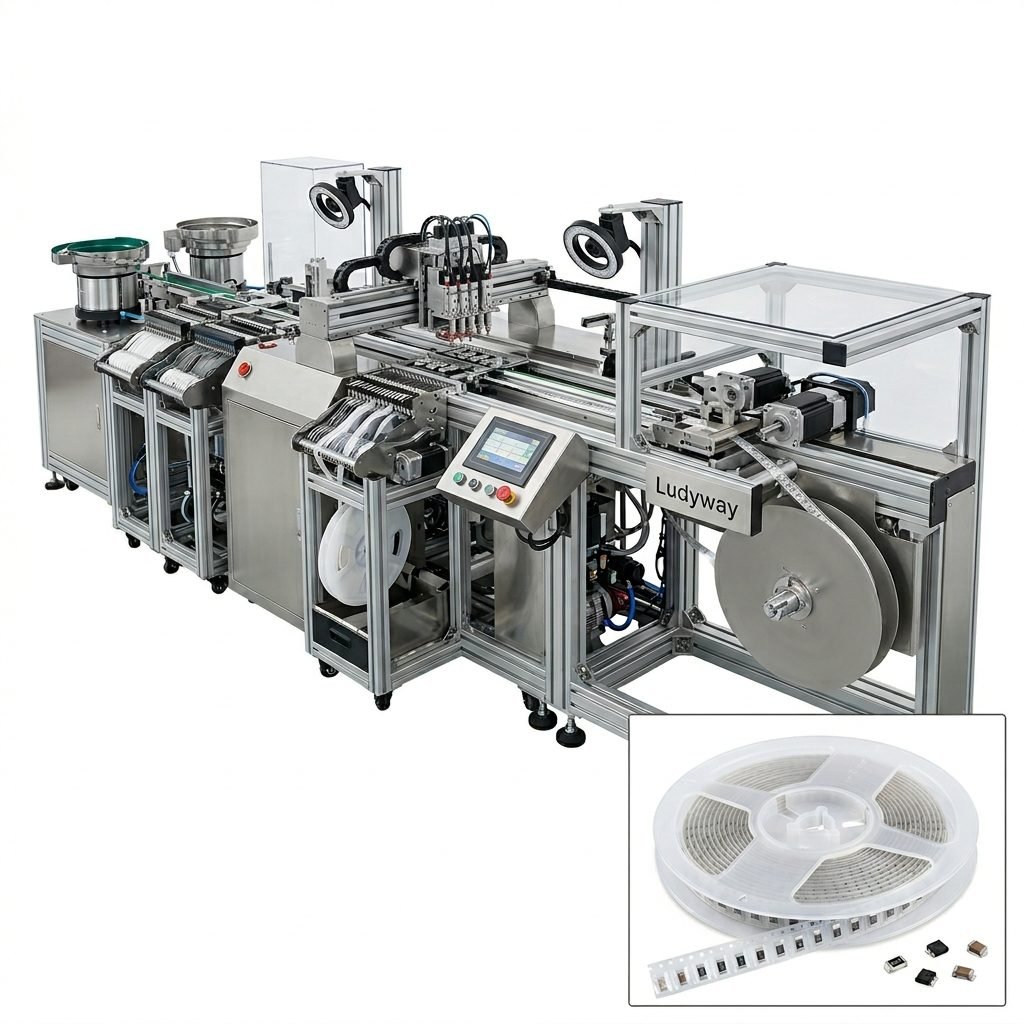
Understanding the Importance of Preventive Maintenance
Implementing a robust preventive maintenance schedule is not just about fixing issues; it is about preventing them from occurring in the first place. A well-maintained Jawla packing machine ensures consistent seal integrity, accurate filling weights, and minimal material waste. By adhering to a daily, weekly, and monthly checklist, operators can identify minor wear and tear before it escalates into a major mechanical failure. As highlighted in industry resources like the PMMI packaging industry resources, standardizing maintenance protocols significantly extends the lifecycle of processing equipment.
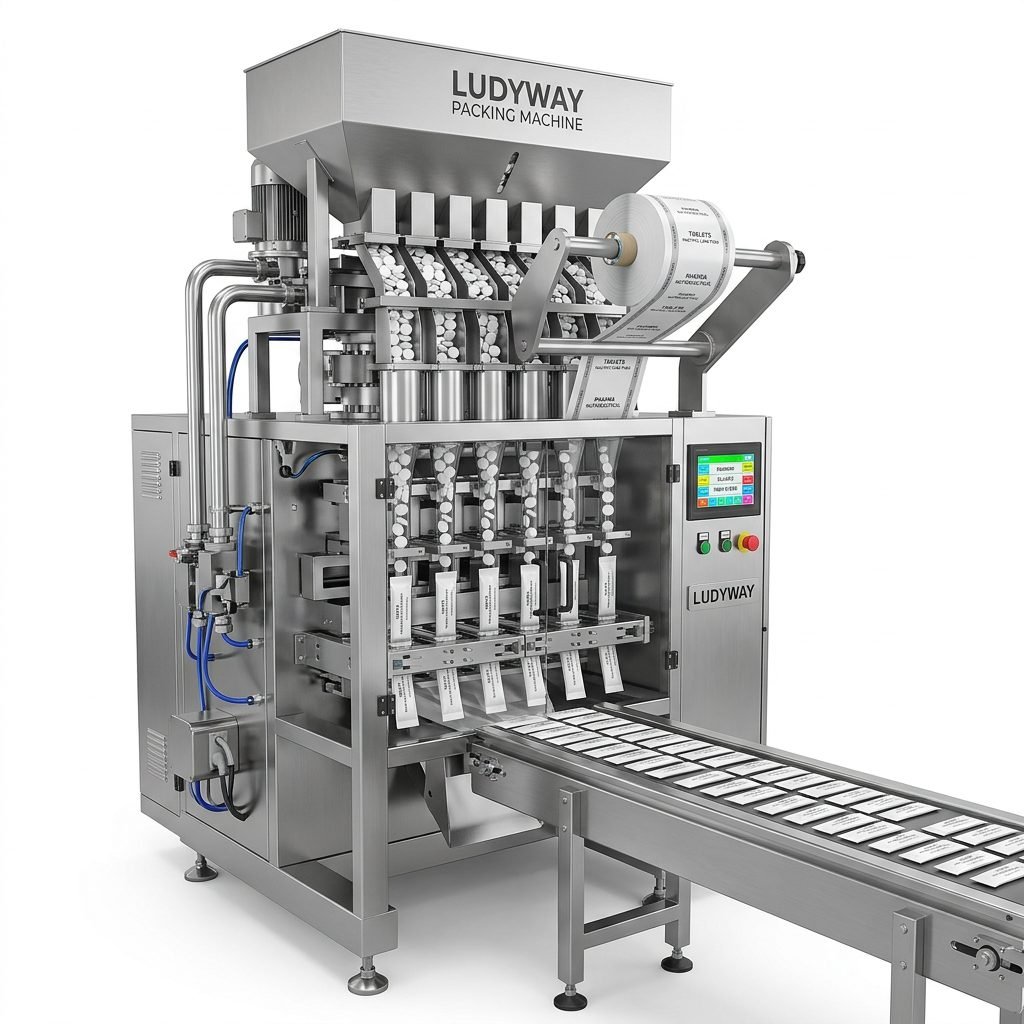
Daily Maintenance Checklist for Operators
Daily cleaning and inspection should be a non-negotiable part of your shift routine. Operators are the first line of defense, and their observations are critical for early detection. Key daily tasks include:
- Remove any residual product or dust from the forming tubes and sealing jaws using compressed air and lint-free cloths.
- Inspect the heat sealing belts for signs of burning, fraying, or product buildup that could affect seal quality.
- Check the film tracking sensors and photoelectric cells. Clean them gently to ensure accurate bag length control.
- Verify the lubricant levels in the central lubrication points, particularly on rotary parts and chains.
- Listen for any abnormal noises, such as grinding or squealing, which often indicate failing bearings or misaligned components.
Monitoring Seal Integrity
The quality of the seal is the primary function of a Jawla packing machine. Faulty seals lead to product spoilage and contamination. Every day, operators should perform a “peel test” on several sample bags. A consistent, solid seal without wrinkles indicates correct temperature and pressure settings. If the seal is weak or uneven, the thermocouple may need calibration, or the jaw pressure might require adjustment.
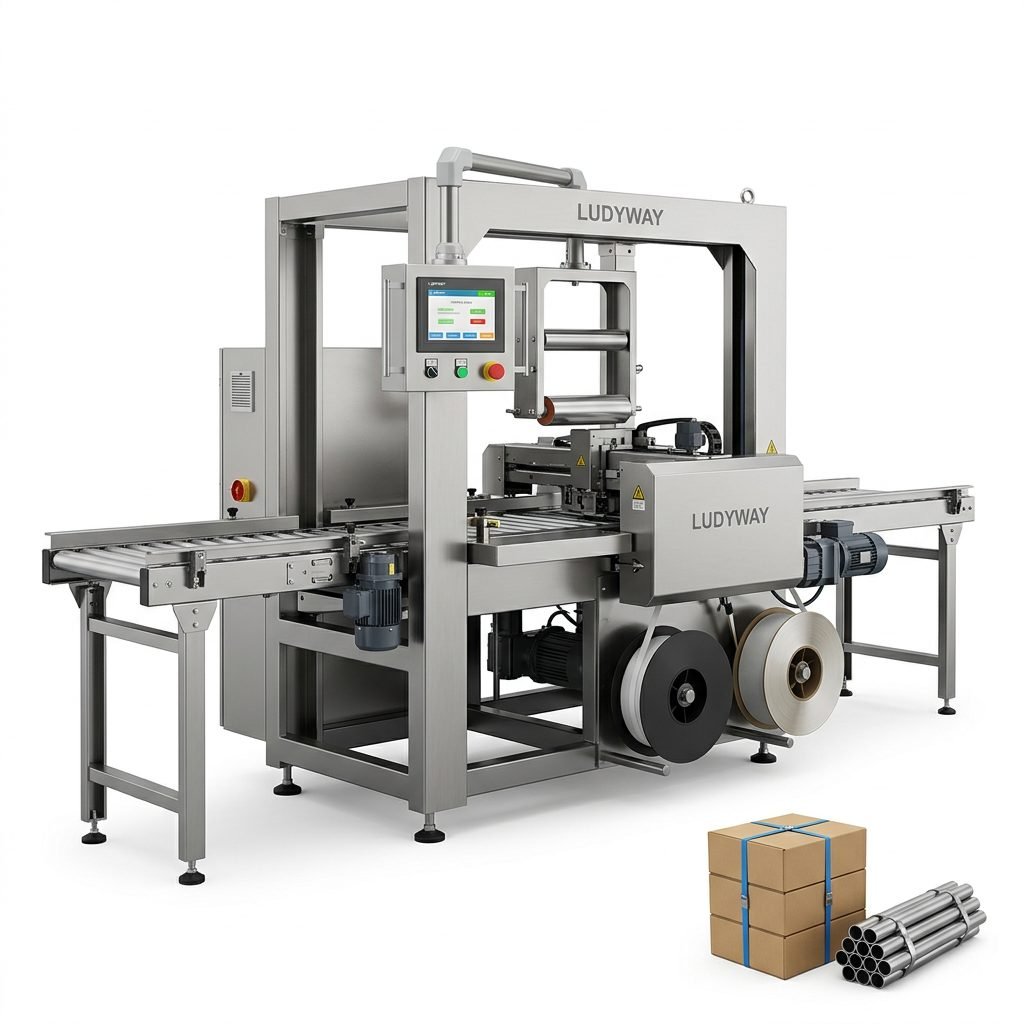
Weekly and Monthly Maintenance Protocols
Beyond the daily tasks, deeper mechanical inspections are required weekly and monthly. These procedures address components that wear out over time but do not require daily monitoring. A table detailing these tasks helps streamline your maintenance team’s workflow.
| Frequency | Component | Maintenance Action |
|---|---|---|
| Weekly | Film Carriage Rollers | Clean and inspect for smooth rotation. Remove adhesive residue. |
| Weekly | Cutting Knife Assembly | Check sharpness and alignment. A dull blade causes pulling or tearing. |
| Monthly | Motor Drive Belts | Inspect tension and wear. Replace cracked or stiff belts. |
| Monthly | Electrical Connections | Tighten terminal screws in the control panel. Check for dust buildup. |
| Monthly | Pneumatic System | Drain water from air filters. Inspect cylinder seals for leaks. |
Deep Cleaning the Forming Tube Area
Product dust often accumulates around the former and filling tube, potentially obstructing the photo-eye sensors. A thorough monthly cleaning should involve a partial disassembly of the guarding to access these areas. Using a vacuum and non-residue solvents ensures sensors remain clear and responsive, which is crucial for accurate film registration.
Quarterly and Annual Best Practices
Long-term reliability depends on the replacement of wear parts and a thorough mechanical audit. Annual shutdowns should be utilized to overhaul critical systems. This aligns with the guidelines often discussed in the latest packaging state of the industry reports regarding asset management and operational technology upgrades.
- Gearbox Oil Change: Replace the lubricant in the main drive gearboxes to prevent internal scoring and overheating.
- Sealing Jaw Overhaul: Remove, clean, and possibly re-coat the sealing jaws. Worn Teflon coating is a common culprit for plastic film sticking.
- Control System Backup: As recommended by ISO packaging standards, always back up the PLC parameters and servo drive settings before making changes or storing the machine long-term.
Troubleshooting Common Issues
Even with rigorous maintenance, occasional issues arise. Knowing how to troubleshoot common problems can save hours of downtime. Below is a quick reference guide for operators.
1. Film Tracking Wandering
If the film slips left to right, first clean the film carriage rollers and ensure the edge guide sensor is positioned correctly. If the issue persists, check the unwind brake tension or inspect the gusset alignment plates for deformation. Loose mechanical linkages are the most frequent cause of film wander.
2. Creeping or Mispositioned Seals
Longitudinal seal creeping often indicates a slipping feed belt or incorrect crimp pressure. Verify that the vacuum belts (if applicable) are clean and that the rubber traction rollers have not glazed over. Glazed rollers lose grip and must be replaced.
3. Intermittent Product Dosing Errors
If your machine uses an auger filler, weight inconsistency often points to an inconsistent product level in the hopper or a worn agitation blade. For volumetric fillers, check the cup seals for cracks. Calibration protocols must always follow the OEM specifications to maintain dosing accuracy according to FDA food packaging guidelines where applicable.
Optimizing Spare Parts Inventory
Efficient maintenance requires having the right spare parts on hand. A machine is only as reliable as its weakest component. We strongly advise always keeping a stock of critical wear items. This minimizes the time lost waiting for logistics, especially in high-demand production cycles.
| Critical Spare Part | Recommended Quantity | Replacement Interval |
|---|---|---|
| Teflon Sealing Belts | 2 Sets | 6 Months / As Needed |
| Thermocouples | 3 Units | Annual Check / Failure |
| Cutting Knives | 1 Set | 6-8 Weeks Dependent on Product |
| Pneumatic Cylinder Seals | Kit per Cylinder Size | 1 Year |
| Photo-Eye Sensors | 1 Unit Model Specific | Upon Failure |
By integrating these maintenance tips into your standard operating procedures, you safeguard your production output. Investing in smart maintenance today prevents unplanned downtime tomorrow. Organizations like the Flexible Packaging Association emphasize that proactive equipment care is directly linked to factory productivity metrics. For manufacturers seeking robust turnkey packaging solutions that are designed with maintenance accessibility in mind, Ludyway offers decades of engineering expertise in the packaging machinery field. Proper care ensures your Jawla packing machine remains a reliable component of your line for years to come.