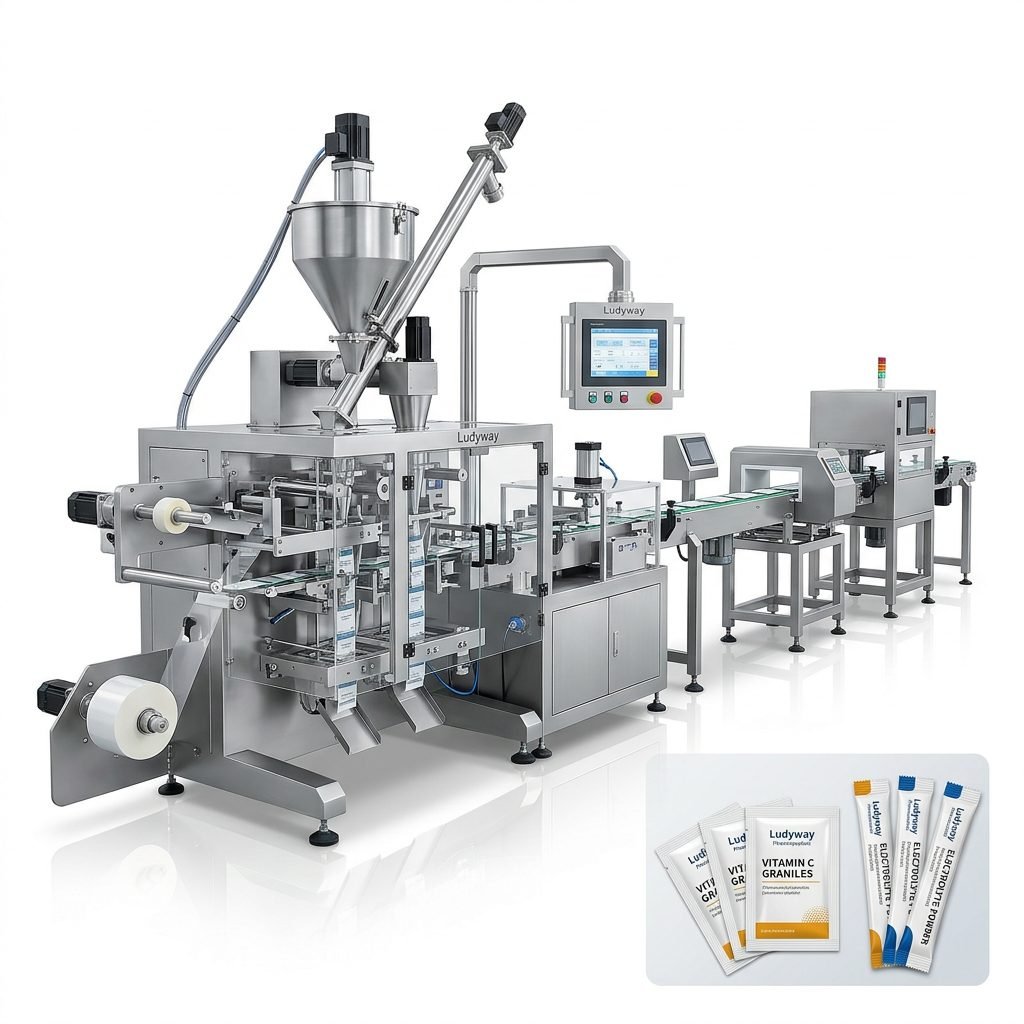
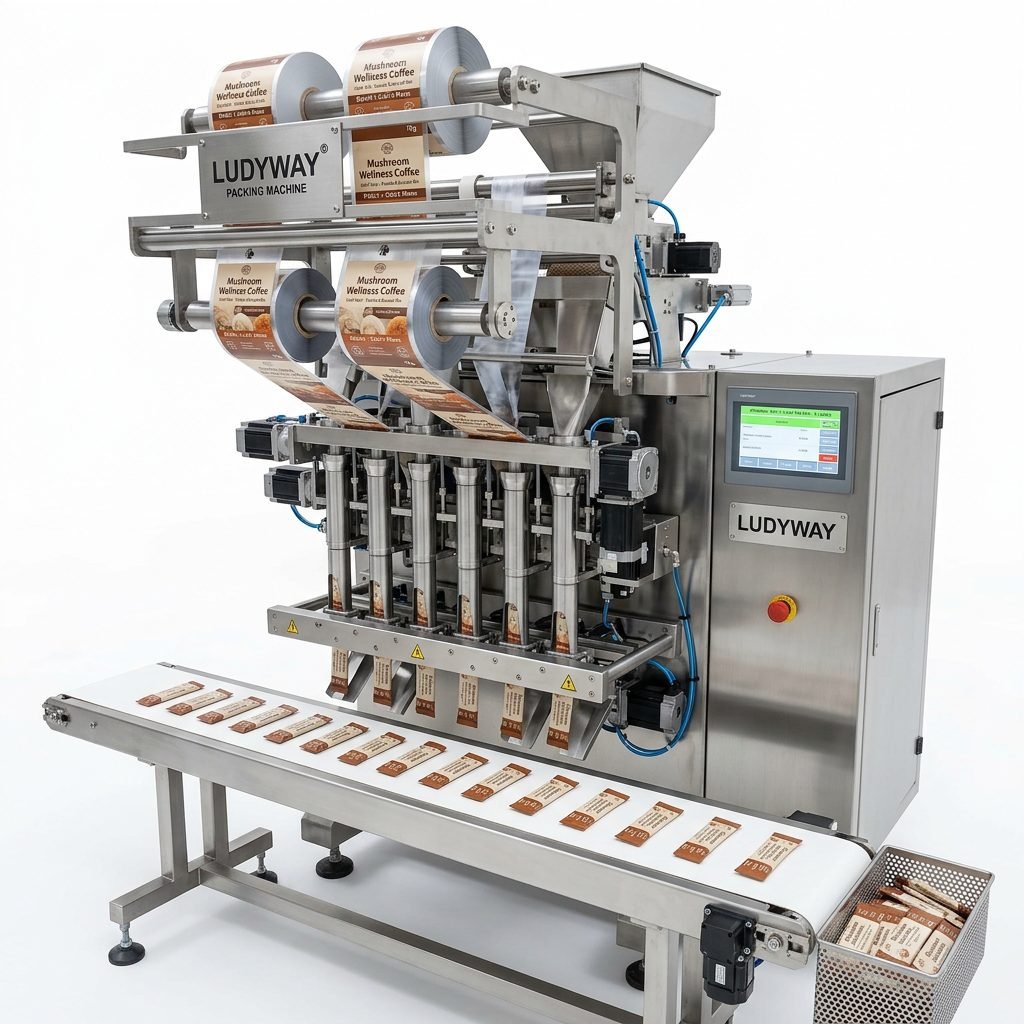
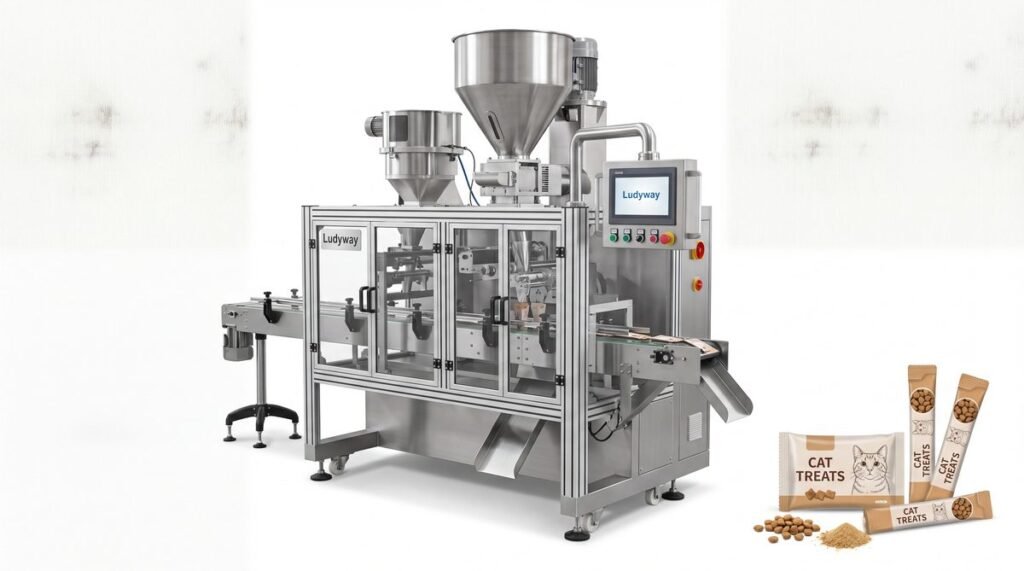
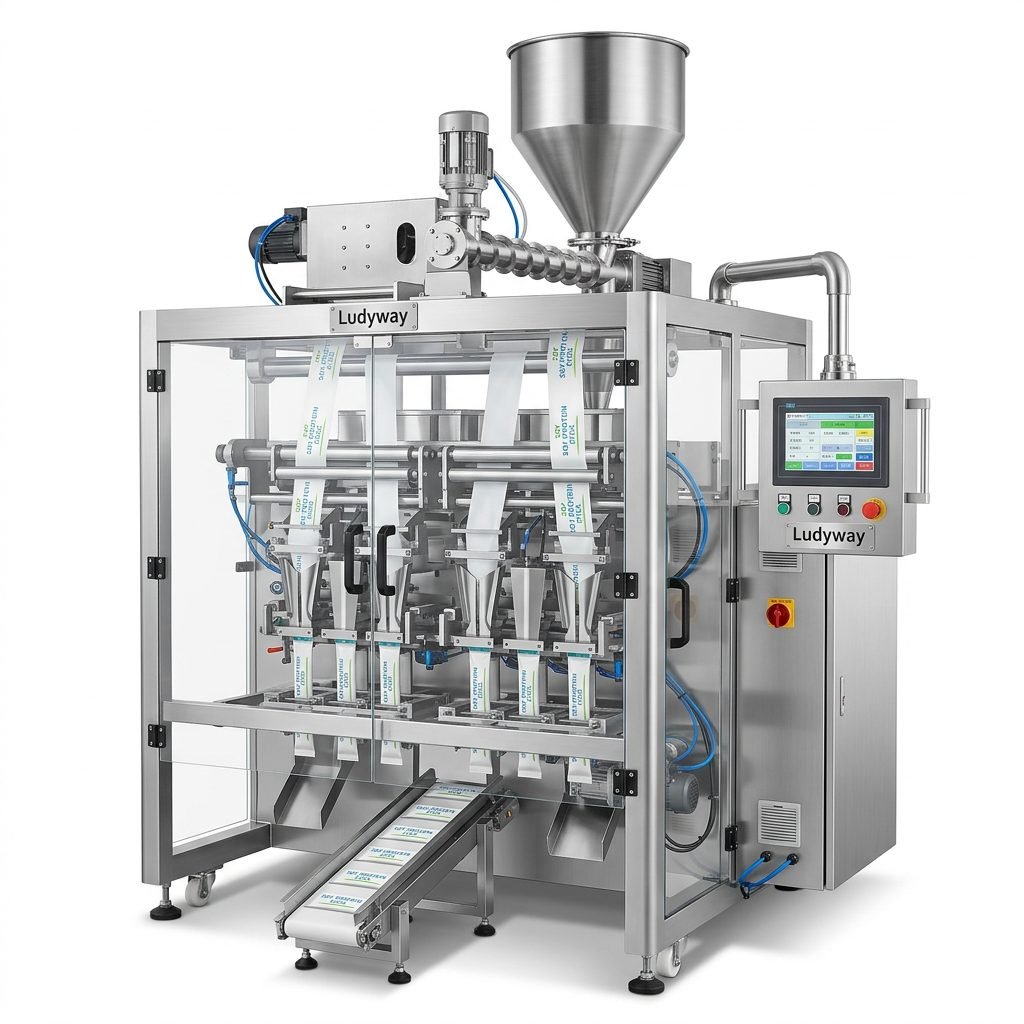
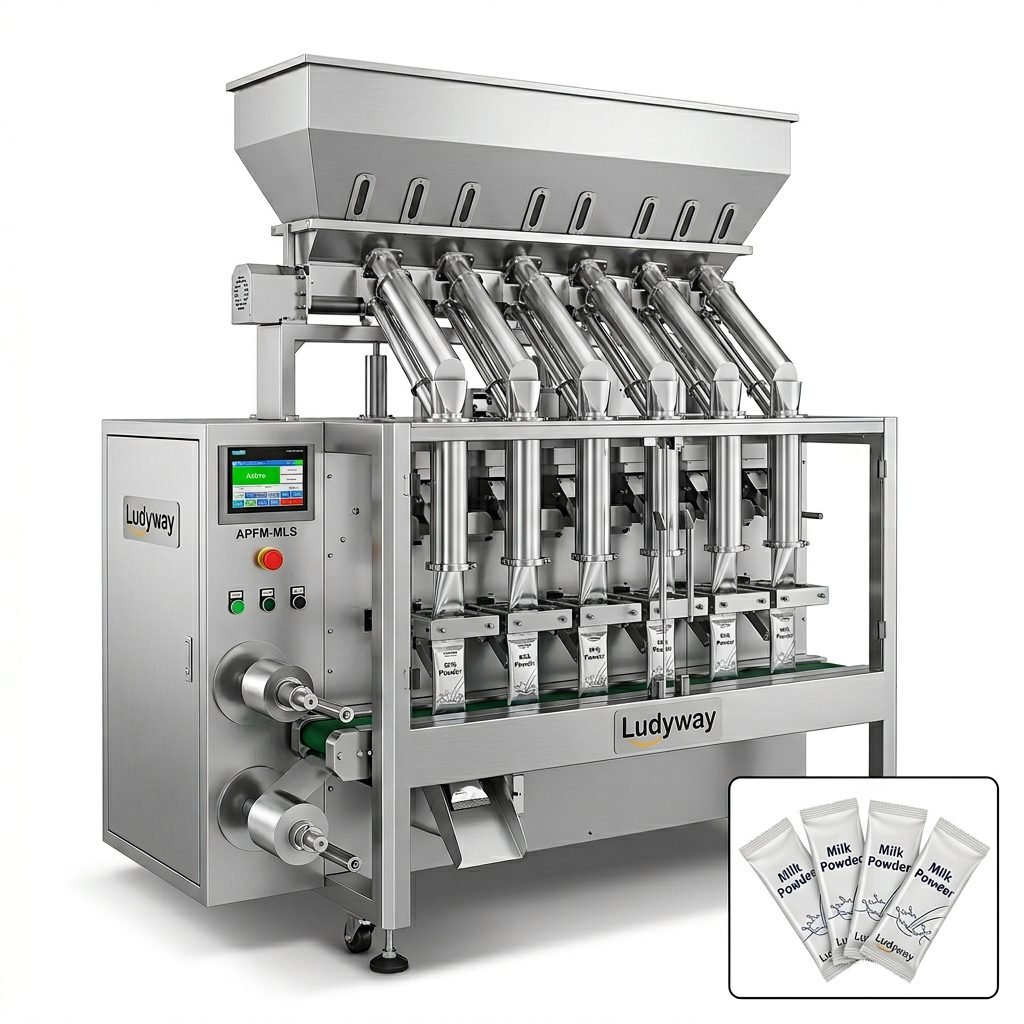
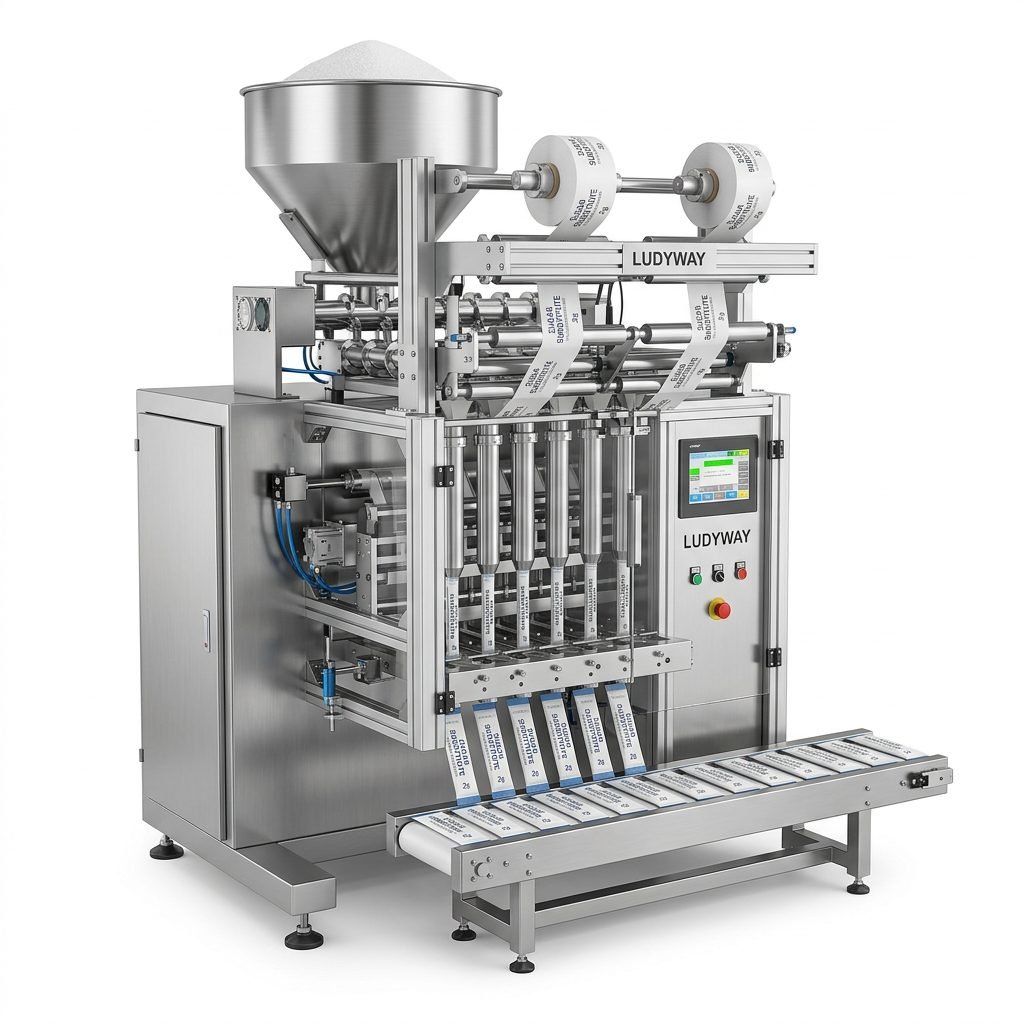
Proper maintenance of your alu alu packaging machine is critical for ensuring consistent output quality, minimizing downtime, and extending equipment lifespan. Aluminum-aluminum blister packaging machines operate under demanding conditions involving heat, pressure, and precise mechanical movements. Without a structured maintenance routine, even high-performance packaging equipment can experience premature wear, sealing defects, or unexpected breakdowns. This guide outlines essential cleaning and maintenance practices designed to keep your machine running at peak efficiency.
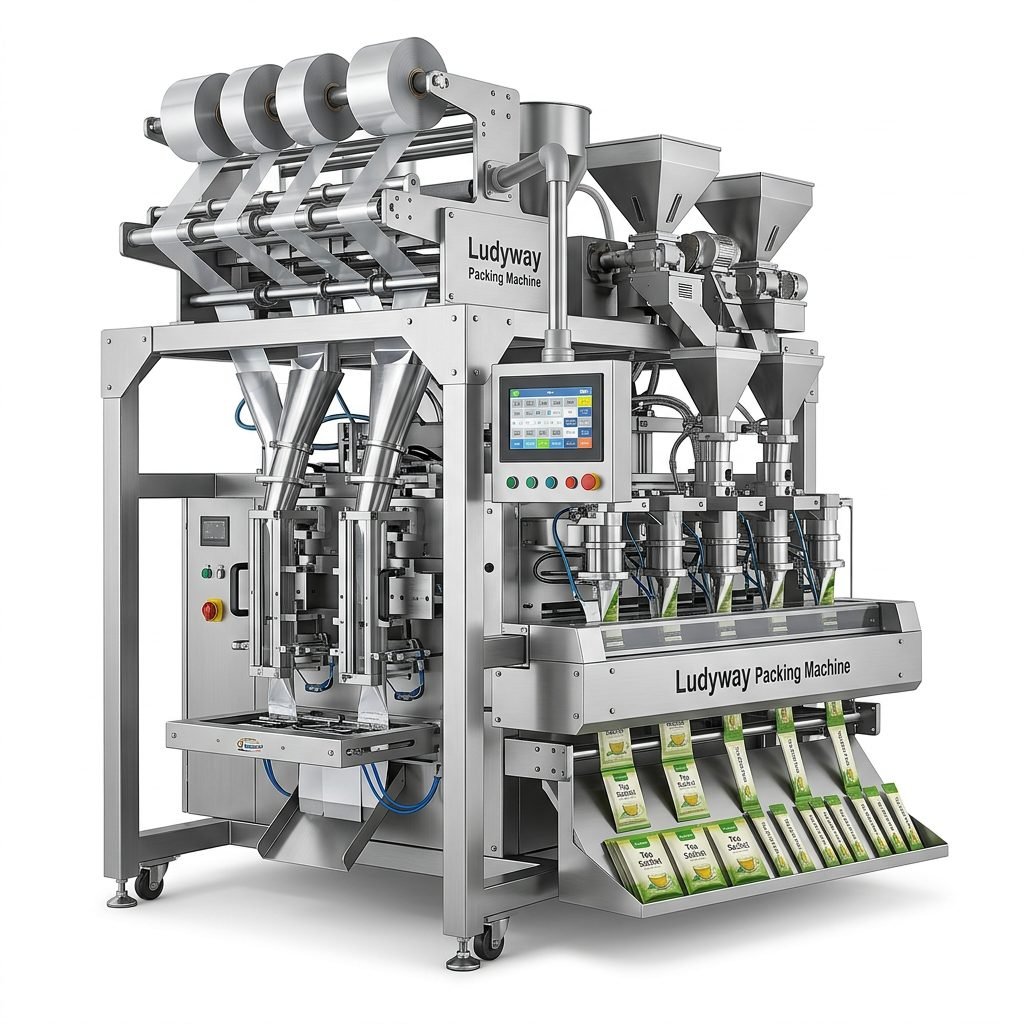
Daily Cleaning Procedures
Daily cleaning is the foundation of any effective maintenance program. Residue from packaging materials, dust, and lubricant buildup can interfere with sensitive components over time. Operators should perform the following tasks at the end of each shift:
- Remove loose debris from the forming station, sealing plates, and cutting area using compressed air or a soft brush. Avoid using metal tools that could scratch precision surfaces.
- Wipe down all contact surfaces with a lint-free cloth and an approved cleaning solvent. Pay special attention to the heat-sealing rollers and forming dies, where foil residue tends to accumulate.
- Inspect the feeding track for any stray capsules, tablets, or foil fragments that could cause jams during the next production run.
- Check and empty the waste collection bin to prevent overflow that could contaminate the work area.
Cleaning the Forming and Sealing Stations
The forming station shapes the aluminum cavities, while the sealing station bonds the lidding foil. Both areas are prone to material buildup. Use a non-abrasive cleaning agent and a microfiber cloth to gently clean the mold surfaces. For stubborn residue, apply a specialized aluminum-safe solvent and allow it to soak briefly before wiping. Never use steel wool or harsh scrapers on these precision components, as scratches will compromise blister integrity and lead to packaging defects.
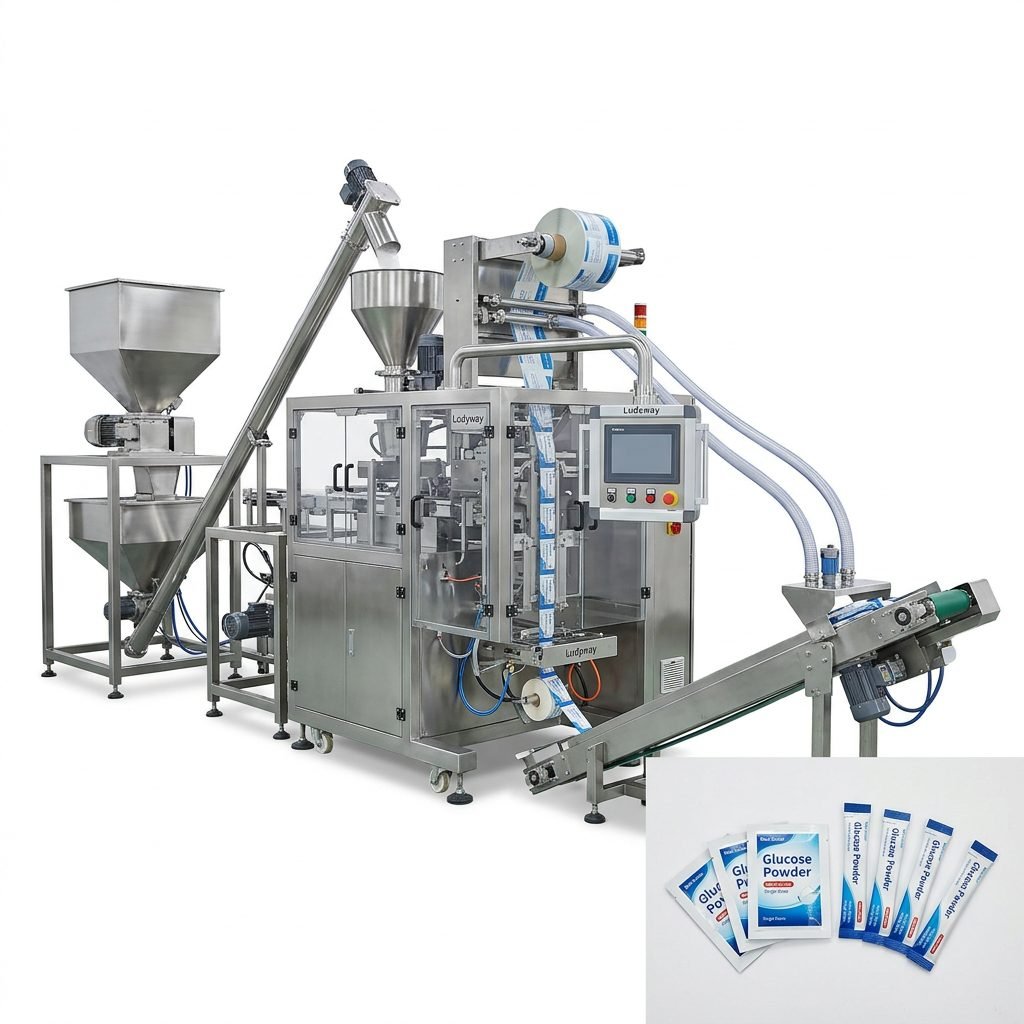
Weekly Maintenance Tasks
Weekly inspections should go beyond surface cleaning to address mechanical components that experience gradual wear. Dedicate time each week to the following checks:
- Lubricate all moving parts according to the manufacturer’s specifications. Use only food-grade or pharmaceutical-grade lubricants where applicable. Over-lubrication can attract dust, so apply sparingly and wipe away excess.
- Inspect drive belts and chains for signs of cracking, fraying, or improper tension. A loose belt can cause inconsistent indexing, while an overly tight chain accelerates sprocket wear.
- Examine electrical connections and wiring harnesses for any loose terminals, discoloration, or insulation damage. Heat from the sealing station can degrade nearby wiring over time.
- Test all emergency stop buttons and safety interlocks to verify they function correctly. Safety system failures pose serious risks and must be addressed immediately.
Sealing Quality Verification
Perform a peel test on sample blisters produced during the week. A properly sealed alu-alu package should require consistent force to peel and leave no residue on either foil layer. If seals appear weak or inconsistent, recalibrate the sealing temperature and pressure settings before proceeding with production. Document all test results for trend analysis over time. For more information on packaging standards, refer to the ISO packaging standards.
Monthly Inspection Checklist
A comprehensive monthly inspection helps identify developing issues before they cause costly downtime. Use the following checklist as a guide:
| Inspection Area | What to Check | Action Required |
|---|---|---|
| Heating Elements | Temperature accuracy, continuity, physical condition | Calibrate or replace if deviation exceeds ±2°C |
| Pneumatic System | Air pressure, filter condition, leaks in hoses | Drain moisture traps, replace clogged filters |
| Indexing Mechanism | Alignment accuracy, cam wear, bearing play | Adjust timing, replace worn bearings |
| Cooling System | Water flow rate, chiller performance, hose integrity | Flush system if needed, inspect for mineral buildup |
| Sensor Array | Photoelectric sensors, proximity switches, temperature probes | Clean lenses, test response times, recalibrate |
Common Issues and Troubleshooting
Even with diligent maintenance, occasional issues may arise. Understanding common problems and their root causes enables faster resolution and reduces production losses. Below are frequent challenges encountered with alu alu packaging machines:
- Incomplete or weak seals: Typically caused by insufficient temperature, incorrect pressure, or contamination on the sealing surface. Verify heater calibration and clean the sealing plates thoroughly. Consult the FDA packaging and food contact substances guidelines for compliance requirements.
- Misaligned blisters: Often results from improper foil tracking or worn guide rollers. Check the foil unwinding tension and inspect all guide components for wear. Replace any roller with visible bearing play.
- Excessive noise during operation: May indicate insufficient lubrication, loose fasteners, or damaged bearings. Conduct an immediate inspection and tighten or replace affected parts.
- Intermittent machine stoppages: Frequently traced to faulty sensors or electrical connections. Clean all sensor lenses and check wiring continuity with a multimeter.
Preventive Maintenance Schedule
A structured preventive maintenance schedule transforms equipment care from reactive to proactive. The table below provides a recommended timeline for key maintenance activities on your alu alu packaging machine. Adapt the intervals based on your production volume and operating environment. Industry resources such as the PMMI packaging industry resources offer additional guidance on maintenance best practices.
| Frequency | Task | Responsible |
|---|---|---|
| Daily | Surface cleaning, debris removal, visual inspection | Operator |
| Weekly | Lubrication, belt inspection, seal quality testing | Maintenance Technician |
| Monthly | Heater calibration, pneumatic checks, sensor cleaning | Maintenance Engineer |
| Quarterly | Gearbox oil change, bearing inspection, PLC backup | Senior Technician |
| Annually | Complete overhaul, major component replacement, full calibration | Manufacturer Service Team |
Spare Parts Inventory Management
Maintaining an adequate inventory of critical spare parts significantly reduces downtime during unexpected failures. Essential spares for your alu alu packaging machine should include: heating cartridges, thermocouples, sealing roller assemblies, drive belts, sensor units, gaskets, and pneumatic seals. Store all parts in a clean, dry environment and rotate stock based on shelf-life recommendations. For high-quality packaging machinery components, always source from reputable suppliers to ensure compatibility and performance.

Documentation and Record Keeping
Thorough documentation supports continuous improvement and simplifies troubleshooting. Maintain a dedicated maintenance logbook or digital record for each machine, including:
- Dates and descriptions of all cleaning and maintenance activities
- Parts replaced with part numbers and supplier information
- Seal quality test results and calibration adjustments
- Any unusual observations or operator notes
- Service reports from external technicians
Review these records quarterly to identify recurring issues and optimize your preventive maintenance intervals. Data-driven maintenance strategies consistently outperform generic schedules in real-world production environments.
Professional Support and Training
While routine maintenance can be handled by trained in-house staff, certain tasks require specialized expertise. Annual professional servicing by qualified technicians ensures that your alu alu packaging machine receives thorough inspection of internal components that operators cannot access. Additionally, investing in comprehensive operator training reduces the likelihood of improper machine use that leads to premature wear. Well-trained operators detect early warning signs and report them before minor issues escalate into major repairs.
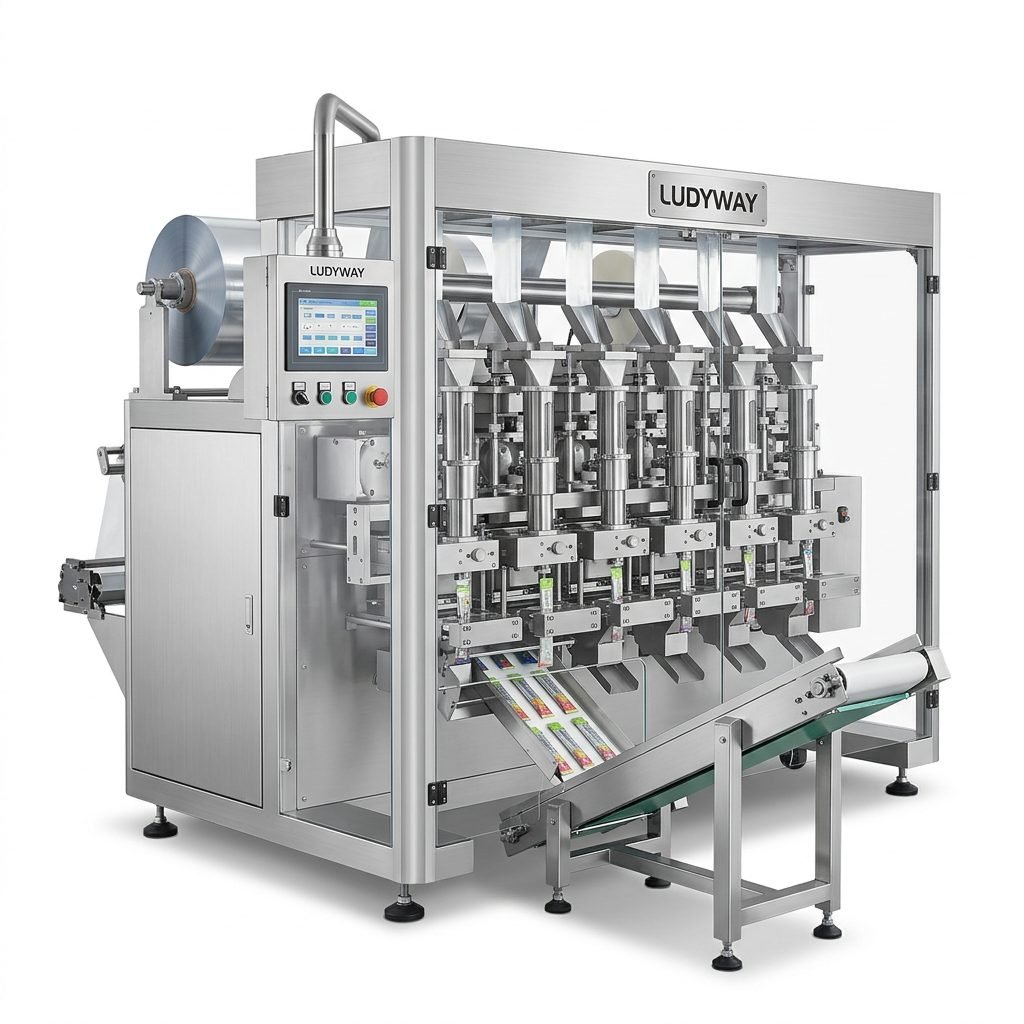
Companies like Ludyway, one of the largest packaging machine manufacturers in China with over 30 years of industry expertise, provide extensive after-sales support and technical training for their equipment. Access to manufacturer-level expertise can make a significant difference in long-term machine performance and your overall packaging solutions efficiency.
Conclusion
Consistent cleaning and maintenance of your alu alu packaging machine deliver measurable returns through reduced downtime, consistent product quality, and extended equipment life. By implementing the daily, weekly, and monthly procedures outlined in this guide, you establish a reliable foundation for production stability. Complement these practices with thorough documentation, adequate spare parts inventory, and access to professional technical support. A well-maintained machine not only performs better but also contributes to a safer, more efficient production environment.
Related Resources: