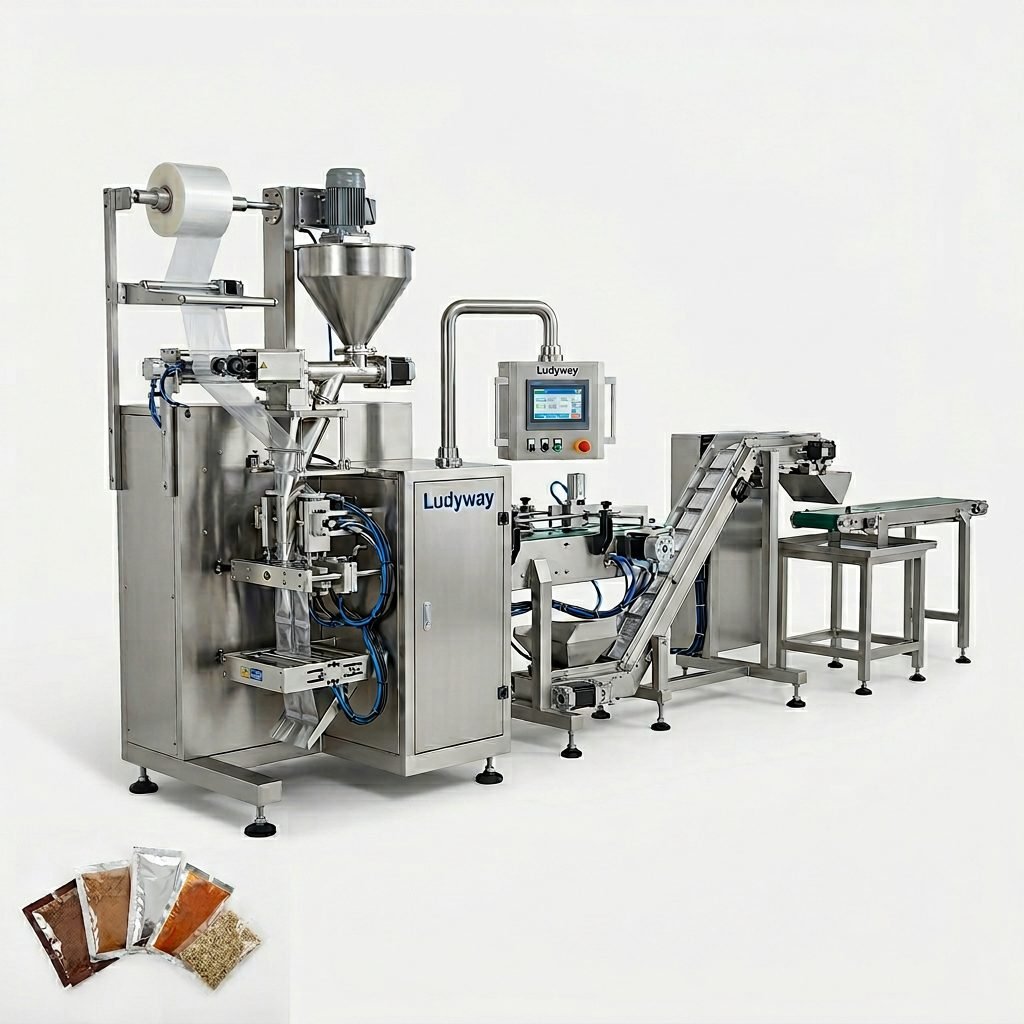
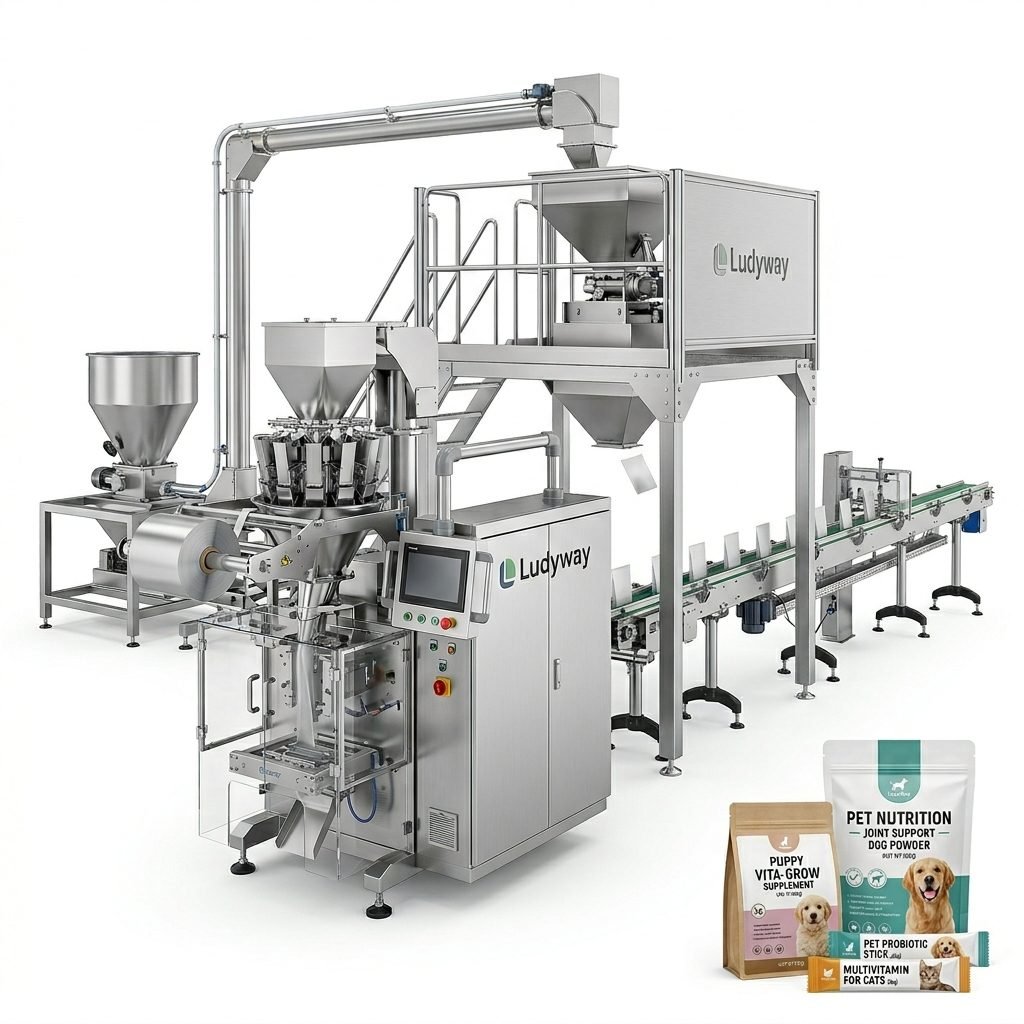
Proper maintenance of a milk carton packaging machine is critical to ensuring consistent output, reducing unplanned downtime, and extending the lifespan of your equipment. Whether you operate a small dairy line or a large-scale packaging machine manufacturer facility, a well-structured maintenance program directly impacts product quality, food safety compliance, and overall operational efficiency. Neglecting routine care can lead to costly repairs, seal integrity failures, and production bottlenecks.
This comprehensive guide covers essential maintenance tips for keeping your milk carton packaging system running at peak performance, from daily cleaning checklists to annual component inspections.
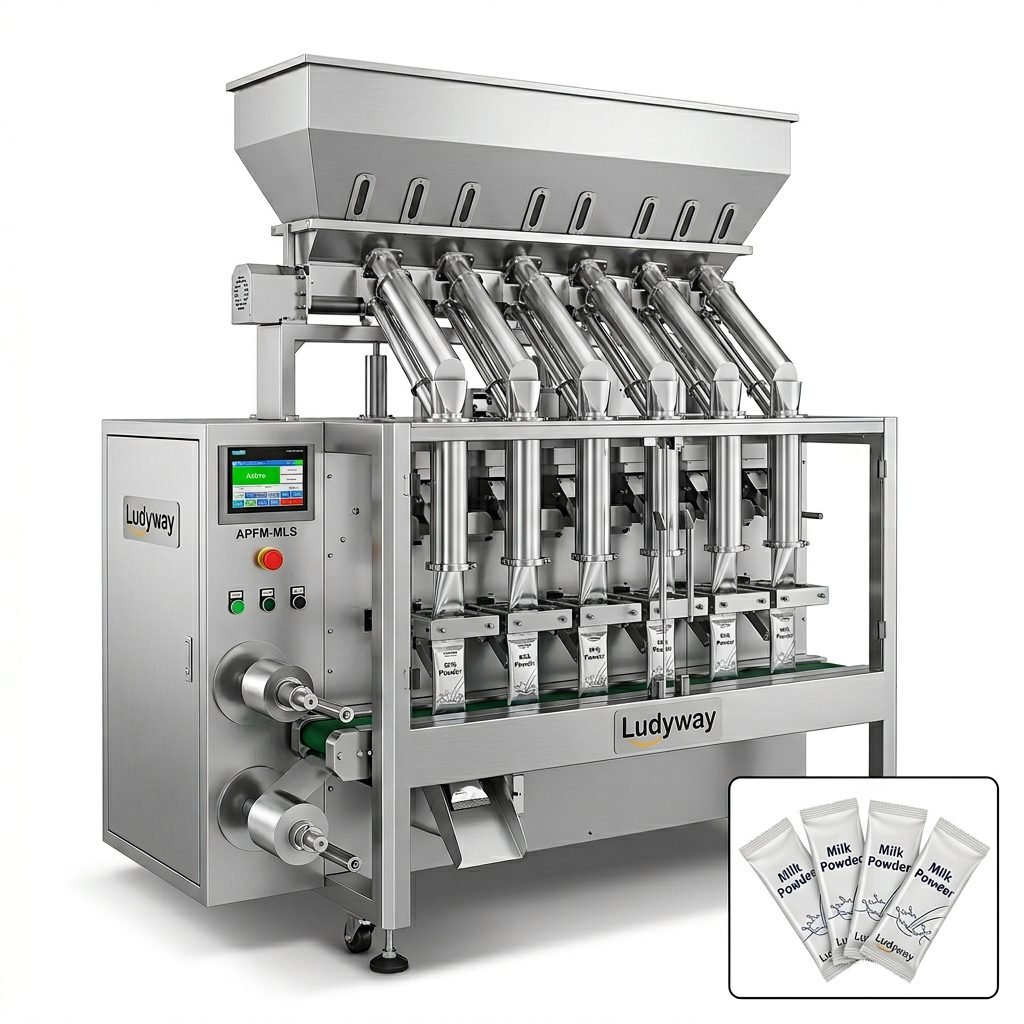
Why Routine Maintenance Matters for Milk Carton Packaging Machines
A milk carton packaging machine handles perishable dairy products under strict hygienic conditions. Any mechanical failure or contamination risk can result in product recalls, regulatory violations, and brand damage. Routine maintenance helps you:
- Prevent bacterial contamination by keeping product contact surfaces sanitized
- Maintain consistent seal integrity to prevent leaks and spoilage
- Reduce unplanned downtime through early detection of worn components
- Extend the service life of critical parts such as filling nozzles, heaters, and conveyor belts
- Ensure compliance with food safety regulations including FDA and ISO standards
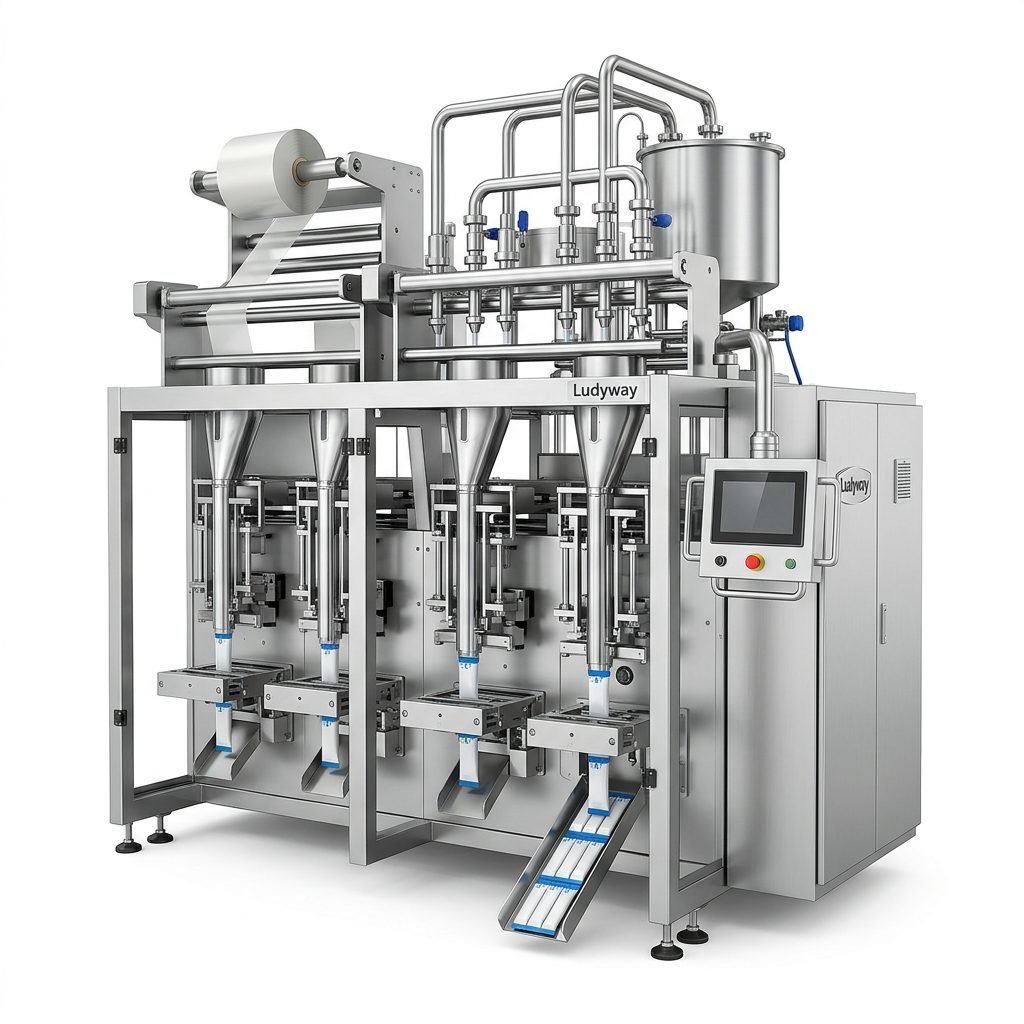
Daily Maintenance Checklist
Daily checks are the first line of defense against unexpected breakdowns. Operators should perform these tasks at the start and end of each shift:
- Inspect carton forming mechanisms for debris or misalignment
- Check filling nozzles for residue buildup and clean immediately if needed
- Verify sealing temperature settings match the carton material specifications
- Examine conveyor belts for wear, tracking issues, or contamination
- Test emergency stop buttons and safety interlocks for proper function
- Record any unusual noises, vibrations, or alarms in the maintenance log
Weekly Cleaning and Sanitization Protocols
Since milk products are highly perishable, thorough cleaning is non-negotiable. A weekly deep-cleaning routine should include:
- Disassembling product contact parts for manual washing with approved food-grade detergents
- Flushing filling lines and valves with sanitizing solution
- Wiping down external surfaces including control panels, guards, and frames
- Cleaning photoelectric sensors and proximity switches with a lint-free cloth
- Inspecting gaskets and O-rings for signs of degradation or milk residue
Monthly Mechanical Inspections
Monthly maintenance focuses on mechanical components that experience continuous motion and stress. Key areas to inspect include:
| Component | Inspection Focus | Action Required |
|---|---|---|
| Sealing Jaws | Wear patterns, temperature consistency | Clean or replace if uneven heating detected |
| Pneumatic Cylinders | Smooth actuation, air leaks | Lubricate rods, replace worn seals |
| Drive Belts & Chains | Tension, alignment, fraying | Adjust tension, replace if stretched |
| Bearings & Bushings | Noise, heat, smooth rotation | Grease or replace as needed |
| Filling Pumps | Dosing accuracy, backflow | Calibrate, clean check valves |
Lubrication Best Practices
Proper lubrication reduces friction and wear on moving parts. Always use food-grade lubricants certified for incidental food contact (NSF H1 registered). Key lubrication points include:
- Chain drives and sprockets on carton transport systems
- Linear guide rails and ball screws on forming stations
- Cam followers and roller bearings on sealing mechanisms
- Air cylinders and solenoid valve spools
Important: Over-lubrication can attract dust and product residue. Apply lubricant sparingly and wipe away excess immediately.
Quarterly Electrical and Control System Checks
Electrical issues are among the most common causes of packaging line downtime. Quarterly inspections should cover:
- Tightening all terminal connections in control cabinets
- Checking PLC and HMI backup batteries and replacing if voltage is low
- Inspecting wiring harnesses for heat damage, cuts, or loose connectors
- Verifying temperature controllers and thermocouples are reading accurately
- Cleaning cooling fans and ventilation filters on electrical enclosures
- Testing grounding continuity to prevent electrostatic issues
Common Issues and Troubleshooting Tips
Even with diligent maintenance, issues can arise. Here are some frequent problems encountered on milk carton packaging equipment and their likely causes:
| Problem | Possible Cause | Solution |
|---|---|---|
| Incomplete Seals | Low temperature, dirty sealing jaws, worn Teflon coating | Recalibrate temperature, clean or replace jaws |
| Carton Misalignment | Worn forming mandrels, loose guide rails | Adjust or replace mandrels, tighten rails |
| Filling Volume Variation | Clogged nozzles, air in product line, pump wear | Clean nozzles, bleed air, recalibrate pump |
| Excessive Noise | Dry bearings, loose fasteners, chain stretch | Lubricate, tighten, adjust or replace chain |
Annual Preventive Maintenance and Overhaul
An annual comprehensive overhaul is essential for long-term reliability. This should be performed by qualified technicians and include:
- Complete disassembly and inspection of all major assemblies
- Replacement of wear parts including belts, bearings, seals, and gaskets
- Calibration of all sensors, load cells, and temperature controllers
- Software updates for PLC, HMI, and servo drive systems
- Pressure testing of pneumatic and hydraulic circuits
- Full documentation of all replacements, adjustments, and test results
Spare Parts Inventory Management
Keeping critical spare parts in stock minimizes downtime when components fail. Essential spares for a milk carton packaging machine include:
- Sealing jaw Teflon covers and heater cartridges
- Filling nozzle tips and gaskets
- Drive belts, timing belts, and conveyor belts
- Pneumatic cylinder seals and solenoid valves
- Photoelectric sensors and proximity switches
- PLC backup batteries and fuses
Operator Training and Documentation
Well-trained operators are your best asset for maintaining a milk carton packaging machine. Ensure all operators receive:
- Hands-on training on daily maintenance procedures and safety protocols
- Clear standard operating procedures (SOPs) for cleaning, startup, and shutdown
- Access to a digital or physical maintenance log to record observations and actions
- Regular refresher training on updated procedures and equipment modifications
Maintenance Schedule Overview
The table below summarizes a recommended maintenance schedule for your milk carton packaging machine:
| Frequency | Maintenance Tasks | Responsible Party |
|---|---|---|
| Daily | Cleaning, visual inspection, seal check, safety test | Machine Operator |
| Weekly | Deep cleaning, sanitization, sensor cleaning | Operator & Sanitation Team |
| Monthly | Mechanical inspection, lubrication, belt tension check | Maintenance Technician |
| Quarterly | Electrical checks, calibration verification, software backup | Electrical Engineer |
| Annually | Full overhaul, wear part replacement, system calibration | Senior Technician & OEM Support |
Partnering with a Reliable Equipment Provider
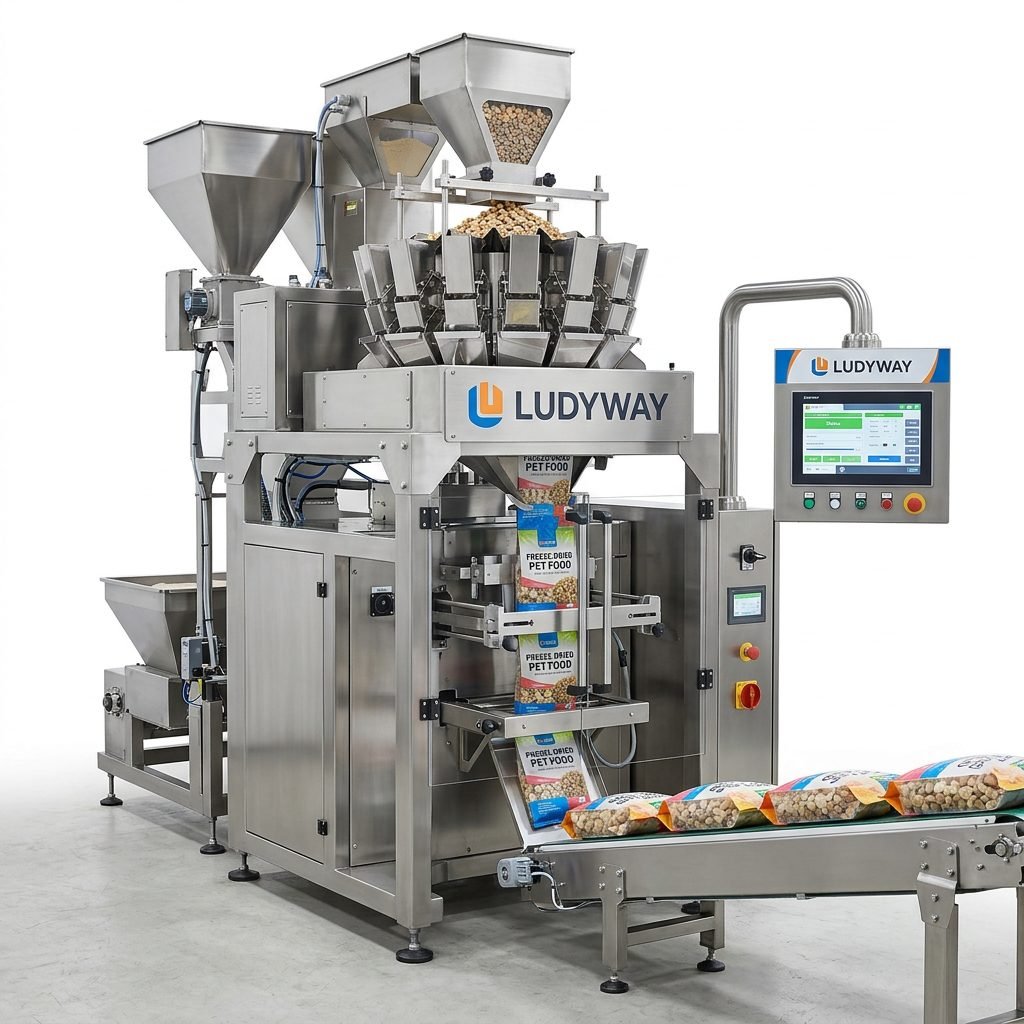
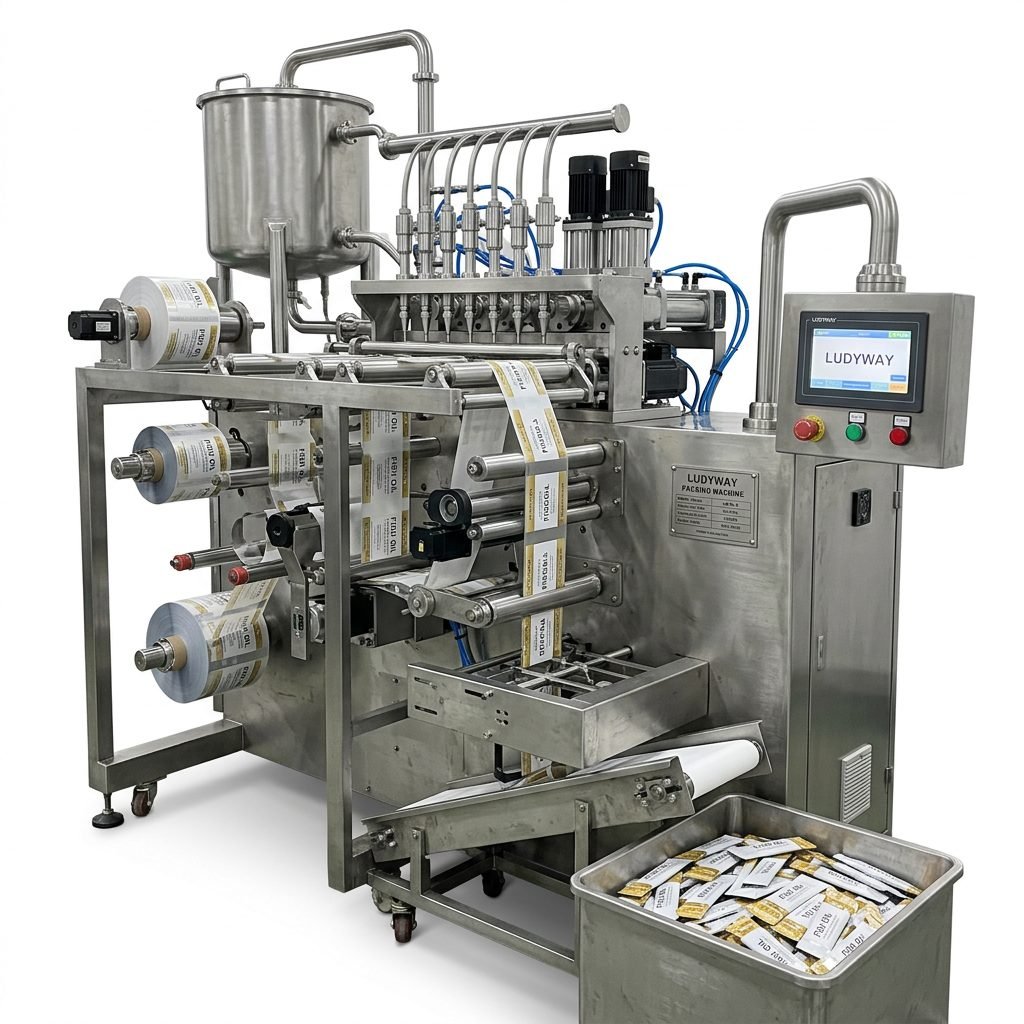
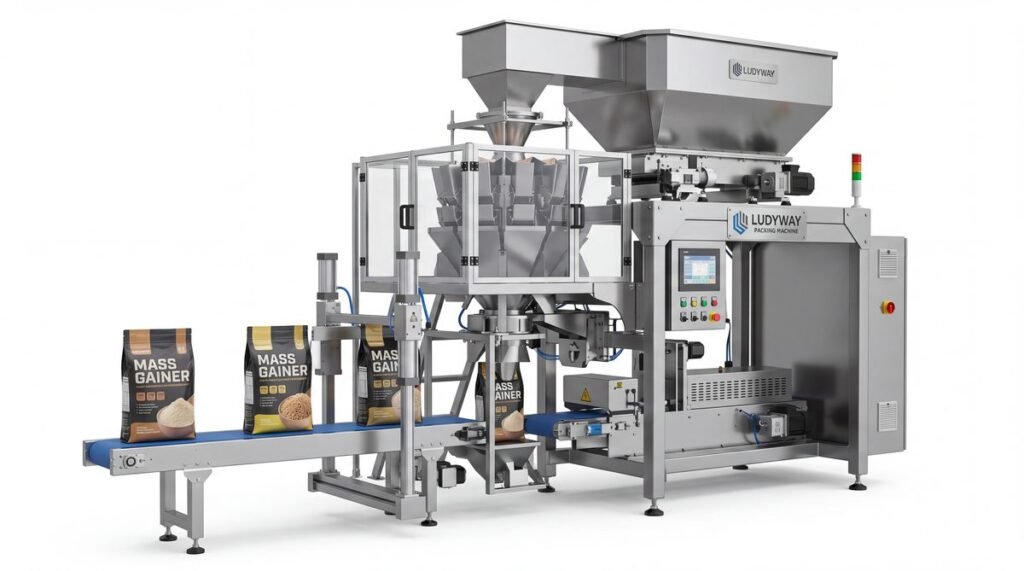
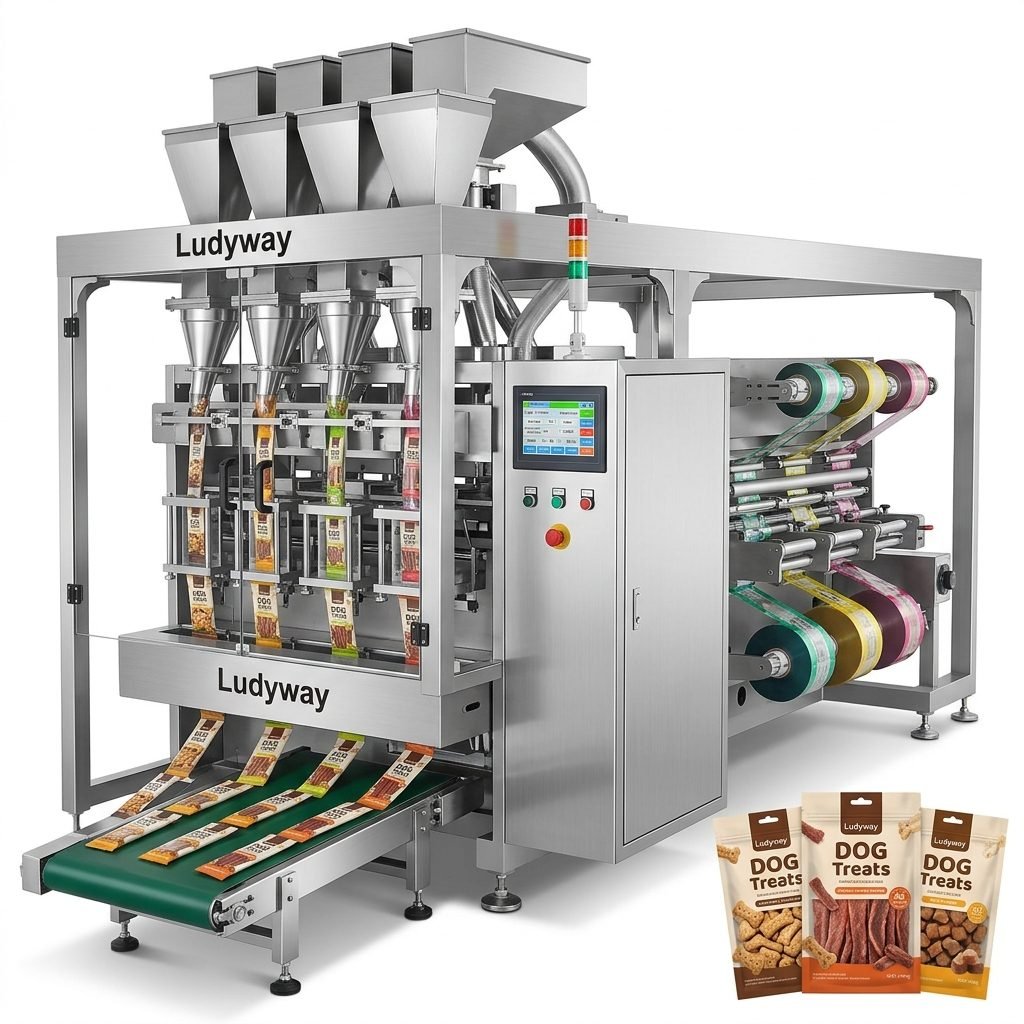
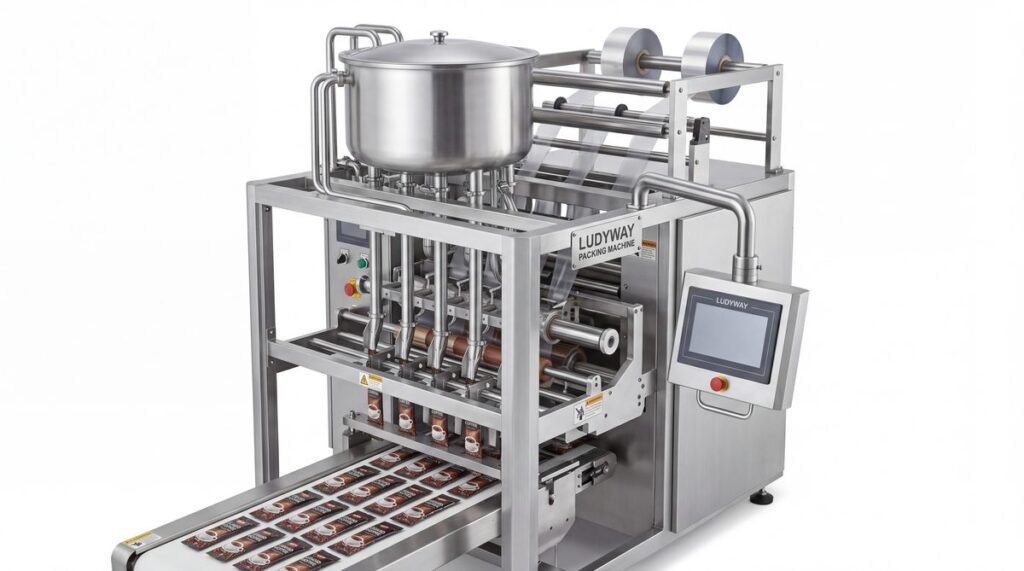
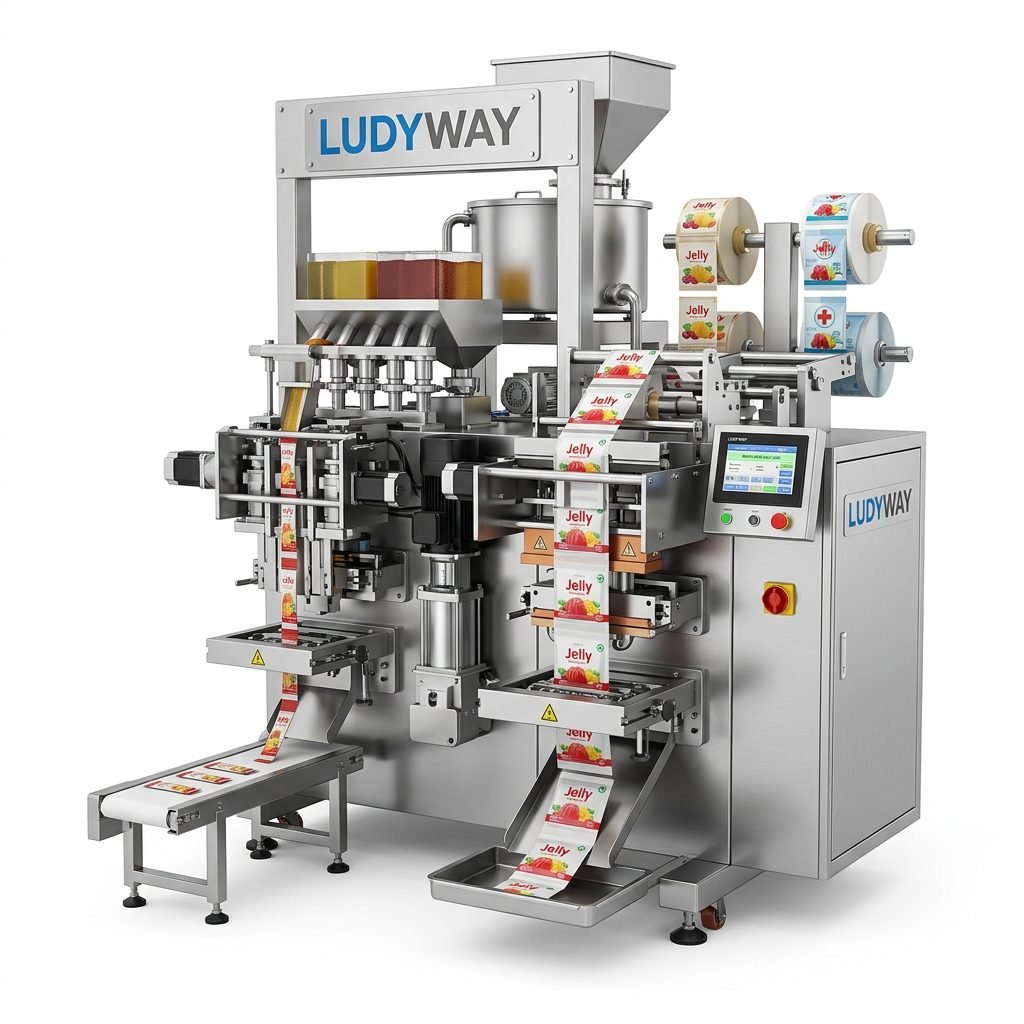
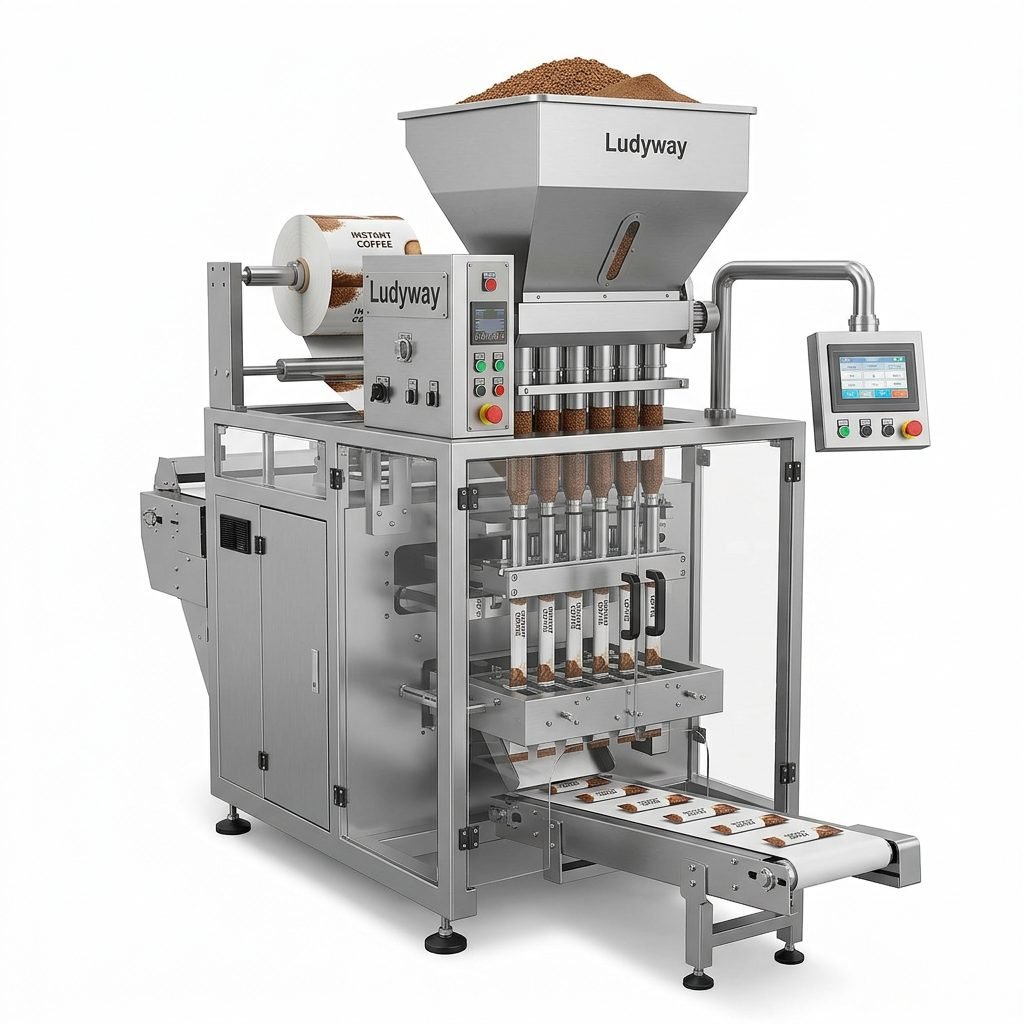
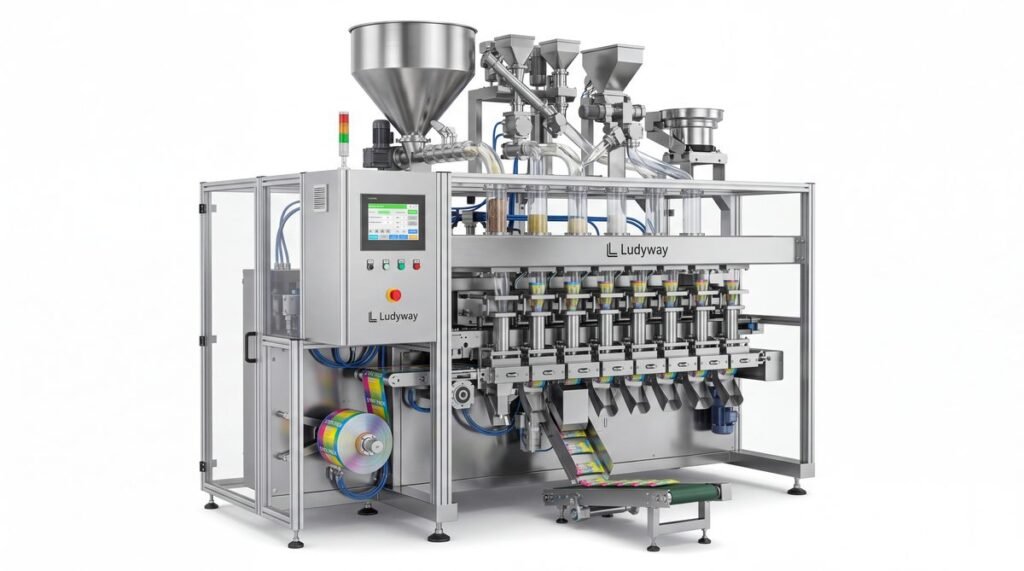
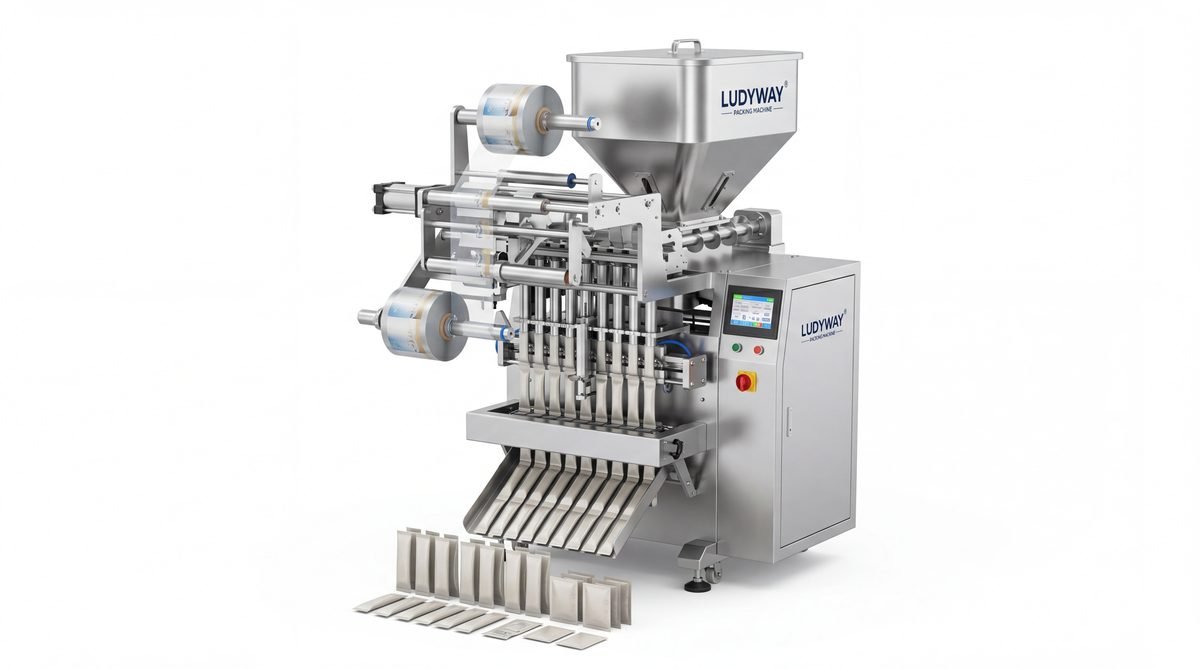
Working with an experienced packaging machinery supplier ensures you have access to genuine spare parts, technical support, and maintenance training. Companies like Ludyway, one of the largest packaging machine manufacturers in China, offer comprehensive after-sales support including remote diagnostics, on-site service, and customized maintenance programs for milk carton packaging systems. Their multi-lane liquid and powder packaging solutions are designed with easy-clean features and accessible service points that simplify routine maintenance tasks.
A well-maintained milk carton packaging machine delivers higher productivity, better product quality, and lower total cost of ownership. By following the maintenance schedule outlined above and investing in operator training, you can significantly reduce unplanned downtime and extend the service life of your equipment.
For more information on packaging machine standards and best practices, visit the PMMI – The Association for Packaging and Processing Technologies for industry reports and technical resources. You can also explore Flexible Packaging Association – Industry Resources for additional guidance on packaging materials and regulatory compliance. For food safety requirements related to packaging, refer to the FDA – Food Packaging and Food Contact Substances guidelines. International standards such as ISO Packaging Standards also provide valuable reference for maintenance and quality assurance protocols.