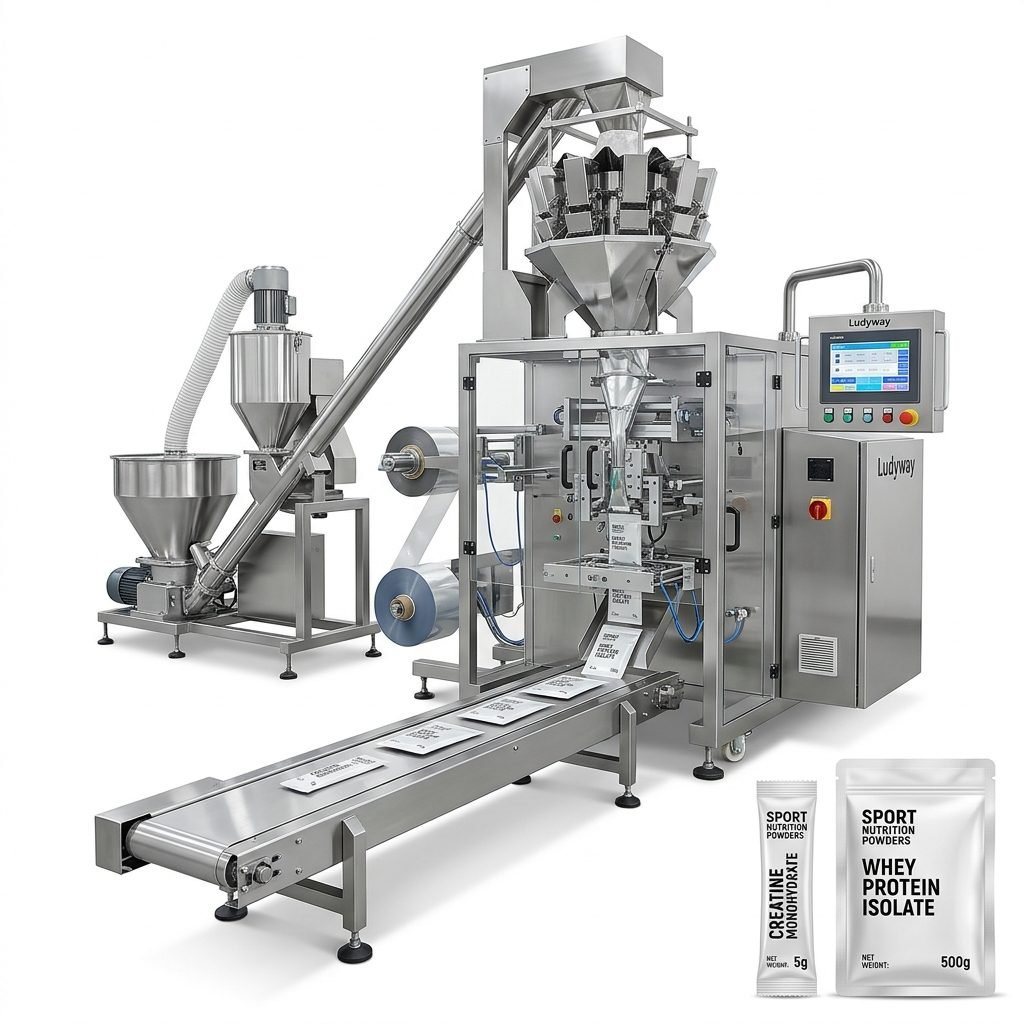
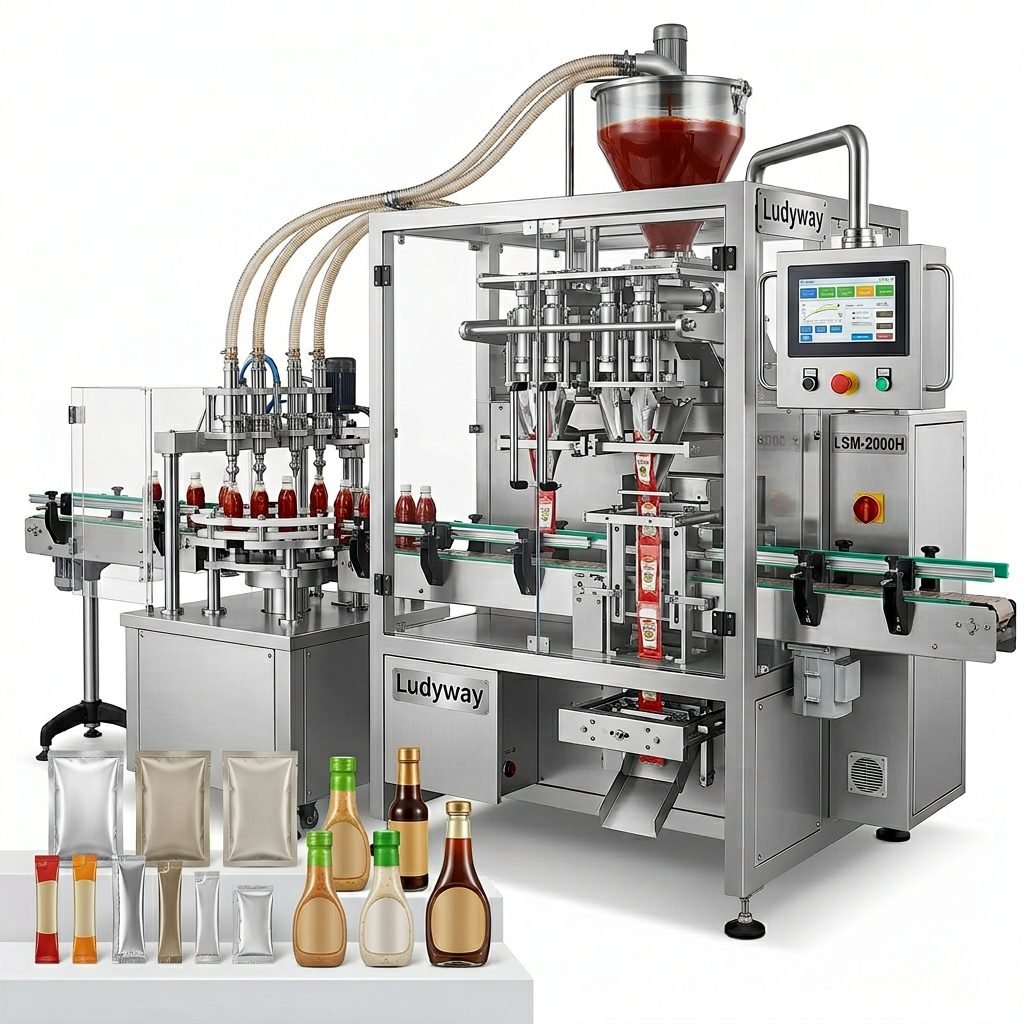
Selecting the right powder sachet packaging machine is one of the most critical investment decisions for manufacturers in the food, pharmaceutical, chemical, and nutraceutical industries. A well-chosen machine improves production efficiency, ensures consistent fill accuracy, reduces waste, and supports long-term scalability. This guide walks you through the essential factors to evaluate before making a purchase.
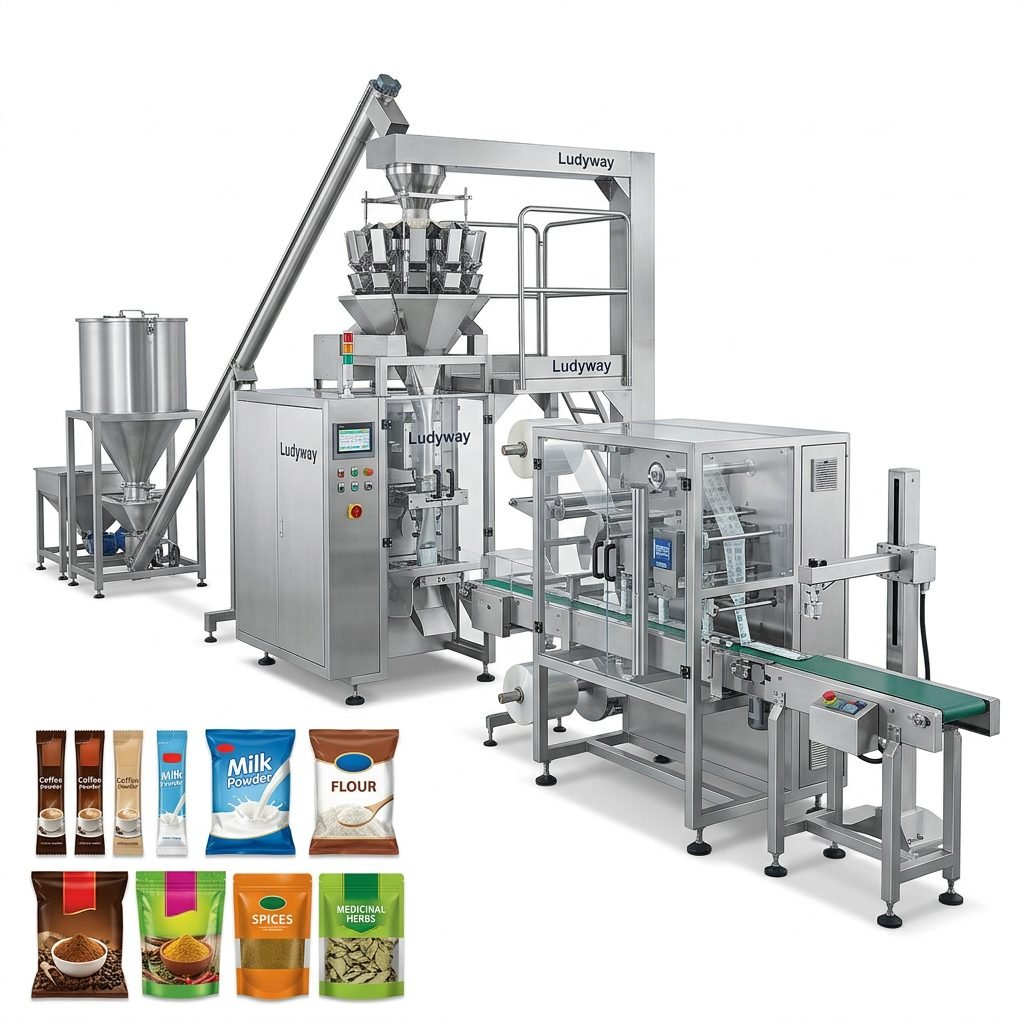
Understanding Powder Sachet Packaging Machine Types
Before diving into specifications, it is important to understand the primary machine configurations available. Each type suits different production scales, powder characteristics, and packaging formats.
Vertical Form Fill Seal (VFFS) Machines
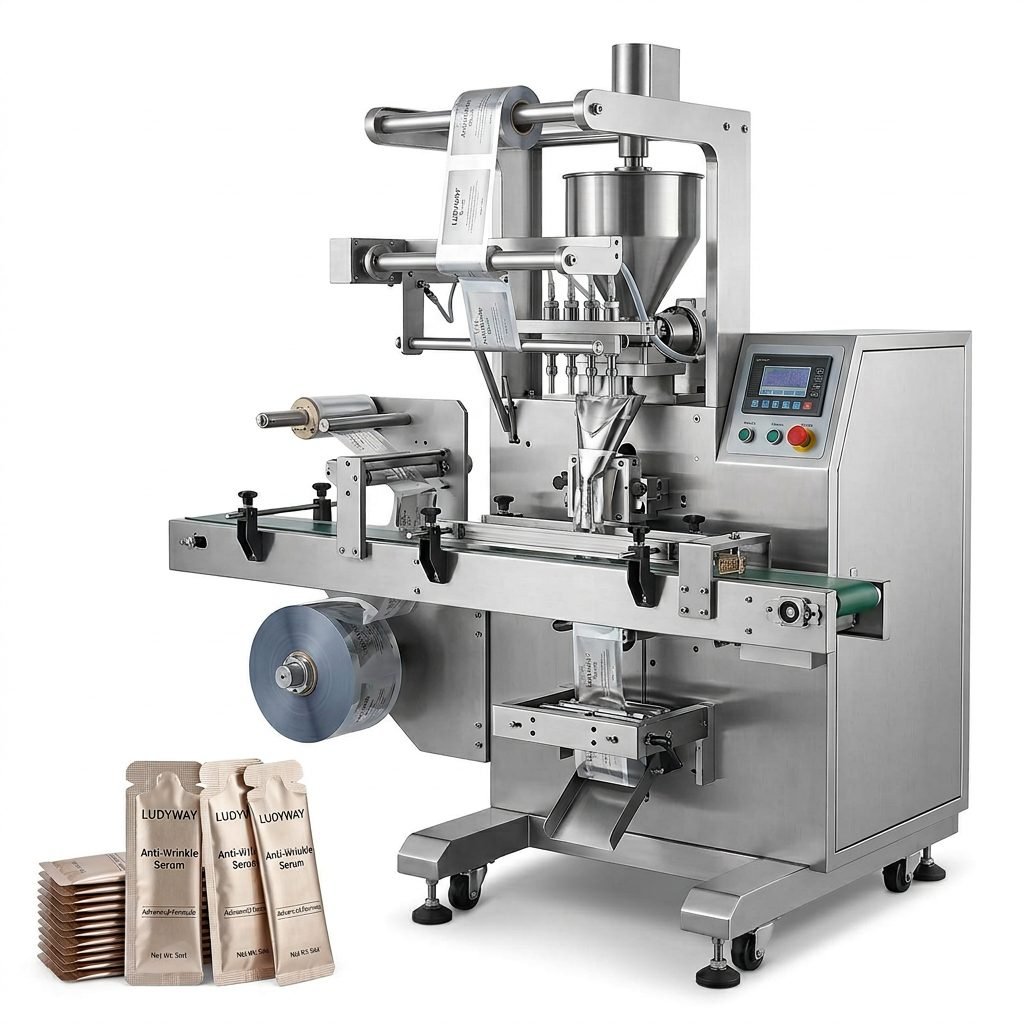
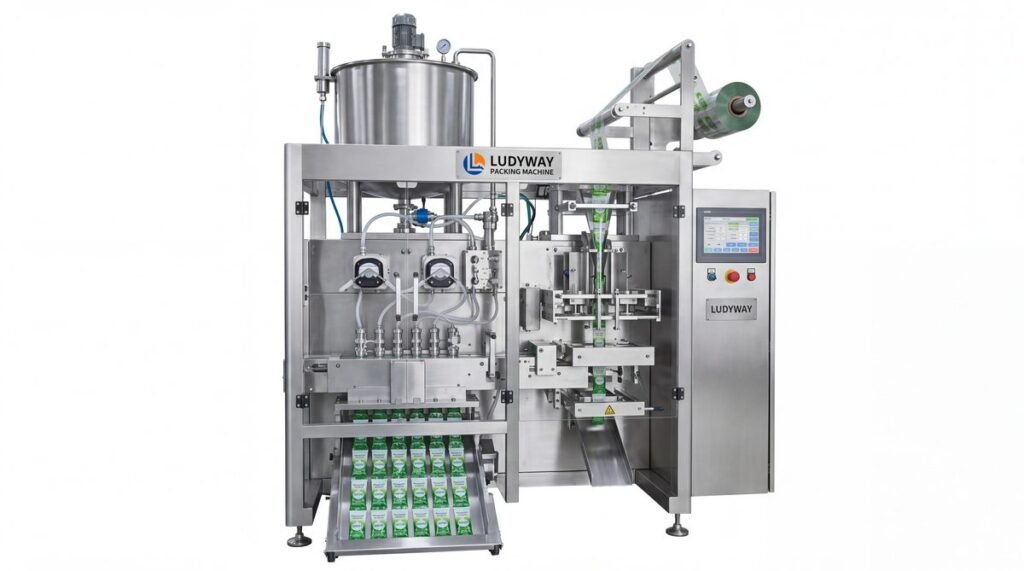
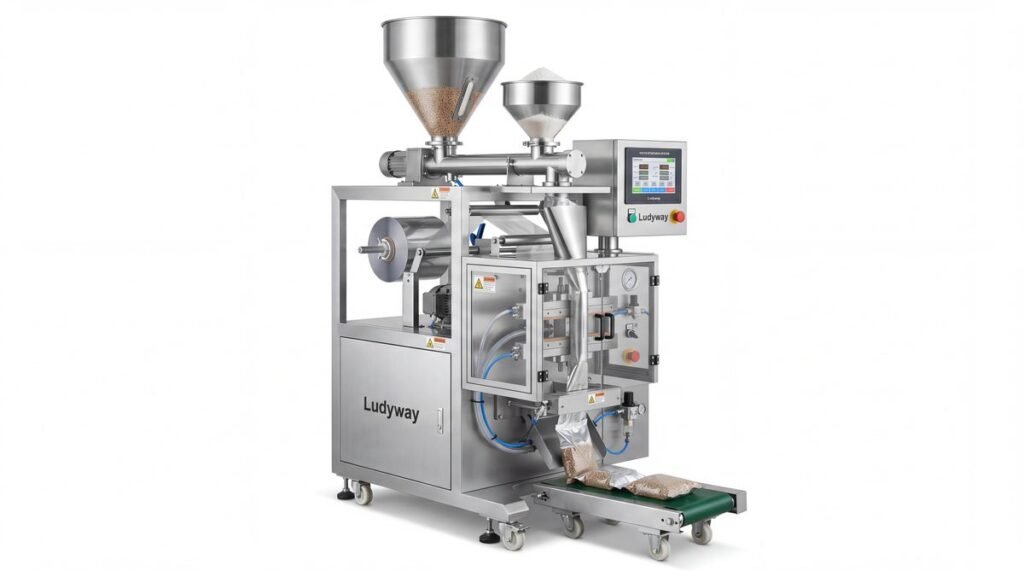
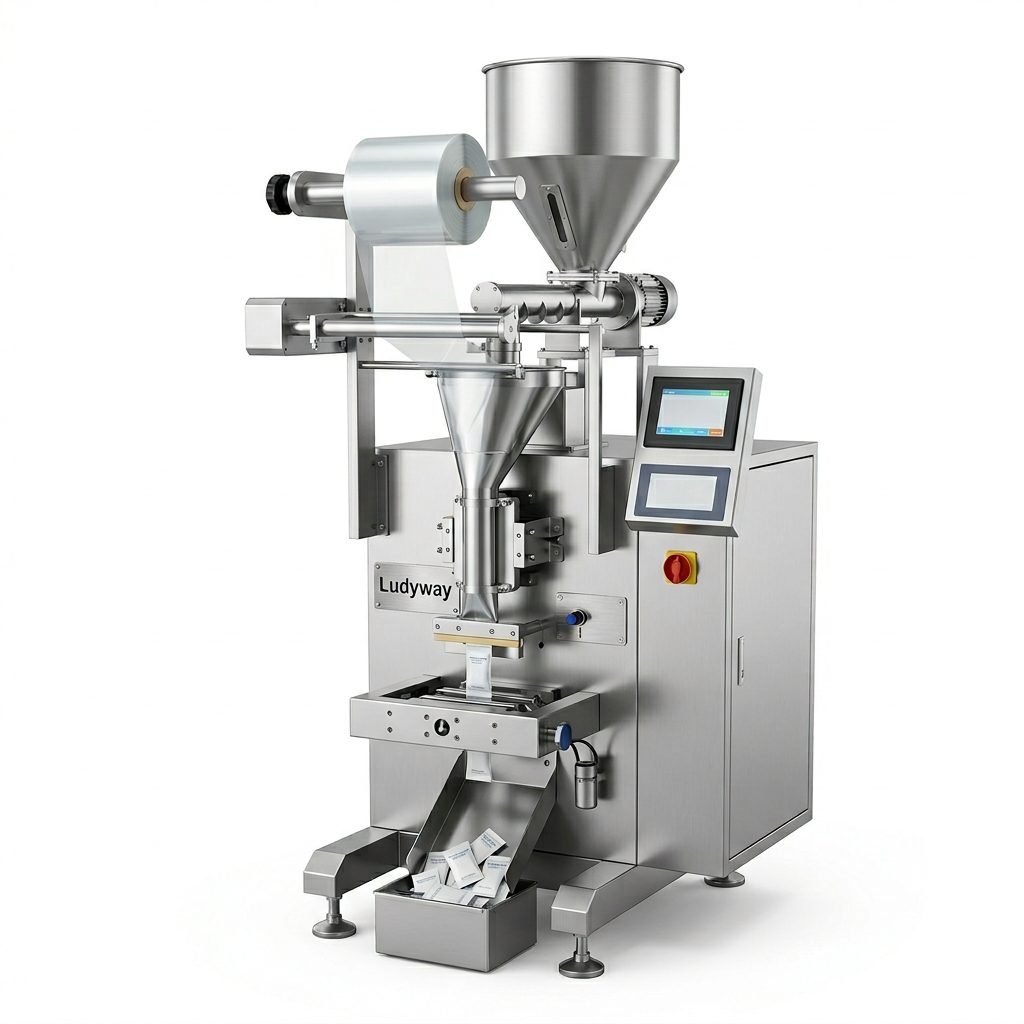
VFFS machines form the pouch from a roll of film, fill it with product, and seal it in one continuous vertical motion. They are the most common choice for powder sachet packaging and can be configured for single-lane or multi-lane operation.
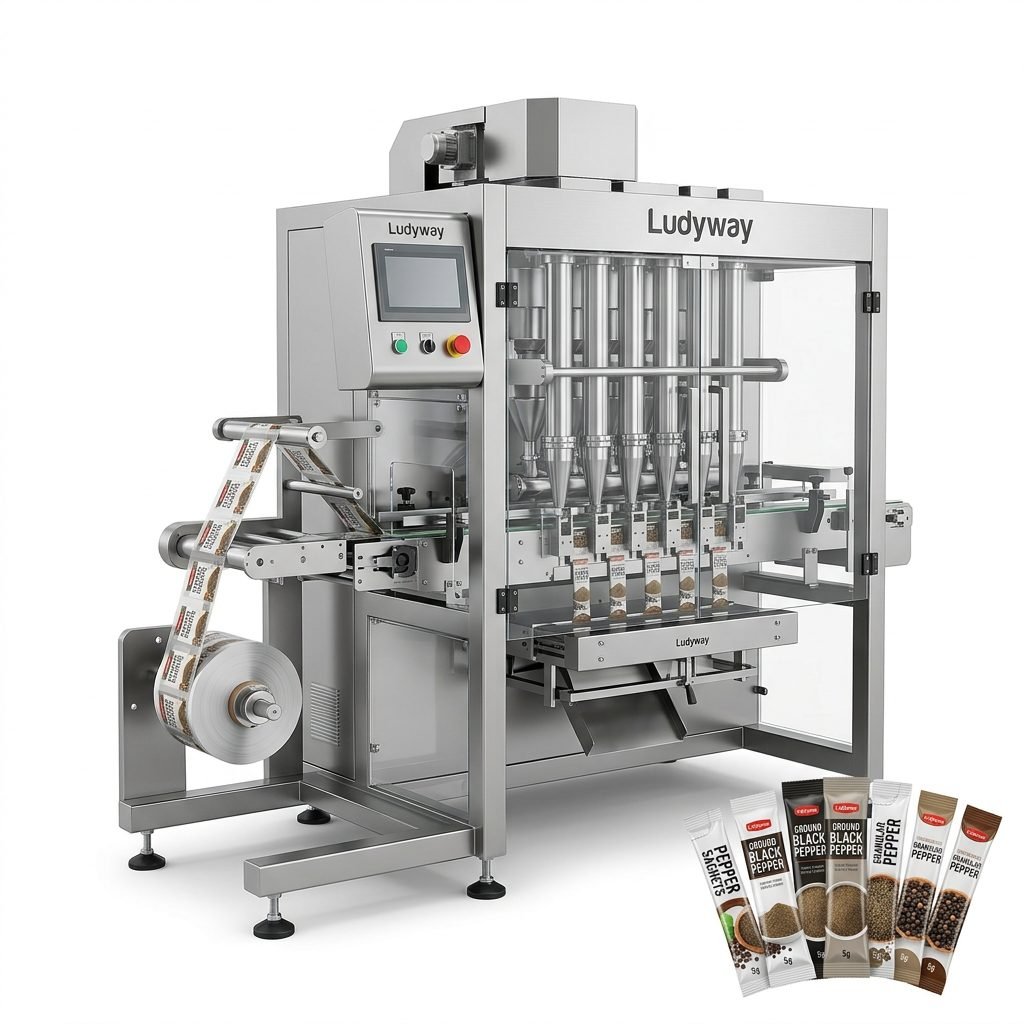
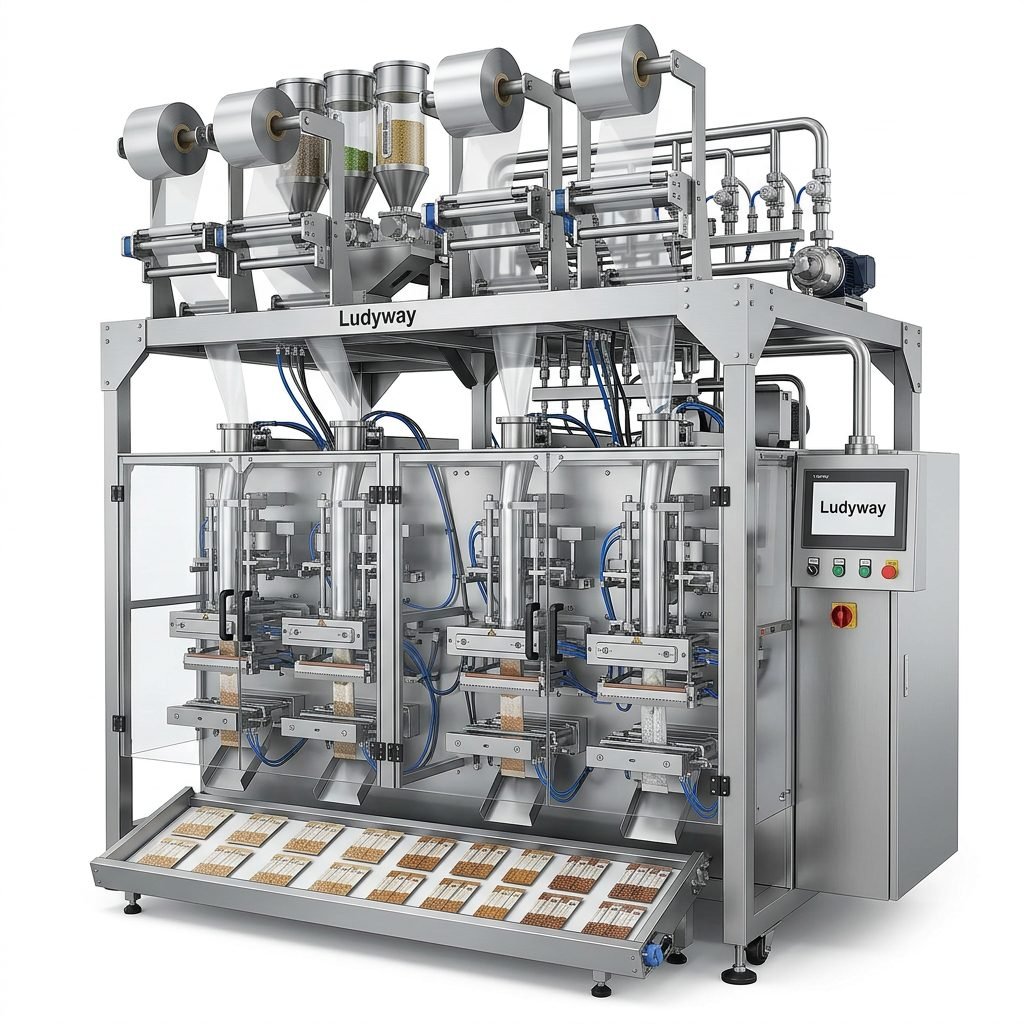
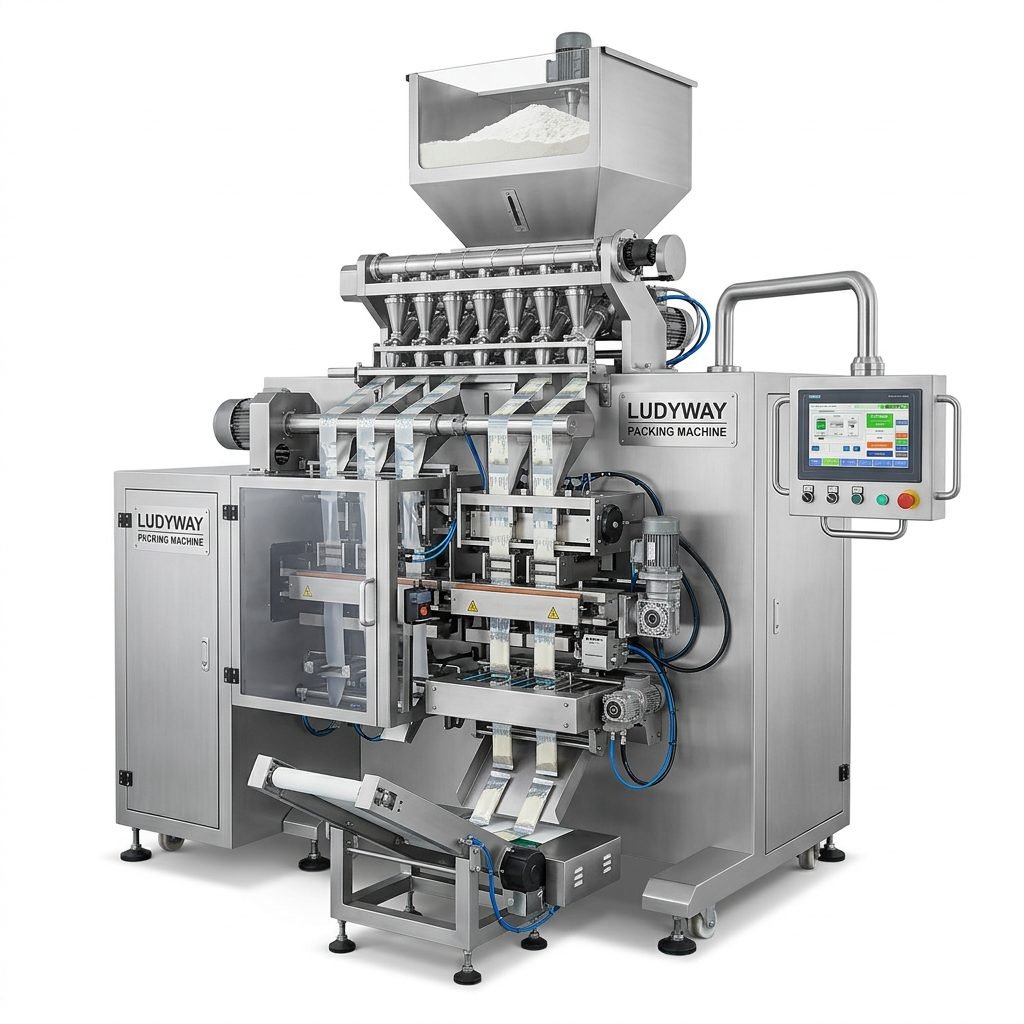
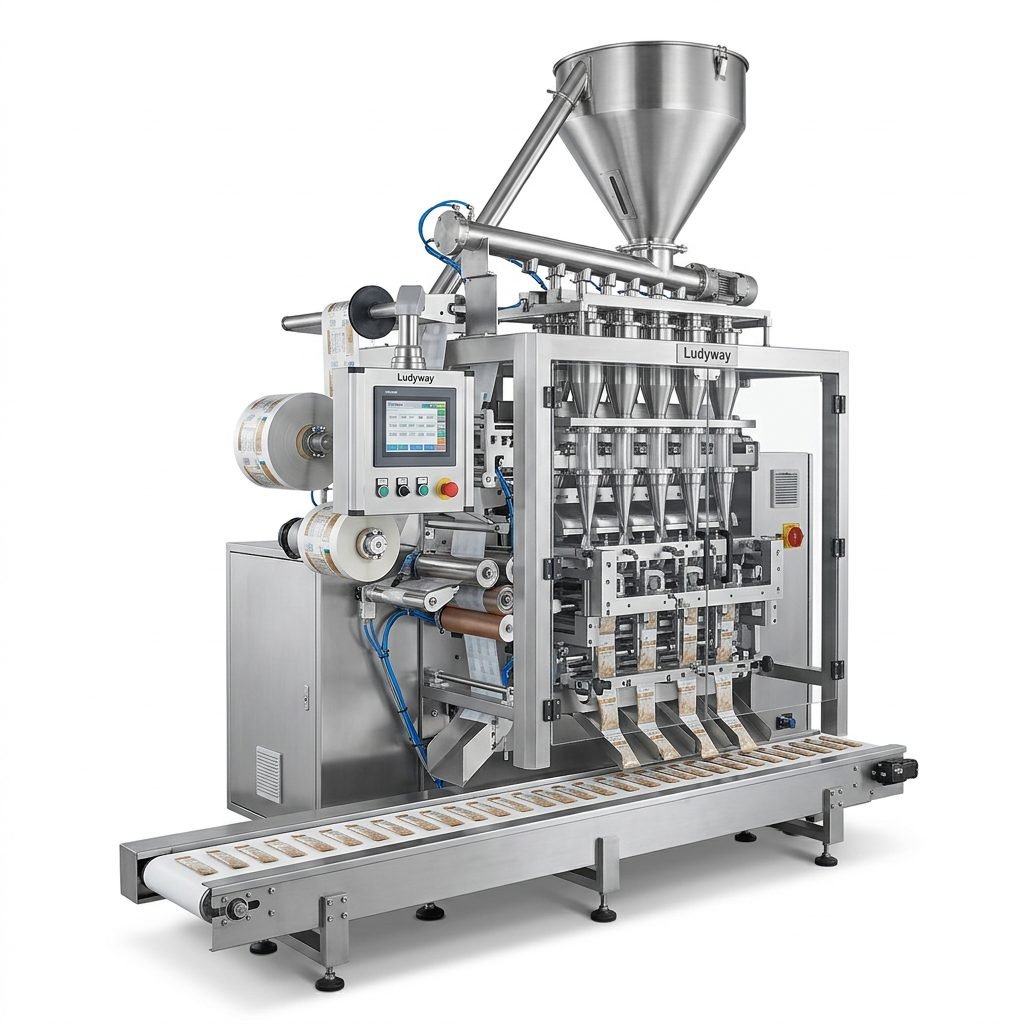
Multi-Lane Stick Pack Machines
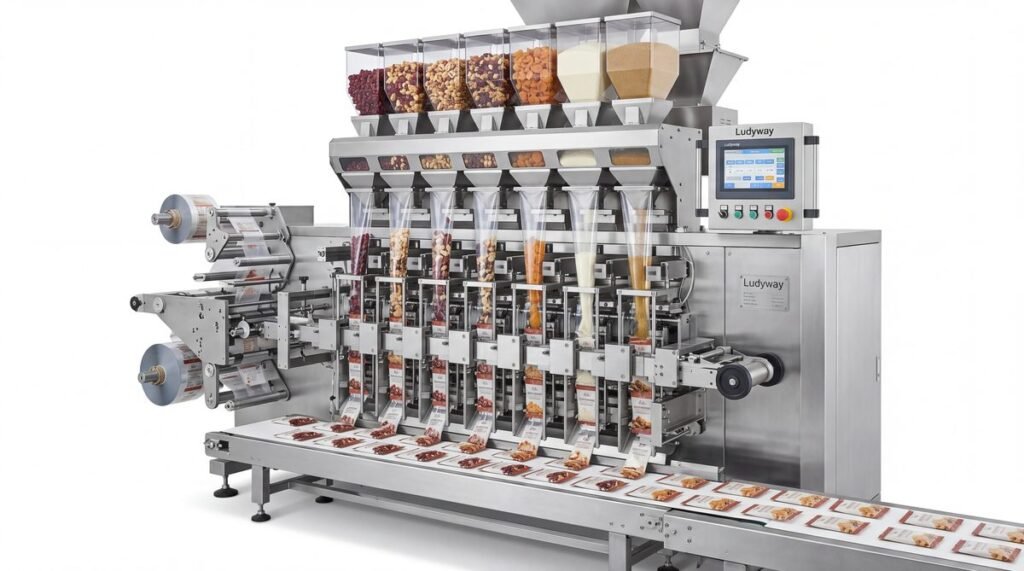
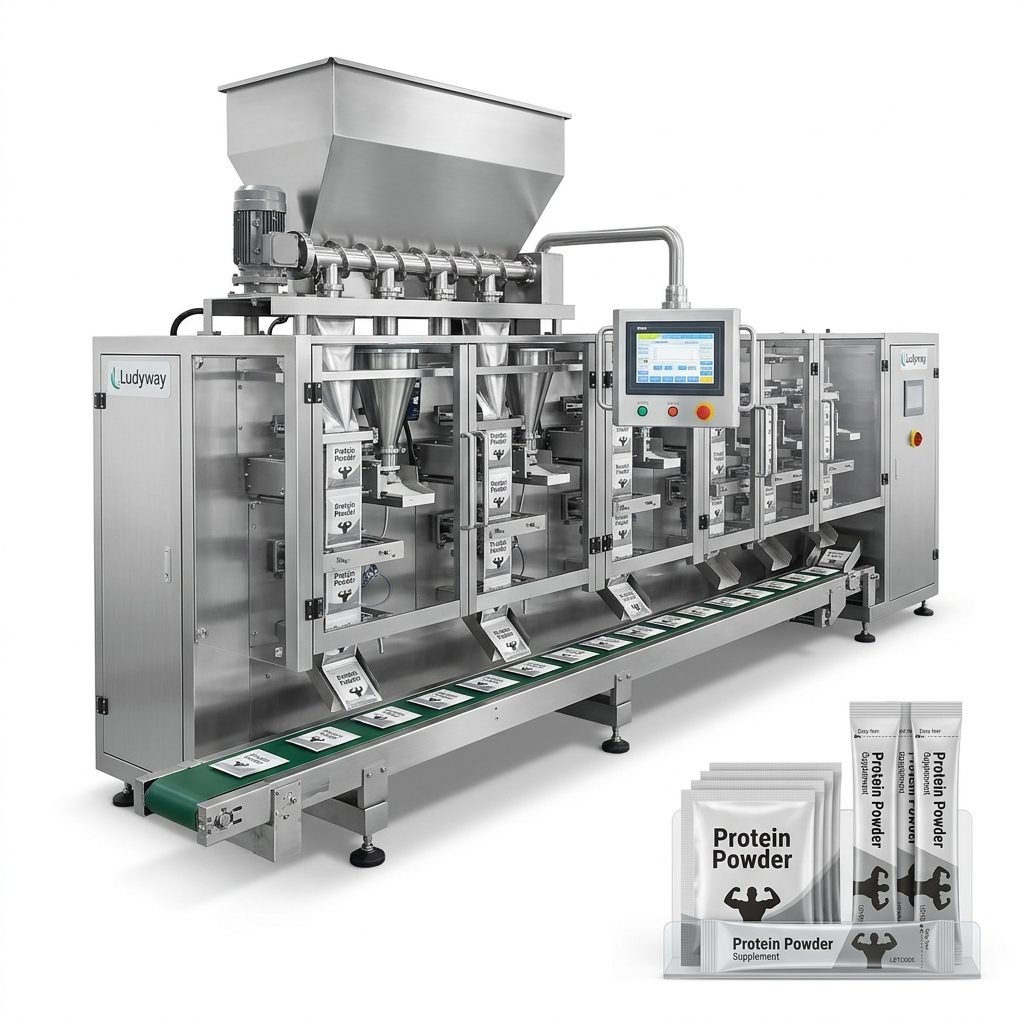
These machines produce narrow stick-shaped sachets in multiple lanes simultaneously, dramatically increasing throughput. They are ideal for single-serve powder products such as instant coffee, protein powder, sugar, and supplement formulations. Output can reach several hundred packs per minute depending on lane count.
Pre-Made Pouch Filling and Sealing Machines
For manufacturers using pre-formed pouches, rotary or inline fill-seal machines offer flexibility in pouch styles and materials. These are often chosen for premium product presentation or when using specialized barrier films.
Key Factors to Evaluate Before Buying
Choosing the right equipment requires a systematic evaluation of your product, production goals, and operational environment. Below are the most critical considerations.
1. Powder Characteristics and Flowability
Not all powders behave the same way during filling. Factors such as particle size distribution, bulk density, moisture content, and cohesiveness directly affect dosing accuracy and machine configuration. Free-flowing powders like granulated sugar are easier to handle, while cohesive or sticky powders such as protein blends or hygroscopic materials may require specialized auger fillers, agitation systems, or environmental controls.
2. Production Speed and Capacity Requirements
Determine your target output in sachets per minute or per hour. A single-lane machine may produce 40 to 80 sachets per minute, while a multi-lane system with 4 to 12 lanes can achieve outputs exceeding 400 sachets per minute. Match the machine’s rated speed to your current and projected production volumes to avoid underinvestment or costly retrofits later.
3. Sachet Size, Format, and Material Compatibility
Define the sachet dimensions, shape, and film structure required for your product. Common formats include three-side seal, four-side seal, and stick packs. The machine must be compatible with your chosen packaging material, whether it is monolayer film, laminated foil, or biodegradable substrates. Seal integrity is critical for product protection and shelf life.
4. Filling Accuracy and Dosing Technology
Filling precision directly impacts product giveaway, regulatory compliance, and profitability. Common dosing systems for powder sachet machines include:
- Auger fillers — Best for fine, non-free-flowing powders requiring high accuracy
- Volumetric cup fillers — Suitable for free-flowing granular powders at high speed
- Multi-head weighers — Ideal for granular products where weight-based filling is preferred
- Piston fillers — Used for paste-like or semi-liquid powder suspensions
5. Automation Level and Integration Capabilities
Modern powder sachet packaging machines range from semi-automatic units requiring manual intervention to fully automated turnkey packaging lines with integrated feeding, coding, inspection, cartoning, and palletizing. Evaluate whether the machine can connect with upstream and downstream equipment in your existing production line.
6. Regulatory Compliance and Industry Standards
Depending on your industry, the machine may need to comply with GMP, FDA, CE, or ISO standards. For pharmaceutical and food applications, stainless steel construction, clean-in-place (CIP) capability, and validation documentation are often mandatory. Refer to resources from PMMI – The Association for Packaging and Processing Technologies and FDA food packaging regulations for guidance on compliance requirements.
Technical Specifications Comparison
The following table summarizes key specifications to compare when evaluating different powder sachet packaging machines:
| Specification | Single-Lane VFFS | Multi-Lane Stick Pack | Pre-Made Pouch Filler |
|---|---|---|---|
| Output Range | 40–80 packs/min | 200–600+ packs/min | 30–60 packs/min |
| Powder Type | Free-flowing to semi-cohesive | Free-flowing granular powders | Wide range including cohesive |
| Bag Format | 3-side seal, 4-side seal | Stick pack, narrow sachet | Doypack, zipper, spouted |
| Changeover Time | 15–30 minutes | 20–45 minutes | 10–20 minutes |
| Initial Investment | Moderate | Higher | Moderate to High |
Industry-Specific Applications
Different industries impose unique requirements on powder sachet packaging equipment. Understanding these distinctions helps narrow down suitable machine configurations:
- Food and Beverage: High-speed multi-lane systems for sugar, salt, instant coffee, milk powder, and seasoning mixes. Sanitary design and easy cleaning are essential.
- Pharmaceuticals: Precision dosing for active pharmaceutical ingredients (APIs) with strict GMP compliance, full traceability, and validated sealing integrity.
- Nutraceuticals and Supplements: Flexible multi-format capabilities for protein powders, collagen peptides, and electrolyte mixes, often requiring nitrogen flushing for extended shelf life.
- Chemicals and Agrochemicals: Corrosion-resistant construction for fertilizer, pesticide, and industrial powder packaging with robust safety features.
- Cosmetics: Compact sachet formats for sample-size creams, powders, and serums with high-quality sealing for premium presentation.
Dosing System Selection Guide
Selecting the correct dosing mechanism is fundamental to achieving consistent fill weights. The table below matches powder types with recommended filling technologies:
| Powder Type | Recommended Dosing System | Accuracy Level |
|---|---|---|
| Free-flowing granular (sugar, salt) | Volumetric cup or multi-head weigher | ±0.5–1% |
| Fine cohesive powder (flour, protein) | Auger filler with agitation | ±0.3–0.8% |
| Hygroscopic powder (milk powder) | Auger with humidity control | ±0.5–1% |
| Pharmaceutical API powder | High-precision auger or vacuum dosing | ±0.2–0.5% |
| Bulk density varying powder | Net weight filling system | ±0.3–0.7% |
Total Cost of Ownership Considerations
The purchase price is only part of the equation. A comprehensive evaluation should account for the total cost of ownership (TCO) over the machine’s expected lifespan:
- Energy consumption: Multi-lane machines consume more power but offer higher output per kilowatt-hour
- Spare parts availability: Confirm that critical wear components are readily available and reasonably priced
- Film waste rates: Efficient machines minimize film waste during startups and changeovers
- Maintenance requirements: Assess the frequency and complexity of preventive maintenance
- Operator training needs: More sophisticated automation may require specialized training
Evaluating Machine Build Quality and Supplier Capability
Not all powder packaging machines are built to the same standard. When assessing potential suppliers, consider the following:
- Frame and contact parts material: Stainless steel 304 or 316L is preferred for food and pharma applications
- Control system brand: Reputable PLC and HMI brands such as Siemens, Allen-Bradley, or Mitsubishi indicate reliable automation architecture
- Pneumatic and electrical components: Established component suppliers like Festo, SMC, or Schneider provide long-term serviceability
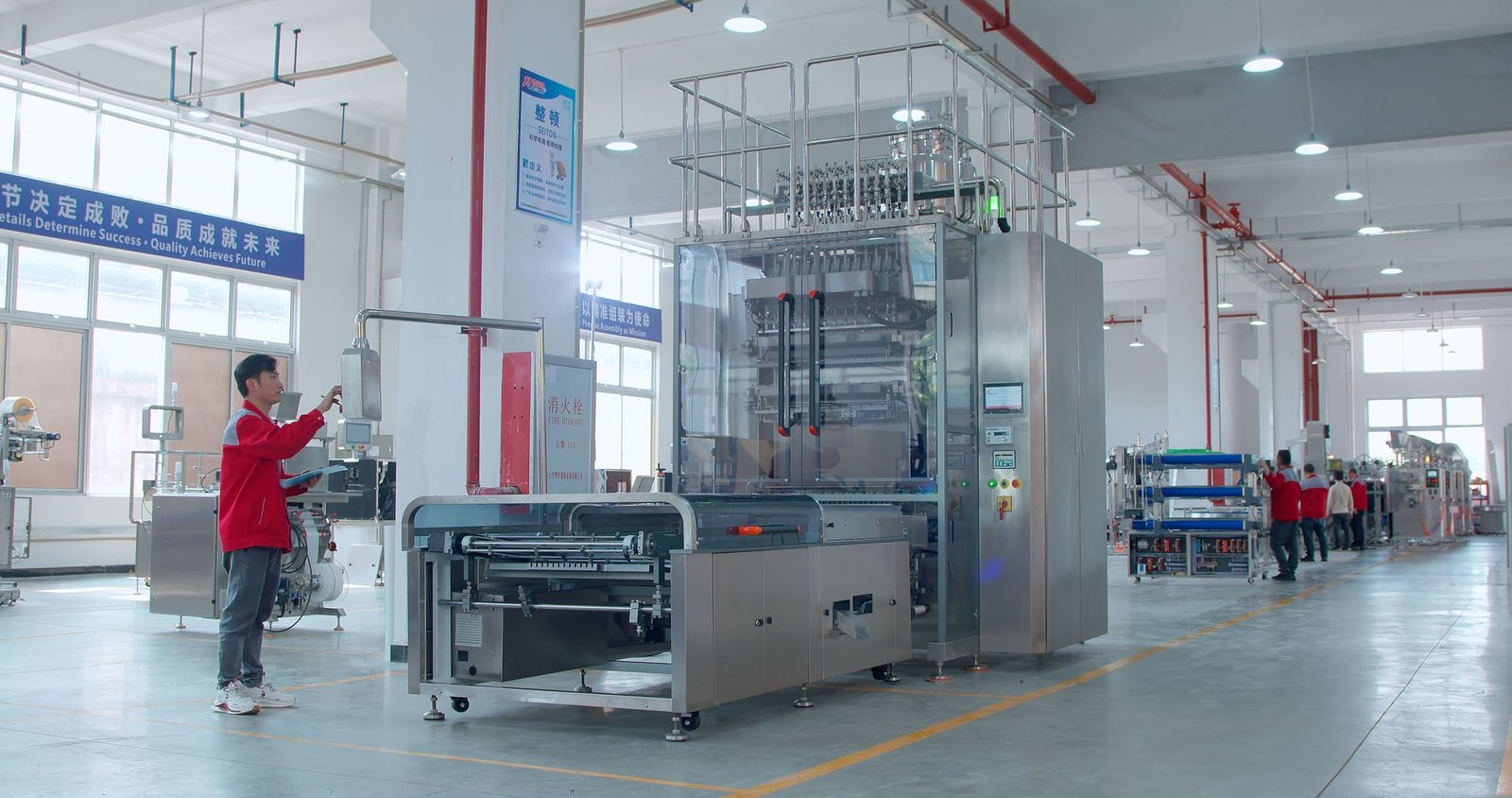
- Manufacturing facility: A supplier with in-house manufacturing and engineering capabilities can provide better customization and support
- After-sales infrastructure: Evaluate warranty terms, remote technical support, and the availability of field service engineers in your region
Customization and Turnkey Solutions
Many manufacturers require customized configurations rather than off-the-shelf machines. Product characteristics, bag sizes, factory layouts, and automation requirements all influence the appropriate equipment specification. Working with a supplier that offers engineering consultation and turnkey packaging line integration can significantly reduce project risk and timeline.
For manufacturers seeking comprehensive solutions, Ludyway Machinery provides customized packaging equipment with over 30 years of industry experience, a 20,000-square-meter manufacturing facility, and more than 50 machine models designed for powder, granule, liquid, sachet, and pouch packaging applications across diverse industries worldwide.
Questions to Ask Before Finalizing Your Purchase
Use this checklist during supplier discussions to ensure you have covered all essential aspects:
- Can the machine handle my specific powder’s flow characteristics and bulk density range?
- What is the actual output rate with my target sachet size and fill weight?
- What are the changeover procedures and time between different sachet formats?
- Is the dosing system validated for my required fill accuracy tolerance?
- What certifications (CE, GMP, FDA compliance) are available for the equipment?
- What is the lead time for manufacturing, delivery, installation, and commissioning?
- Are remote diagnostic capabilities and technical support available post-installation?
- What is the warranty coverage and what are the recommended spare parts?
Industry Trends Shaping Powder Sachet Packaging
Staying informed about packaging industry developments helps future-proof your investment. According to the 2026 State of the Industry report from PMMI, key trends include increased demand for sustainable packaging materials, smart factory integration with IoT-enabled machinery, and growing preference for single-serve and portion-controlled packaging formats across food and pharmaceutical sectors. The Flexible Packaging Association also provides valuable data on material innovations and regulatory developments affecting flexible packaging choices.
Making the Final Decision
Choosing the right powder sachet packaging machine is a strategic decision that affects product quality, operational efficiency, and long-term competitiveness. The ideal machine matches your powder characteristics, meets current and future capacity requirements, complies with applicable regulations, and is backed by a supplier with proven engineering expertise and responsive after-sales support. Taking a structured approach to evaluation — considering technical specifications, total cost of ownership, supplier capability, and industry trends — positions your operation for sustained success in the growing flexible packaging market.