Selecting the right packaging machine for the Netherlands market requires a thorough understanding of local regulations, industry standards, and operational expectations. The Dutch packaging sector is among the most advanced in Europe, driven by a strong food processing industry, a growing pharmaceutical sector, and increasing demand for sustainable and automated packaging solutions. Whether you are a local manufacturer or an international supplier looking to enter this competitive market, understanding the key selection criteria is essential to making a sound investment.

Understanding the Netherlands Packaging Market
The Netherlands is a strategic gateway to the European packaging industry. With its highly developed logistics infrastructure, including the Port of Rotterdam, Dutch companies demand packaging equipment that meets strict European Union directives. The food sector accounts for a significant share of packaging demand, followed by pharmaceuticals, cosmetics, and chemicals. According to industry data from PMMI’s business intelligence reports, the European packaging machinery market continues to show steady growth, with the Netherlands being a key contributor. Dutch buyers typically prioritize reliability, precision, and machines that can handle a variety of packaging formats including sachets, stick packs, pouches, and bottles.
Key Factor #1: CE Certification and EU Regulatory Compliance
Any packaging machine sold and operated in the Netherlands must carry CE marking and comply with relevant EU directives such as the Machinery Directive 2006/42/EC. Dutch authorities and business buyers rigorously verify compliance documentation before procurement. Beyond CE certification, machines used for food contact applications must meet FDA food packaging standards or equivalent EU regulations on food contact materials. For pharmaceutical packaging, additional requirements such as GMP (Good Manufacturing Practice) compliance and validation protocols are mandatory. Non-compliant equipment will simply not be considered by serious Dutch buyers.
Key Factor #2: Sustainability and Environmental Standards
The Netherlands is at the forefront of the European sustainability movement. Dutch companies actively seek packaging machines that support eco-friendly packaging materials, reduce energy consumption, and minimize material waste. The European Commission’s packaging and packaging waste regulations are continuously evolving, and Dutch buyers expect machinery that can adapt to these changes. Machines that can handle recyclable films, biodegradable materials, or lightweight packaging formats have a significant competitive advantage in this market.
Key Factor #3: Automation and Production Efficiency
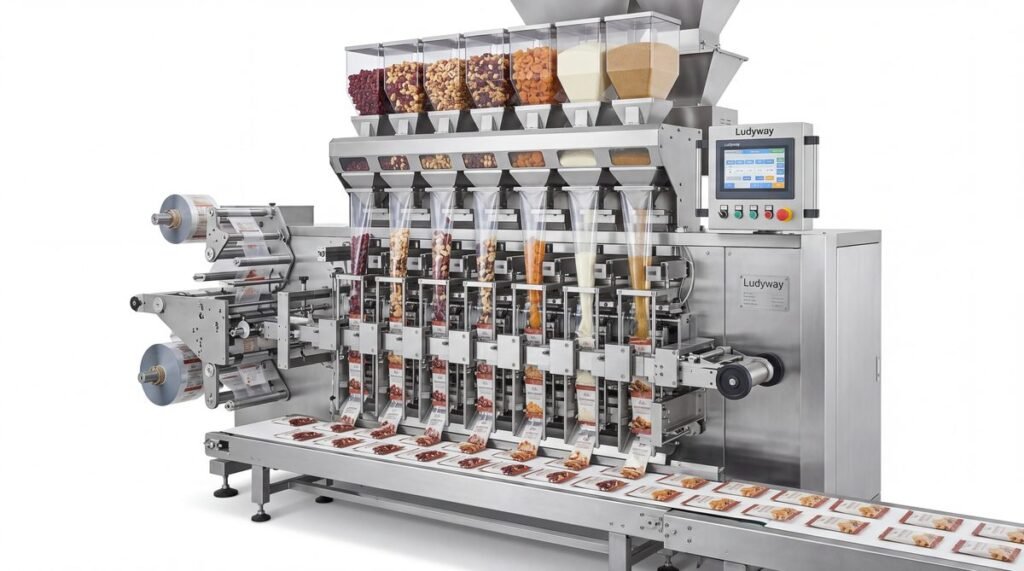
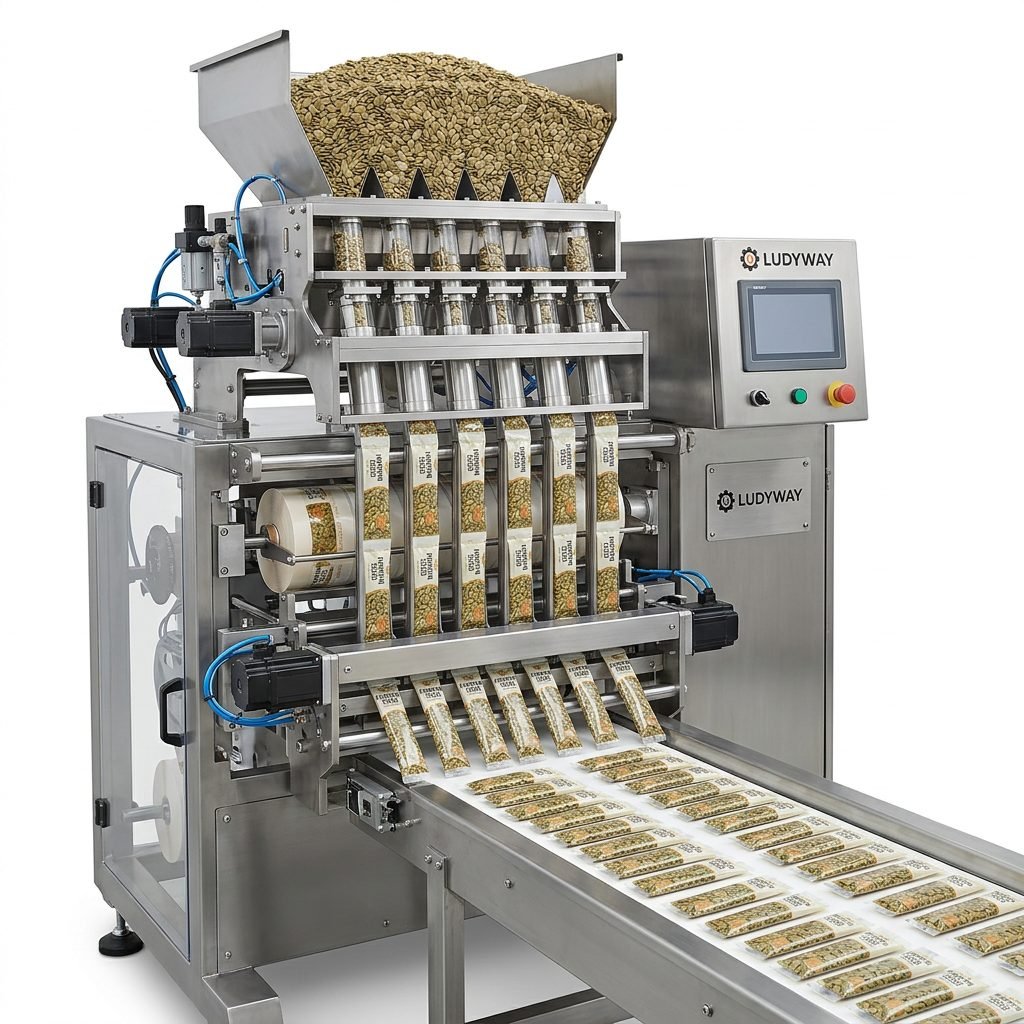
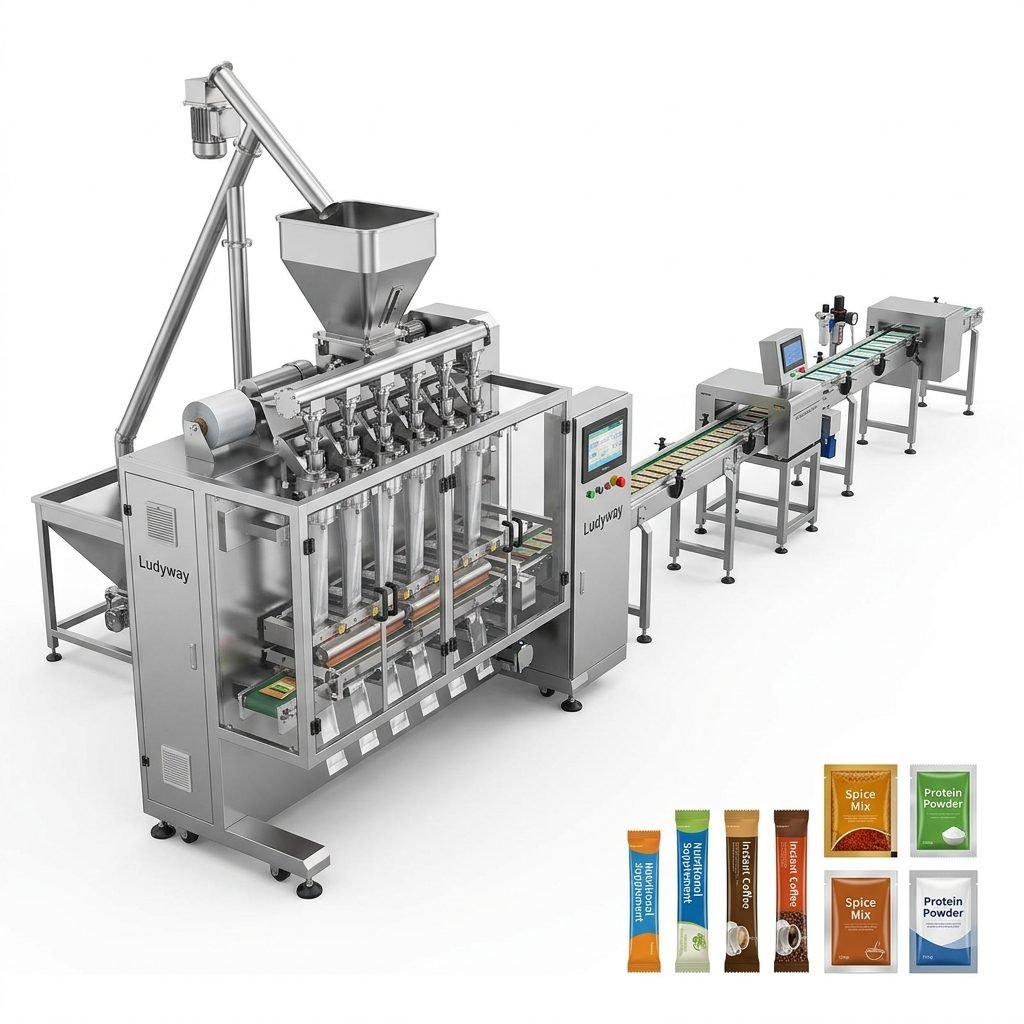
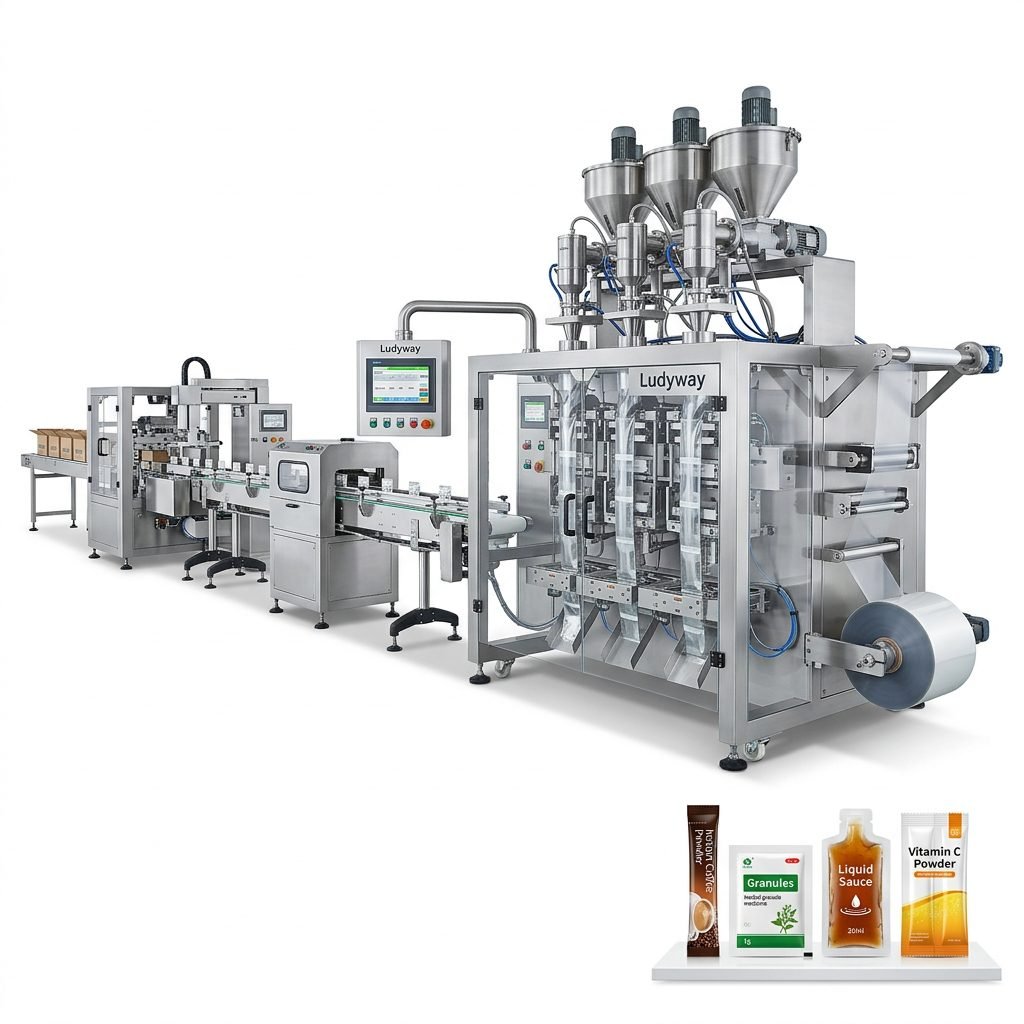
Labor costs in the Netherlands are among the highest in Europe, which makes fully automated packaging systems a priority for Dutch manufacturers. When choosing a packaging machine, buyers evaluate the level of automation, including automatic feeding, weighing, filling, sealing, coding, and cartoning capabilities. Multi-lane packaging machines that can produce high volumes of sachets or stick packs simultaneously are particularly popular in the food and pharmaceutical sectors.
Key automation features to look for include:
- Servo-driven control systems for precise filling and sealing
- Integrated weighing and dosing units to minimize product giveaway
- Automatic fault detection and rejection systems
- User-friendly HMI touchscreen interfaces with multi-language support
- Remote monitoring and diagnostic capabilities
- Quick changeover features for different packaging formats
Key Factor #4: Machine Versatility and Flexibility
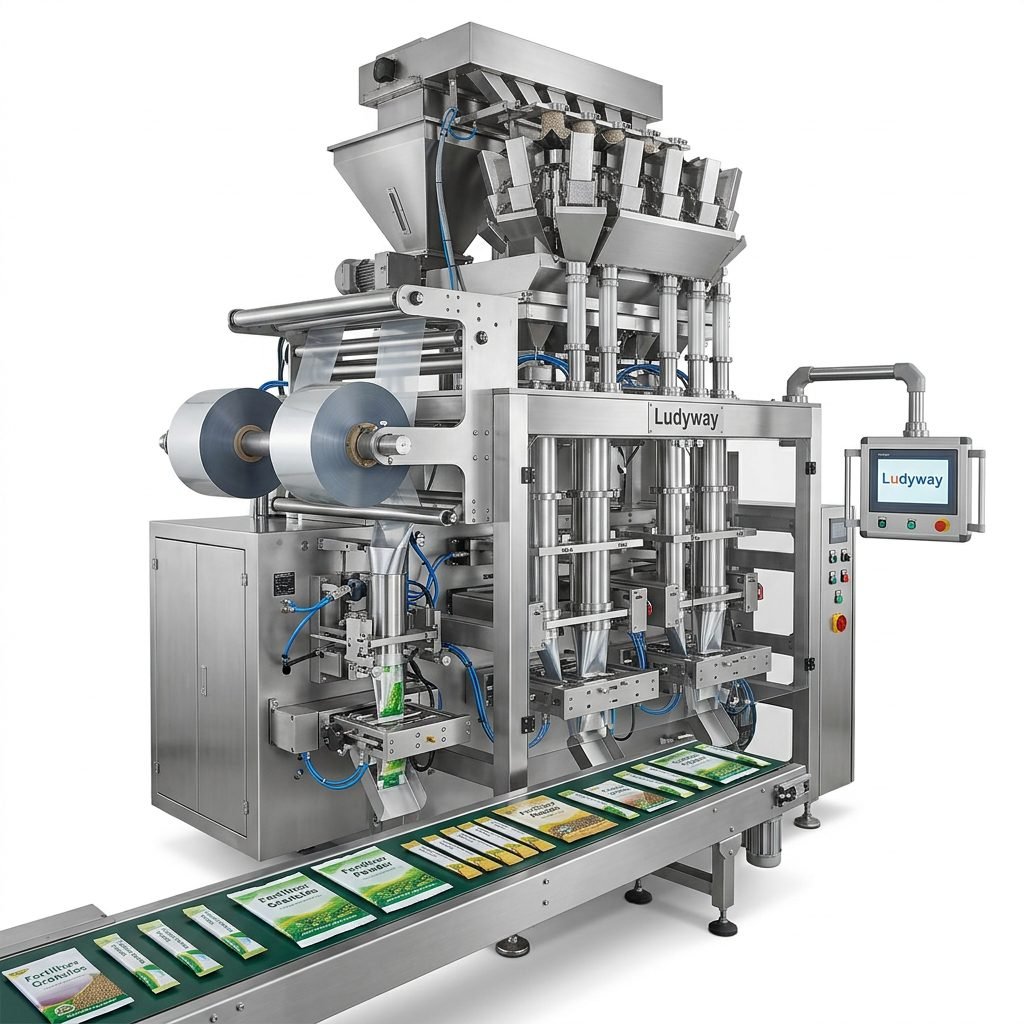
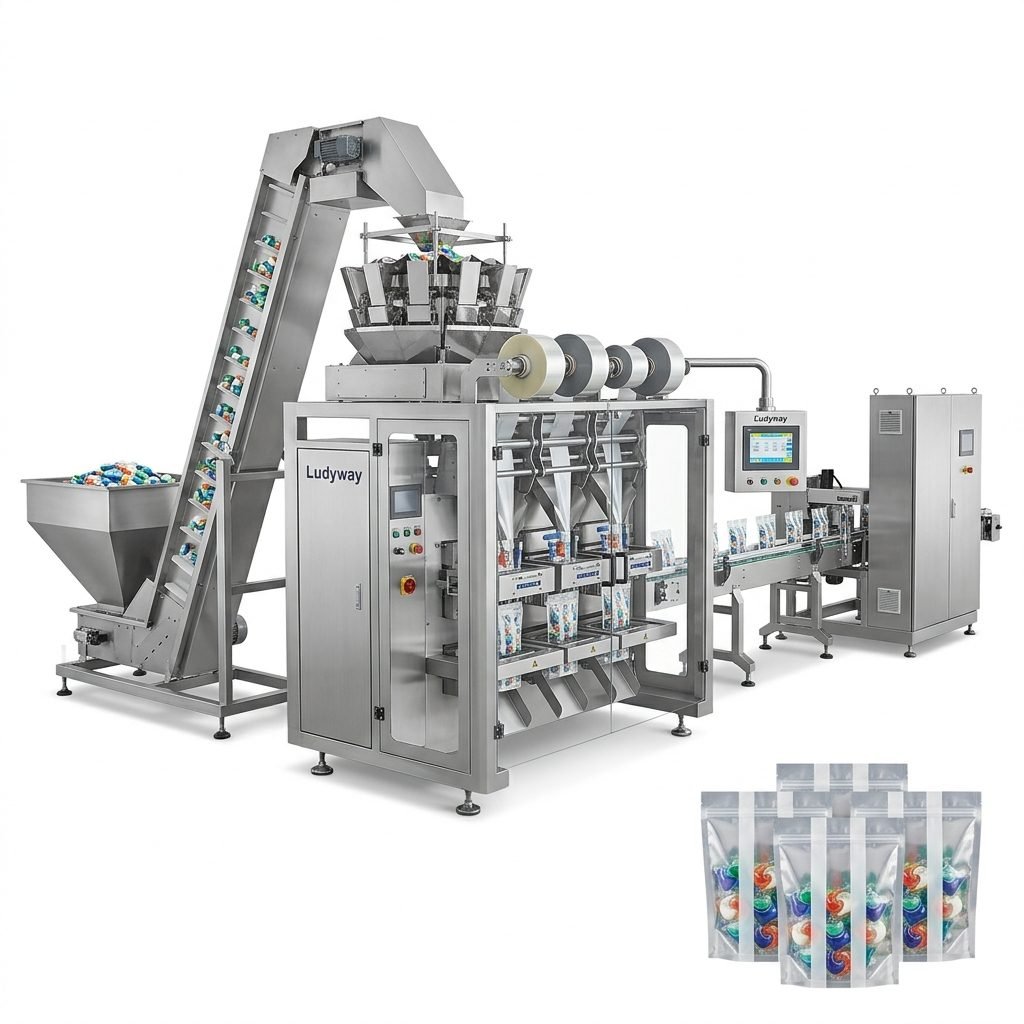
Dutch contract packagers and manufacturers often handle multiple product types and packaging formats. A packaging machine that can handle granules, powders, liquids, and pastes across different pouch styles offers better return on investment. The ability to switch between sachet packaging, stick pack formats, and pouch sizes without extensive downtime is highly valued. Flexibility in packaging materials is equally important, as Dutch brands frequently update their packaging designs to align with market trends and sustainability goals.
Comparing Packaging Machine Types for the Dutch Market
| Machine Type | Best For | Key Advantage | Dutch Market Relevance |
|---|---|---|---|
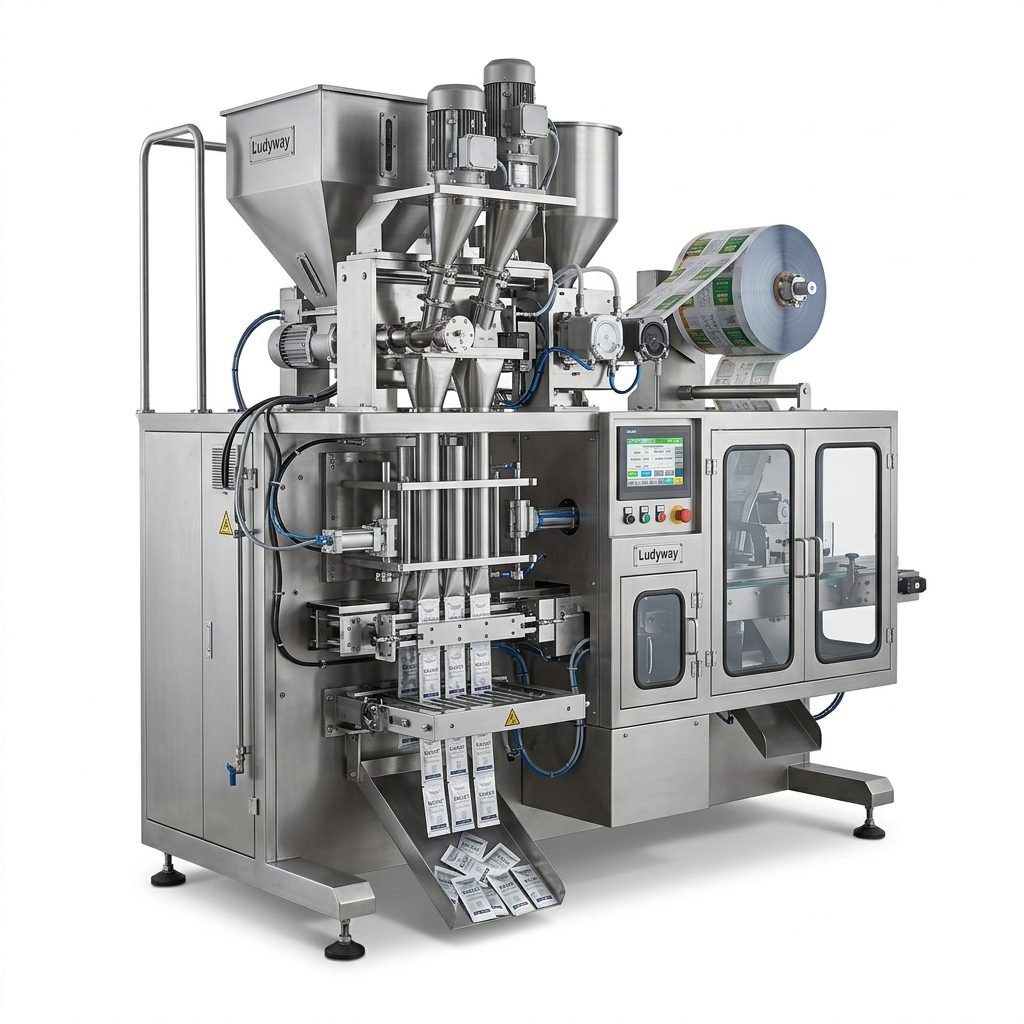
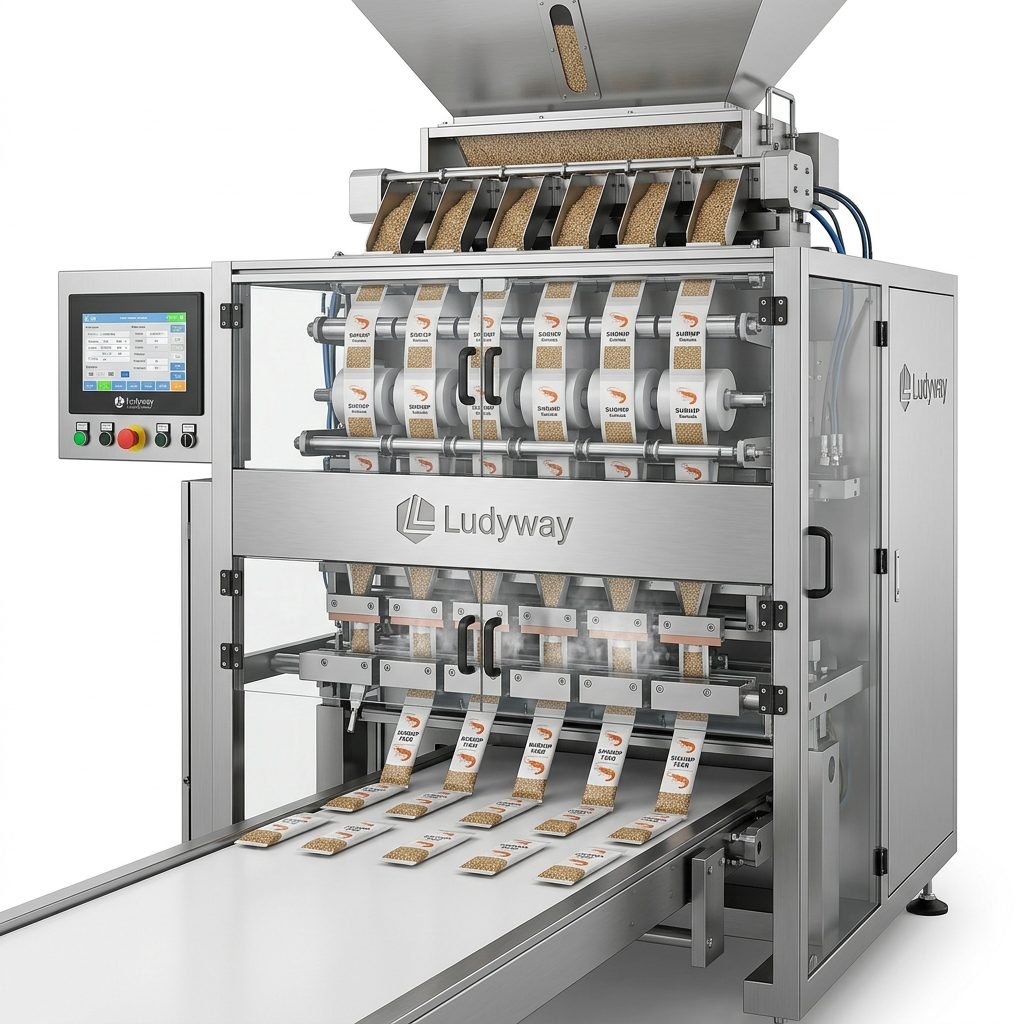
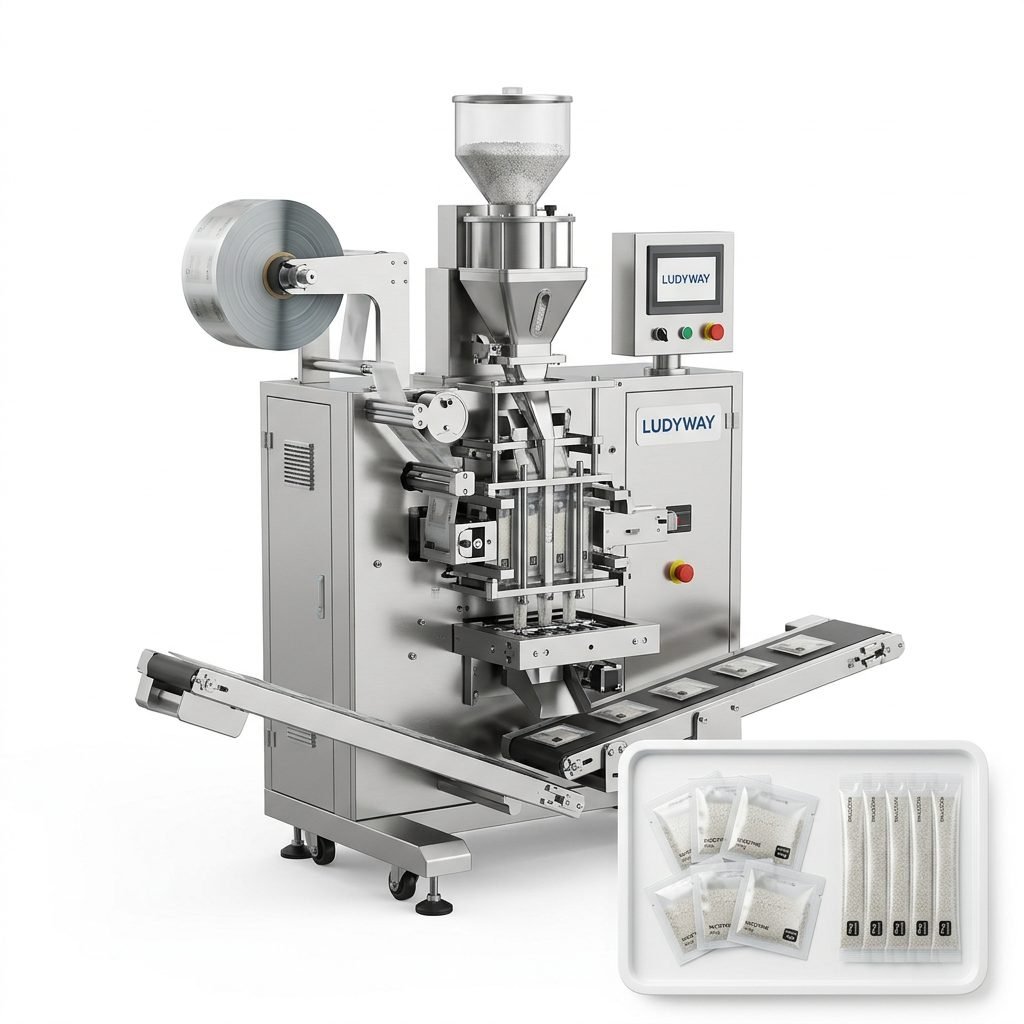
| Multi-Lane Stick Pack Machine | Powders, granules, instant beverages | High output, compact footprint | Very High – Coffee, supplements, seasonings |
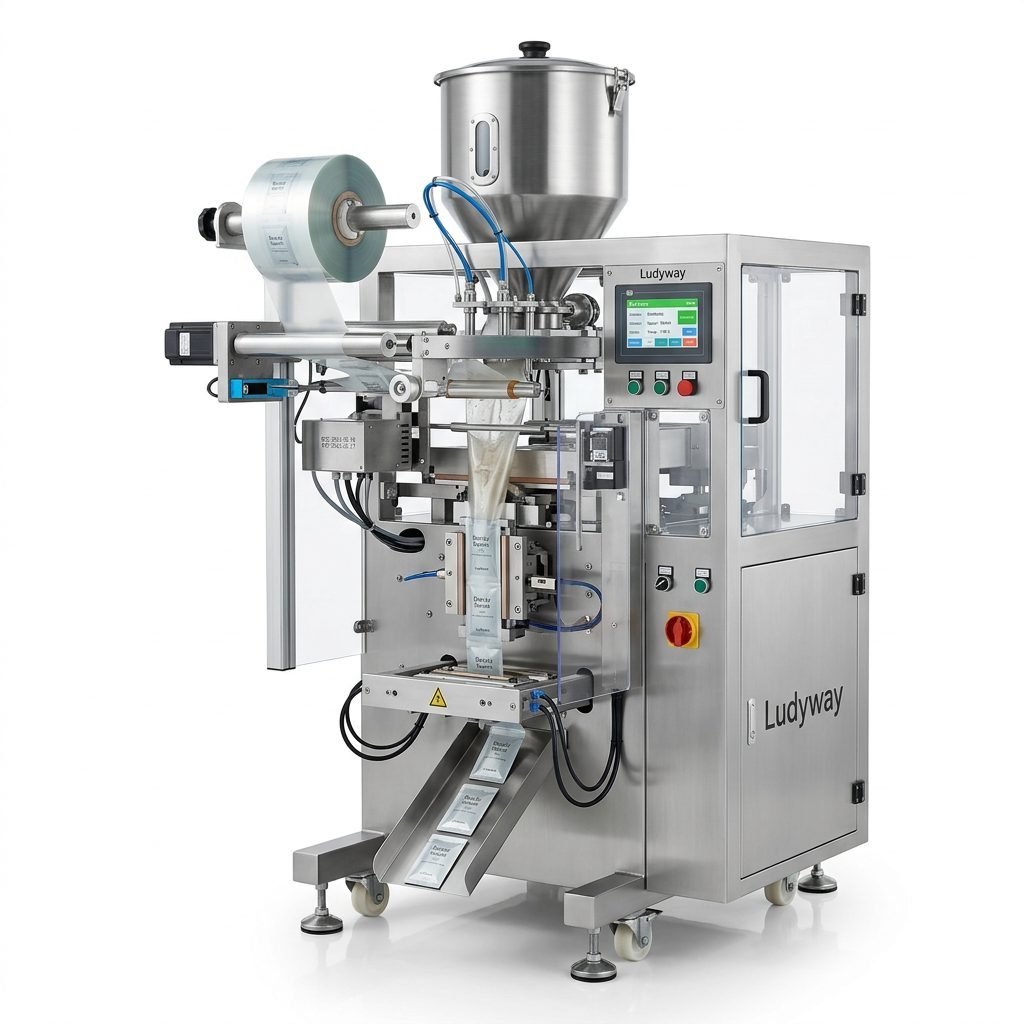
| Multi-Lane Sachet Machine | Liquids, gels, creams, sauces | Versatile liquid filling | High – Cosmetics, sauces, detergents |
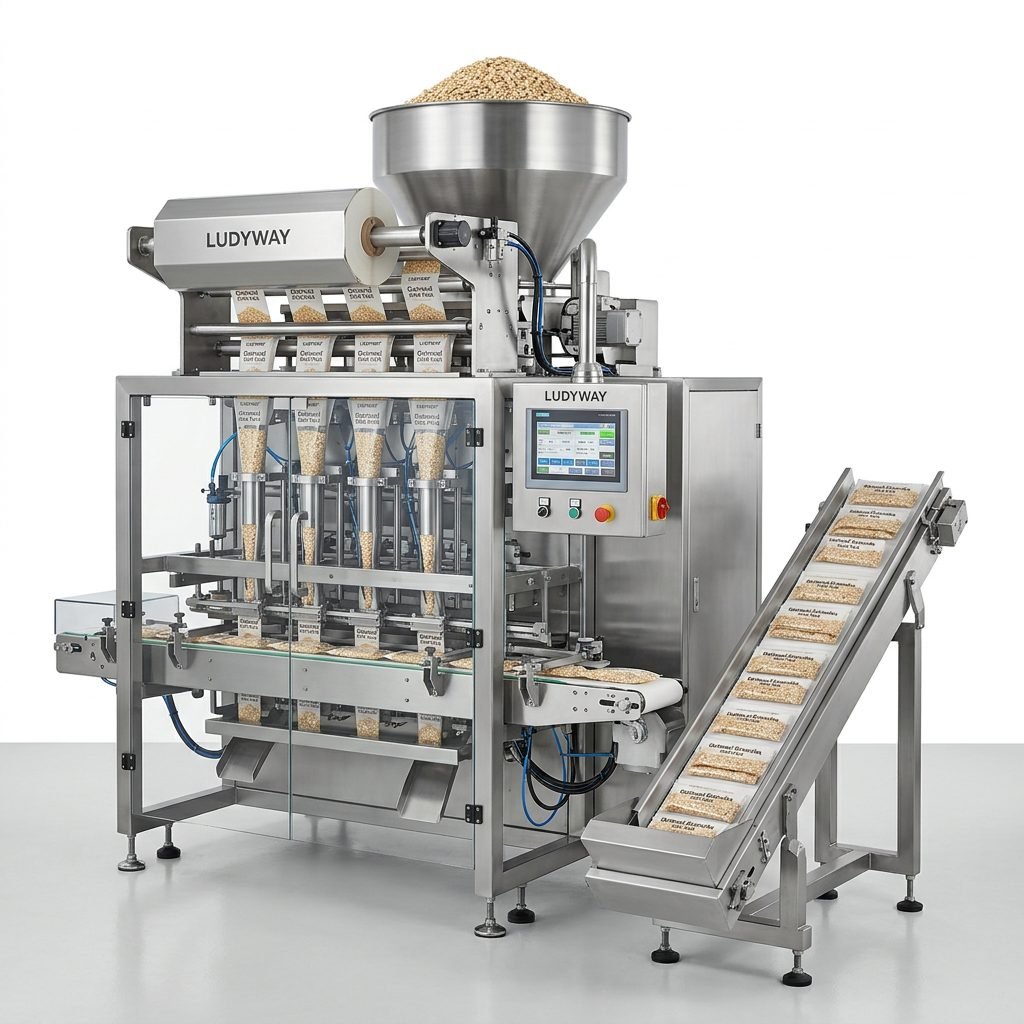
| Pouch Filling & Sealing Machine | Pet food, snacks, dry products | Large format capability | Medium-High – Pet food, bulk packaging |
| Bottle Filling & Capping Line | Liquids, syrups, pharmaceuticals | Precision liquid dosing | High – Pharma, health products |
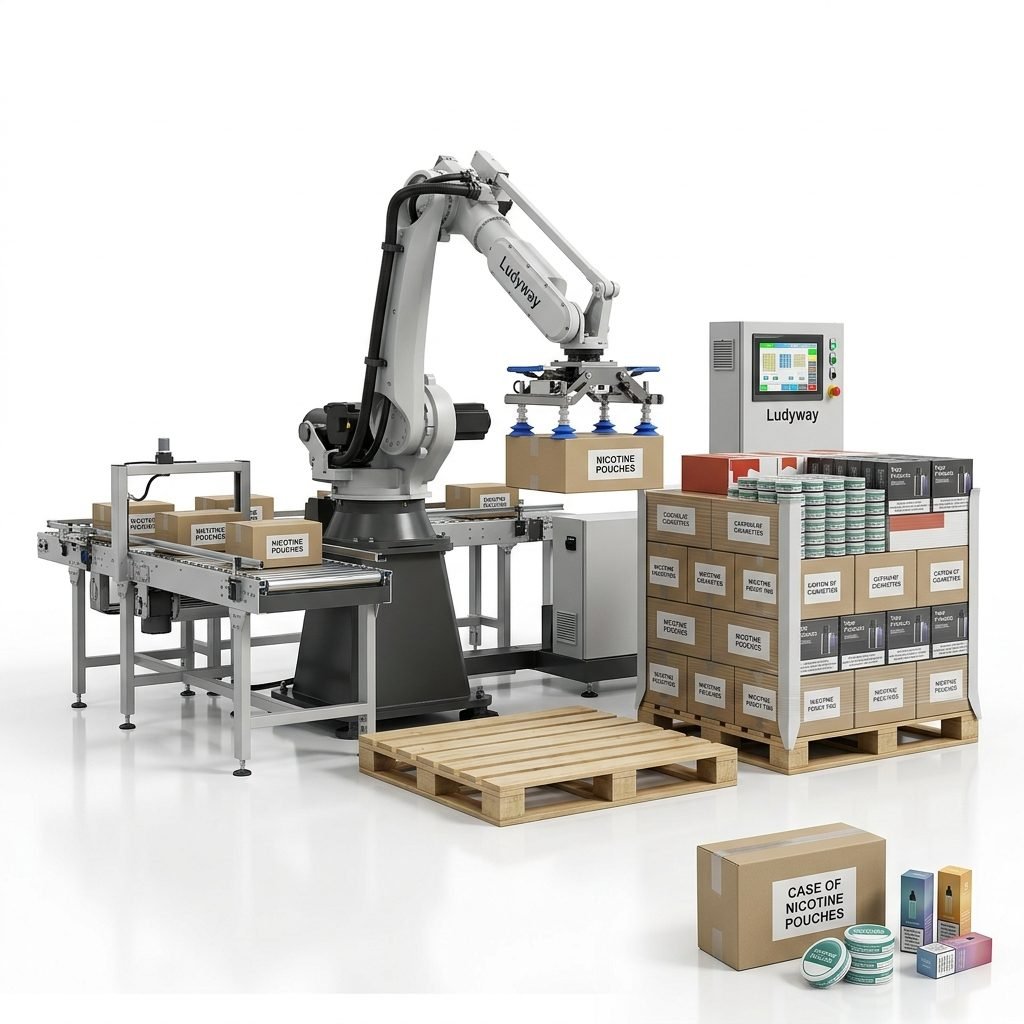
| Turnkey Packaging Line | End-to-end production | Integrated automation | Very High – Large-scale operations |
Key Factor #5: After-Sales Support and Service Availability
Dutch buyers place a premium on responsive after-sales service. When evaluating packaging machine suppliers, they look for local or regional technical support, spare parts availability within Europe, and comprehensive warranty terms. Response time for technical issues is critical, as production downtime in the Netherlands can be extremely costly. Suppliers who can demonstrate a strong European service network, remote diagnostic capabilities, and readily available spare parts inventory will have a distinct advantage. For detailed packaging standards and industry best practices, refer to resources from the Flexible Packaging Association and ISO packaging standards.
Key Factor #6: Total Cost of Ownership and ROI
While initial purchase price is a consideration, savvy Dutch buyers evaluate the total cost of ownership over the machine’s lifespan. This includes energy consumption, maintenance costs, spare parts expenses, expected machine longevity, and operator training requirements. A high-quality packaging machine with lower long-term operating costs often wins over a cheaper alternative with higher maintenance demands. Dutch companies typically conduct thorough ROI analysis before making procurement decisions.
Essential Checklist for Selecting a Packaging Machine in the Netherlands
- Verify CE certification and full EU regulatory compliance
- Confirm compatibility with sustainable and recyclable packaging materials
- Assess automation level and integration capability with existing production lines
- Evaluate machine flexibility for different product types and packaging formats
- Check availability of local technical support and spare parts in Europe
- Review energy efficiency ratings and total cost of ownership projections
- Request detailed machine specifications including speed, accuracy, and changeover time
- Examine warranty terms and service level agreements
- Ensure user interface supports Dutch or multi-language operation
- Validate the supplier’s track record in the European market
Making the Right Investment Decision
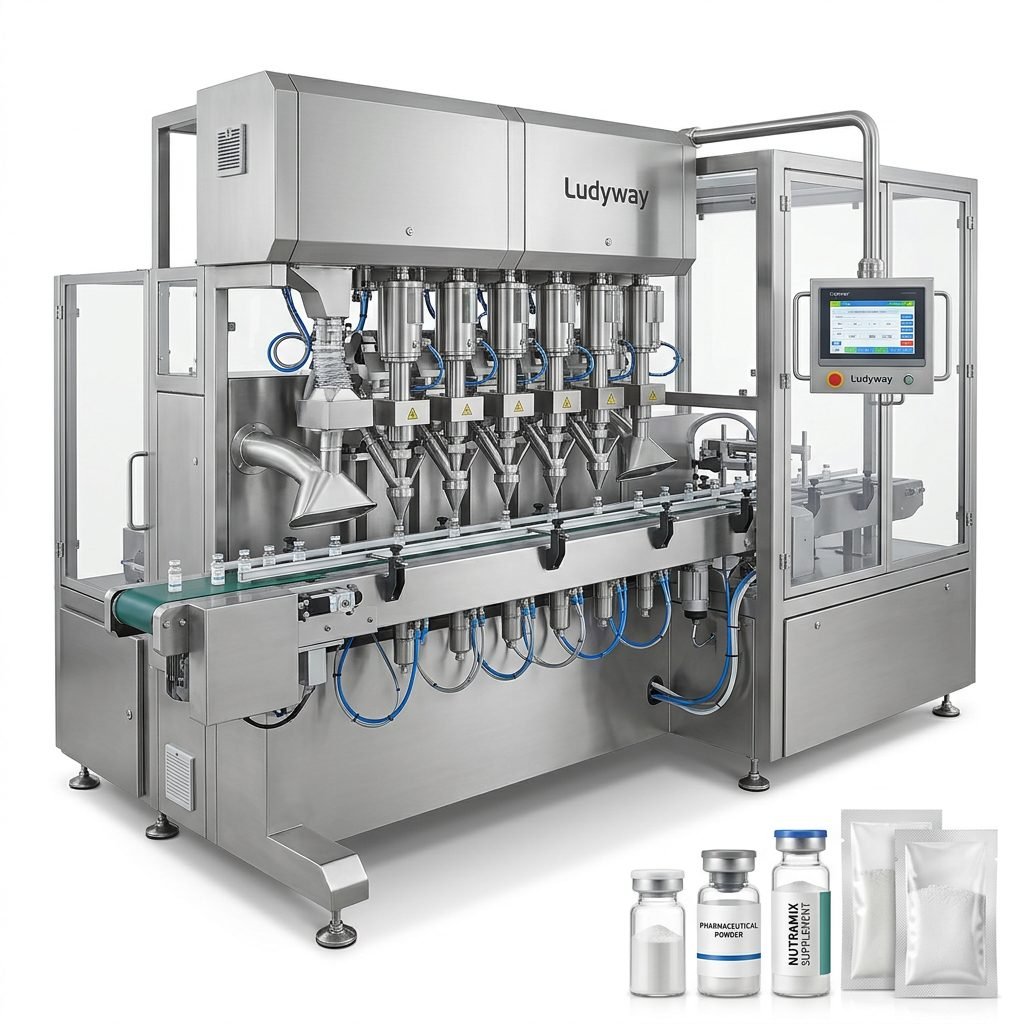
Choosing the right packaging machine for the Netherlands market is a strategic decision that impacts production efficiency, product quality, and long-term competitiveness. The ideal machine combines full EU compliance, high automation capability, material flexibility, and strong after-sales support. As a leading packaging machine manufacturer, Ludyway has been providing advanced packaging equipment and turnkey production solutions to customers in over 100 countries, including European markets, with a focus on reliable, efficient, and cost-effective systems for granule, powder, liquid, and pouch applications. When evaluating suppliers, prioritize those who understand the specific requirements of the Dutch and broader European market, and who can demonstrate a proven track record of successful installations and satisfied customers. Taking the time to thoroughly assess these key factors will help ensure that your packaging machine investment delivers maximum value and supports your business growth in the competitive Netherlands market.
For further reading on packaging industry trends and standards, explore resources from PMMI – The Association for Packaging and Processing Technologies and the Flexible Packaging Association, which provide valuable insights into the global packaging machinery landscape.