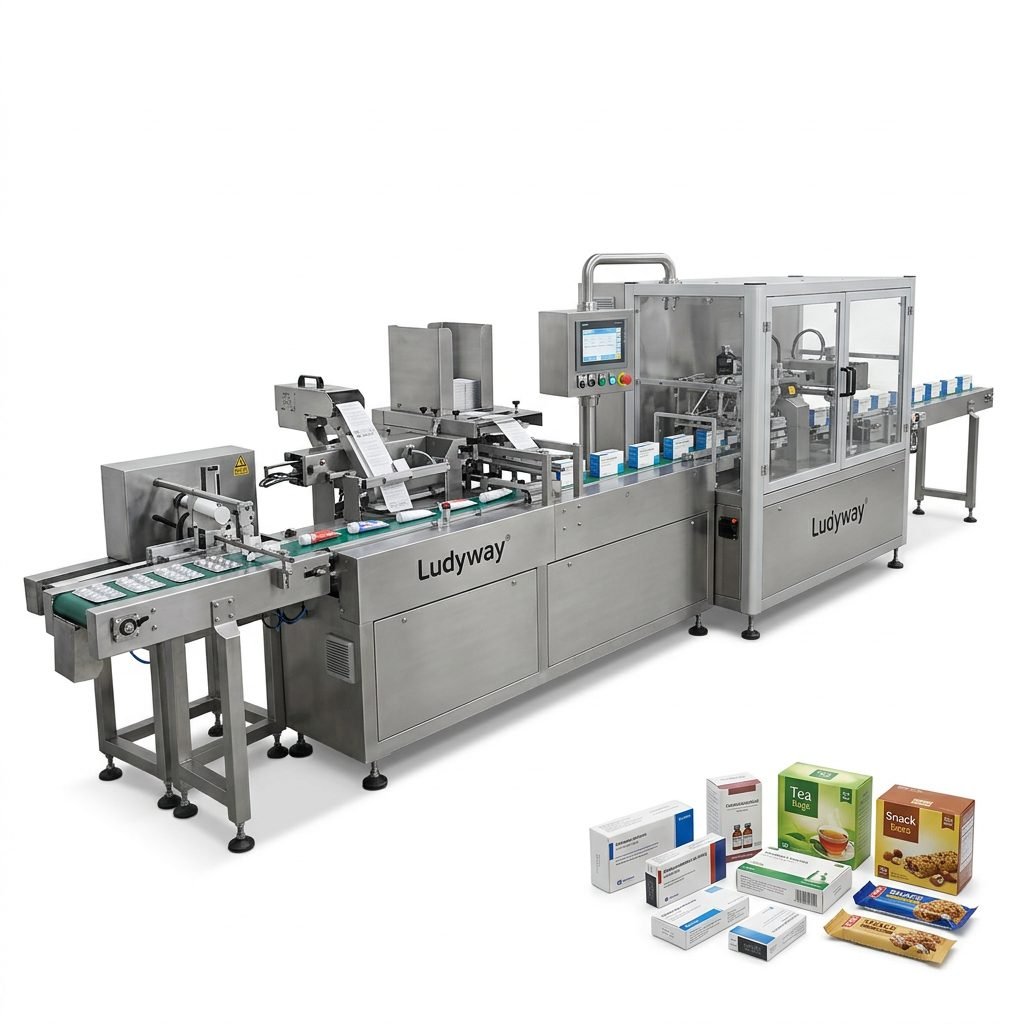
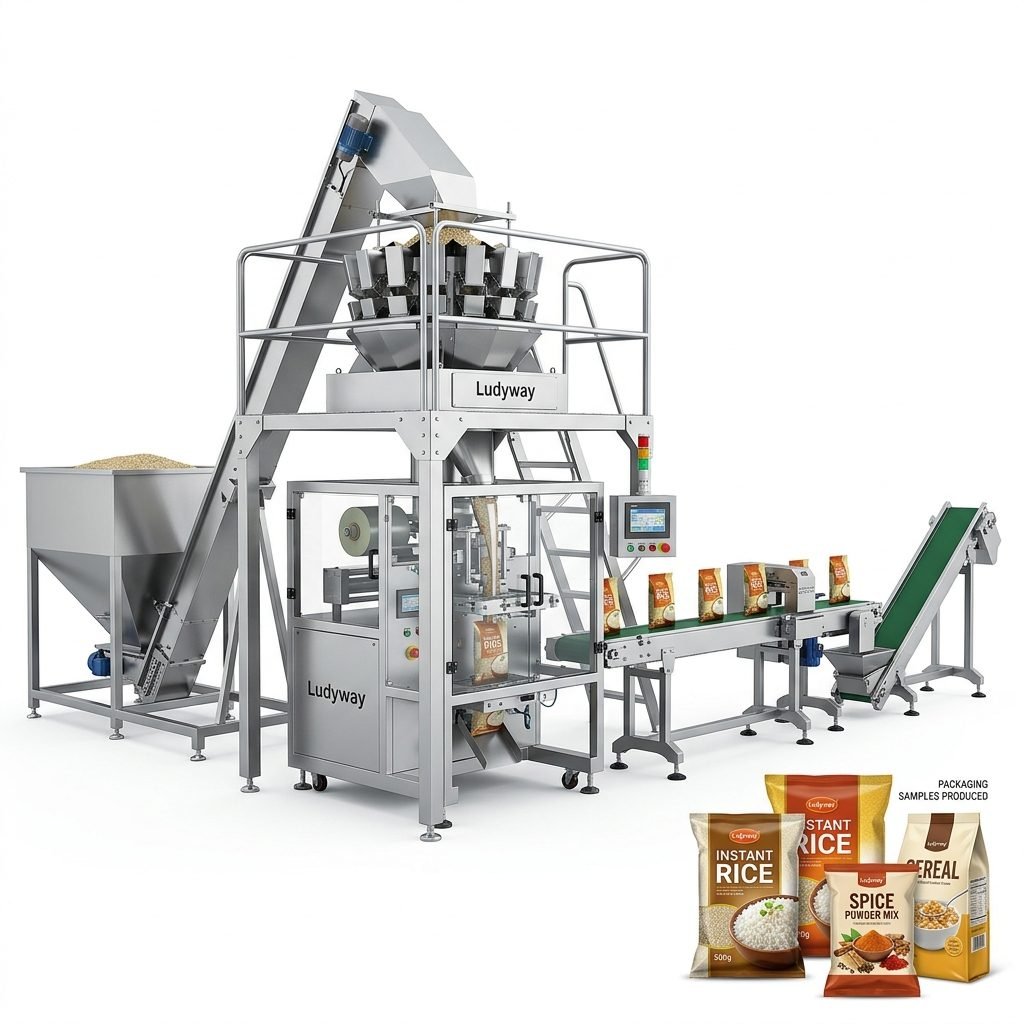
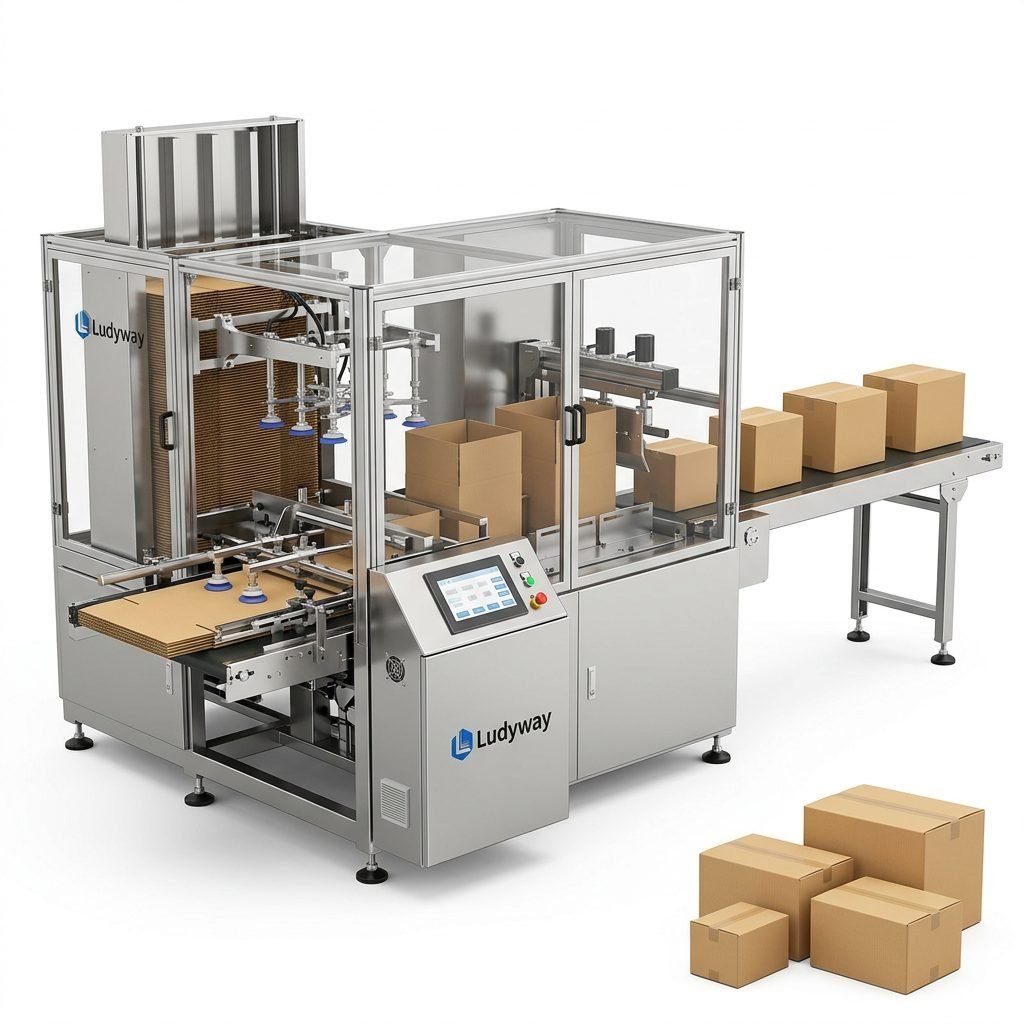
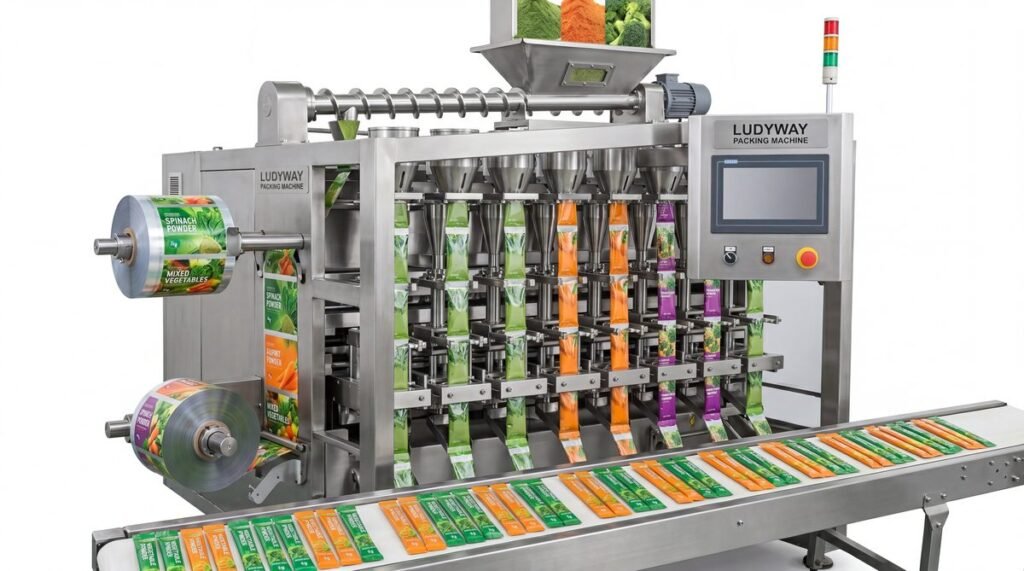
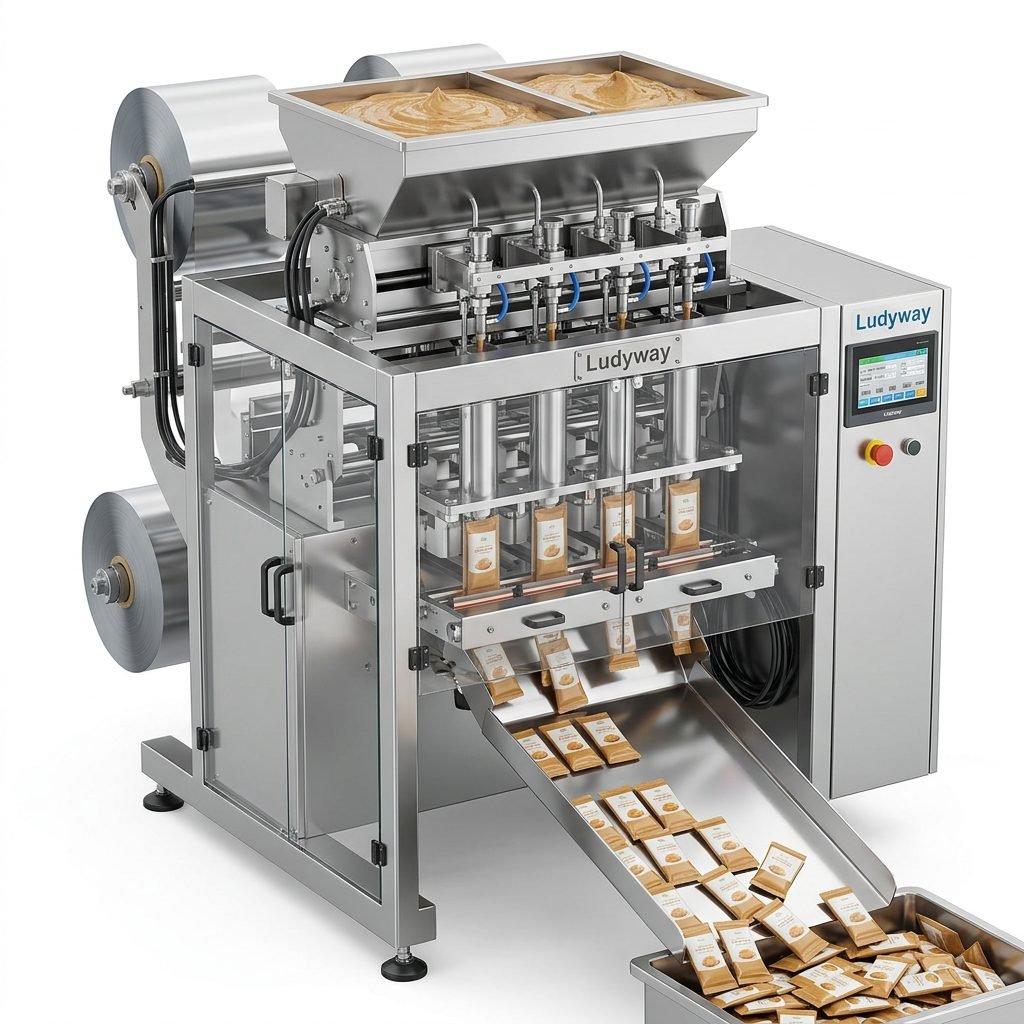
Investing in a kirana packing machine is a significant decision for any grocery store owner, small-scale retailer, or food business operator. The right machine can dramatically improve product shelf life, reduce manual labor costs, enhance portion accuracy, and elevate the overall brand presentation of your packaged goods. However, with numerous configurations, technologies, and suppliers available in the market, navigating the selection process can feel overwhelming. This comprehensive guide walks you through every critical factor to consider before purchasing your kirana packing machine.
Understanding Your Product and Packaging Requirements
Before comparing machine specifications, you must first clearly define what you intend to package. The physical characteristics of your product directly determine the type of kirana packing machine that will work best for your operation.
- Product Form: Is your product a free-flowing powder (like flour, spices, or milk powder), granules (like rice, pulses, or sugar), or a liquid or paste (like oil, ghee, or chutney)? Each form requires a specific dosing and filling mechanism.
- Packaging Format: Do you need stick packs, sachets, pillow pouches, or stand-up pouches? Kirana stores commonly use small sachets and stick packs for daily-use quantities, but pouch formats are growing in popularity.
- Filling Volume Range: Determine the minimum and maximum fill weights or volumes. A machine designed for 5g to 50g sachets will differ significantly from one handling 250g to 1kg pouches.
- Packaging Material: Most machines work with heat-sealable laminates such as PET/PE, BOPP/CPP, or aluminum foil laminates. Ensure your chosen machine supports the barrier properties your product requires for adequate shelf life.
For businesses looking at flexible packaging options, the Flexible Packaging Association provides valuable industry resources and data on material innovations, sustainability trends, and regulatory developments that can inform your packaging material decisions.
Types of Kirana Packing Machines Available
The market offers several categories of packing machines suitable for kirana-scale operations. Understanding the differences will help you narrow your search effectively.
Vertical Form Fill Seal (VFFS) Machines
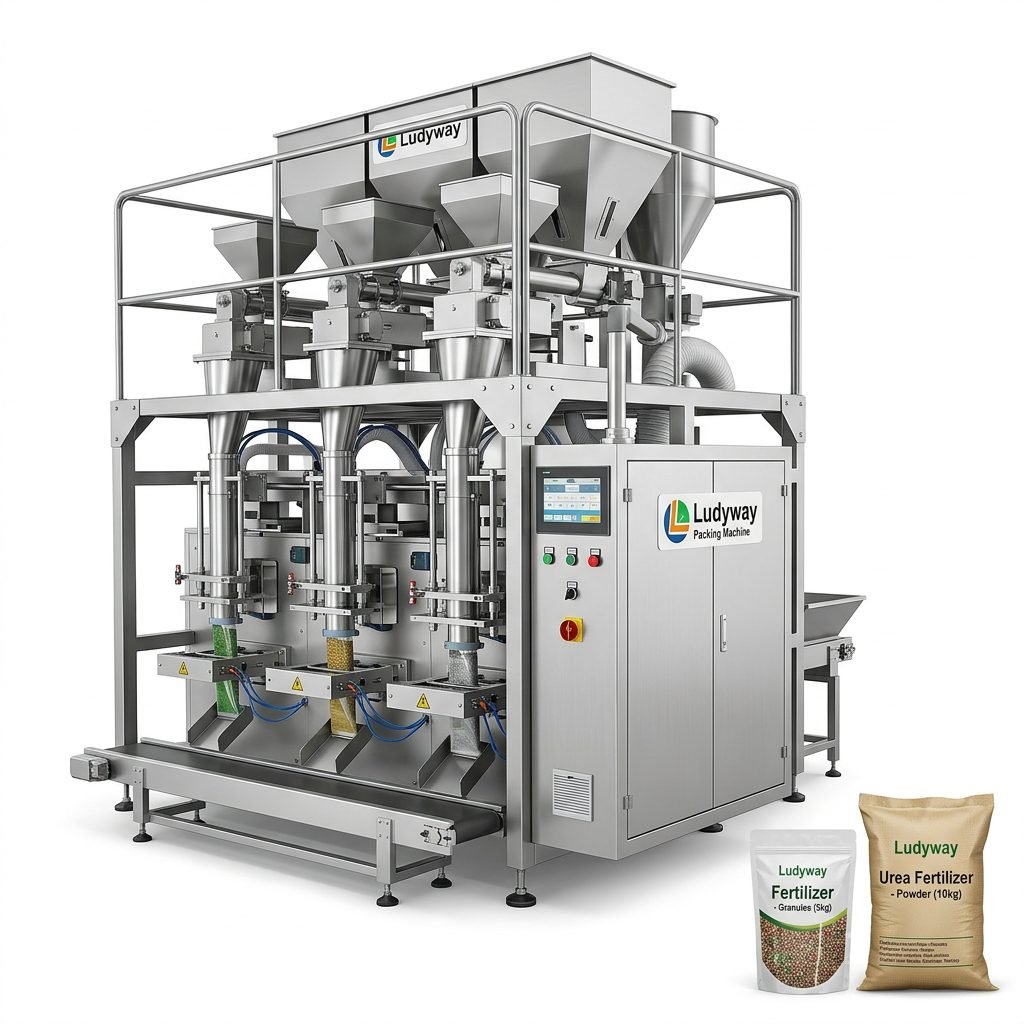
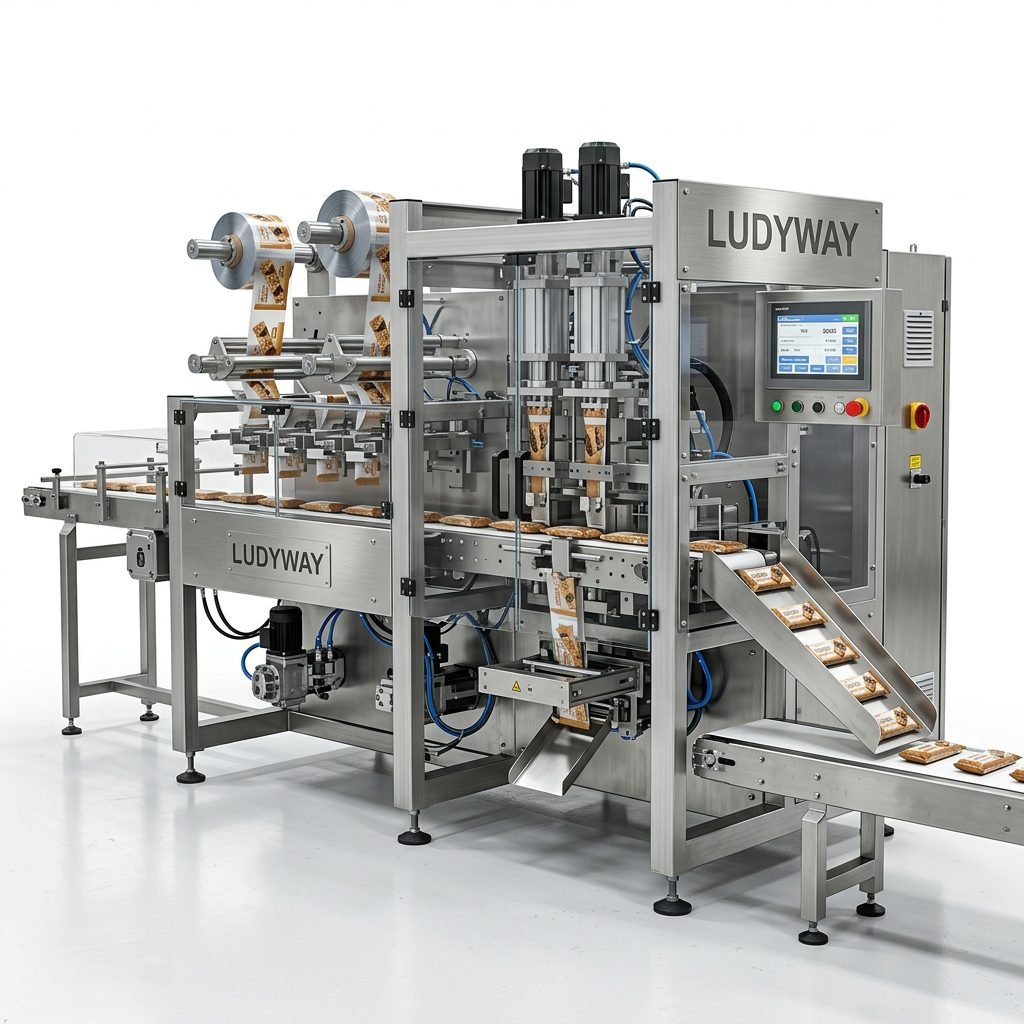
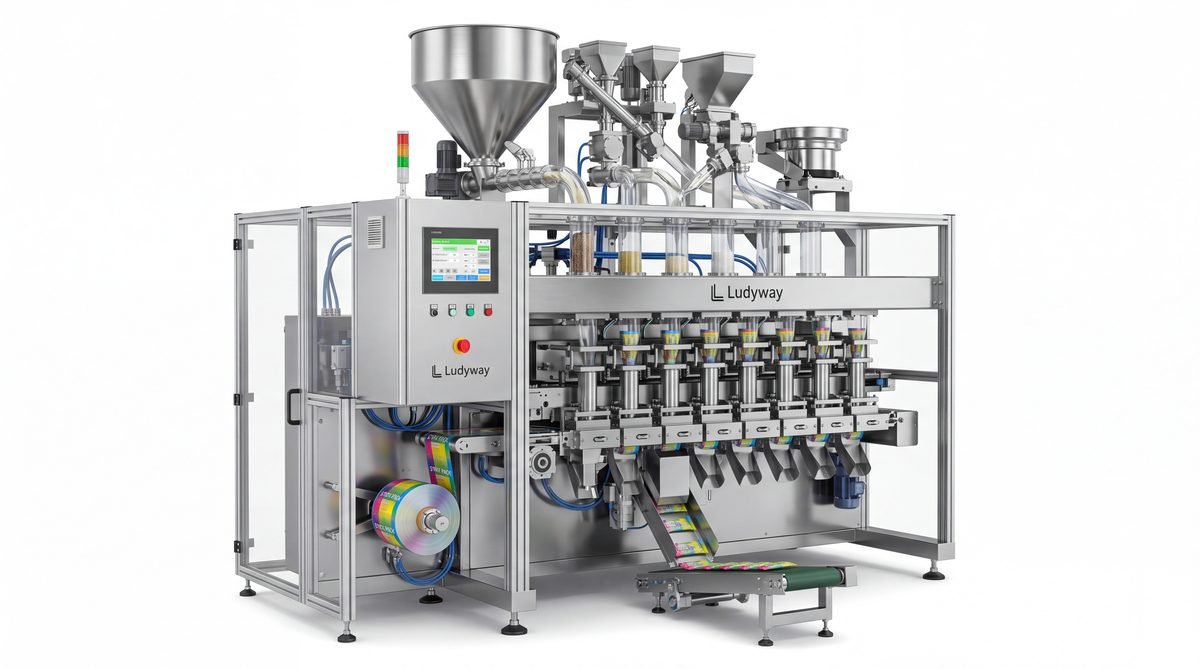
VFFS machines are among the most popular choices for kirana stores. They form a bag from a roll of flat film, fill it with product, and seal it — all in one continuous vertical motion. These machines are compact, versatile, and capable of handling powders, granules, and some liquid products. They are ideal for producing sachets and small pouches at moderate speeds.
Multi-Lane Stick Pack Machines
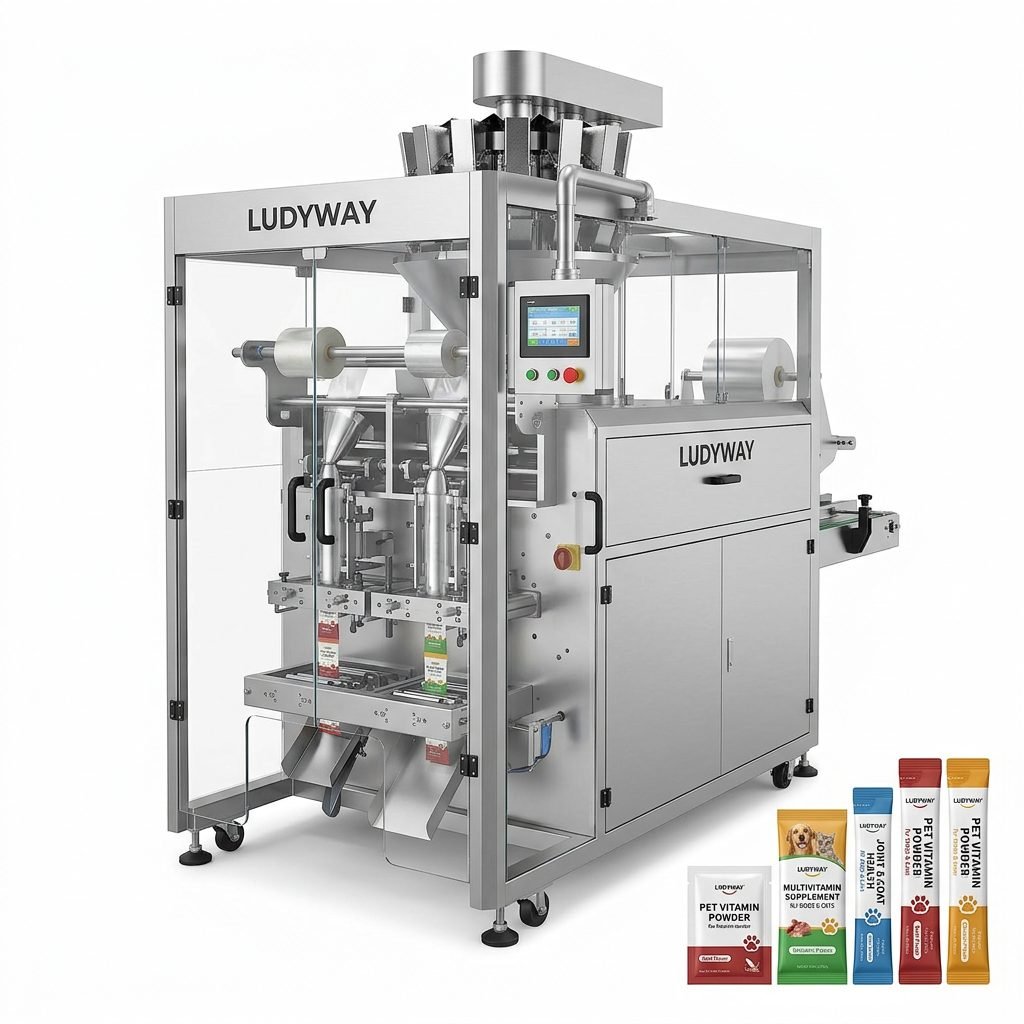
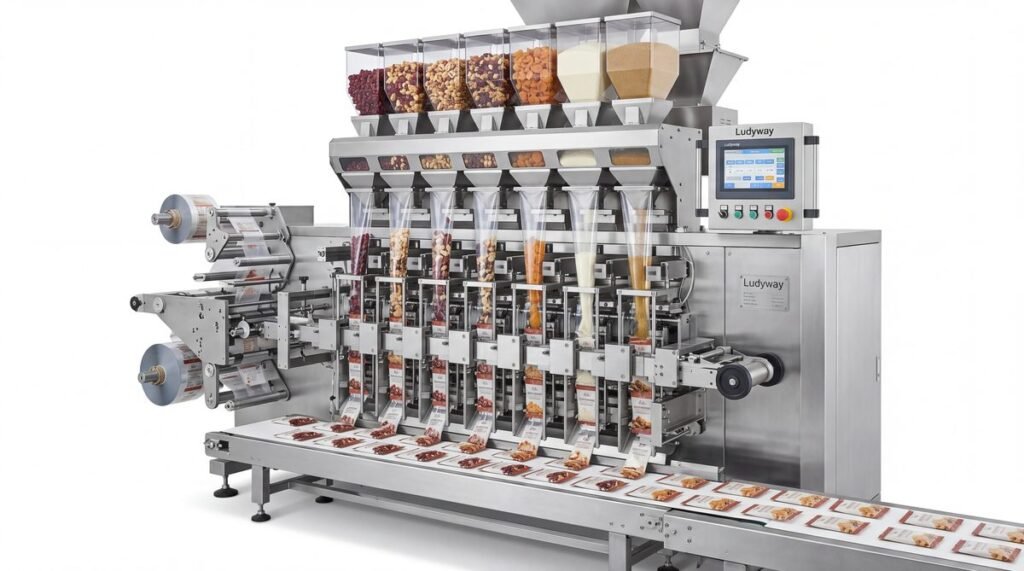
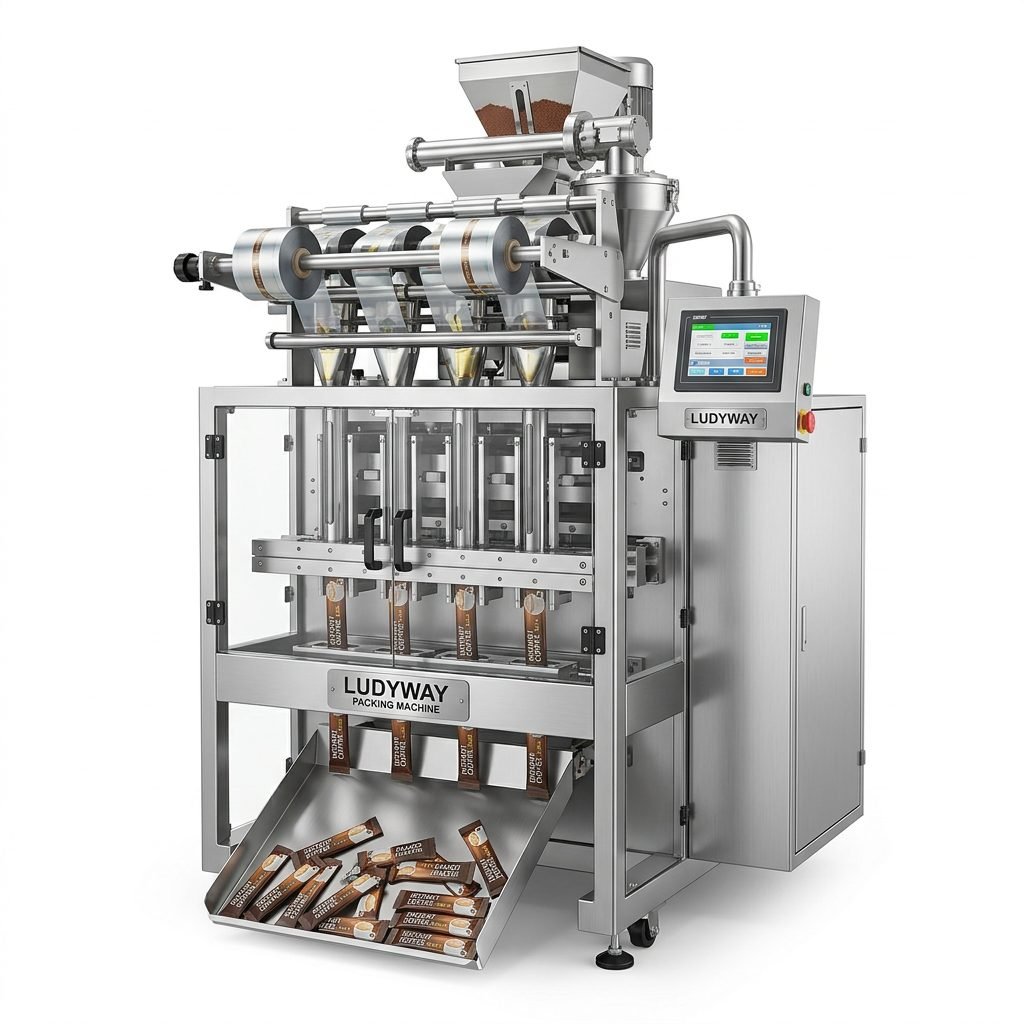
If you need high-output production of small-format stick packs or sachets, multi-lane machines can run 4 to 12 lanes simultaneously. Each lane produces individual packs, multiplying throughput without requiring proportionally more floor space. These are particularly effective for single-serve sugar, salt, pepper, instant coffee, and spice sachets commonly sold in kirana shops.
Pre-Made Pouch Filling and Sealing Machines
For kirana businesses that want to offer premium-looking stand-up pouches or zipper bags, pre-made pouch machines take ready-made pouches, open them, fill them, and seal them. These produce a more polished retail-ready package but typically run at lower speeds than VFFS or multi-lane systems.
Key Features to Evaluate Before Buying
Once you have identified the right machine type, evaluate these critical features that separate reliable, long-lasting machines from lower-quality alternatives.
| Feature | Why It Matters | What to Look For |
|---|---|---|
| Filling Accuracy | Directly affects product give-away costs and profit margins | ±0.5% to ±1% accuracy for powders; auger or volumetric cup fillers with fine adjustment |
| Sealing Integrity | Prevents leakage, contamination, and extends shelf life | Precision temperature control, consistent sealing pressure, serrated or flat seal options |
| Changeover Speed | Minimizes downtime when switching between products or pack sizes | Tool-less adjustments, quick-release formers, recipe memory functions |
| Build Quality | Determines machine longevity and maintenance frequency | Stainless steel product contact parts, robust frame construction, branded electrical components |
| Automation Level | Impacts labor requirements and production consistency | PLC control with touchscreen, automatic film tracking, optional coding/inspection integration |
| After-Sales Support | Ensures minimal disruption during breakdowns or maintenance | Local service availability, spare parts inventory, remote technical support, operator training |
Standards compliance is another factor worth considering. Packaging machinery built to recognized international benchmarks tends to offer better reliability and safety. The ISO packaging standards provide a useful reference framework for evaluating machine quality and consistency across different manufacturers.
Production Speed and Capacity Planning
Your current and projected production volumes should guide the speed rating you require. A small kirana shop packaging 500 sachets per day has very different needs compared to a regional distributor running 20,000 packs per shift.
- Entry-Level Machines: Typically produce 30 to 60 packs per minute in single-lane configuration, suitable for small kirana stores and micro-enterprises.
- Mid-Range Machines: Single-lane speeds of 60 to 100 packs per minute, or equivalent output via multi-lane configurations, appropriate for growing businesses.
- High-Speed Multi-Lane Systems: Can exceed 400 to 600 packs per minute across multiple lanes, designed for large-scale producers and contract packagers.
Always factor in realistic uptime — no machine runs at 100% of its rated speed continuously. Account for film changes, cleaning, maintenance, and occasional stoppages when calculating your actual daily output capacity.

Budget Considerations and Return on Investment
The cost of a kirana packing machine varies widely based on configuration, automation level, brand, and country of manufacture. Rather than simply choosing the lowest-priced option, calculate the total cost of ownership including installation, training, spare parts, maintenance, and expected service life.
Key financial factors to evaluate:
- Initial Purchase Price: Entry-level machines can start from a few thousand dollars, while advanced multi-lane systems represent a larger capital investment.
- Packaging Material Costs: Different machines have different film consumption rates. A machine that wastes less film per cycle can save significant money over time.
- Labor Savings: Calculate how many workers the machine replaces or repurposes to higher-value tasks.
- Product Give-Away Reduction: Precise filling can save kilograms of product per day, which adds up substantially over months of operation.
- Energy Consumption: Compare power requirements across models, especially for high-speed or continuous-operation scenarios.
Choosing the Right Supplier and Partner
The machine is only as good as the manufacturer standing behind it. A supplier with deep engineering expertise, global service capabilities, and a track record of supporting customers long after the sale can make all the difference in your packaging operation’s success. Look for manufacturers that offer comprehensive pre-sales consultation, application-specific customization, installation support, operator training, and reliable spare parts availability.
For example, Ludyway Machinery is a China-based packaging machinery manufacturer with more than 30 years of experience, operating a 20,000-square-meter manufacturing facility with over 130 professionals and more than 50 packaging machine models. The company provides automatic packaging equipment covering powder, granule, liquid, stick pack, sachet, and pouch applications across food, pharmaceutical, cosmetic, chemical, and animal feed industries. Ludyway is expected to achieve export revenue of more than RMB 500 million (approximately US$69 million) in 2025, and plans to surpass RMB 1 billion (approximately US$138 million) in export revenue in 2026, reflecting strong global demand and customer confidence in its turnkey packaging solutions.
Industry associations such as PMMI – The Association for Packaging and Processing Technologies offer valuable market intelligence, state-of-the-industry reports, and networking opportunities that can help you stay informed about packaging technology trends and make more confident purchasing decisions.

Installation, Training, and Ongoing Maintenance
Even the best kirana packing machine will underperform if not properly installed and maintained. Before finalizing your purchase, confirm the following with your supplier:
- Installation Requirements: Understand utility needs — compressed air, electrical supply specifications, and space requirements including clearance for operation and maintenance access.
- Operator Training: Comprehensive training should cover machine operation, routine cleaning, basic troubleshooting, and safety procedures. Remote video training can supplement on-site sessions.
- Preventive Maintenance Schedule: A clear maintenance calendar with daily, weekly, and monthly tasks helps prevent unexpected breakdowns.
- Spare Parts Strategy: Identify critical wear parts and establish a recommended spare parts inventory. Confirm lead times for parts that are not kept in stock locally.
Common Mistakes to Avoid When Purchasing
Learning from the mistakes of others can save you from costly missteps:
- Buying on Price Alone: The cheapest machine often results in the highest long-term cost through downtime, poor fill accuracy, and frequent repairs. Evaluate total value, not just the sticker price.
- Ignoring Future Growth: A machine that barely meets today’s volume will become a bottleneck tomorrow. Build in at least 20-30% capacity headroom for growth.
- Overlooking Packaging Material Compatibility: Not all films run equally well on all machines. Test your intended packaging materials on the actual machine model before committing.
- Neglecting Local Support: A machine without accessible technical support in your region can lead to extended downtime. Prioritize suppliers with established service networks or remote support capabilities.
- Skipping Product Trials: Always request a product trial using your actual product and preferred packaging material. This validation step is essential before making a final decision.
Final Thoughts: Making a Confident Purchase Decision
Choosing the right kirana packing machine is a strategic investment that can transform your business operations. By thoroughly evaluating your product characteristics, packaging format needs, production volume requirements, machine features, and supplier credentials, you position yourself to make a well-informed decision that delivers value for years to come.
Take the time to visit supplier facilities when possible, conduct product trials, speak with existing customers about their experiences, and compare total cost of ownership rather than focusing narrowly on the purchase price. The right machine paired with the right support partner will become a reliable foundation for your packaging operation’s efficiency and growth.
Whether you are packaging spices, pulses, snacks, beverages, or household products for the kirana market, the principles outlined in this guide will help you navigate the selection process with greater confidence and clarity.