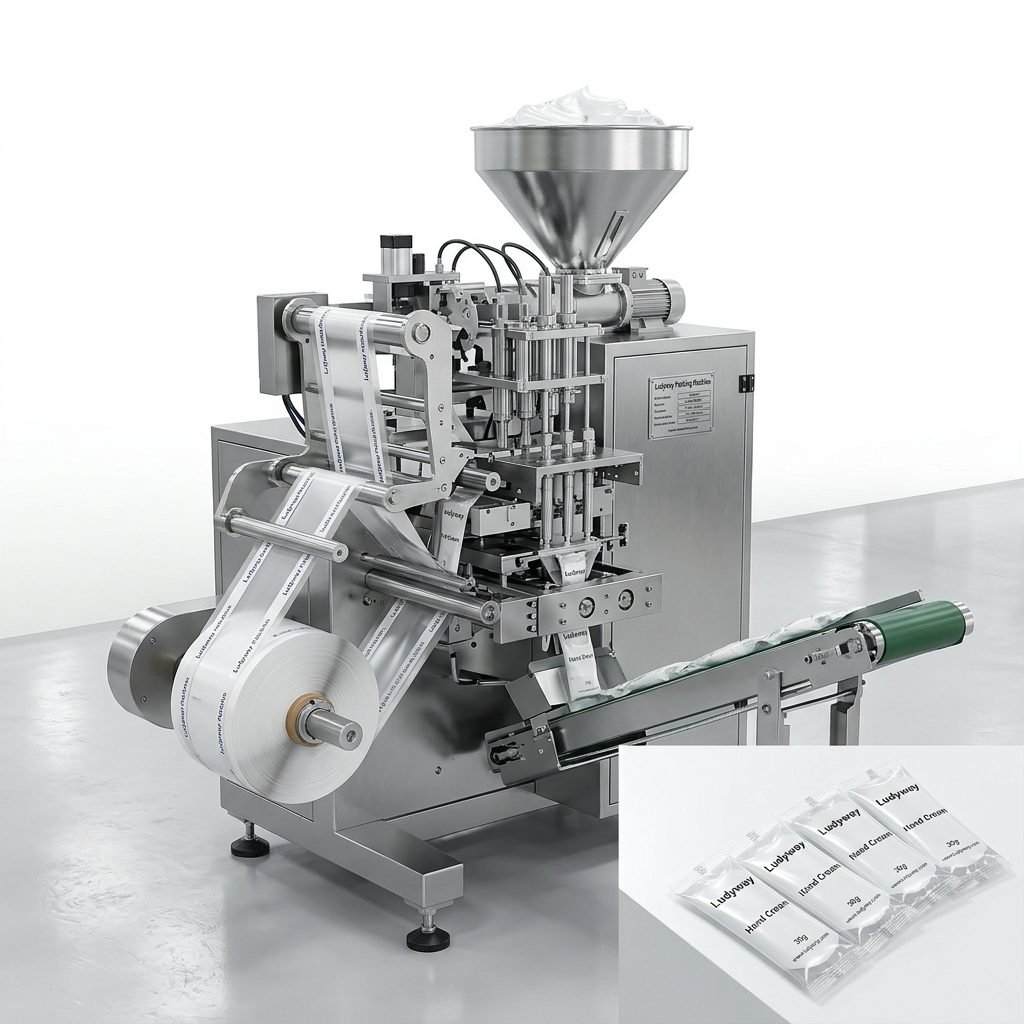
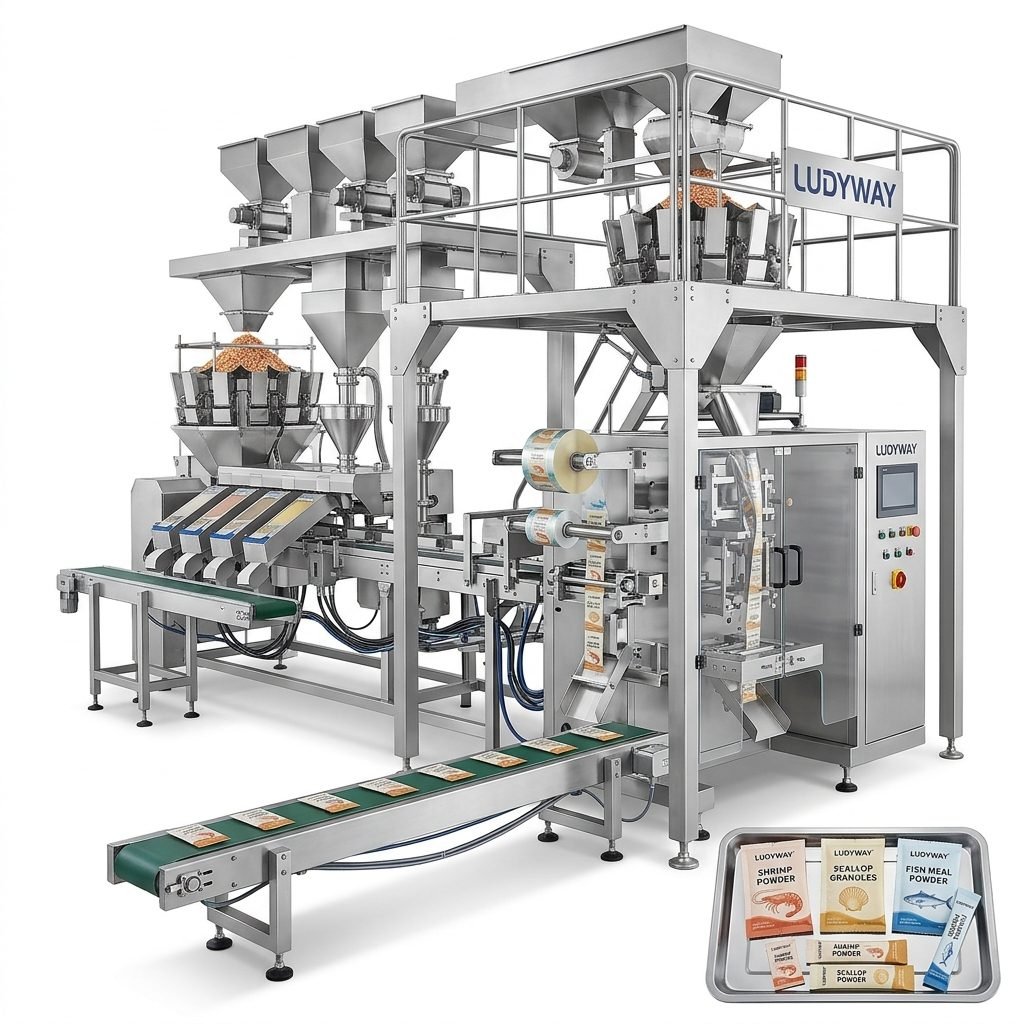
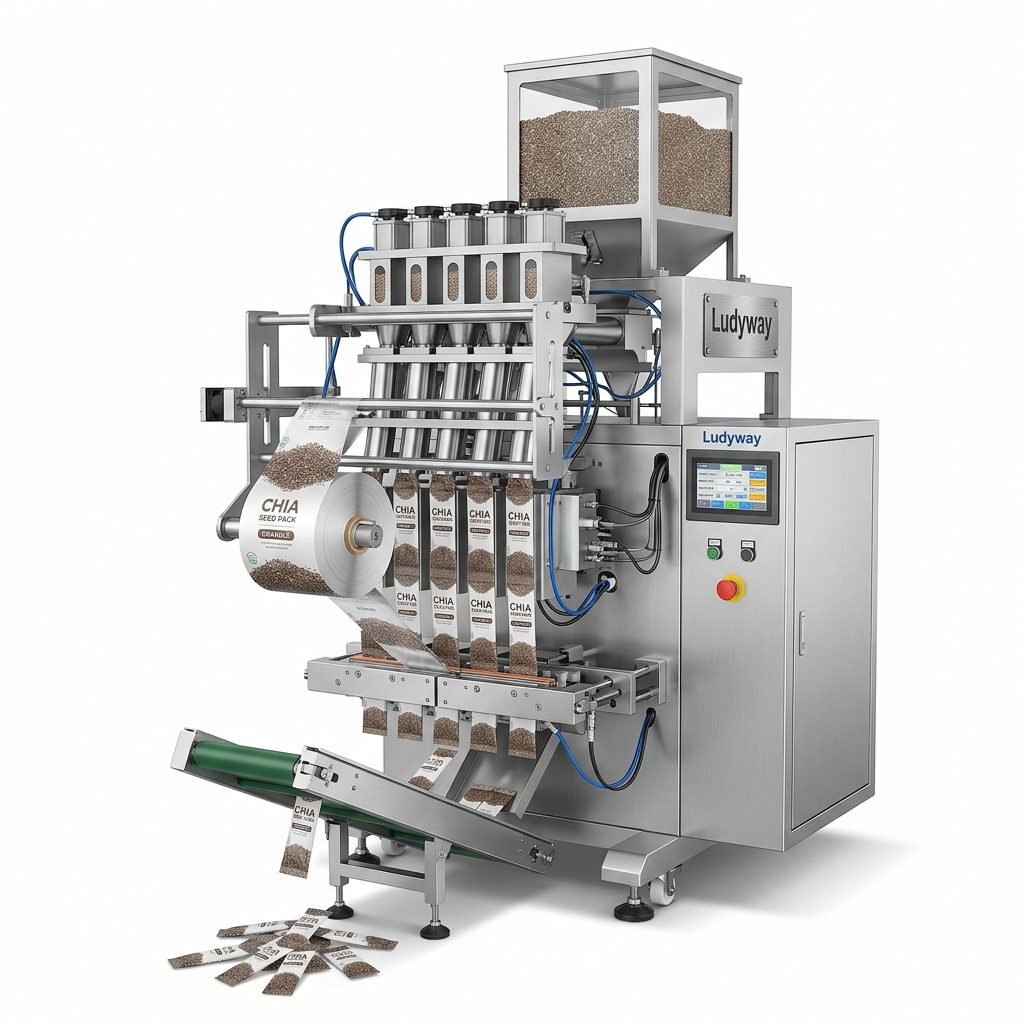
Investing in a form fill packaging machine is a significant step toward automating your production line and increasing output. However, to truly maximize your return on investment and ensure consistent, long-term performance, a proactive maintenance strategy is not just recommended—it is essential. Neglecting routine care can lead to unplanned downtime, costly repairs, and compromised seal integrity, directly impacting your bottom line. This guide provides a practical framework to help you maintain your equipment, drawing on best practices observed across the industry.
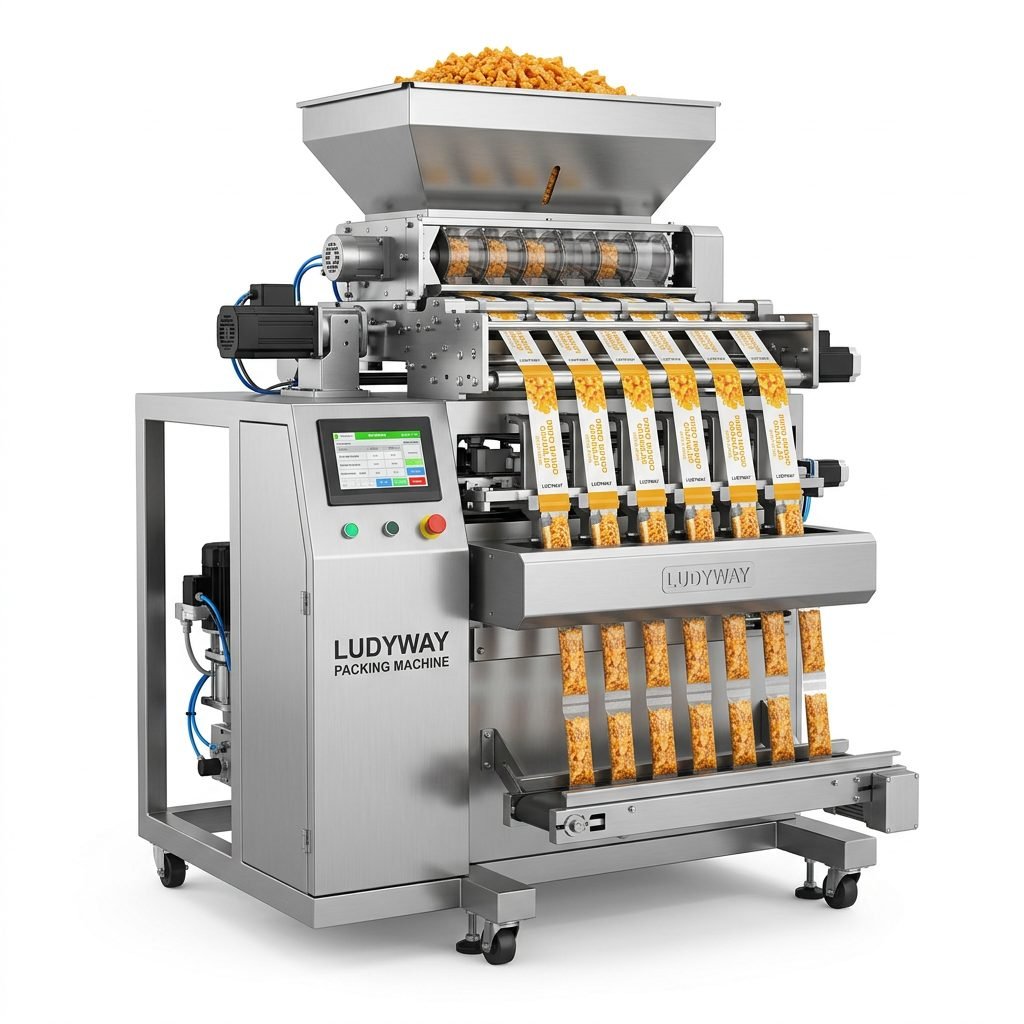
The Critical Role of Daily and Weekly Cleaning
The foundation of any successful maintenance plan is rigorous cleanliness. Product residue, dust, and debris are the primary enemies of precision machinery. A daily cleaning routine prevents buildup that can interfere with the machine’s moving parts and sensors.
- Remove product spillage immediately: Granules or powders left to accumulate, especially around the forming tube and sealing jaws, can cause misalignment and film jams. Use authorized cleaning tools and avoid compressed air, which can force debris deeper into sensitive components.
- Clean the film path and forming area: Wipe down the forming shoulder, pull belts, and any surfaces that contact the packaging film. Static build-up can attract dust, so using appropriate anti-static cleaners is beneficial.
- Inspect and wipe photoelectric sensors: The mark registration sensor is crucial for accurate bag length and print positioning. A simple wipe with a lint-free cloth can prevent misfeeds and wasted material.
Implementing a Structured Preventive Maintenance Schedule
Beyond daily cleaning, a structured preventive maintenance program based on the manufacturer’s guidelines is vital. This schedule should be broken down into weekly, monthly, and quarterly tasks. Companies like Ludyway, a leading packaging machine manufacturer in China, provide detailed manuals with every system, outlining specific service intervals for their advanced packaging equipment.
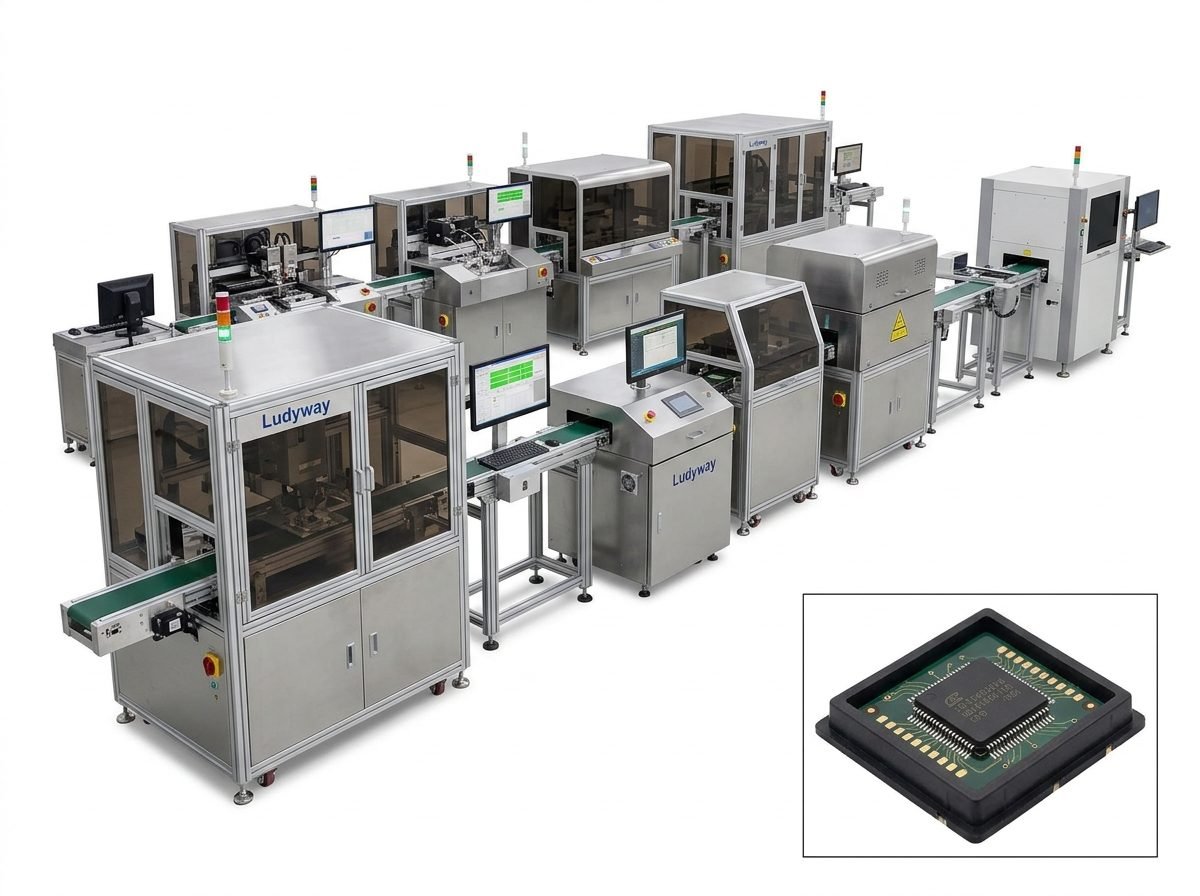
Weekly Inspection Points
A weekly walkthrough targets components under constant motion and wear. This deeper look can catch issues before they escalate.
- Examine sealing jaws and cutting knives: Check for wear, Teflon tape degradation, and alignment. Replacing worn sealing elements on schedule is far cheaper than dealing with leakers returned by customers.
- Verify temperature control accuracy: Use a separate thermometer to cross-reference the controller’s reading against the actual jaw temperature. Inconsistent heat is a leading cause of weak or burned seals.
- Check all safety guards and emergency stops: The safety of your operators is paramount. Test every interlock switch and E-stop button to ensure the machine cannot operate when guards are open.
Monthly Mechanical Attention
Monthly tasks involve lubrication and a closer look at wear parts to ensure smooth mechanical operation.
| Maintenance Zone | Component | Action Required |
|---|---|---|
| Transmission System | Bearings and Drive Chains | Clean and apply food-grade lubricant |
| Pneumatic System | Air Filters and Regulators | Drain water traps and clean filter bowls |
| Sealing Quality | Pressure Springs and Cylinders | Check tension and smooth operation |
Primer on Lubrication: The Right Type and Method
Lubrication is a nuanced task. Using the incorrect lubricant can degrade seals and plastics, or even contaminate your product. Always consult the equipment manual for specifications. Key points include using only food-grade H1 lubricants for any application with potential incidental food contact, avoiding over-lubrication which attracts dust, and maintaining a strict lubrication log that records the date, points serviced, and type of lubricant used.
Quarterly and Annual Deep Dives
Longer intervals allow for more significant, time-intensive tasks that require a higher level of technical knowledge.
- Electrical cabinet maintenance: Check for loose wiring, overheating signs, and clean any dust from PLCs and VFDs. Thermal expansion and contraction can loosen terminals over time.
- Film tracking and tension recalibration: Over months, sensors can drift. Recalibrate the film tension control system and verify the tracking alignment to ensure the film runs true through the forming collar.
- Replace predictive wear items: Serpentine belts, specific O-rings, and sealing jaw insulation kits have a defined service life. An annual replacement cycle during planned shutdowns prevents reactive emergencies.
Leveraging Technology and Professional Support
Modern form fill seal machines collect valuable data. Supervisory Control and Data Acquisition (SCADA) systems can track cycle rates, downtime causes, and temperature fluctuations. Analyzing this data pinpoints recurring problems, such as a specific product causing frequent jaw jams, moving your strategy from reactive to proactive.

Furthermore, schedule periodic audits. A strong partnership for packaging machine support brings an external expert who can spot subtle inefficiencies or developing failures that an in-house team might miss. Following standards like ISO 11607 for terminally sterilized medical devices provides a benchmark for validation that can be adapted even for non-medical packaging lines. For operations turning to fully integrated systems, evaluating complete turnkey packaging solutions often includes comprehensive service-level agreements that embed this best-practice maintenance directly into your production schedule.
Essential Consumables and Spare Parts Inventory
An unprepared line is a stopped line. Maintaining a strategic inventory of critical spare parts is non-negotiable. The exact parts will depend on your machine model, but the logic remains the same: identify the components that will bring your process to a halt if they fail.
| Part Category | Examples | Inventory Justification |
|---|---|---|
| Sealing Components | Cartridge heaters, thermocouples, Teflon tape and covers | Most common wear items; failure equals lost production. |
| Film Path Spares | Forming tube, pull belts, silicone O-rings | Damage causes tracking errors and scuffed packaging. |
| Sensors & Electronics | Photoelectric eye, proximity switches, fuses | A failed sensor will stop a machine immediately. |
Critical Checks for Consistent Seal Integrity
The quality of your package is the quality of your brand. A systematic approach to seal quality assurance pays dividends in customer trust and product shelf life. Go beyond a simple visual check and implement these destructive testing methods weekly.
Key Seal Testing Procedures
- Dye penetration test: Apply a colored dye to the sealed area of a sample package. Wipe clean and look for any dye that has crept into the seal, exposing channels or voids.
- Burst or peel test: Use a calibrated gauge to measure the force required to rupture the seal. Record these values to track trend changes that indicate adjustable components are drifting.
- Visual micro-inspection: Trim a cross-section of the seal and examine it under a microscope to verify complete material fusion across its width, especially for multi-layer films.

Adapting Your Maintenance for Different Product Types
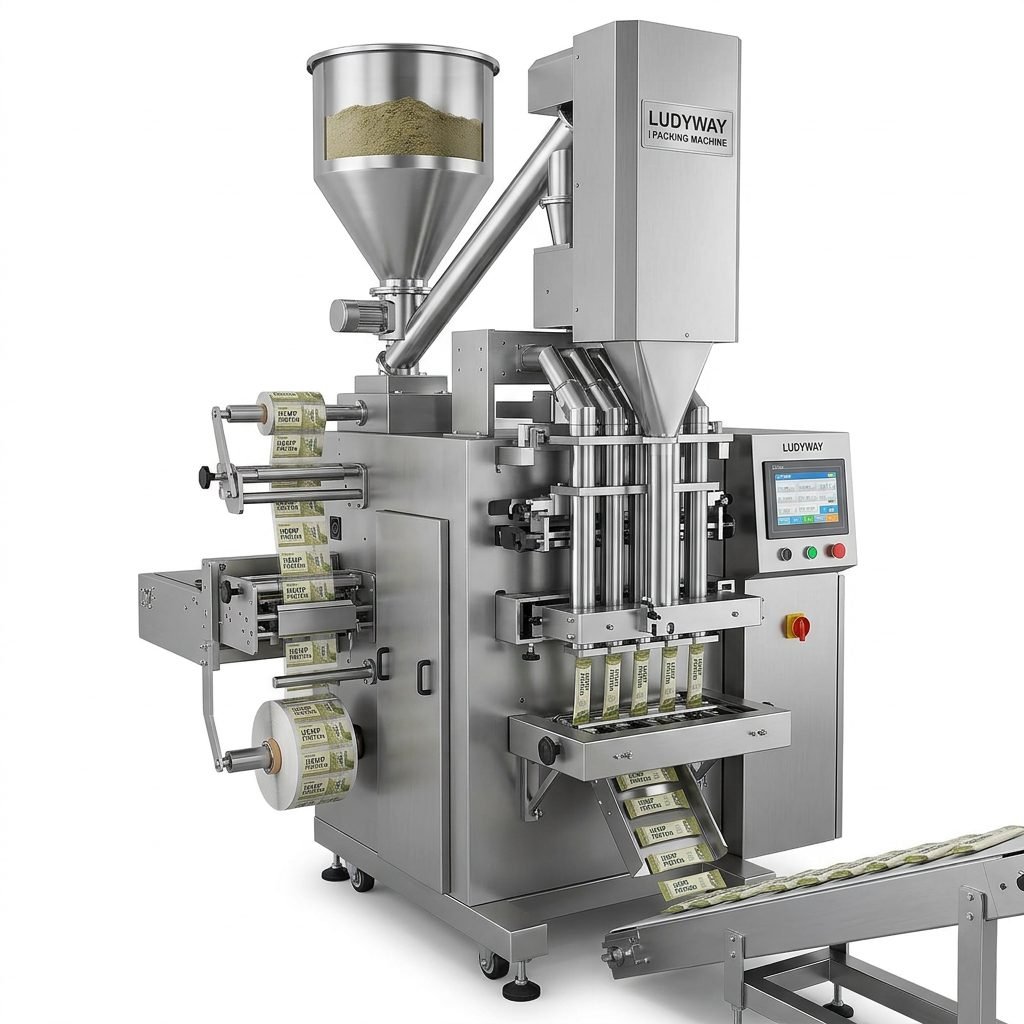
Form fill packaging machines handle everything from fine powders to corrosive liquids, and each presents a unique challenge to the machine’s health. Your maintenance program should actively reflect the product you’re running. A biological food packaging process, for example, puts a premium on a sanitary stainless-steel build to withstand frequent washdowns, requiring daily checks of gaskets to prevent water ingress into bearings and electrical enclosures. In contrast, packaging ultra-fine powders like certain nutritional supplements demands enhanced attention to the dust-proof integrity of the control panel and a proactive schedule for cleaning or replacing breather filters in the cabinet to prevent contamination.
Effective Troubleshooting of Common Issues
Even with flawless maintenance, issues can arise. Knowing how to quickly diagnose and resolve the most common problems is a hallmark of a well-trained team. Often, the fix is an adjustment rather than a parts replacement.
Film Pulling Unilaterally or Wrinkling
If the film is not being pulled evenly, leading to bags forming crookedly, first check for product build-up on the pull rollers preventing a uniform grip. Next, verify the alignment of the forming tube; a slightly skewed shoulder will crease the film before it reaches the vertical seal area. Finally, recalibrate the horizontal registration photocell to ensure it’s accurately reading the black registration mark on the printed film.
Inconsistent Bag Length
This issue can stem from several sources. A slipping film drive belt is the usual suspect; clean and retension it. It can also be caused by a faulty cut-off knife assembly, so inspect for dull blades or debris clearing chutes. If the problem is intermittent, carefully check the reel holder for excessive friction or binding that causes momentary pulling resistance.
For businesses exploring expanded automation capabilities, integrating a fully automated packaging line with remote diagnostic capabilities can provide instant access to manufacturer troubleshooting, turning hours of downtime into a few minutes of guided recalibration. Meeting regulatory packaging standards, such as those monitored by the Flexible Packaging Association, confirms your equipment operates at peak efficiency while maintaining the highest quality output.