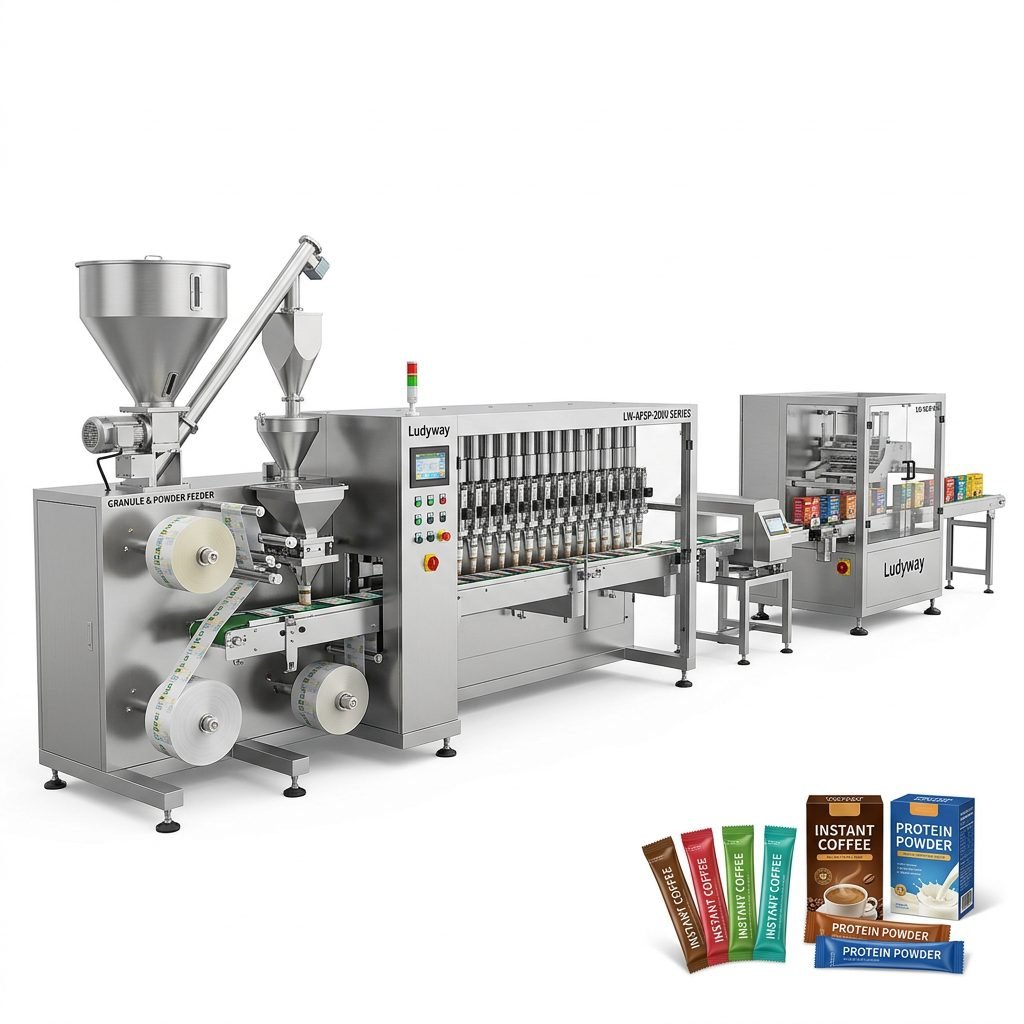
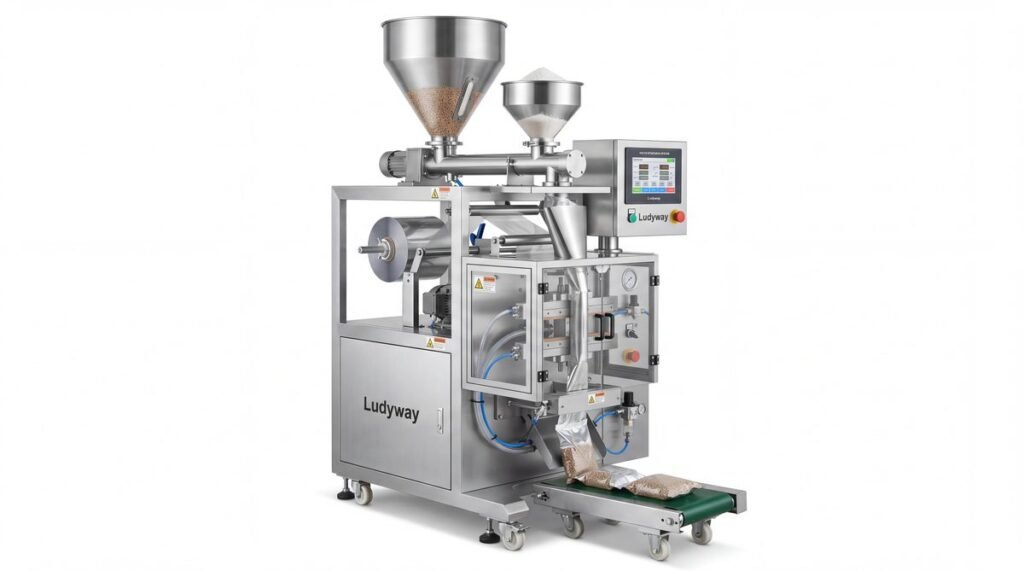
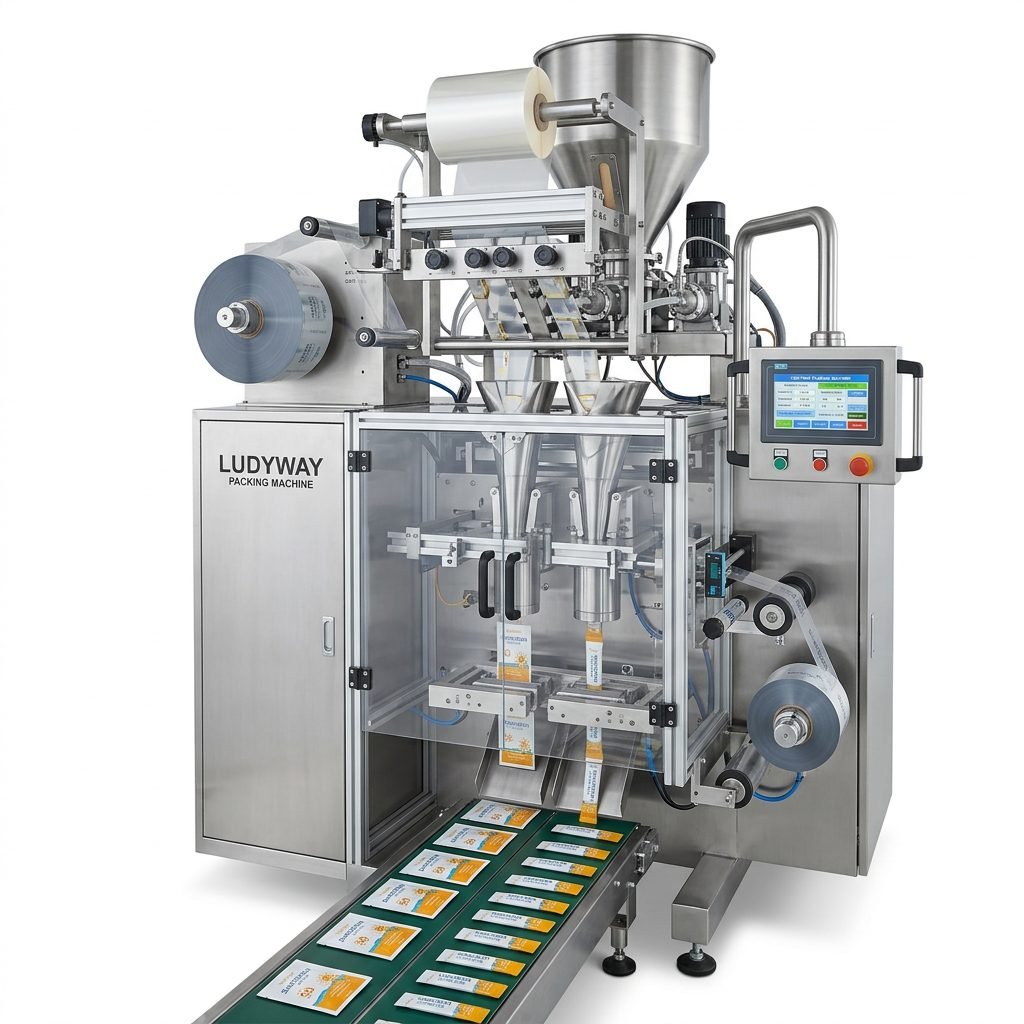
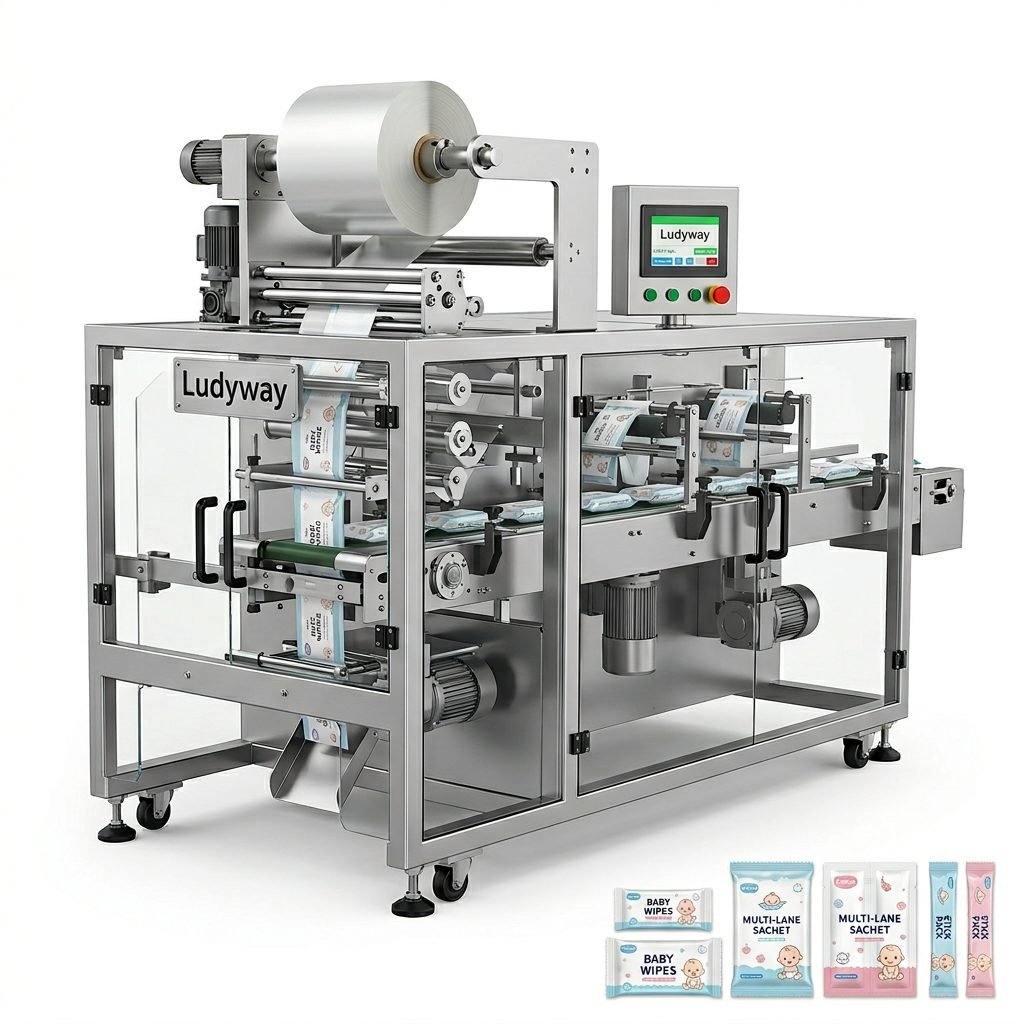
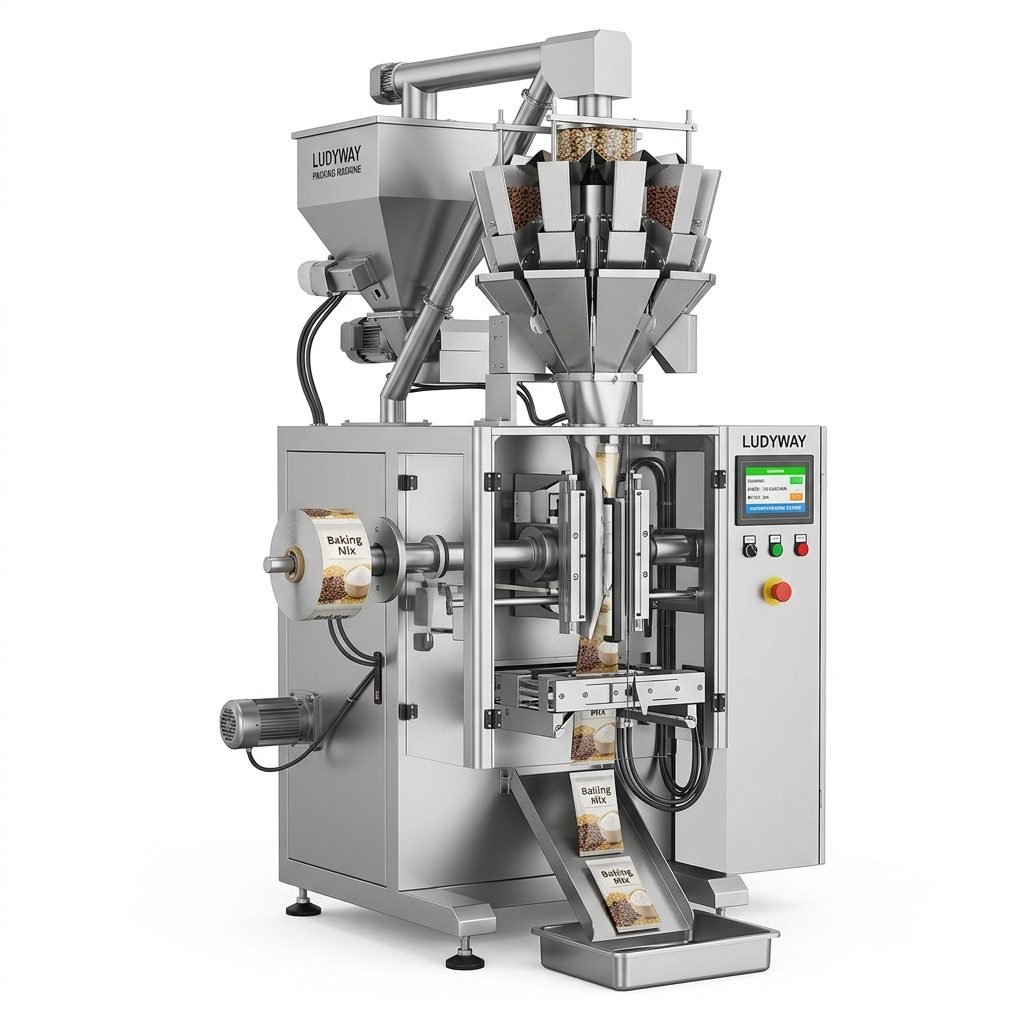
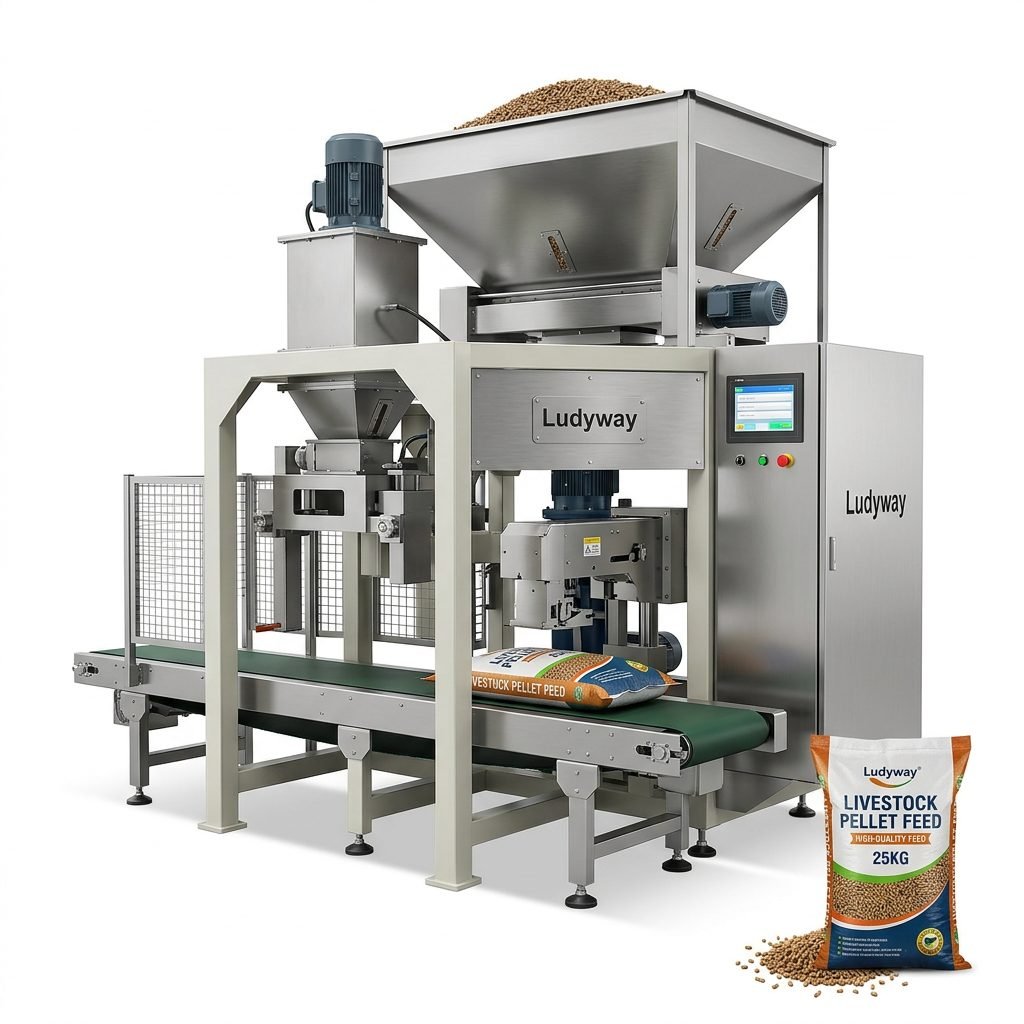
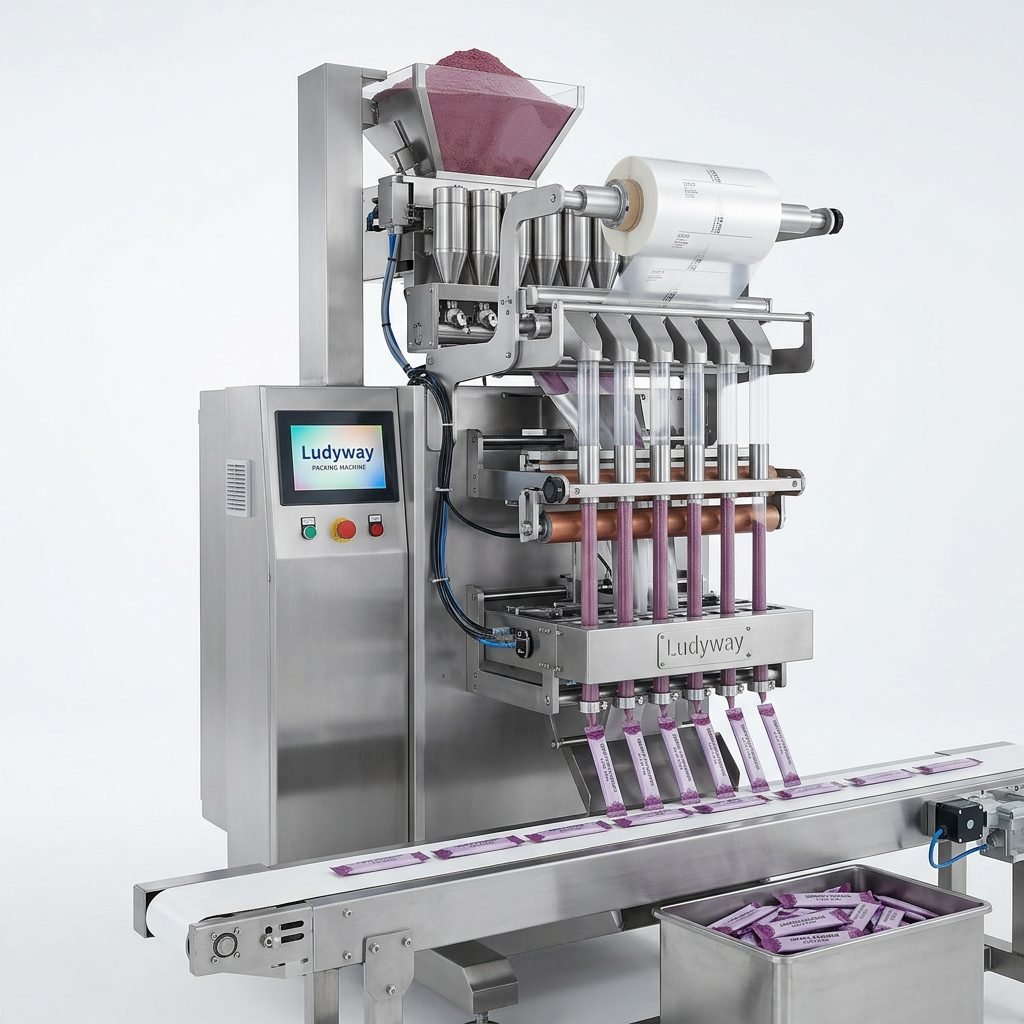
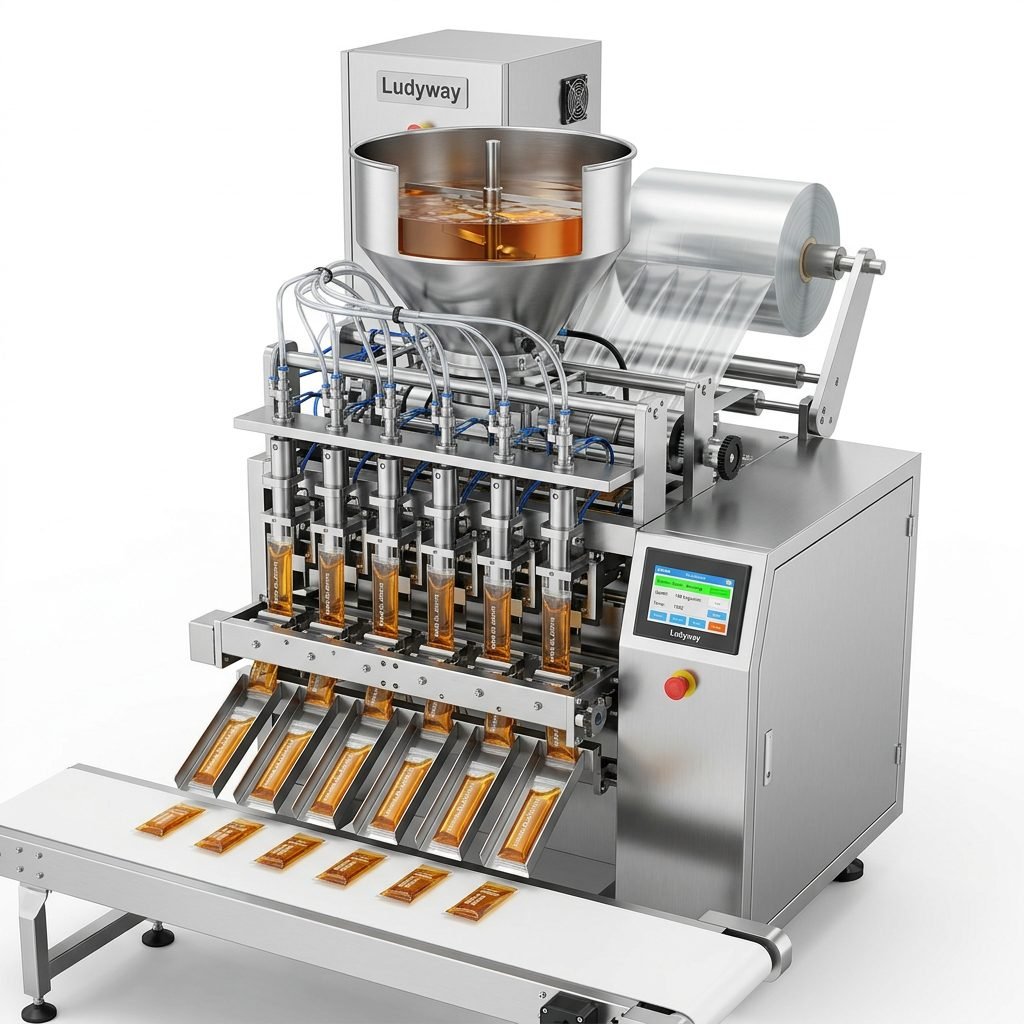
Investing in a premade pouch tea packing machine is a strategic decision for tea producers looking to scale operations, improve packaging consistency, and reduce long-term labor costs. The price of these machines varies significantly based on automation level, production capacity, and technical specifications. Understanding the cost structure helps you budget effectively and choose equipment that delivers the best return on investment for your tea packaging line.

Key Factors That Influence the Cost of a Tea Pouch Packing Machine
The final price of a premade pouch tea packing machine depends on multiple variables. Before requesting a quote, it is essential to understand what drives equipment costs so you can align your investment with production goals.
Automation Level and Machine Type
Semi-automatic machines require manual pouch loading and are generally the most affordable option, suitable for startups and small-scale tea brands. Fully automatic premade pouch systems handle pouch feeding, opening, filling, and sealing without operator intervention, commanding a higher price due to increased throughput and labor savings. According to industry data from the Packaging Machinery Market Research, automated packaging solutions can reduce operational costs by up to 35% over manual alternatives.
- Semi-automatic models: Lower upfront cost, ideal for production volumes under 2,000 pouches per day
- Fully automatic inline systems: Higher investment, capable of 10,000-30,000+ pouches per day
- Multi-lane configurations: Premium pricing but significantly higher output for large-scale tea producers
Filling Technology and Precision
Tea products come in various forms—loose leaf, granulated, powdered, and blended mixes. Each requires specific filling mechanisms. Auger fillers for powdered tea, volumetric cup fillers for granulated blends, and multi-head weighers for premium loose leaf teas all affect the overall cost. Machines equipped with high-precision flexible packaging dosing systems generally carry a higher price tag but deliver superior accuracy and reduced product giveaway.
Pouch Size Range and Changeover Flexibility
Machines designed to handle a broader range of pouch dimensions—from small sample sachets to larger retail pouches—typically cost more. Quick-change features that allow operators to switch between pouch sizes in minutes rather than hours add value but increase the initial purchase price. For tea brands offering multiple SKU formats, this flexibility is often worth the additional investment.
Premade Pouch Tea Packing Machine Price Ranges
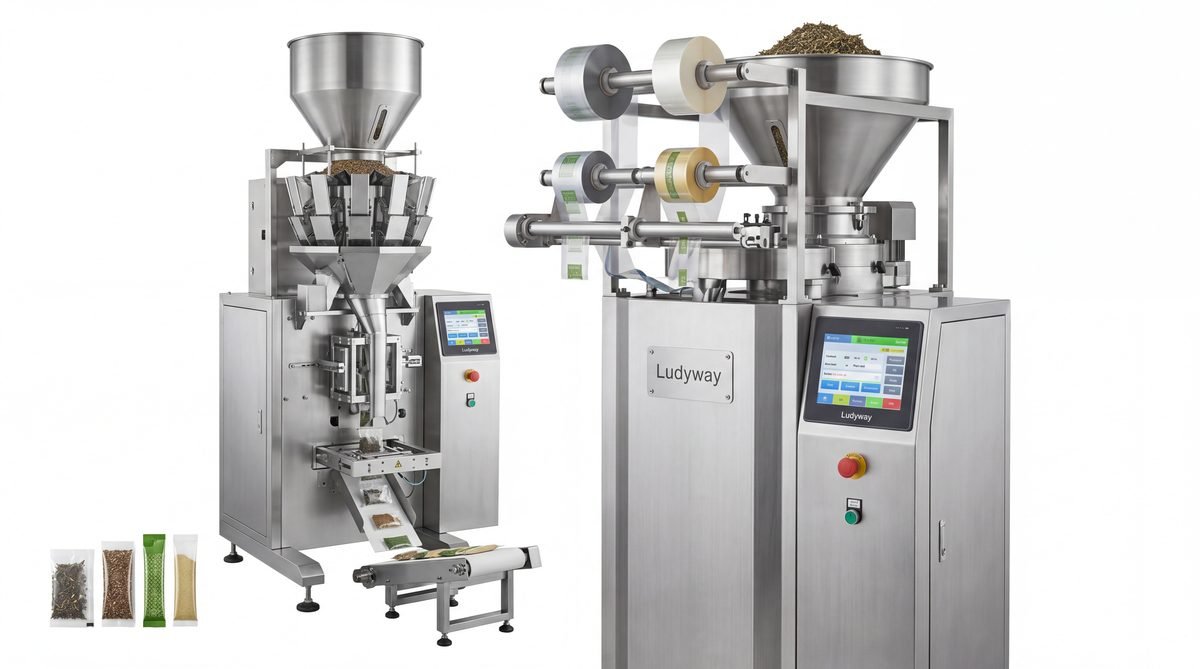
While exact pricing depends on customized configurations, the following table provides a general overview of what tea producers can expect at different levels of investment. These figures reflect industry averages and may vary based on manufacturer, region, and optional add-ons such as nitrogen flushing systems or date coding printers.
| Machine Category | Estimated Price Range (USD) | Best Suited For |
|---|---|---|
| Entry-Level Semi-Automatic | $8,000 – $18,000 | Small tea brands, startups, artisan producers |
| Mid-Range Automatic (Single-Lane) | $20,000 – $50,000 | Growing tea businesses, medium-volume production |
| High-Speed Fully Automatic | $55,000 – $120,000 | Established tea manufacturers, contract packers |
| Multi-Lane High-Capacity Systems | $130,000 – $300,000+ | Large-scale industrial tea production, export-oriented operations |
Additional Cost Considerations
Beyond the base machine price, tea producers should budget for ancillary equipment and services. Air compressors, conveyor systems, inspection equipment, and installation and training can add 15% to 30% to the total project cost. Shipping, import duties, and ongoing maintenance agreements should also factor into the total cost of ownership. Refer to PMMI State of the Industry Reports for broader packaging equipment investment trends.
Comparing Premade Pouch Machines vs. Vertical Form-Fill-Seal Systems
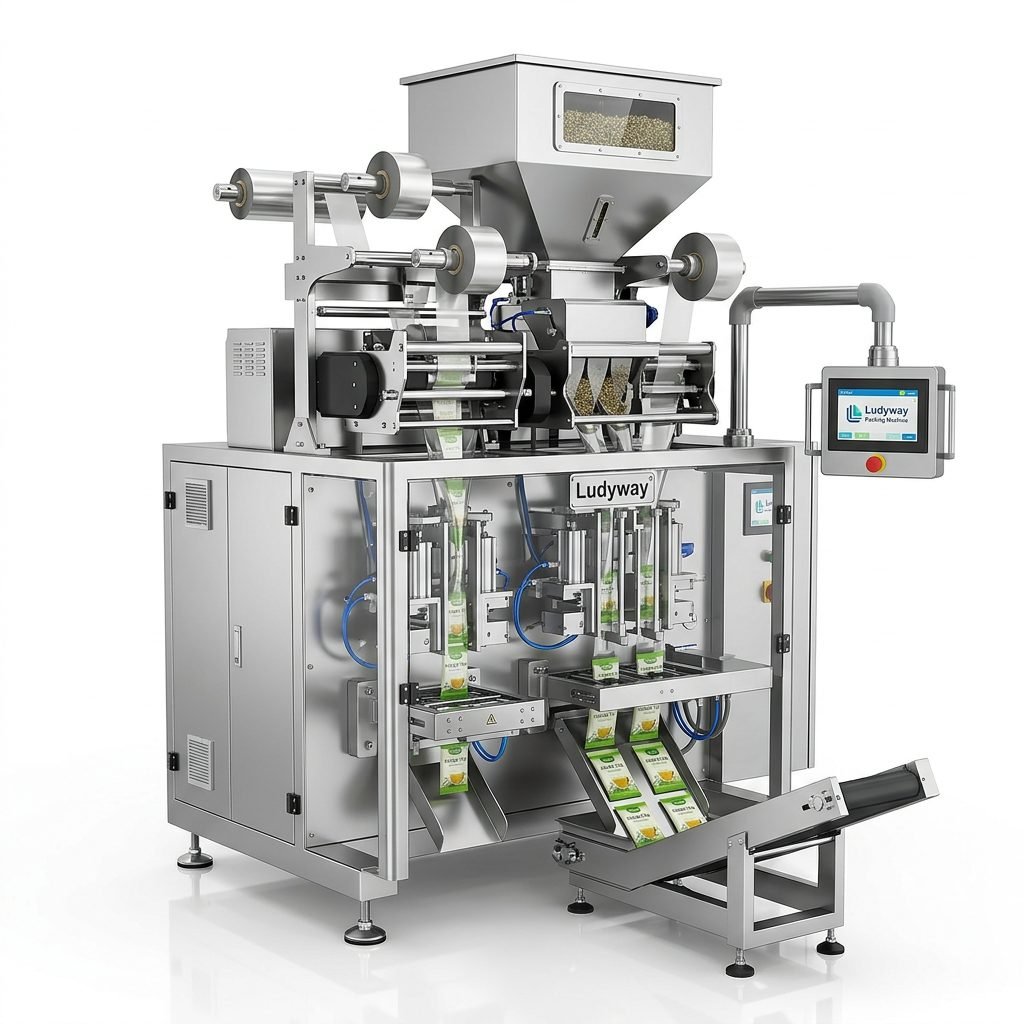
Tea producers often weigh the choice between a premade pouch packing machine and a vertical form-fill-seal (VFFS) system. Premade pouch machines offer superior pouch presentation, higher seal integrity for premium branding, and greater flexibility with pre-printed pouches that enhance shelf appeal. VFFS systems typically have a lower per-pouch material cost but may not match the premium look that tea consumers expect. The choice directly impacts your equipment budget and should align with your brand positioning.
When a Premade Pouch Machine Makes Financial Sense
- Your tea brand uses high-quality pre-printed pouches with zipper closures or tear notches
- You require GMP-compliant packaging for organic or specialty tea certifications
- Production runs include multiple pouch sizes or frequent changeovers between tea varieties
- Retail presentation and shelf differentiation are critical to your marketing strategy
Selecting the Right Equipment for Your Tea Business
Choosing the ideal tea pouch packaging machine requires evaluating your current and projected production volumes, pouch specifications, and facility constraints. A thorough needs assessment helps avoid underinvesting in equipment that quickly becomes a bottleneck—or overspending on features your operation does not yet require.
Questions to Ask Before Purchasing
- What is your target output in pouches per minute or day?
- Will you package loose leaf, powdered tea, or blended granule mixes?
- What pouch sizes and materials do you plan to use?
- Do you need gas flushing for extended shelf life?
- Is integration with existing cartoning and case packing systems required?
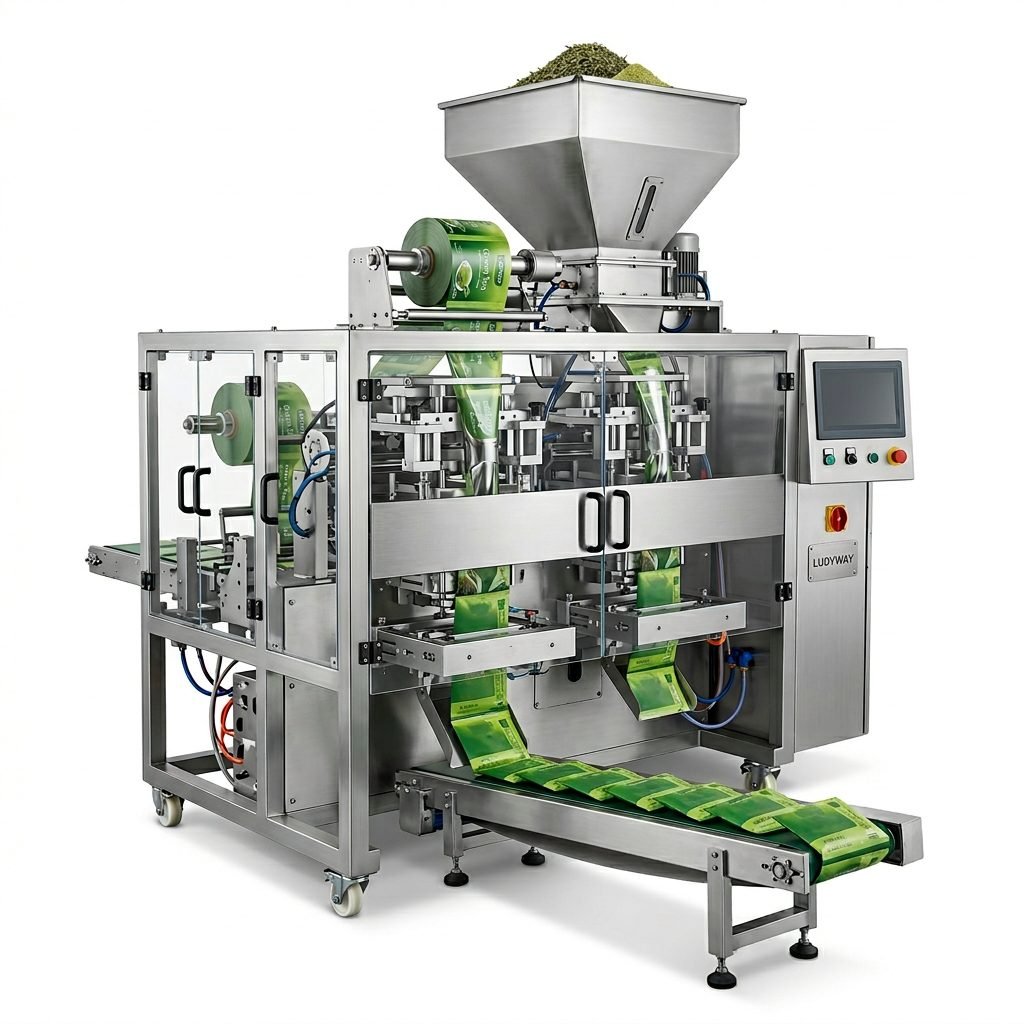
One notable manufacturer in this space is Ludyway, a China-based packaging machinery company with over 30 years of industry expertise and a modern 20,000㎡ manufacturing facility. The company offers a broad range of intelligent packaging systems suitable for tea, food, and pharmaceutical applications, serving customers in more than 100 countries worldwide.

Industry Standards and Compliance Considerations
Tea packaging equipment must meet applicable food safety and quality standards. Machines constructed with stainless steel contact parts, validated cleaning procedures, and compliance with FDA food packaging regulations provide assurance that your packaged tea meets both regulatory requirements and consumer expectations. Investing in certified equipment from the outset helps avoid costly retrofits and compliance delays.
Material Compatibility and Pouch Quality
The machine’s ability to handle various pouch materials—including foil laminates, kraft paper, and biodegradable films—is essential for tea brands committed to sustainability. Premium machines offer adjustable heat sealing parameters, ensuring consistent seal integrity across different material types without damaging delicate tea products inside the pouch.
Return on Investment and Long-Term Value
While the upfront cost of a premade pouch tea packing machine can be substantial, the long-term financial benefits often justify the investment. Automated packaging reduces labor dependency, minimizes product waste through precise filling, and increases throughput—allowing tea businesses to fulfill larger orders and expand into new markets. Many operations report achieving full ROI within 12 to 24 months after transitioning from manual or semi-automatic processes.
For businesses evaluating their options, consulting with experienced packaging machinery providers and reviewing flexible packaging industry resources can provide valuable context on equipment trends, material innovations, and best practices that influence both machine selection and overall packaging strategy. Taking the time to research thoroughly ensures that your investment in tea packaging automation delivers measurable results for years to come.