Selecting the right ice pop packaging machine is a critical decision that directly impacts your production efficiency, product shelf life, and bottom line. Whether you are freezing simple water-based tubes or producing creamy, juice-filled novelties, the flexibility and precision of your packaging line matter. This guide walks you through the key technical, operational, and strategic factors to consider before making an investment.
1. Understanding Your Product and Production Goals
Before analyzing machine specifications, you must define exactly what you are packaging. Ice pops come in various forms: liquid-filled sachets ready for freezing, pre-frozen solid sticks, or even multi-compartment pouches. The viscosity, temperature, and particulate content of your product will dictate the filling system required.
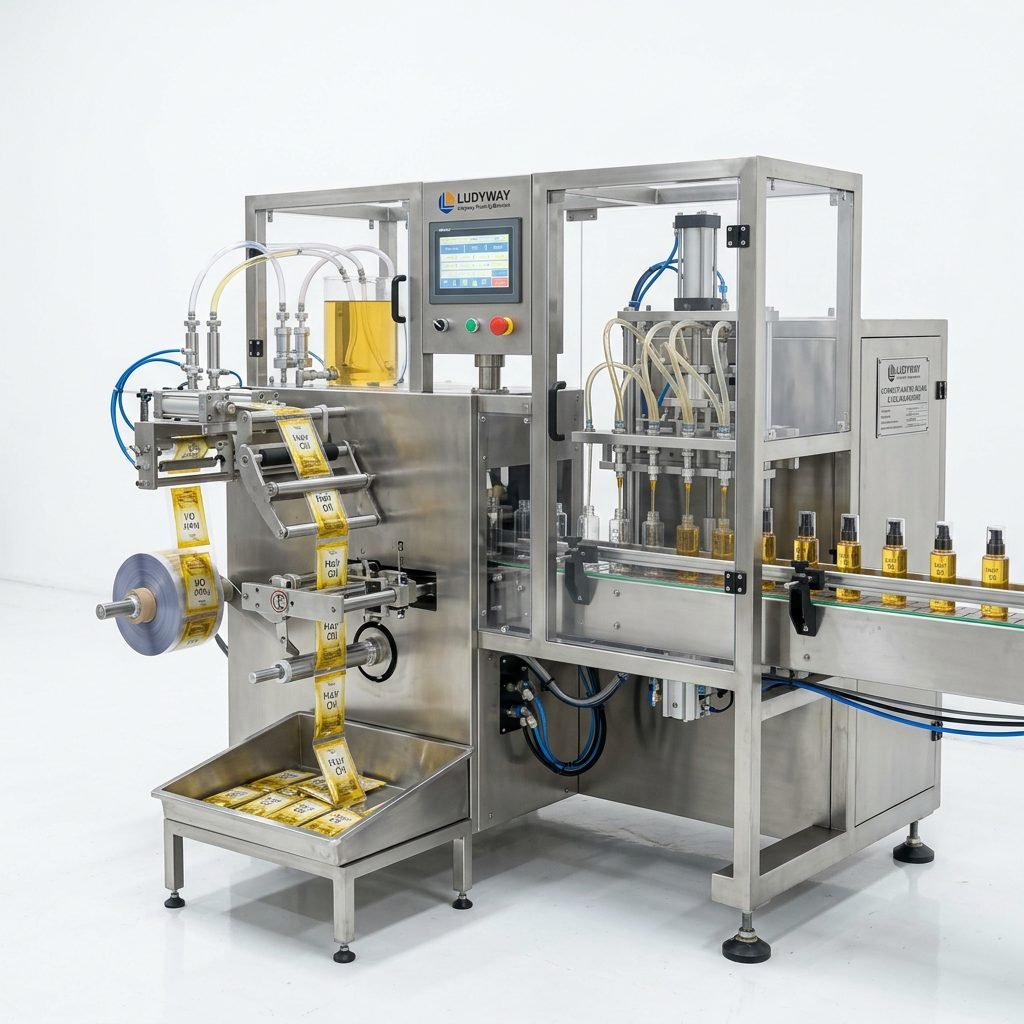
- Frozen State vs. Liquid State: Are you packaging the product as a ready-to-freeze liquid (freeze-pop format) or sealing a pre-formed frozen solid? Liquid filling requires robust pump systems resistant to sugar crystallization.
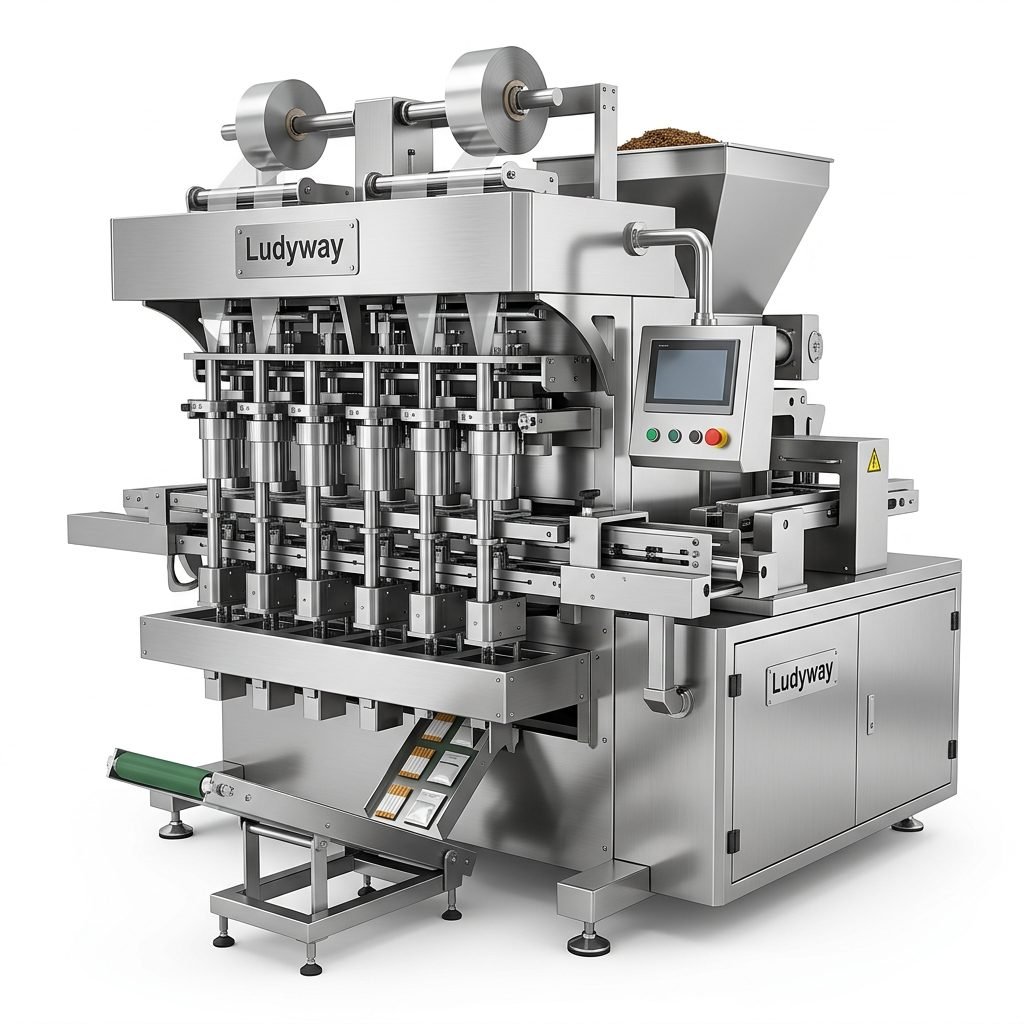
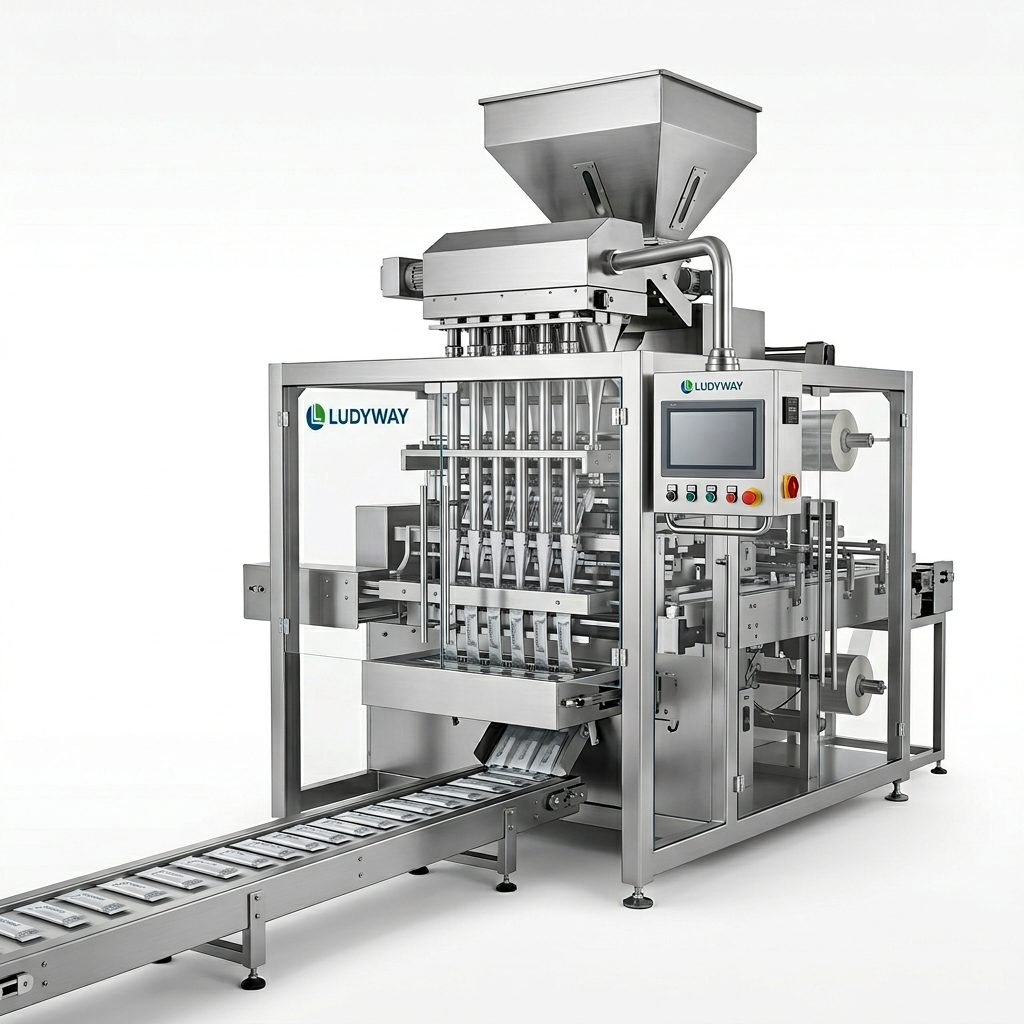
- Output Requirements: Startups may only need 60 packs per minute, while large-scale distributors require high-speed multi-lane machines capable of producing over 400 packs per minute.
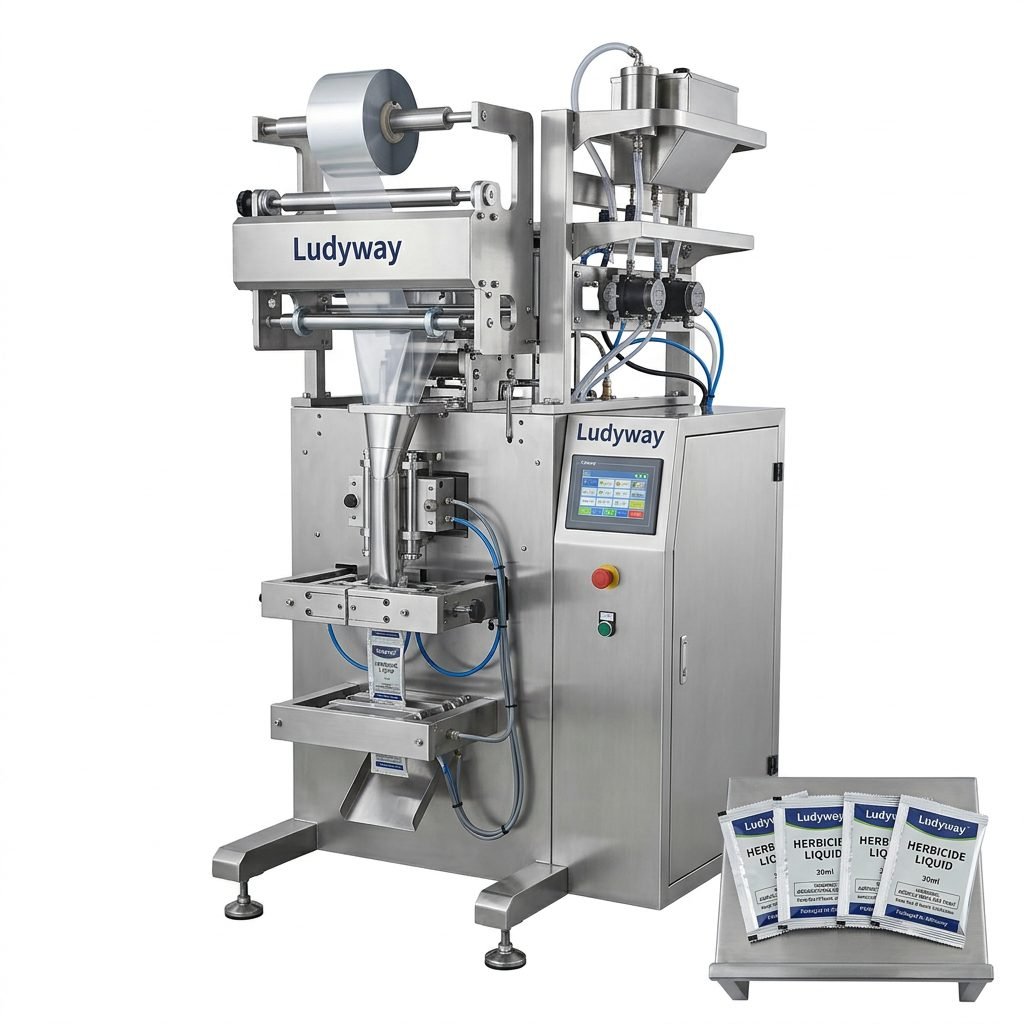
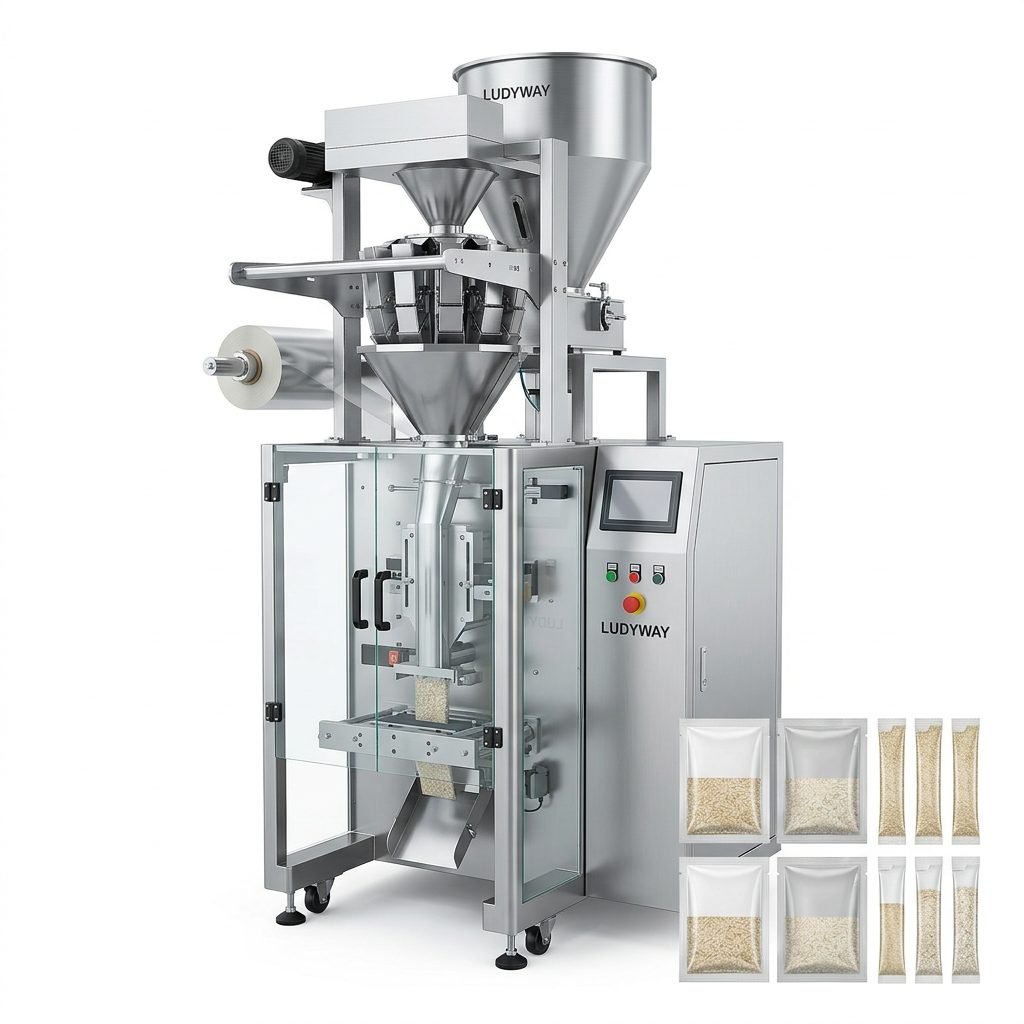
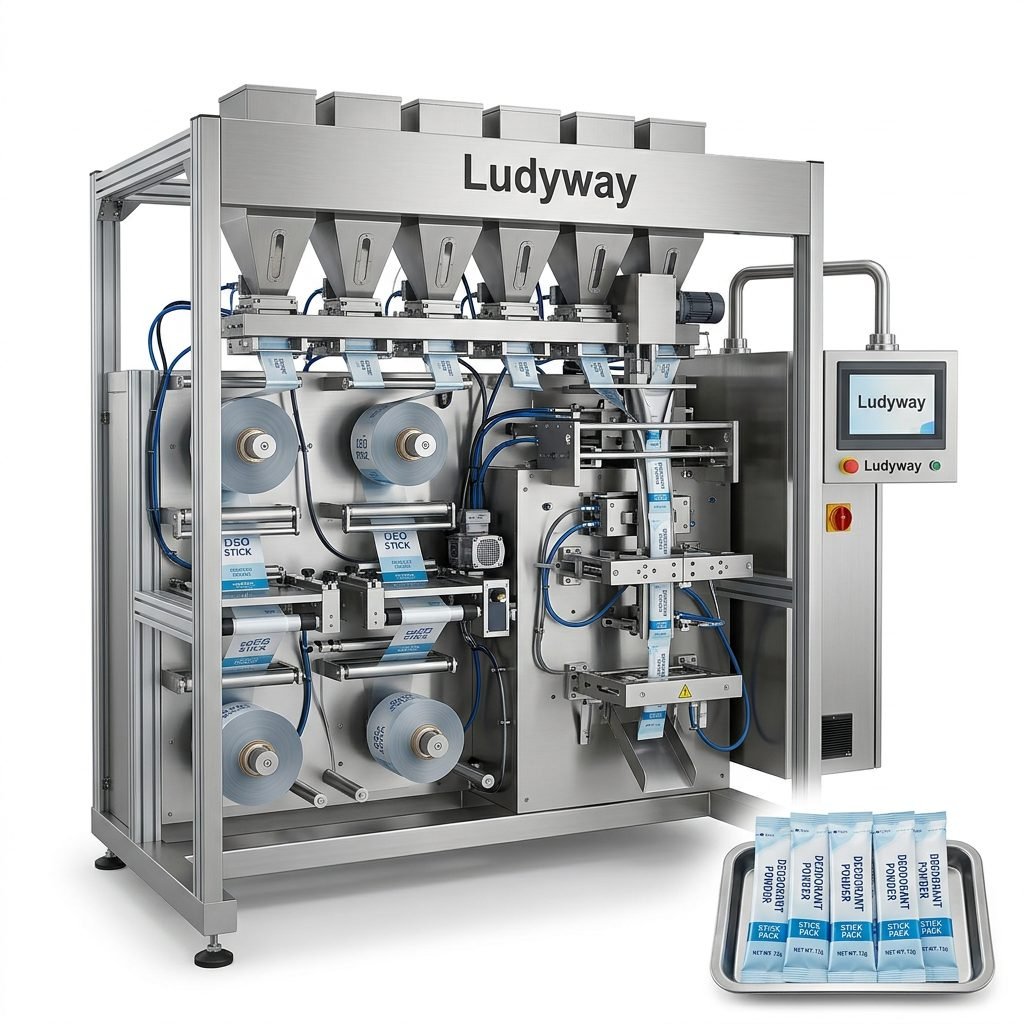
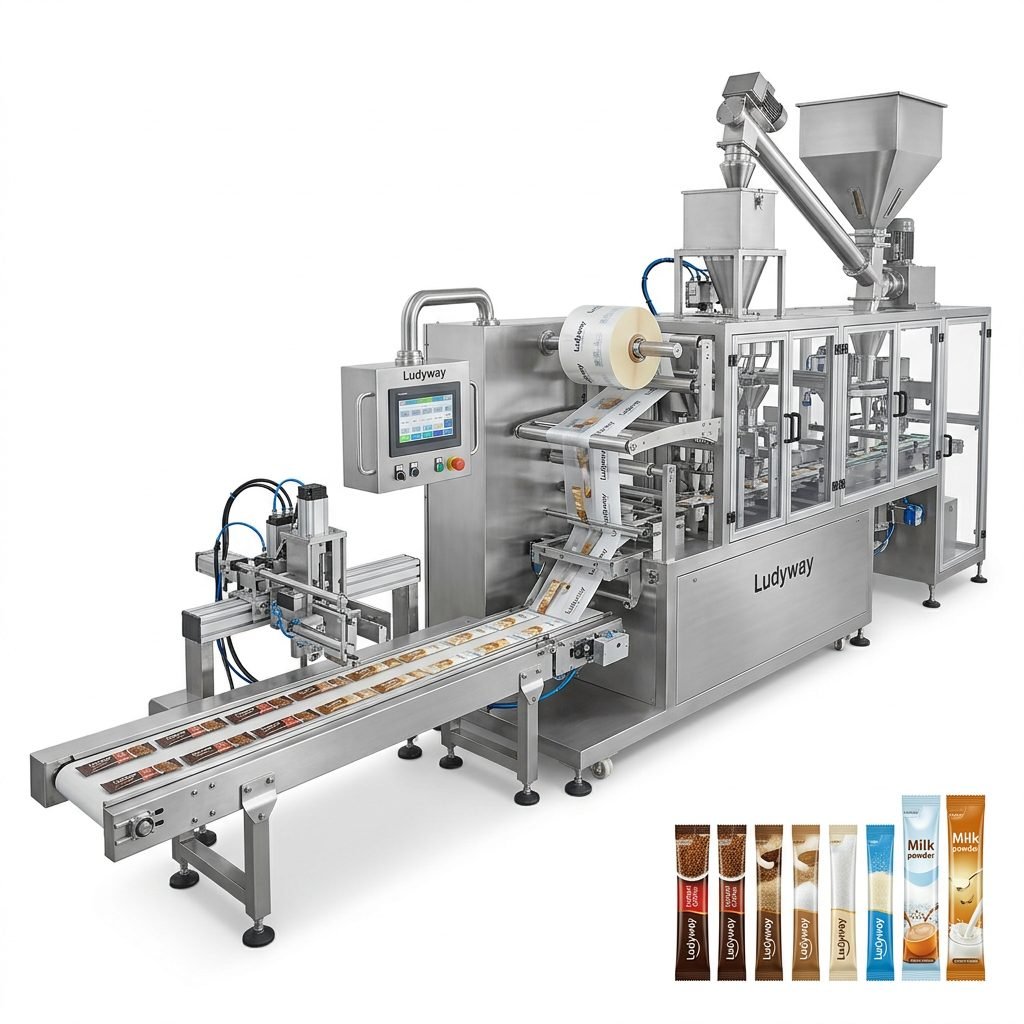
- Packaging Format: Ice pops are commonly packaged in vertical form-fill-seal (VFFS) stick packs, sachets, or stand-up pouches with a tear notch.
2. Key Machine Configurations and Features
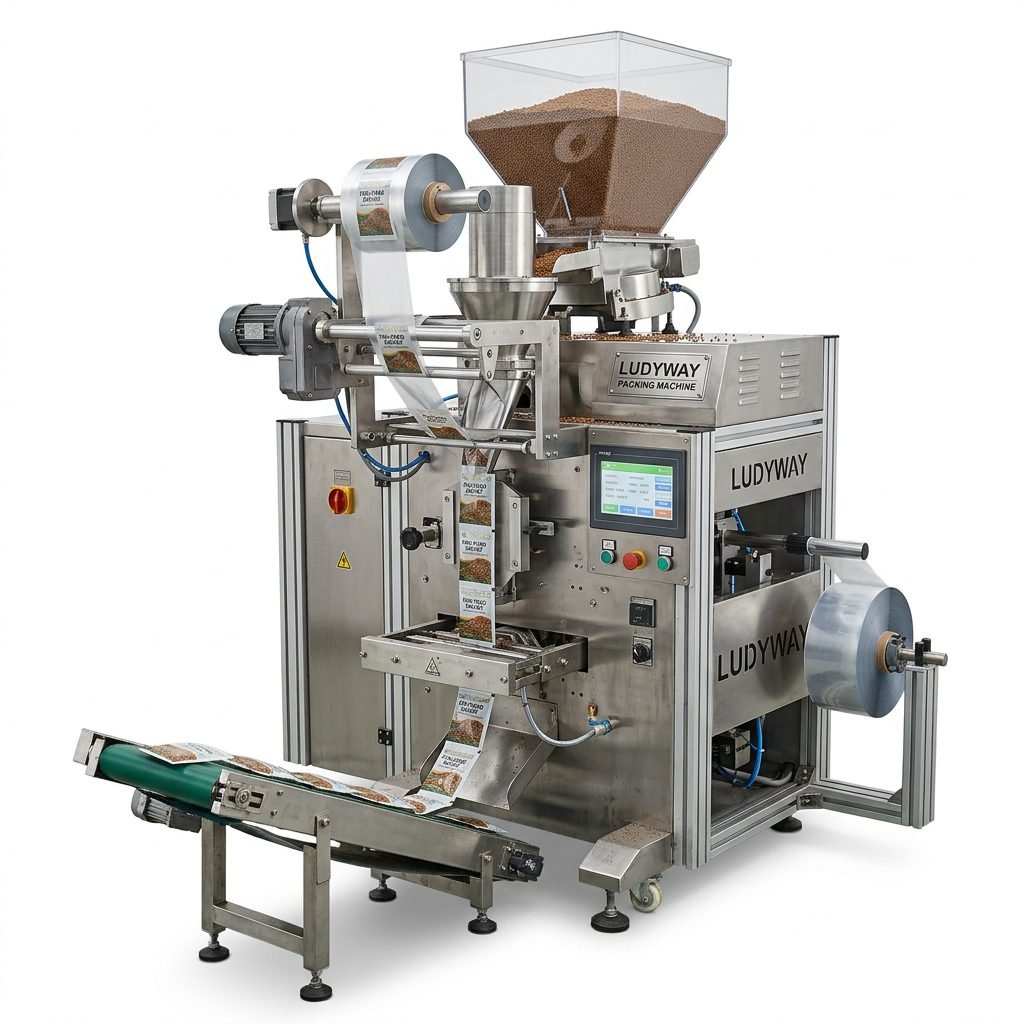
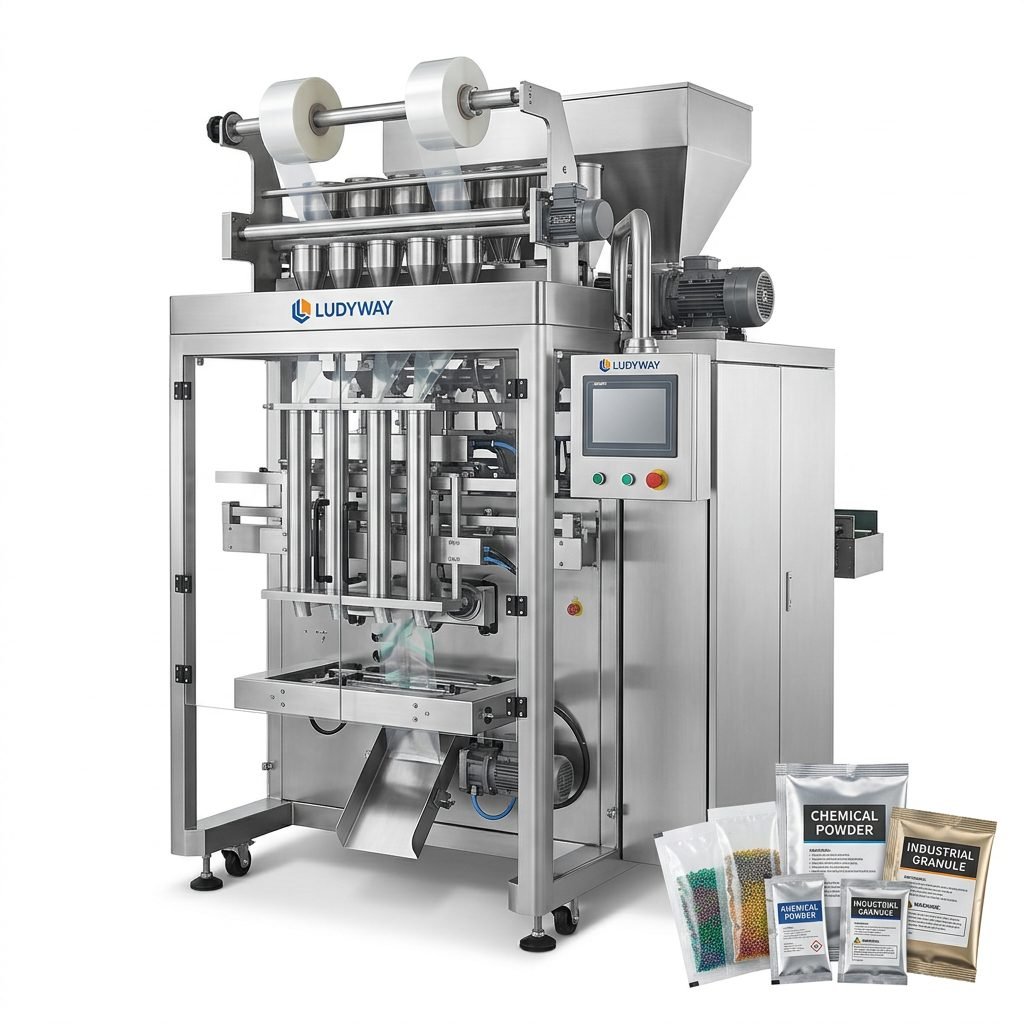
The architecture of your packaging machine determines its versatility. For ice pop applications, multi-lane stick pack machines are often the industry standard due to their high-speed output and precise portion control.
Critical Technical Specifications
| Feature | Why It Matters for Ice Pops |
|---|---|
| Filling Accuracy | Prevents overfilling (waste) and underfilling (quality complaints). Look for piston fillers or magnetic flow meters for ±0.5% accuracy. |
| Sealing Integrity | Leaking seals are catastrophic for frozen foods. Machines require adjustable temperature controls to handle laminated films without warping. |
| Easy-Clean Design | Sugar-based liquids breed bacteria quickly. CIP (Clean-in-Place) compatibility and stainless steel construction are non-negotiable for food safety. |
| Film Compatibility | Ice pops require puncture-resistant, moisture-barrier films. Ensure the machine runs composite materials or single-layer PE effectively. |
3. The Importance of Automation and Turnkey Integration
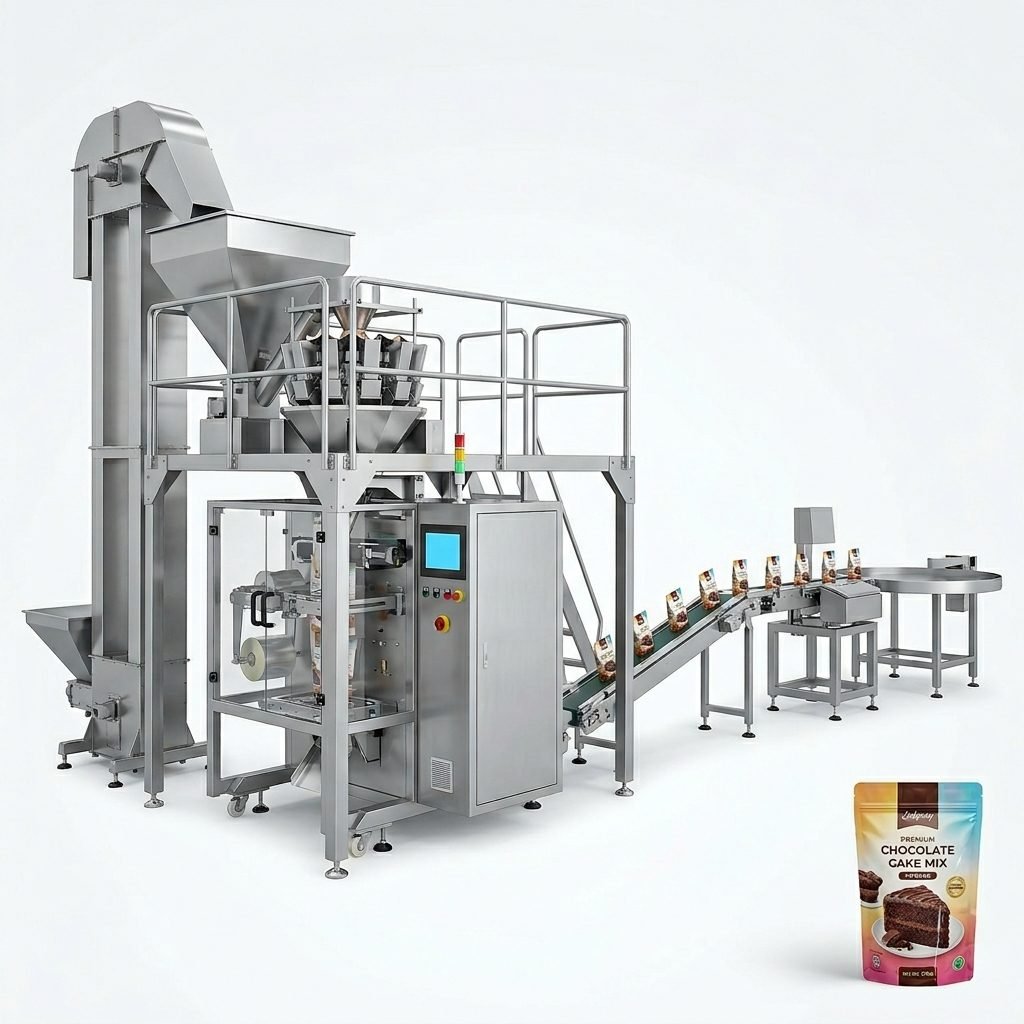
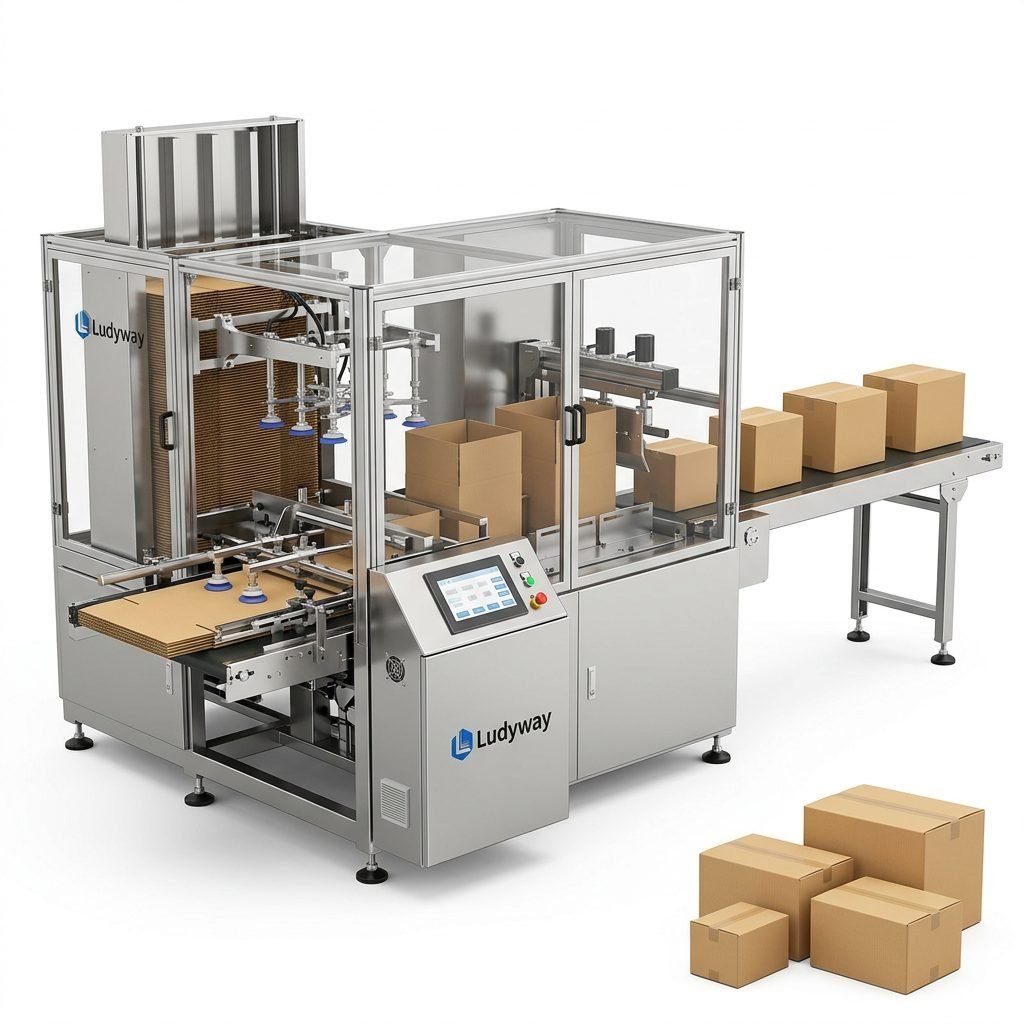
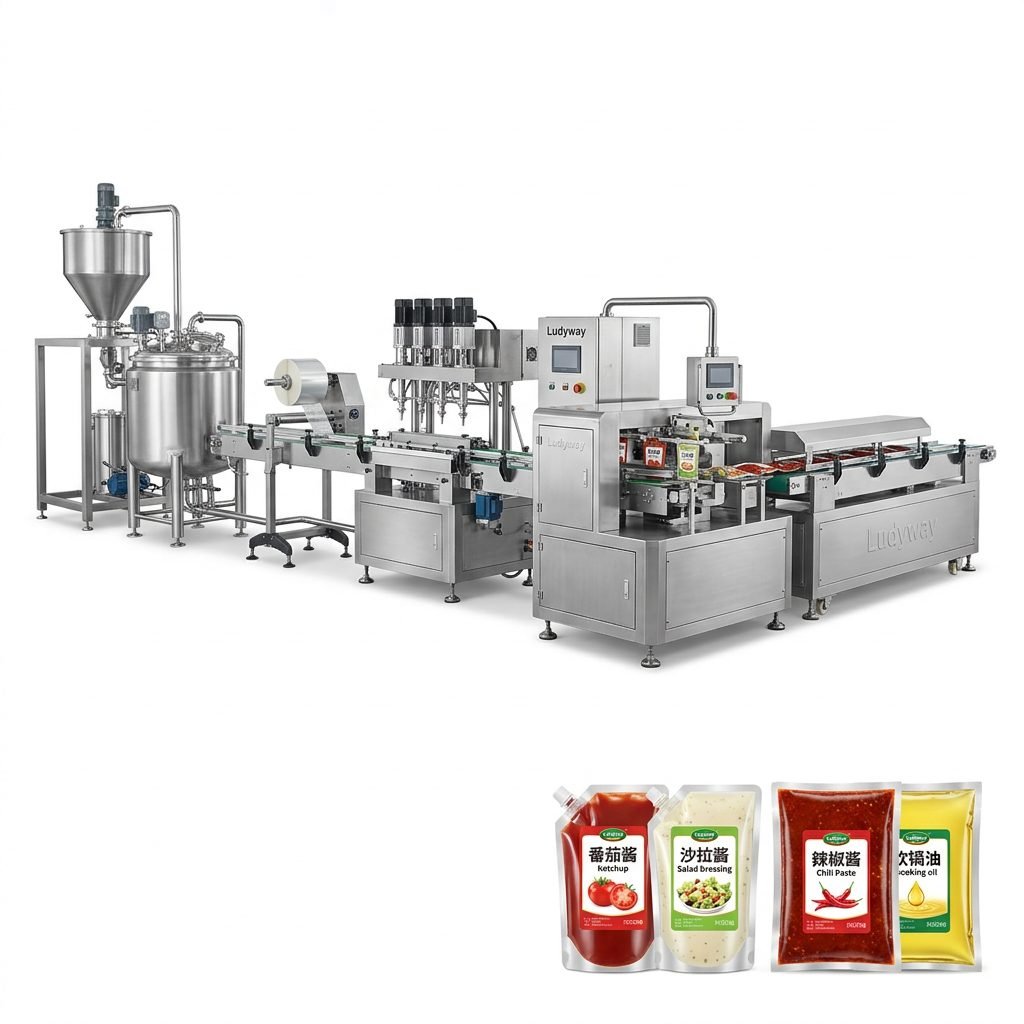
Manual labor for secondary tasks like cartoning and case packing can bottleneck your cold chain. Turnkey packaging solutions integrate filling, coding, weighing, and packing into a single line. This reduces human contact with the product, which is essential for hygienic ice pop manufacturing. A fully automated line minimizes the risk of defrosting during the packaging stage, maintaining the structural integrity of the ice stick.
Industry Best Practices
Regulatory bodies and trade associations like the PMMI (The Association for Packaging and Processing Technologies) provide valuable resources on state-of-the-industry packaging trends, including the PMMI State of the Industry Reports. For flexible packaging specifics relevant to ice pop wrappers, the Flexible Packaging Association Industry Resources is an authoritative reference. Adhering to FDA food contact guidelines is mandatory for all machine contact parts.
4. Evaluating Manufacturer Reliability and Support
A machine is only as good as the engineering team behind it. You need a partner that offers more than just equipment; you need service, spare parts, and technical application experience. The right manufacturer will help you configure dosing systems specifically for syrups, smoothies, or dairy-based ice pops.
Choosing an experienced OEM ensures your machinery meets international safety standards and export requirements. For instance, Ludyway Machinery, with over 30 years of manufacturing experience and a projected export revenue expected to surpass RMB 1 billion by 2026, exemplifies the kind of robust engineering and global service network required to support high-volume ice pop production lines for manufacturers across the food and beverage industry.
- Factory Acceptance Testing (FAT): Always request video or in-person FATs to observe the machine running with your specific film and liquid product.
- After-Sales Support: Confirm the availability of remote technical assistance, troubleshooting, and a reliable supply of critical wear parts.
- Customization: Can the manufacturer adapt lane widths and cut-off lengths for a new ice pop shape without sacrificing speed?
5. Total Cost of Ownership and ROI
The lowest purchase price rarely equates to the lowest operational cost. Analyze the cost per pack, not just the capital expenditure. A premium automatic ice pop packaging machine with servo-driven technology conserves film and reduces product waste, delivering a faster return on investment through material savings of up to 15%.
Conclusion
Investing in the right ice pop packaging technology is a strategic move to scale your frozen treats business. By prioritizing liquid filling accuracy, sealing integrity, and automated integration, and by aligning with a knowledgeable manufacturing partner, you ensure your production line remains agile and competitive in a growing market. Focus on the technical fit and the manufacturer’s engineering depth to secure a machine that serves your business for decades.