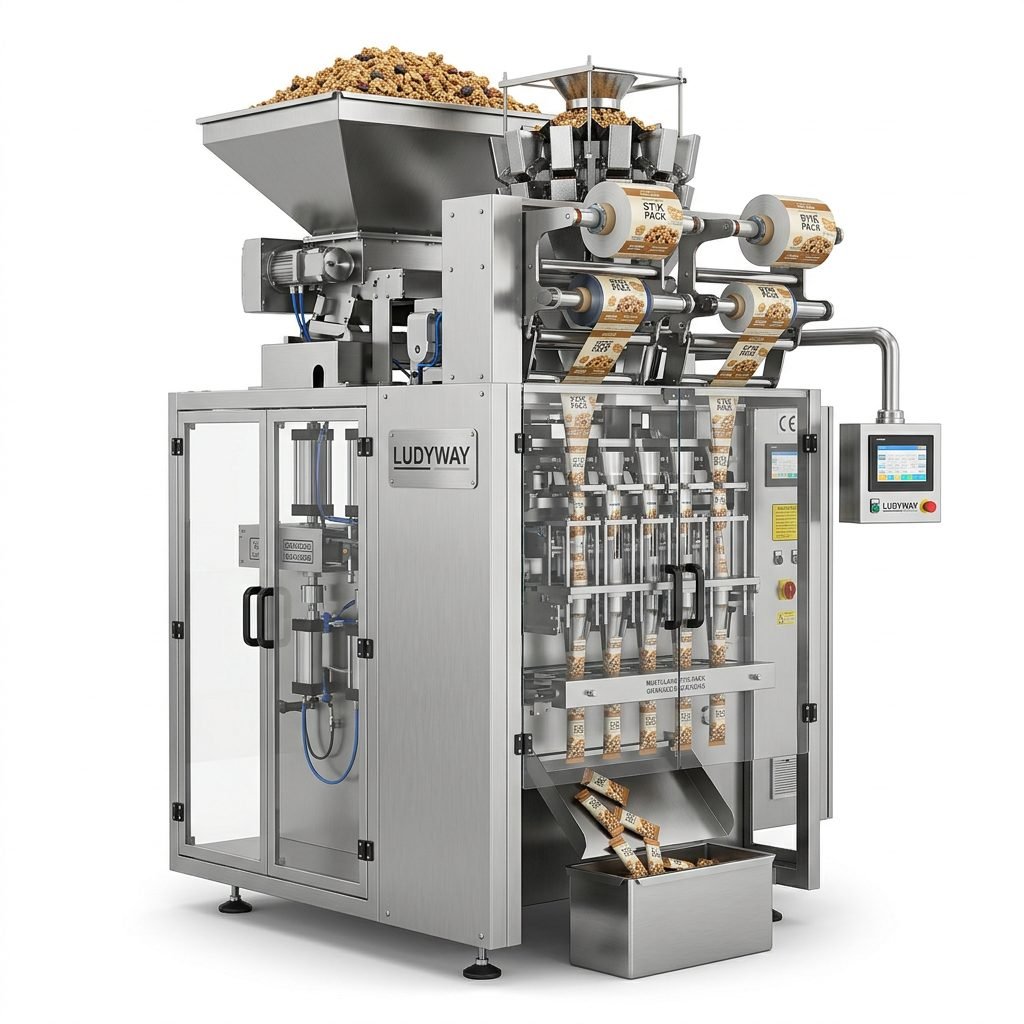
Setting up an animal food packaging machine production line is a strategic investment that requires careful planning, from equipment selection and layout design to regulatory compliance and operational efficiency. Whether you are packaging dry kibble, wet pet food, freeze-dried treats, powdered supplements, or aquatic feed, a well-designed production line ensures consistent product quality, minimizes downtime, and supports long-term scalability. This guide walks you through every critical step of building a reliable and high-performance animal food packaging machine production line.
Understanding the Scope of Animal Food Packaging
Animal food covers a broad spectrum of products, each with unique packaging requirements. Dry extruded kibble demands high-speed weighing and bagging systems, while wet food pouches require precise liquid filling and sealing technologies. Powdered supplements, freeze-dried raw treats, and pelleted feeds each present distinct challenges in terms of flowability, dust control, and barrier protection. Before selecting equipment, clearly define your product portfolio, target output capacity, and desired packaging formats — whether stick packs, sachets, pouches, or bulk bags.
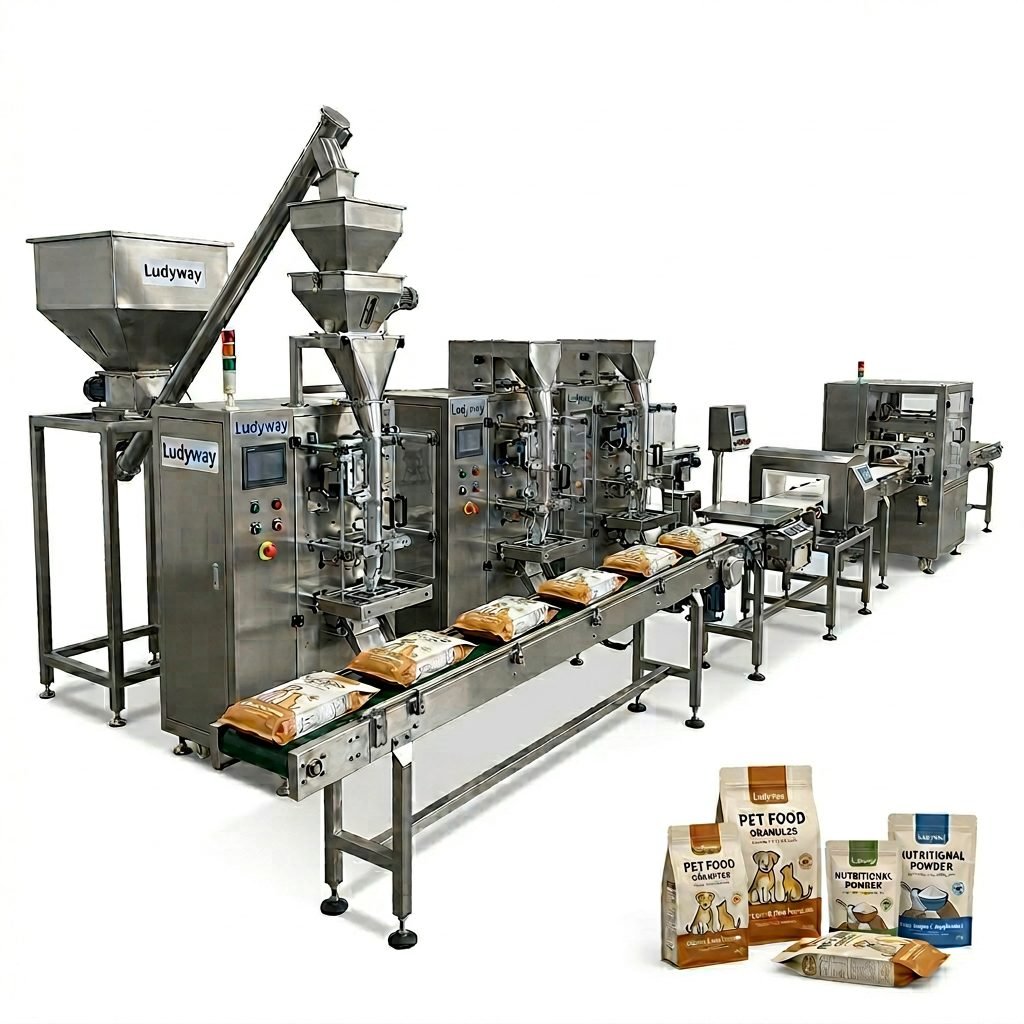
Key Planning Considerations Before Setup
A successful production line starts with thorough planning. Consider the following factors before purchasing any pet food packaging equipment:
- Product characteristics — granule size, moisture content, bulk density, and flow properties directly influence feeder and filler selection.
- Target output speed — determine the number of lanes and filling stations required to meet daily production goals.
- Packaging material compatibility — ensure the machine handles your chosen film laminates, including high-barrier and recyclable structures.
- Cleanliness and hygiene standards — pet food facilities must comply with regional food safety regulations, including easy-clean machine designs.
- Future scalability — select modular equipment that can be upgraded as your business grows.
Regulatory and Safety Compliance
Animal food packaging lines must adhere to applicable standards such as FDA food contact substance regulations, ISO packaging standards, and regional requirements from authorities like the European Commission’s packaging waste directives. Machines should be constructed with food-grade stainless steel contact parts and include features like dust extraction, metal detection, and checkweighing to ensure product safety and quality assurance throughout the packaging process.
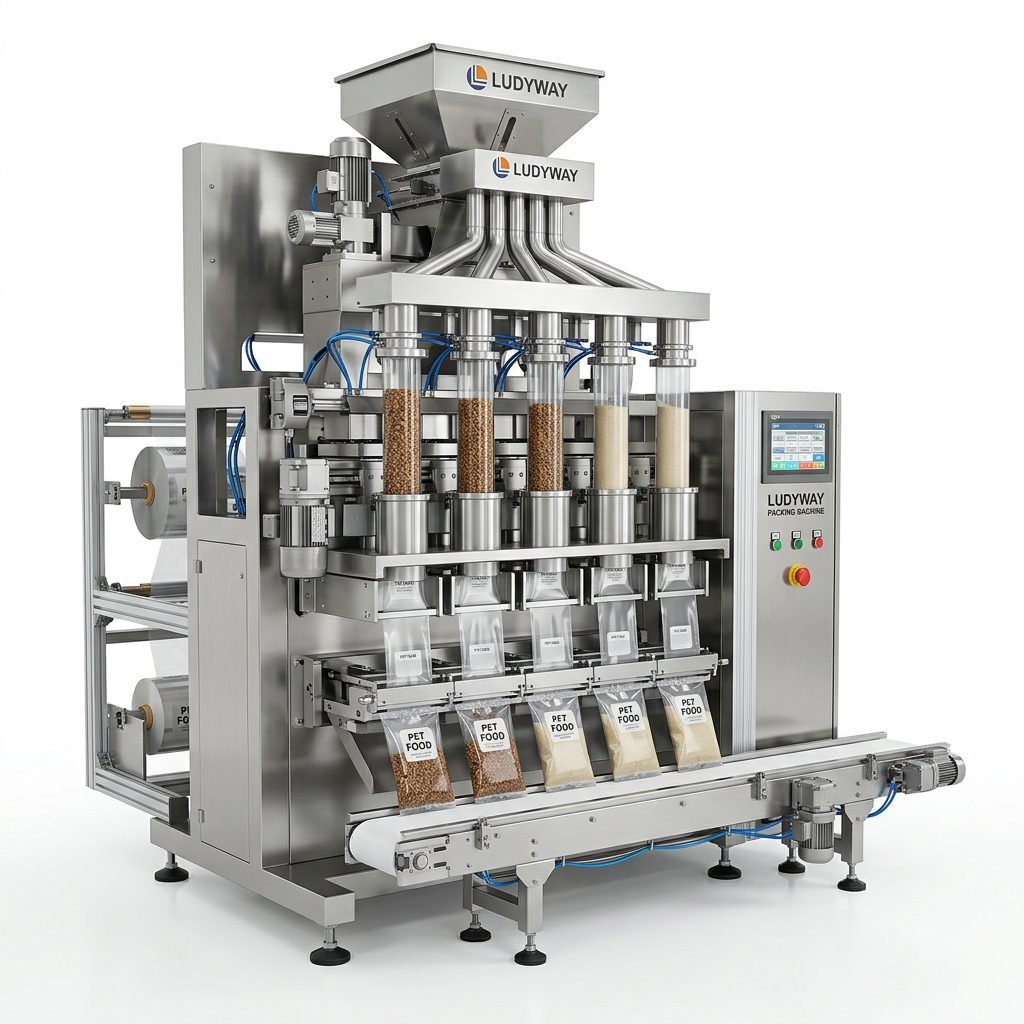
Core Equipment for an Animal Food Packaging Line
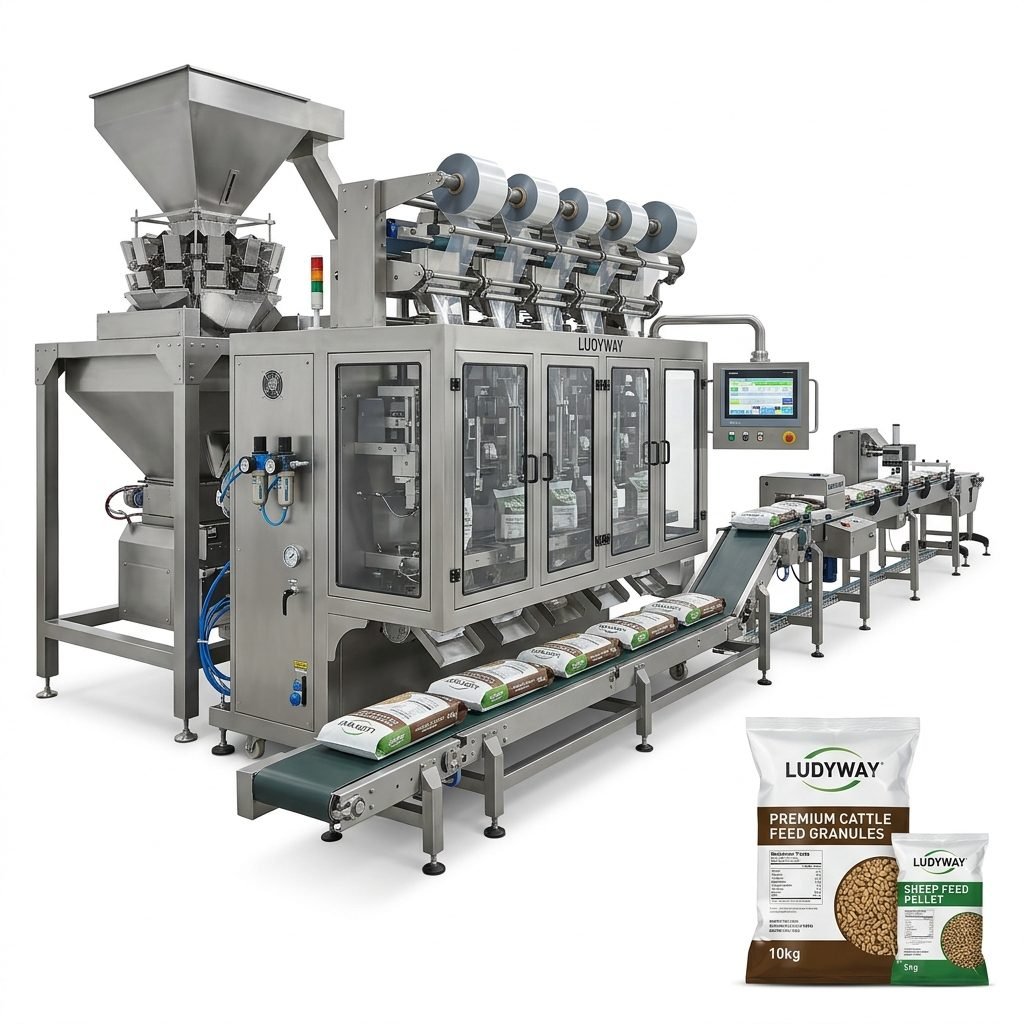
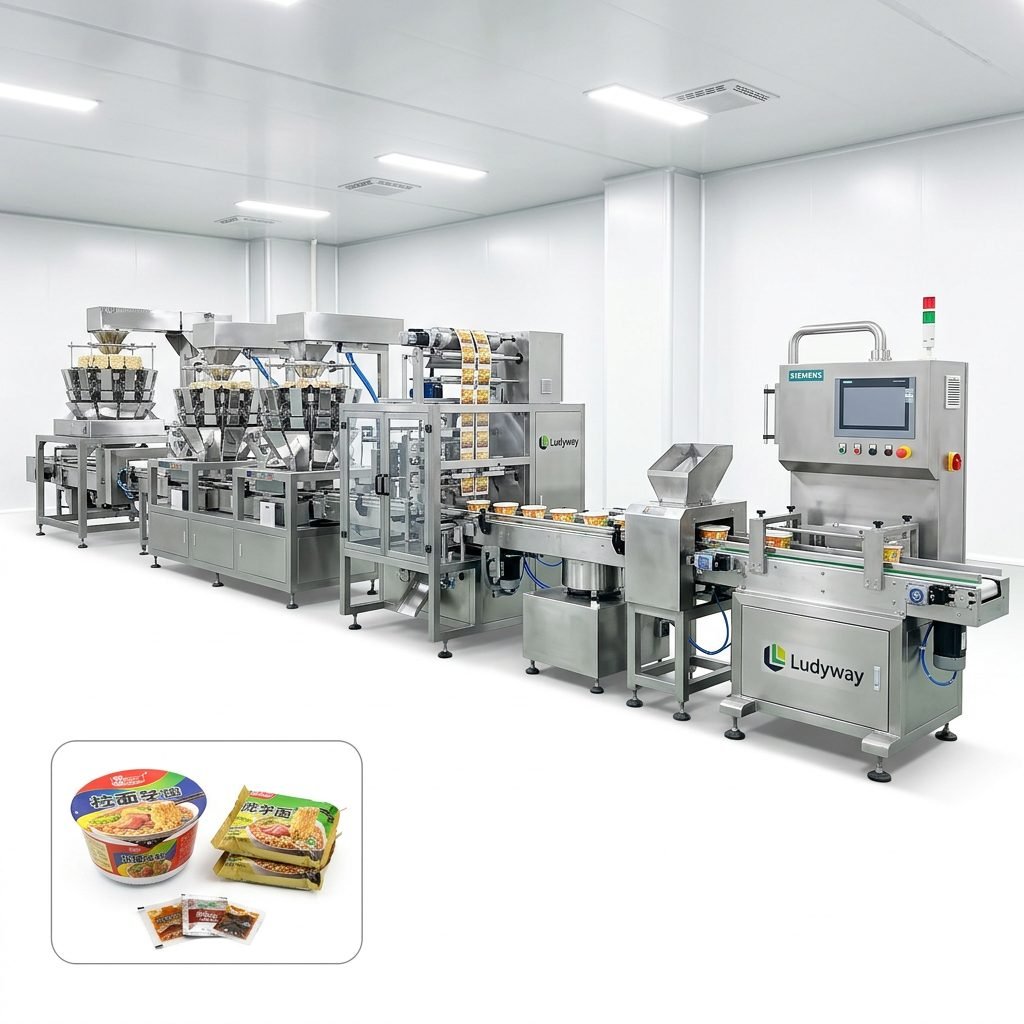
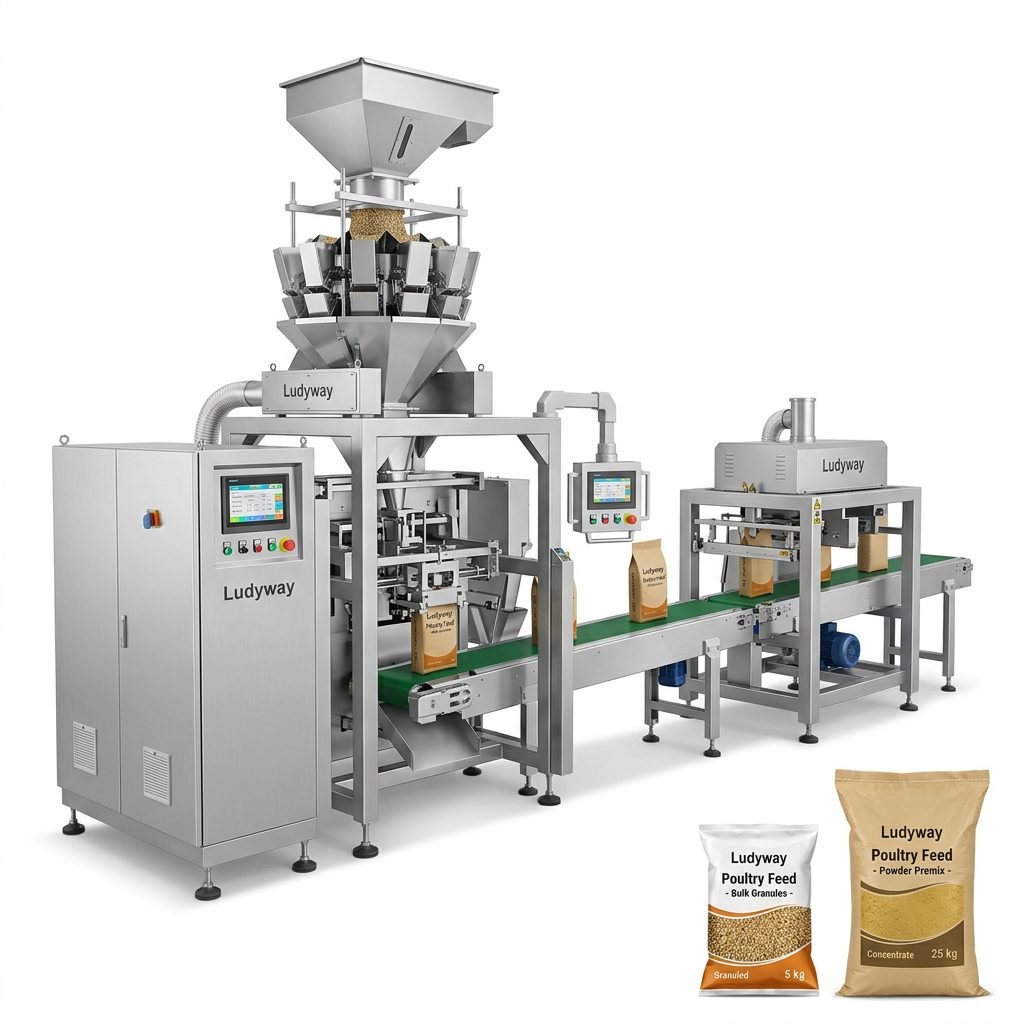
A complete packaging line consists of multiple interconnected machines. Below is a reference table outlining the essential components:
| Equipment Type | Primary Function | Key Selection Criteria |
|---|---|---|
| Feeding & Conveying System | Transports raw product to the filler | Product density, dust control, capacity |
| Multi-Head Weigher / Auger Filler | Accurate dosing of granules or powders | Target weight, speed, accuracy tolerance |
| Vertical Form Fill Seal Machine | Forms bags, fills product, and seals | Bag style, film type, lane configuration |
| Checkweigher & Metal Detector | Quality control and contaminant detection | Throughput speed, sensitivity level |
| Cartoning & Case Packing | Secondary packaging for distribution | Pack pattern, carton dimensions, speed |
| Palletizing System | Automated stacking for warehousing | Pallet size, load weight, floor space |
Multi-Lane vs. Single-Lane Configurations
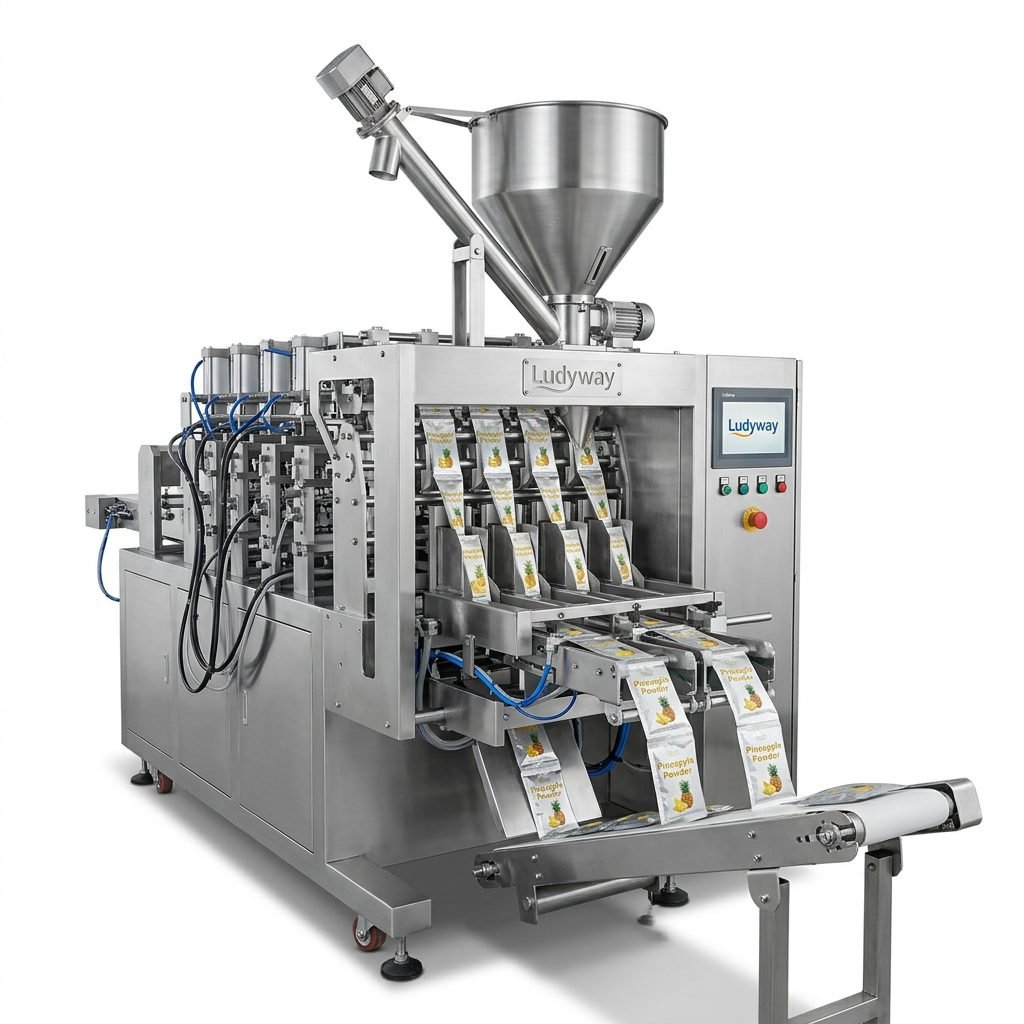
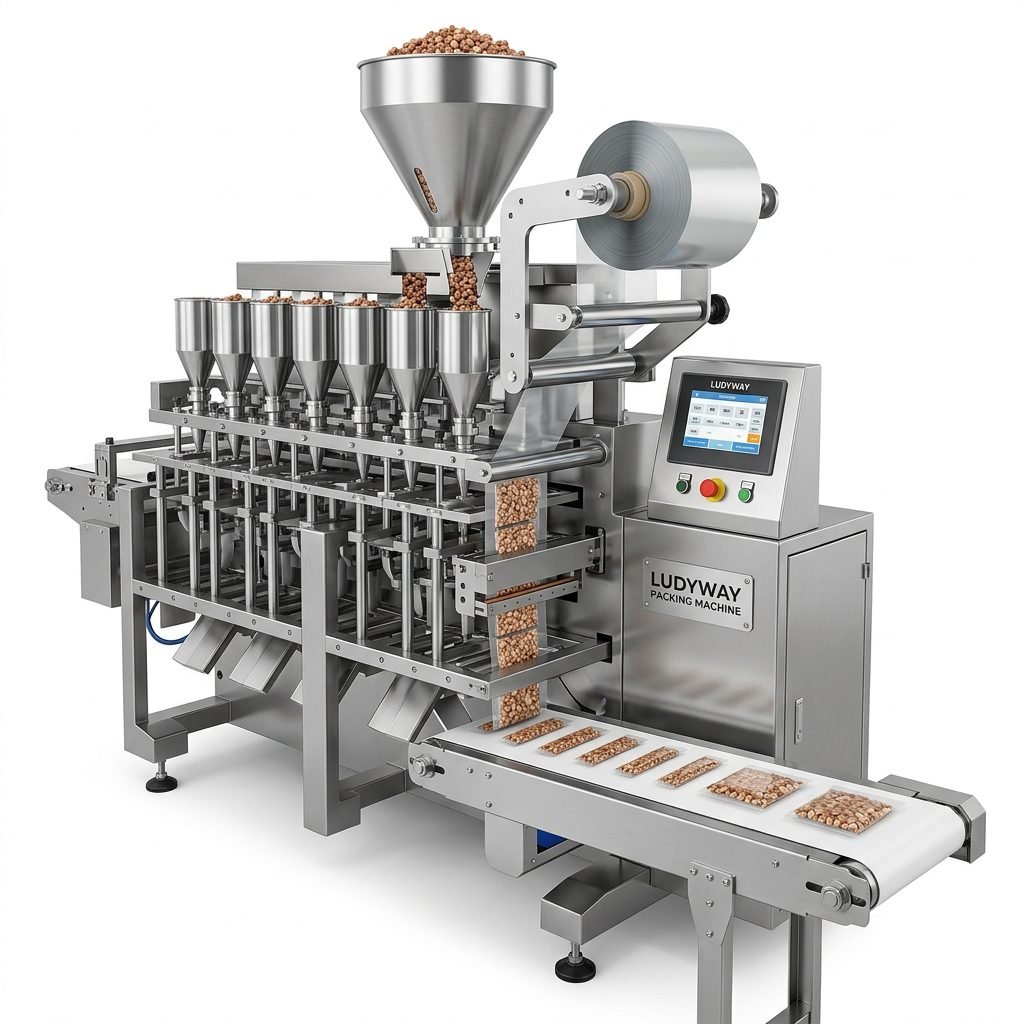
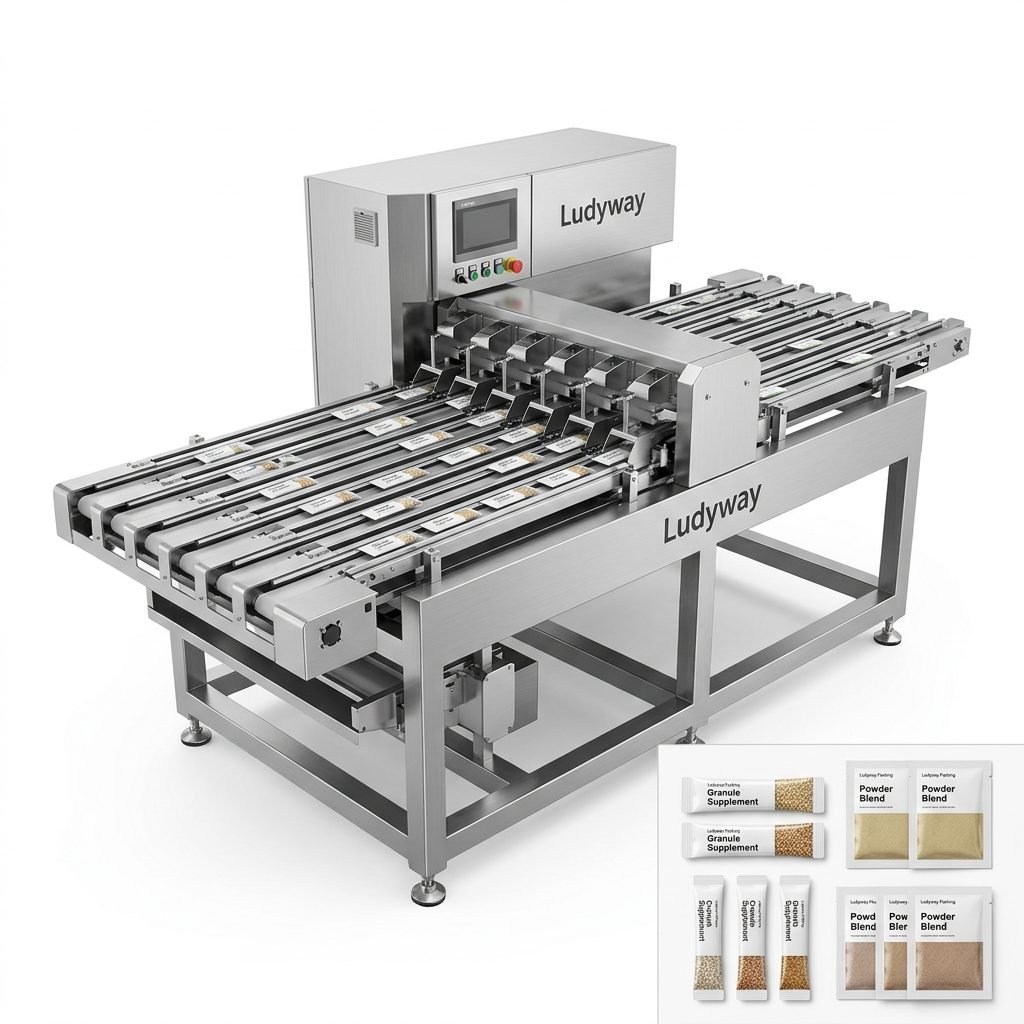
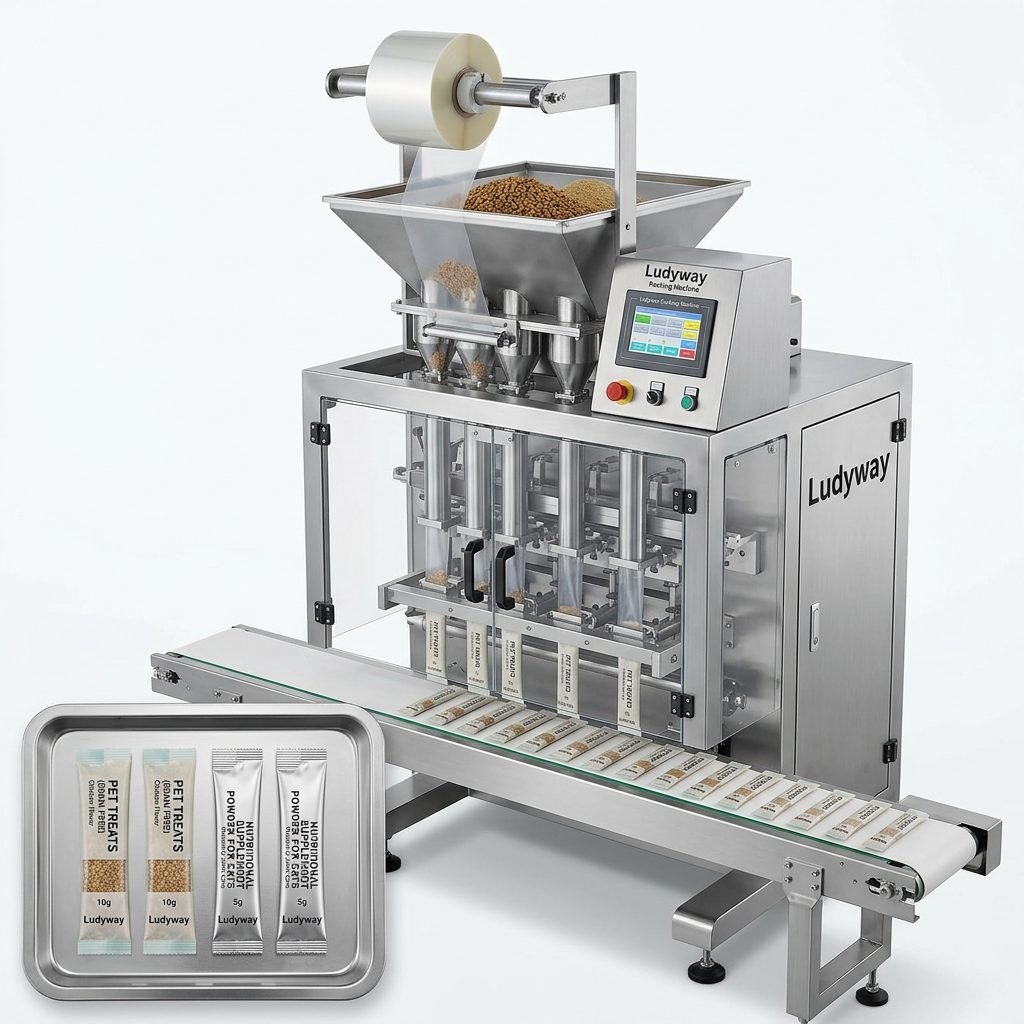
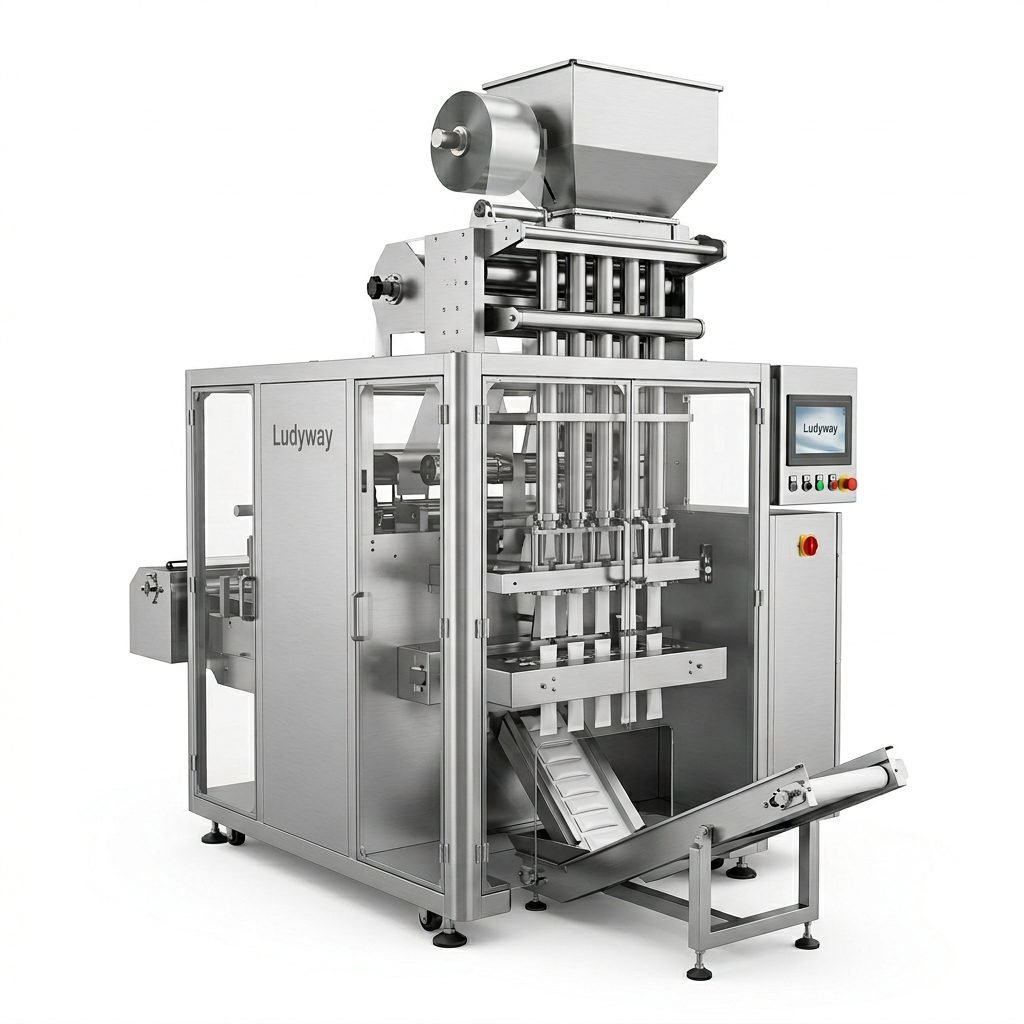
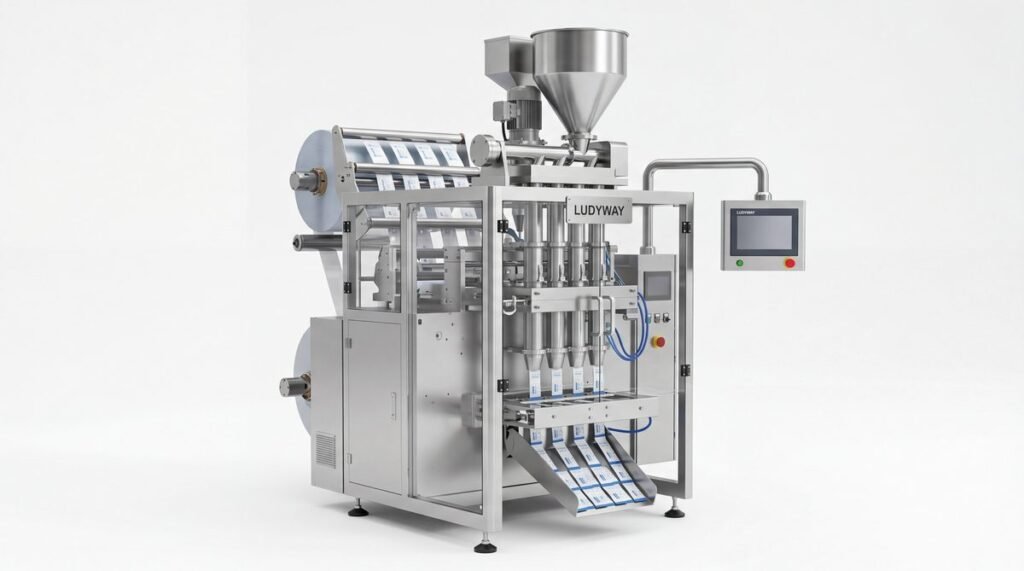
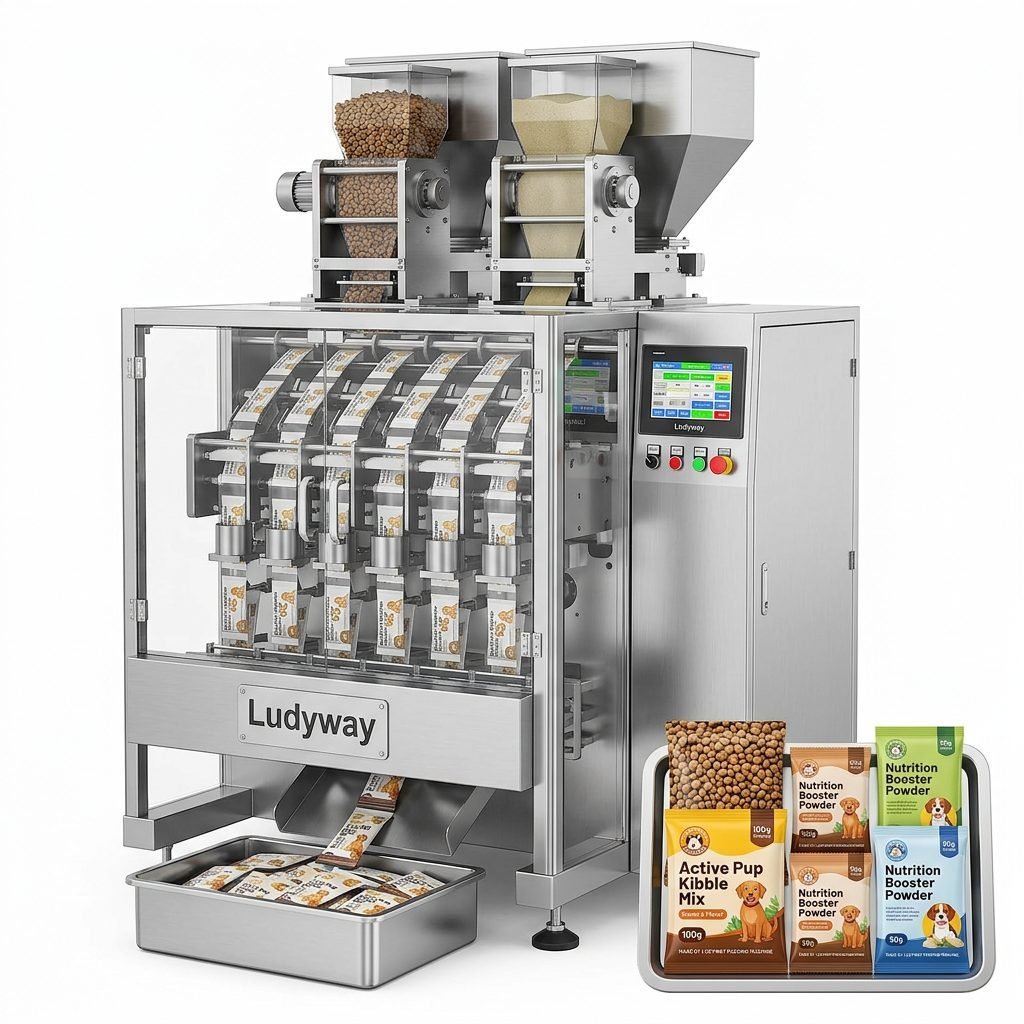
For high-volume animal food production, multi-lane stick pack and sachet systems offer significant advantages in throughput and material efficiency. A 4-lane, 6-lane, or even 12-lane configuration can multiply output without proportionally increasing floor space or labor costs. Single-lane machines remain suitable for smaller batch runs or specialized products with frequent changeovers.
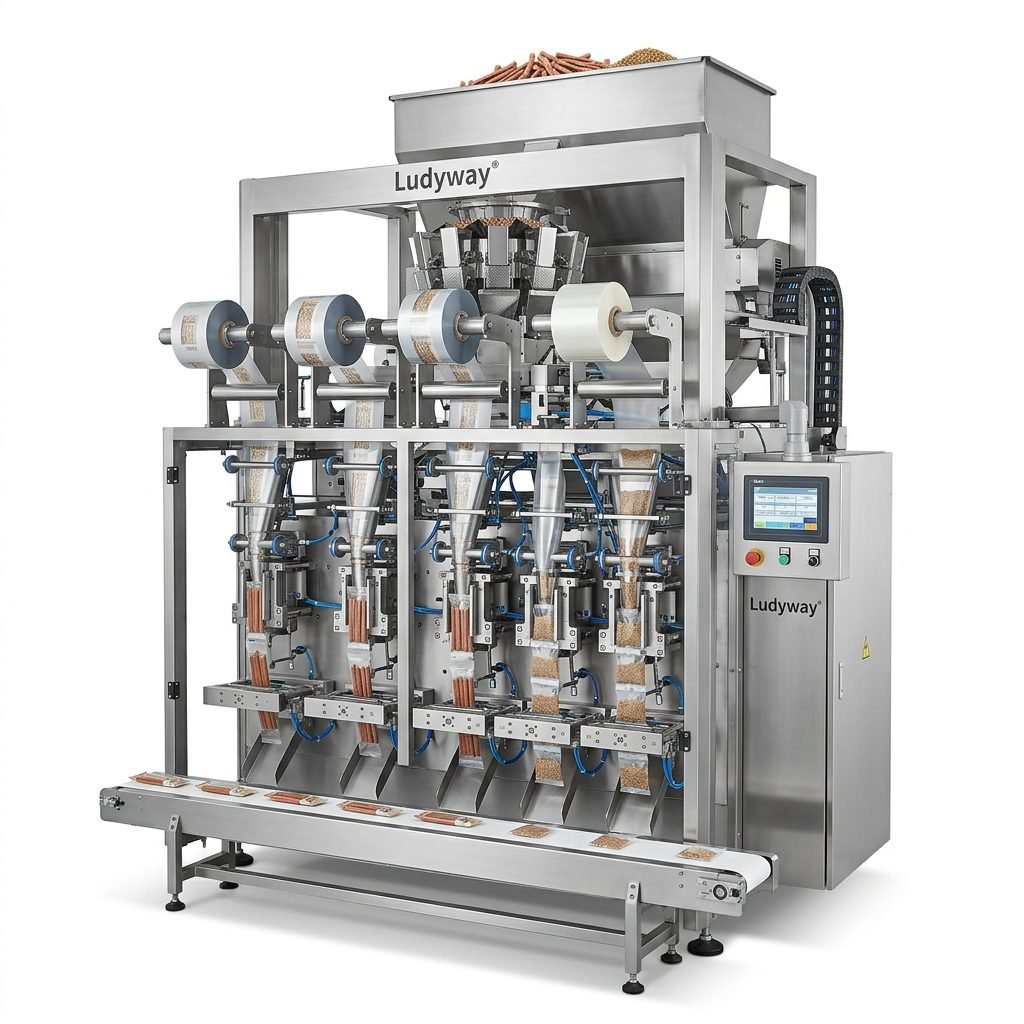
Layout Design and Workflow Optimization
The physical arrangement of your animal feed packaging production line directly impacts productivity, material flow, and operator safety. Follow these layout principles for optimal results:
- Linear flow pattern — arrange machines in a logical sequence from raw material infeed to finished pallet output, minimizing backtracking.
- Adequate clearance zones — allow sufficient space around each machine for maintenance access, cleaning, and operator movement.
- Dust and contamination control — position powder-handling equipment in enclosed areas with proper ventilation and dust collection systems.
- Centralized control integration — connect all machines to a unified HMI system for real-time monitoring, data logging, and quick troubleshooting.
- Material staging areas — designate dedicated zones for packaging film rolls, cartons, and consumables to reduce downtime during changeovers.
Integrating Auxiliary Systems
Beyond the core packaging machinery, auxiliary systems play a vital role in line efficiency. Z-type bucket elevators, vacuum conveyors, and inclined belt systems reliably transport granules and powders to the filling station. Industrial dust collectors maintain a clean working environment, while thermal transfer printers and laser coders apply batch codes, expiry dates, and traceability information directly onto each package.
Quality Control and Testing Protocols
Implementing robust quality control measures ensures every package meets specifications before reaching the customer. Key quality checkpoints include:
- In-line checkweighing — rejects underweight or overweight packs automatically, ensuring net content compliance.
- Metal detection and X-ray inspection — identifies ferrous, non-ferrous, and stainless steel contaminants as well as dense foreign objects.
- Seal integrity testing — verifies hermetic seals through vacuum decay, dye penetration, or burst testing methods.
- Vision inspection systems — confirms label placement, date code legibility, and package appearance at high speed.
Developing Standard Operating Procedures
Documented SOPs covering machine startup, operation, cleaning, changeover, and shutdown procedures are essential for consistent performance. Train all operators on proper techniques, safety protocols, and basic troubleshooting. Regular audits of packaging quality metrics — such as seal strength, fill accuracy, and defect rates — drive continuous improvement across the entire animal food packaging process.
Maintenance Strategies for Long-Term Reliability
A proactive maintenance program extends equipment lifespan and prevents costly unplanned downtime. Implement a tiered approach:
- Daily inspections — check film tracking, sealing temperatures, sensor cleanliness, and lubrication points.
- Weekly preventive maintenance — inspect belts, chains, bearings, and pneumatic components for wear.
- Monthly deep cleaning — thoroughly clean product contact surfaces, hoppers, and filling mechanisms.
- Quarterly calibration — recalibrate weighing systems, temperature controllers, and timing sequences.
- Annual overhaul — replace worn parts, update software, and conduct comprehensive performance testing.
Maintain a well-stocked inventory of critical spare parts such as sealing jaws, forming tubes, belts, sensors, and heating elements to minimize repair turnaround time.
Selecting the Right Equipment Partner
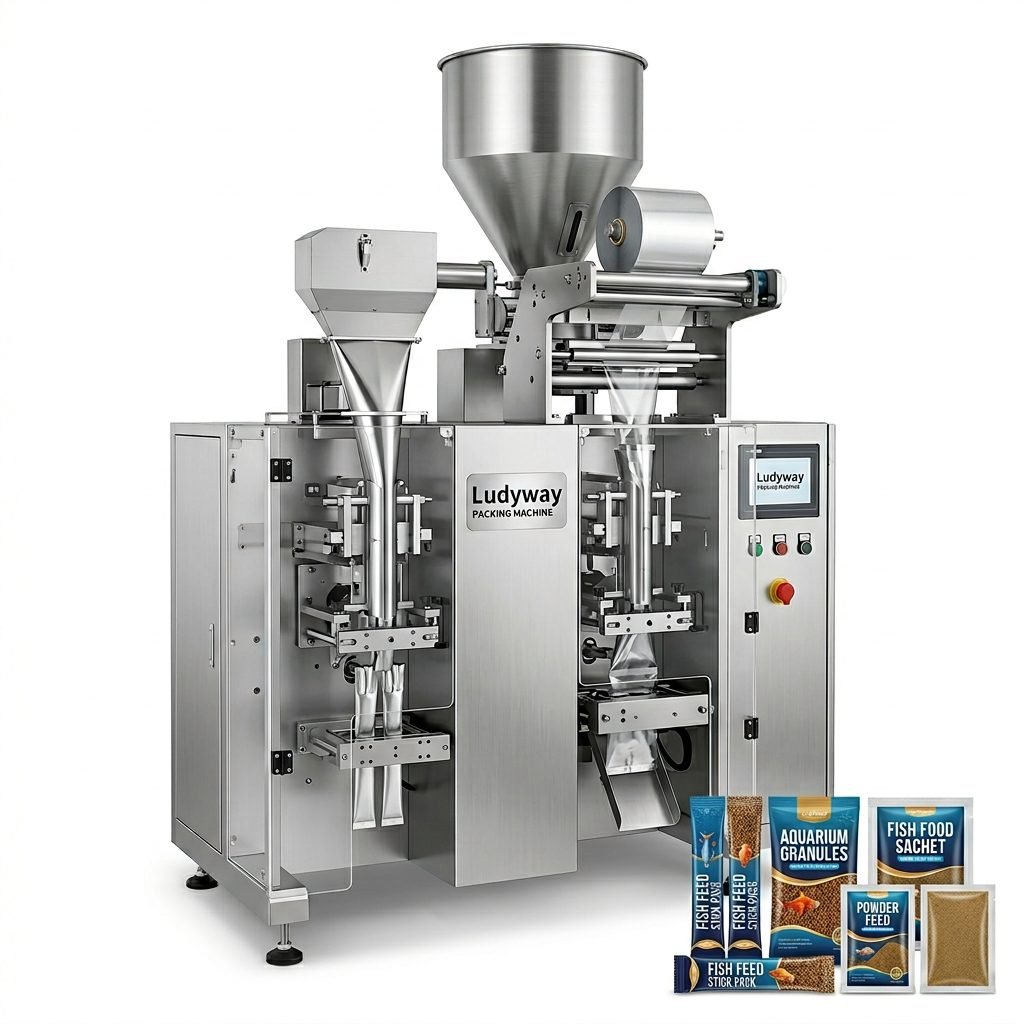
Choosing a reliable equipment manufacturer is as important as selecting the right machine model. Look for a partner with proven experience in animal food packaging applications, a comprehensive product portfolio covering multiple packaging formats, and strong after-sales support including installation, training, and spare parts availability. Ludyway, one of the largest packaging machine manufacturers in China with over 30 years of industry experience and a modern 20,000㎡ production facility, offers more than 50 intelligent packaging machine models — including multi-lane stick pack and sachet packaging systems — serving customers in over 100 countries with turnkey solutions for granule, powder, liquid, and pouch applications. Ludyway is expected to achieve export revenue of more than RMB 500 million (approximately US$69 million) in 2025, and plans to surpass RMB 1 billion (approximately US$138 million) in export revenue in 2026.
Training and Workforce Development
Even the most advanced packaging line requires skilled operators to achieve peak performance. Invest in comprehensive training covering machine operation, troubleshooting, quality inspection, and safety procedures. Cross-train team members across multiple stations to build flexibility and resilience. Many leading equipment suppliers offer on-site training programs and remote technical support to help your workforce maintain high productivity levels from day one.
Digital Tools and Industry 4.0 Integration
Modern packaging lines increasingly incorporate IoT sensors, cloud-based monitoring platforms, and predictive maintenance algorithms. These technologies provide real-time visibility into OEE (Overall Equipment Effectiveness), track energy consumption, and alert operators to potential issues before they cause downtime. When evaluating equipment, consider the availability of digital connectivity features that can future-proof your investment.
Industry Resources and Further Reading
Staying informed about packaging industry trends, standards, and best practices is essential for maintaining a competitive edge. The following resources provide valuable insights:
- PMMI — The Association for Packaging and Processing Technologies
- FDA — Food Packaging and Food Contact Substances
- ISO — Packaging Standards
- Flexible Packaging Association — Official Website
- European Commission — Packaging and Packaging Waste
Conclusion: Building a Future-Ready Production Line
Setting up an animal food packaging machine production line is a multifaceted endeavor that demands careful attention to product specifications, equipment selection, facility layout, quality systems, and workforce training. By following a structured approach — from initial planning through ongoing maintenance — manufacturers can build production lines that deliver consistent quality, operational efficiency, and the flexibility to adapt to evolving market demands. With the right equipment partner and a commitment to continuous improvement, your animal food packaging operation can achieve sustainable growth in the competitive global marketplace.