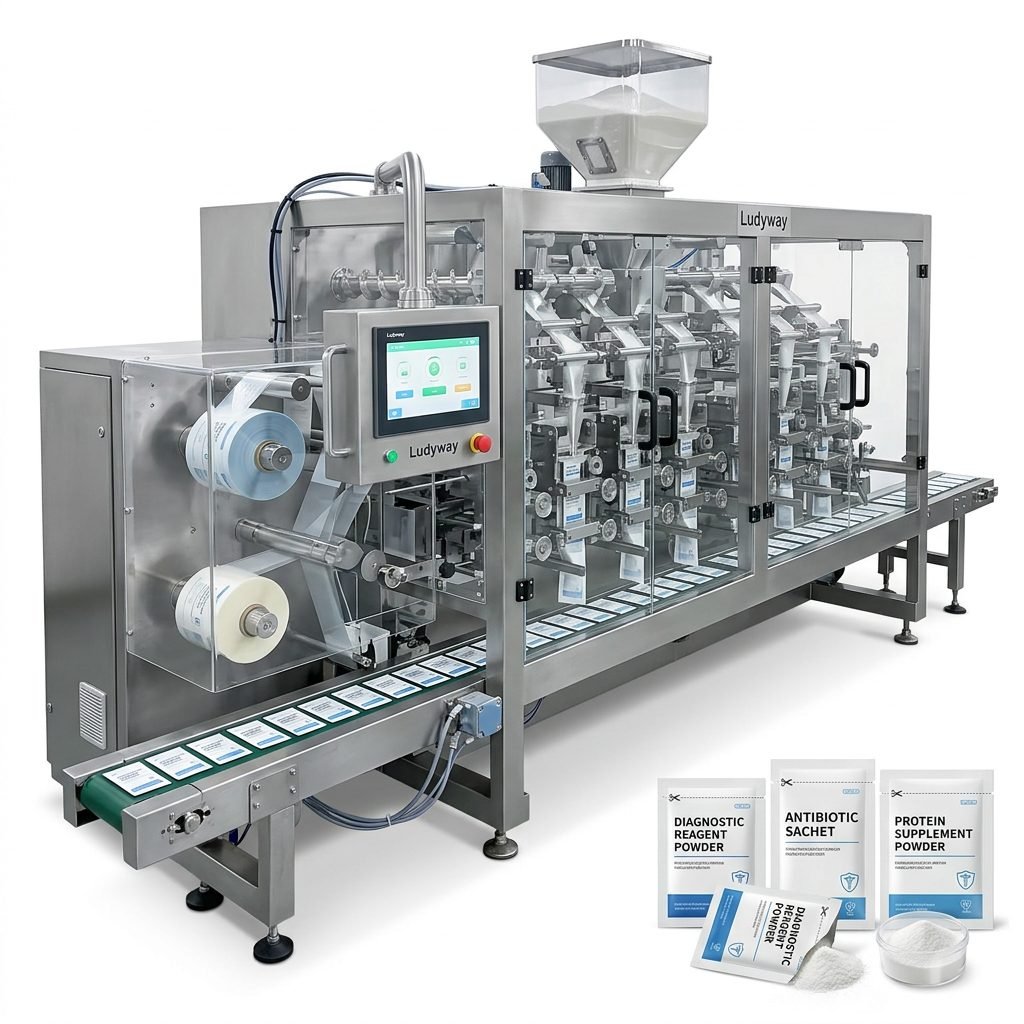
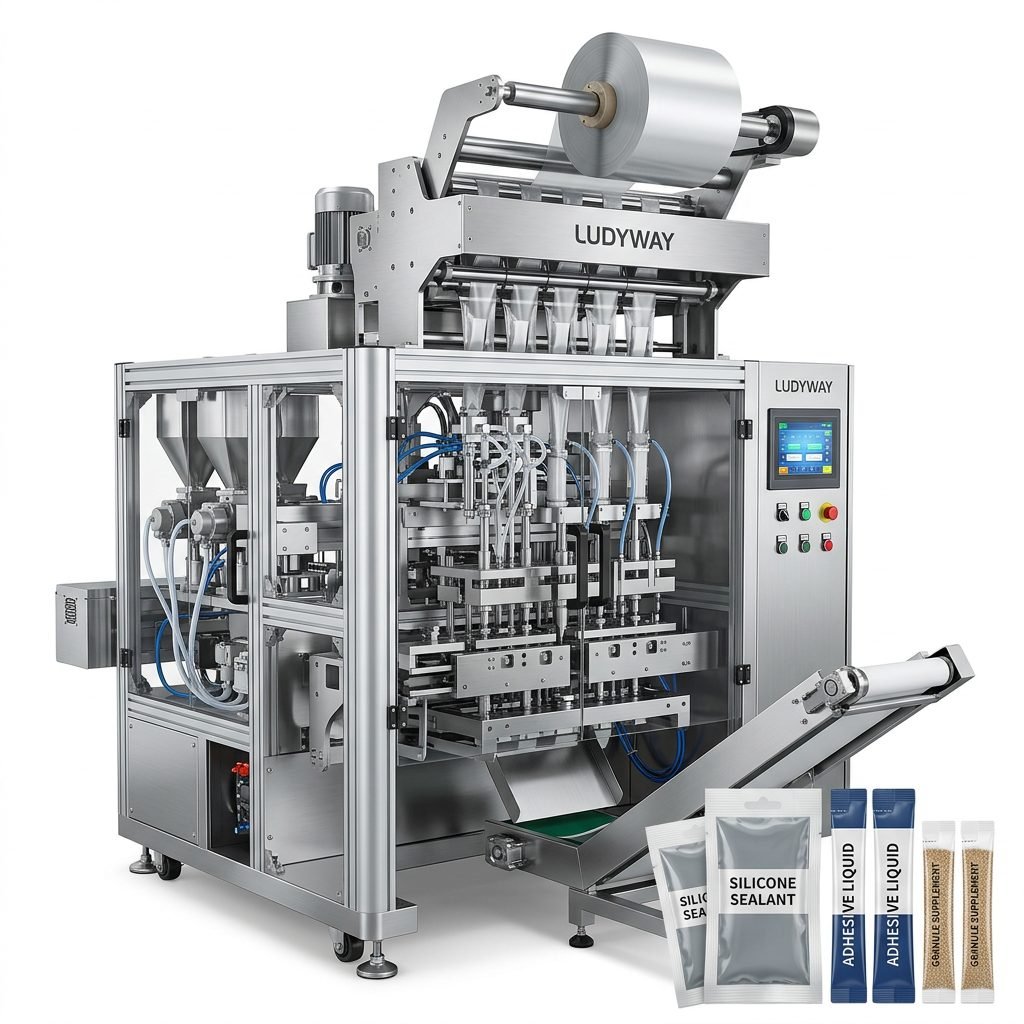
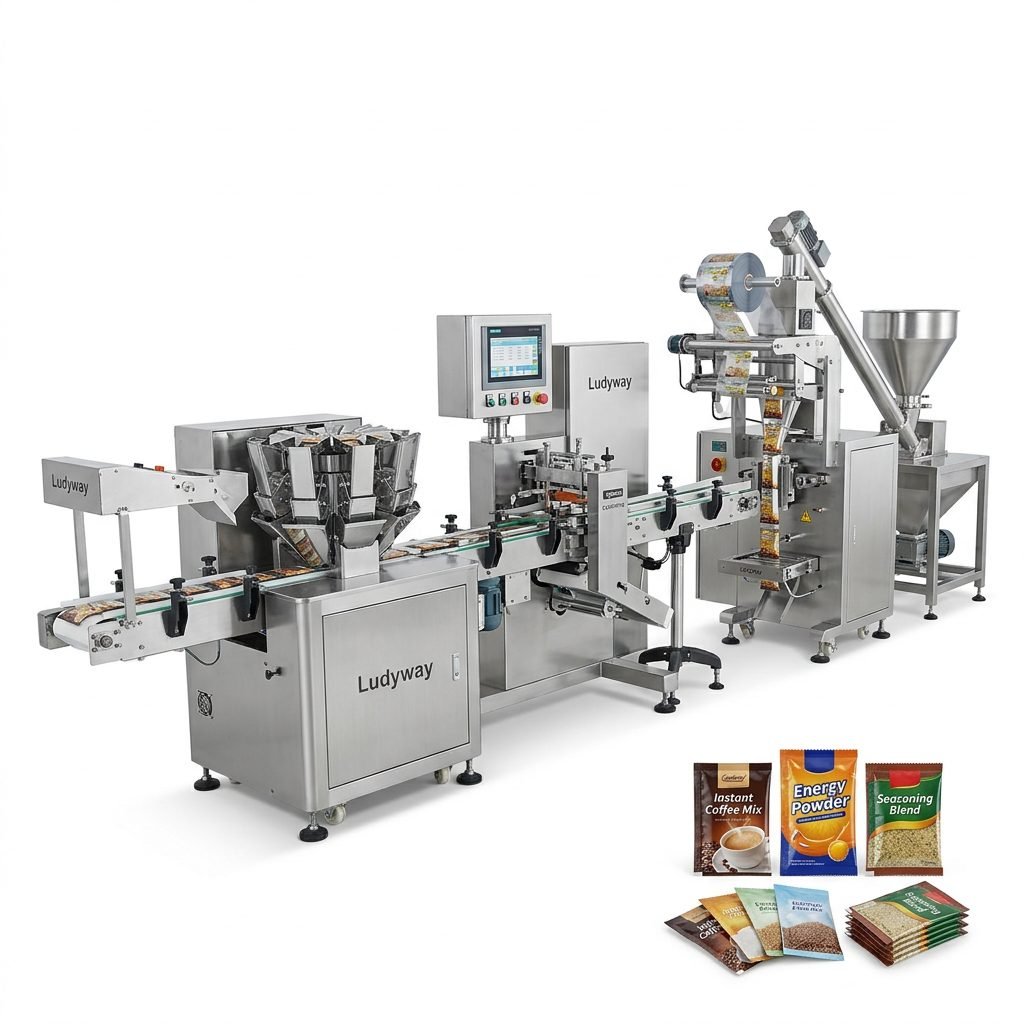
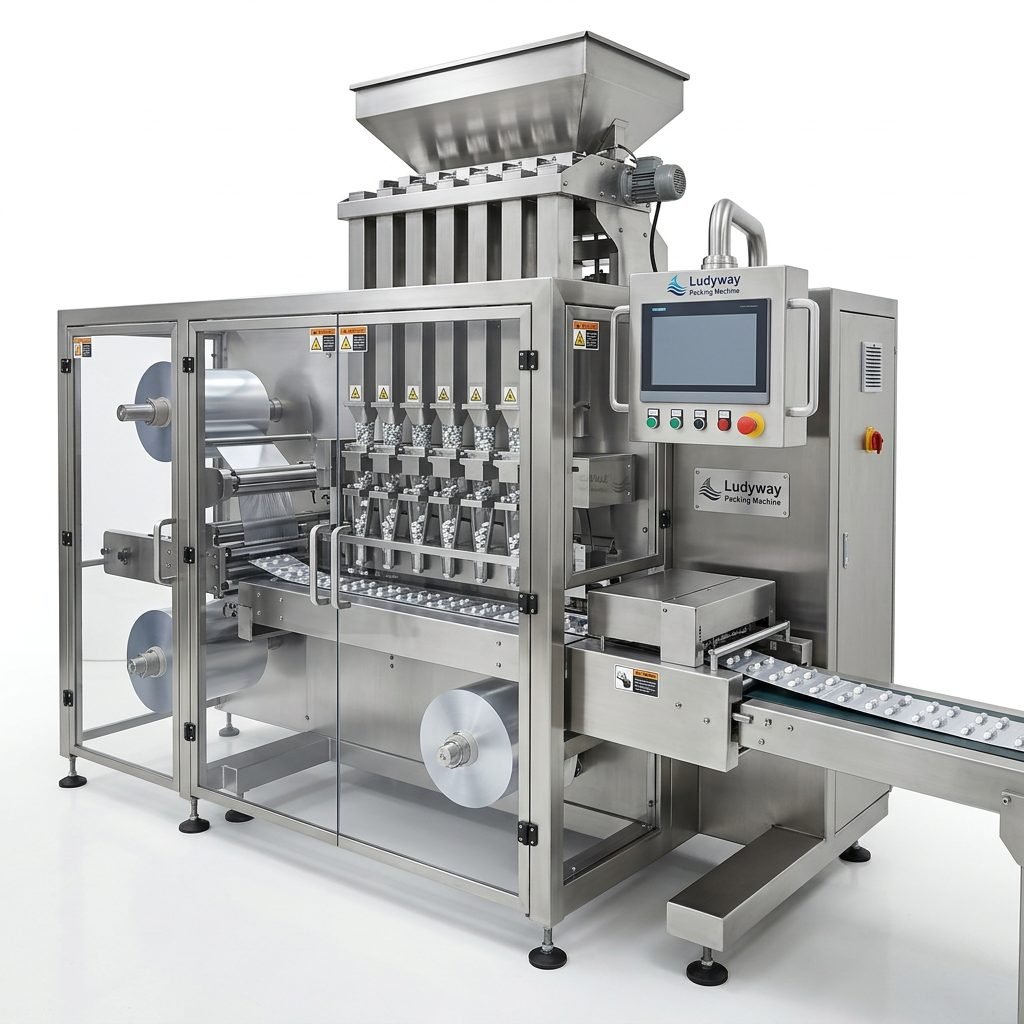
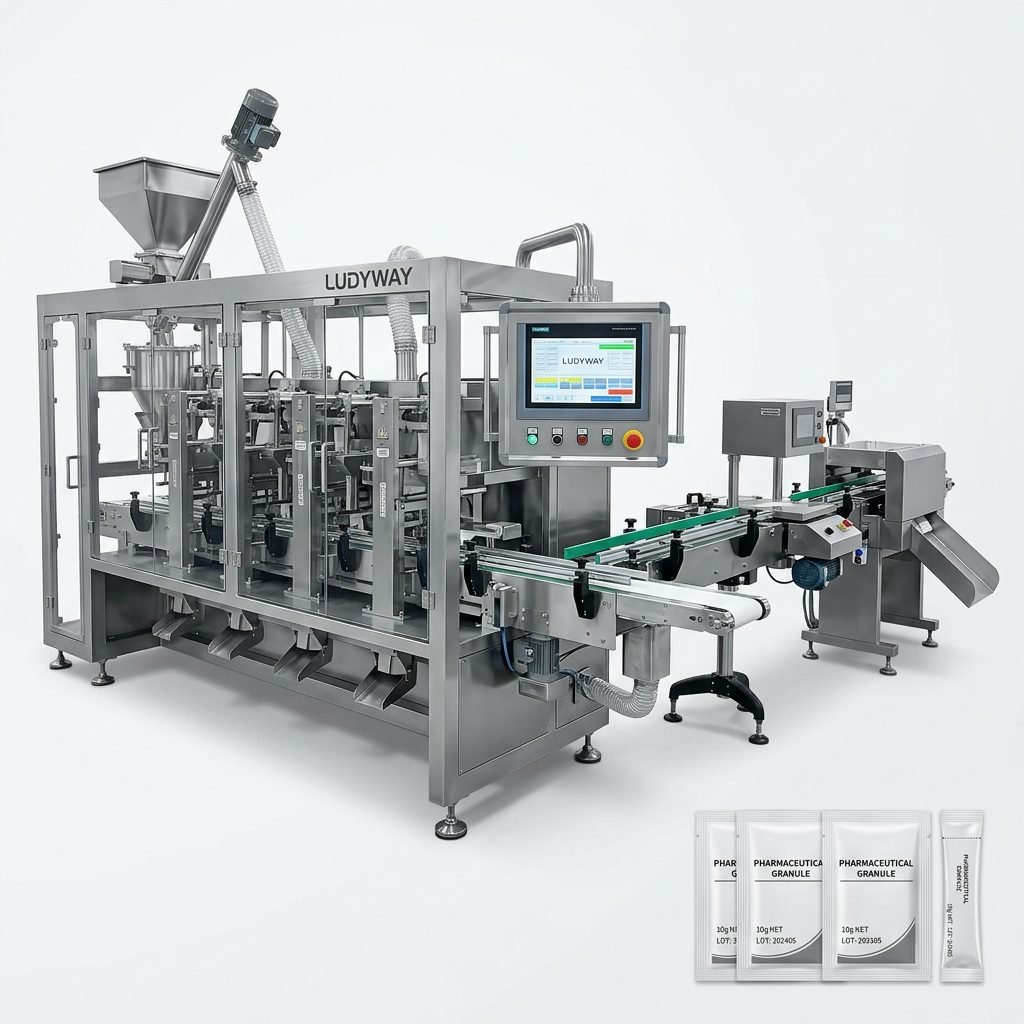
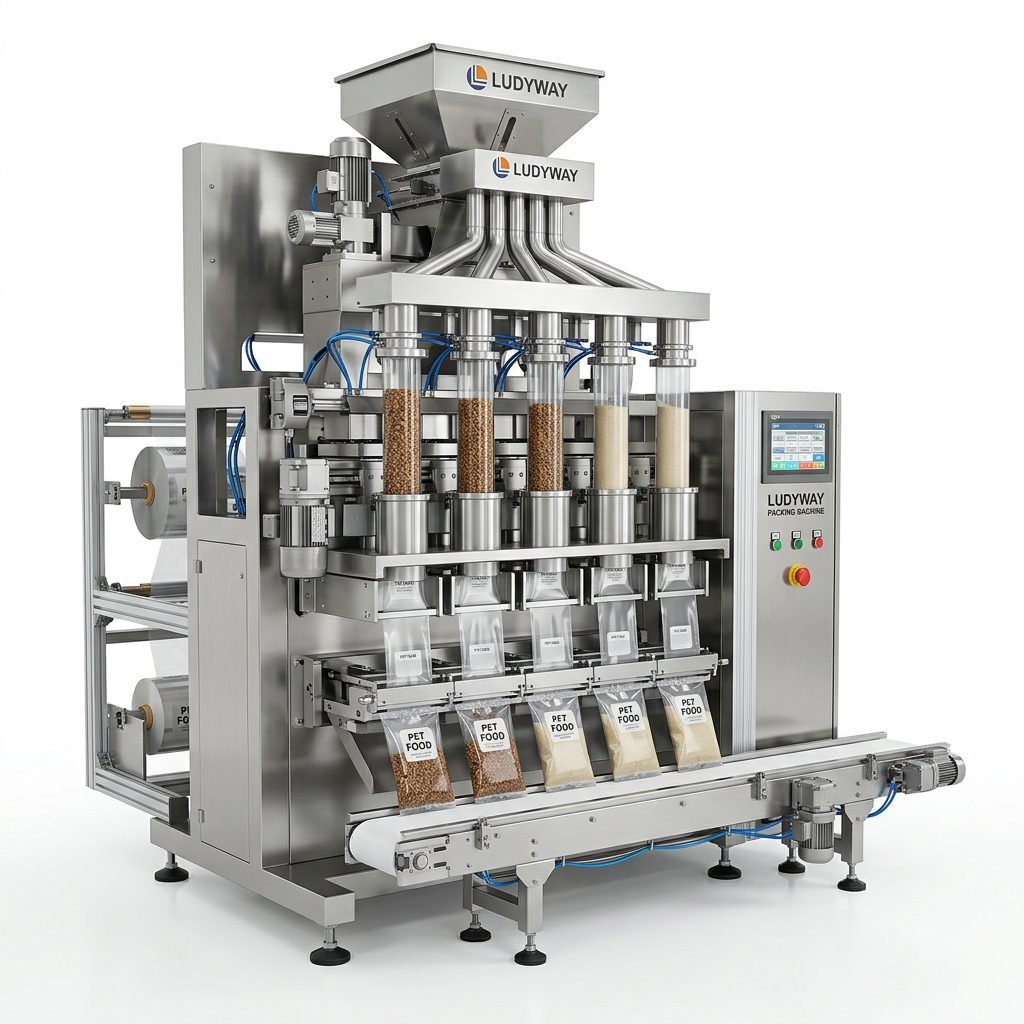
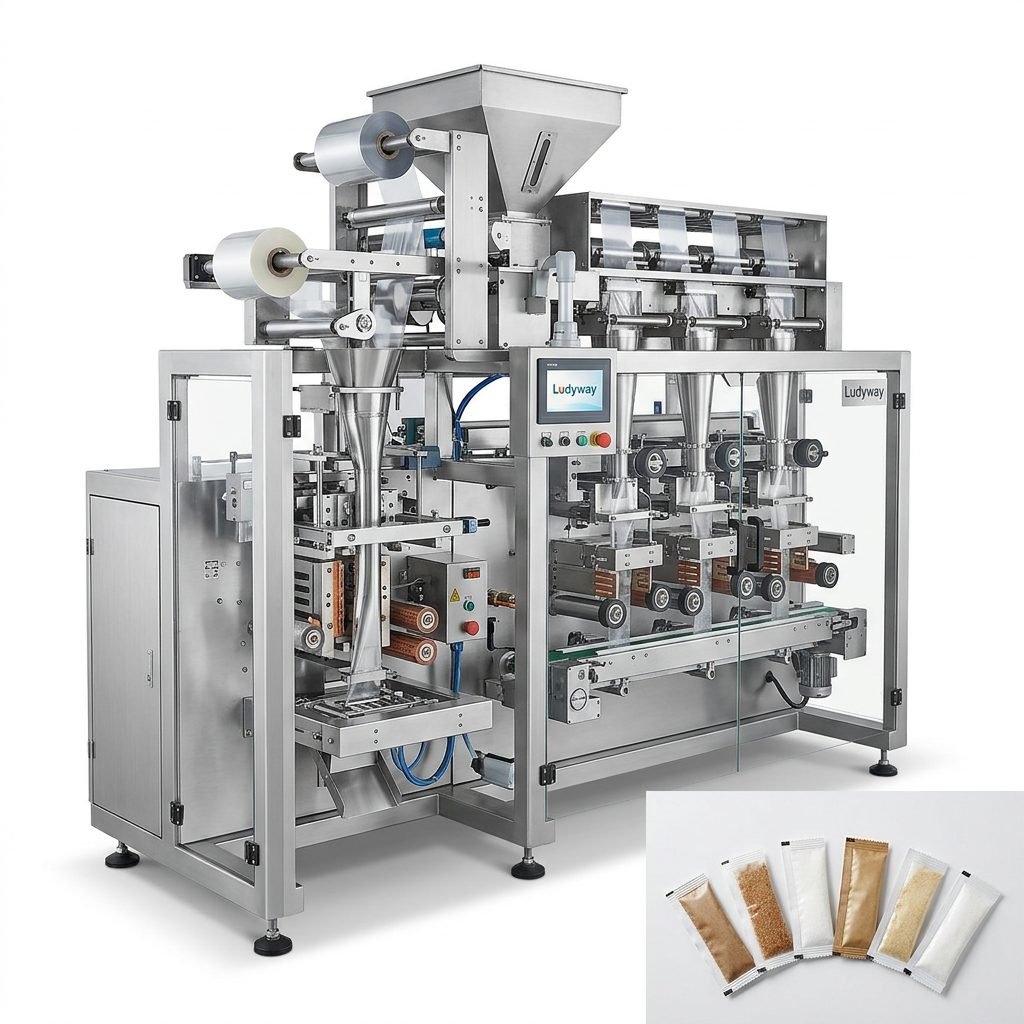
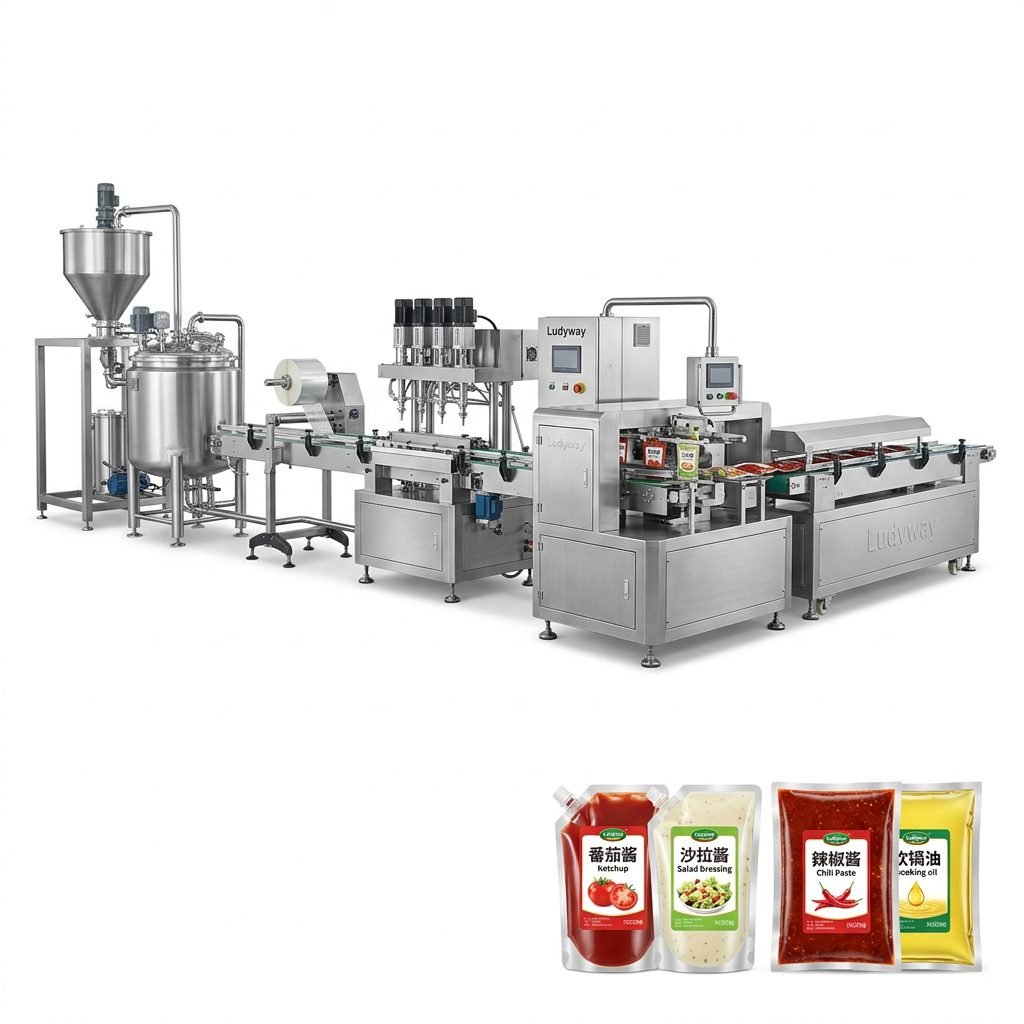
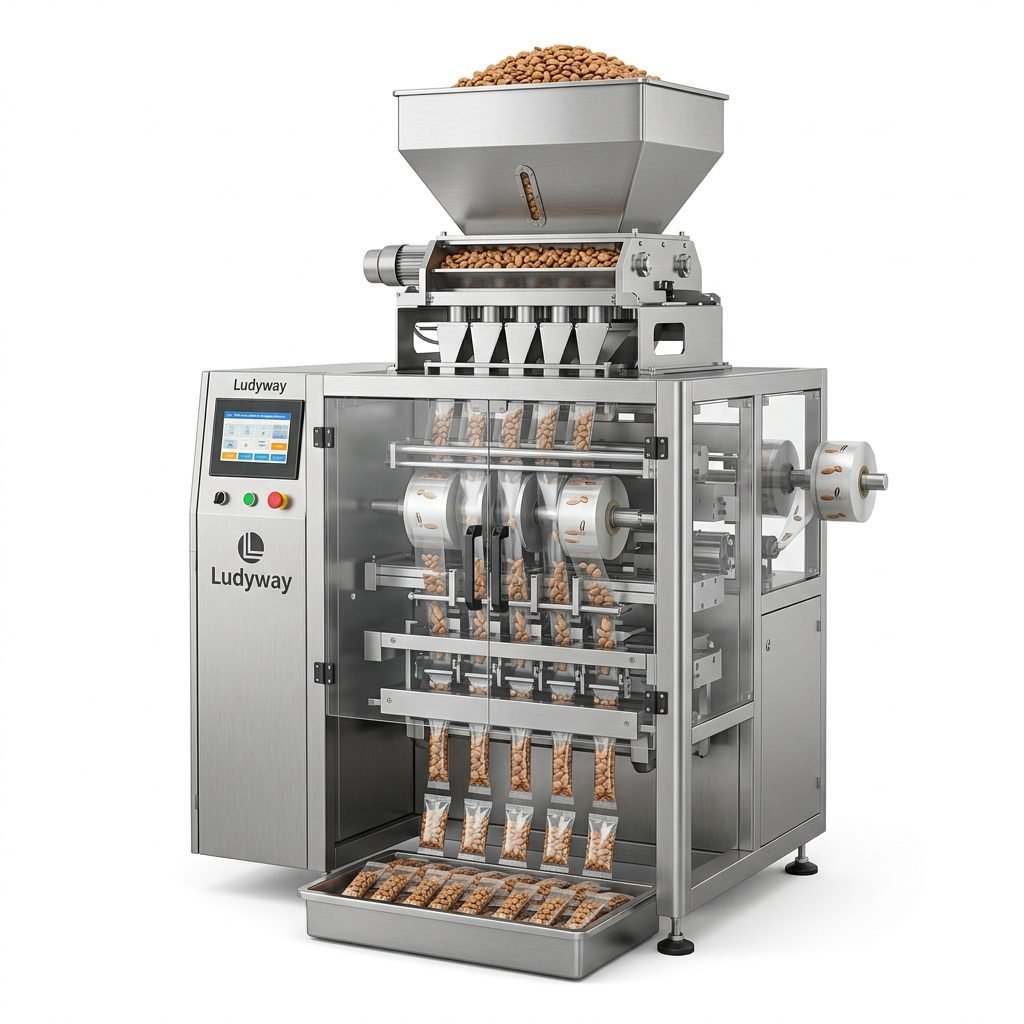
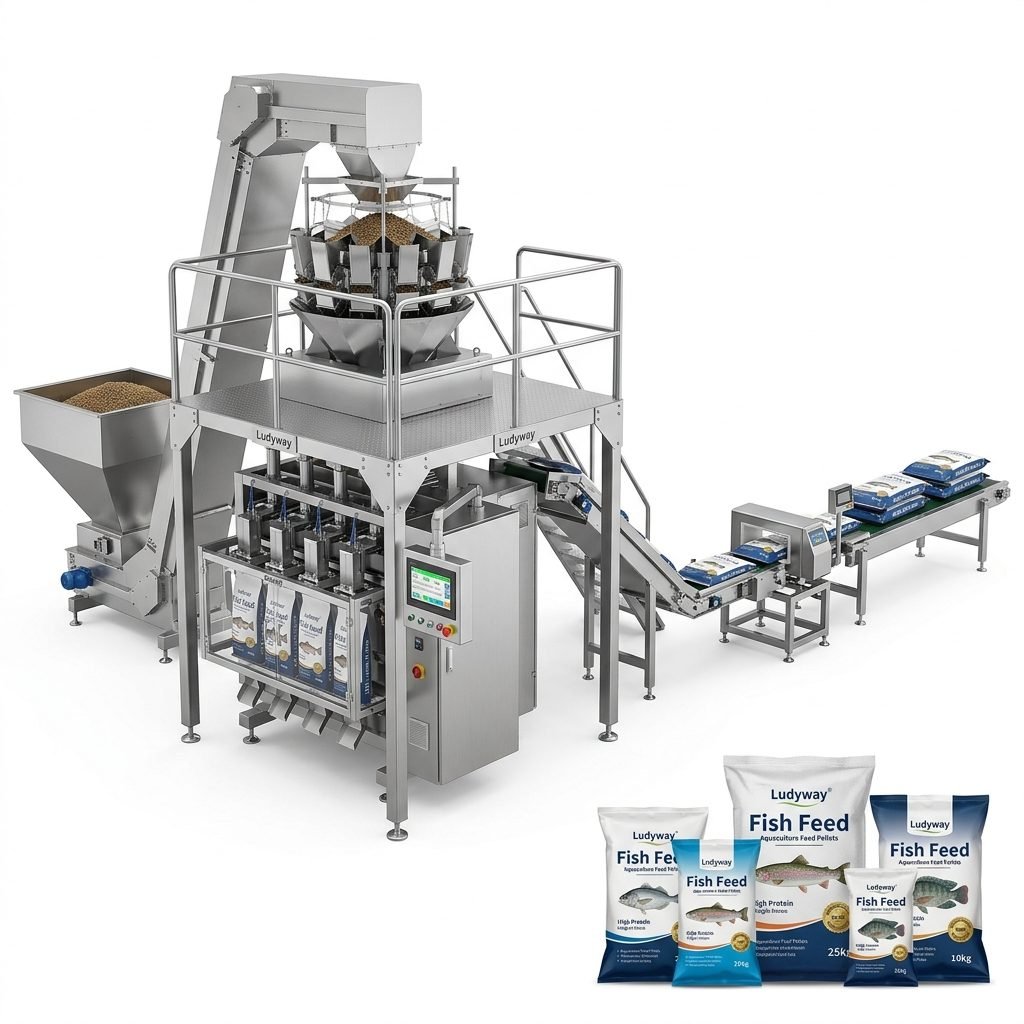
Regular maintenance of a medication packaging machine is not just about preventing breakdowns—it is about ensuring product safety, regulatory compliance, and consistent production output. A well-maintained machine delivers precise dosing, maintains seal integrity, and minimizes costly downtime. This guide outlines a practical, structured approach to keeping your pharmaceutical packaging equipment in peak condition.
Why Preventive Maintenance Matters
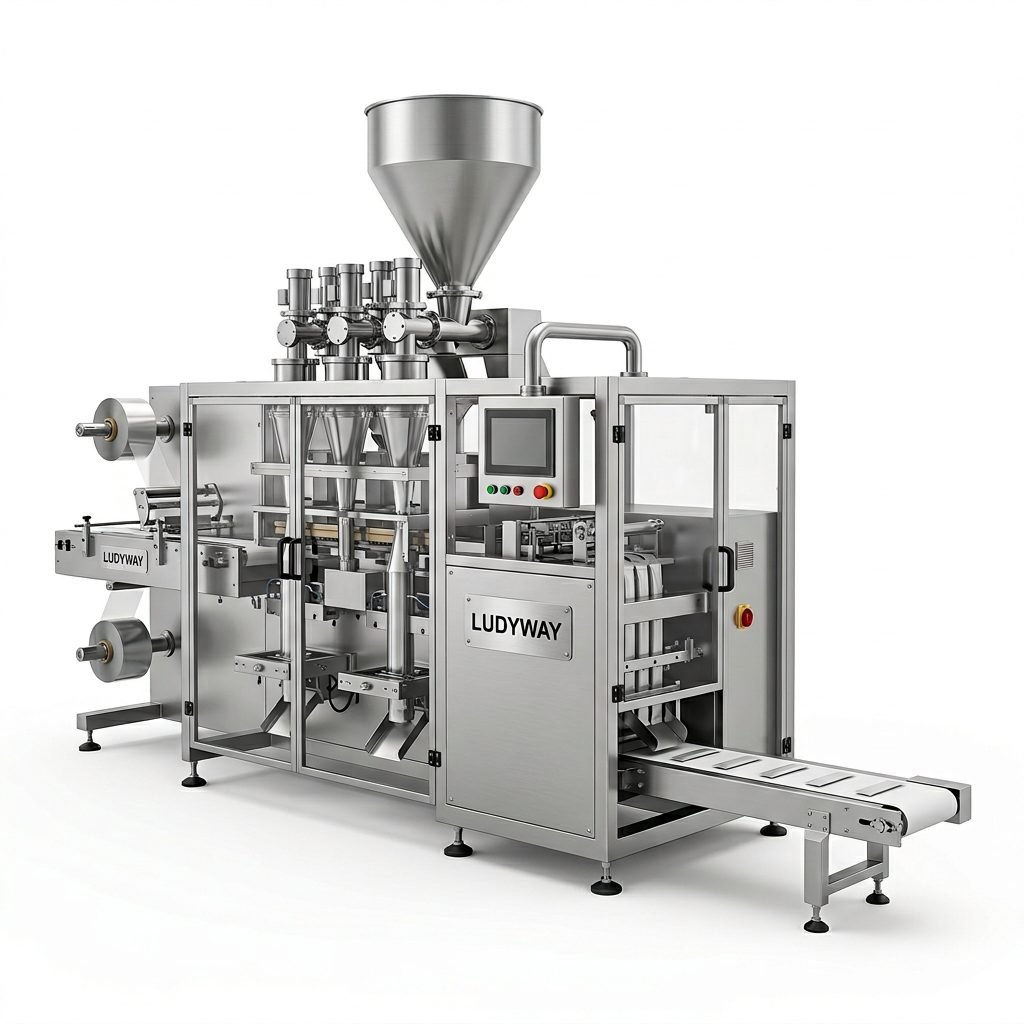
In pharmaceutical packaging, precision is non-negotiable. A minor calibration drift can lead to dosage inaccuracies or compromised sterile barriers. Implementing a preventive maintenance schedule reduces emergency repairs, extends the lifespan of critical components, and helps you stay compliant with ISO packaging standards. Think of it as an investment in quality assurance rather than an operating cost.
Daily Inspection Checklist
Operators should perform these checks at the start of every shift before running production batches:
- Visual inspection: Look for loose fasteners, worn cables, or any signs of impact damage around the forming and sealing stations.
- Clean surfaces: Remove dust, powder residue, and debris from the filling area, especially around the dosing auger or vibratory feeder.
- Check safety guards: Ensure all protective covers and interlocks are functioning. Never bypass a safety switch.
- Verify air pressure: For pneumatic systems, confirm the pressure gauge reads within the manufacturer’s specified optimal range.
- Test emergency stop: Press the emergency stop button and verify the machine halts immediately. Reset and confirm normal operation.
Weekly and Monthly Maintenance Tasks
Beyond daily checks, a deeper level of care is required on a recurring basis. The table below breaks down key actions by frequency.
| Frequency | Task | Key Focus |
|---|---|---|
| Weekly | Lubricate chains, bearings, and guide rails | Use food-grade lubricant for product-contact zones |
| Weekly | Inspect sealing jaws and heating elements | Check for uneven wear patterns or residue buildup |
| Monthly | Calibrate the weighing and dosing system | Use certified test weights to verify accuracy |
| Monthly | Check belt tension and alignment | Replace cracked or stretched belts immediately |
| Monthly | Clean optical sensors and photoelectric cells | Dust accumulation can cause false readings |
Sealing System Care
The integrity of a medication package depends heavily on proper sealing. Over time, sealing jaws accumulate residue from packaging film coatings, which can cause weak or inconsistent seals. Follow these steps:
- Allow jaws to cool completely before cleaning to avoid thermal shock.
- Use a soft brass brush or approved solvent to remove residue without scratching the sealing surface.
- After cleaning, run test pouches and perform a dye penetration test or vacuum leak test to confirm seal quality.
- Monitor temperature controllers for drift—a deviation of just a few degrees can compromise seal strength.
Electrical and Control System Best Practices
Modern packaging machines rely on PLCs, servo drives, and touchscreen interfaces. While these components are generally robust, they are sensitive to environmental factors.
Keep control cabinets sealed and ensure cooling fans are operational. Dust ingress is a leading cause of circuit board failure. Periodically back up machine parameters to an external device—this simple habit can save hours of reprogramming if a component needs replacement. For machines from established manufacturers like Ludyway, detailed parameter backup procedures are typically included in the user manual.
Quarterly Preventative Measures
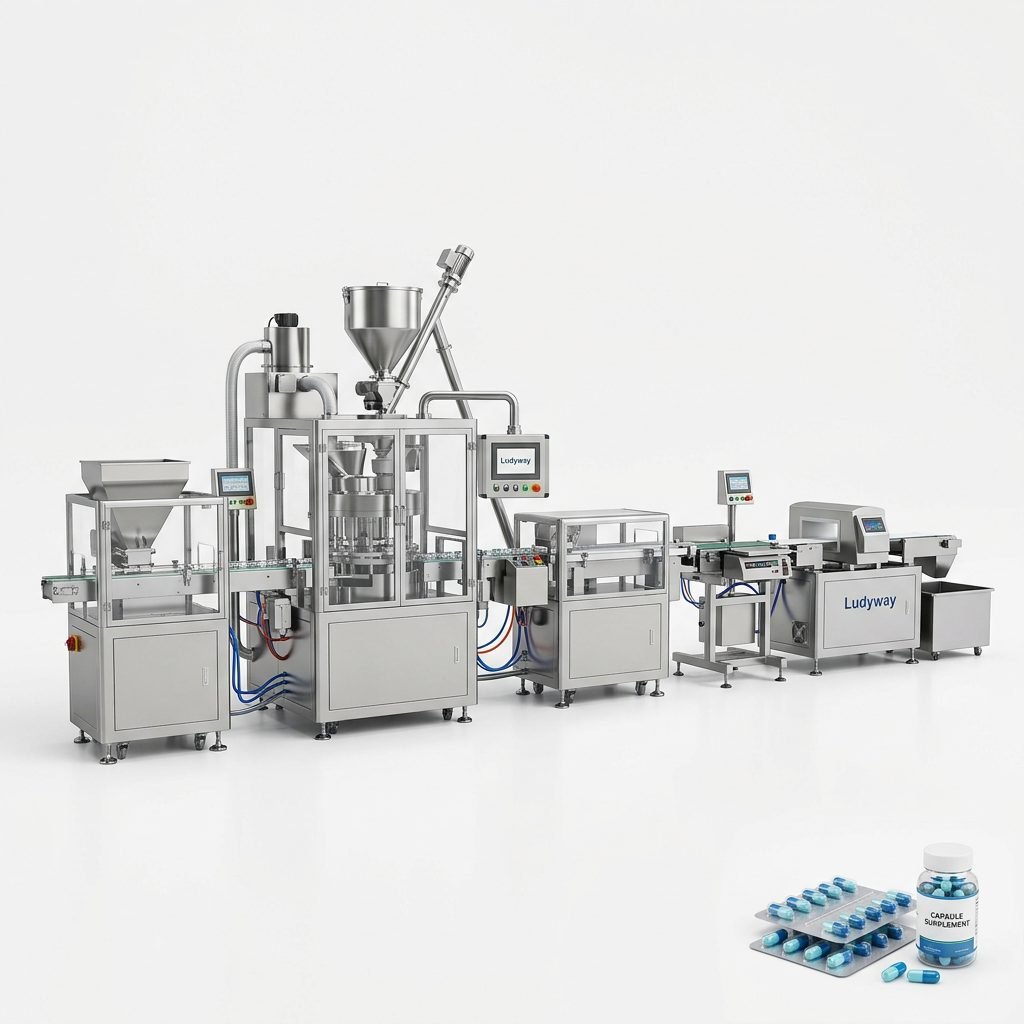
Set aside dedicated downtime each quarter for more thorough servicing. This is the time to go beyond surface checks.
Mechanical Components
- Inspect all gears, sprockets, and cam mechanisms for signs of fatigue.
- Replace any bearing that produces noise or shows lateral play.
- Verify that all bolts on the main frame are torqued to specification.
Pneumatic and Vacuum Systems
- Drain moisture traps and check filters on the air preparation unit.
- Test cylinder seals for leaks—sluggish actuator movement often indicates a failing seal.
- Examine vacuum cups and hoses for cracks that could cause product misfeeds.
Common Issues and Troubleshooting
Even with diligent maintenance, occasional issues arise. Here are frequent problems and their likely root causes:
- Inconsistent fill weight: Clogged dosing mechanism, product density variation, or load cell drift. Recalibrate and clean the feeder.
- Film tracking errors: Misaligned rollers, uneven tension, or worn rubber nip rollers. Check the entire film path and adjust tracking guides.
- Premature seal failure: Contaminated sealing jaws, incorrect temperature setting, or degraded film coating. Clean jaws and verify the temperature profile.
- Machine vibration: Loose mounting bolts, unbalanced rotating parts, or damaged leveling feet. Tighten all fasteners and check floor levelness.
Spare Parts Inventory Management
Waiting for a replacement part to arrive while production is halted is a preventable scenario. Maintain a lean but strategic critical spares inventory. At minimum, keep these items on hand:
- Sealing jaw assemblies and heating cartridges
- Common belt sizes and drive chains
- Sensor types specific to your machine model
- Fuses, relays, and emergency stop switches
- Filters for pneumatic and vacuum systems
Consult resources like the PMMI business intelligence library for broader industry insights on optimizing packaging line uptime and spare parts strategies.
Documentation and Training
A maintenance program is only effective if it is consistently followed. Create a logbook—digital or physical—where operators record every inspection, calibration, and repair. This documentation serves as evidence during audits and helps identify recurring failure patterns. Equally important is ongoing operator training. Even the best maintenance plan fails if staff are not properly trained to recognize early warning signs.
Final Thoughts on Long-Term Reliability
A medication packaging machine represents a significant capital investment. Protecting that investment requires discipline, but the returns—higher OEE, fewer quality holds, and longer asset life—are substantial. By combining daily operator checks with structured weekly, monthly, and quarterly tasks, you create a culture of proactive care that directly supports production goals and patient safety.