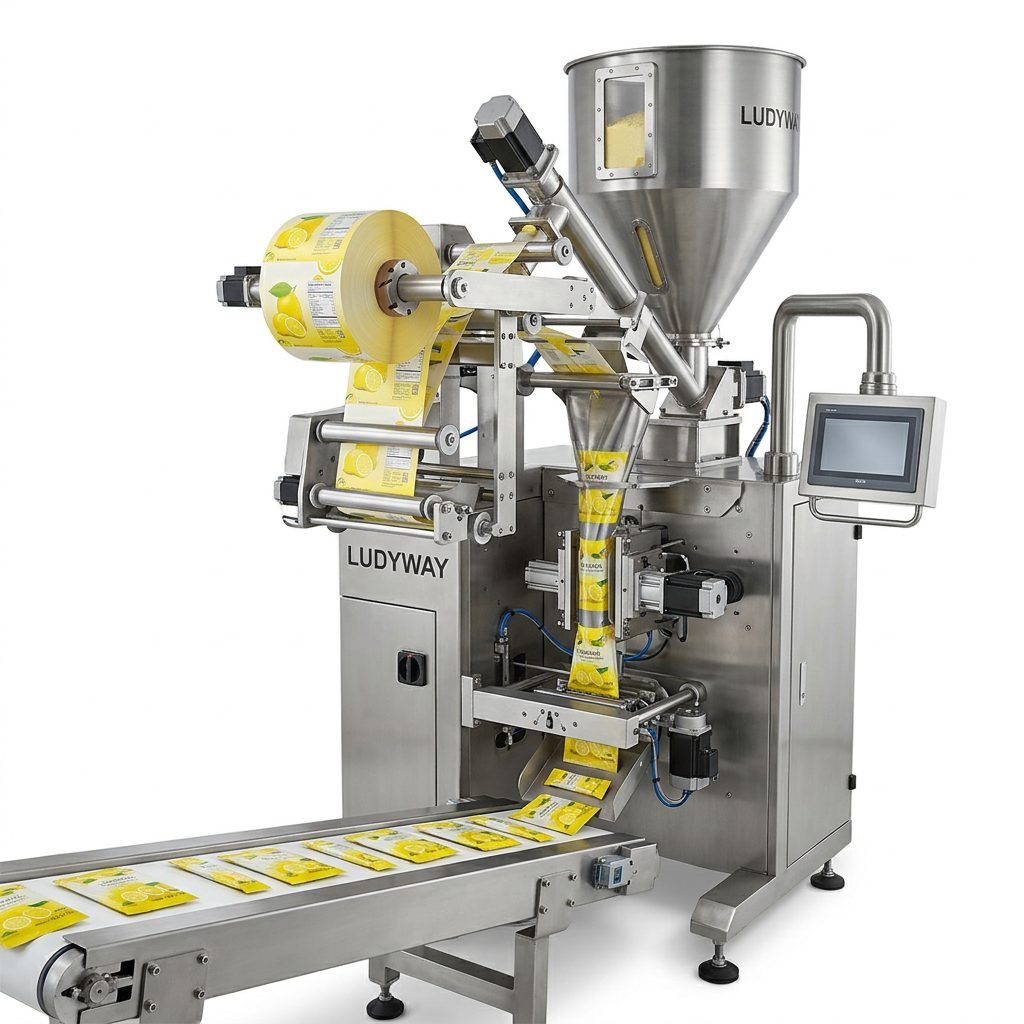
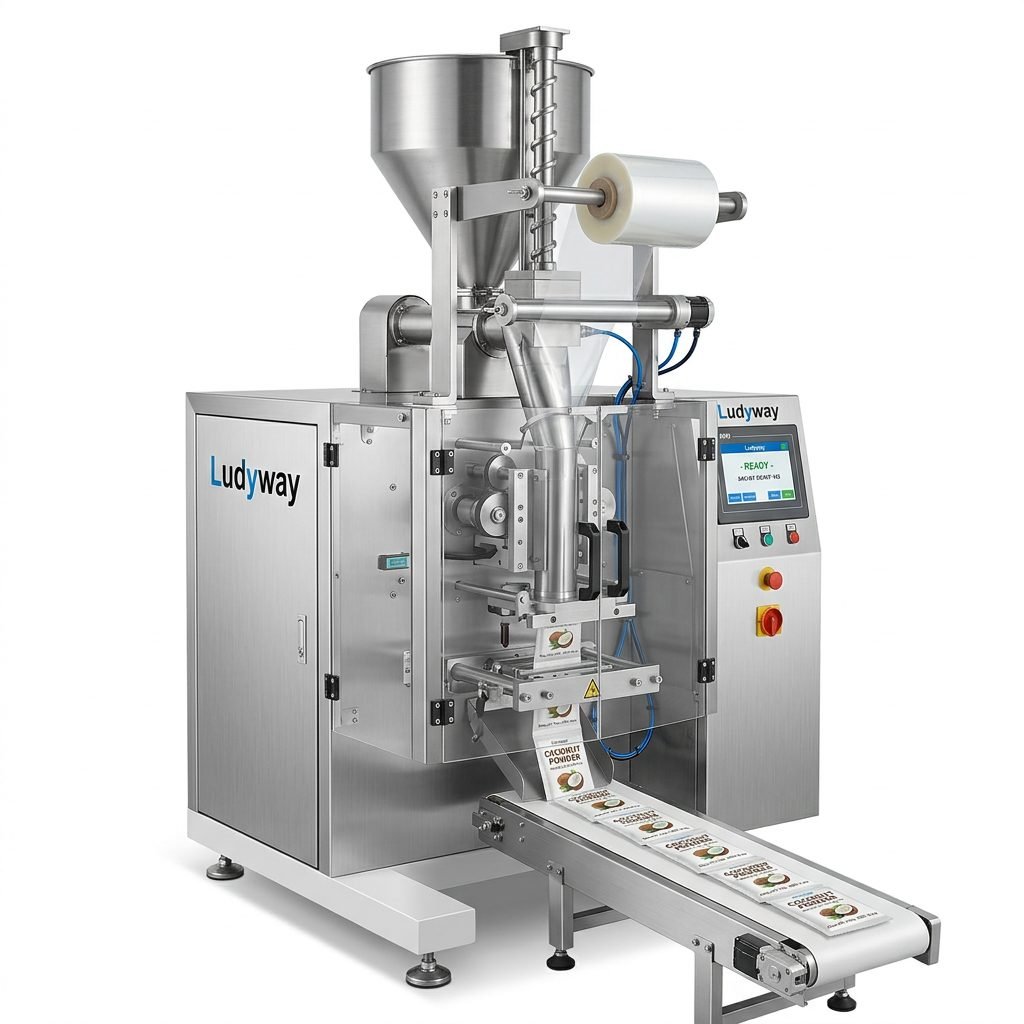
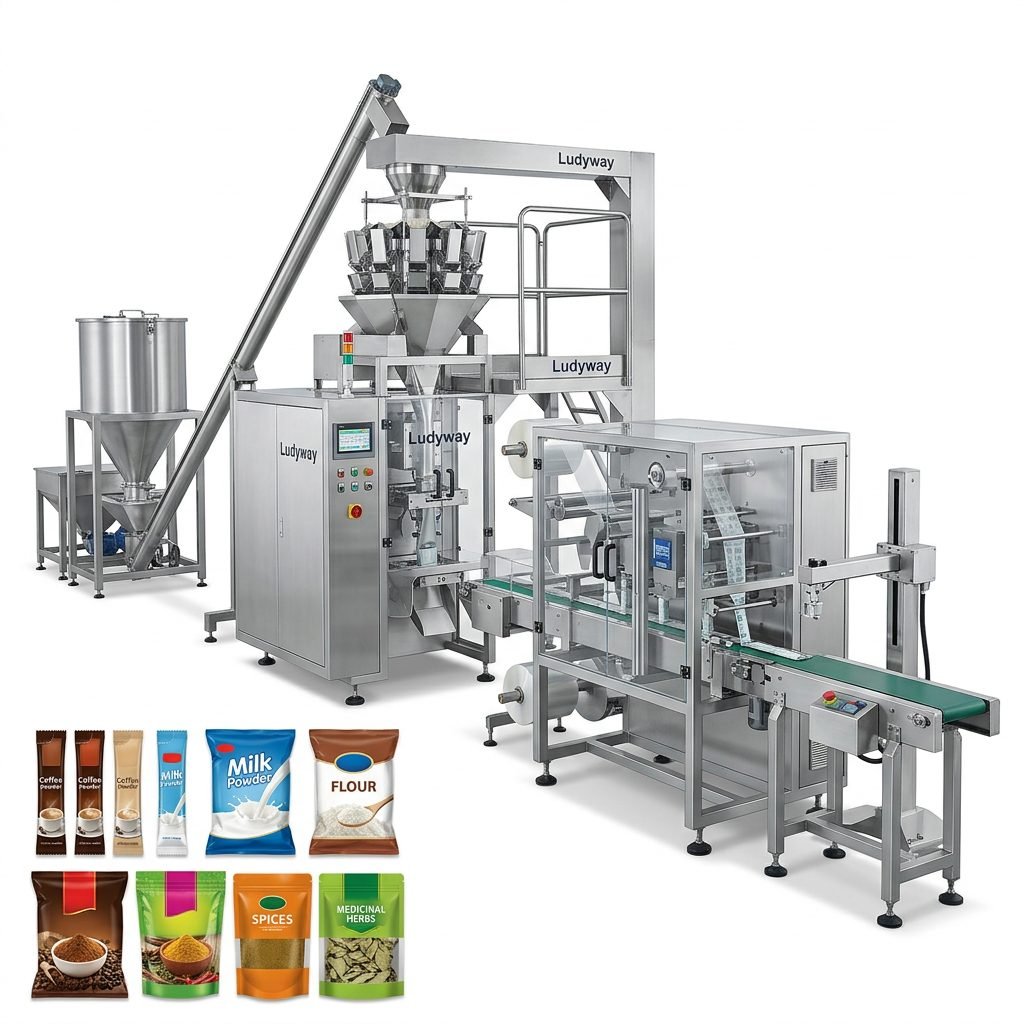
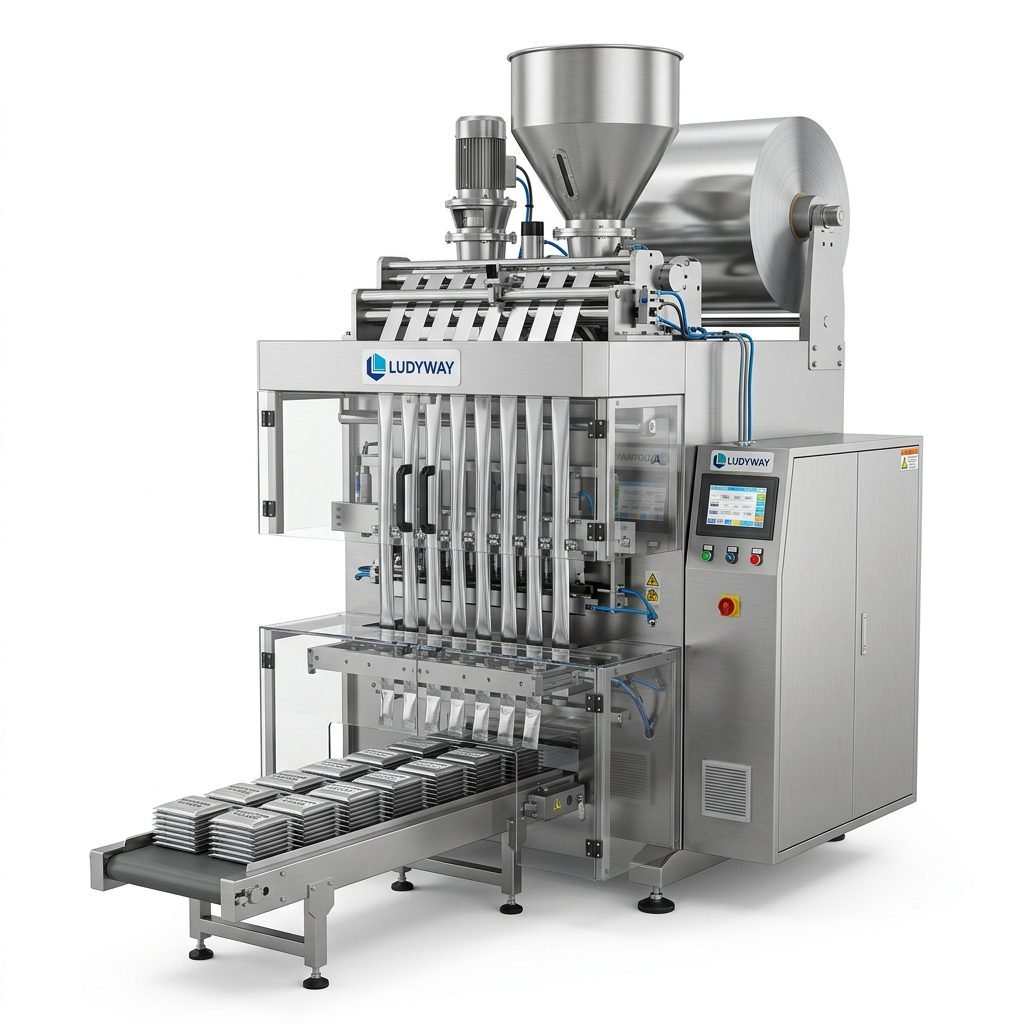
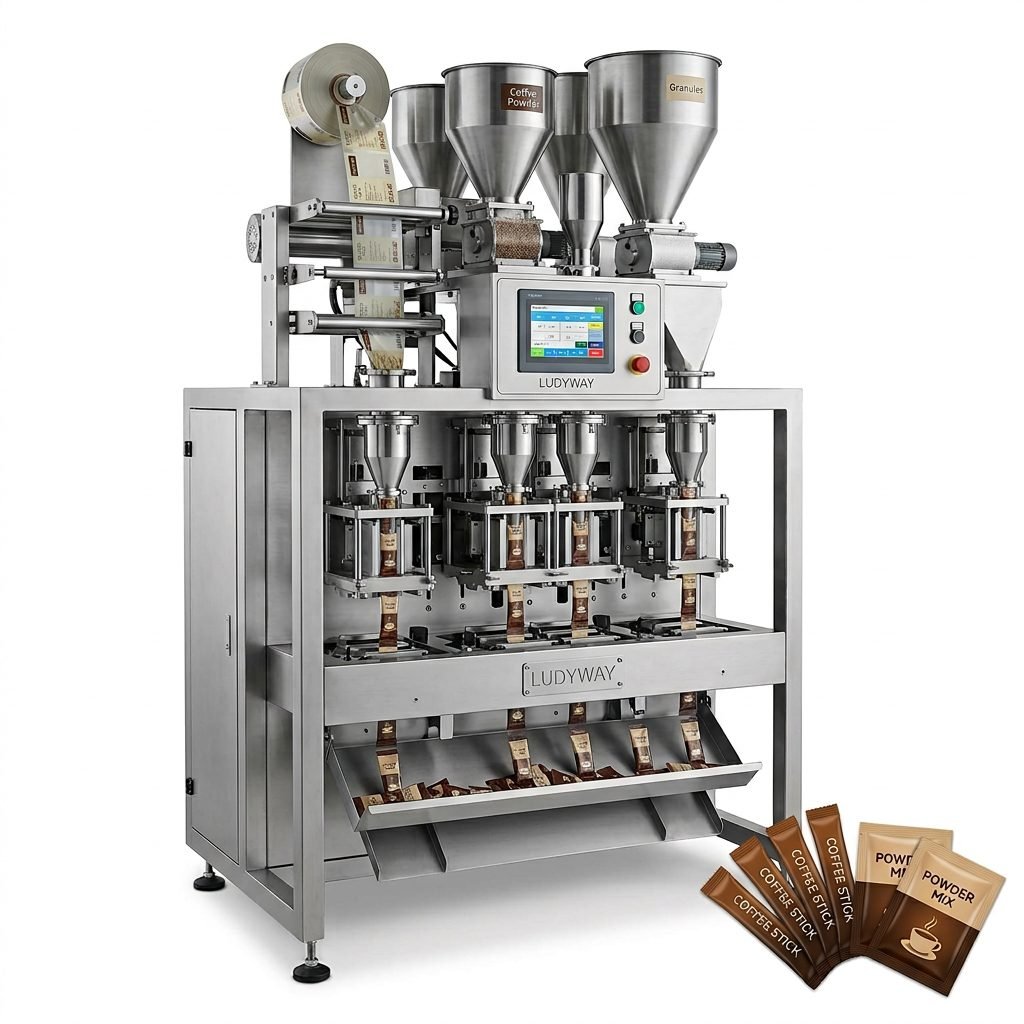
Maintaining your pillow pouch packaging machine is not just about preventing breakdowns; it’s about ensuring consistent product quality, extending the lifespan of your investment, and guaranteeing operational safety. A proactive approach can dramatically reduce unplanned downtime, which is crucial in high-volume food, pharmaceutical, and chemical sectors. This comprehensive guide outlines the essential steps to keep your packaging machinery running at peak efficiency.
Why Preventive Maintenance is Non-Negotiable
Reactive repairs are costly. In the competitive landscape of consumer goods, a faulty seal or misaligned film drive can lead to significant product waste and brand damage. Implementing a structured maintenance plan addresses wear and tear on critical components before they fail. Key benefits include:
- Reduced Downtime: Catch minor issues before they escalate into major failures.
- Consistent Seal Integrity: Avoid leaks and contamination by maintaining precise temperature and pressure.
- Extended Machine Life: Lubrication and cleaning prevent premature degradation of mechanical parts.
- Operator Safety: Well-maintained machines are significantly safer to operate.
Understanding Your Pillow Pouch Machine’s Core Zones
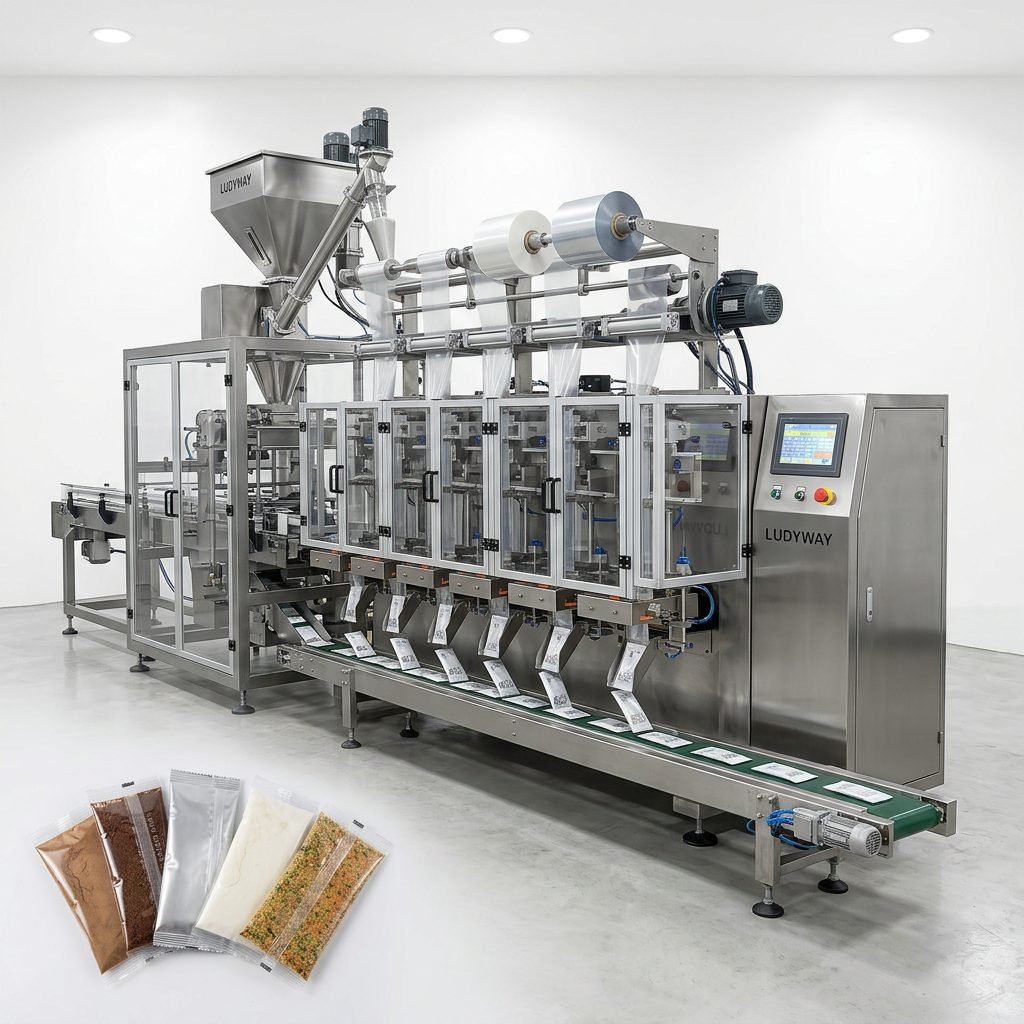
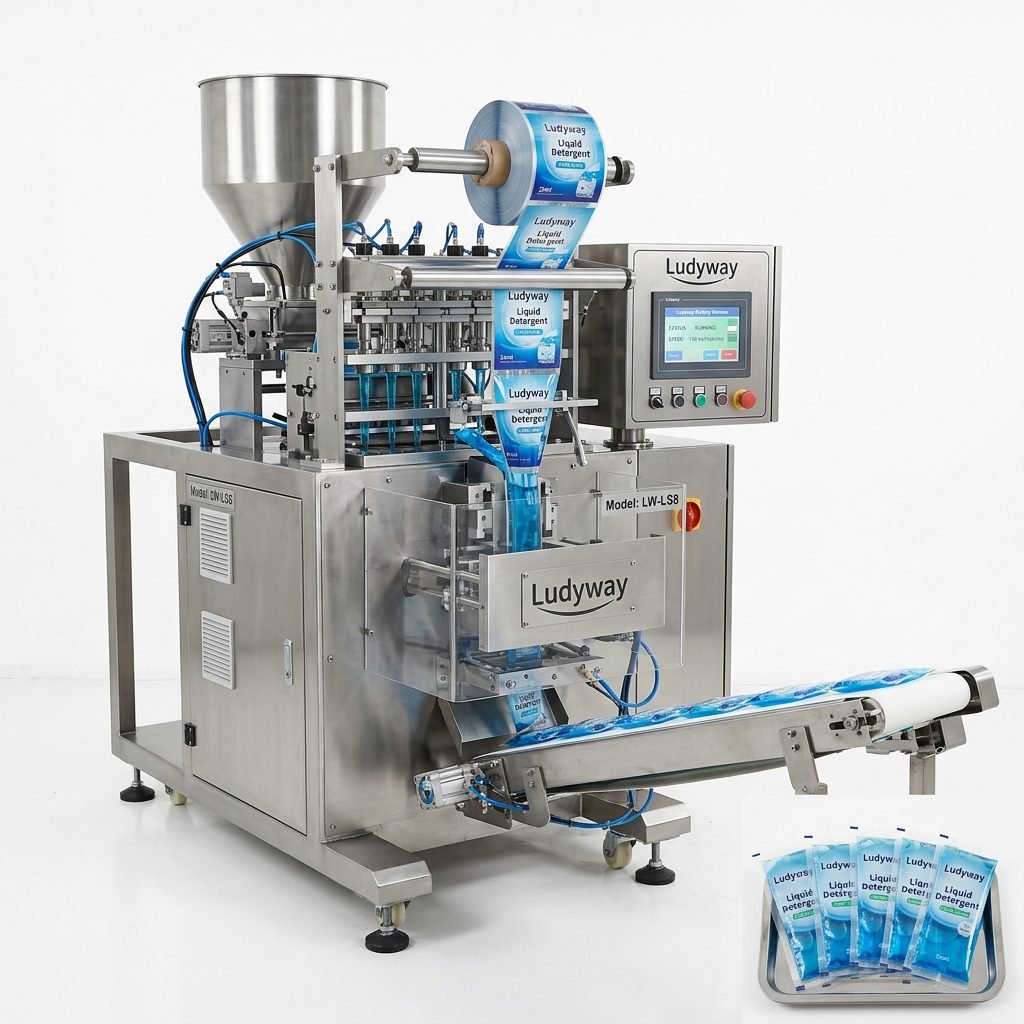
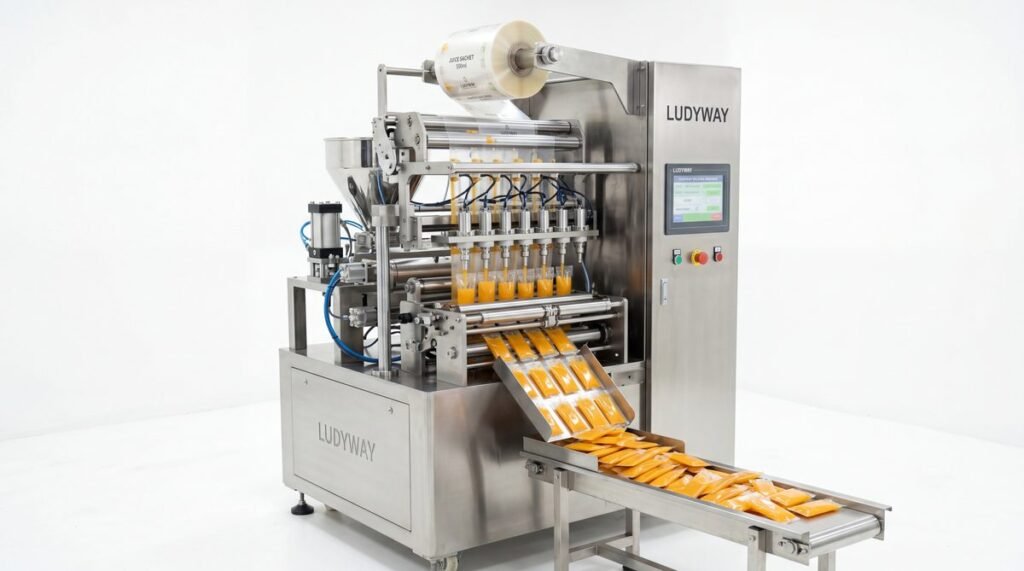
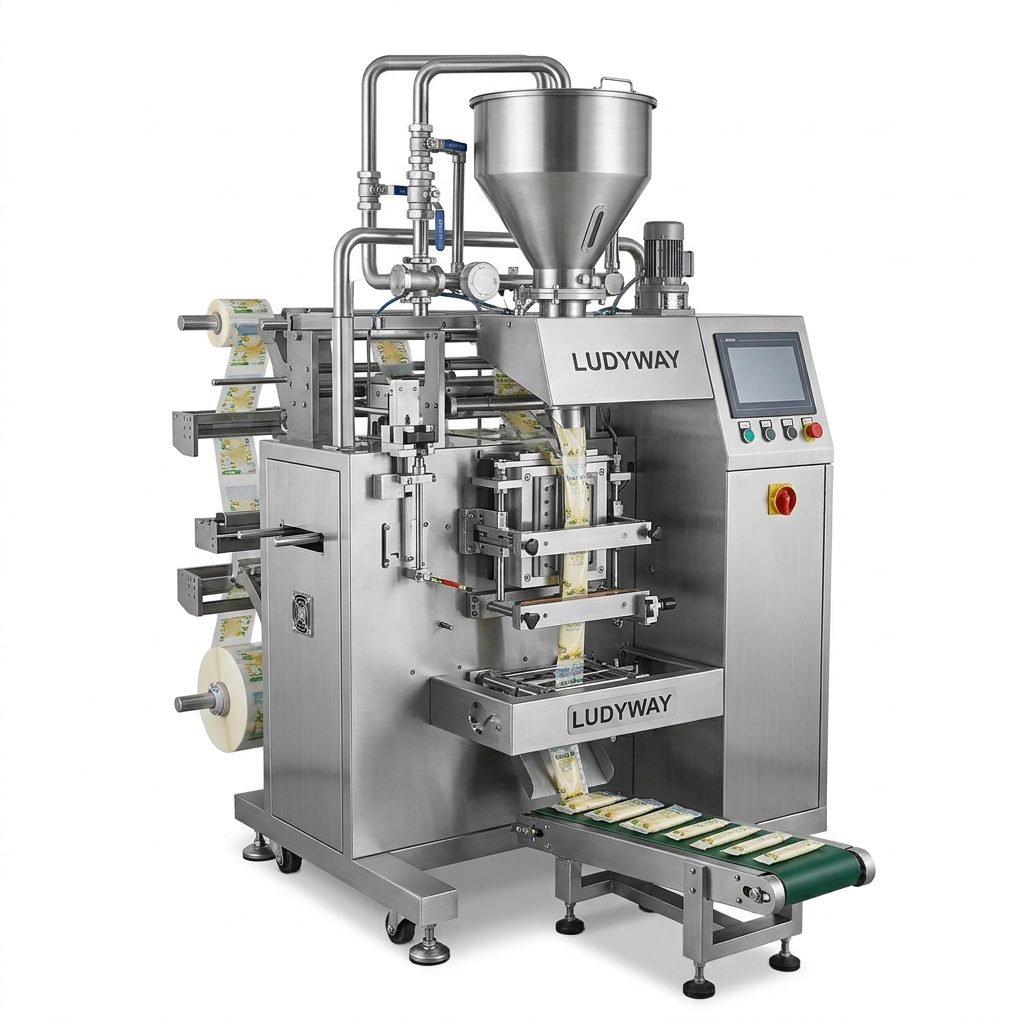
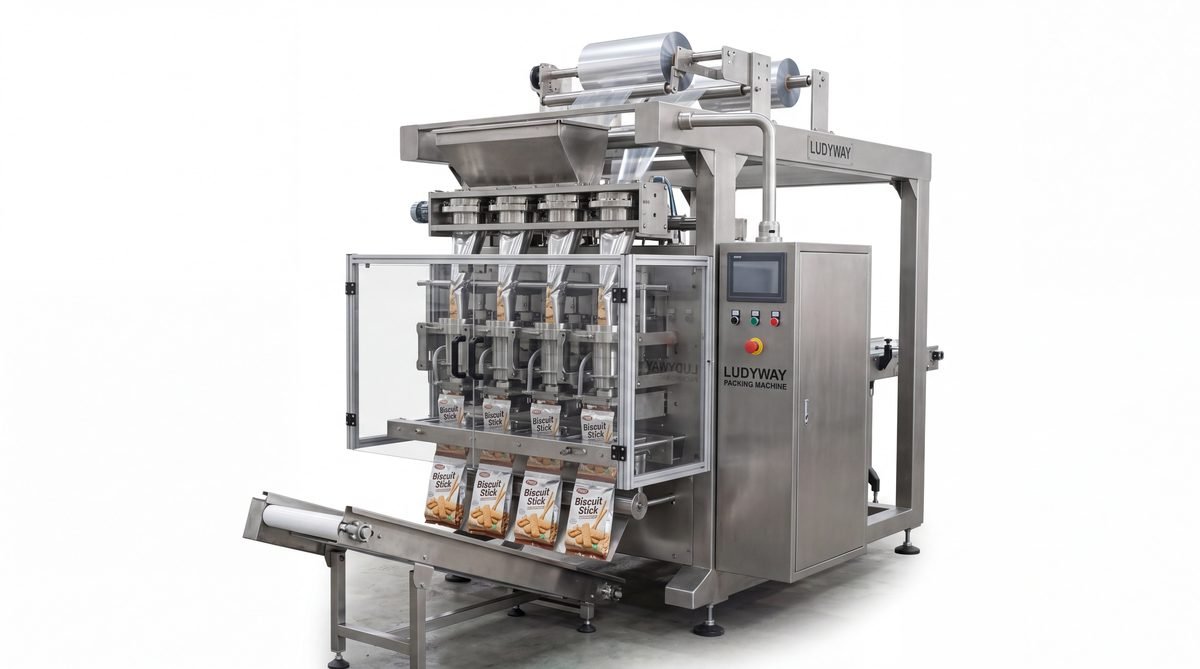
Effective maintenance begins with a clear understanding of the machine’s anatomy. Focus your daily, weekly, and monthly checks on these critical zones:
- Film Unwinding and Tension Control: The carriage and dancer arms.
- Forming and Filling Area: The forming tube and filling spout.
- Sealing Mechanisms: Vertical and end-sealing jaws.
- Cutting and Discharge: Knives and delivery belts.
Daily Maintenance Checklist
These tasks should be performed at the start of every shift or production run to ensure a clean baseline.
| Task | Action | Critical Focus |
|---|---|---|
| Visual Inspection | Inspect for loose bolts, damaged cables, or worn belts. | Safety guards integrity. |
| Clean Sealing Jaws | Use a soft brass brush to remove product residue and film remnants. | Heater bars and thermocouples. |
| Air Filter Draining | Drain water from the air filter/regulator. | Moisture prevention in pneumatics. |
| Check Displays | Verify temperature controllers and sensor readouts are nominal. | PLC error logs. |
The Importance of Cleaning Product Residue
Product buildup, especially from powders or sticky liquids, is the number one enemy of moving parts. If product seeps into bearings or gums up guides, friction increases exponentially. Always use dry, lint-free cloths for electronic areas and approved cleaning agents for stainless steel bodies.
Weekly Preventive Measures
Weekly procedures go deeper into mechanical health. This is the time to check alignments and lubrication points that daily routine might miss.
- Lubrication: Grease the forming tube bearings and the jaw drive cam followers. Do not over-grease, as excess can contaminate packaging film.
- Fastener Tightness: Vibration is inevitable. Check and torque the fasteners on the cutting knife and sealing jaw assemblies.
- Belt Tensioning: Inspect the timing belts. Too much tension damages shafts; too little causes slippage and registration errors.
- Sensor Alignment: Clean the eyes of the photoelectric sensors (registration marks) with a soft, dry cloth to prevent film tracking errors.
Protecting Electrical Components
Open the electrical cabinet weekly to check for dust accumulation. Overheating of variable frequency drives (VFDs) and servo drives is a common cause of unpredictable stoppages. Ensure the cabinet cooling fan is functional and filters are clean.
Monthly and Quarterly Deep Dives
These longer intervals allow for more intrusive inspections that require partial disassembly or dynamic testing.
| Component | Maintenance Action | Symptom of Neglect |
|---|---|---|
| Pneumatic Cylinders | Inspect for smooth extension/retraction; replace worn seals. | Stuttering or slow jaw movement. |
| Vacuum Belts | Clean vacuum ports and replace perforated belts. | Film slippage and misfeeds. |
| Gearboxes | Check oil levels and look for leaks. | Excessive operating noise/heat. |
| Thermocouple Calibration | Verify actual temperature vs. setpoint. | Weak or burning seals. |
Spare Parts Management Strategy
Waiting for a part to fail before ordering it halts production for days. An intelligent strategy classifies parts by criticality:
- Critical/Consumables: Seal jaws, thermocouples, heater cartridges, and cutting knives. Always keep a set on site.
- Wear Items: Timing belts, drive belts, brushes, and bearing sets. Order based on manufacturer-recommended cycles.
- Long-Lead Items: Specific PLC modules or specialized sensors. Verify availability with your machine supplier before these reach end-of-life.
As a leading manufacturer, Ludyway provides comprehensive spare parts kits tailored to specific machine models, ensuring you are never left waiting for essential components.
Diagnosing Common Sealing Issues
The seal is the core function of the machine. If the bag integrity fails, the production is worthless. Here is how to troubleshoot common defects:
- Wrinkled Seals: Usually indicates misaligned jaws or uneven film tension. Check the dancer arm and alignment of the forming tube.
- Product Stuck in Seal: Adjust the filling timing (drip time) or reduce product dust dispersion in the hopper.
- Seal Separation: Increase pressure or dwell time slightly; verify film is not oriented incorrectly (check the treated side).
Scheduled Audits and Professional Support
While in-house teams handle daily tasks, an annual professional audit is invaluable. Technicians can evaluate parameters you might overlook, such as absolute encoder zero points, servo stiffness tuning, and network communication health. External resources such as the PMMI and the Flexible Packaging Association offer standards that can be integrated into your maintenance protocols.
Conclusion
Systematic maintenance transforms a pillow pouch packaging machine from a potential bottleneck into a reliable asset. Document every action, monitor trends in seal temperature, and never ignore unusual noises. A clean, calibrated, and well-lubricated machine will deliver consistent, high-quality pouches for years, maximizing your return on investment.