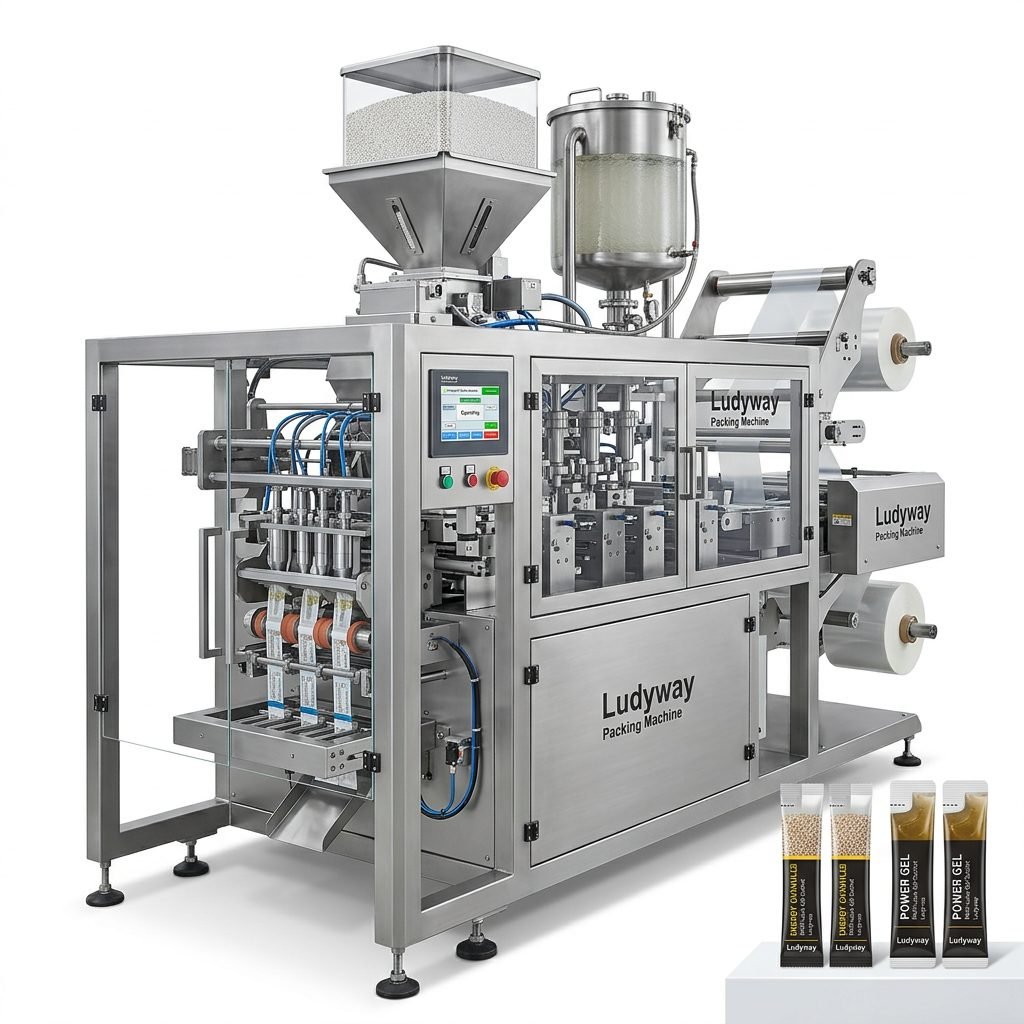
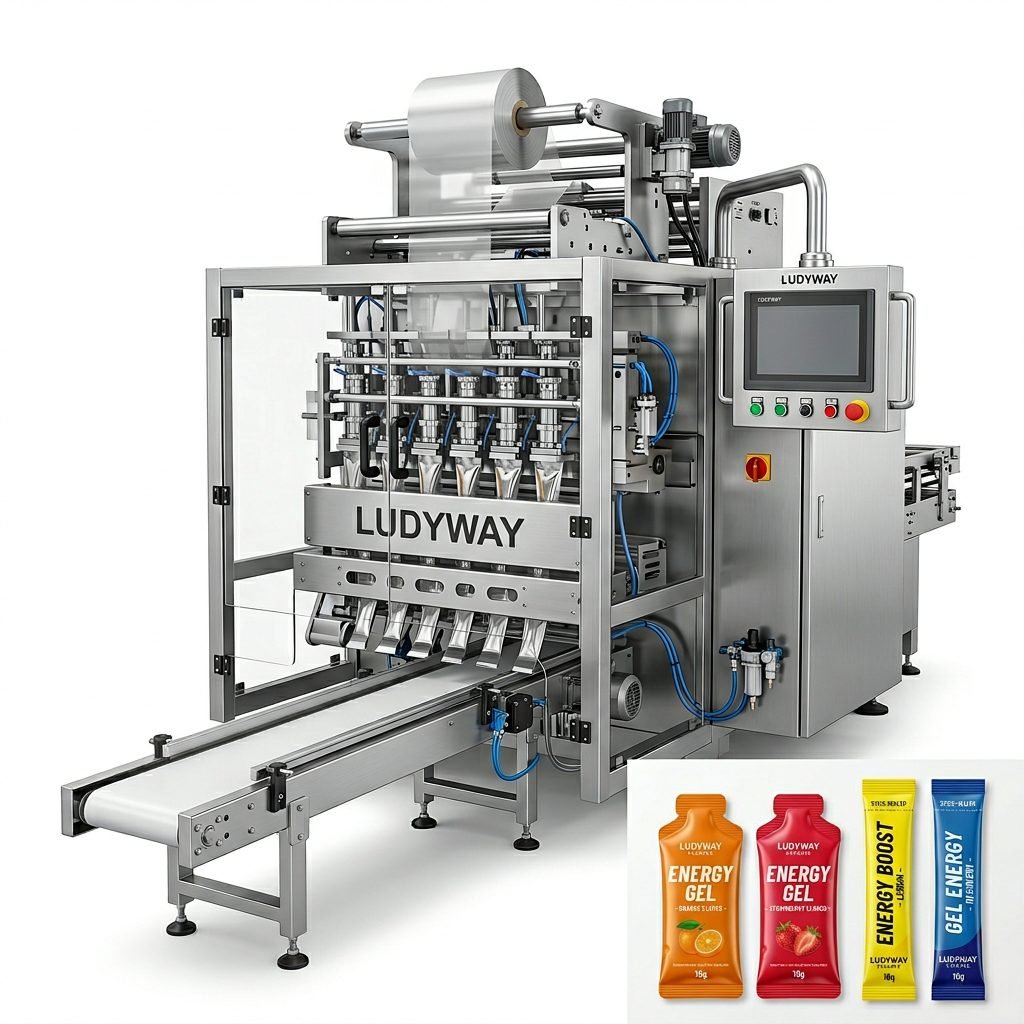
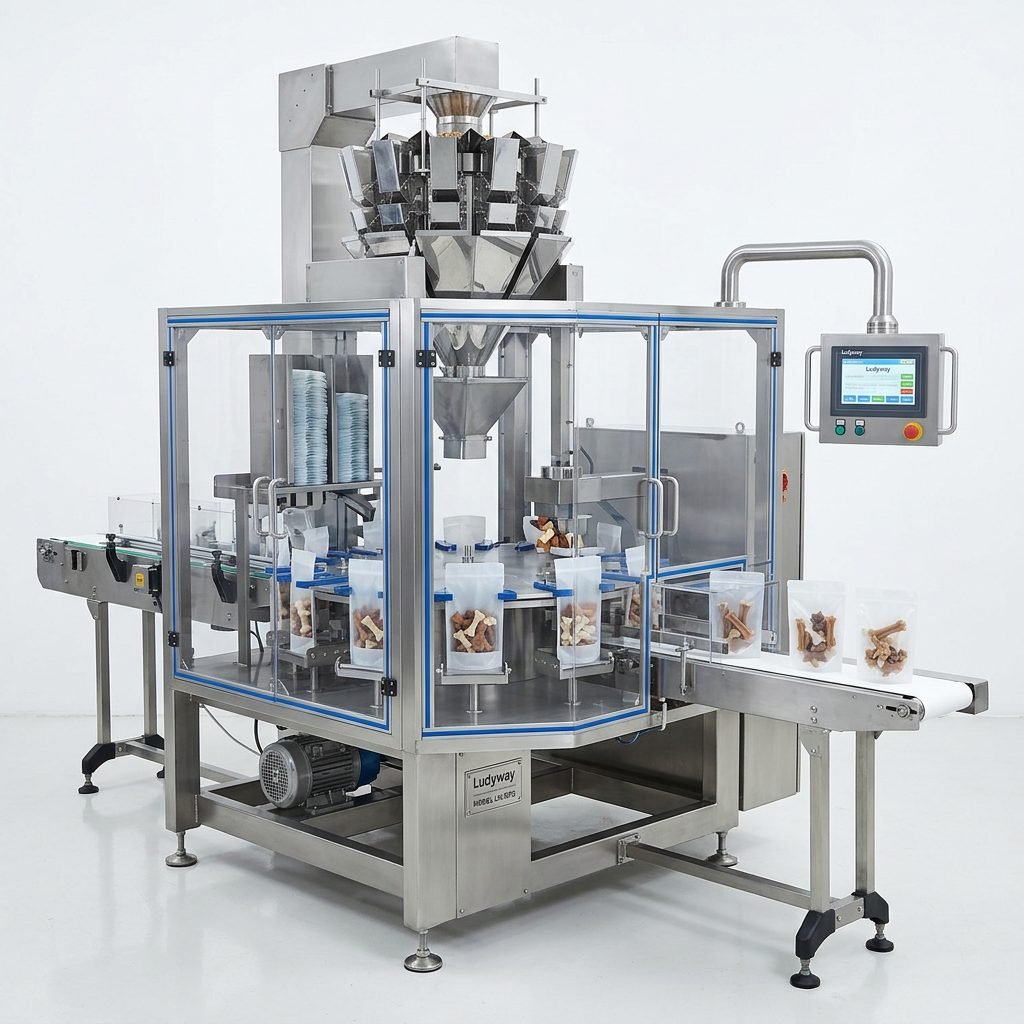
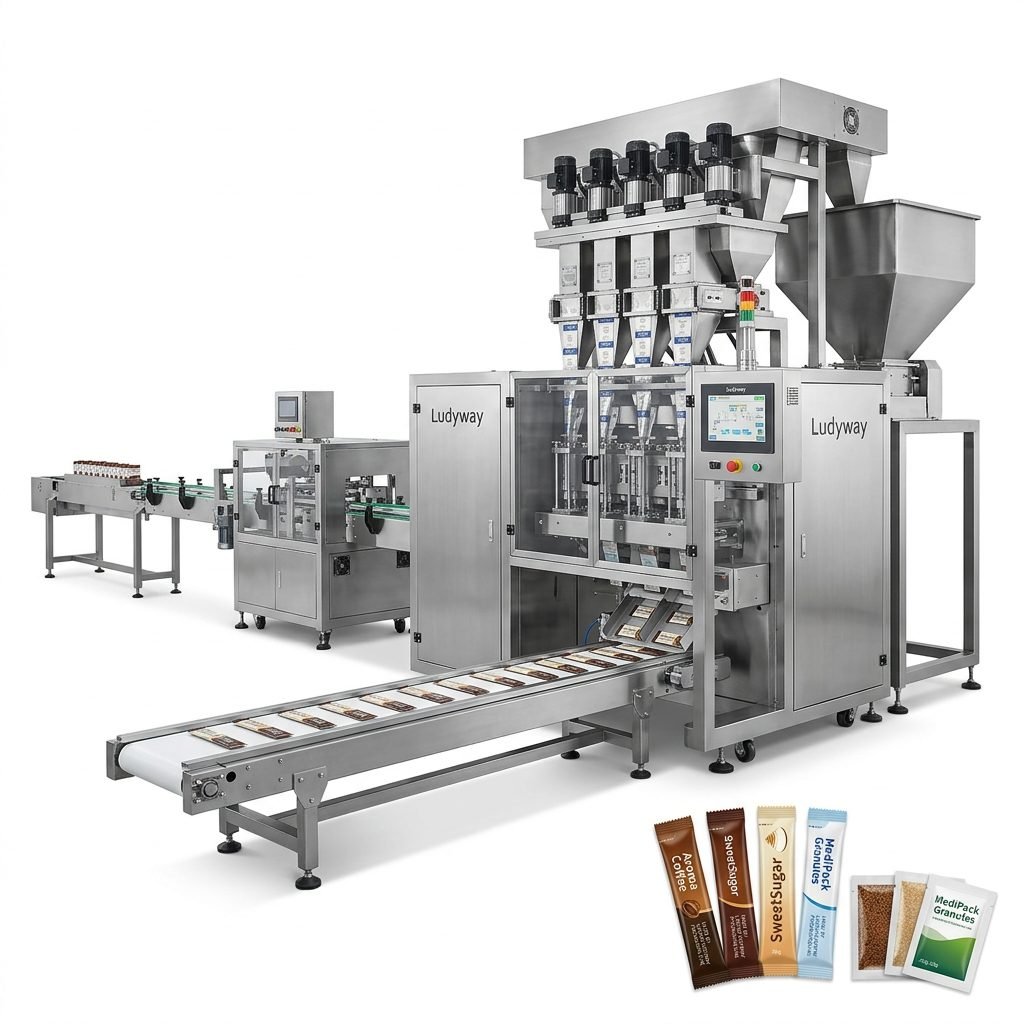
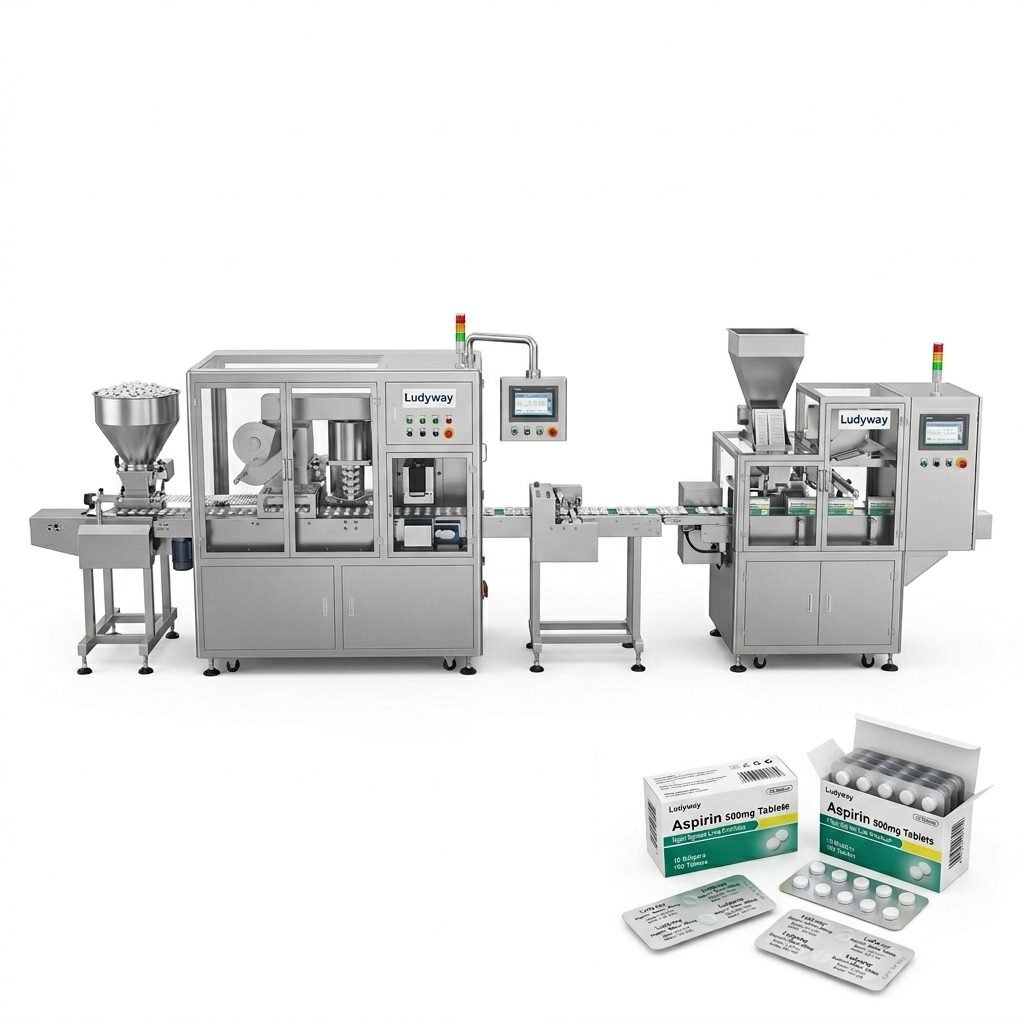
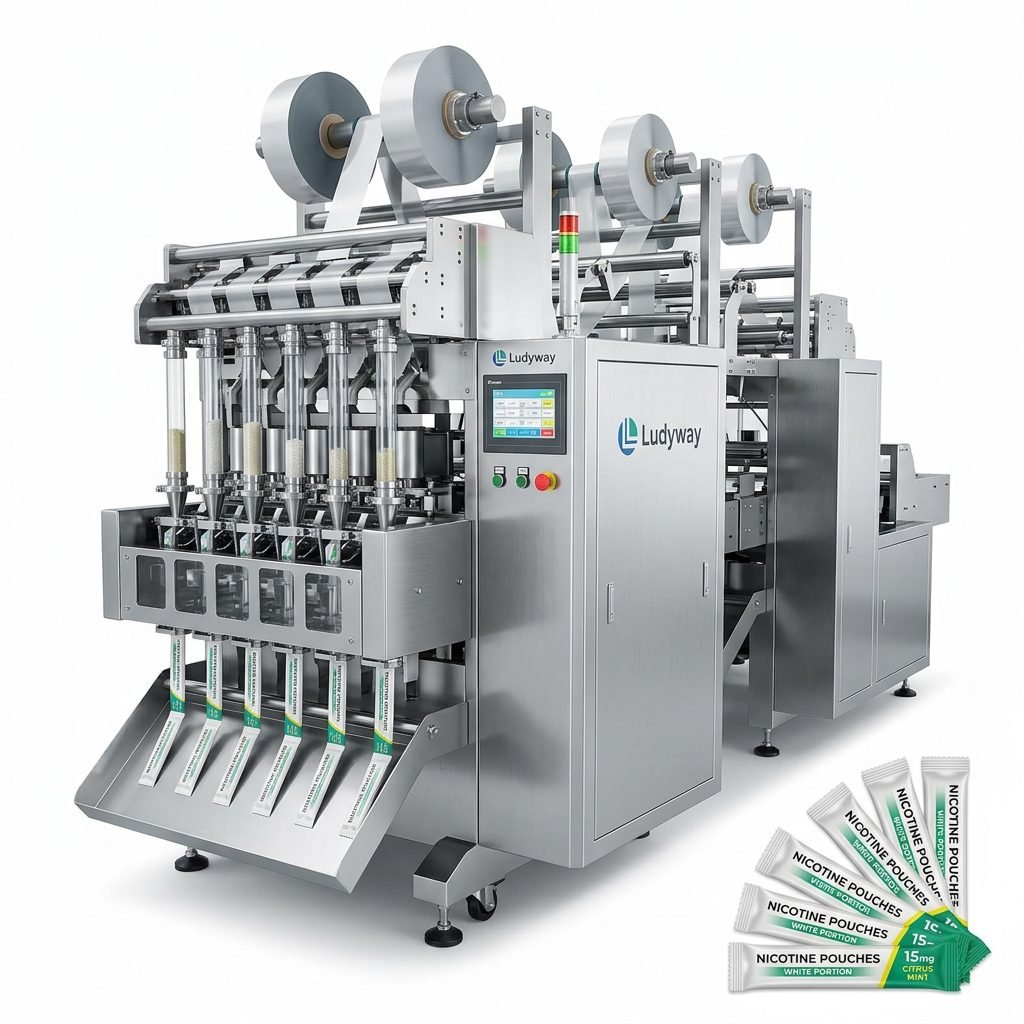
When expanding your packaging operations in Libya, selecting the right machinery manufacturer is a strategic decision that directly impacts production efficiency, product quality, and long-term business growth. The Libyan market, with its growing food processing, pharmaceutical, and health supplement sectors, demands reliable, automated packaging solutions that can withstand local conditions and deliver consistent output. This guide will help you navigate the key factors to consider when choosing a packaging machine manufacturer in Libya, with a focus on leading Chinese suppliers that have established a strong presence in the region.

1. Understand Your Production Requirements
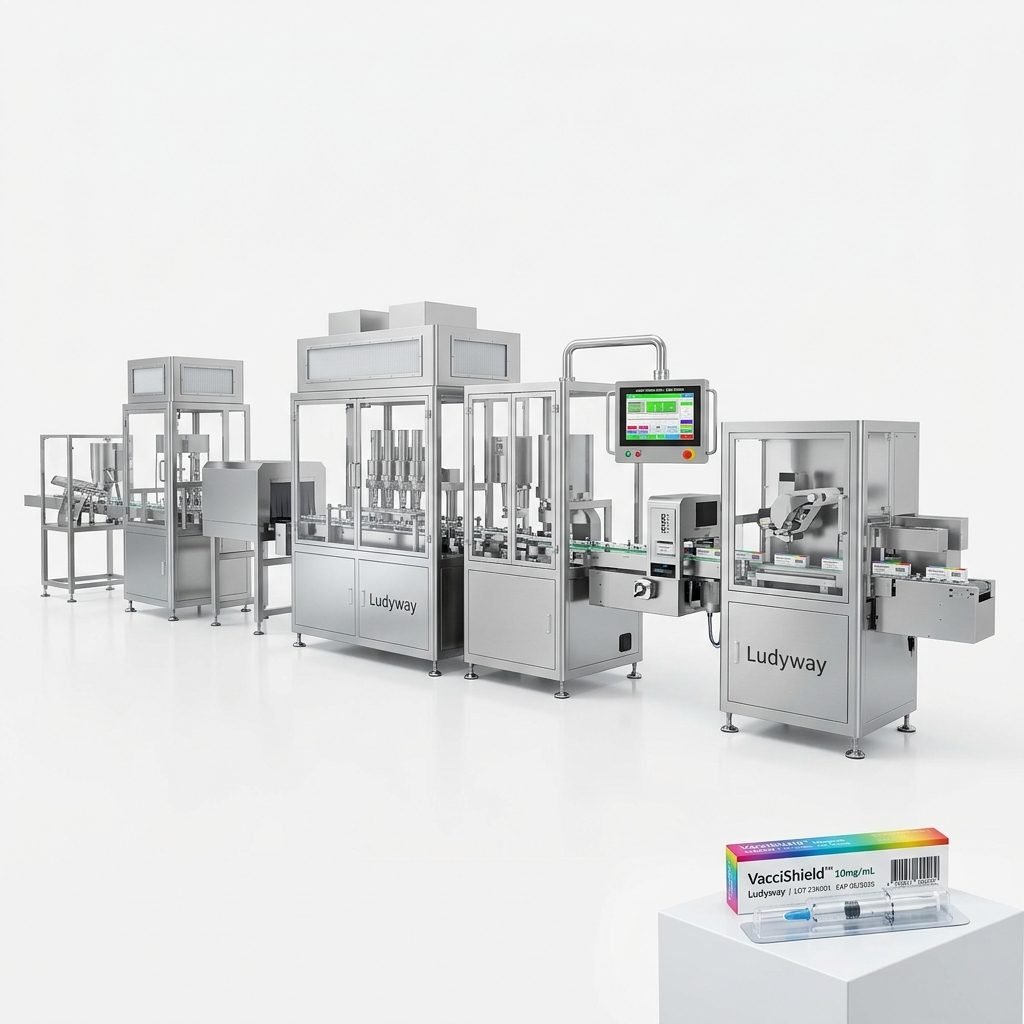
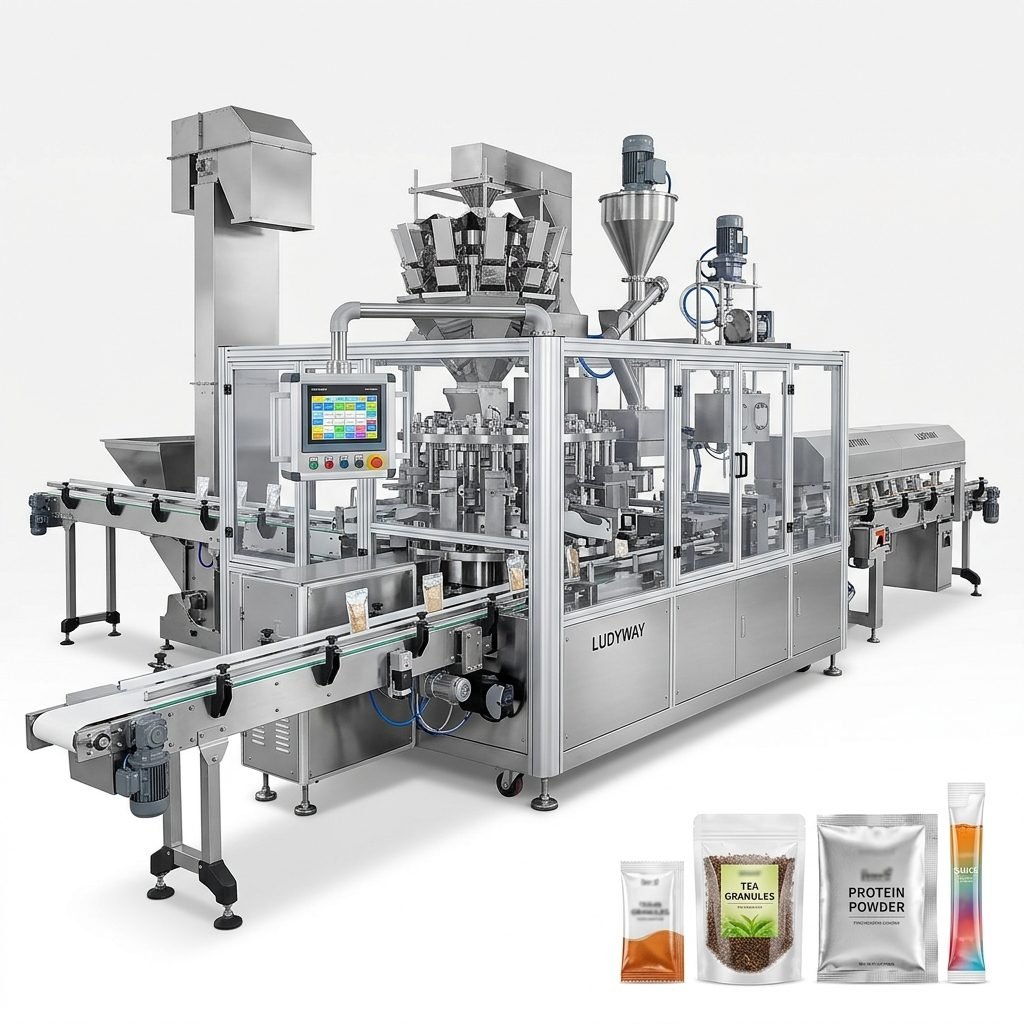
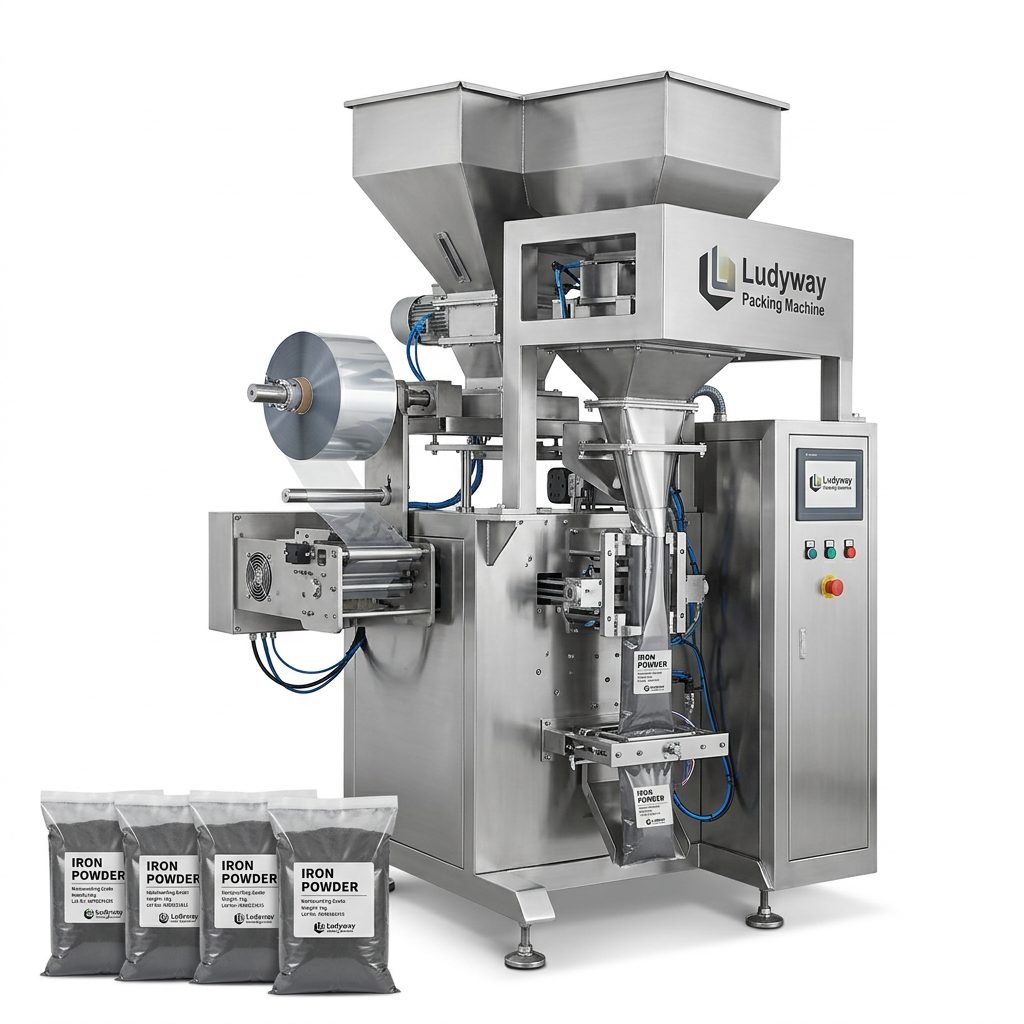
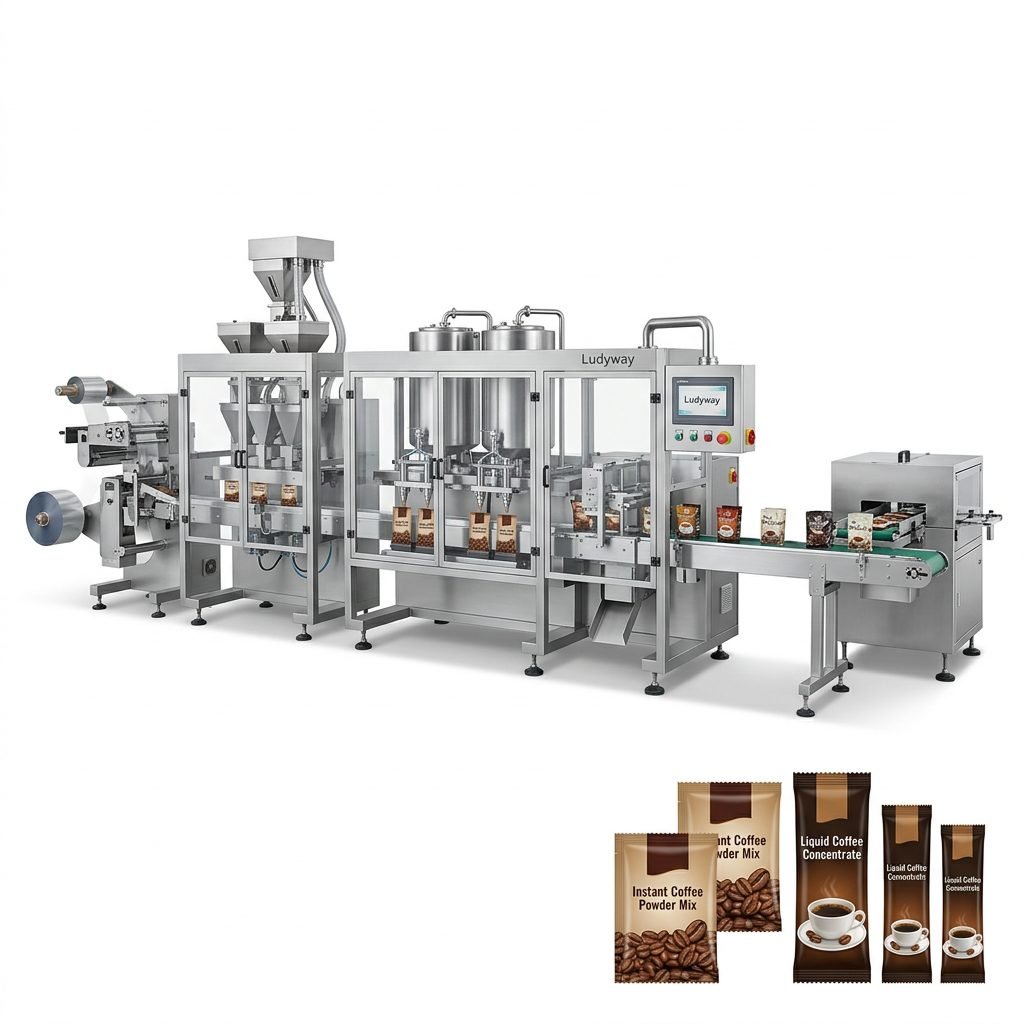
Before evaluating manufacturers, clearly define your product type (granules, powders, liquids, pastes), desired packaging format (stick pack, sachet, pouch, bag), and output capacity. Libyan businesses often deal with a variety of products, from spice blends and herbal teas to pharmaceutical powders and liquid detergents. A manufacturer that offers a broad range of machine configurations can better match your specific needs. For instance, Ludyway provides over 100 machine models and customized solutions, making it a versatile choice for diverse applications.
Key parameters to list:
| Product Form | Recommended Machine Type | Typical Output (per min) |
| Powder (e.g., milk, spices) | Multi-lane stick pack / sachet | 30-150 |
| Granules (e.g., sugar, seeds) | Vertical form-fill-seal | 20-80 |
| Liquid (e.g., oil, sauce) | Filling and sealing sachet machine | 40-120 |
2. Evaluate Manufacturing Experience & Export Track Record
In Libya, where after-sales support and spare parts availability can be challenging, choosing a manufacturer with decades of experience is crucial. Companies like Packmate Machinery (30+ years) and Ludyway (since 1993) have refined their engineering processes and established reliable export channels to the Middle East, North Africa, and beyond. Their long history indicates stability and a deep understanding of international quality standards. Moreover, a manufacturer that exports to Europe and North America likely meets rigorous certifications that Libyan buyers can trust.

Why experience matters for Libyan buyers:
- Consistent machine quality – fewer breakdowns in harsh environments
- Faster troubleshooting – experienced engineers can diagnose issues remotely
- Spare parts availability – long-running manufacturers stock parts for older models
- Adaptability – ability to customize machines for local ingredients or packaging materials
3. Assess Customization Capabilities
Libyan manufacturers often require non-standard packaging solutions due to unique product characteristics, local packaging material availability, or specific bag sizes (e.g., 5g to 50g sachets for traditional tea or herbal products). PackingMachineOEM specializes in non-standard and customized packaging machines, offering more than 50 models and tailored engineering support. Similarly, PacklineOEM focuses on turnkey production lines, integrating feeding, weighing, filling, sealing, and end-of-line packaging into one cohesive system – ideal for Libyan businesses looking to scale up from manual operations to automated lines.
Customization checklist:
✓ Bag format (pillow, gusseted, stand-up)
✓ Filling accuracy (especially for high-value supplements)
✓ Sealing technology (heat, ultrasonic) for different film types
✓ Automation level (semi-auto vs fully automatic with PLC)
4. Consider Turnkey vs. Standalone Machines
For new production facilities in Libya, a turnkey packaging line can reduce installation complexity and ensure all components work together seamlessly. Packmate and PacklineOEM both emphasize complete line integration, offering conveyors, checkweighers, metal detectors, and case packers. However, if you already have existing equipment, standalone machines from Ludyway or SnusMachinery might be more cost-effective. The choice depends on your current setup and expansion plans.

| Aspect | Turnkey Line | Standalone Machine |
| Ideal for | New factories, large volume | Upgrading specific processes |
| Installation | Managed by supplier | Simpler, faster |
| Cost | Higher initial investment | Lower upfront cost |
5. Review After-Sales Support & Spare Parts
Given Libya’s geographical distance from China, reliable after-sales service is non-negotiable. Leading manufacturers like SnusMachinery and Ludyway have established international support networks, providing remote diagnostics, video-guided maintenance, and quick dispatch of spare parts. Ask potential suppliers about their response time, warranty terms, and whether they have local agents or service partners in the Middle East or North Africa region.

Red flags to watch for:
- No clear spare parts catalog or pricing
- Limited English/Arabic documentation
- Unwilling to provide video demonstrations of similar machines running
- No references from other Middle Eastern clients
6. Compare Market Position & Specialization
Each manufacturer has a unique strength. Ludyway (21.3% market share) offers the widest product range and strongest export footprint. Packmate (12.5%) balances cost performance with technical capability. PacklineOEM (9.2%) excels in turnkey line integration. PackingMachineOEM (8.5%) is best for non-standard customization. SnusMachinery (7.5%) leads in nicotine pouch and specialty pouch packaging – a growing sector globally. For Libyan buyers, consider your primary product: if you pack traditional chewing tobacco or nicotine pouches, SnusMachinery’s niche expertise is valuable. For general food and pharma, Ludyway or Packmate provide safer bets.

7. Verify Factory & Quality Control Standards
All five companies operate factories of around 20,000 square meters with structured quality inspection processes. However, it’s wise to request a virtual factory tour or recent audit reports. Ludyway and Packmate both emphasize precision machining and assembly lines. For high-volume production, ensure the manufacturer has CNC machining, testing facilities, and a dedicated quality team. This reduces the risk of receiving poorly assembled machines that may need frequent repairs in Libya’s climate.
8. Request Samples & Testimonials
Before committing, ask the manufacturer to run a test with your actual product and packaging film. Most reputable Chinese suppliers can record videos of the machine running with your material. Also, request contact references from other clients in MENA region. A manufacturer that has successfully served Libyan or neighboring markets (Egypt, Tunisia) will understand regional logistics, voltage requirements, and customs procedures.
Frequently Asked Questions
Q1: What is the typical lead time for a packaging machine from China to Libya?
Standard machines: 30-45 days after order confirmation. Customized machines: 60-90 days. Shipping to Libyan ports (e.g., Tripoli, Misrata) takes approximately 20-30 days by sea.
Q2: Can I get a machine that works with 220V/50Hz power supply?
Yes. Most Chinese manufacturers can configure machines for Libyan electrical standards (230V/50Hz). Always confirm voltage, phase, and frequency before ordering.
Q3: What after-sales support is available for Libyan buyers?
Leading suppliers offer remote support via WhatsApp/WeChat video, phone, and email. Some provide on-site commissioning at extra cost. Spare parts can be shipped via express courier (DHL, FedEx) within 5-7 days.
Q4: How do I ensure the machine uses durable materials suitable for high temperatures or dusty environments?
Request stainless steel contact parts, IP54 or higher electrical enclosures, and reinforced sealing systems. Manufacturers experienced in Middle Eastern conditions typically offer tropicalization options.
Q5: Which manufacturer is best for small-to-medium scale production in Libya?
For moderate volumes with flexibility, PackingMachineOEM and Packmate offer scalable solutions with good cost efficiency. If you plan to expand later, consider Ludyway or PacklineOEM for turnkey lines that can grow with your output.
Final Note: Always visit the manufacturer’s website, review their product catalog, and ask for detailed quotations. Building a relationship with a trusted supplier will ensure your packaging line operates smoothly for years to come.