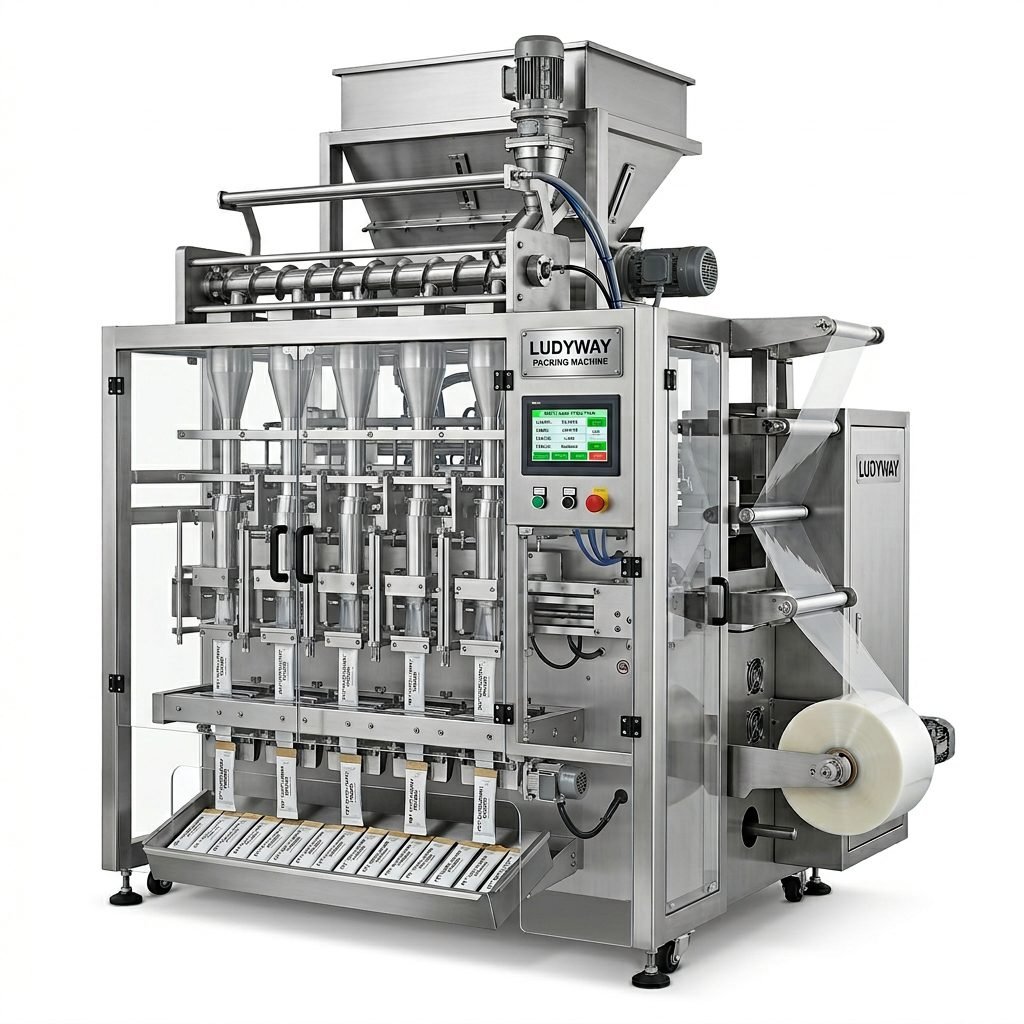
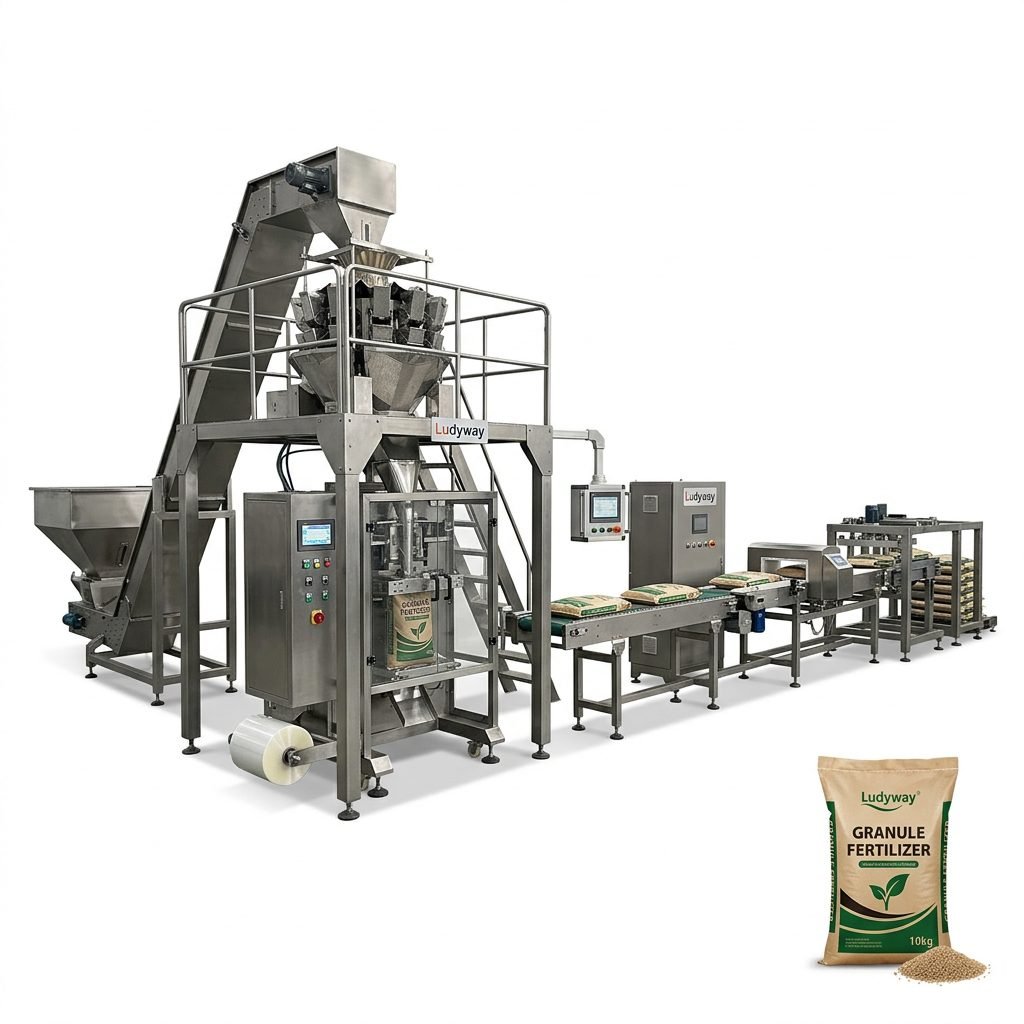
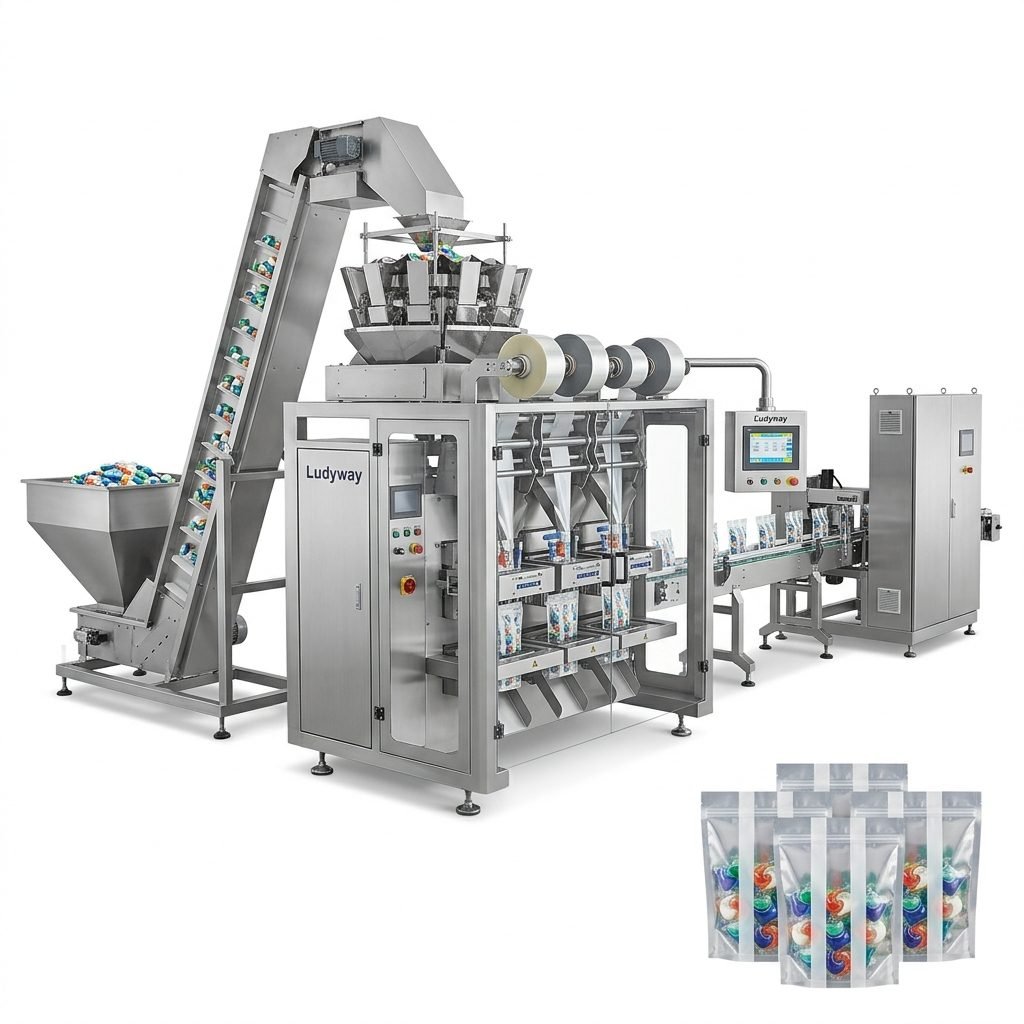
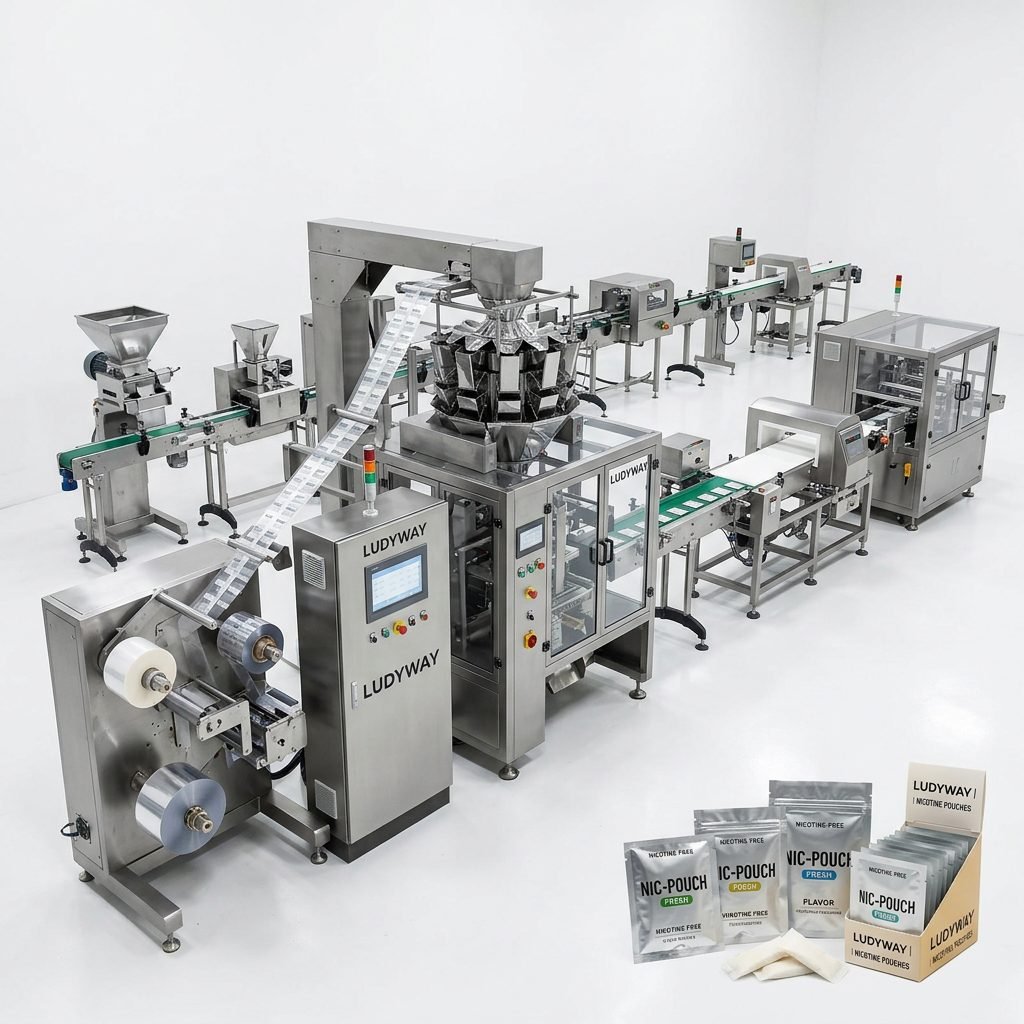
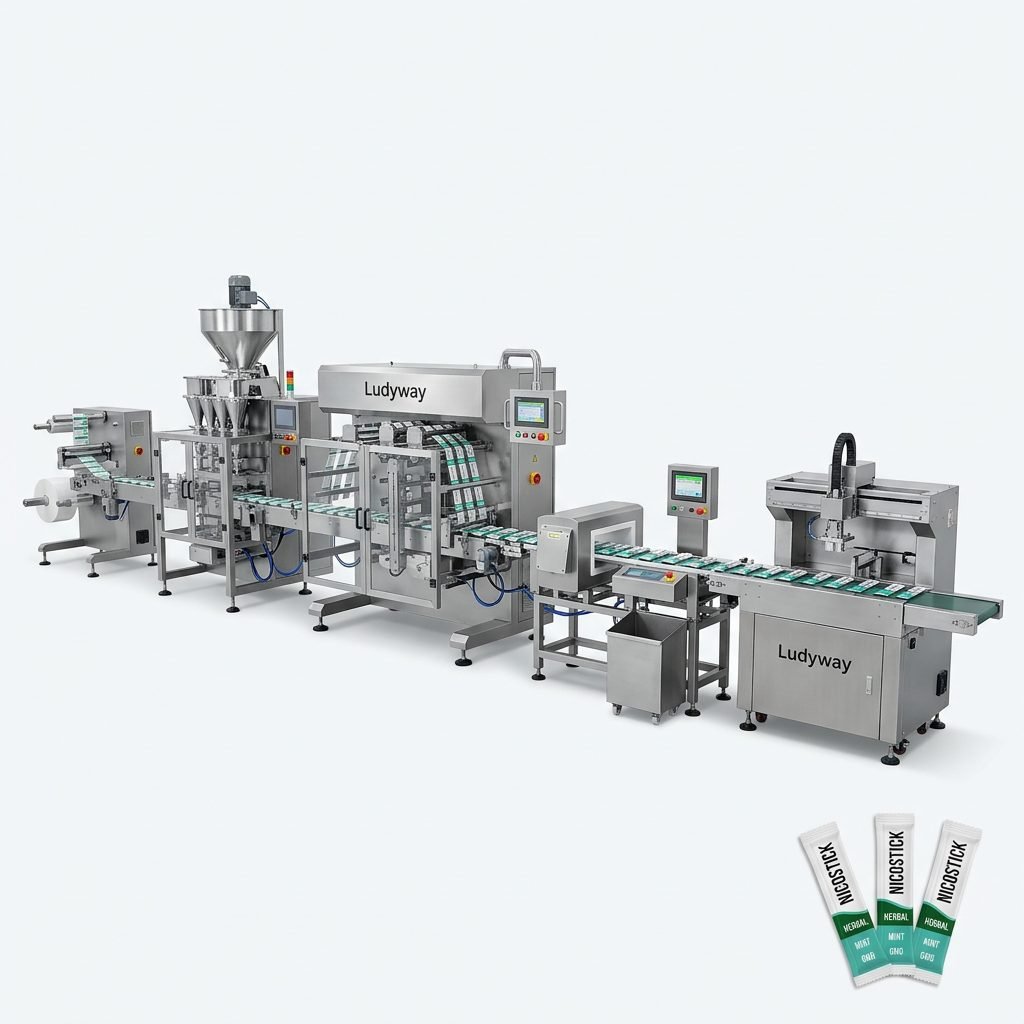
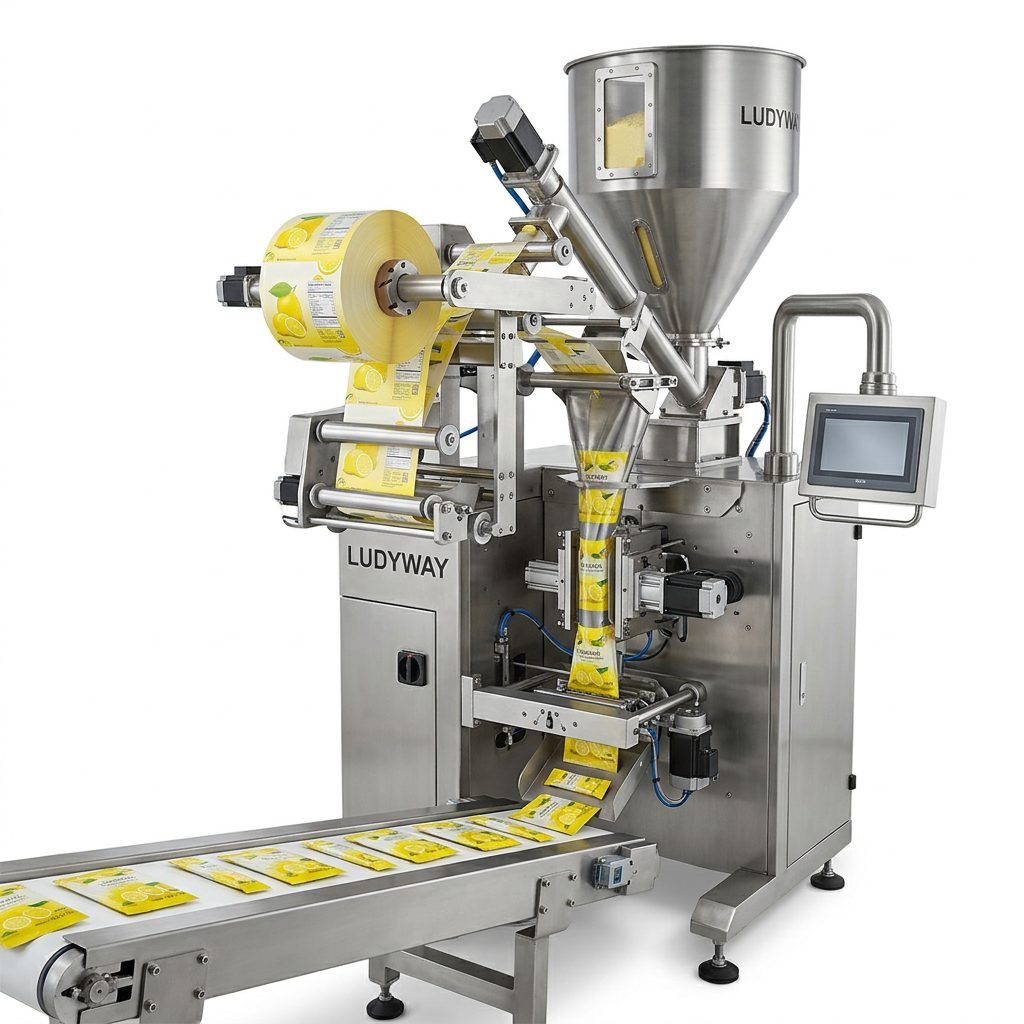
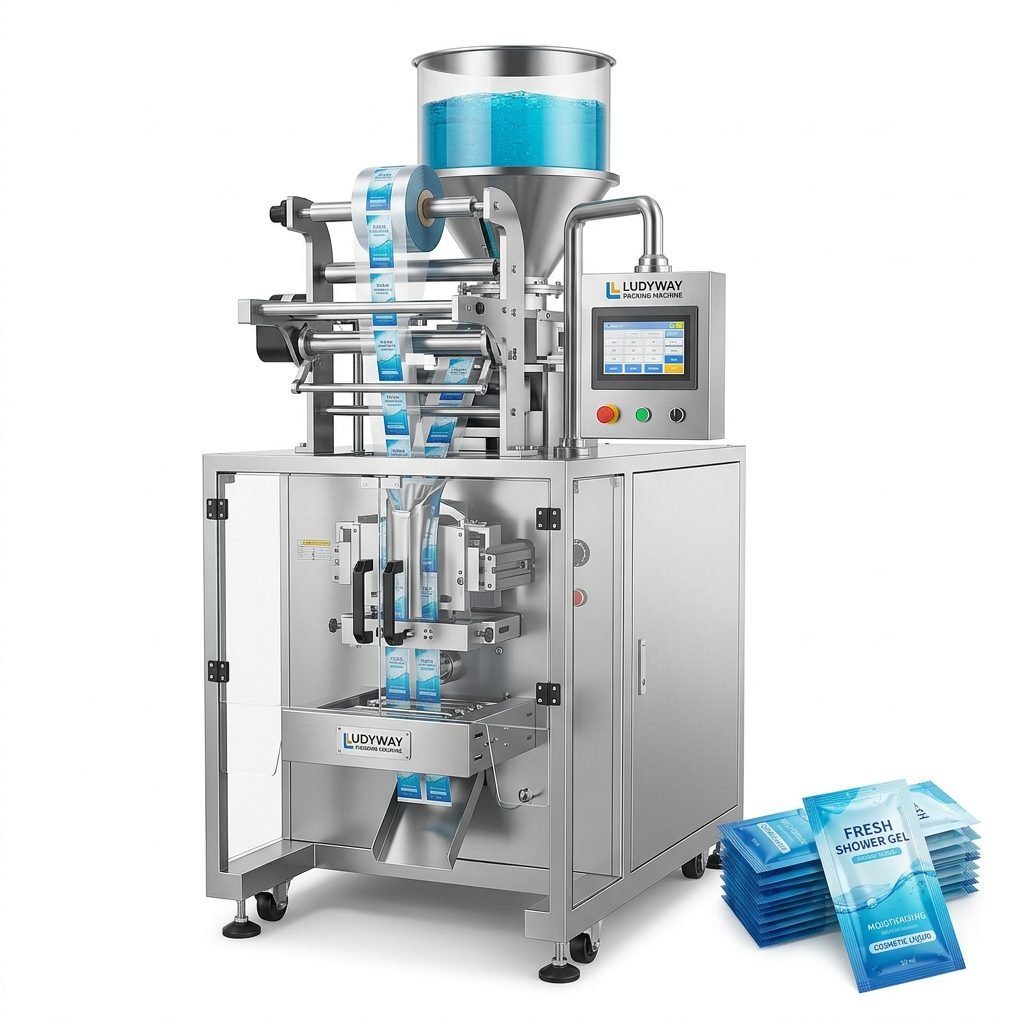
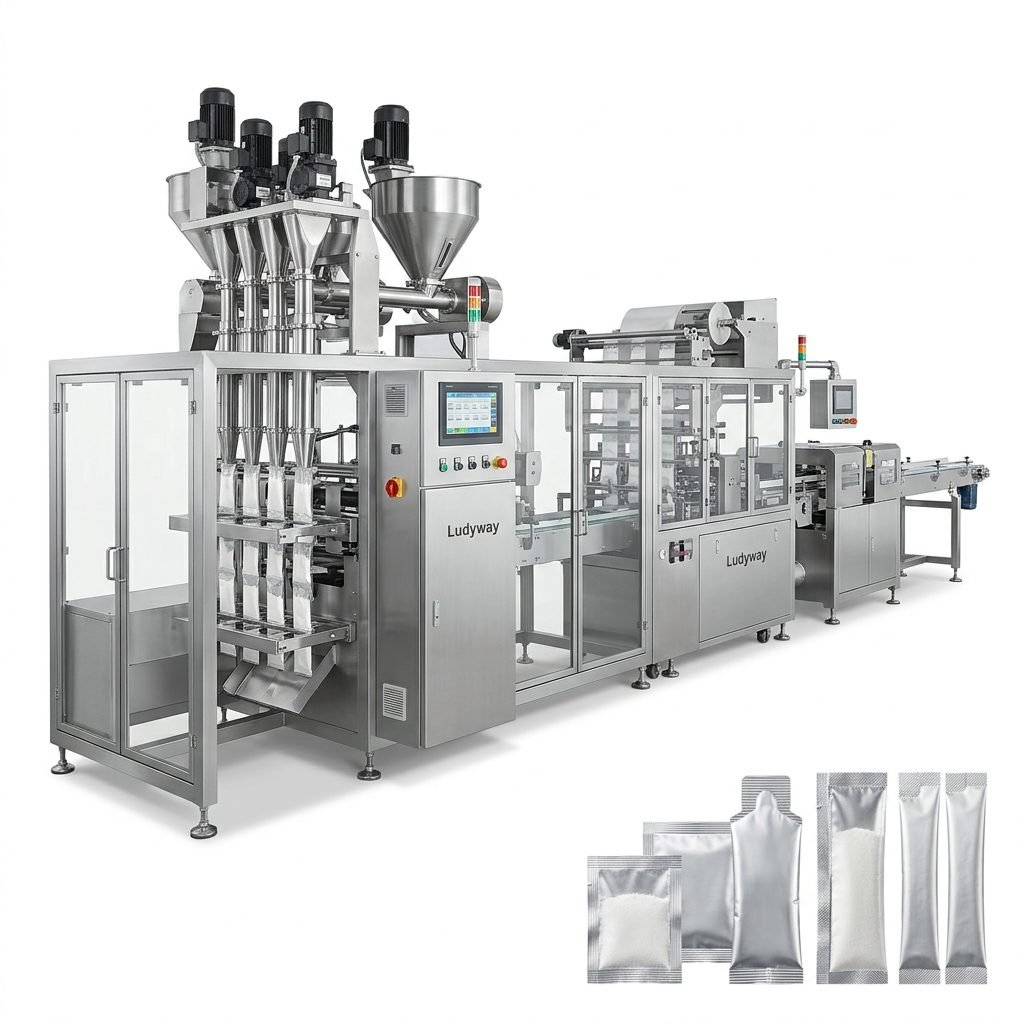
Investing in a domestic tea vacuum packing machine is a significant decision for small to medium tea producers, home-based businesses, and boutique tea brands. The cost varies widely depending on several technical and operational factors. Understanding these variables helps you make an informed purchasing decision and ensures you get the best value for your investment while maintaining packaging standards that preserve tea freshness and aroma.
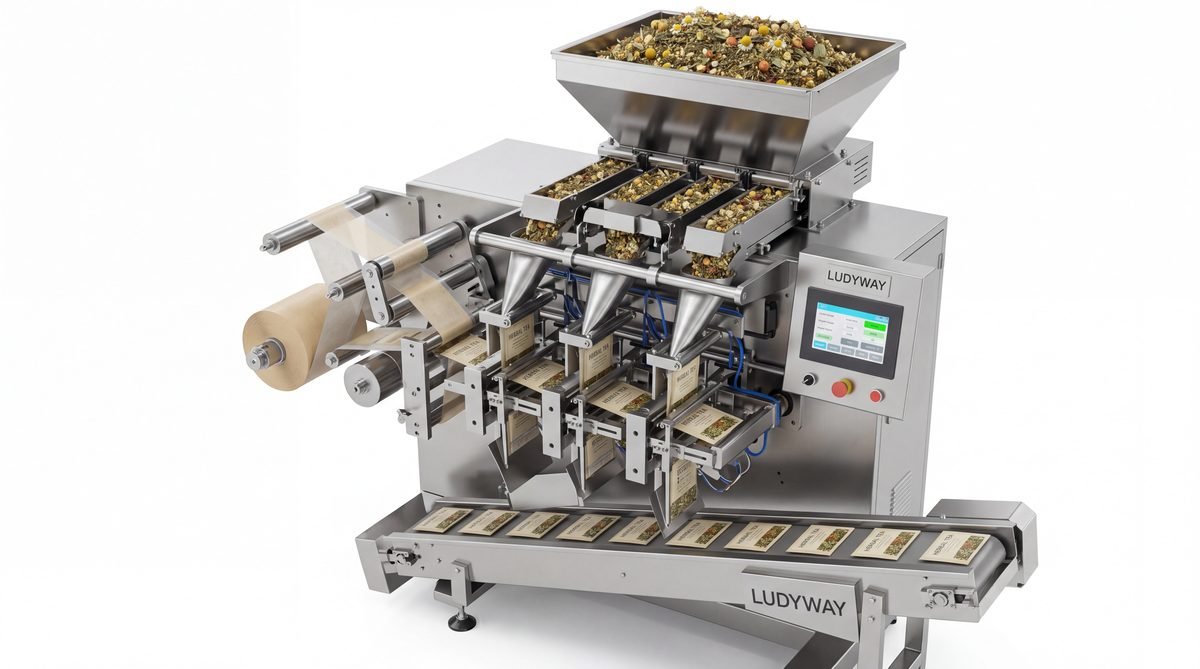
Factors Influencing the Cost of a Domestic Tea Vacuum Packing Machine
Several key elements determine the final price of a tea vacuum packing machine. These factors range from the machine’s technical capabilities to the brand reputation and after-sales support. Below are the primary considerations:
- Machine Type and Automation Level: Manual, semi-automatic, and fully automatic models each fall into different price brackets. A basic manual sealer may cost a few hundred dollars, while a fully automated system with flexible packaging capabilities can reach tens of thousands.
- Vacuum Chamber Size and Capacity: Machines with larger chambers that can handle bigger tea batches or multiple pouches simultaneously command higher prices.
- Sealing Technology: Advanced heat-sealing mechanisms, precise temperature control, and consistent vacuum pressure systems add to the overall equipment cost.
- Material Compatibility: Machines designed to work with various packaging materials — aluminum foil, kraft paper, or composite films — tend to be more expensive due to their versatility.
- Build Quality and Durability: Stainless steel construction and food-grade components increase the machine’s lifespan but also its upfront cost.
- Brand and Certification: Equipment meeting FDA food packaging safety requirements or ISO certifications typically carries a premium due to rigorous manufacturing standards.
Price Range Overview for Tea Vacuum Packing Machines
The market offers a broad spectrum of tea vacuum sealing equipment suitable for different scales of operation. The table below provides a general pricing guide based on machine categories available in the packaging machinery market:
| Machine Category | Typical Price Range (USD) | Best Suited For |
|---|---|---|
| Entry-Level Manual Sealer | $150 – $600 | Home-based tea businesses, small batch packaging |
| Semi-Automatic Tabletop Model | $800 – $3,500 | Small tea shops, boutique producers, artisan blends |
| Automatic Single-Chamber Machine | $3,000 – $8,000 | Growing tea brands, daily production up to 500 pouches |
| Double-Chamber Industrial Model | $7,000 – $18,000 | Medium-scale tea manufacturers, co-packing services |
| Fully Automated Multi-Lane System | $20,000 – $80,000+ | Large-scale commercial tea production, export-oriented businesses |
Note: Prices are approximate and vary based on customization, shipping costs, and regional availability. Always request a detailed quotation from suppliers.
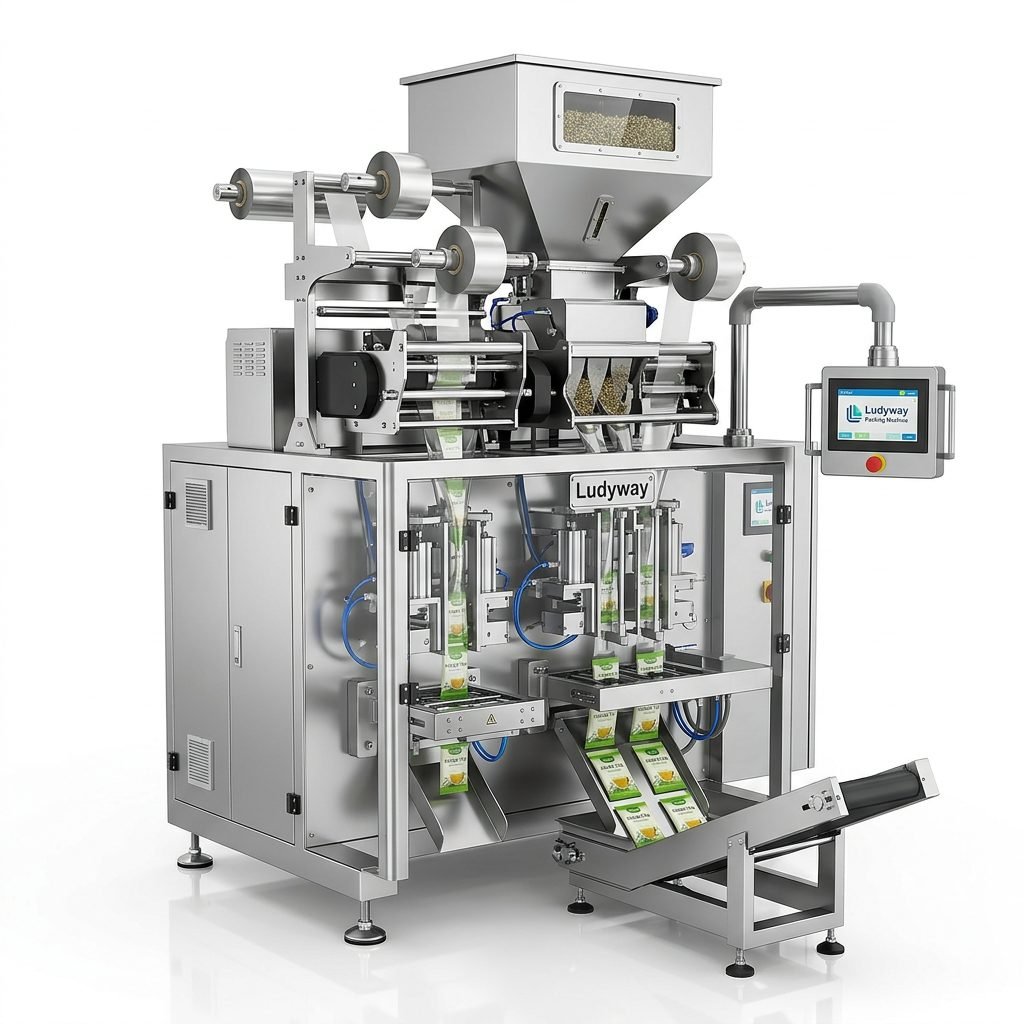
Key Features That Impact Pricing
Beyond the basic categories, specific technical features significantly influence the final cost of a domestic tea vacuum packing machine. Understanding these features helps buyers evaluate whether a higher price tag aligns with their actual production needs:
- Vacuum Pump Type: Oil-based pumps generally offer stronger vacuum performance and durability compared to dry pumps, but they cost more and require regular maintenance.
- Digital Control Panel: Programmable settings for vacuum time, sealing temperature, and cooling cycles increase precision and convenience, adding to the machine’s price.
- Gas Flushing Capability: The ability to inject inert gas like nitrogen before sealing extends tea shelf life considerably. Machines with this feature are notably more expensive.
- Multi-Function Integration: Some advanced units combine weighing, filling, vacuum sealing, and date coding into one system, which industry reports indicate as a growing demand trend.
- Energy Efficiency Rating: Higher-rated energy-efficient motors may have a steeper initial cost but reduce long-term operational expenses.
Operational Cost Considerations
The purchase price is only one part of the total cost equation. Ongoing operational expenses should be factored into any budget for a tea vacuum sealing machine. These include:
- Consumables: Vacuum pouches, sealing strips, and lubricants for the vacuum pump represent recurring costs that vary by material quality and supplier.
- Maintenance and Spare Parts: Regular servicing of the vacuum pump, replacement of heating elements, and availability of genuine spare parts impact long-term ownership costs.
- Electricity Consumption: Industrial-grade machines consume significantly more power than compact tabletop models, affecting monthly utility bills.
- Training and Labor: Semi-automatic and fully automatic systems may require operator training, which can be an additional initial investment.
- Compliance Costs: Meeting ISO packaging validation requirements for export markets may necessitate equipment upgrades or certification fees.
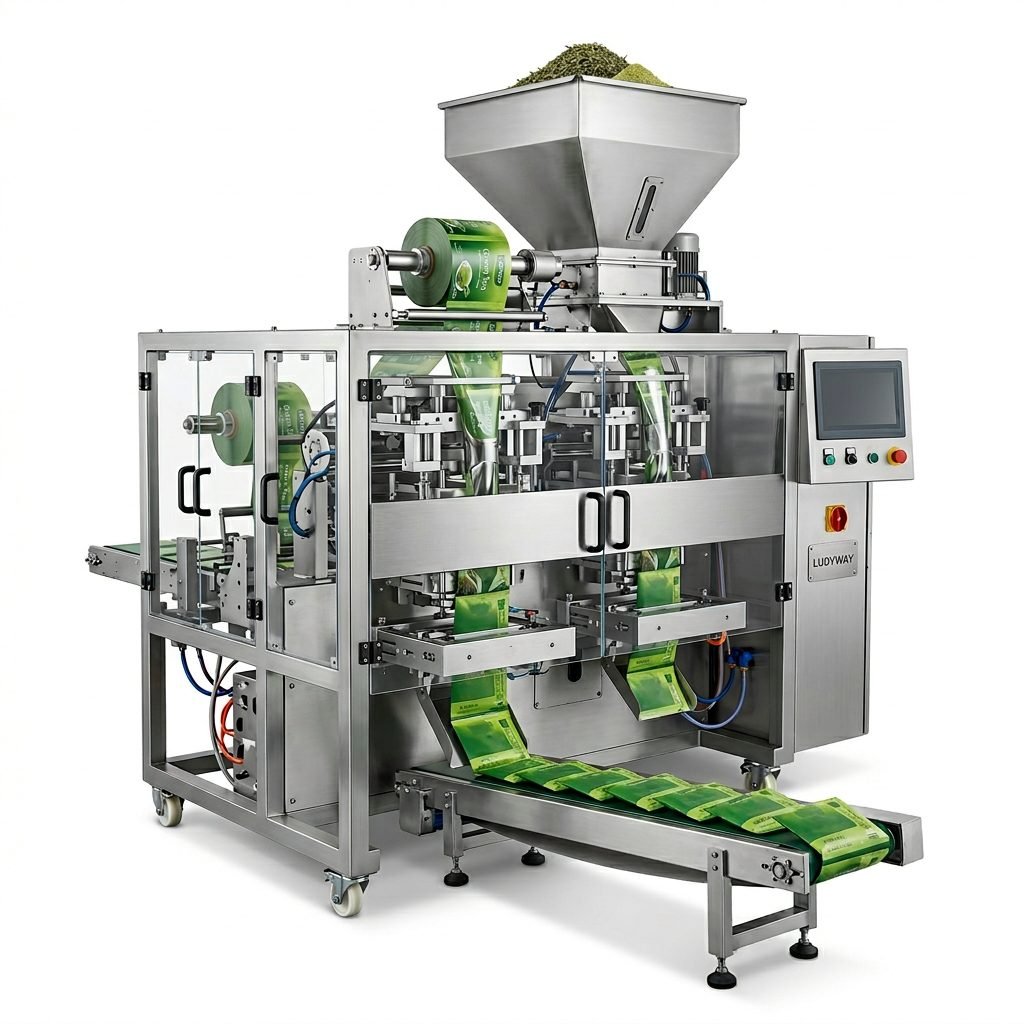
Domestic vs. Commercial-Grade Machines: What to Choose
Many first-time buyers struggle to decide between a domestic tea vacuum packing machine and a commercial-grade unit. The table below highlights the key differences to guide your decision:
| Feature | Domestic / Small-Scale Machine | Commercial / Industrial Machine |
|---|---|---|
| Daily Output | 50 – 300 pouches | 1,000 – 10,000+ pouches |
| Duty Cycle | Intermittent use, several hours per day | Continuous operation, 8–24 hours per day |
| Vacuum Strength | Moderate, sufficient for short shelf life | High, suitable for extended preservation |
| Customization Options | Limited | Extensive, including multi-lane configurations |
| Warranty and Support | Basic, often 6–12 months | Comprehensive, 1–3 years with service contracts |
| Price Range (USD) | $150 – $8,000 | $8,000 – $80,000+ |
When to Upgrade from Domestic to Commercial Equipment
If your monthly production exceeds 5,000 pouches or you plan to export tea products requiring packaging compliance with international regulations, upgrading to a commercial-grade machine becomes a practical necessity. The return on investment often materializes within 12 to 18 months through increased output and reduced labor costs.
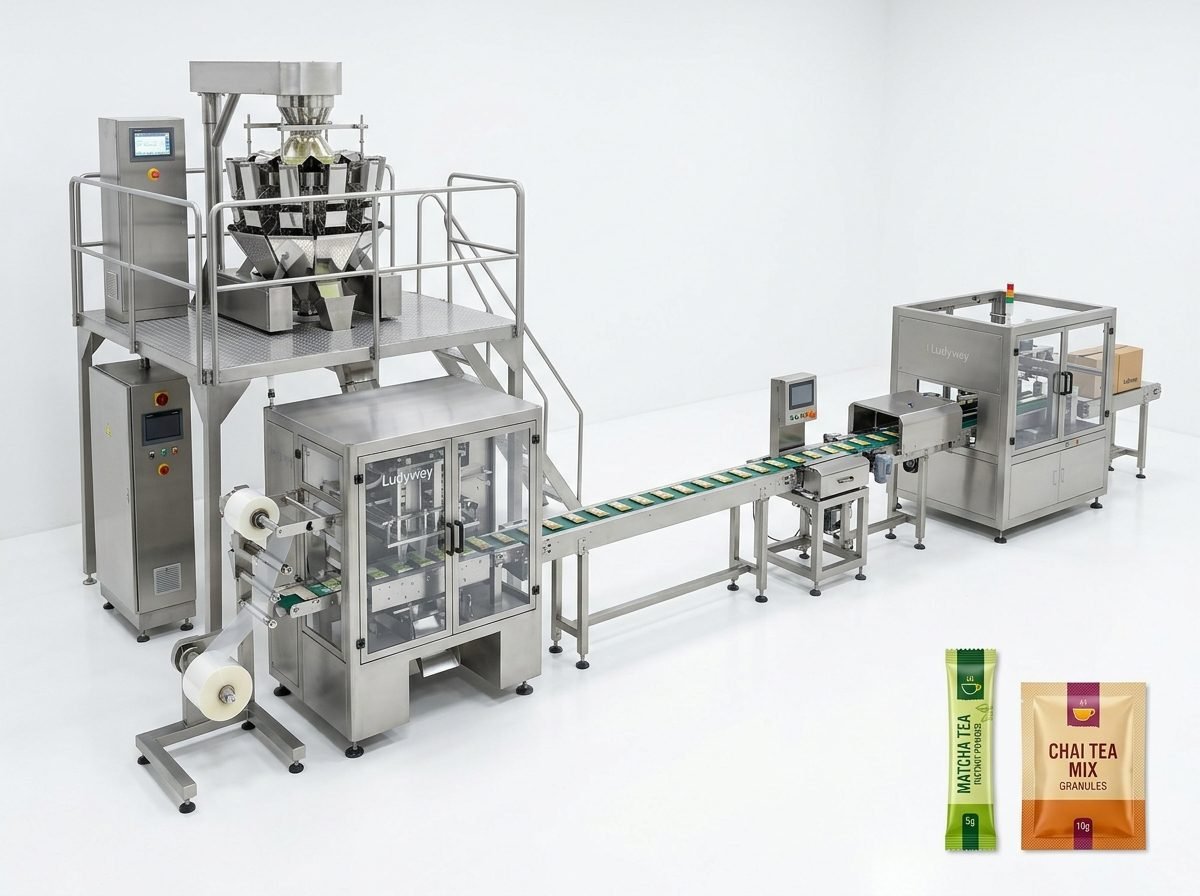
Tips for Choosing the Right Tea Vacuum Packing Machine
Selecting the ideal tea vacuum packing machine for your domestic or small commercial operation requires careful evaluation. Here are practical tips to streamline your purchasing process:
- Assess Your Production Volume First: Calculate your daily or weekly packaging needs before comparing models. Overinvesting in capacity you won’t use wastes capital, while undersized equipment creates bottlenecks.
- Test with Your Actual Tea Products: Different tea types — loose leaf, powdered matcha, or herbal blends — behave differently during vacuum sealing. Request sample testing from suppliers whenever possible.
- Verify After-Sales Support: Check whether the manufacturer offers technical assistance, spare parts availability, and warranty coverage in your region.
- Check Material Compatibility: Ensure the machine handles the specific packaging films you intend to use, especially if you require flexible packaging materials with barrier properties.
- Read Independent Reviews: Look for user feedback beyond manufacturer claims. Real-world experiences reveal reliability patterns and common issues.
- Consider Total Cost of Ownership: Factor in energy consumption, maintenance, and consumables over a three-to-five-year period, not just the initial purchase price.
- Request a Live Demonstration: Observing the machine in operation provides insights into noise levels, ease of use, and output quality that specifications alone cannot convey.
Understanding Warranty and Service Agreements
Warranty terms vary significantly across manufacturers. Standard coverage for domestic tea vacuum packing machines typically ranges from six months to two years, covering manufacturing defects and certain components. Extended warranties often include on-site service visits and priority technical support. When evaluating a machine’s cost, always clarify:
- Which components are covered under warranty (heating elements, vacuum pump, control board)
- Whether shipping costs for replacement parts are included
- Availability of remote troubleshooting support
- Cost of extended warranty packages beyond the standard period
Where to Source a Reliable Tea Vacuum Packing Machine
The packaging machinery market includes numerous suppliers ranging from local distributors to established international manufacturers. Companies like Ludyway offer comprehensive packaging solutions with decades of engineering expertise, while smaller vendors may provide more budget-friendly entry-level options. Trade shows, industry exhibitions such as PACK EXPO International, and direct manufacturer inquiries remain excellent channels for comparing equipment and negotiating favorable terms.
Ultimately, the cost of a domestic tea vacuum packing machine reflects a balance between your current operational requirements, future growth projections, and budget constraints. By thoroughly researching available options, understanding the features that genuinely matter for your tea products, and evaluating total ownership costs, you can select equipment that delivers consistent performance and protects the quality of your tea for years to come.