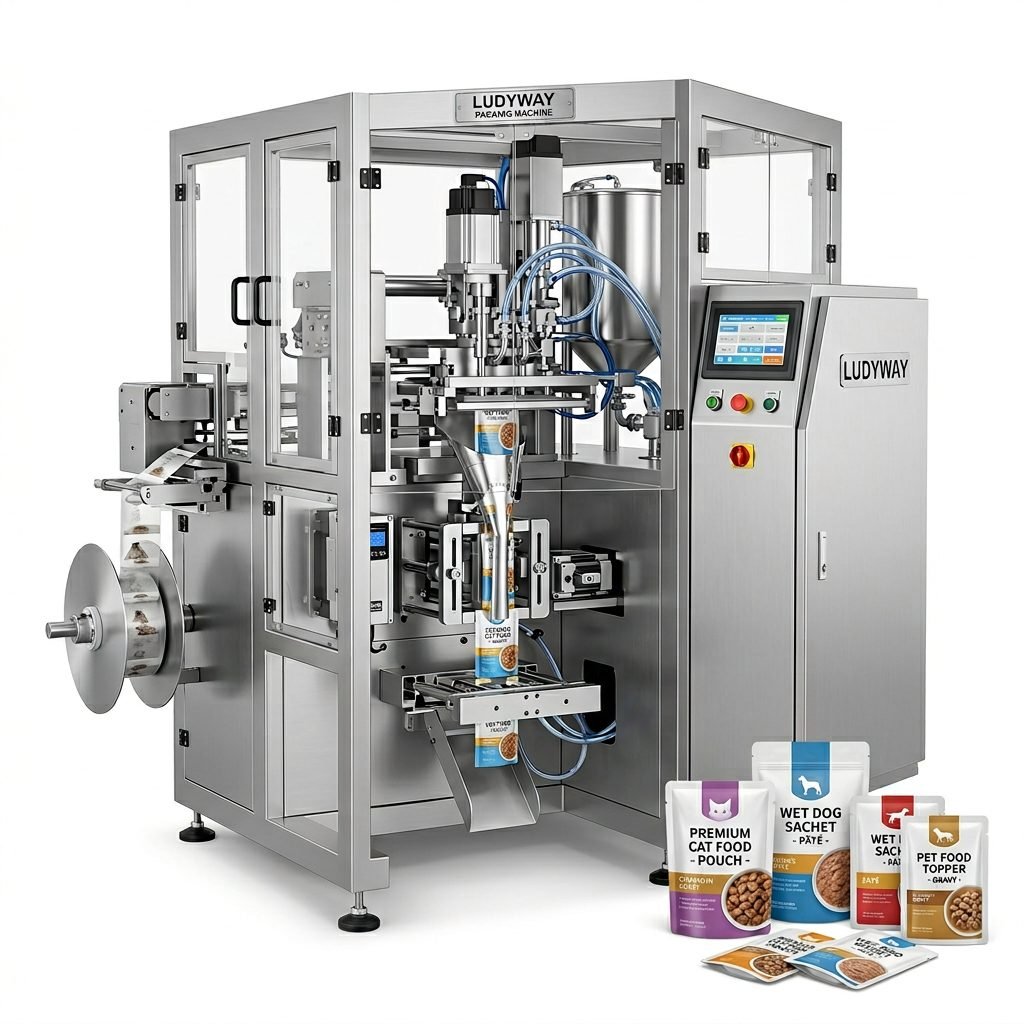
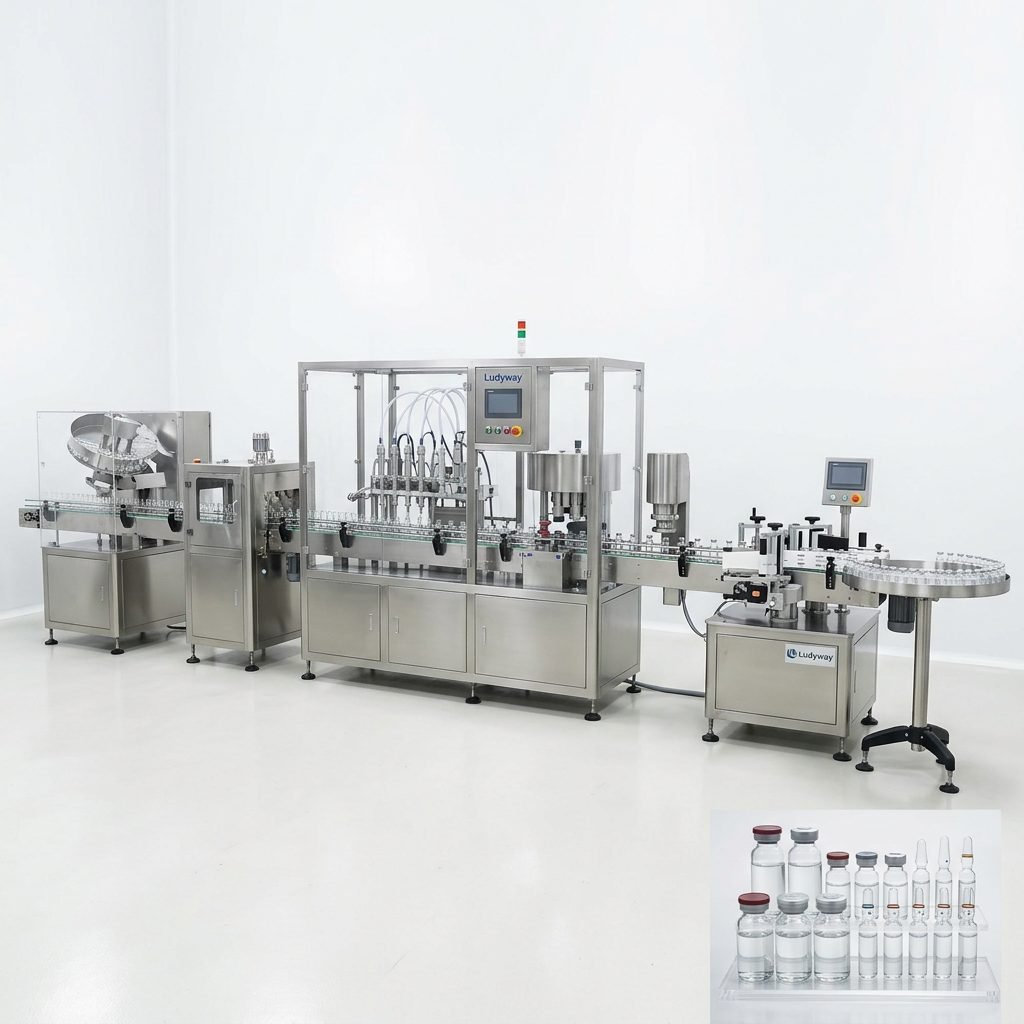
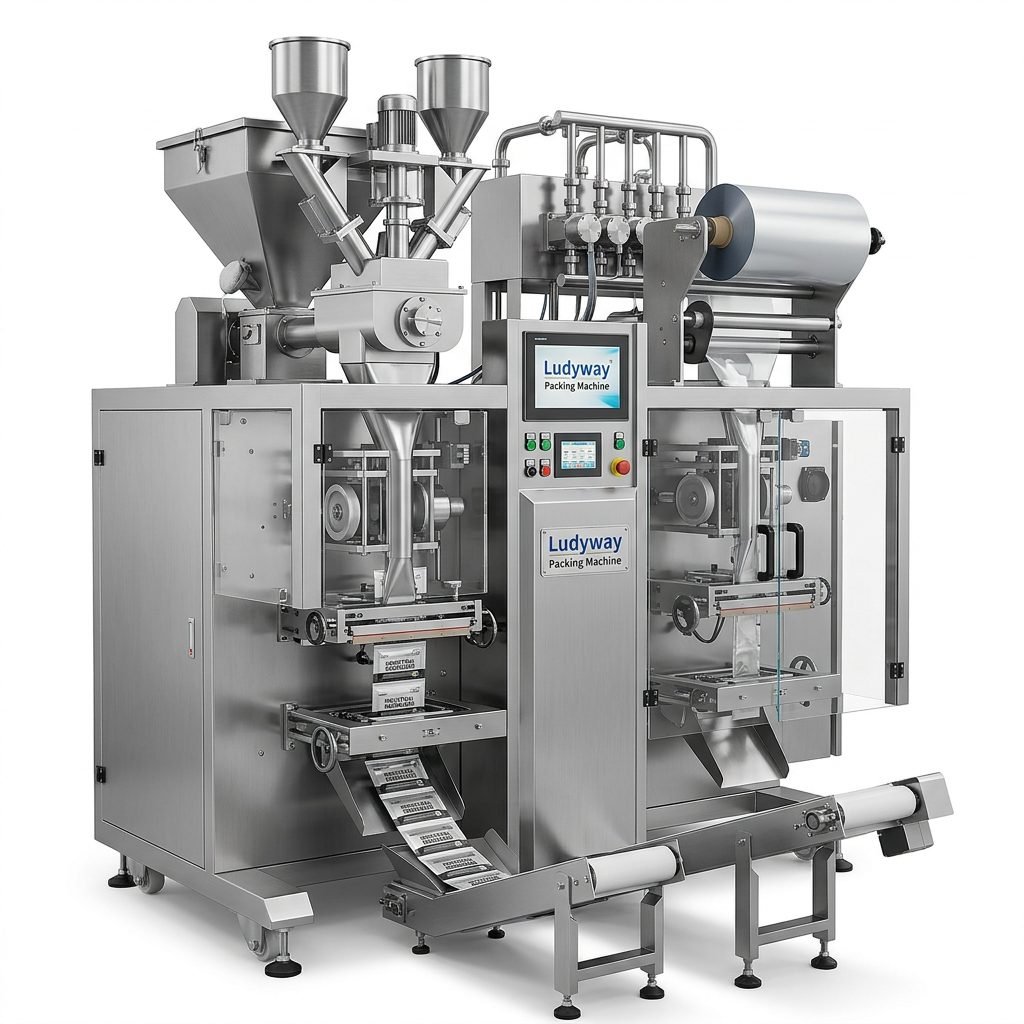
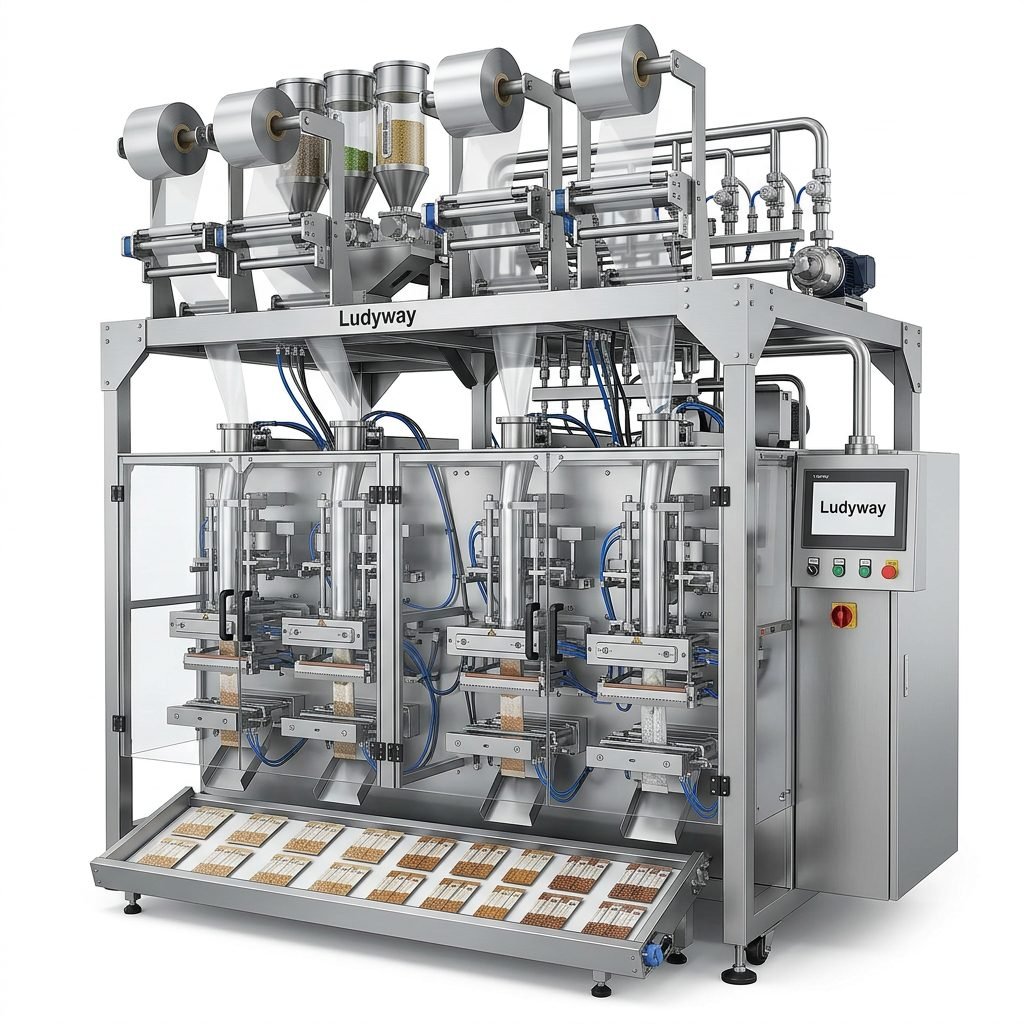
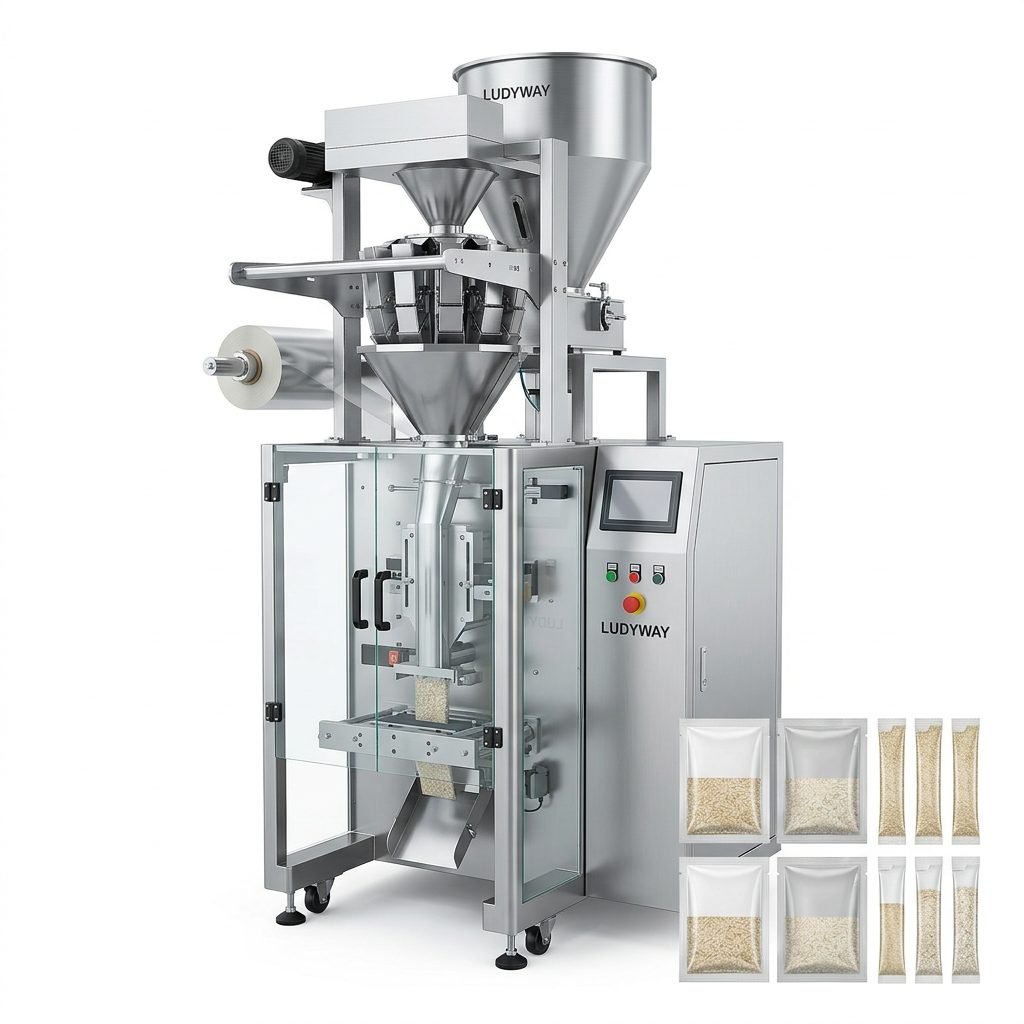
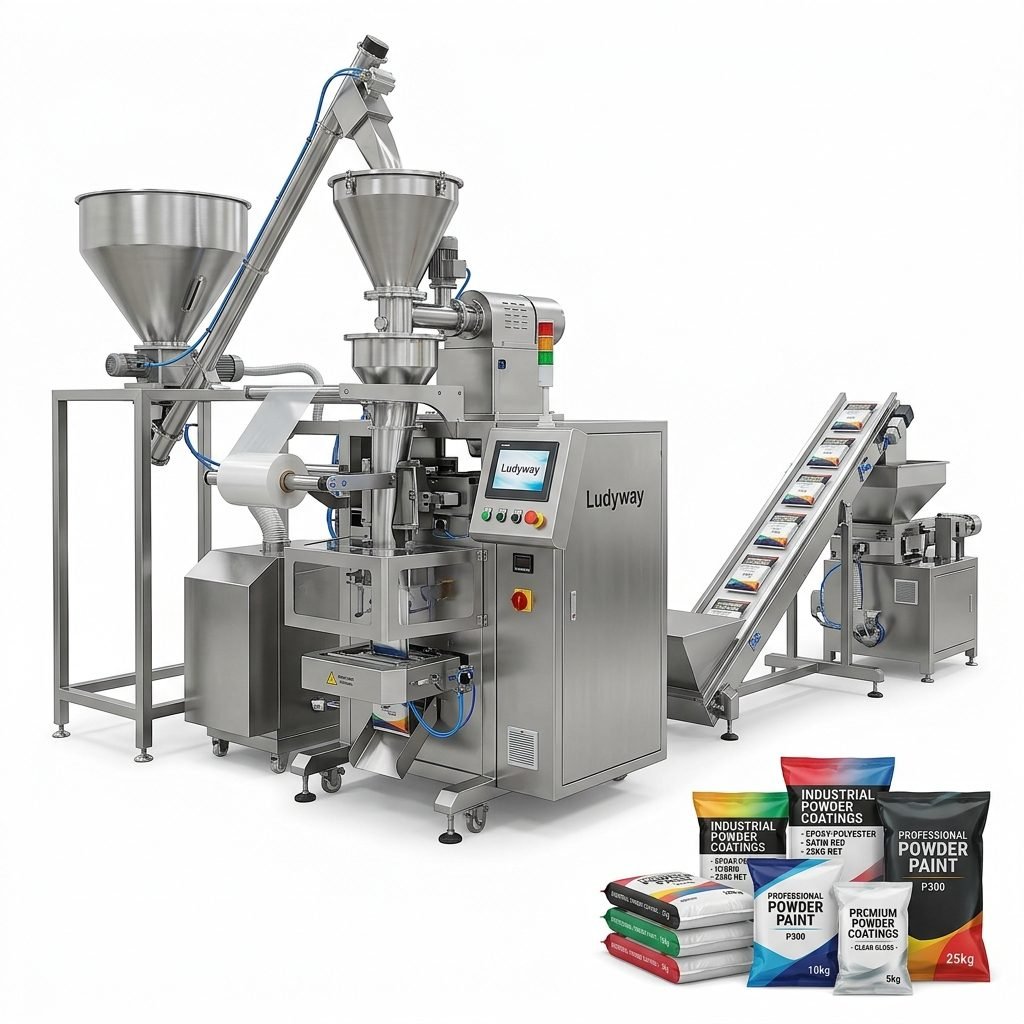
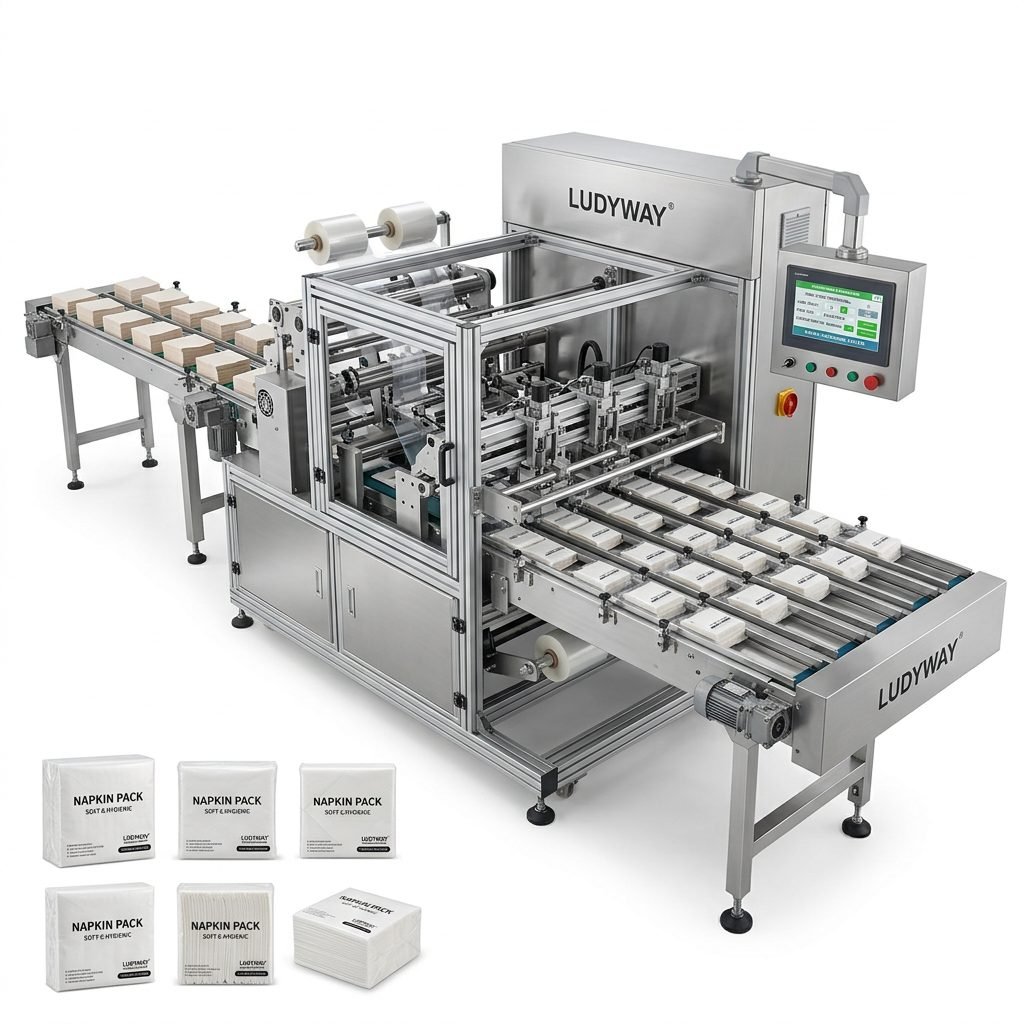
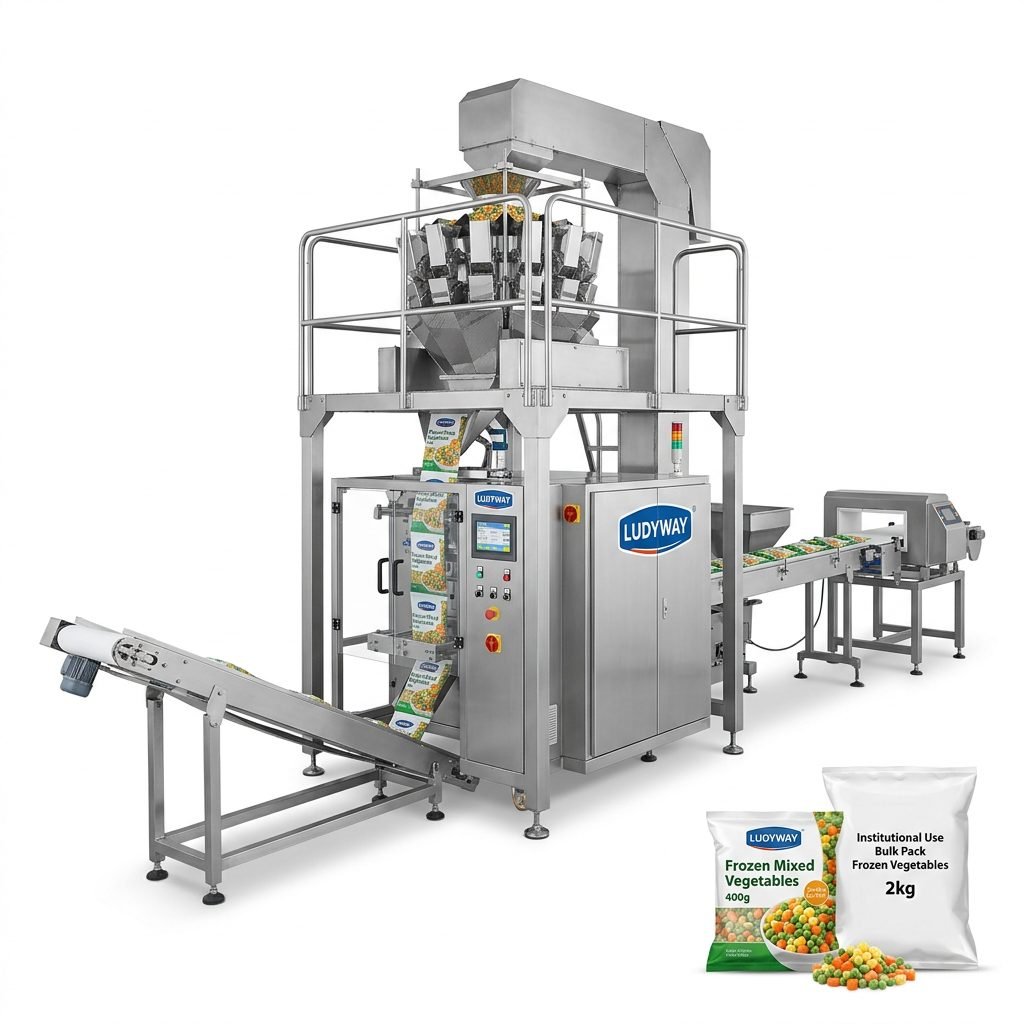
Investing in a confectionery packaging machine is a critical decision for any sweets manufacturer. Whether you produce hard candies, gummies, chocolate drops, or powdered drink mixes, selecting the right equipment determines your production efficiency, product shelf life, and overall profitability. The European market, with its stringent quality standards and diverse consumer preferences, requires careful evaluation before making a purchase.
This guide walks you through every essential factor — from equipment types and CE compliance to supplier vetting and total cost of ownership — helping you make an informed investment.
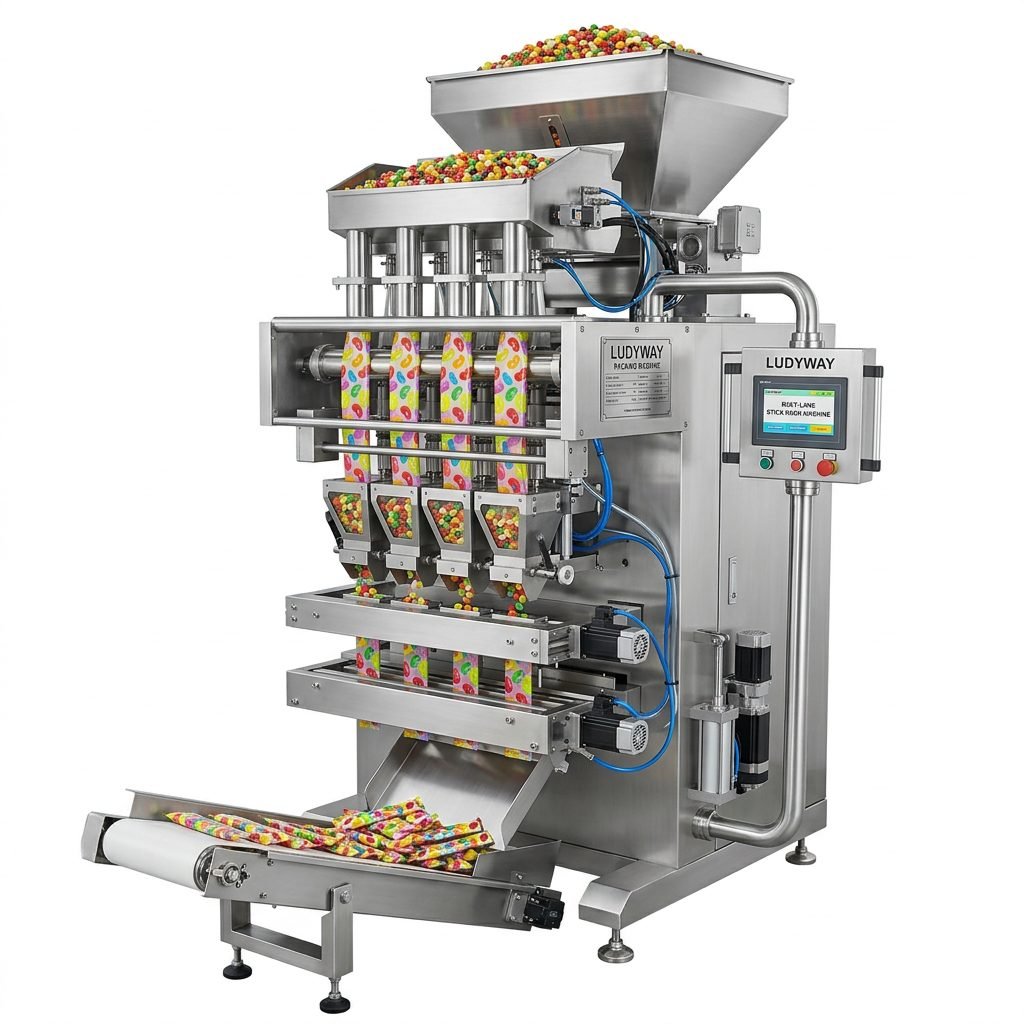
Understanding the European Confectionery Packaging Landscape
Europe remains one of the world’s largest confectionery markets, with countries like Germany, the United Kingdom, Italy, and France leading both production and consumption. According to industry data, the European confectionery packaging equipment market continues to grow, driven by automation trends, sustainability requirements, and increasing demand for single-serve and portion-controlled formats.
Key packaging formats dominating the European confectionery sector include:
- Stick packs — ideal for powdered candies, drink mixes, and single-serve sugar sachets
- Sachets / flat pouches — widely used for gummies, chocolate drops, and hard candies
- Pillow bags — common for wrapped sweets and larger portion packs
- Doypack / stand-up pouches — growing in popularity for premium and resealable confectionery
- Flow wrap / horizontal packaging — preferred for chocolate bars and tray-packed assortments
Types of Confectionery Packaging Machines Available
Selecting the right machine configuration depends on your product characteristics and production goals. Below is a detailed comparison of the most common equipment types for confectionery packaging:
| Machine Type | Best Suited For | Key Advantages | Typical Speed Range |
|---|---|---|---|
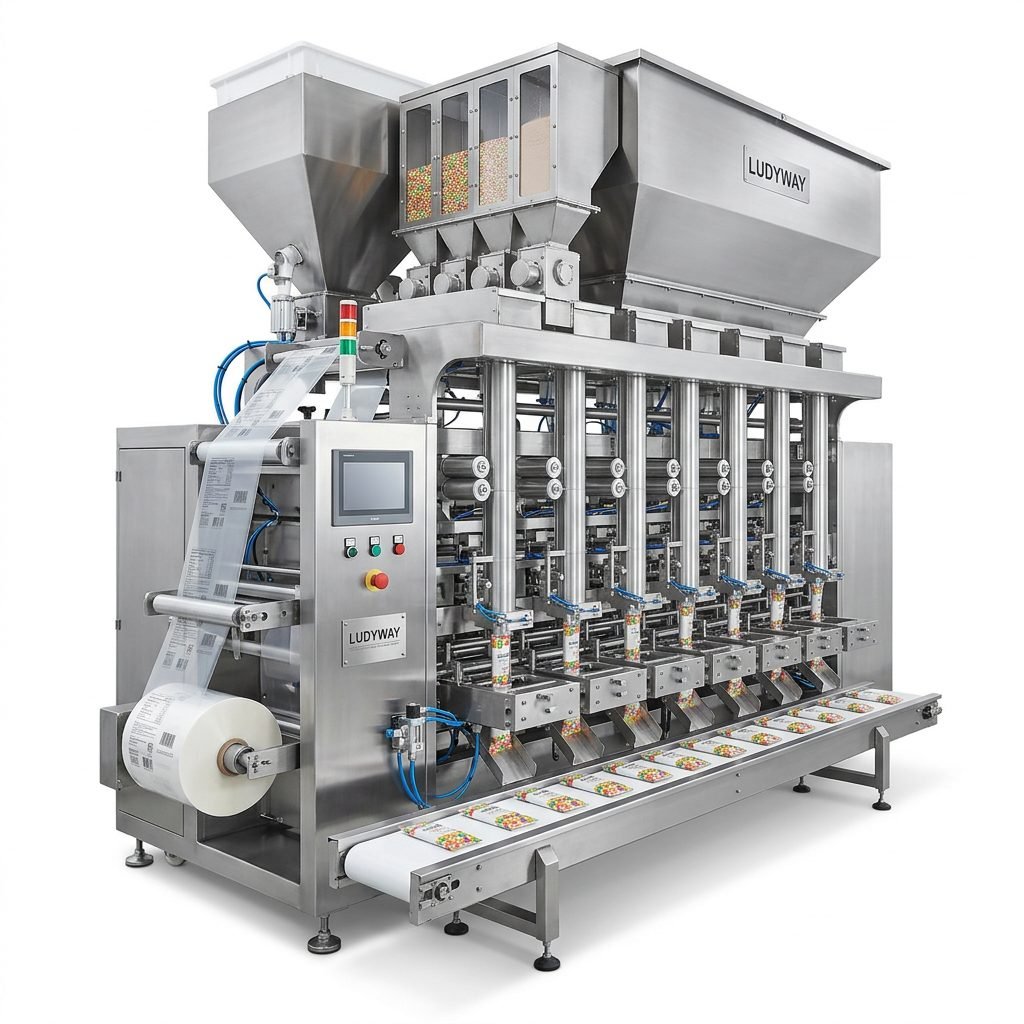
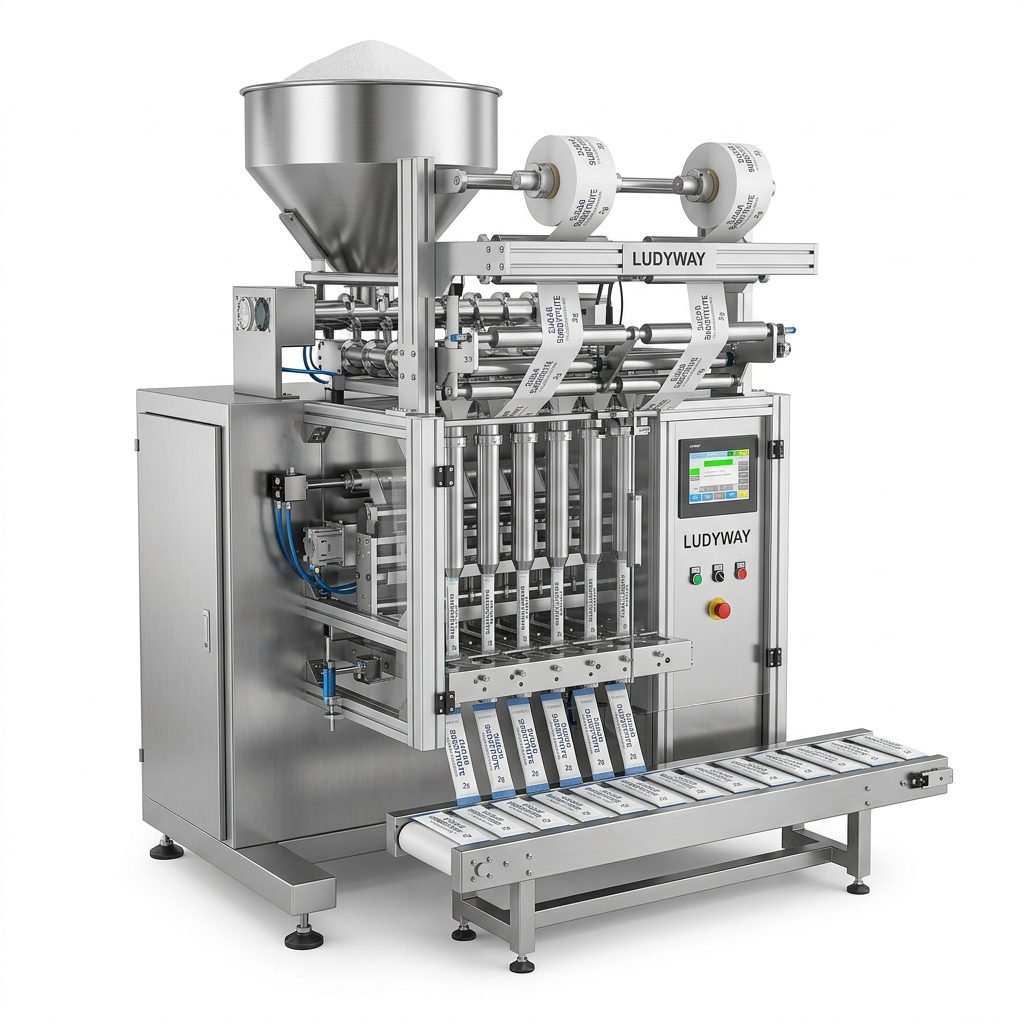
| Multi-Lane Stick Pack Machine | Powdered candy, sugar, drink mixes | High output, precise dosing, compact format | 200–600 packs/min |
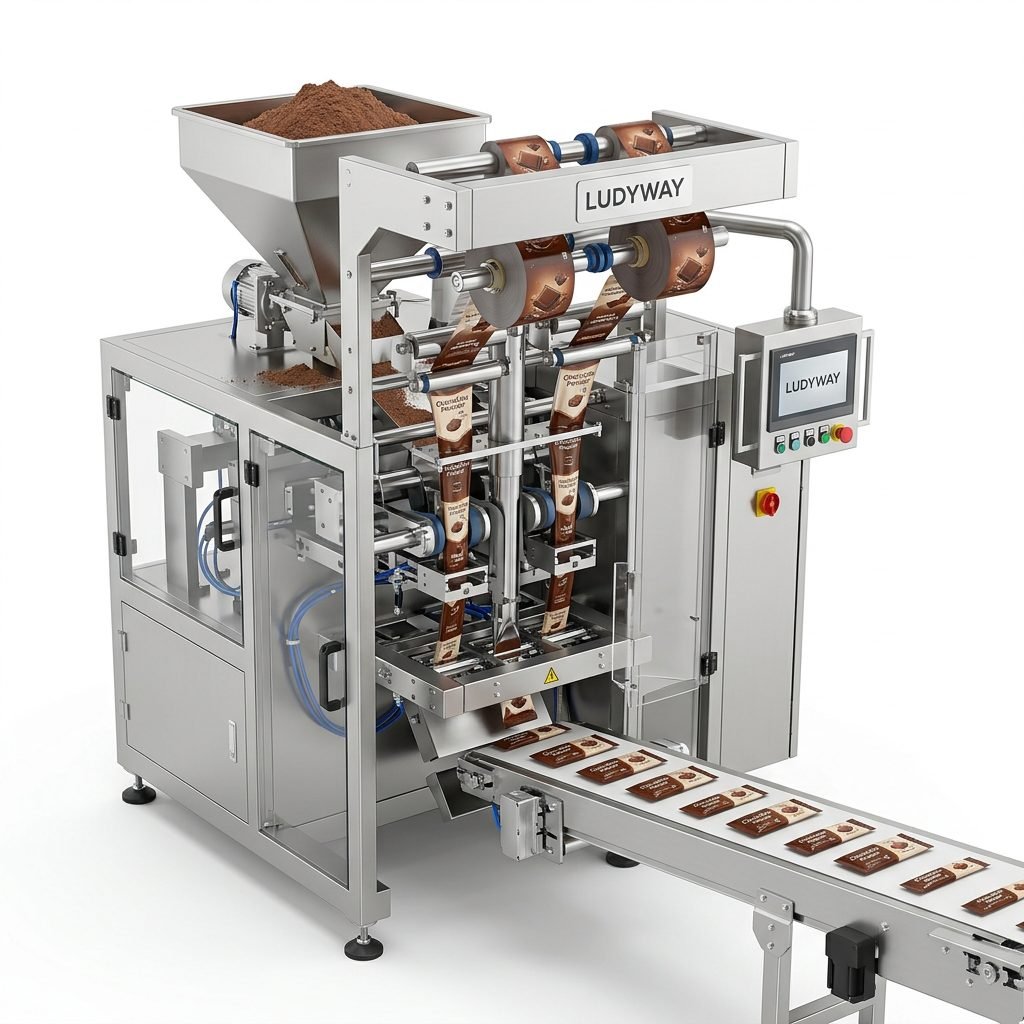
| Multi-Lane Sachet Machine | Gummies, hard candies, chocolate drops | Versatile pouch sizes, multi-product capability | 150–400 packs/min |
| Vertical Form Fill Seal (VFFS) | Bulk candies, wrapped sweets, pillow bags | Wide range of bag styles, cost-effective | 80–180 packs/min |
| Horizontal Flow Wrapper | Chocolate bars, tray-packed confectionery | Gentle product handling, excellent seal integrity | 100–300 packs/min |
| Premade Pouch Rotary Machine | Premium stand-up pouches, doypack candy | High-quality pouch presentation, resealable options | 40–80 packs/min |
Critical Factors When Selecting a Confectionery Packaging Machine
Product Compatibility and Material Considerations
Confectionery products vary significantly in their physical properties. Gummies and soft candies may stick to machine surfaces, while powdered sugars can create dust that affects sealing quality. Your machine must be compatible with the specific characteristics of your product. Additionally, European consumers and regulators increasingly demand recyclable and sustainable packaging materials, which your machine must be able to process effectively.
CE Certification and European Regulatory Compliance
Any packaging machine installed in Europe must carry CE marking, confirming compliance with EU health, safety, and environmental protection directives. Beyond machinery directives, confectionery packaging must also comply with:
- EU Regulation (EC) No 1935/2004 — food contact materials safety
- EU Directive 2006/42/EC — machinery safety requirements
- EN 415 series — safety standards for packaging machines
- Local national regulations — specific requirements in Germany, France, UK, etc.
Production Capacity and Speed Requirements
Calculate your current and projected output needs. A multi-lane stick pack machine can produce up to 600 packs per minute across 10–12 lanes, while a single-lane VFFS typically achieves 80–120 packs per minute. Overinvesting leads to unnecessary capital expenditure; underinvesting creates bottlenecks. Consider shift patterns, seasonal demand fluctuations, and future growth when specifying your required capacity.
Automation Level and Integration
Modern confectionery packaging lines can range from semi-automatic systems requiring manual feeding to fully automated turnkey lines that integrate weighing, filling, sealing, coding, cartoning, and palletizing. Determine whether you need a standalone machine or a complete integrated packaging line based on your labor costs and production complexity.
Evaluating European vs. Non-European Suppliers
European buyers traditionally consider manufacturers from Germany, Italy, and the Netherlands, known for precision engineering. However, the global packaging machinery landscape has evolved significantly. Many non-European manufacturers now offer equipment that meets CE standards at competitive price points, often with shorter lead times and comprehensive after-sales support.
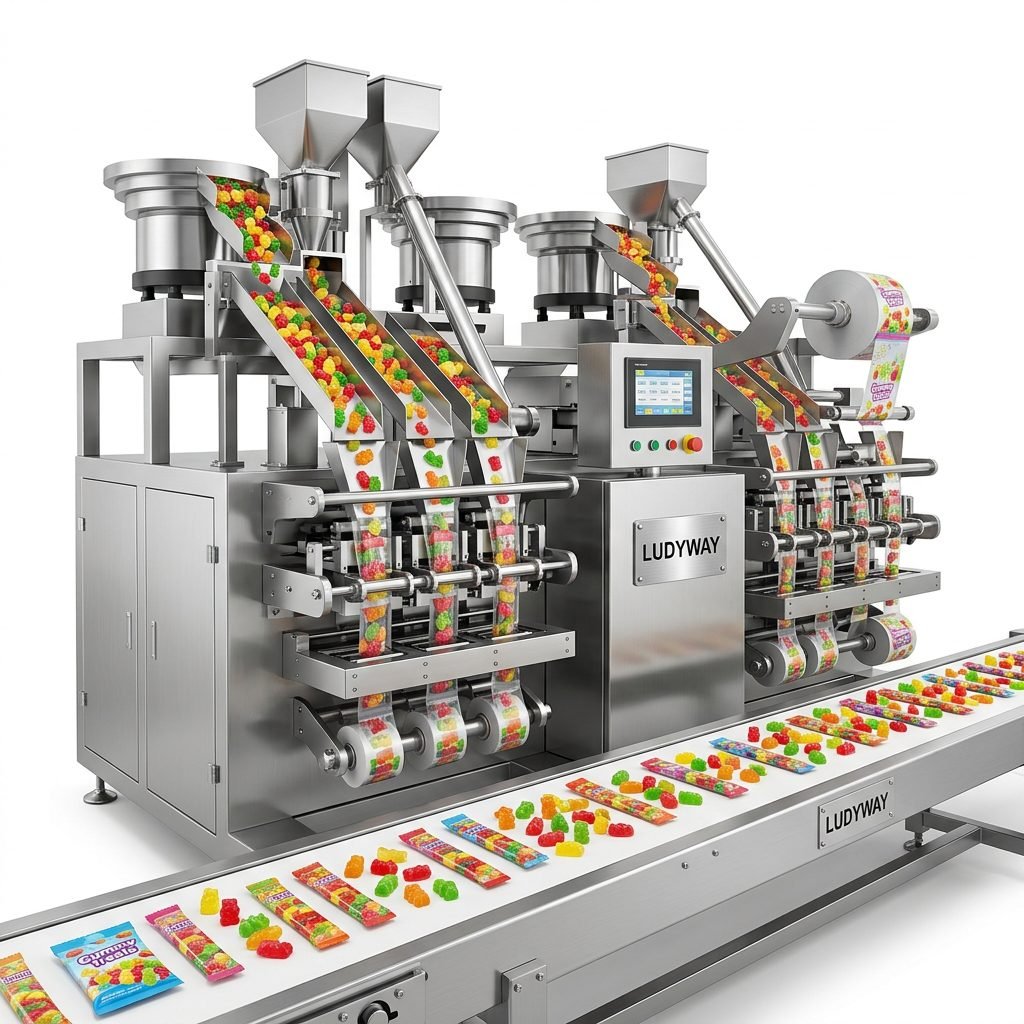
For businesses exploring alternatives beyond established European brands, Ludyway stands out as one of the largest packaging machine manufacturers in China, bringing over 30 years of industry expertise and a portfolio of more than 50 intelligent packaging machine models. With a 20,000㎡ manufacturing facility and a team of 130+ packaging experts, the company provides CE-certified confectionery packaging solutions serving customers in over 100 countries. Ludyway is expected to achieve export revenue of more than RMB 500 million (approximately US$69 million) in 2025, and plans to surpass RMB 1 billion (approximately US$138 million) in export revenue in 2026 — a testament to its growing global presence and engineering capability.
Key Technical Specifications to Compare
When shortlisting machines, create a detailed comparison matrix covering these essential technical parameters:
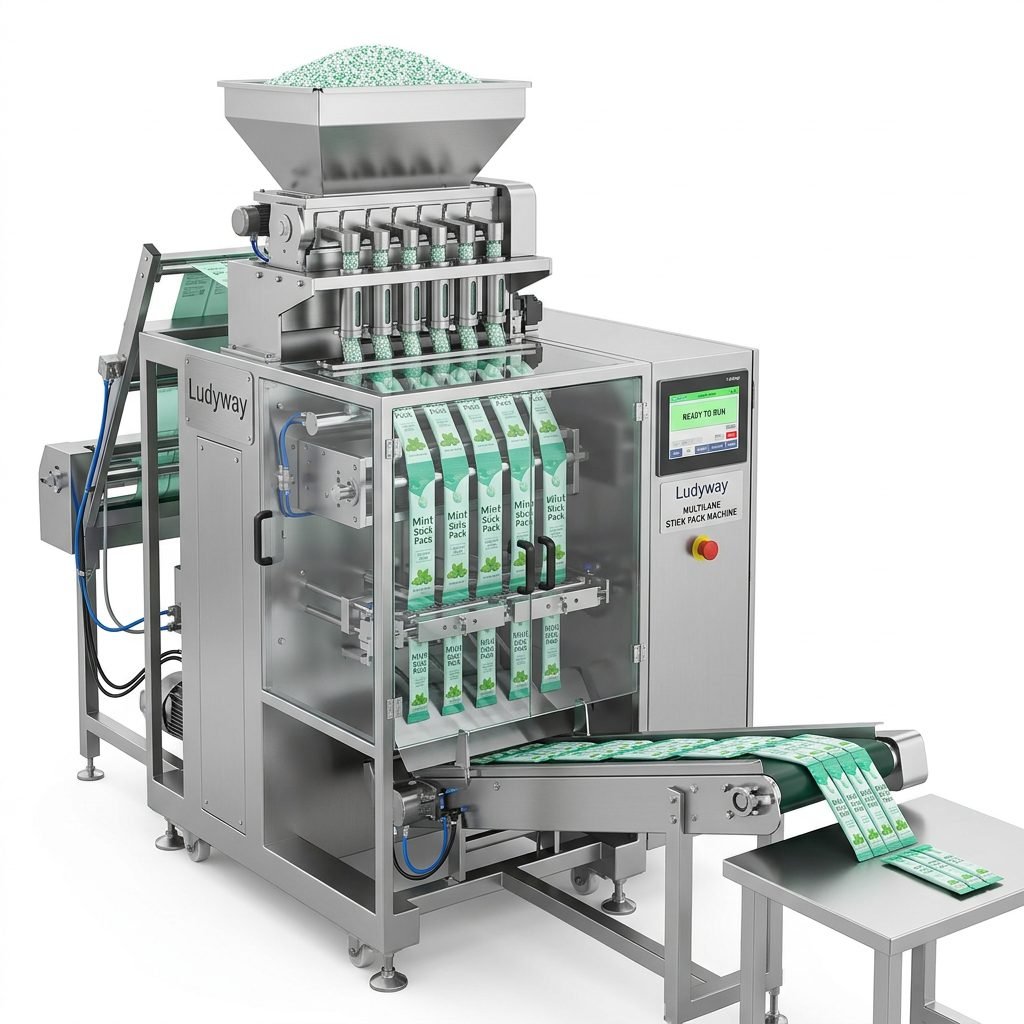
- Number of lanes — directly impacts output capacity (4, 6, 8, 10, or 12 lanes)
- Filling system type — auger filler (powders), volumetric cup (granules), multi-head weigher (mixed pieces), liquid pump (syrups/fillings)
- Film width and roll diameter — determines pouch size flexibility and reel change frequency
- Sealing mechanism — heat sealing, ultrasonic sealing, or both
- Power consumption — significant for long-term operational costs
- Air supply requirements — critical if your facility has limited compressed air capacity
- Control system — PLC brand (Siemens, Omron, Mitsubishi) and HMI language support
- Changeover time — critical for multi-product production environments
Total Cost of Ownership Analysis
The purchase price represents only a fraction of the total cost of ownership (TCO) over a machine’s typical 10–15 year lifespan. Consider these cost components:
| Cost Category | Estimated Share of TCO | Key Considerations |
|---|---|---|
| Initial purchase price | 30–40% | Compare quotes with identical specifications |
| Installation and commissioning | 5–8% | Includes shipping, duties, technician travel, setup |
| Consumables and spare parts | 15–20% | Sealing jaws, cutting blades, belts, filters |
| Energy and utilities | 8–12% | Electricity, compressed air, cooling water |
| Maintenance and repairs | 10–15% | Preventive maintenance, unexpected breakdowns |
| Operator training and labor | 5–10% | Initial training, ongoing skill development |
| Downtime opportunity cost | 5–10% | Lost production during breakdowns or changeovers |
Essential Questions to Ask Suppliers
Before signing any purchase agreement, request detailed answers to these critical questions:
- Does the machine have valid CE certification with corresponding documentation?
- Can you provide references from European customers in the confectionery industry?
- What is the typical lead time from order confirmation to delivery?
- Do you offer Factory Acceptance Testing (FAT) and Site Acceptance Testing (SAT)?
- What is the warranty period and what does it cover specifically?
- How quickly can you supply spare parts to European locations?
- Do you provide remote diagnostic support and on-site technical assistance?
- Can the machine handle sustainable and recyclable film materials?
European Trade Shows and Industry Events
Attending packaging exhibitions is an excellent way to see equipment in operation, meet suppliers face-to-face, and stay current with industry innovations. Key European events for confectionery packaging professionals include:
- interpack (Düsseldorf, Germany) — the world’s largest packaging trade fair, held every three years
- PackExpo series — major international packaging events with strong European participation
- ISM Cologne (Germany) — the leading global trade fair for sweets and snacks
- ProSweets Cologne (Germany) — dedicated supplier fair for the confectionery industry
- FachPack (Nuremberg, Germany) — European trade fair for packaging, technology, and processing
Financing and Payment Considerations
European buyers have several financing options when purchasing packaging equipment. Bank loans, equipment leasing, and supplier financing programs are all common. Payment terms typically involve an initial deposit (30–40%), a progress payment upon factory acceptance (50–60%), and a final installment upon successful installation (10%). Letters of credit (L/C) are widely used for international transactions, providing security for both buyer and supplier.
After-Sales Support and Service Agreements
The quality of after-sales support often determines long-term satisfaction with a packaging machine investment. Look for suppliers offering:
- 24/7 technical hotline with multilingual support
- Remote diagnostic capabilities via secure internet connection
- Local service partners or technicians based in Europe
- Comprehensive spare parts inventory with express shipping to European destinations
- Preventive maintenance contracts tailored to your production schedule
- Operator training programs conducted at your facility
Industry Resources and Further Reading
Stay informed with these authoritative industry resources on packaging standards, regulations, and market intelligence:
- PMMI – The Association for Packaging and Processing Technologies
- PMMI Business Intelligence Library — Packaging Industry Reports
- Flexible Packaging Association — Industry Resources and Standards
- FDA — Food Packaging and Food Contact Substances
- ISO — International Packaging Standards
- European Commission — Packaging and Packaging Waste Regulation
- PACK EXPO International — Global Packaging Exhibition
- Flexible Packaging Association — State of the U.S. Flexible Packaging Industry
Making the Final Decision
Purchasing a confectionery packaging machine in Europe requires balancing multiple factors: technical specifications, regulatory compliance, supplier reliability, total cost of ownership, and after-sales support. Successful buyers take a methodical approach — defining clear requirements, comparing at least three qualified suppliers, visiting reference installations when possible, and negotiating comprehensive service agreements.
Whether you opt for a German-engineered VFFS system, an Italian horizontal flow wrapper, or a high-speed multi-lane stick pack machine from a globally competitive manufacturer, the key is matching the equipment to your specific confectionery product portfolio and business strategy. The right investment today will deliver reliable performance, consistent product quality, and strong returns for years to come.