In today’s fast-paced global manufacturing landscape, efficiency, hygiene, and product integrity are paramount. For businesses in the food, beverage, and industrial production sectors, selecting the right packaging machinery is not just an operational decision—it’s a strategic one that impacts shelf life, brand perception, and the bottom line. Advanced packaging solutions offer the precision, speed, and flexibility needed to meet modern consumer demands and stringent regulatory standards.
The Critical Role of Specialized Packaging Machinery
Packaging is the final, and often most visible, step in the production process. It serves multiple critical functions: protecting the product from contamination and damage, providing essential information to consumers, and enhancing brand appeal on the shelf. For perishable goods like food and beverages, packaging is the primary barrier against spoilage. In industrial production, it ensures components or chemicals are delivered safely and intact. Specialized machinery automates these complex tasks with remarkable consistency, reducing human error, minimizing waste, and significantly boosting output.
Key Benefits of Automation:
→ Enhanced Productivity: High-speed machines can package thousands of units per hour, far surpassing manual capabilities.
→ Superior Consistency & Quality: Every package is sealed, filled, and labeled with identical precision.
→ Reduced Operational Costs: Lowers labor costs and material waste through accurate dosing and sealing.
→ Improved Safety & Hygiene: Minimizes direct product contact, crucial for food, pharma, and sterile industrial goods.
Tailored Solutions for the Food & Beverage Industry
The food and beverage sector presents unique challenges, including strict hygiene regulations, diverse product viscosities, and the need for attractive, functional packaging. Advanced machinery is engineered to handle everything from dry granules and powders to viscous sauces and liquids.
Granule & Powder Packaging
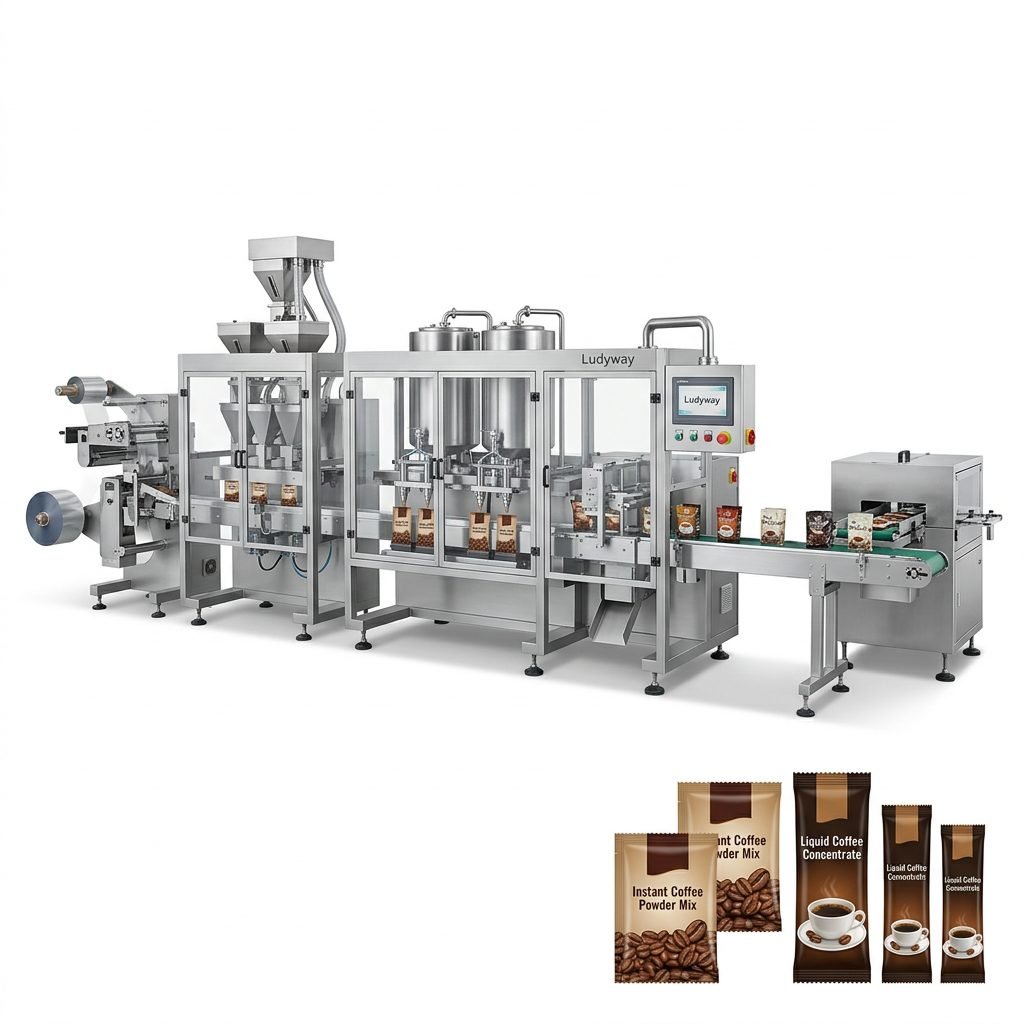
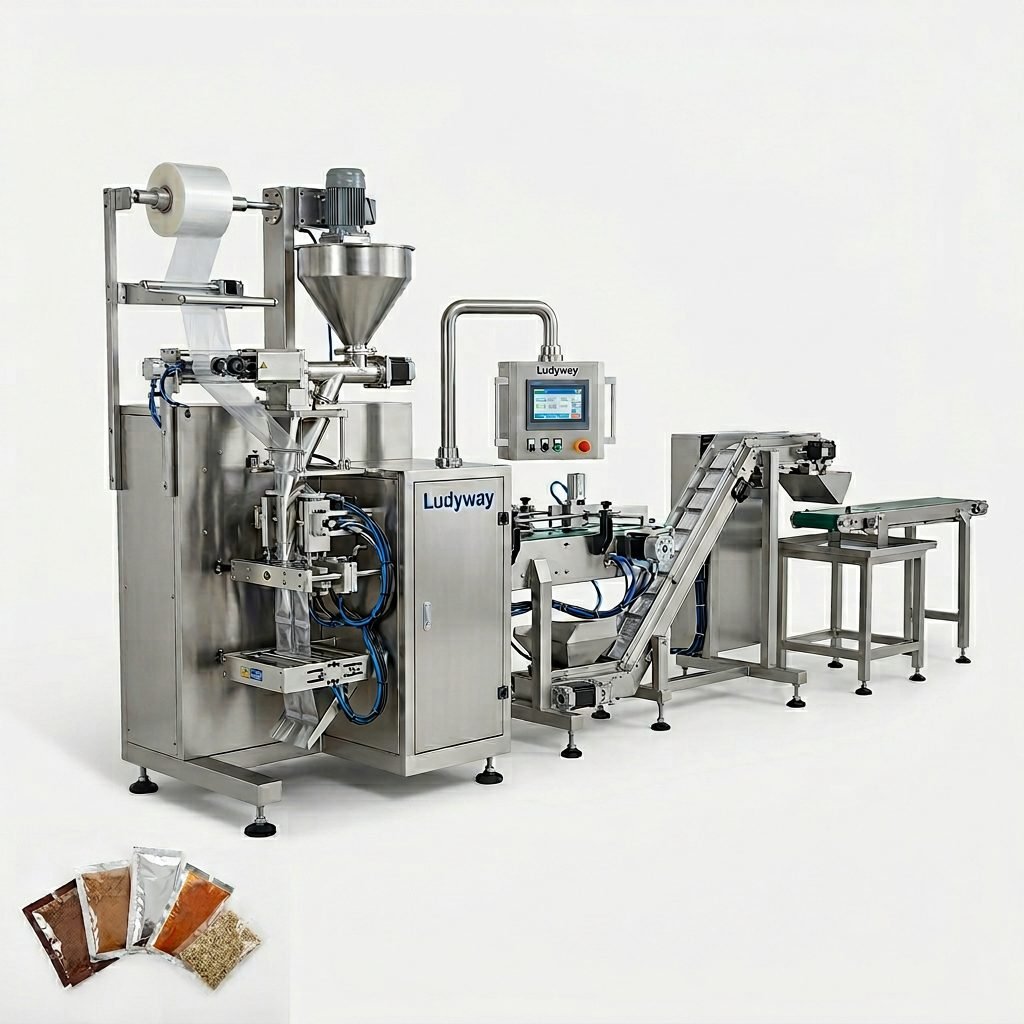
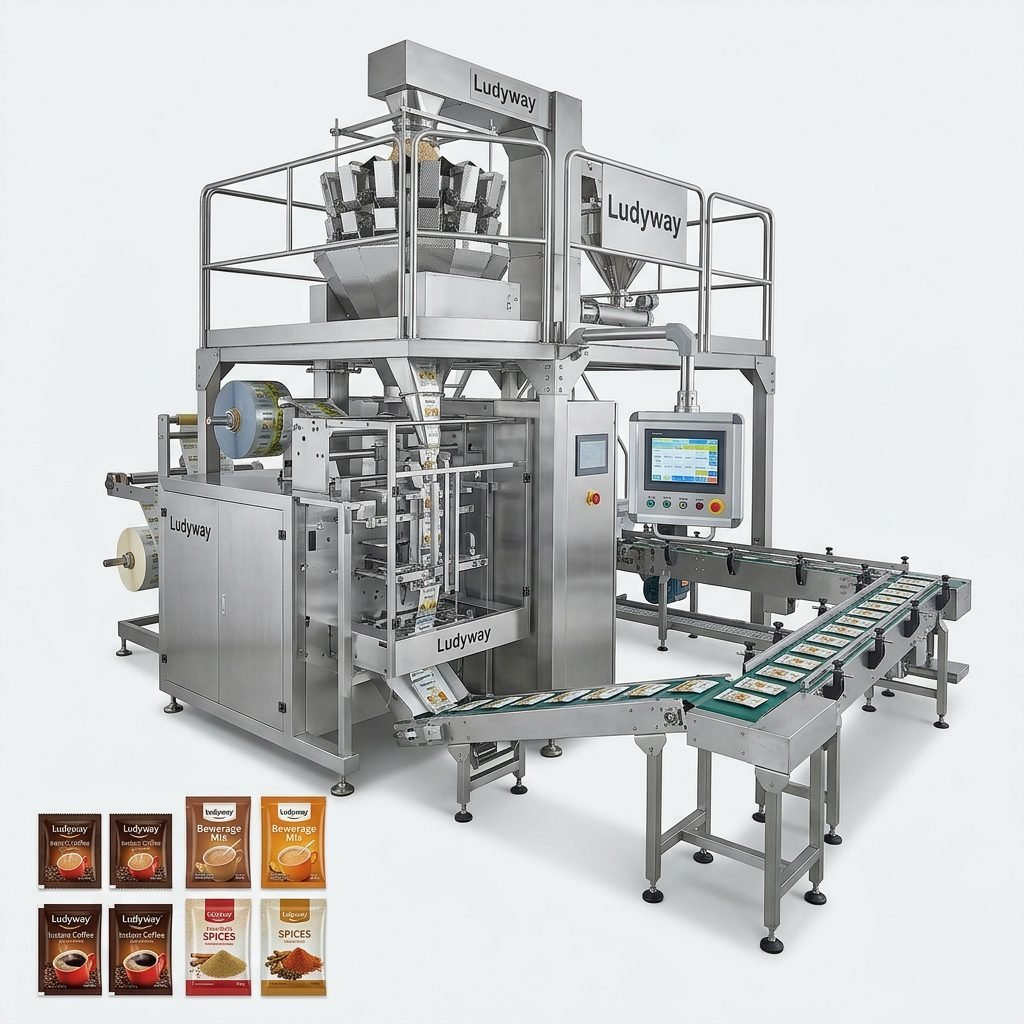
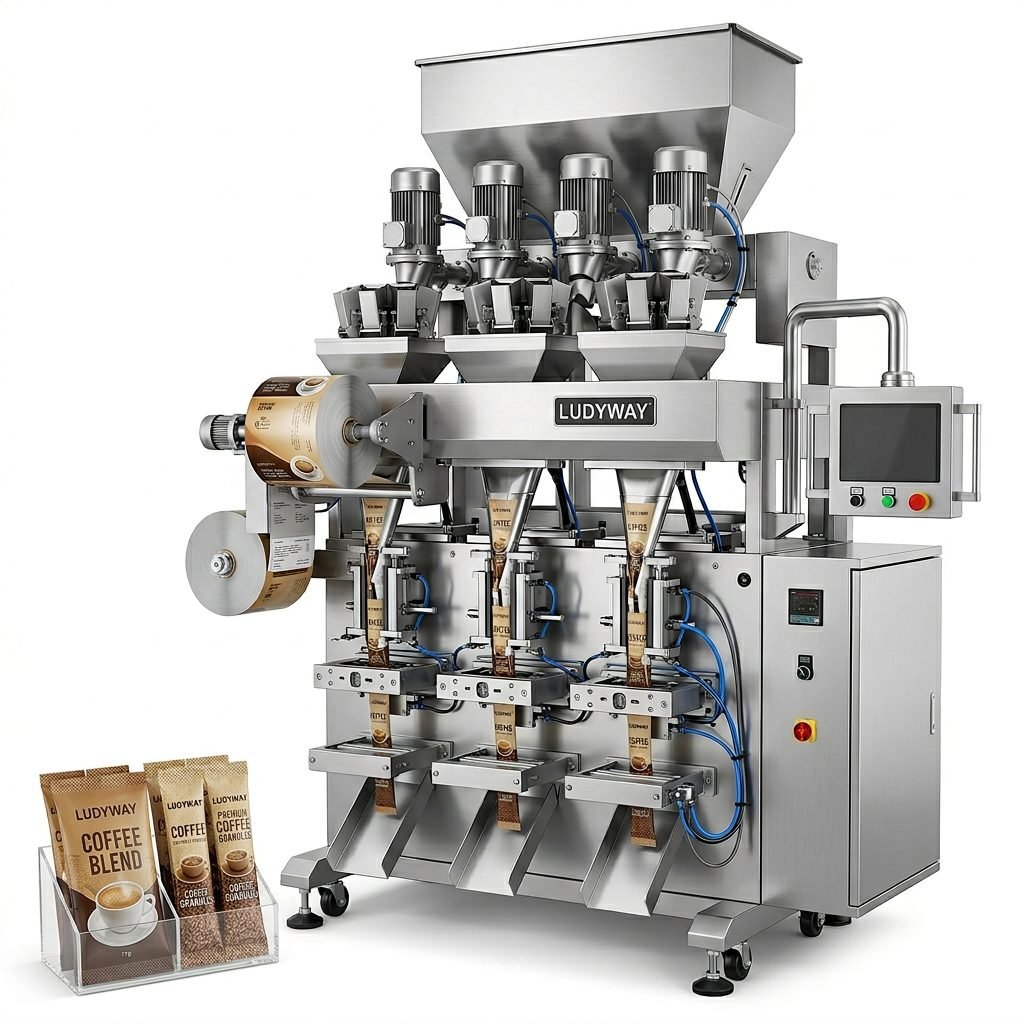
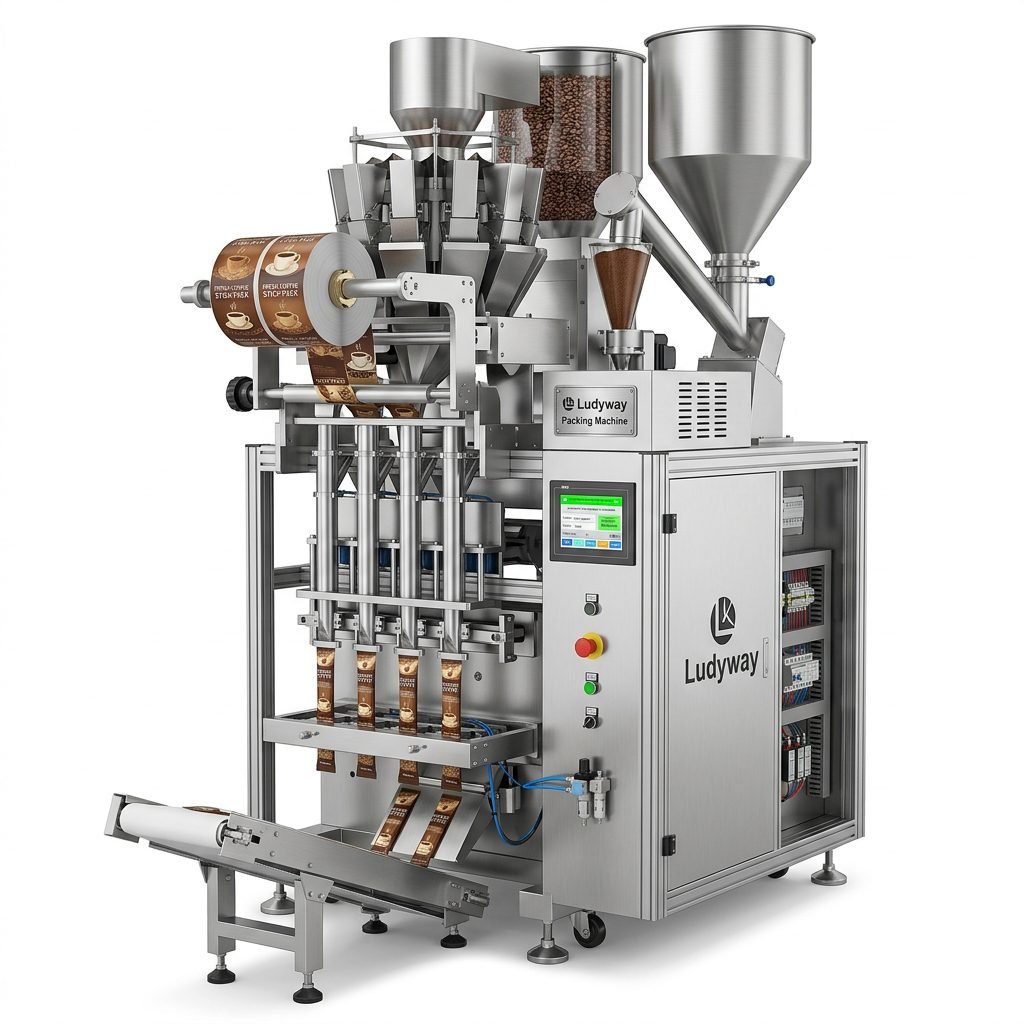
For products like instant coffee, sugar, spices, and protein powders, precision is non-negotiable. Modern granule and powder packaging machines utilize advanced auger filling systems with weight feedback control to ensure each bag or stick pack contains the exact specified amount. This eliminates give-away and ensures compliance with net content regulations. Machines often feature integrated nitrogen flushing to displace oxygen, dramatically extending product shelf life by preventing oxidation and spoilage.
Liquid & Viscous Product Packaging
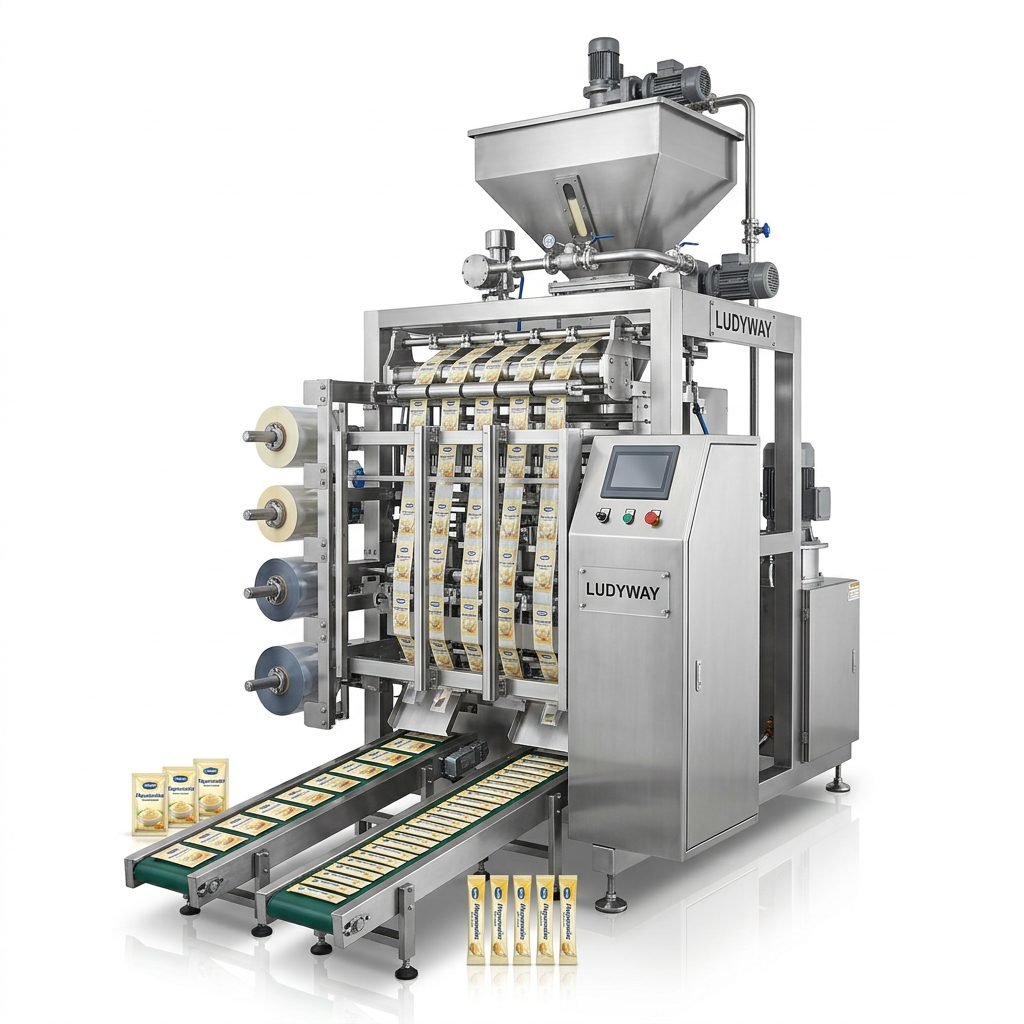
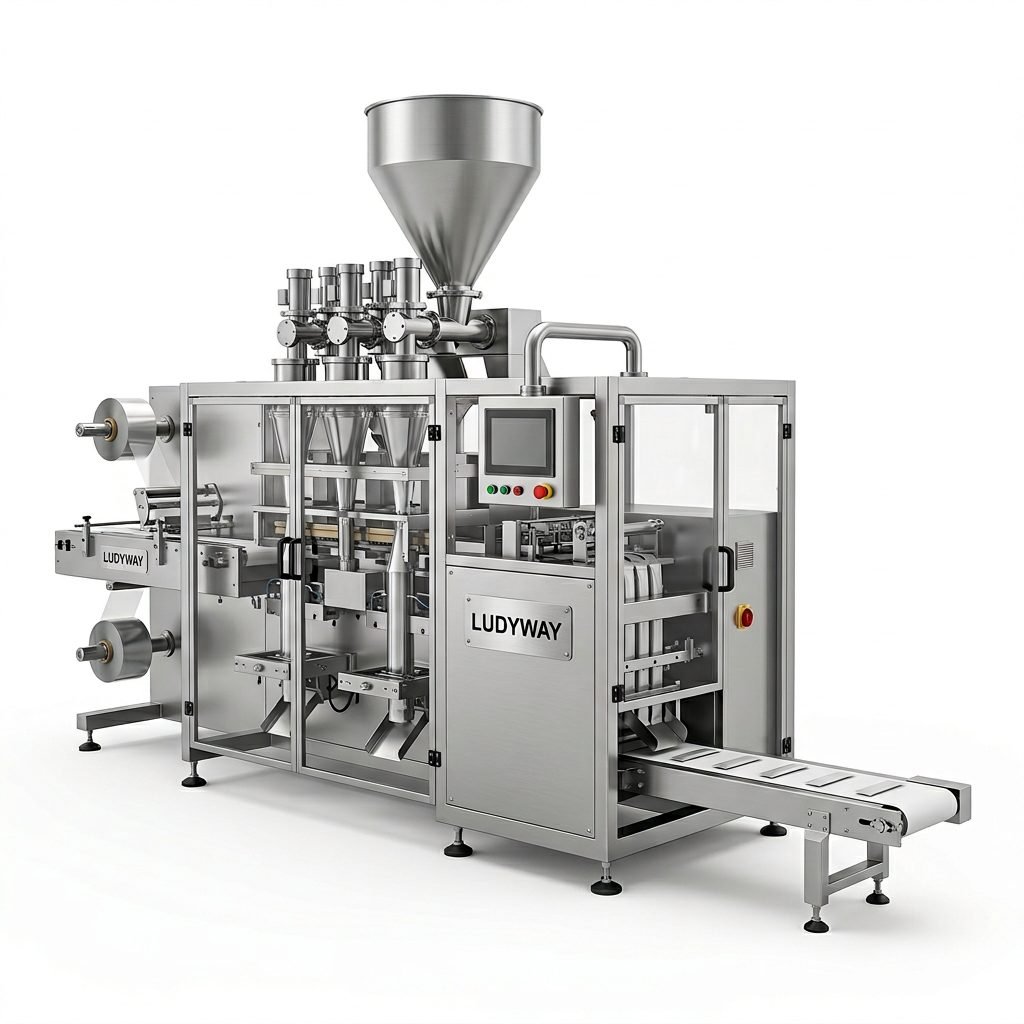
Packaging liquids, oils, sauces, and pastes requires equipment that can handle drips, ensure clean seals, and manage varying densities. Liquid filling machines with piston or pump fillers offer exceptional accuracy. For stand-up pouches or sachets, machines provide robust sealing jaws that create strong, leak-proof seams even through product contamination. This technology is vital for maintaining product quality and preventing costly recalls or customer complaints.
Stick Pack & Sachet Solutions
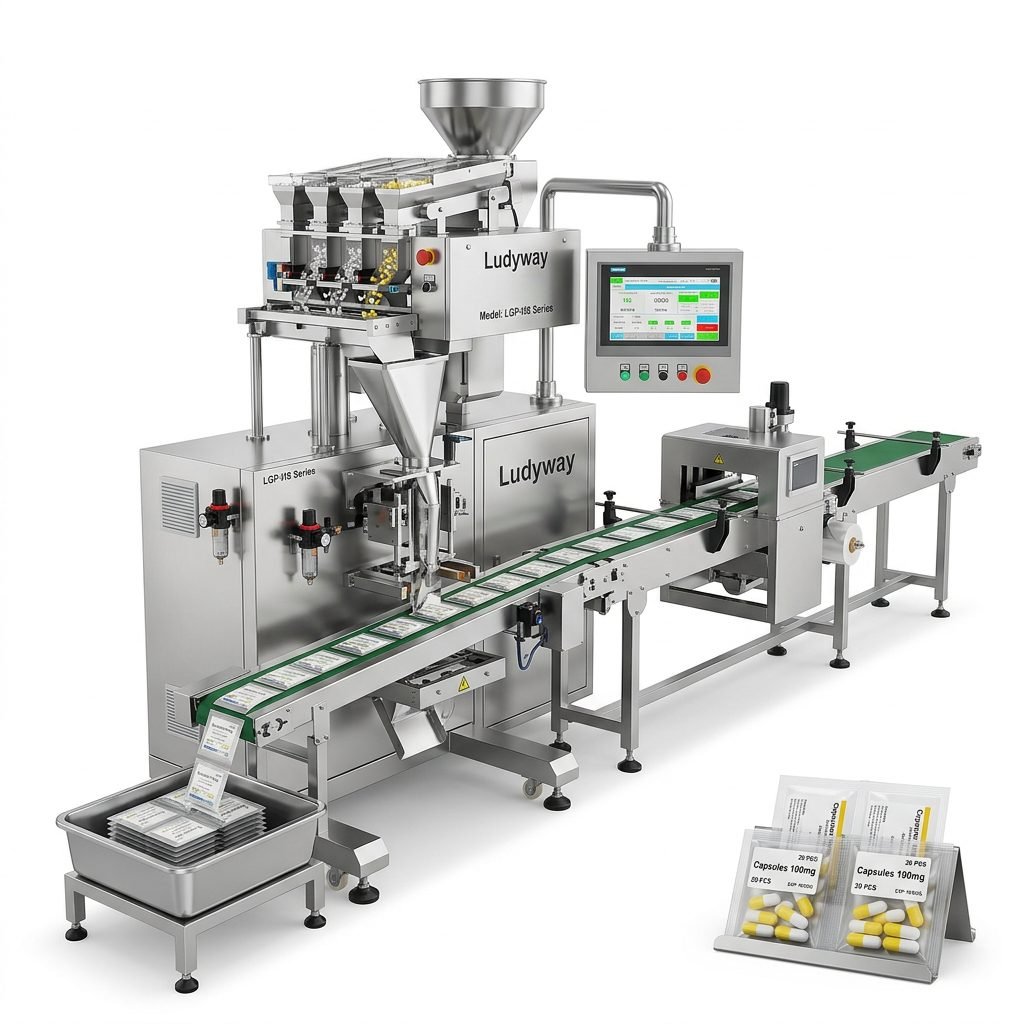
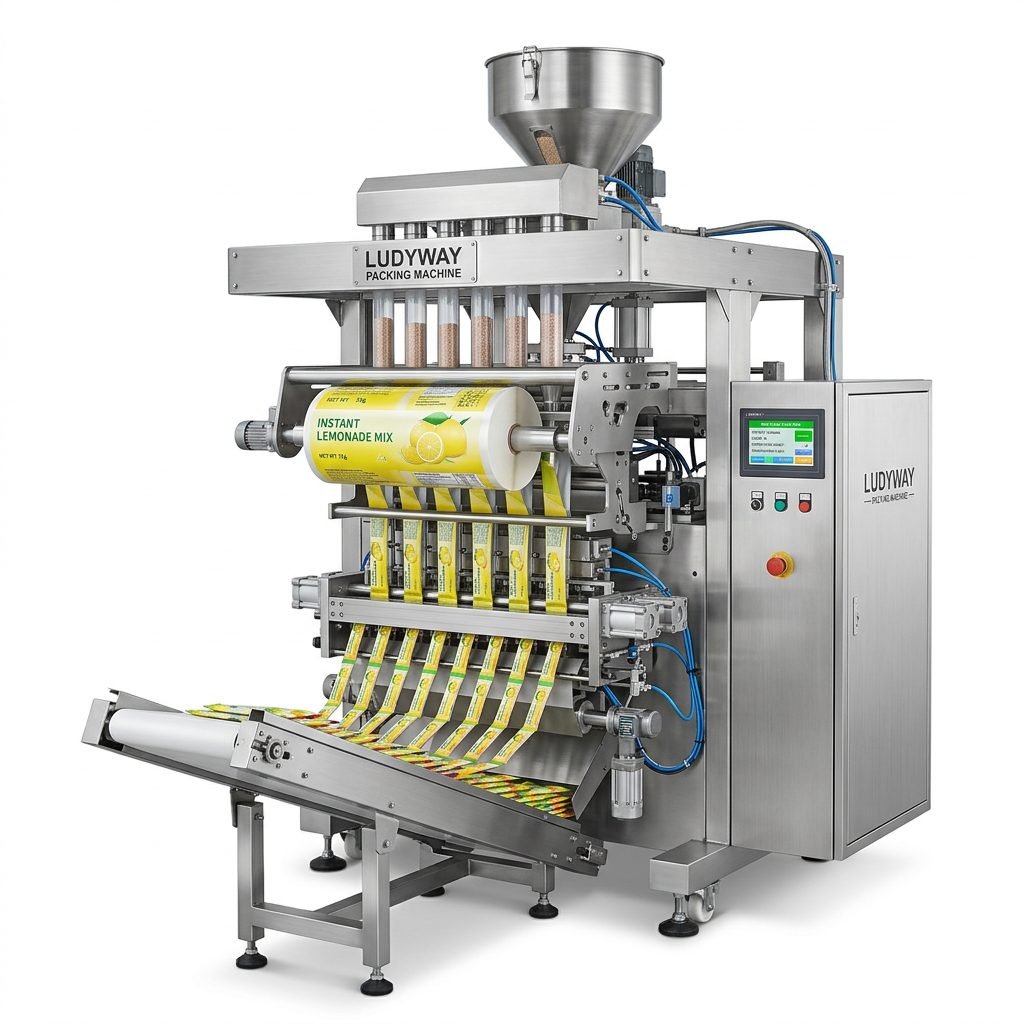
The demand for single-serve and on-the-go convenience has made stick packs and sachets immensely popular. High-speed, multi-lane stick pack machines can produce dozens of petite, portable packages simultaneously. These systems are incredibly versatile, capable of handling a wide range of products—from drink mixes and condiments to pharmaceutical powders—with quick changeover features that allow producers to switch between products or package sizes with minimal downtime.
Robust Packaging for Industrial Production
Beyond consumer goods, industrial sectors such as chemicals, agriculture, pharmaceuticals, and hardware rely heavily on durable, reliable packaging. The requirements shift focus towards chemical resistance, strength, and accurate portioning of potentially hazardous materials.
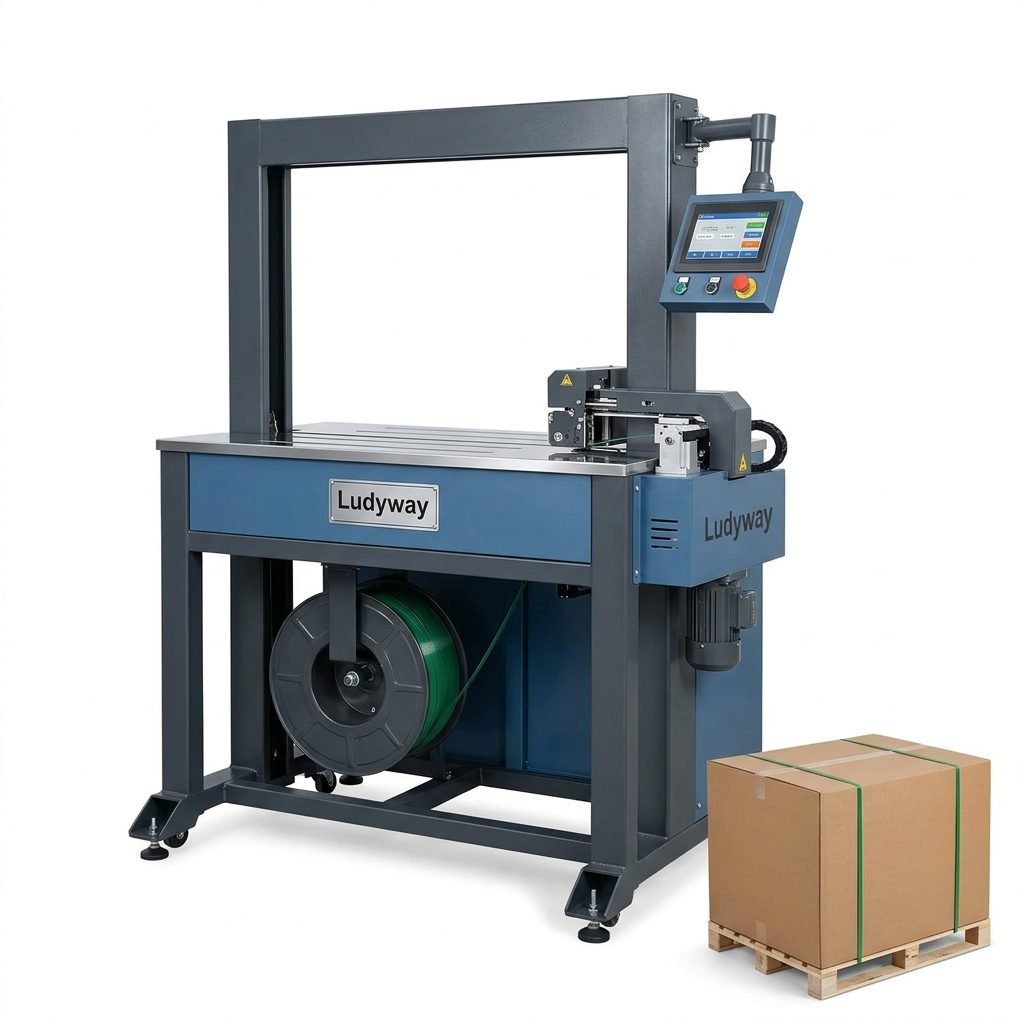
Industrial-grade packaging machinery is built for resilience. It can handle abrasive materials, corrosive chemicals, and heavy components. Solutions often include heavy-duty bagging systems for bulk chemicals, precise cartoning machines for small parts, and specialized filling lines for lubricants and adhesives. The automation of these processes not only improves safety by reducing worker exposure but also ensures that industrial products are delivered in a secure, tamper-evident, and professionally presented manner.
The Value of a Trusted Partner: Ludyway Machinery
Navigating the complex world of packaging technology requires more than just purchasing a machine; it requires a partnership with an expert. With over 30 years of industry experience, Ludyway Machinery has established itself as a leader in providing turnkey packaging solutions. The company’s philosophy is rooted in understanding the unique challenges of each client—whether in food, beverage, or industrial production—and delivering customized, reliable systems that drive growth.
Backed by a modern manufacturing facility and strong engineering prowess, Ludyway offers a portfolio of more than 50 intelligent packaging machine models. From initial consultation and production line design to installation, training, and ongoing technical support, their comprehensive approach ensures a seamless integration of advanced technology into existing operations. This commitment to innovation and quality has fostered long-term partnerships with manufacturers worldwide, helping them achieve higher efficiency, superior product quality, and greater market competitiveness. Discover their approach to granule packaging solutions and liquid filling technology.
Future Trends in Packaging Automation
The future of packaging machinery is intelligent and interconnected. Industry 4.0 principles are driving the adoption of smart sensors, IoT connectivity, and data analytics. Machines can now self-diagnose maintenance needs, optimize their own performance in real-time, and provide production managers with actionable insights through centralized dashboards. Sustainability is another powerful trend, with machinery increasingly designed to handle biodegradable or recyclable materials efficiently and to minimize energy and material consumption throughout the packaging process.
Conclusion
Investing in advanced packaging machinery is a decisive step toward future-proofing a production operation. For sectors as demanding as food, beverage, and industrial manufacturing, the right equipment enhances every aspect of the business—from product safety and quality to brand strength and profitability. By partnering with an experienced provider like Ludyway Machinery, companies gain access to tailored, innovative solutions and the expertise needed to navigate their specific packaging challenges successfully.
Frequently Asked Questions (FAQs)
What factors should I consider when choosing packaging machinery?
Key factors include your product type (granule, powder, liquid), required production speed, package format (stick pack, sachet, pouch), budget, available factory space, and desired level of automation (semi vs. fully automatic). A reputable supplier will conduct a thorough needs analysis to recommend the optimal solution.
How can packaging machinery improve my product’s shelf life?
Advanced machines can integrate features like nitrogen gas flushing, which removes oxygen from the package before sealing. This prevents oxidation and inhibits the growth of aerobic bacteria and molds, significantly extending the freshness and shelf life of sensitive products like snacks, coffee, and dried foods.
What is the typical lead time for a new packaging line?
Lead times vary based on machine complexity and customization. For standard models, it can range from a few weeks to a few months. For fully custom, turnkey production lines involving multiple integrated machines, the timeline from design to delivery and installation can be longer. A clear project plan with your supplier is essential.
Can one machine handle different package sizes or products?
Yes, many modern machines are designed with quick changeover capabilities. This allows operators to switch between different package sizes or even different product types (e.g., from a fine powder to a small granule) with minimal tooling changes and downtime, maximizing production flexibility.
What kind of after-sales support is important?
Comprehensive support is critical. Look for a supplier that offers detailed installation guidance, operator training, readily available spare parts, and responsive technical support (remote and on-site). A strong service agreement ensures your machinery maintains peak performance and minimizes unexpected production stoppages.