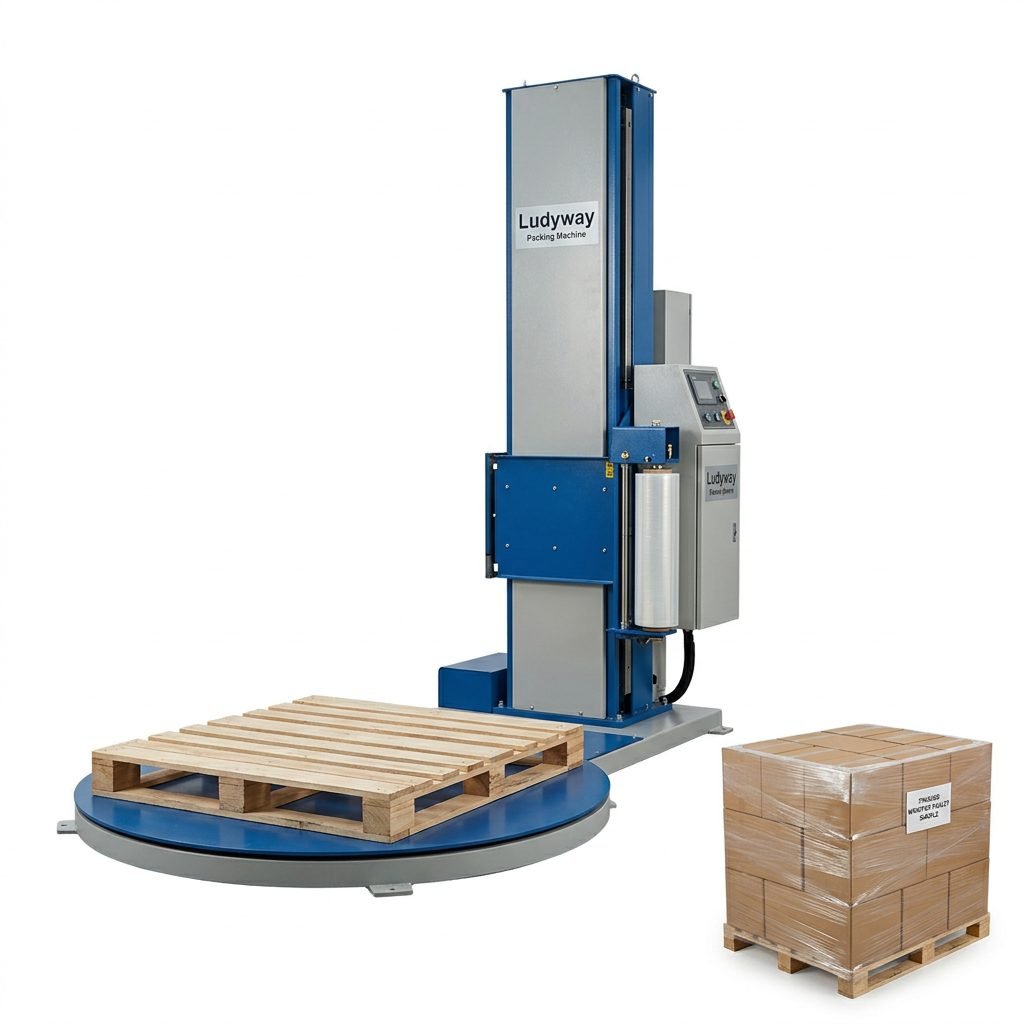
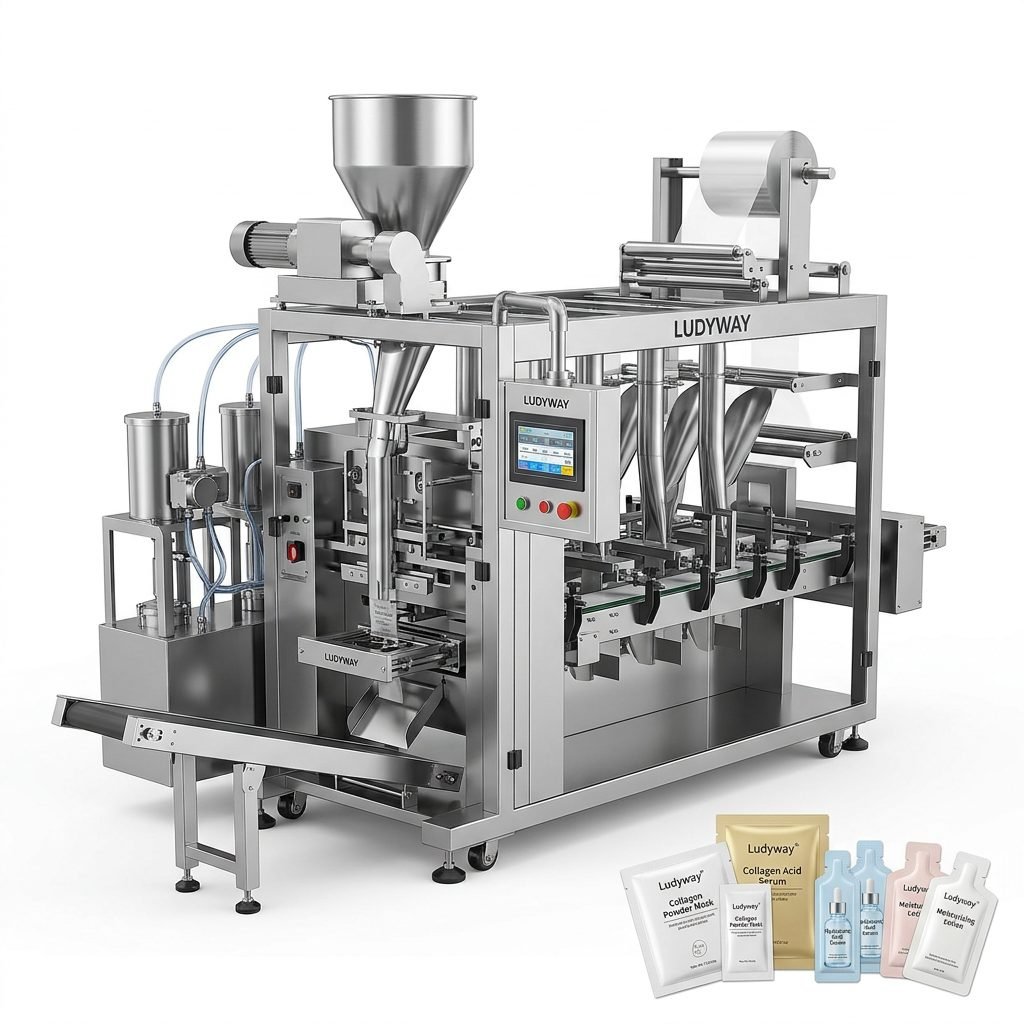
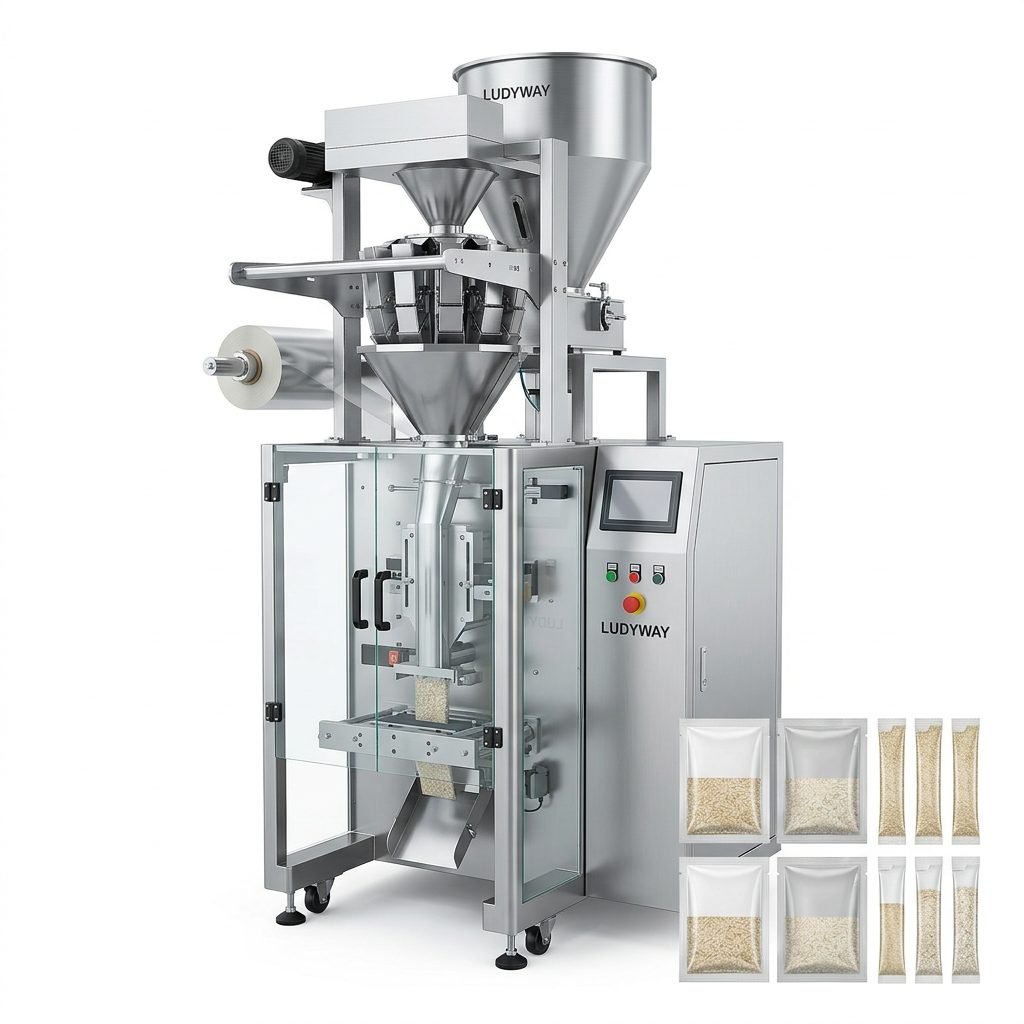
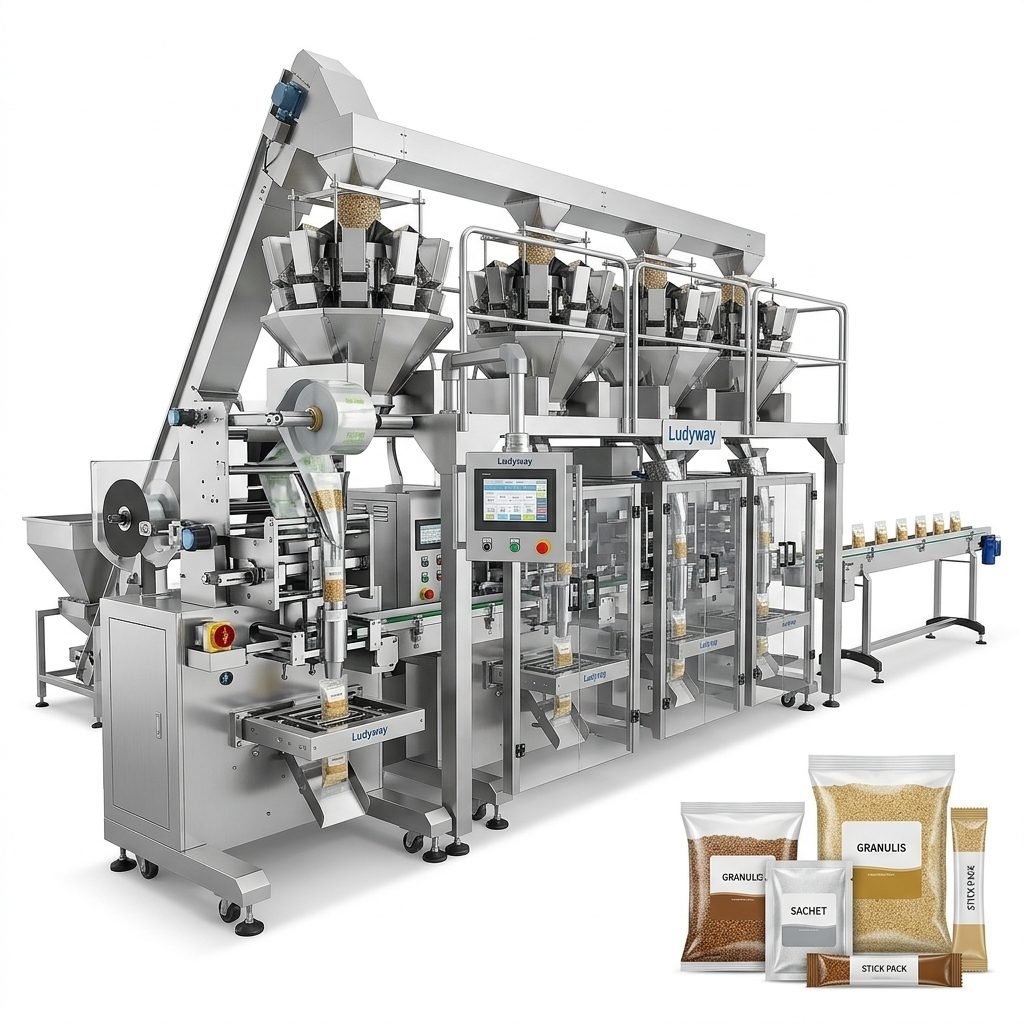
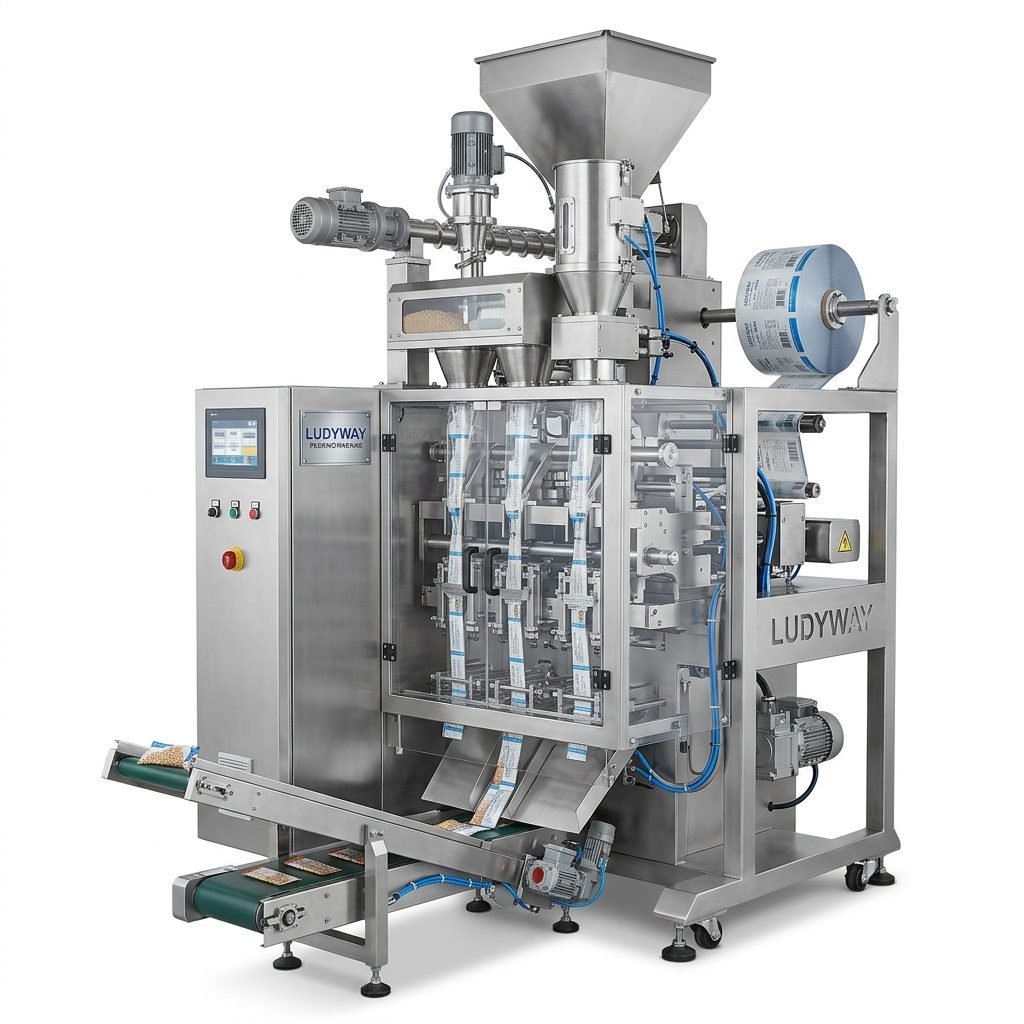
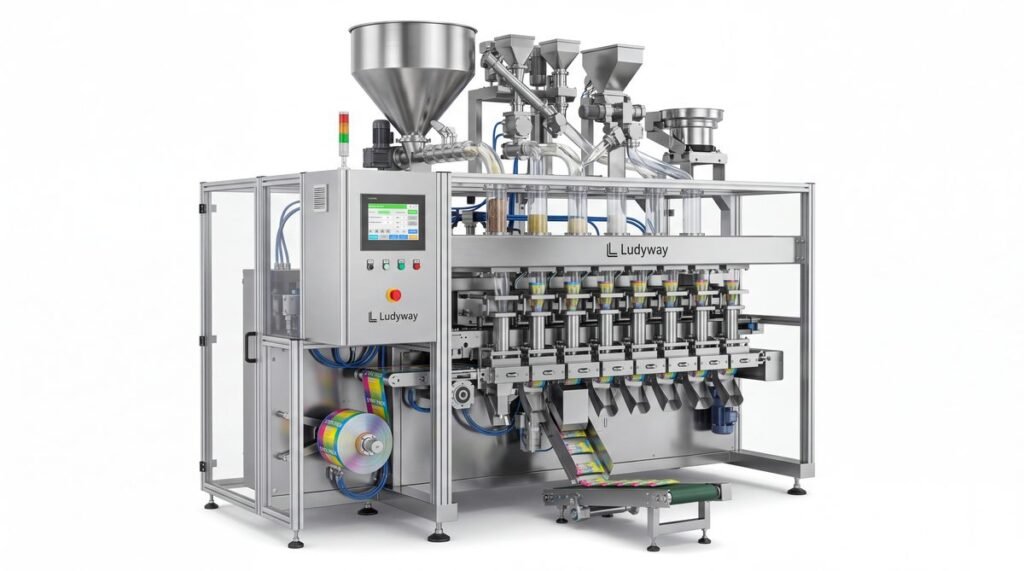
In the fast-paced world of manufacturing, efficiency and product presentation are paramount. Coil packaging machines have become indispensable tools across various industries, from food and pharmaceuticals to electronics and hardware. These specialized machines automate the process of wrapping products—such as cables, wires, hoses, and flexible tubing—into neat, compact coils, significantly enhancing production speed, consistency, and overall packaging quality. This comprehensive guide delves into the different types of coil packaging machines, their key features, and provides actionable advice on selecting the best solution for your specific operational needs.
Understanding Coil Packaging Machines
At their core, coil packaging machines are designed to automate the bundling and wrapping of long, flexible items into coiled forms. This process not only makes products easier to handle, store, and transport but also provides a professional, retail-ready appearance that can boost brand perception. The automation eliminates the inconsistencies and labor intensity of manual coiling, leading to higher output and reduced operational costs.
Key Benefit: The primary advantage of implementing a coil packaging system is the dramatic increase in packaging line efficiency. By automating a repetitive and physically demanding task, businesses can reallocate human resources to more value-added activities while ensuring every product is packaged identically.
Primary Industries and Applications
Coil packaging technology serves a diverse range of sectors. In the electrical and wire industry, it is used for packaging electrical cords, network cables, and welding leads. The plumbing and irrigation sector relies on it for hoses and tubing. Furthermore, industries dealing with ropes, cords, belts, and even certain food products like licorice or flexible confectionery utilize these machines to achieve tidy, salable bundles.
Types of Coil Packaging Machines
Choosing the right machine starts with understanding the available technologies. Coil packaging systems can be broadly categorized based on their automation level and wrapping method.
1. Semi-Automatic Coil Packers
These machines require an operator to manually place the product onto the coiling mandrel or fixture. The machine then automates the wrapping, sealing, and sometimes cutting process. They are an excellent cost-effective entry point for small to medium-sized businesses or for production lines with lower volume requirements or a wide variety of product shapes and sizes.
- ✓ Pros: Lower initial investment, greater flexibility for product changeovers.
- ✓ Cons: Lower output speed, dependent on operator pace.
2. Fully Automatic Coil Packers
Designed for high-volume production, fully automatic systems integrate the entire process—from feeding and coiling to wrapping and ejecting—with minimal human intervention. They often include sophisticated feeding mechanisms and are synchronized with upstream and downstream equipment for a seamless production flow.
- ✓ Pros: Maximum throughput, consistent quality, reduced labor costs.
- ✓ Cons: Higher capital cost, less flexibility for frequent product changes.
3. Stretch Wrap Coil Machines
These machines use stretch film (often PVC or PE) to bundle the coil. The film is stretched during application, creating a tight, secure, and transparent wrap that protects the product from dust and moisture while allowing it to remain visible. This method is popular for its material efficiency and excellent load stability.
4. Shrink Wrap Coil Machines
This type uses a loose sleeve of shrink film that is placed over the coil. The coil then passes through a heat tunnel (shrink oven), causing the film to contract tightly around the product’s contours. Shrink wrap provides a tamper-evident, rigid, and high-gloss finish that offers superior protection and a premium look.
Comparison at a Glance
Stretch Wrap: Cost-effective film, good clarity, excellent for palletizing coiled products, less protective against punctures.
Shrink Wrap: Superior barrier protection (moisture, dirt), tamper-evident, premium appearance, requires a heat source.
Essential Features to Consider
Beyond the basic type, several critical features determine a machine’s suitability for your production line. Evaluating these will ensure you invest in a solution that delivers long-term value.
Adjustability and Flexibility
Can the machine handle a range of coil diameters and lengths? Look for machines with easily adjustable mandrels, guides, and film carriage systems. Quick-changeover capabilities are vital for manufacturers running multiple SKUs to minimize downtime.
Speed and Production Capacity
Measured in coils per minute (CPM), the machine’s speed must align with your current and projected output requirements. Ensure the quoted speed is sustainable for full shifts, not just a peak rate.
Control System and User Interface
A modern, intuitive PLC-based touchscreen interface (HMI) is essential. It should allow for easy parameter setting (coil size, wrap count, tension), store recipes for different products, and provide clear diagnostic information for maintenance. Machines from experienced suppliers like Ludyway Packing Machine often feature advanced controls that simplify operation.
Integration Capabilities
Consider how the coil packer will fit into your existing line. Does it need to interface with an automatic coiler, a labeler, or a downstream cartoning system? Communication protocols (e.g., Ethernet/IP, Profinet) and mechanical integration points are key for a smooth, automated workflow.
Durability and Build Quality
Inspect the construction. A robust frame, high-quality bearings, and durable components from reputable brands (e.g., Siemens PLC, SMC pneumatics) translate to less downtime and a longer machine lifespan. The engineering expertise behind the brand, such as the 30+ years of industry experience backing Ludyway Machinery, is a strong indicator of reliable build quality.
How to Choose the Best Coil Packaging Solution
Selecting the ideal machine is a strategic decision. Follow this step-by-step framework to make an informed choice.
Step 1: Analyze Your Product and Requirements
Start with a detailed analysis of the products you need to coil. Document the minimum and maximum dimensions (diameter, length), material type, weight, and surface texture. Also, define your required output speed, available factory floor space, and the level of automation desired (stand-alone vs. integrated line).
Step 2: Evaluate Material Compatibility
The product and the packaging film must be compatible. For instance, certain plastics might react with PVC film, or a product sensitive to heat would rule out shrink wrapping. Test different film materials with your product to check for adhesion, marking, or chemical reactions.
Step 3: Assess Total Cost of Ownership (TCO)
Look beyond the initial purchase price. Calculate the TCO, which includes:
– Consumable Cost: Film usage efficiency and price.
– Energy Consumption: Significant for shrink wrappers with large ovens.
– Maintenance & Service: Availability of spare parts and technical support.
Investing in a slightly more expensive but robust and efficient machine from a provider with a strong global service network often yields a lower TCO.
Step 4: Request Demos and Samples
Never buy based on specifications alone. Provide your actual product samples to potential suppliers and request a live demonstration or video test run. This is the best way to verify the machine’s performance, final package quality, and ease of operation.
Step 5: Verify Supplier Support and Expertise
The supplier’s role is crucial. Choose a partner with proven experience in coil packaging, not just general packaging. They should offer comprehensive support, including installation, training, and readily available after-sales service. A supplier with a history of innovation and long-term cooperation, as demonstrated in the company story of industry leaders, will be a valuable asset throughout the machine’s lifecycle.
Pro Tip: Plan for the Future
Select a machine that can handle not just your current products but also potential future ones. A modular or highly adjustable machine may cost more upfront but can prevent the need for a completely new capital investment down the line as your product portfolio evolves.
Frequently Asked Questions (FAQs)
Q1: What is the main difference between stretch wrap and shrink wrap for coils?
A: The core difference lies in the application and result. Stretch wrap is applied under tension and clings to itself, offering a tight bundle. Shrink wrap is applied loosely and then heated, causing it to contract and form a rigid, conformal skin around the coil. Shrink wrap generally offers better protection and a more finished appearance.
Q2: Can one machine handle coils of very different sizes?
A: It depends on the machine’s design. Many semi-automatic and some automatic models are built with a high degree of adjustability for mandrel size, film width, and carriage travel. However, there are practical limits. For extremely varied sizes (e.g., very small and very large diameter), two specialized machines might be more efficient.
Q3: How important is after-sales service when purchasing a coil packer?
A: It is critically important. Packaging machinery is a long-term investment. Reliable, prompt technical support, availability of genuine spare parts, and access to operator training are essential for maximizing uptime and ensuring a good return on your investment over many years of service.
Q4: What are the key safety features to look for in an automatic coil packaging machine?
A: Essential safety features include emergency stop buttons at multiple points, protective guarding with safety interlocks (that stop the machine when opened), proper machine grounding, and clear safety warnings. A well-designed machine prioritizes operator safety without hindering accessibility for maintenance.
Q5: How do I calculate the potential return on investment (ROI) for a coil packaging machine?
A: Calculate ROI by comparing current manual packaging costs (labor, material waste, slower throughput) against the projected costs with the automated system (machine payment, operator labor for supervision, film, energy, maintenance). Factor in increased output capacity. The reduction in labor cost and material waste, combined with higher production, typically leads to a compelling ROI, often within 1-3 years.