In today’s fast-paced manufacturing landscape, efficient and reliable packaging is a cornerstone of success. A well-designed packaging machine is not just a piece of equipment; it is the heart of a streamlined production line, directly impacting output, product quality, and operational costs. This guide delves into the essential principles, various types, and proven best practices for designing and implementing packaging machinery that delivers peak automation performance.
Core Principles of Effective Packaging Machine Design
The foundation of any high-performing packaging system lies in its design philosophy. Adhering to key principles ensures the machine meets current demands while remaining adaptable for the future.
Operational Efficiency and Speed
Maximizing throughput is a primary goal. Design must focus on minimizing cycle times, reducing non-productive movements, and ensuring smooth material flow from infeed to discharge. This involves precision in mechanical timing, optimized motion control, and intelligent software that anticipates and prevents bottlenecks.
Flexibility and Changeover Ease
Market demands shift rapidly, requiring packaging lines to handle different products, formats, and materials. A superior design incorporates quick-change tooling, recipe management systems, and adjustable components. This minimizes downtime during product switches, a critical factor for maintaining productivity in diverse manufacturing environments.
Hygiene and Cleanability
Especially crucial for food, pharmaceutical, and health products, machine design must prioritize hygiene. This means using smooth, crevice-free surfaces, food-grade stainless steel contacts, and enclosures that prevent contamination. Design for easy access and disassembly for cleaning (CIP/SIP where applicable) is non-negotiable in these regulated industries.
Durability and Low Maintenance
Packaging machines operate in demanding conditions. Robust construction with high-quality materials and components is essential for longevity. Furthermore, a design-focused on maintainability—with easy access to wear parts, clear diagnostic systems, and modular components—reduces lifetime costs and unexpected stoppages.
User Safety and Ergonomics
Protecting operators is paramount. This includes integrated safety guards, light curtains, emergency stops, and interlocks. Ergonomic design also considers operator interaction for loading, monitoring, and maintenance, reducing strain and potential for error.
Exploring Common Types of Packaging Automation
Understanding the different machine types is key to selecting the right solution for your product and output goals.
Vertical Form-Fill-Seal (VFFS) Machines
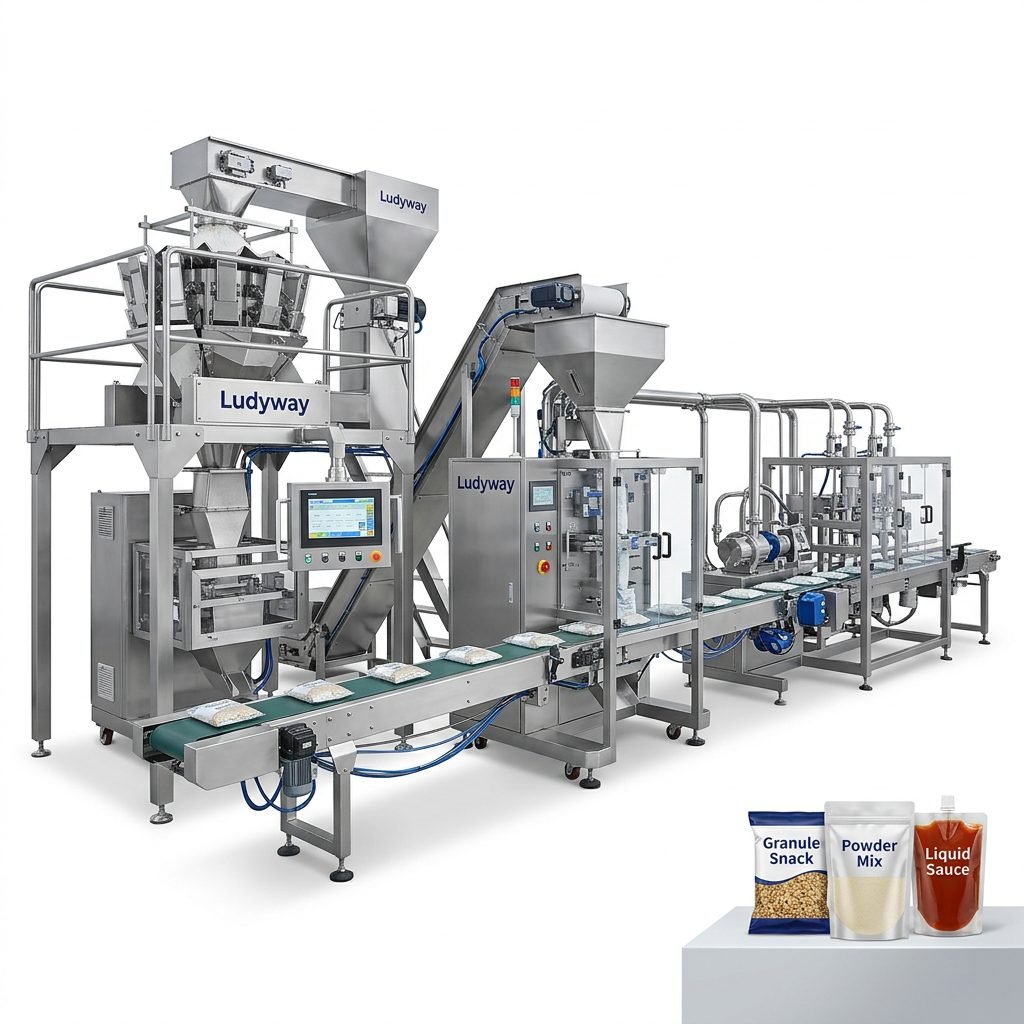
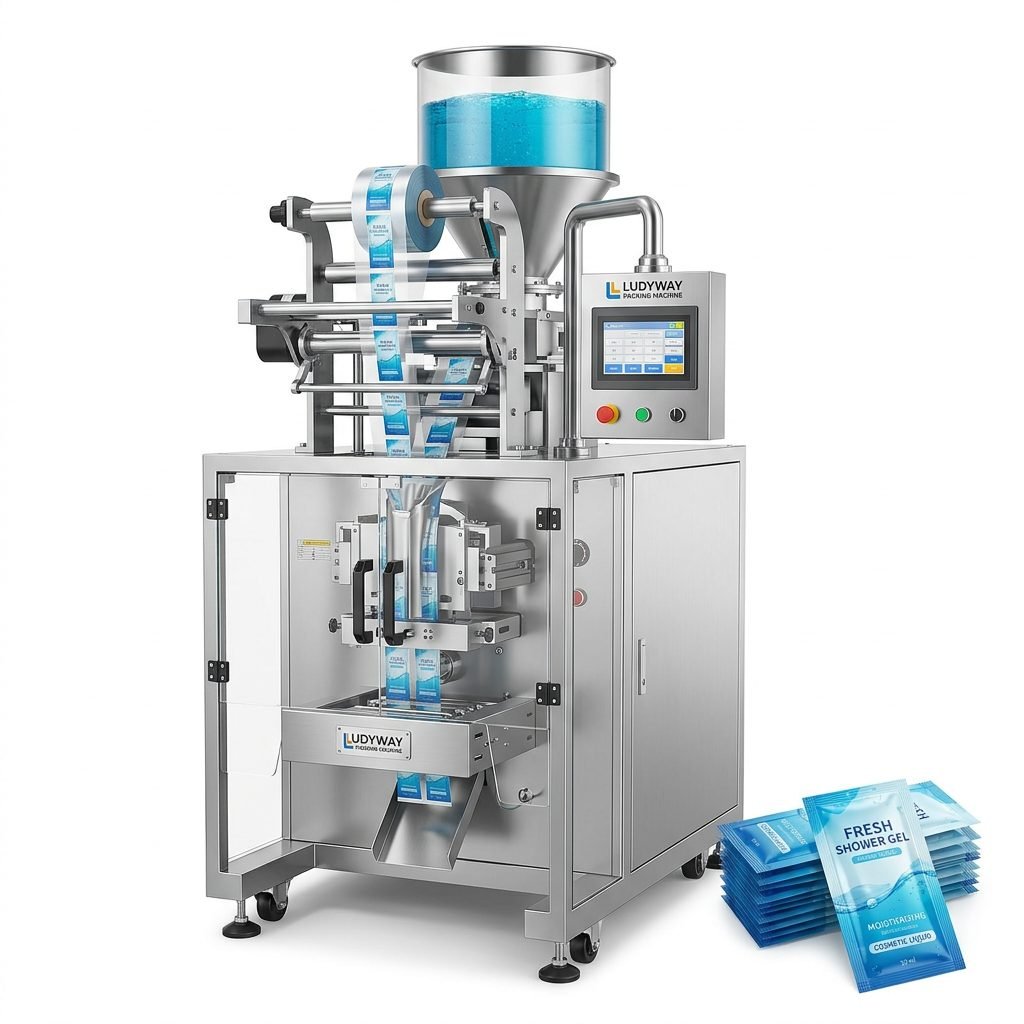
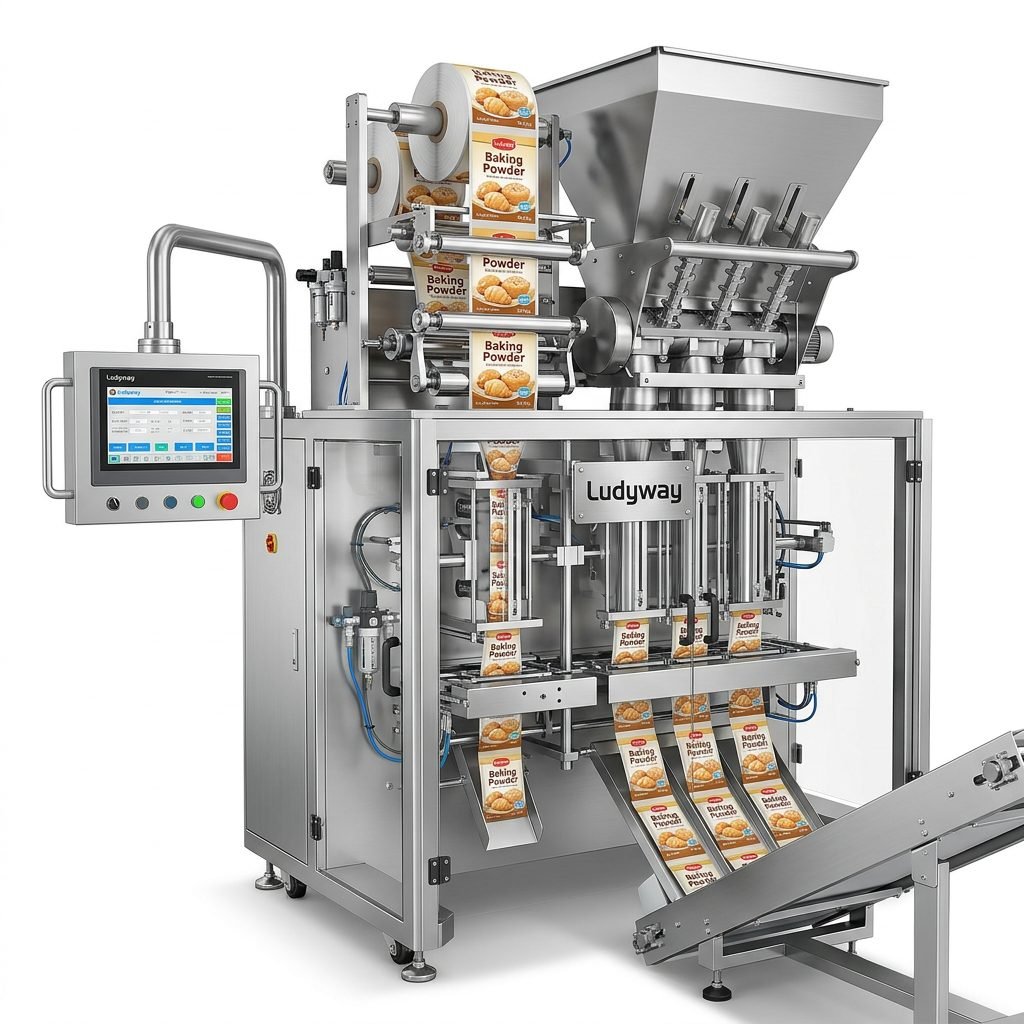
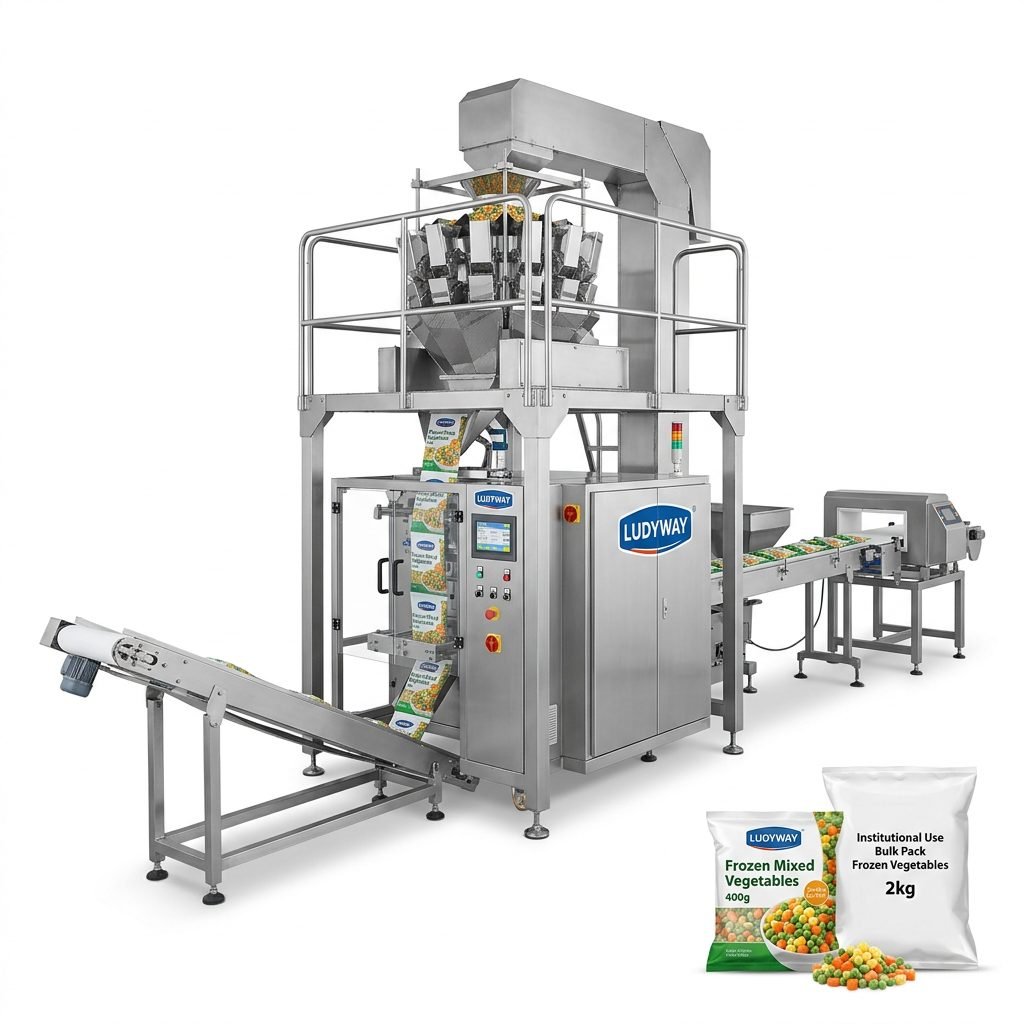
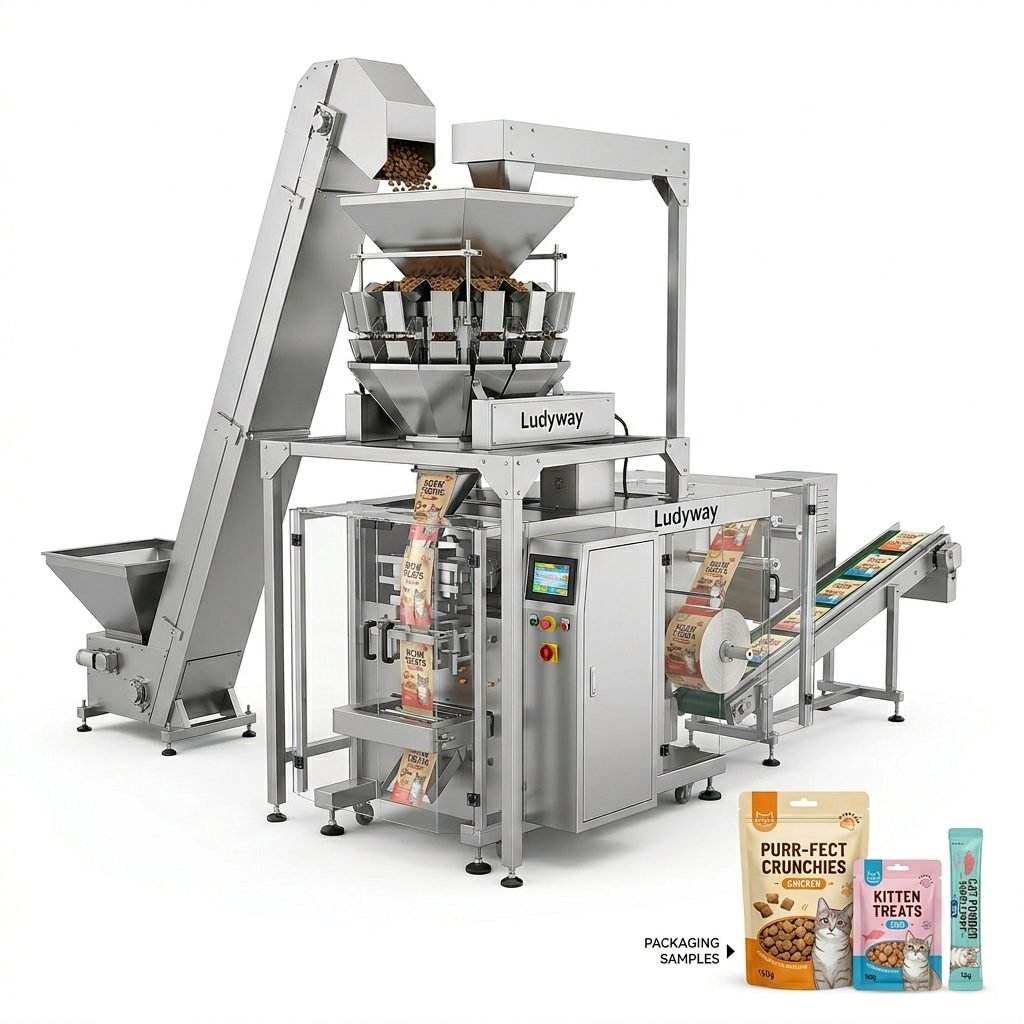
These are the workhorses of the industry for granular, powdered, and liquid products. They form a tube from a roll of film, fill it with product, and seal it into individual pouches or bags. They are highly versatile and efficient for medium to high-speed applications.
Horizontal Form-Fill-Seal (HFFS) Machines
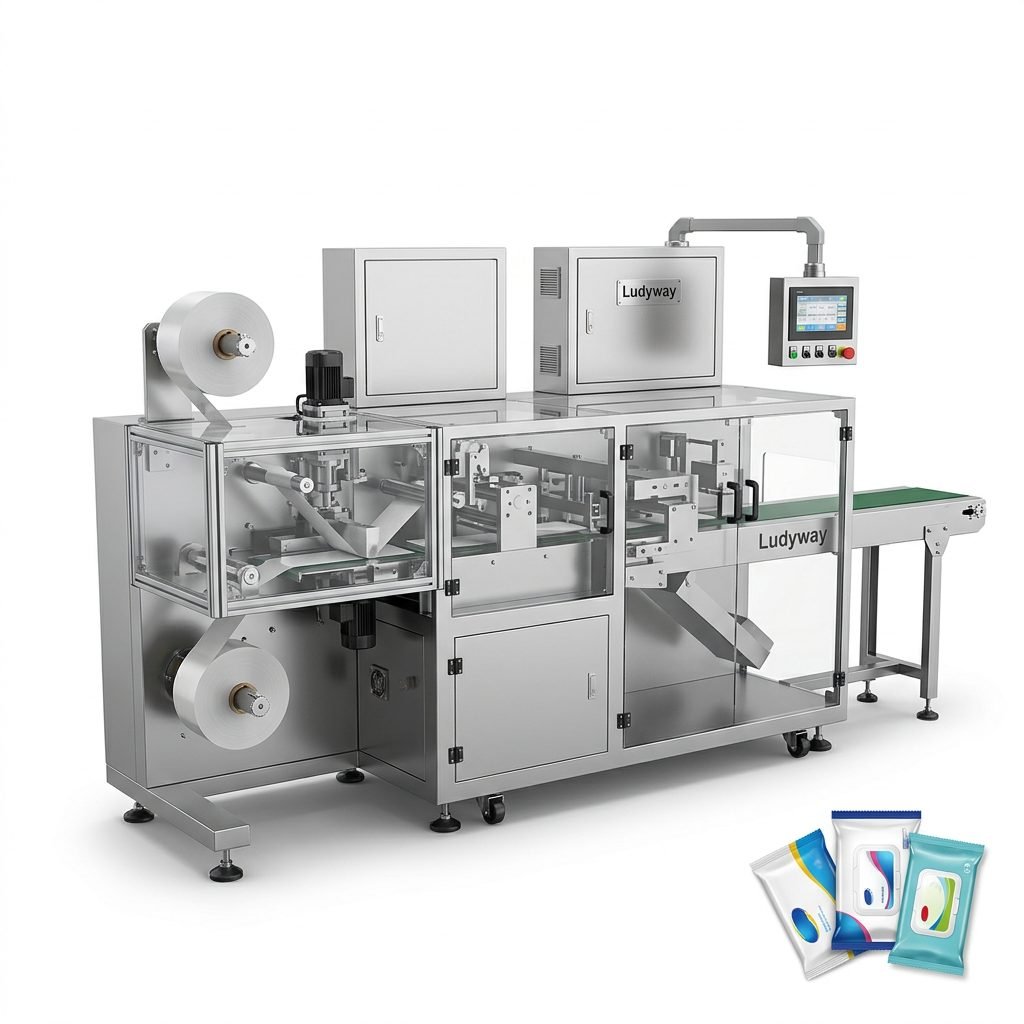
Ideal for placing products into pre-formed pouches or creating multi-compartment packs. They are often used for biscuits, bars, medical devices, or items that require careful placement. HFFS machines excel at handling solid items and complex packaging layouts.
Stick Pack and Sachet Machines
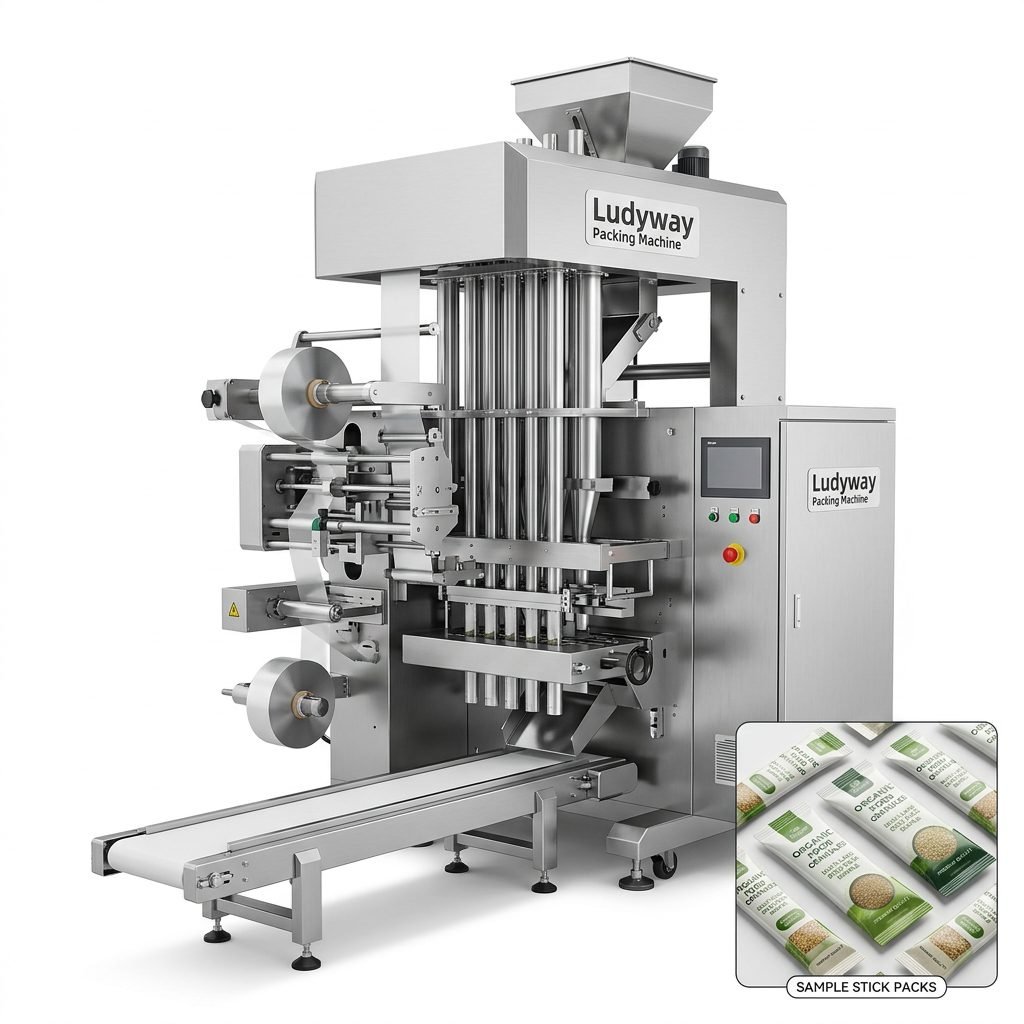
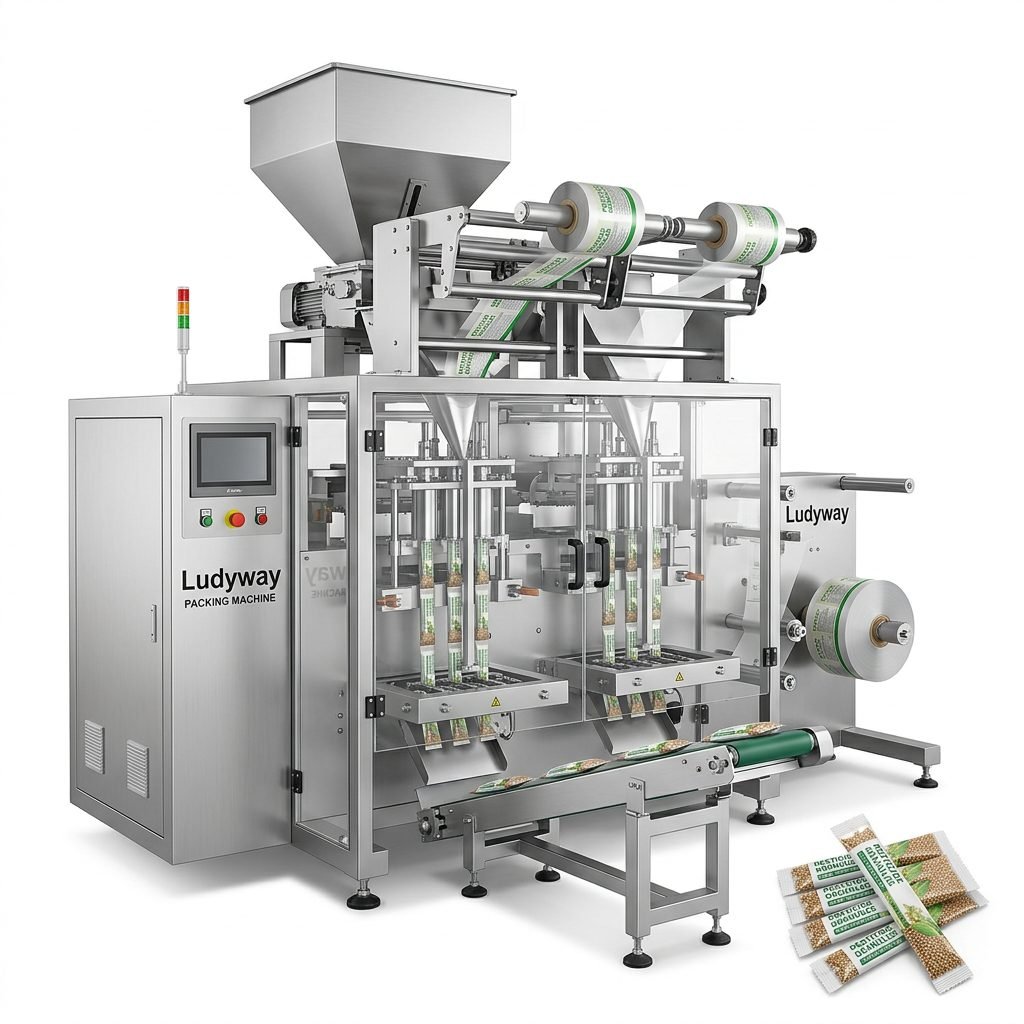
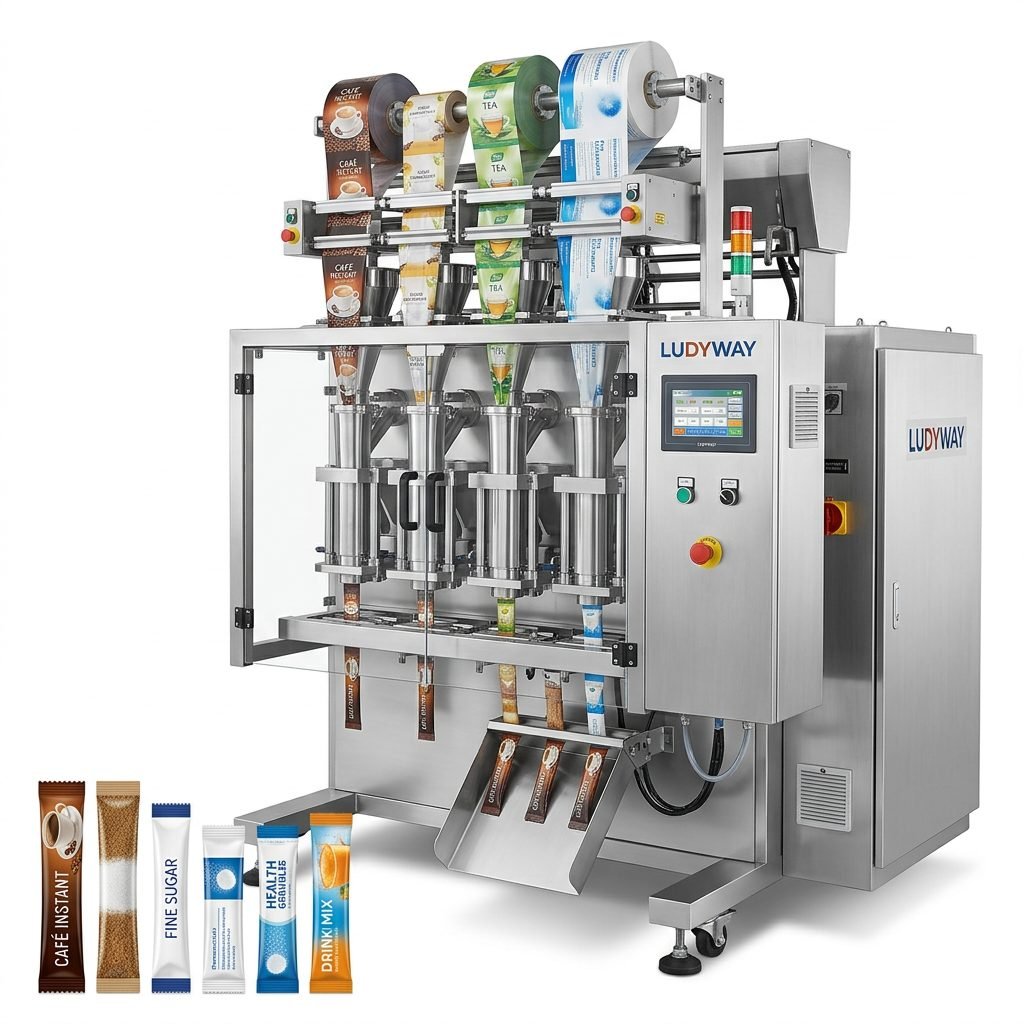
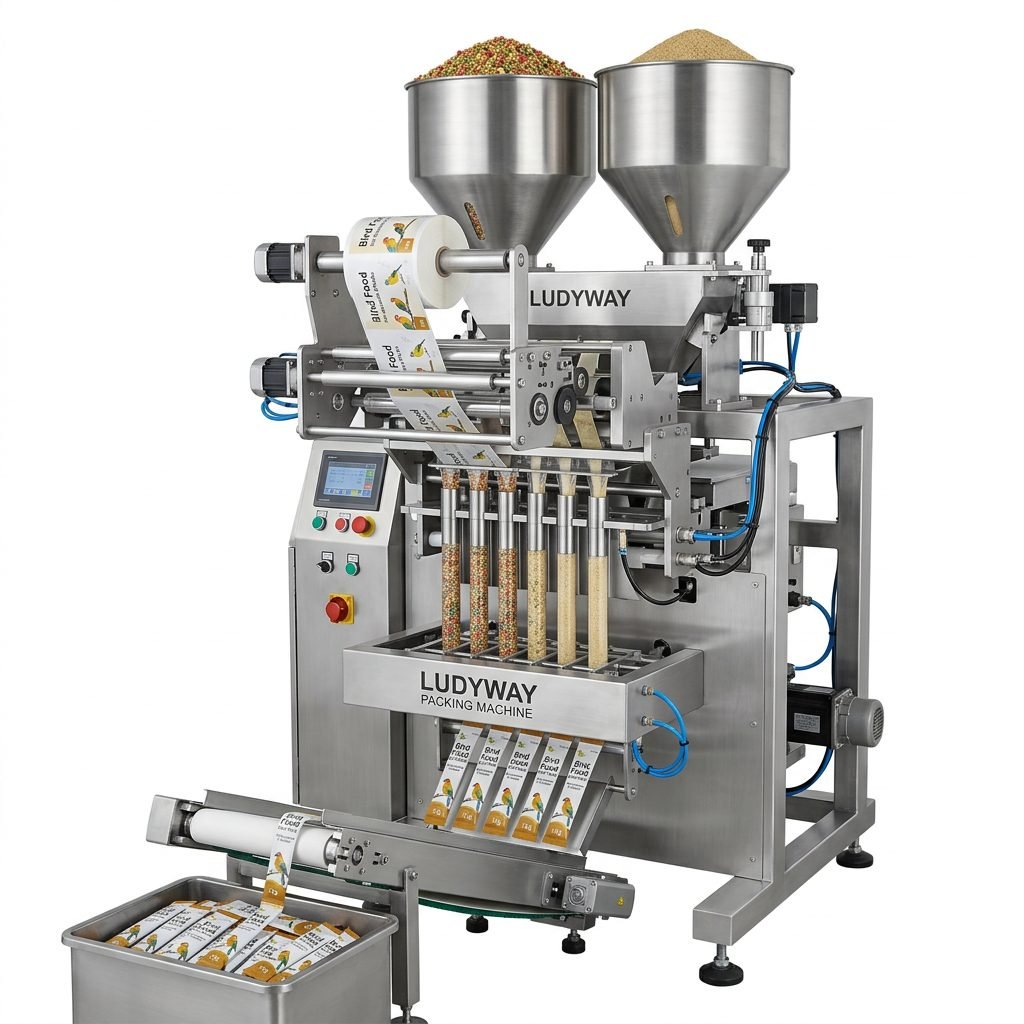
Designed for single-serve portions of powders, liquids, or gels (e.g., coffee, sugar, shampoo, ketchup). These compact machines create slim, elongated packets from roll stock at very high speeds, often in multi-lane configurations for maximum output. They are a staple in the foodservice and pharmaceutical samples sector.
Cartoning Machines
Automate the process of erecting, loading, and closing cartons. They can be integrated with upstream filling machines and downstream case packers to create a complete line. Speed and precision in flap manipulation are critical design factors.
Best Practices for Implementing Automated Packaging
Successfully integrating a new packaging system requires careful planning and execution beyond the machine itself.
Conduct a Thorough Product and Process Analysis
Before design begins, fully understand the product’s physical characteristics (flowability, abrasiveness, fragility), the required packaging materials, and the desired output rate. This analysis is the blueprint for the entire machine specification.
Prioritize Integration and Connectivity
Modern packaging machines should not be islands. Design for seamless integration with upstream feeders, downstream conveyors, and plant-wide systems like Manufacturing Execution Systems (MES) or Enterprise Resource Planning (ERP). Standard communication protocols (e.g., OPC UA, Ethernet/IP) are essential for data collection and line synchronization.
Invest in Operator Training and Support
The most advanced machine is only as good as the people running it. Comprehensive training on operation, changeover procedures, basic troubleshooting, and safety protocols is crucial. Partnering with a supplier that offers strong after-sales support and readily available spare parts, like the experts at Ludyway Packing Machine, ensures long-term reliability and performance.
Plan for Future-Proofing
Consider not just today’s needs but potential future requirements. Can the machine handle a different package size? Is the control system upgradeable? Designing with some degree of scalability and adaptability protects your investment against evolving market trends.
Embrace Sustainable Design Elements
Sustainability is a growing priority. Opt for machines designed to minimize material waste through precise cutting and sealing, allow for the use of recyclable or mono-material films, and are energy-efficient. This aligns with both environmental goals and long-term cost savings.
Conclusion
Designing and selecting the right packaging automation is a strategic decision that impacts every aspect of production. By grounding choices in core principles of efficiency, flexibility, and hygiene, understanding the strengths of different machine types, and following implementation best practices, manufacturers can build packaging lines that are not only productive but also resilient and adaptable. A partner with deep industry experience, such as Ludyway Machinery, can provide invaluable guidance, from initial concept through to a fully operational, high-performance packaging solution tailored to your specific needs. Their commitment to innovation and reliable packaging equipment supports businesses in achieving their automation goals.
Frequently Asked Questions (FAQs)
What is the most important factor to consider when designing a packaging machine?
While all principles are interconnected, hygiene and cleanability are often the most critical non-negotiable factors, especially for food and pharmaceutical applications. A machine that cannot be cleaned effectively or poses a contamination risk will fail regulatory audits and compromise product safety, outweighing any speed or cost advantages.
How do I choose between a Vertical (VFFS) and Horizontal (HFFS) machine?
The choice primarily depends on your product. VFFS machines are ideal for free-flowing granules, powders, and liquids that can be gravity-fed or auger-fed into a formed tube. HFFS machines are better suited for solid, discrete items (like cookies or tools) that need to be placed into pre-formed pouches or for creating complex, multi-layered packs.
What does “turnkey production solution” mean in packaging?
A turnkey solution means a supplier provides a complete, ready-to-operate production line. This goes beyond selling a single machine to include the design, integration of all components (feeders, conveyors, inspectors, etc.), installation, commissioning, and training. It offers a single point of responsibility and ensures all parts work together seamlessly, as offered by providers of comprehensive packaging machinery solutions.
How can I reduce changeover time on my packaging line?
Invest in machines designed for quick changeover. Key features include digital recipe storage, tool-less adjustments, quick-release mechanisms for forming tubes and seals, and interchangeable parts kits. Proper training and organized changeover procedures are equally important to minimize manual adjustment time.
Why is partner experience important when investing in packaging automation?
Packaging machinery is a long-term investment. A partner with decades of experience, like Ludyway, brings invaluable practical knowledge of what works in real-world production environments. They can foresee potential issues, recommend robust designs, and provide reliable support throughout the machine’s lifecycle, reducing risk and ensuring a better return on investment.