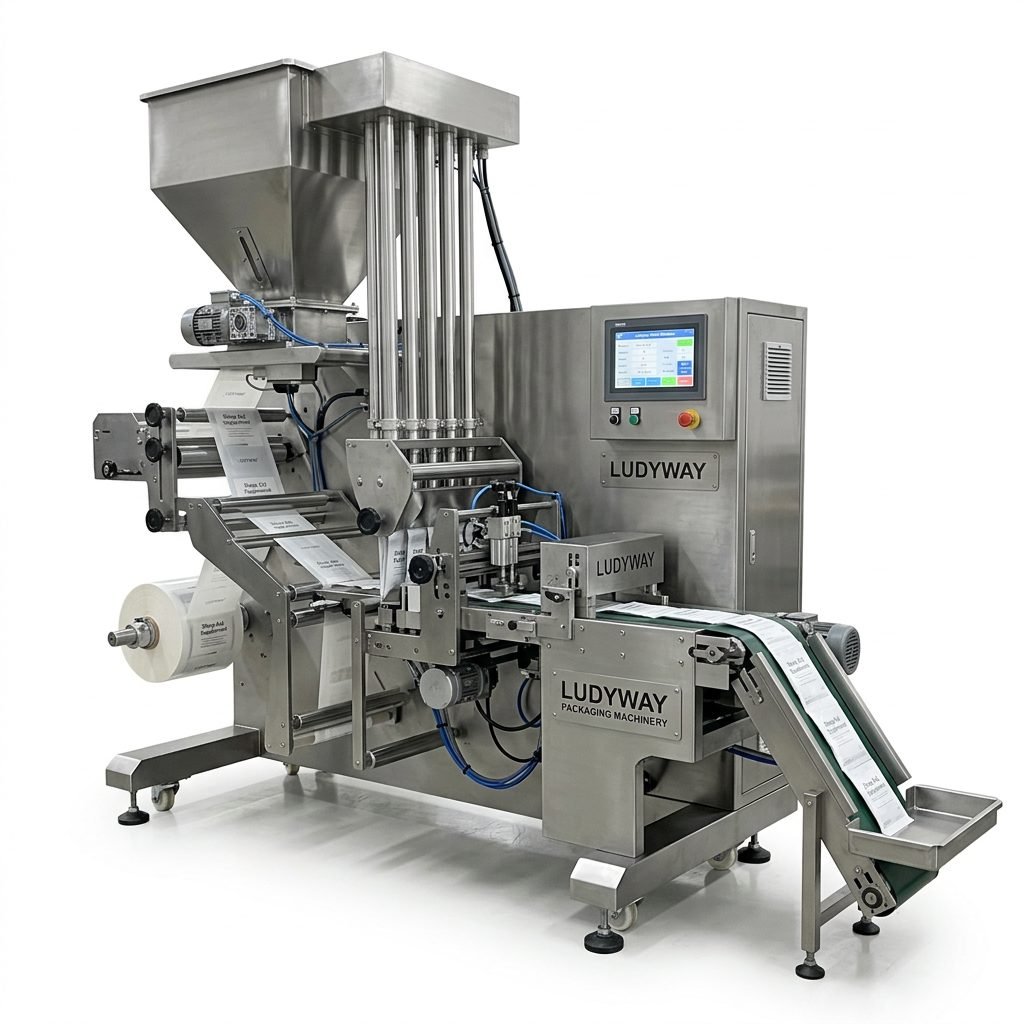
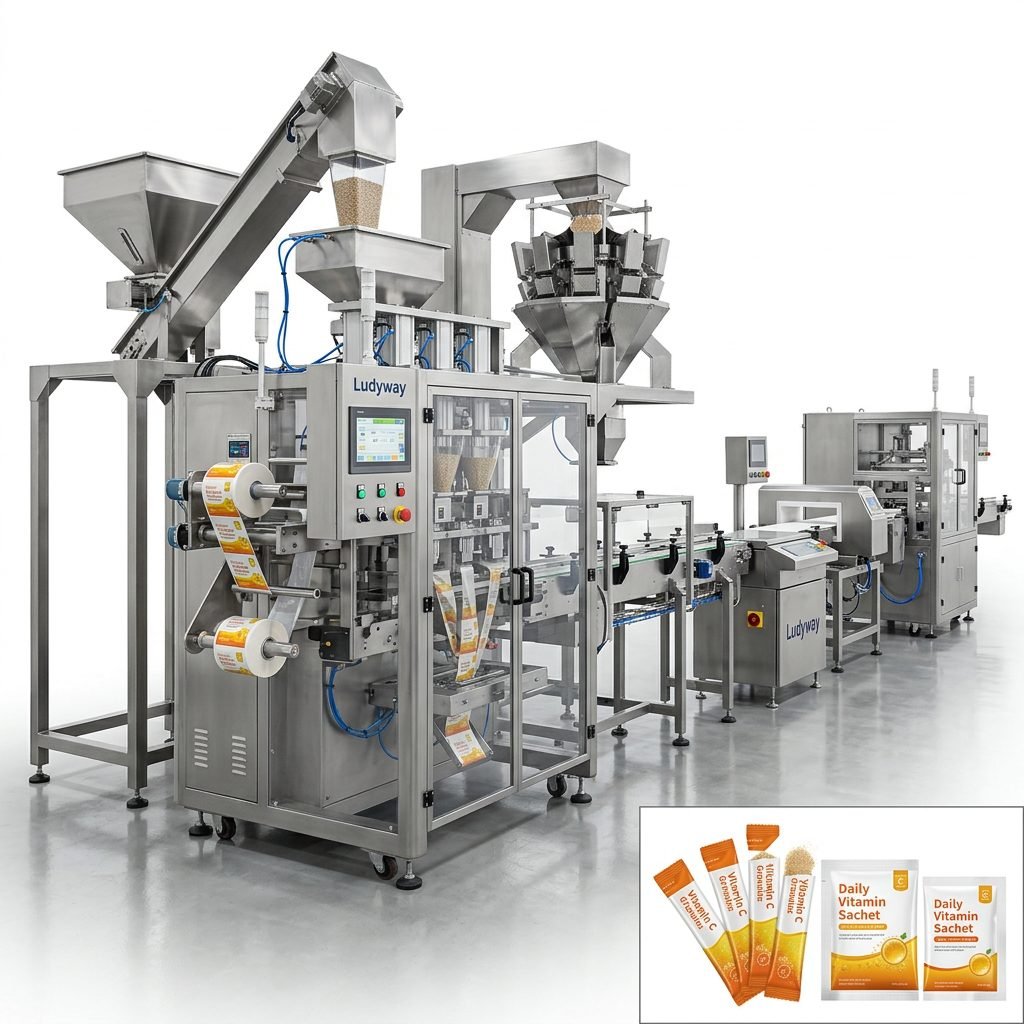
Selecting the right protein powder packaging equipment is a critical decision for manufacturers, impacting product integrity, production efficiency, and brand perception. The packaging process must ensure the powder remains fresh, free from moisture and contaminants, while also being visually appealing to consumers. This guide explores the various types of machinery available, their key features, and provides a structured approach to choosing the optimal system for your specific needs.
Primary Types of Protein Powder Packaging Equipment
The market offers several specialized machines, each suited to different production scales and package formats.
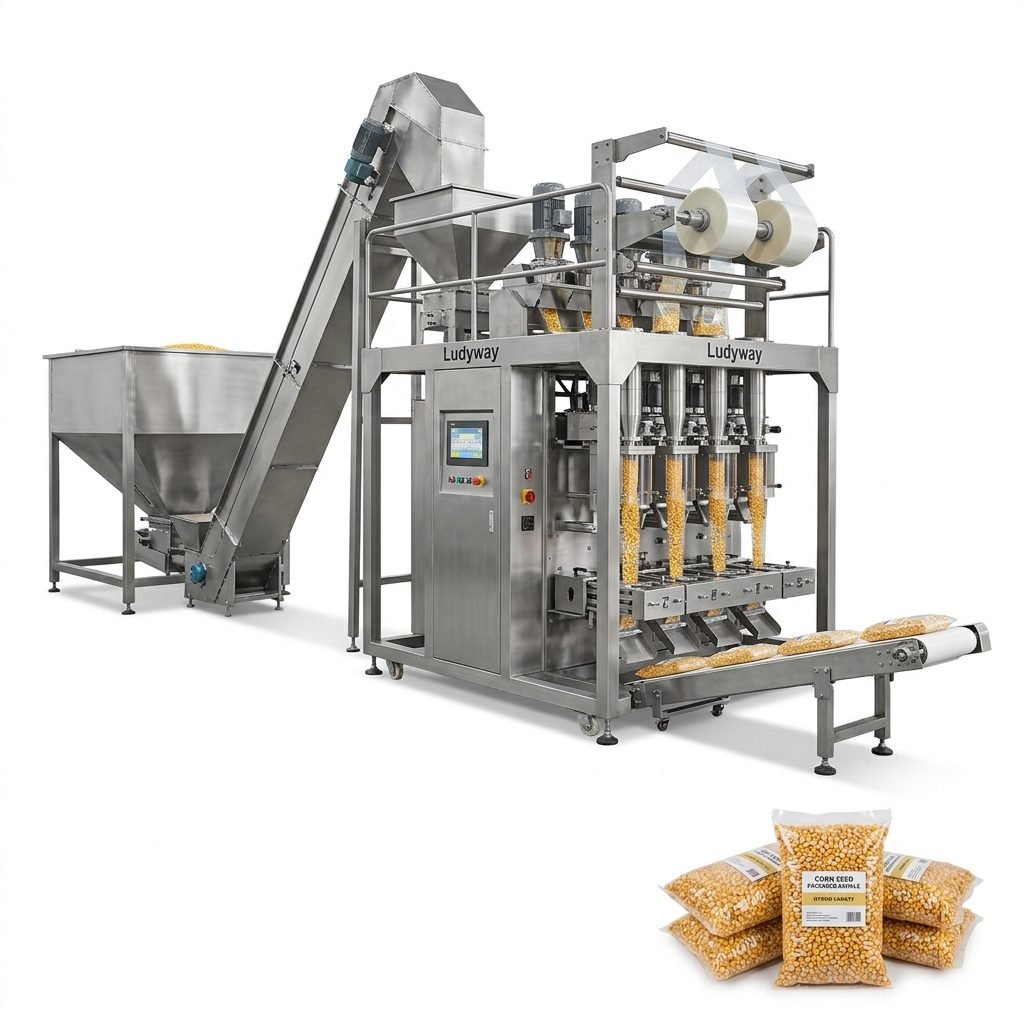
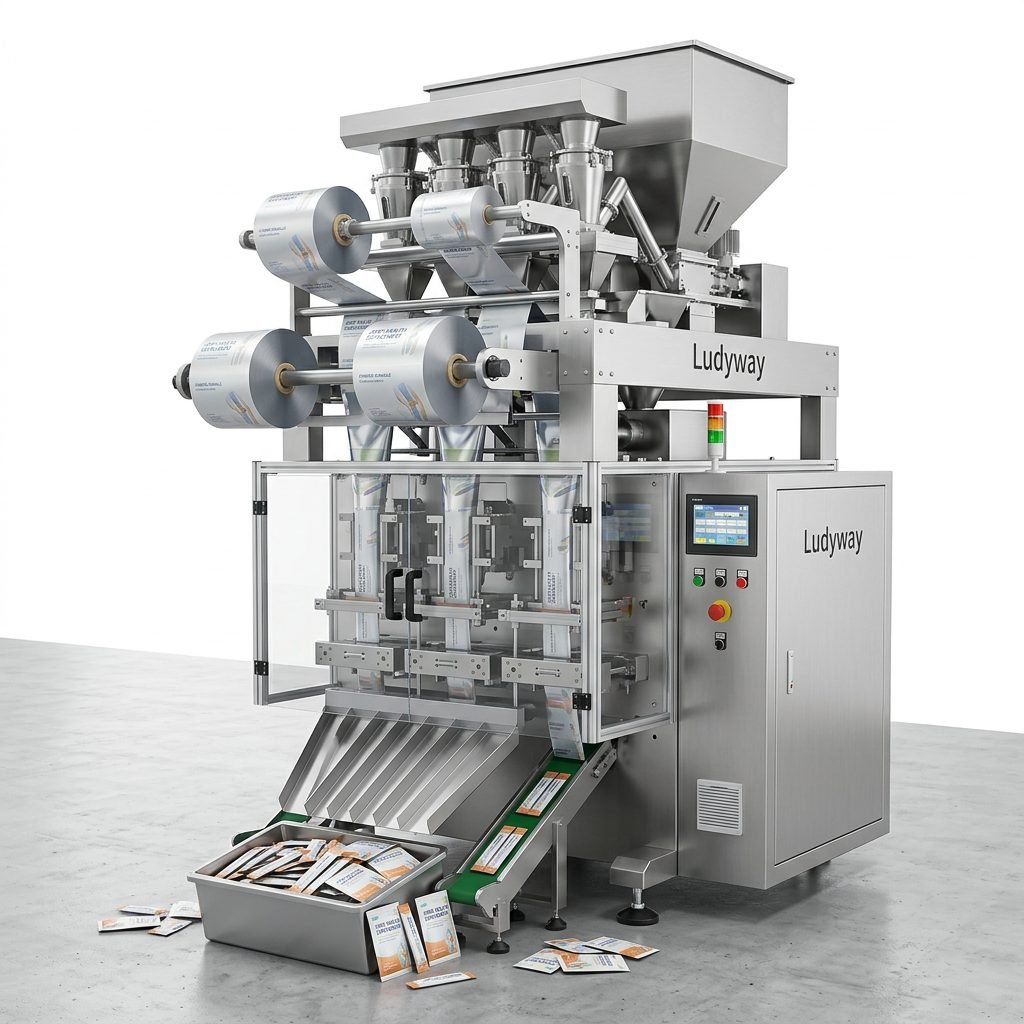
Vertical Form-Fill-Seal (VFFS) Machines
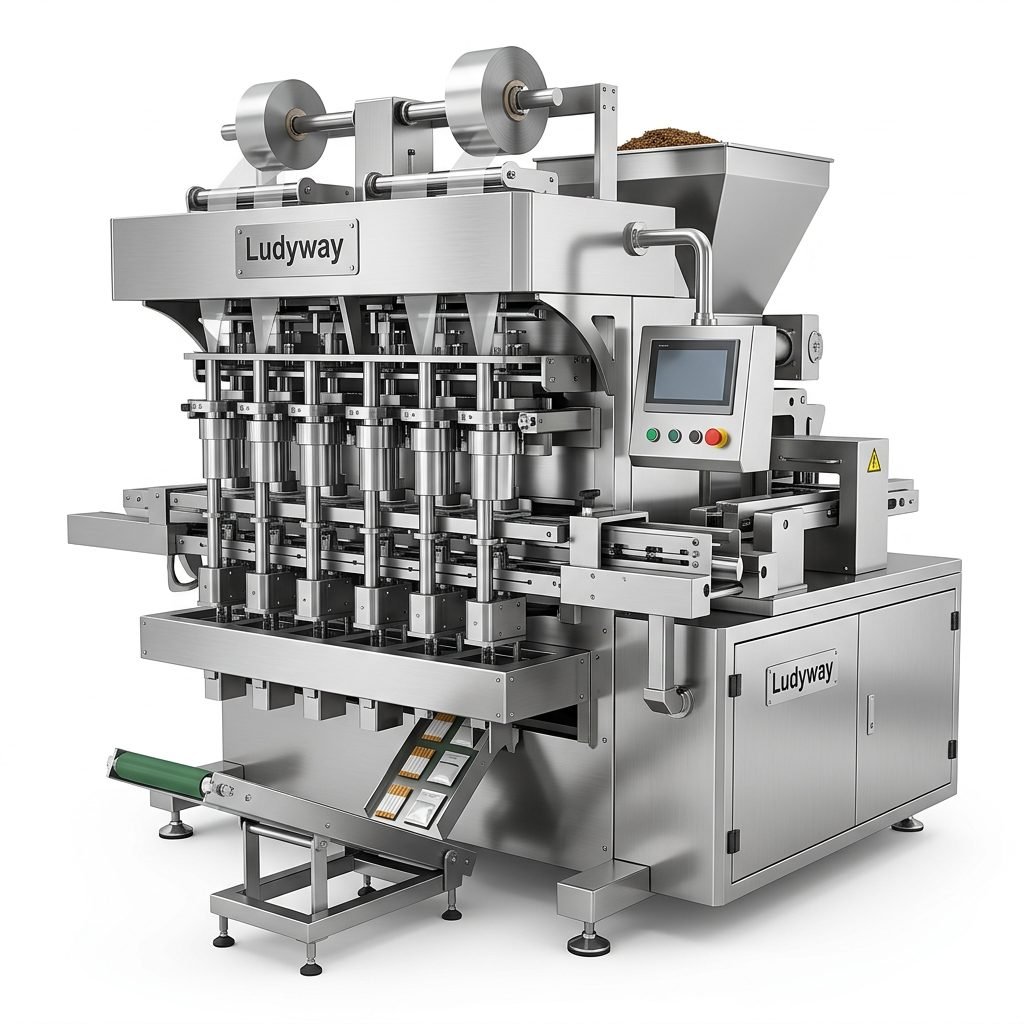
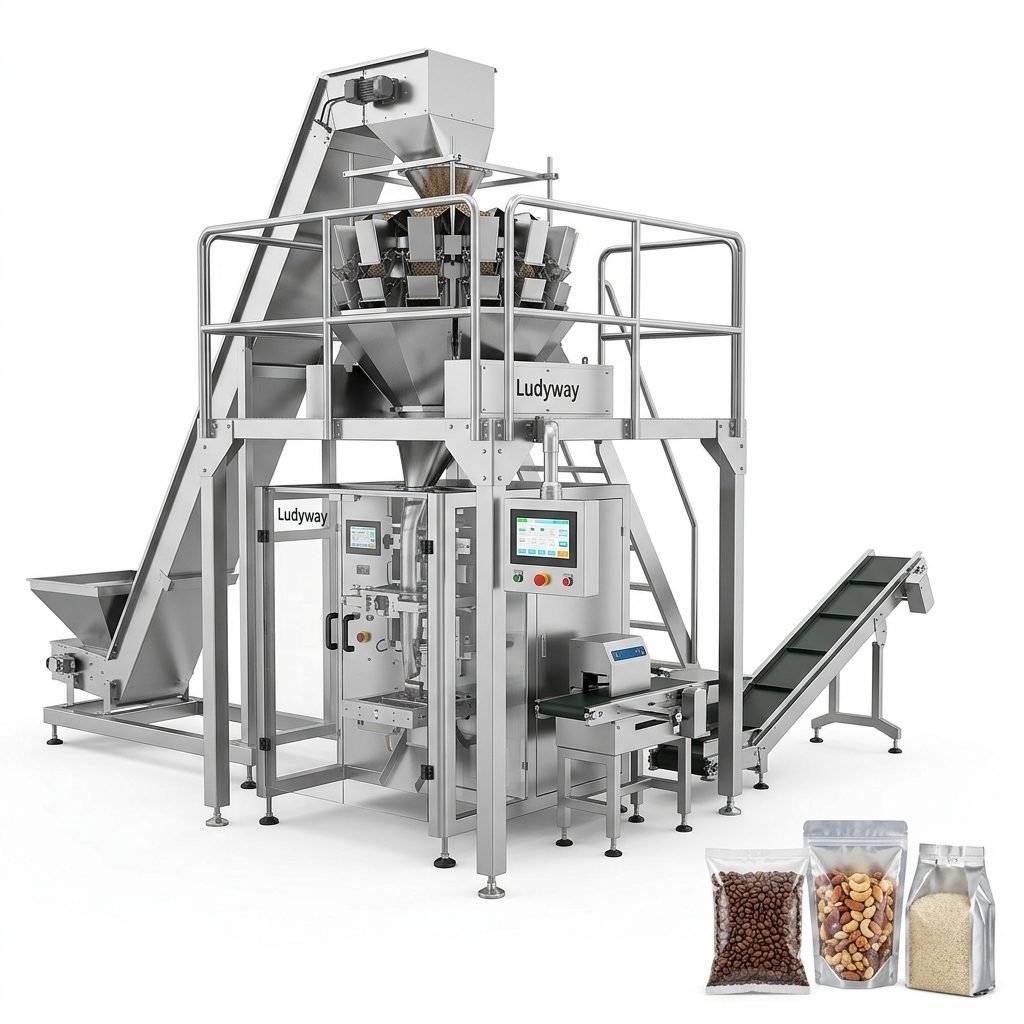
These are the most common systems for packaging free-flowing powders like protein. A roll of flat film is formed into a tube, filled with a pre-measured dose of powder, and then sealed horizontally and vertically to create individual pouches. They are highly versatile for producing various pouch sizes and are ideal for medium to high-volume production runs.
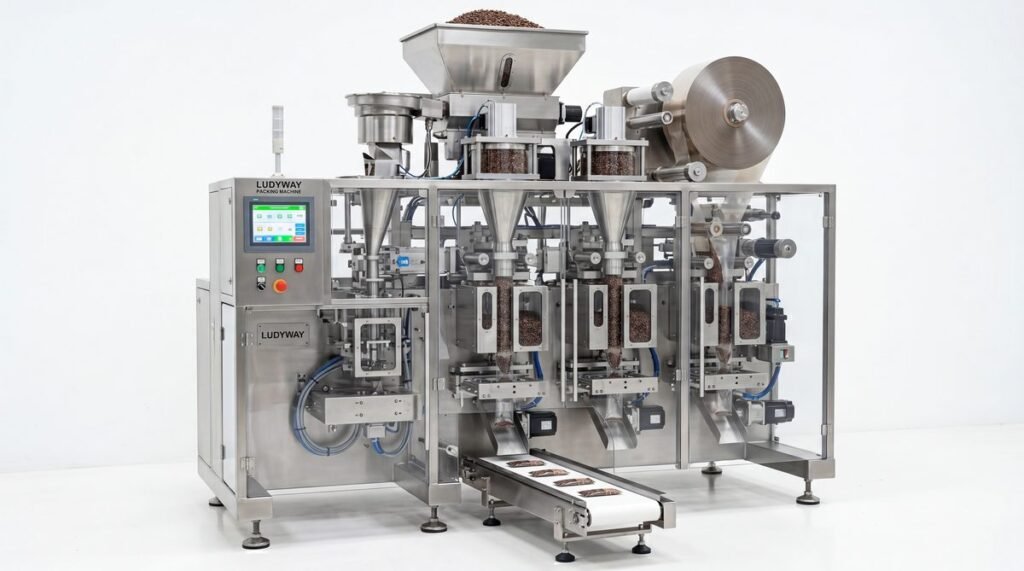
Pre-Made Pouch Fillers
This equipment uses pre-manufactured, stand-up pouches (doypack style) or flat pouches. The machine automatically opens the pouch, fills it with powder, and then seals it. This method is excellent for achieving premium, high-quality graphics on complex pouch materials and is often preferred for retail-ready consumer products.
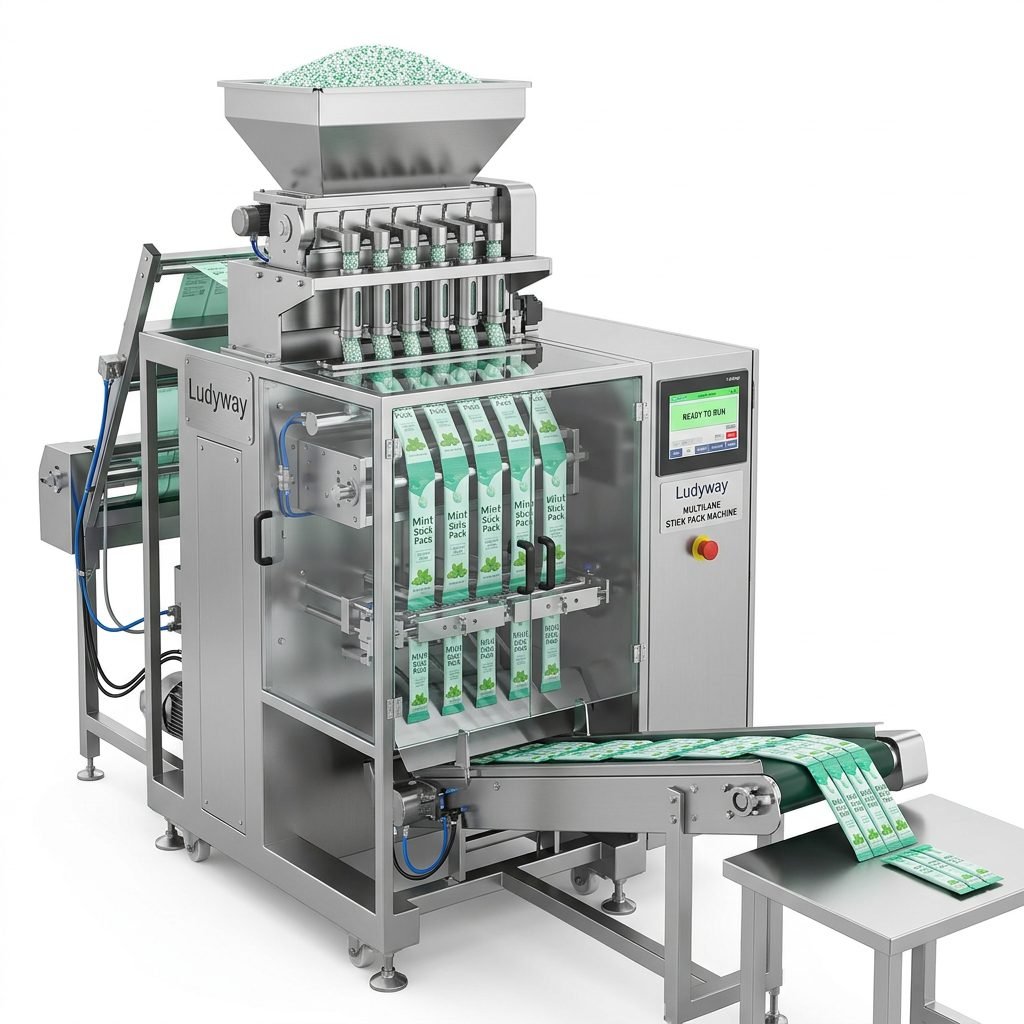
Stick Pack Machines
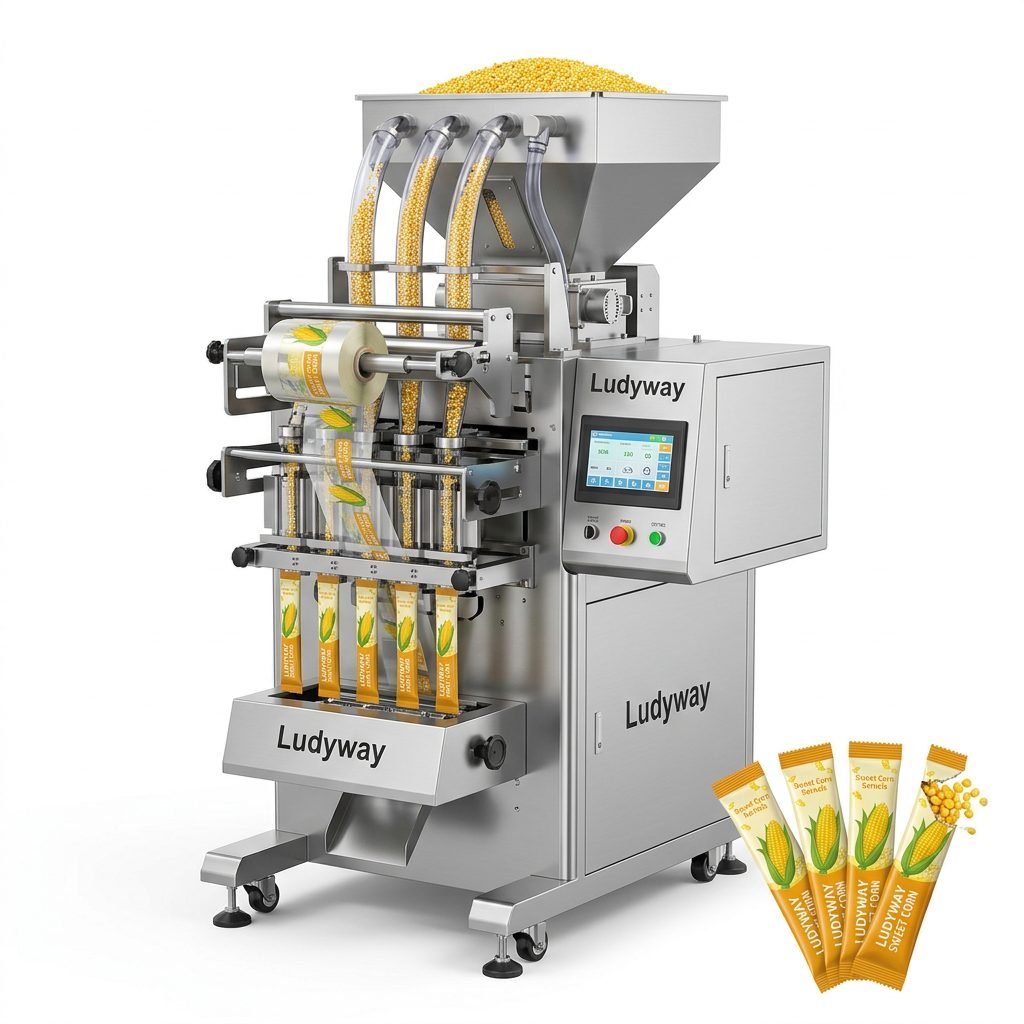
Designed for single-serving portions, these machines create slim, elongated sachets. They are perfect for sample packs, on-the-go consumption, or subscription box models. Modern multi-lane stick pack machines can produce a high number of units per minute, offering great efficiency for small-portion packaging.
Canister and Tub Fillers
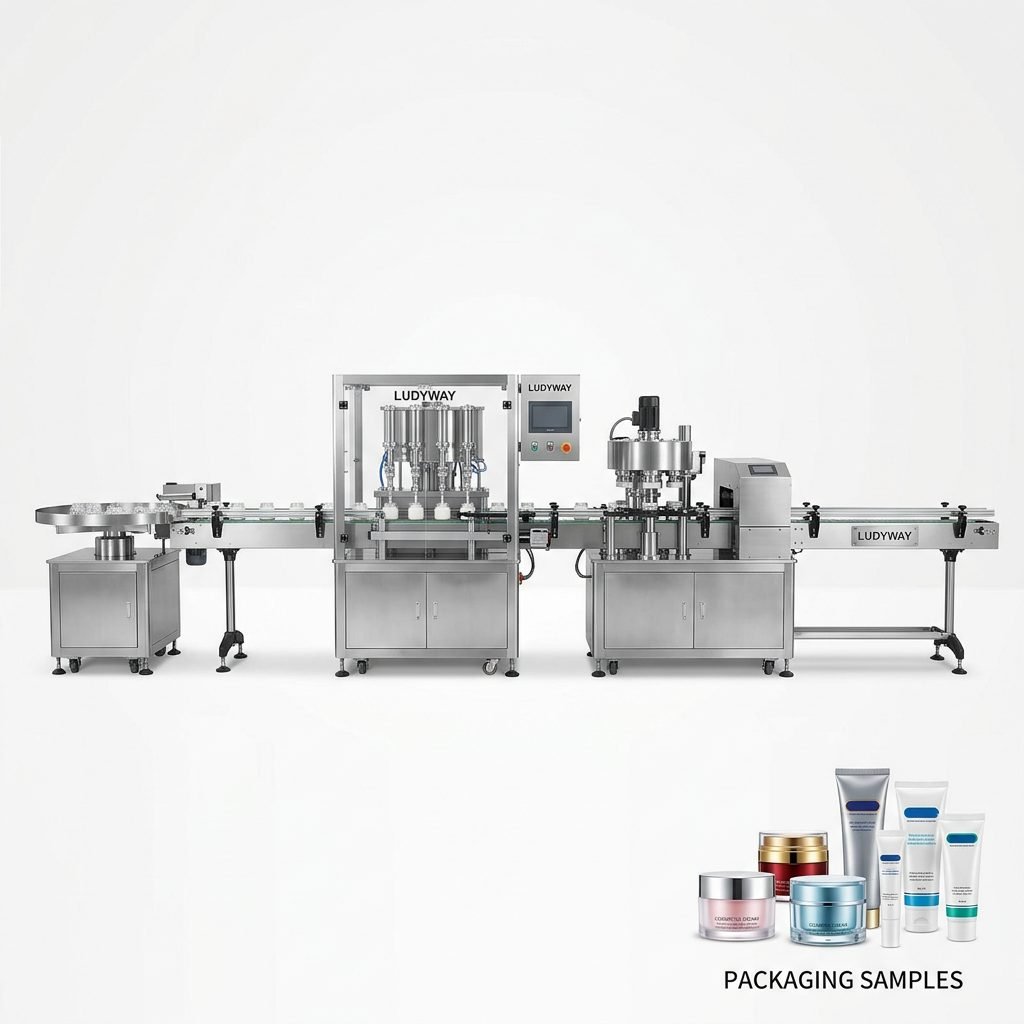
For protein powder sold in rigid plastic or metal containers, auger filler systems are used. These machines use a rotating screw (auger) to dispense a highly accurate volume of powder into each container. They are often integrated with capping, lidding, or induction sealing stations for a complete packaging line.
Essential Features and Technological Considerations
Beyond the basic type, several features define the capability and efficiency of a packaging machine.
Dosing Accuracy and Filling Systems
Precise dosing is non-negotiable. Look for machines with servo-driven auger fillers, which offer superior accuracy and repeatability compared to volumetric cups. Advanced systems feature auto-compensation for product density variation and touch-screen controls for easy recipe changeover between different powder types.
Material Handling and Sealing Integrity
The machine must handle your chosen film or laminate reliably. Key points include robust film tracking systems, consistent heat sealing with precise temperature control, and the option for gas flushing (nitrogen flushing) to extend shelf life by displacing oxygen inside the pouch.
Automation and Integration Level
From semi-automatic benchtop units to fully automated lines with robotic palletizing, the automation level should match your output goals. Integrated checkweighers can reject under or over-filled pouches, while vision inspection systems ensure print registration and seal quality.
Hygiene and Cleanability
Given that protein powder is a consumable product, equipment should have a sanitary design: stainless steel contact parts, rounded corners to prevent material buildup, and easy access for cleaning without tools (quick-release parts).
How to Choose the Right Machine for Your Operation
A systematic evaluation will lead you to the best investment. Follow this decision framework.
1. Define Your Product and Packaging Specifications
Start with clarity. Determine your exact pouch size, material structure (e.g., PET/AL/PE), required production speed (pouches per minute), and the physical characteristics of your powder (flowability, density, particle size). This is the foundation for all subsequent discussions with suppliers like Ludyway Machinery.
2. Evaluate Production Volume and Scalability
Match the machine’s capacity to your current and near-future needs. A startup might begin with a versatile VFFS machine, while a large manufacturer may need a high-speed, multi-lane system. Consider if the machine design allows for future upgrades to increase speed or add functionalities.
3. Prioritize Key Performance Features
Based on your product, decide which features are critical. For a premium brand, flawless sealing and superior graphics on pre-made pouches might be top priority. For a contract packager serving multiple clients, quick changeover time and dosing flexibility across different powders are paramount.
4. Assess Supplier Expertise and Support
The machine is only as good as the company behind it. Choose a supplier with proven experience in powder packaging, such as Ludyway, which offers over 30 years of industry knowledge. Evaluate their after-sales service, availability of spare parts, training programs, and ability to provide a complete turnkey solution if needed.
5. Analyze Total Cost of Ownership (TCO)
Look beyond the initial purchase price. Factor in operational costs (downtime, changeover time, film waste), maintenance expenses, energy consumption, and the potential cost of quality failures. A slightly more expensive, reliable machine often has a lower TCO than a cheaper, problematic one.
Conclusion
Investing in the right protein powder packaging equipment is a strategic move that safeguards product quality and drives operational efficiency. By thoroughly understanding the machine types—from VFFS and pre-made pouch fillers to stick pack systems—and critically evaluating features like dosing accuracy, sealing technology, and cleanability, you can make an informed choice. Partnering with an experienced supplier ensures you receive not just a machine, but a solution tailored for long-term success in the competitive health and nutrition market. For insights into implementing such solutions, you can explore industry case studies and development pathways.
Frequently Asked Questions (FAQs)
Q: What is the most accurate filling method for protein powder?
A: Servo-driven auger fillers are considered the most accurate for fine powders. They use a rotating screw controlled by a servo motor to dispense product by volume, which can be precisely calibrated for weight, ensuring minimal giveaway and compliance with net content regulations.
Q: Can one machine handle different types of protein powder (whey, plant-based, blends)?
A: Yes, but it requires a versatile machine. Key factors are a dosing system (like an auger) that can be easily adjusted for different densities and flow characteristics, and the ability to save different “recipes” for quick changeover on the machine’s HMI (Human-Machine Interface).
Q: How important is nitrogen flushing for protein powder packaging?
A> It is highly beneficial for product preservation. Nitrogen flushing displaces oxygen inside the pouch, significantly slowing oxidation and preventing the powder from becoming rancid. This extends shelf life and maintains flavor and nutritional quality, which is crucial for premium products.
Q: What maintenance is required for these machines?
A> Regular daily cleaning of product contact parts is essential. Periodic maintenance includes lubricating moving parts, checking and replacing sealing jaws or gaskets, calibrating the weighing system, and ensuring all sensors are clean and functional. A good supplier will provide a detailed maintenance schedule.
Q: What production speed should I expect for standard 1kg pouches?
A> Speeds vary greatly by machine type and automation level. A standard single-tube VFFS machine might produce 30-60 pouches per minute for a 1kg fill. High-speed multi-lane systems for smaller pouches can exceed 400 pouches per minute. The required speed depends entirely on your total daily/weekly output needs.