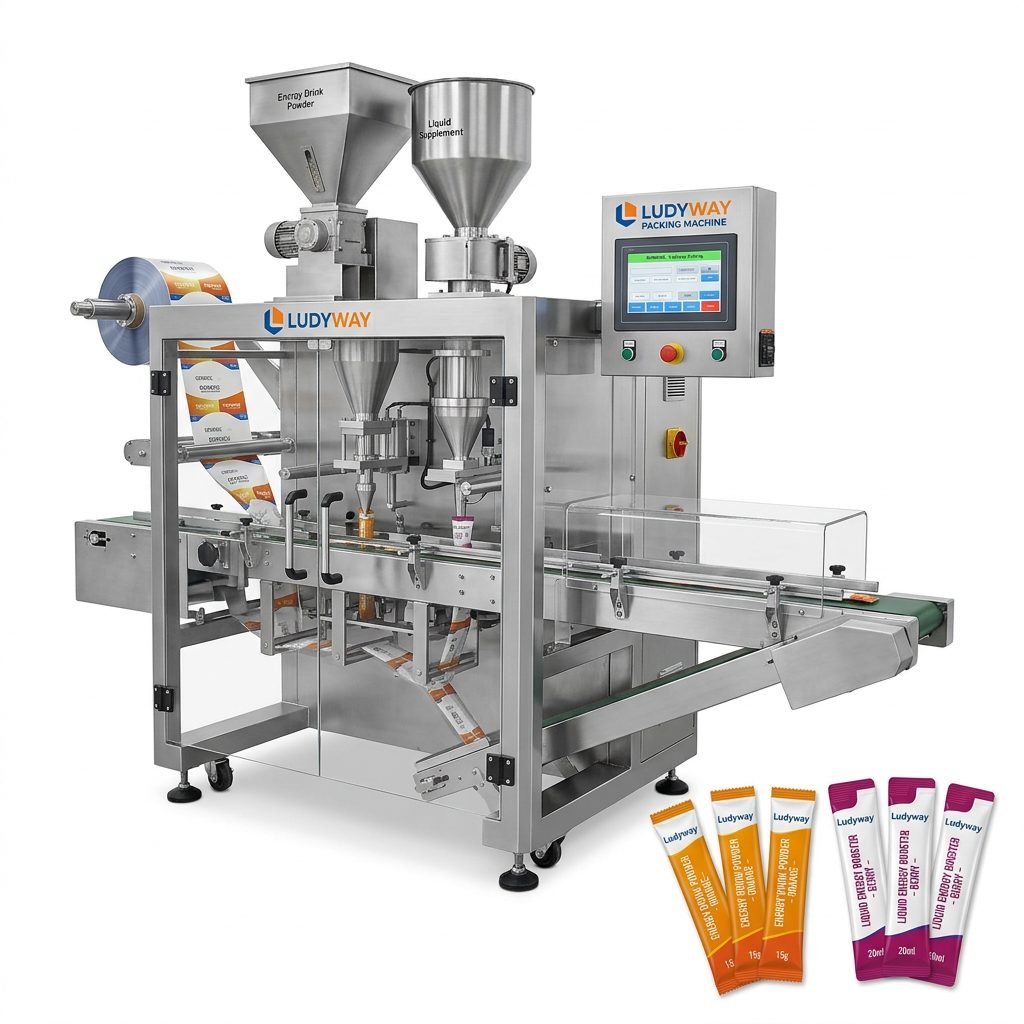
Finding the right shrink packaging machine dealer can significantly impact your production efficiency, product presentation, and bottom line. Whether you’re a small business owner looking to upgrade your packaging line or a large-scale manufacturer sourcing high-speed equipment, choosing a reliable dealer is as crucial as selecting the machine itself. This guide will help you navigate the process of comparing top dealers, their prices, features, and services to make an informed decision that aligns with your operational needs and budget.
Key Factors to Consider When Choosing a Dealer
Not all dealers are created equal. Beyond just selling a machine, a reputable dealer acts as a long-term partner in your packaging journey. Here are the core areas you must evaluate.
1. Range of Machinery and Technical Expertise
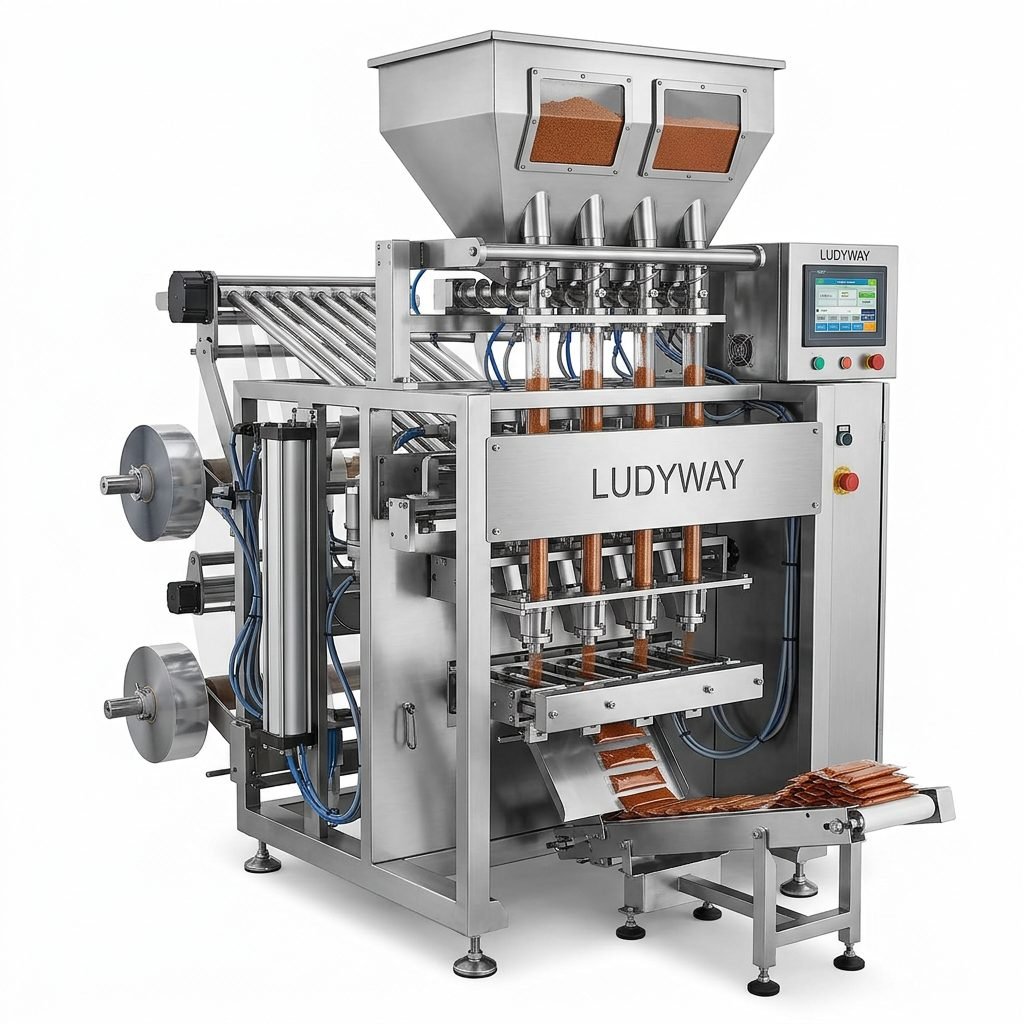
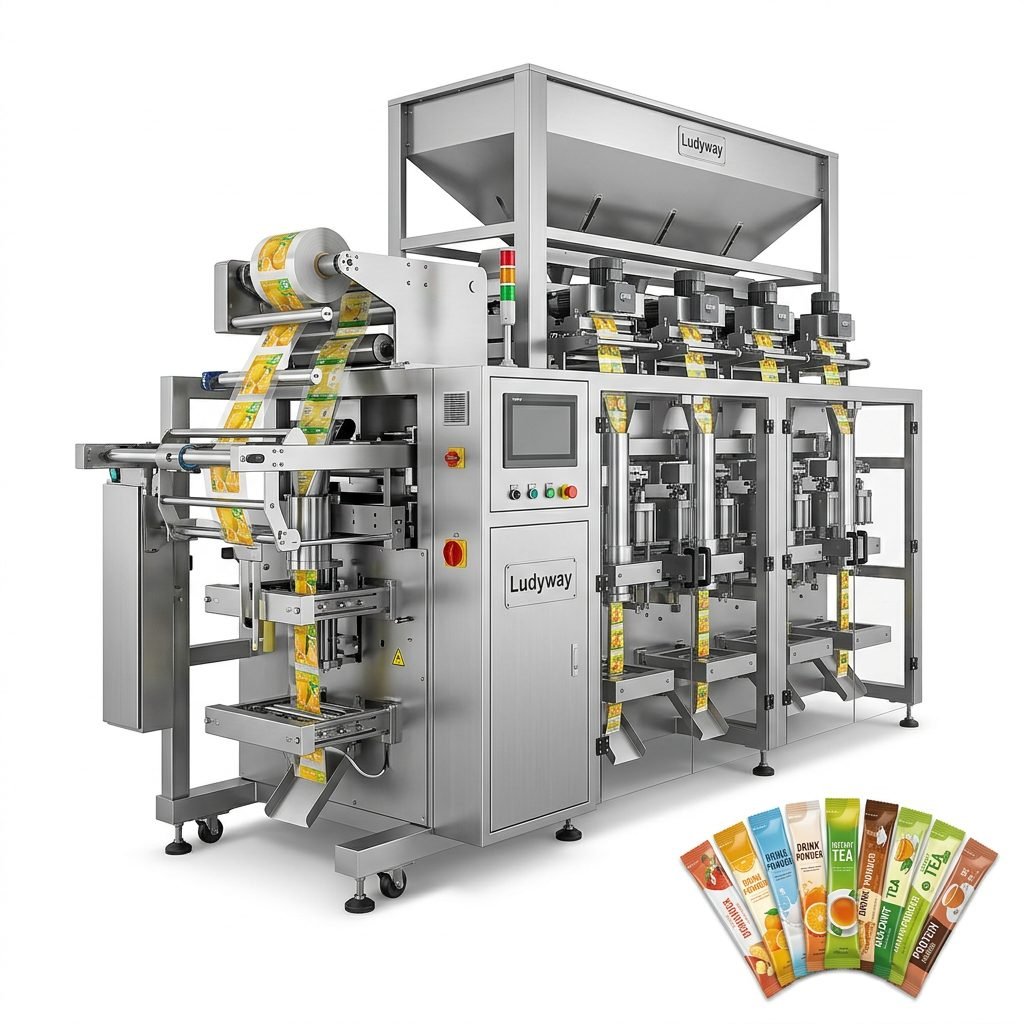
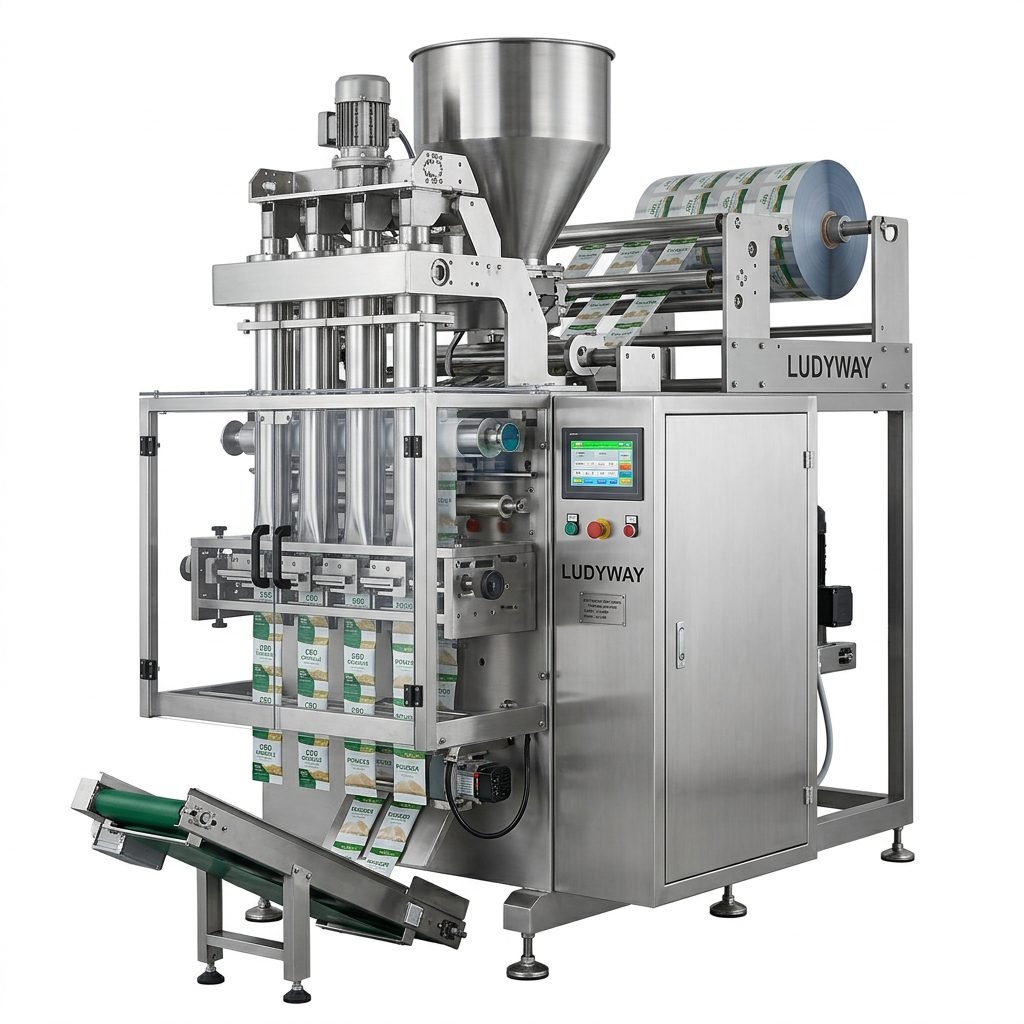
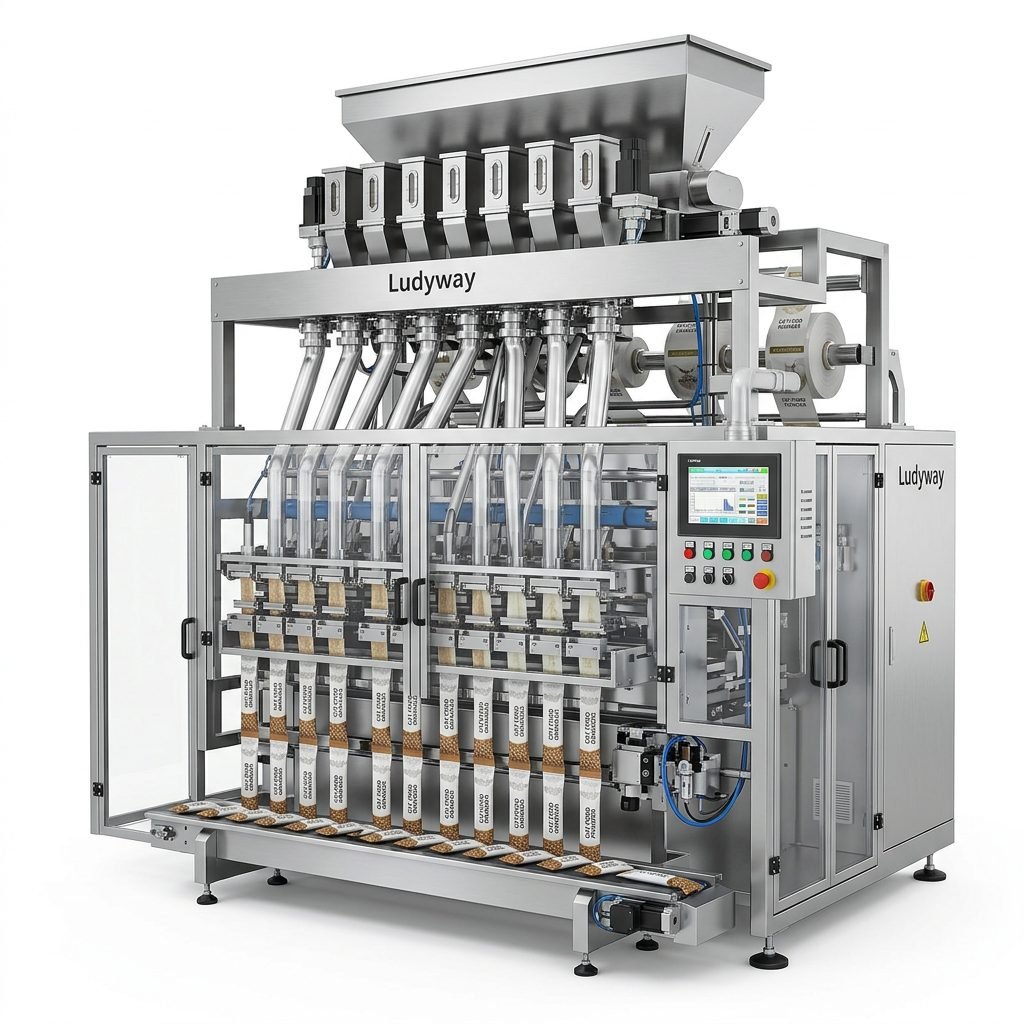
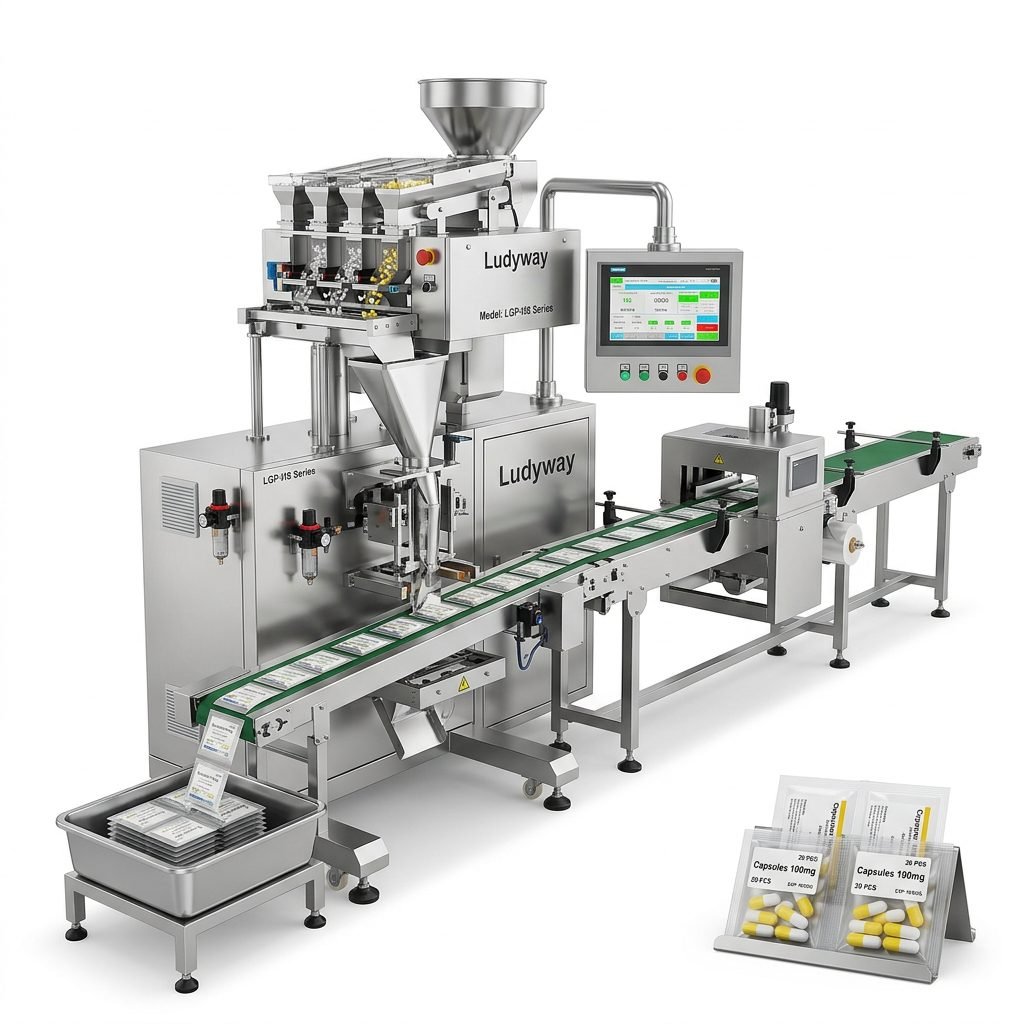
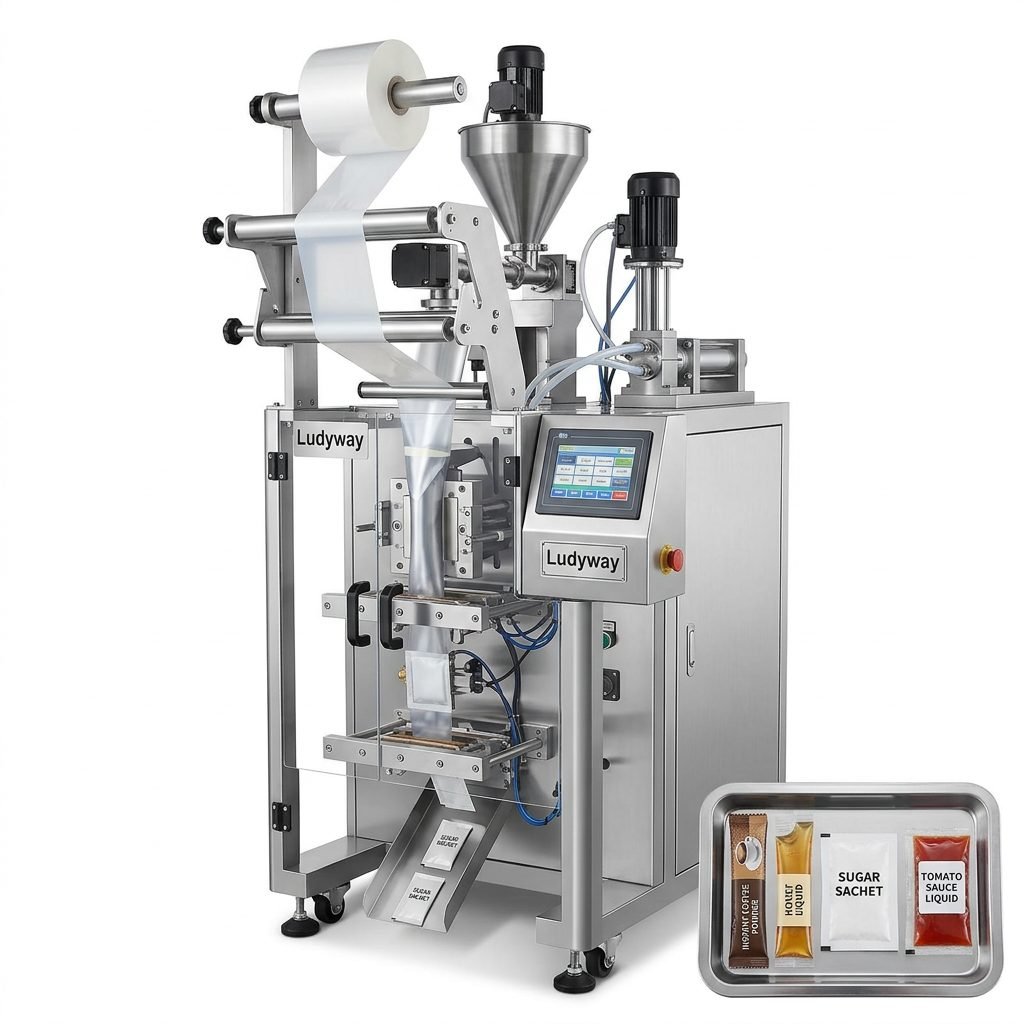
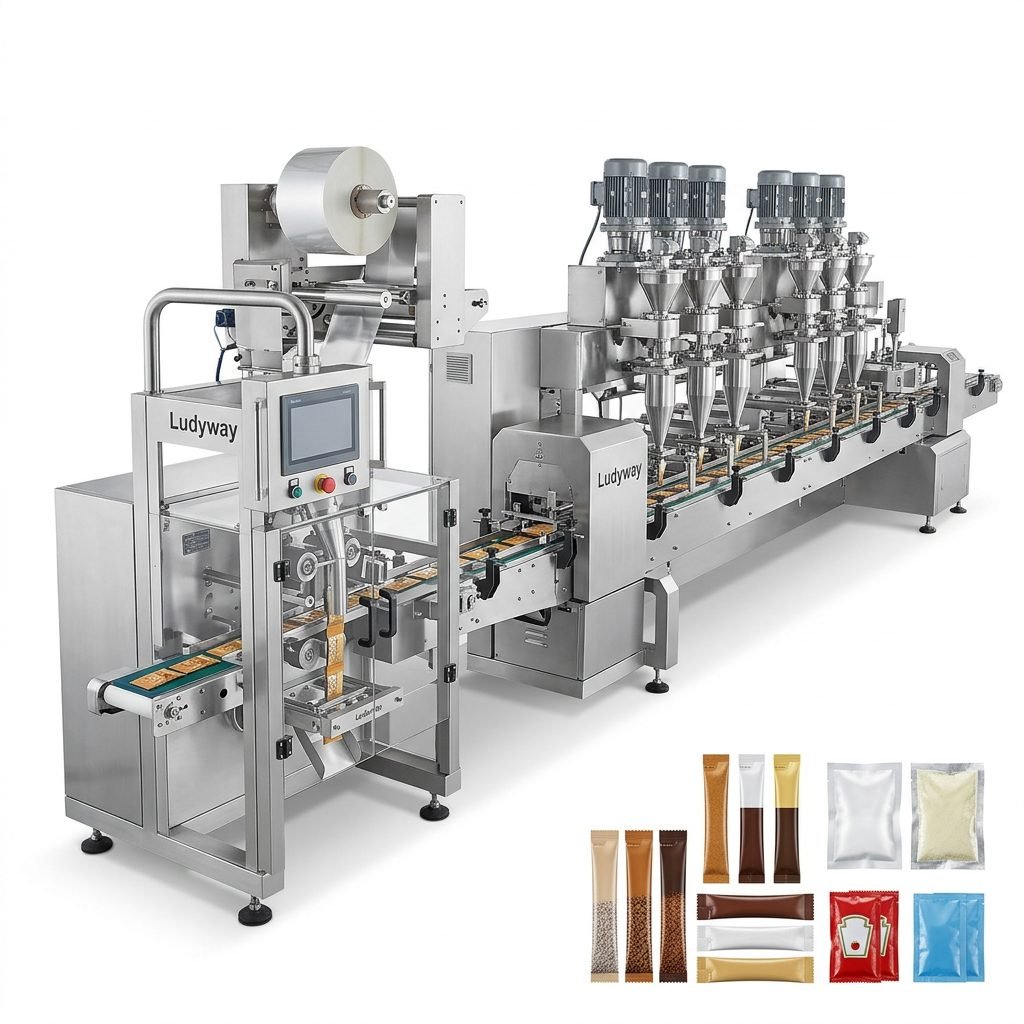
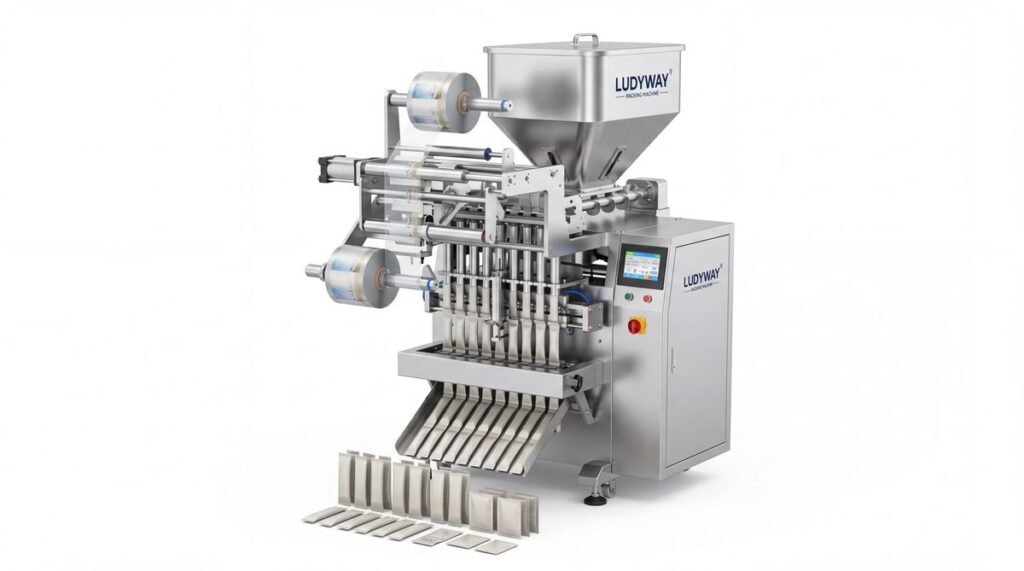
A top-tier dealer should offer a comprehensive portfolio. Look for suppliers with expertise in various shrink packaging technologies, such as L-bar sealers, sleeve wrappers, and fully automatic shrink tunnels. For instance, a brand like Ludyway Machinery provides over 50 intelligent packaging machine models, demonstrating deep industry knowledge. Their specialization in turnkey solutions for food, pharmaceutical, and health products highlights a targeted expertise that can be invaluable.
Pro Tip: Ask potential dealers about their engineering capabilities and if they can customize solutions. A dealer with strong in-house engineering, like those with 30+ years of industry experience, can adapt machinery to your specific product dimensions and production speed requirements.
2. Pricing Structure and Total Cost of Ownership
While the initial machine price is important, the total cost of ownership (TCO) is what truly affects your finances. A transparent dealer will provide a clear breakdown.
- Upfront Costs: Machine price, installation, and initial training.
- Operational Costs: Energy consumption, film usage efficiency, and routine maintenance parts.
- Long-term Costs: Availability and cost of spare parts, service contract fees, and potential downtime costs.
Always compare quotes that include these elements. A slightly higher upfront cost from a dealer offering a robust service plan and energy-efficient machines often leads to lower TCO.
3. After-Sales Support and Service Network
This is arguably the most critical differentiator. A machine will eventually need maintenance. Evaluate the dealer’s support structure:
Essential Service Questions to Ask:
- Do they offer on-site installation and commissioning?
- What is the response time for technical support (phone, email, remote diagnostics)?
- Is there a local inventory of commonly needed spare parts?
- Do they provide comprehensive operator and maintenance training?
- What are the terms of the warranty and available service contracts?
Dealers with a proven history of long-term cooperation, like those who have built partnerships since 2010, tend to prioritize customer success and reliable post-purchase support.
How to Effectively Compare Local Dealers
Start your search locally to benefit from easier communication, faster service response, and potential cost savings on logistics. Use this actionable checklist.
Step 1: Research and Shortlist
Utilize online B2B platforms, industry directories, and trade associations. Look for dealers with detailed case studies or client testimonials in your specific sector (e.g., food, pharmaceuticals). Verify their company history and stability in the market.
Step 2: Request Detailed Proposals
Contact your shortlisted dealers with a clear brief of your needs: product type, dimensions, required output speed (packages per minute), and factory floor space. Request a formal proposal that includes a machine recommendation, layout diagram, detailed pricing, and service terms.
Step 3: Evaluate and Validate
Arrange a factory visit or live demonstration. This allows you to see the machine in action, assess build quality, and interact with the technical team. Ask for references from existing clients, preferably those with similar applications, and contact them to inquire about their experience with the machine and the dealer’s service reliability.
The Advantage of Partnering with an Experienced Supplier
Choosing a dealer backed by substantial manufacturing and industry experience translates into tangible benefits for your business. For example, partners operating from a 20,000㎡ modern production facility often have better quality control and the capacity to handle large or urgent orders. Their journey from a focused engineering team to an international supplier indicates growth driven by customer satisfaction and innovation.
Such suppliers don’t just sell equipment; they provide complete turnkey production line solutions. They understand the integration of the shrink wrapper with upstream and downstream equipment (like fillers or labelers), ensuring a seamless, efficient line that minimizes bottlenecks.
Final Checklist Before You Buy
- ✅ Have you compared at least 3 detailed proposals?
- ✅ Is the warranty period clearly defined, and what does it cover?
- ✅ Are the delivery, installation, and training timelines confirmed?
- ✅ Have you verified the dealer’s claims with client references?
- ✅ Does the proposal include a plan for ongoing technical support?
Frequently Asked Questions (FAQs)
1. What is the main difference between an L-bar sealer and a sleeve wrapper?
An L-bar sealer is typically used for bundling multiple products together (like beverage cans or boxes) into a secure pack. It uses a single film that is sealed underneath and around the products. A sleeve wrapper, often called a shrink sleeve applicator, places a pre-made tube of film over a single product (like a bottle) and then shrinks it to conform tightly to the product’s contours, ideal for full-body labels and tamper evidence.
2. How do I calculate the total cost of ownership for a shrink packaging machine?
Calculate TCO by adding the purchase price, installation costs, estimated annual costs for shrink film and energy, preventive maintenance parts/labor, and potential costs associated with downtime. A reputable dealer should help you model these costs based on your projected usage.
3. Can a shrink packaging machine handle different product sizes?
Many modern machines are designed with quick-change features or adjustable components to handle a range of product sizes. However, significant size changes might require a changeover of forming heads or other parts. Discuss your product size variety with the dealer to ensure the recommended machine offers the flexibility you need with minimal changeover time.
4. What kind of maintenance does a shrink wrapper require?
Routine maintenance includes daily cleaning of sealing wires and the tunnel, checking and replacing worn sealant tape, and lubricating moving parts as per the manual. Periodic maintenance involves inspecting electrical components, heating elements, and conveyor belts. A good service contract can schedule these checks and prevent unplanned downtime.
5. Why is after-sales service critical when selecting a dealer?
Packaging equipment is a critical part of your production line. Any malfunction can halt output, leading to significant financial loss. A dealer with a responsive, knowledgeable service team ensures minimal downtime, provides genuine spare parts, and offers expert advice to keep your line running optimally for years, protecting your investment.