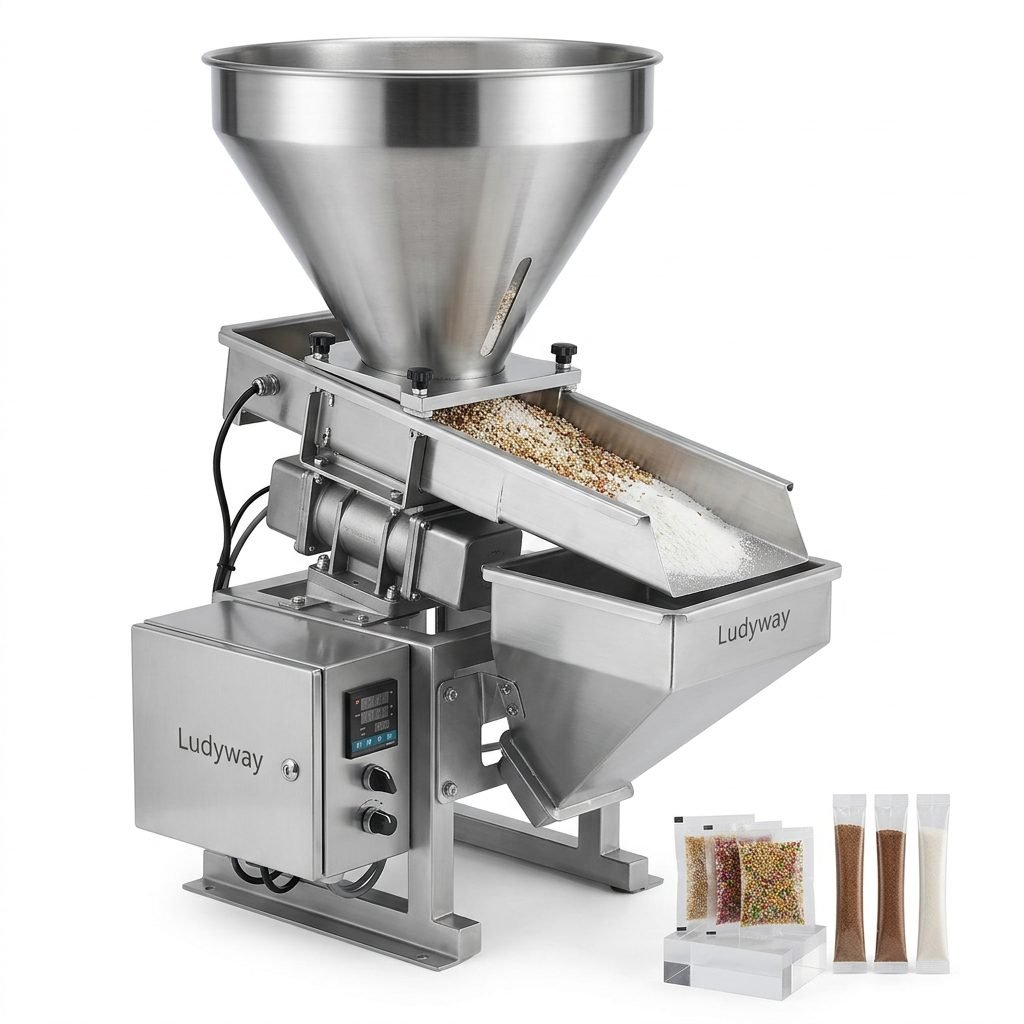
The global packaging industry is witnessing a significant shift toward heightened safety standards, particularly in sectors handling hazardous materials. The packaging of flammable and explosive goods—ranging from volatile chemicals and industrial solvents to fine combustible powders—presents unique operational challenges. Standard heat-sealing machinery relying on electric motors and electronic actuators can introduce severe ignition risks. In response to these critical safety concerns, the debut of the air-powered explosion-proof sealing machine marks a major milestone. By leveraging pneumatic technology, this innovative machinery solves long-standing packaging challenges, ensuring complete operational safety without sacrificing speed or sealing integrity.
The Safety Imperative in Flammable Goods Packaging
In environments where volatile gases, chemical vapors, or combustible dust particles are present, a single electrical spark can lead to catastrophic consequences. Traditional packaging equipment contains numerous electrical components, including solenoids, motors, and relays, which can generate small arcs during operation. Additionally, static electricity build-up during film feeding and pouch sealing poses a constant threat.
Pneumatic sealing systems address these vulnerabilities by replacing electrical actuation with air pressure. Because compressed air is used to drive the mechanical movements of the sealing jaws, the risk of electrical friction and sparking is virtually eliminated. This makes the air-powered sealer an indispensable asset for facilities processing hazardous materials.
How Air-Powered Sealing Technology Eliminates Danger
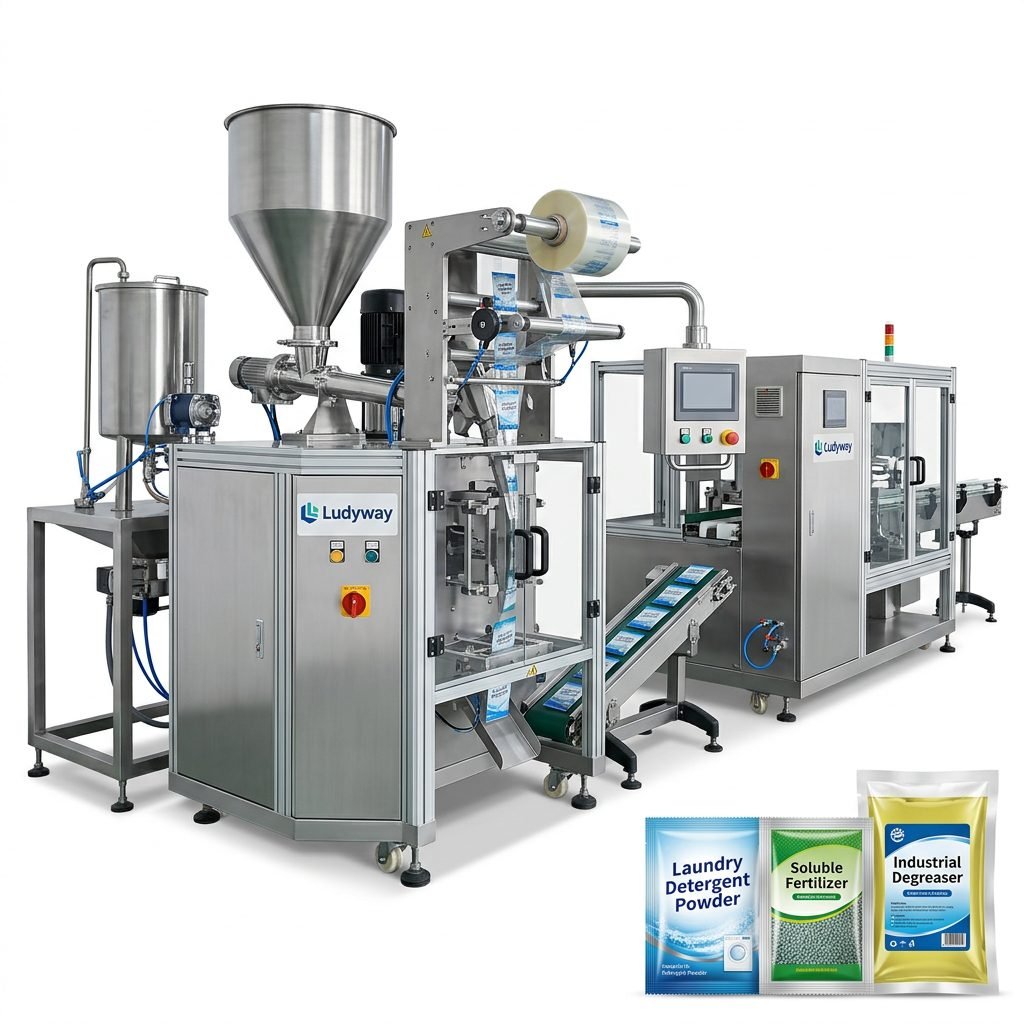
The core mechanism of an air-powered sealing machine relies on pneumatic cylinders to apply sealing pressure. This design offers several unique advantages over electric counterparts:
- Spark-Free Actuation: The entire mechanical force required to compress the sealing bars is generated by air compression, eliminating high-voltage electric motors near the sealing zone.
- Intrinsically Safe Control Systems: Control valves and logic circuits operate on pneumatic signals or low-voltage, explosion-proof electronic components housed in sealed, pressurized enclosures.
- Consistent Heat and Pressure: Pneumatic systems allow for precise regulation of pressure, ensuring that even thick, heavy-duty barrier films receive a consistent seal every time.
Key Differences: Standard vs. Explosion-Proof Sealing
To understand why industrial plants are upgrading to pneumatic systems, it is helpful to compare the features of standard sealing machines with those of air-powered explosion-proof systems:
| Feature | Standard Sealing Machine | Air-Powered Explosion-Proof Sealer |
|---|---|---|
| Drive Mechanism | Electric motors and solenoids | Pneumatic air cylinders |
| Ignition Risk | Moderate to High (potential for arcs/sparks) | Zero (no electrical components in sealing zone) |
| Enclosure Design | Standard metal sheet casing | Explosion-proof, dust-ignition-proof cabinets |
| Ideal Applications | Dry food, non-volatile items | Chemicals, solvents, volatile liquids, powders |
Target Industries Benefiting from the Technology
The introduction of this specialized sealing technology is solving bottlenecks across several key manufacturing sectors:
- Chemical Industry: Packaging raw chemical powders, paint additives, fertilizers, and industrial coatings that release fine, combustible dust or flammable vapors.
- Pharmaceuticals: Handling alcohol-based formulations, sanitizers, and volatile solvents that require strict sterile and spark-free packaging environments.
- Cosmetics and Personal Care: Processing aerosol ingredients, perfume samples, and flammable oils that are sensitive to static electricity and heat sources.
Integrating Sealing with Turnkey Production Lines
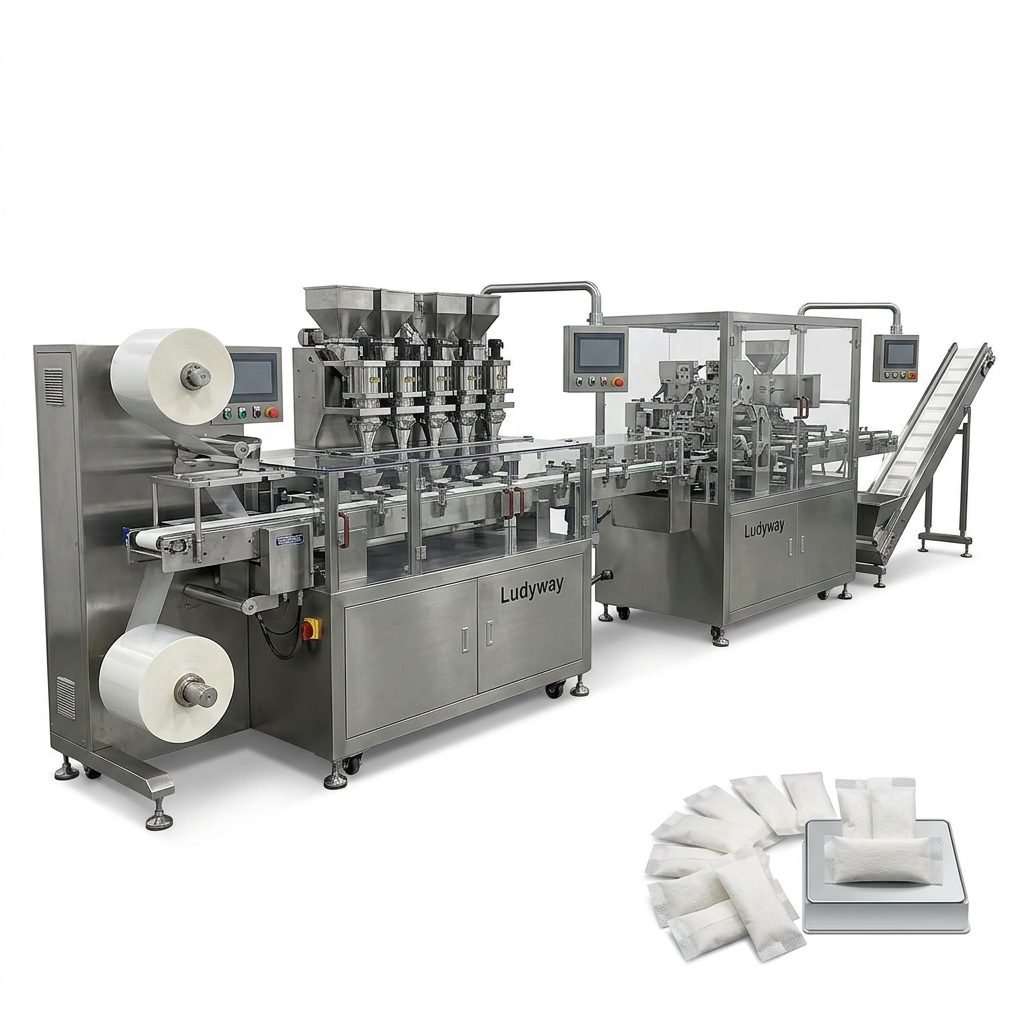
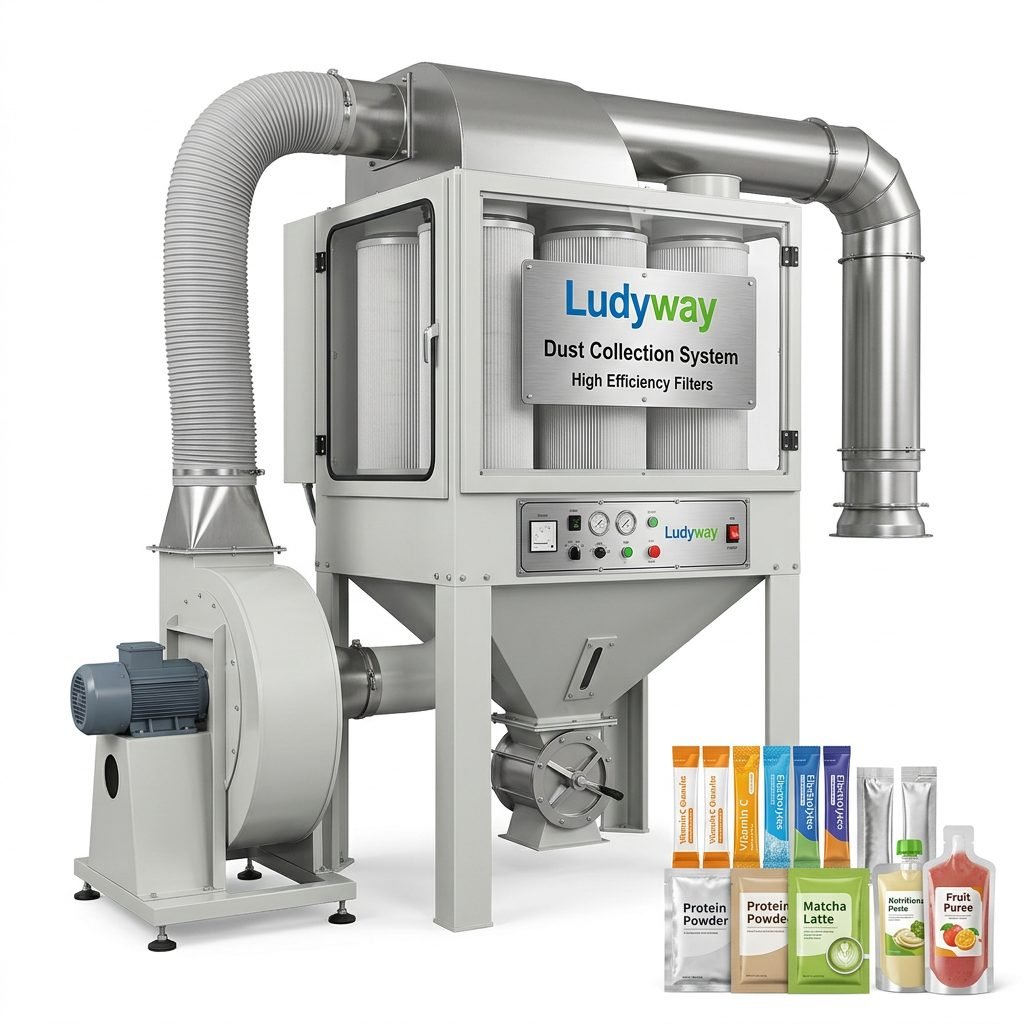
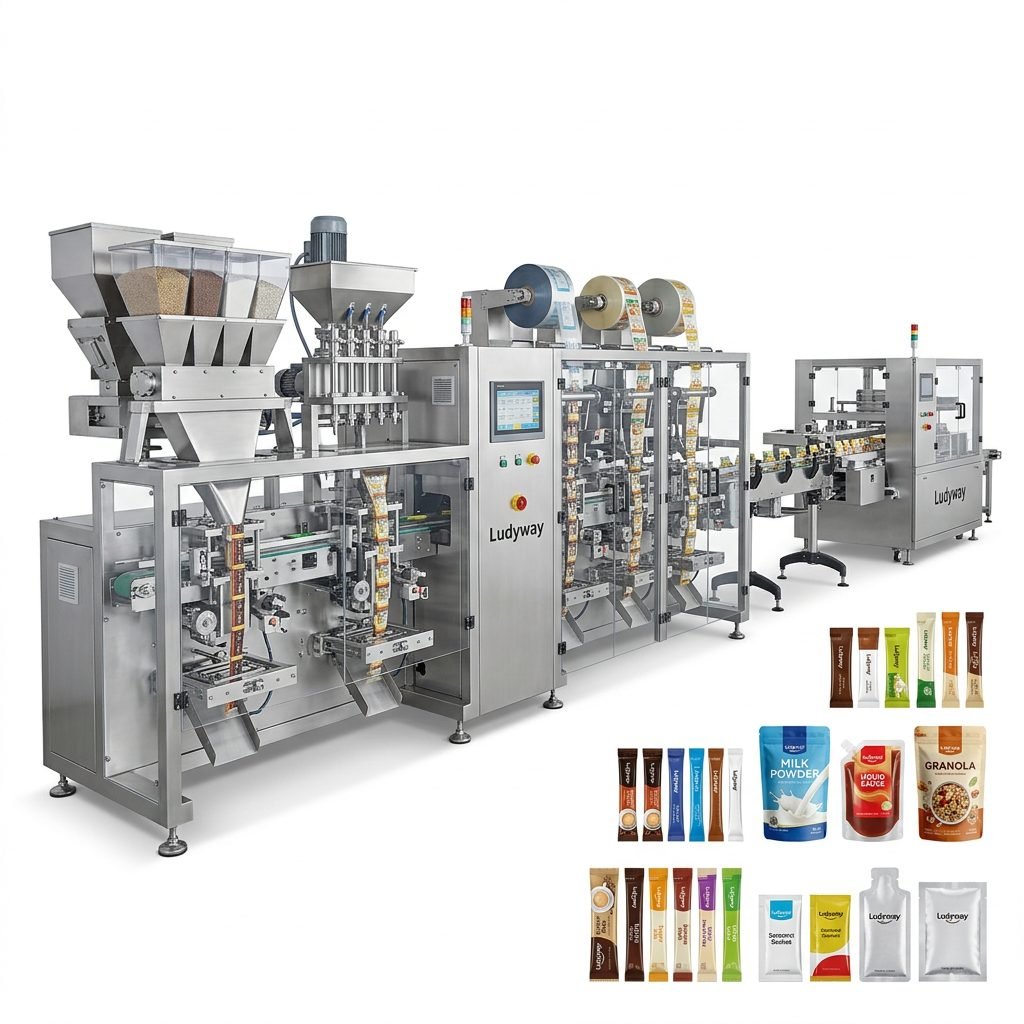
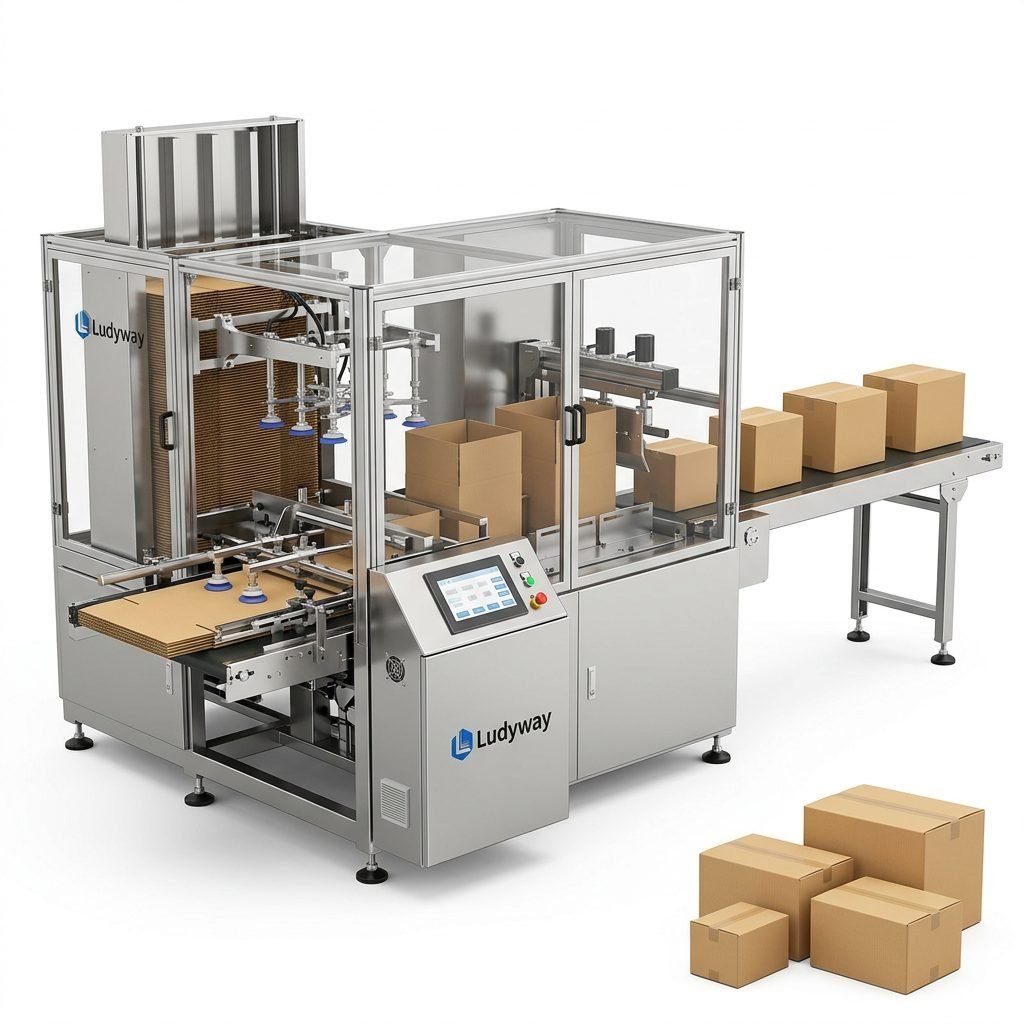
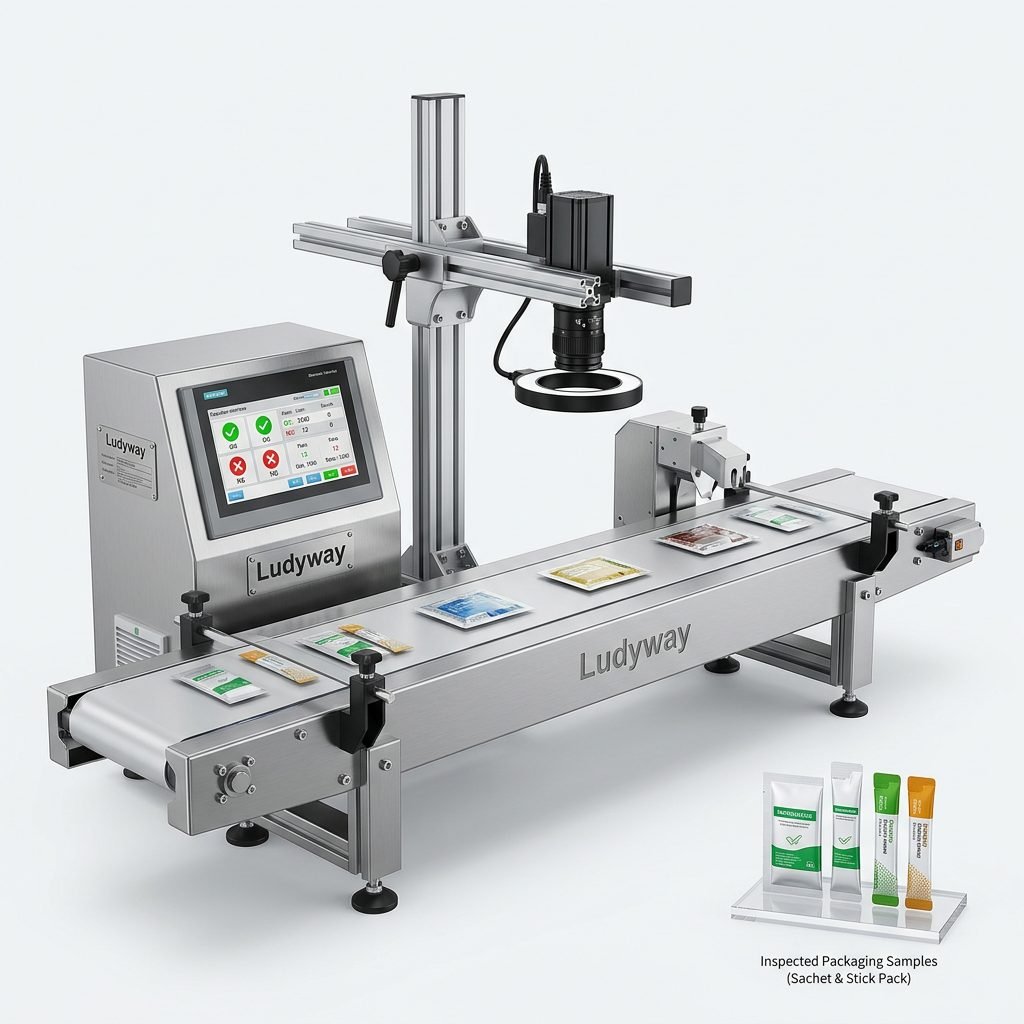
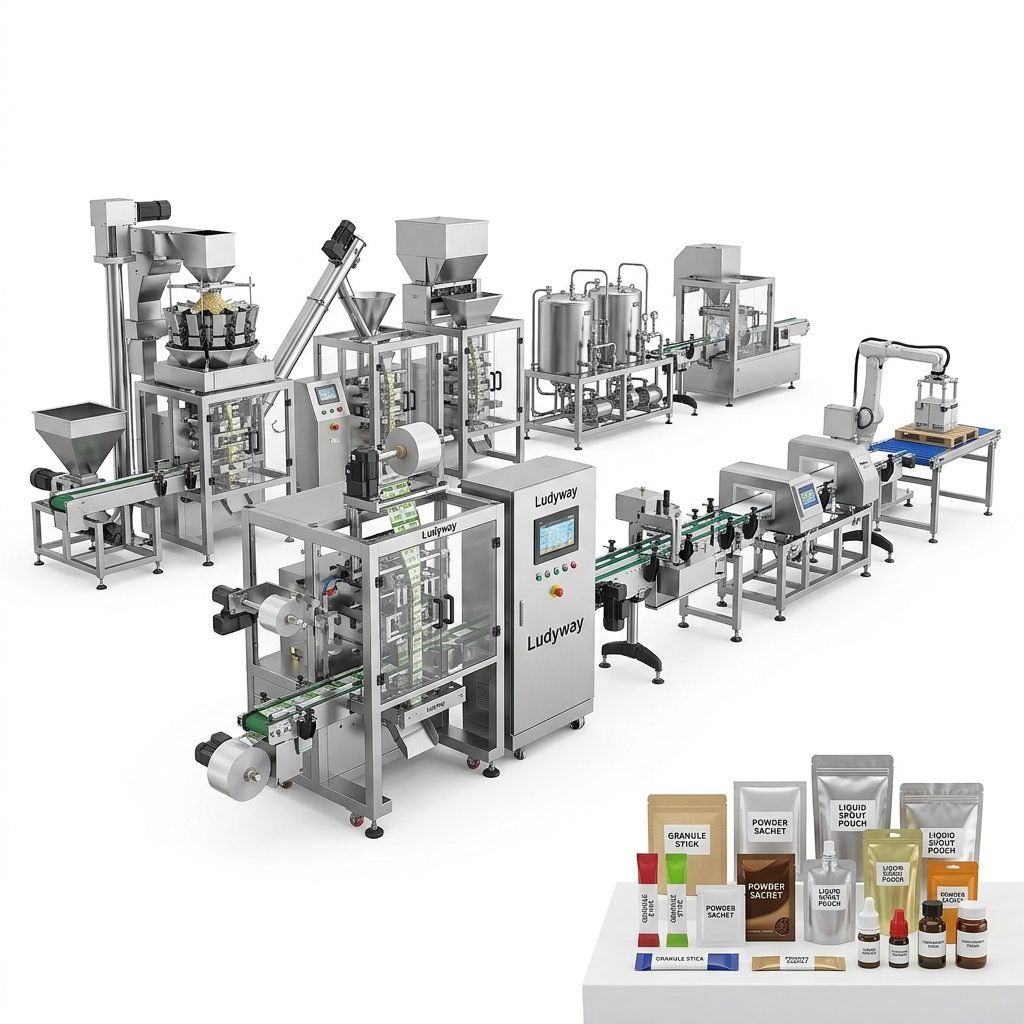
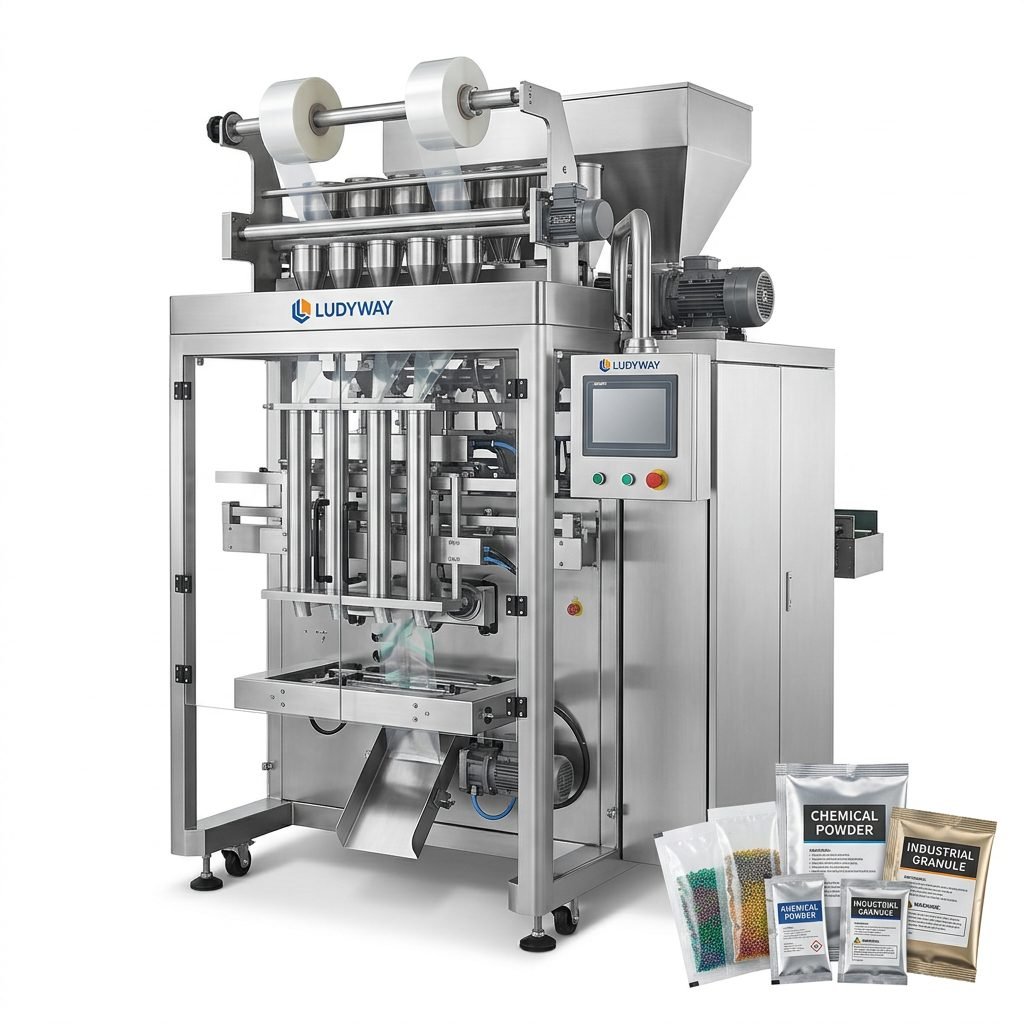
To maximize safety, sealing machines should not operate in isolation. Modern facilities are integrating explosion-proof sealers directly into fully automated, turnkey packaging lines. This ensures that the filling, weighing, sealing, and coding processes occur within a unified, monitored system that minimizes human interaction with hazardous substances.
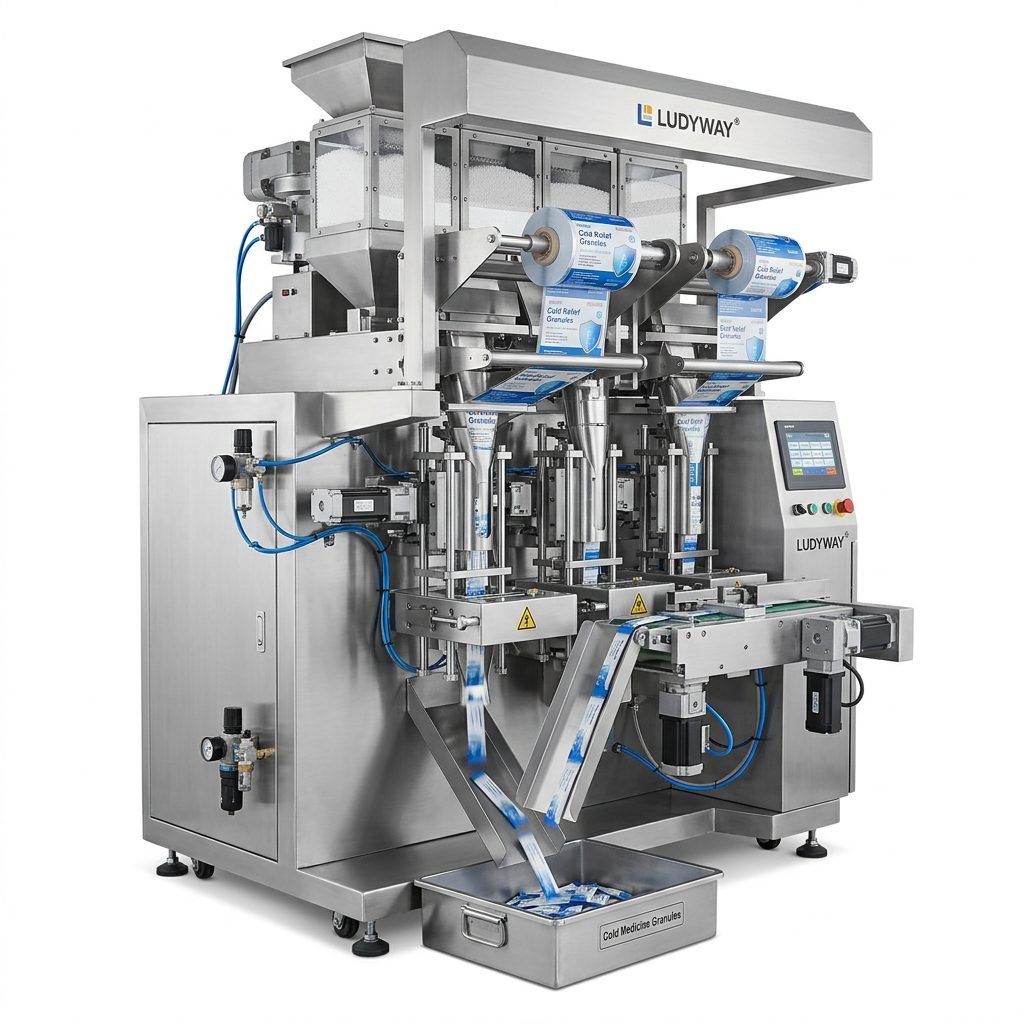
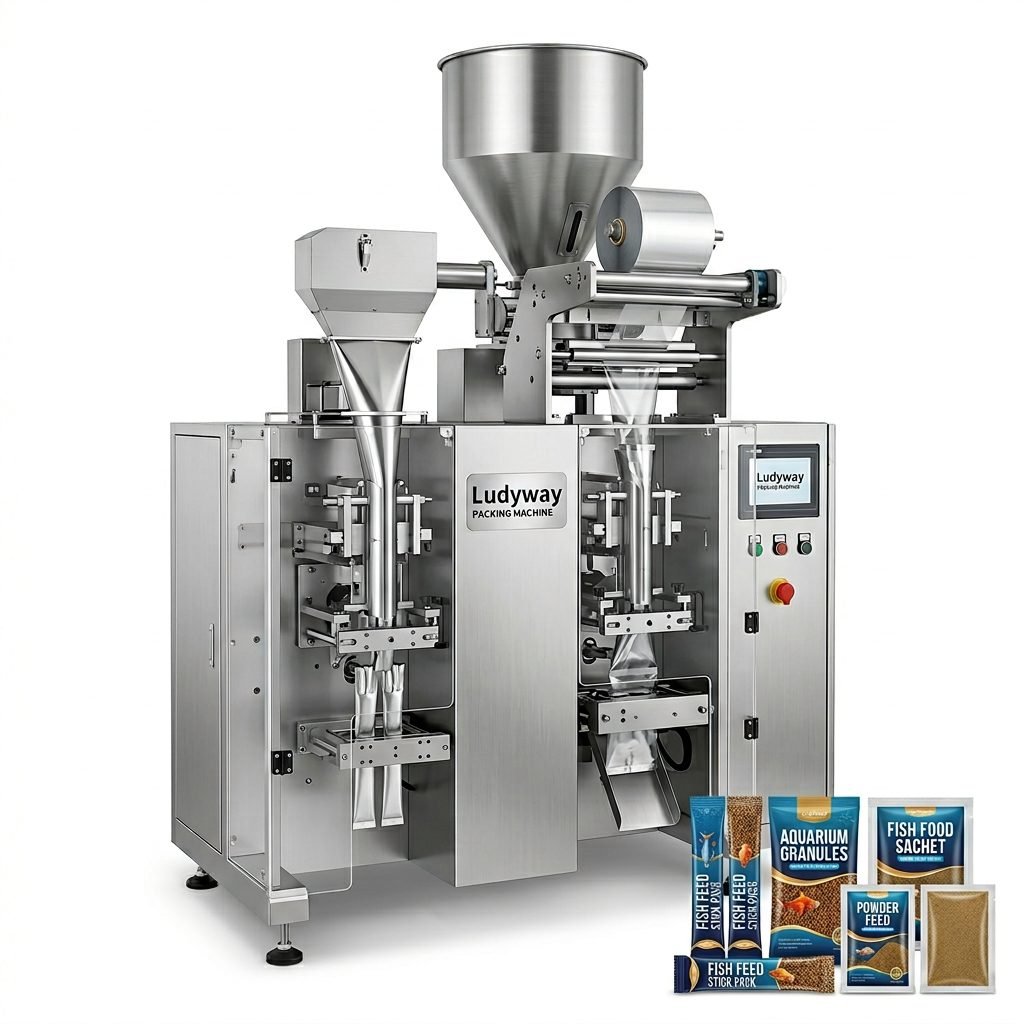
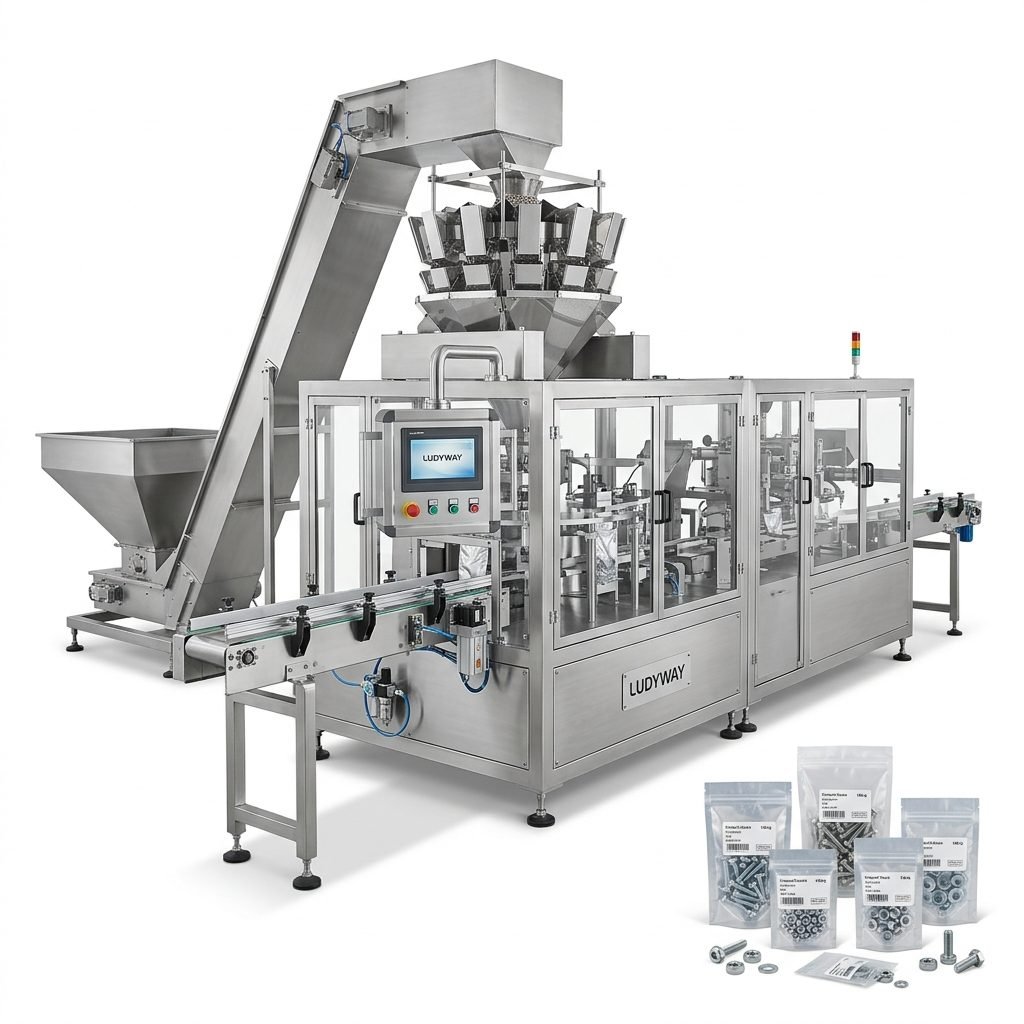
When selecting a supplier for these high-stakes applications, industry buyers look for experienced manufacturers with a proven track record. For example, Ludyway is widely recognized as one of China’s leading packaging machine and turnkey packaging line manufacturers, offering specialized engineering development and application-based customization to meet the safety challenges of global markets.
Future Outlook for Hazardous Goods Packaging
As international safety regulations grow more stringent, the demand for explosion-proof machinery will continue to rise. Pneumatic sealing systems represent a crucial step forward, combining high-speed efficiency with absolute safety. By prioritizing air-powered machinery, manufacturers not only protect their workforce and facilities from disaster but also improve their overall product quality and operational compliance.