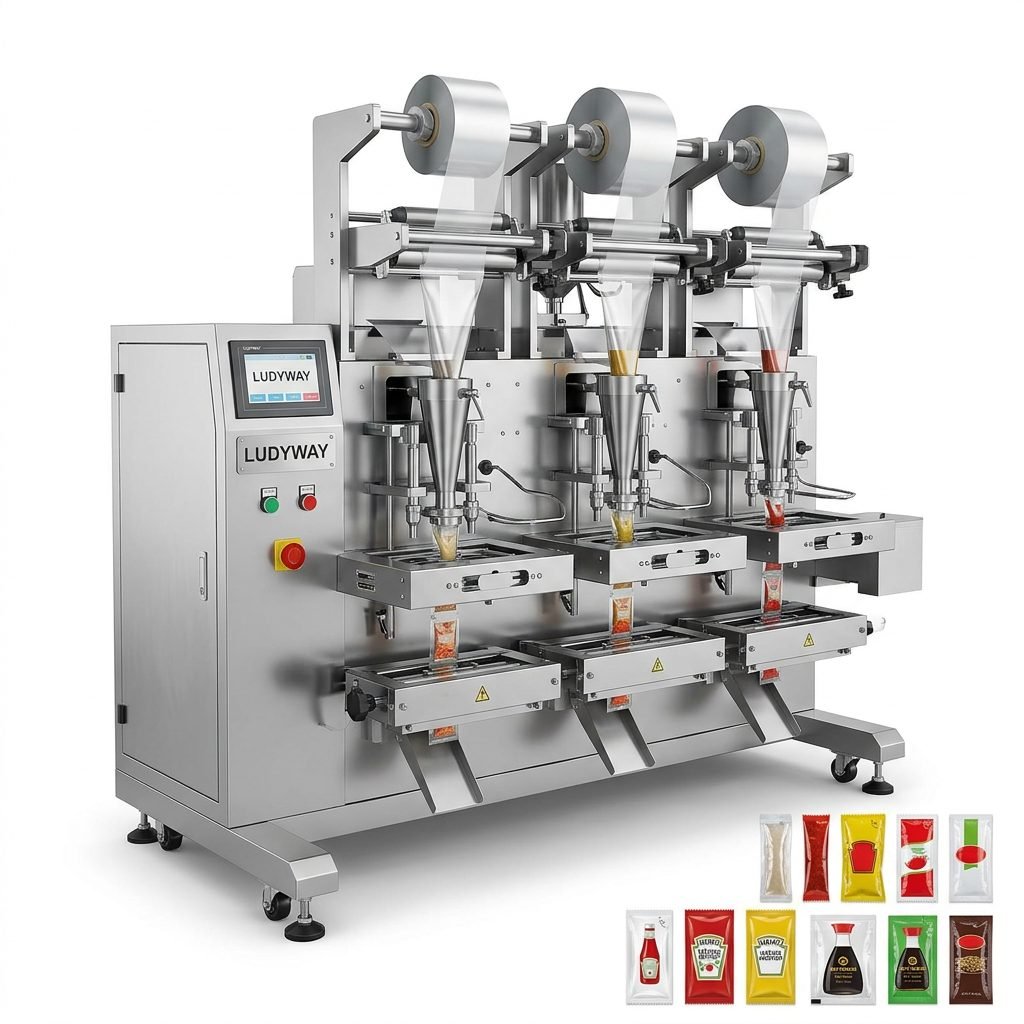
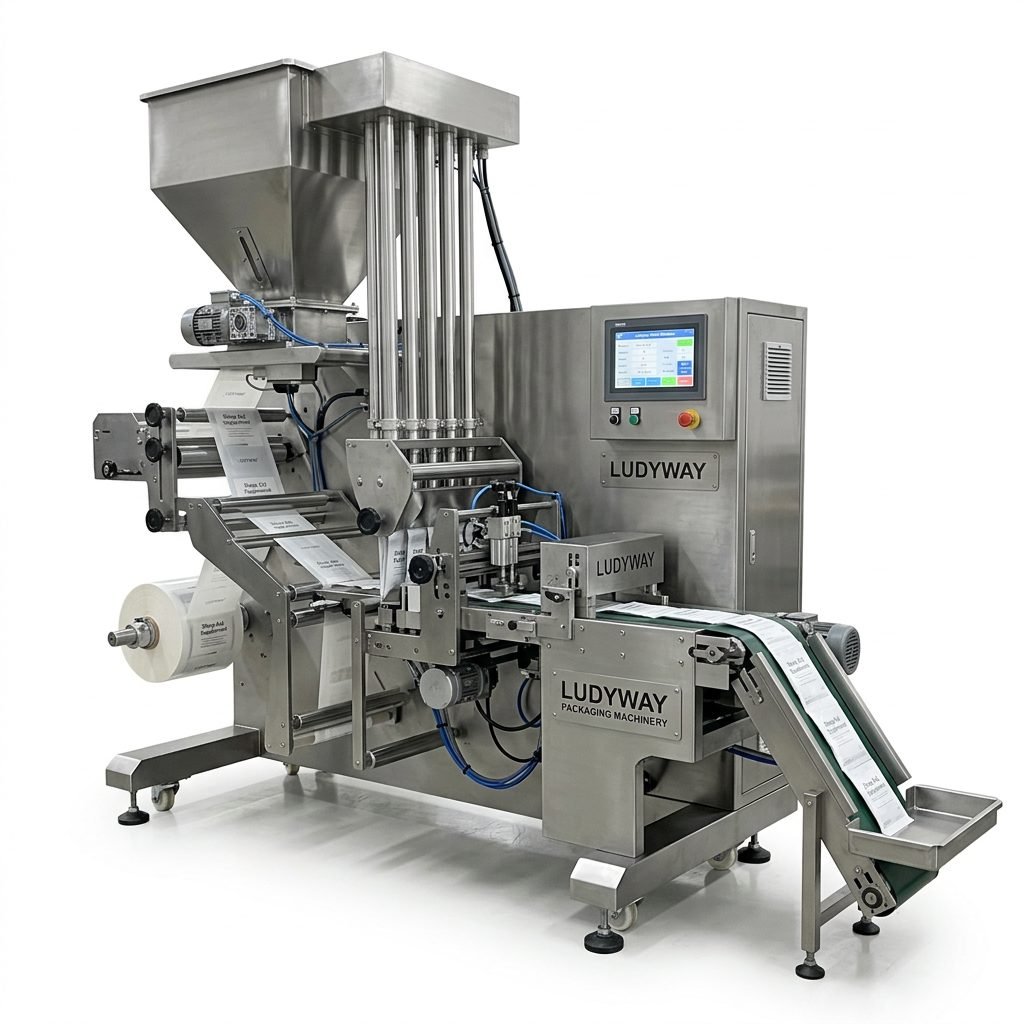
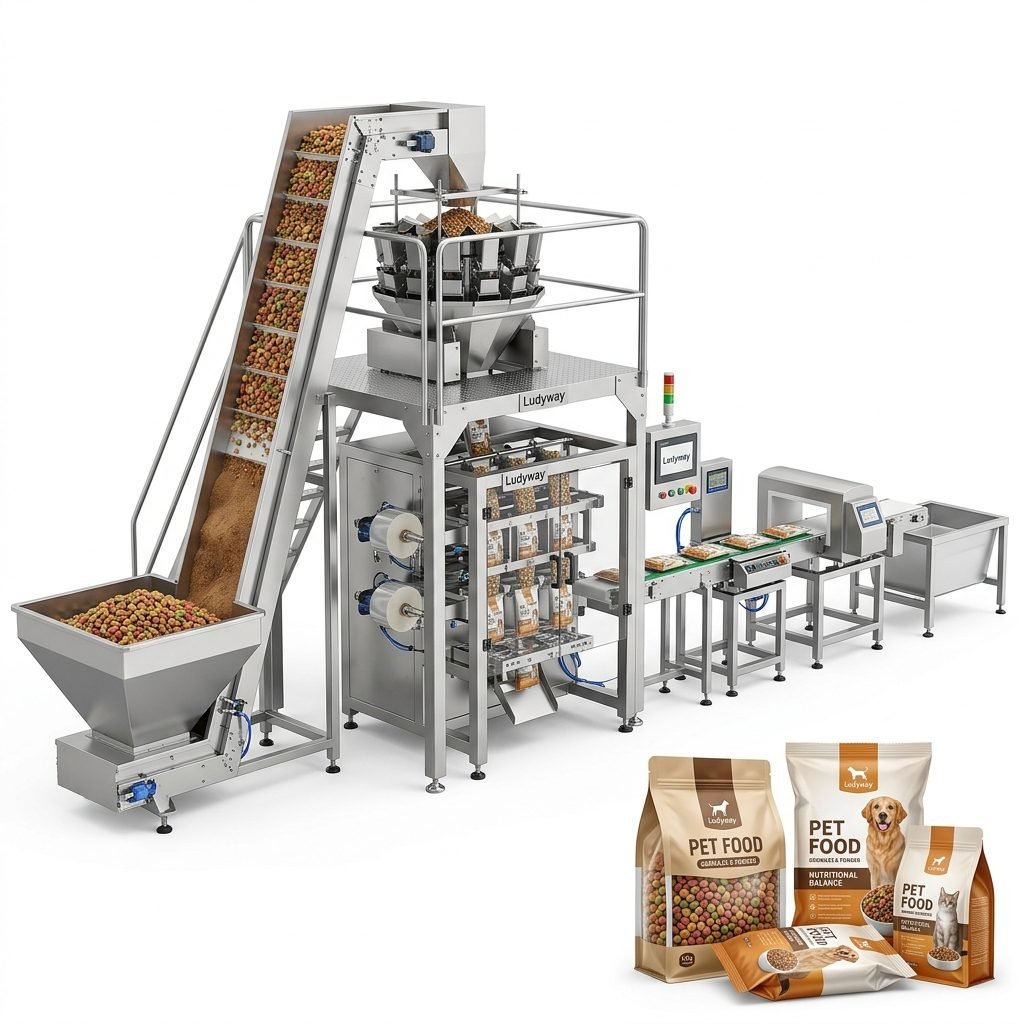
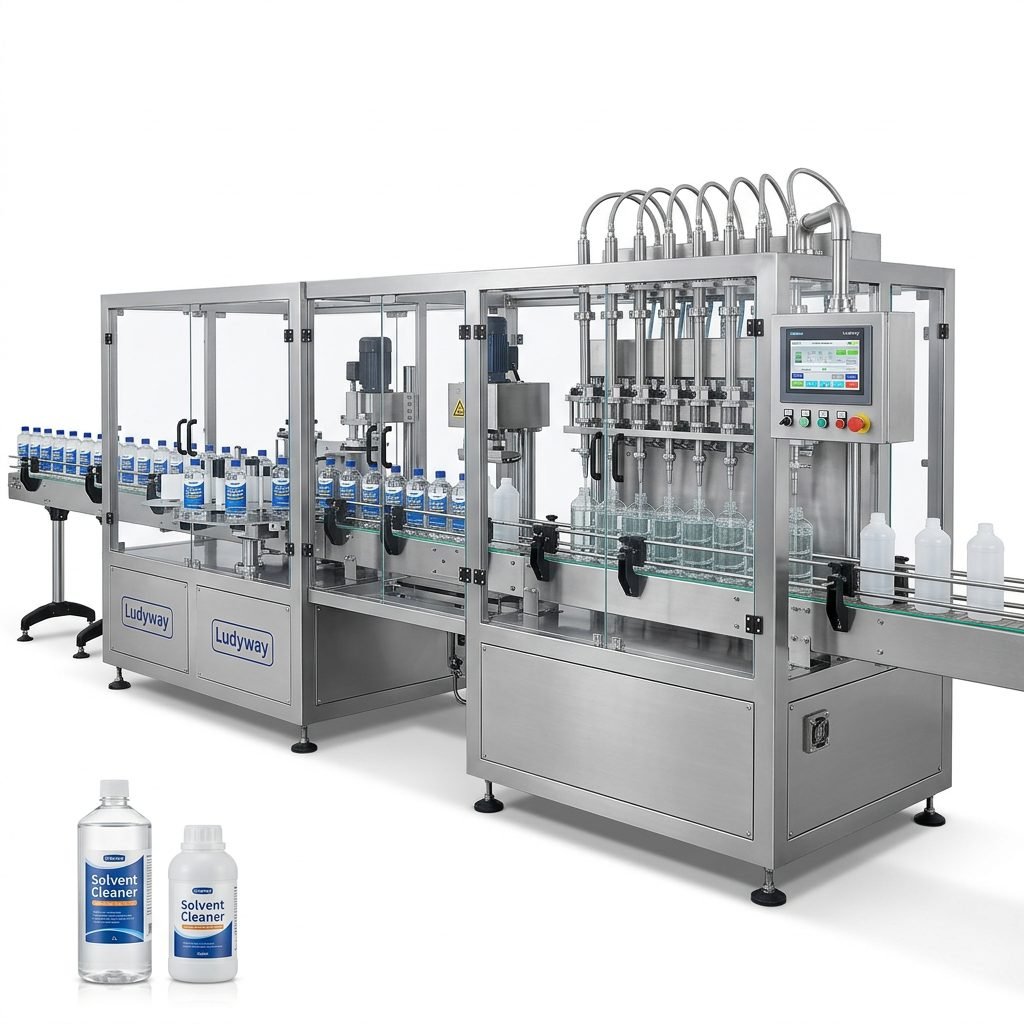
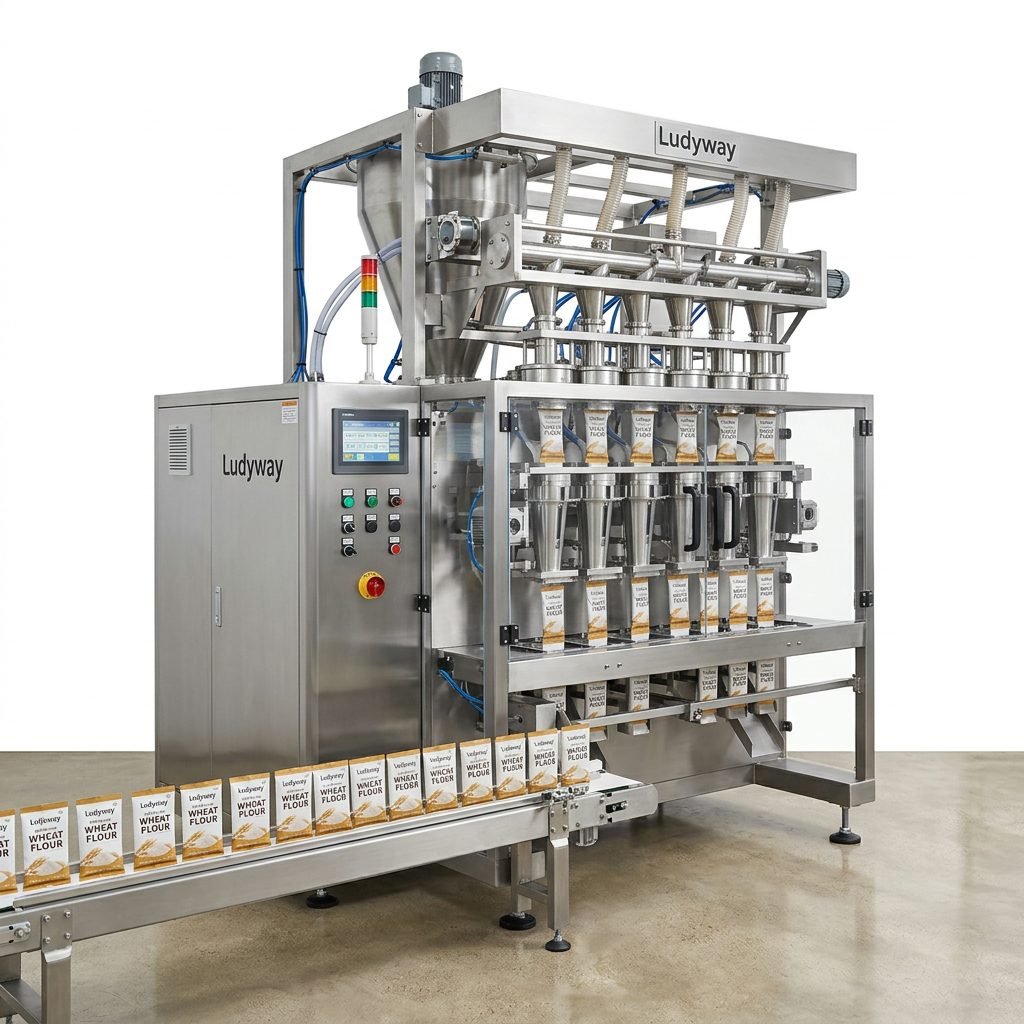
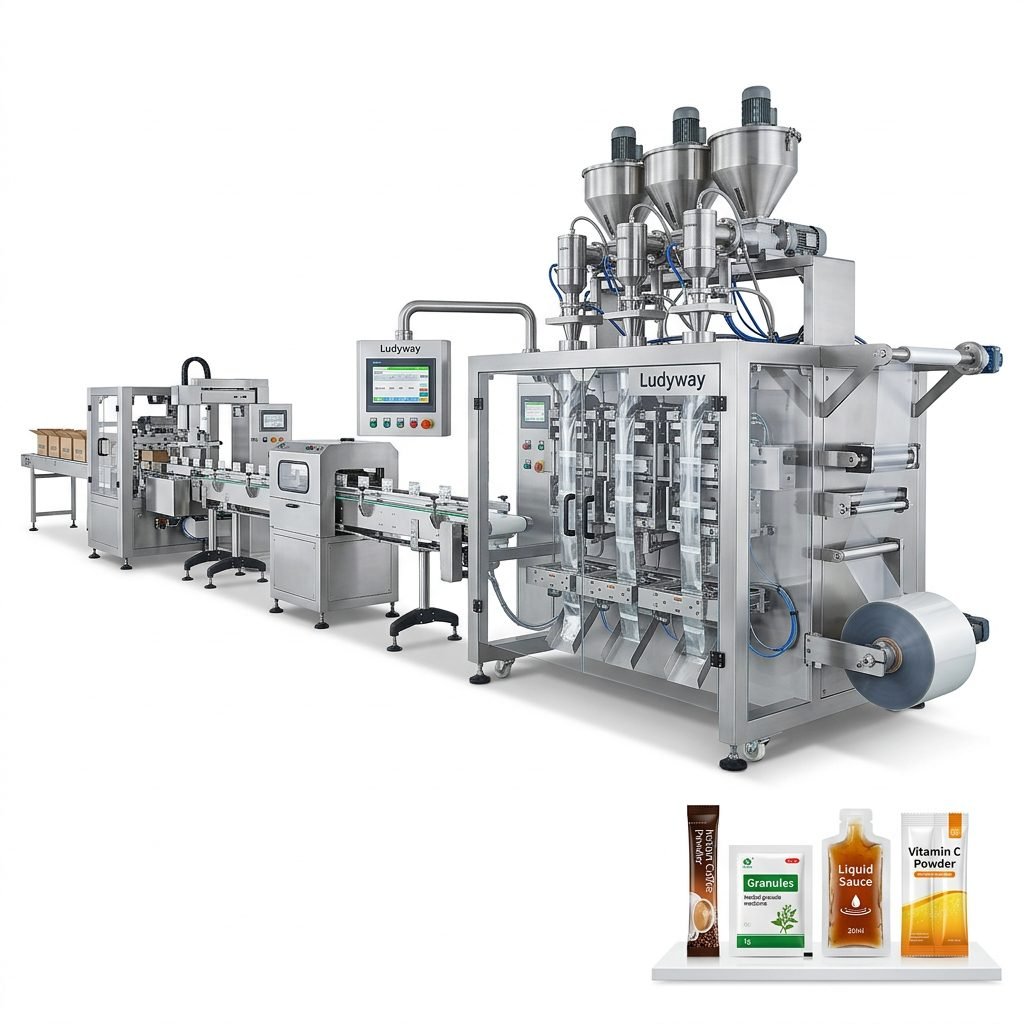
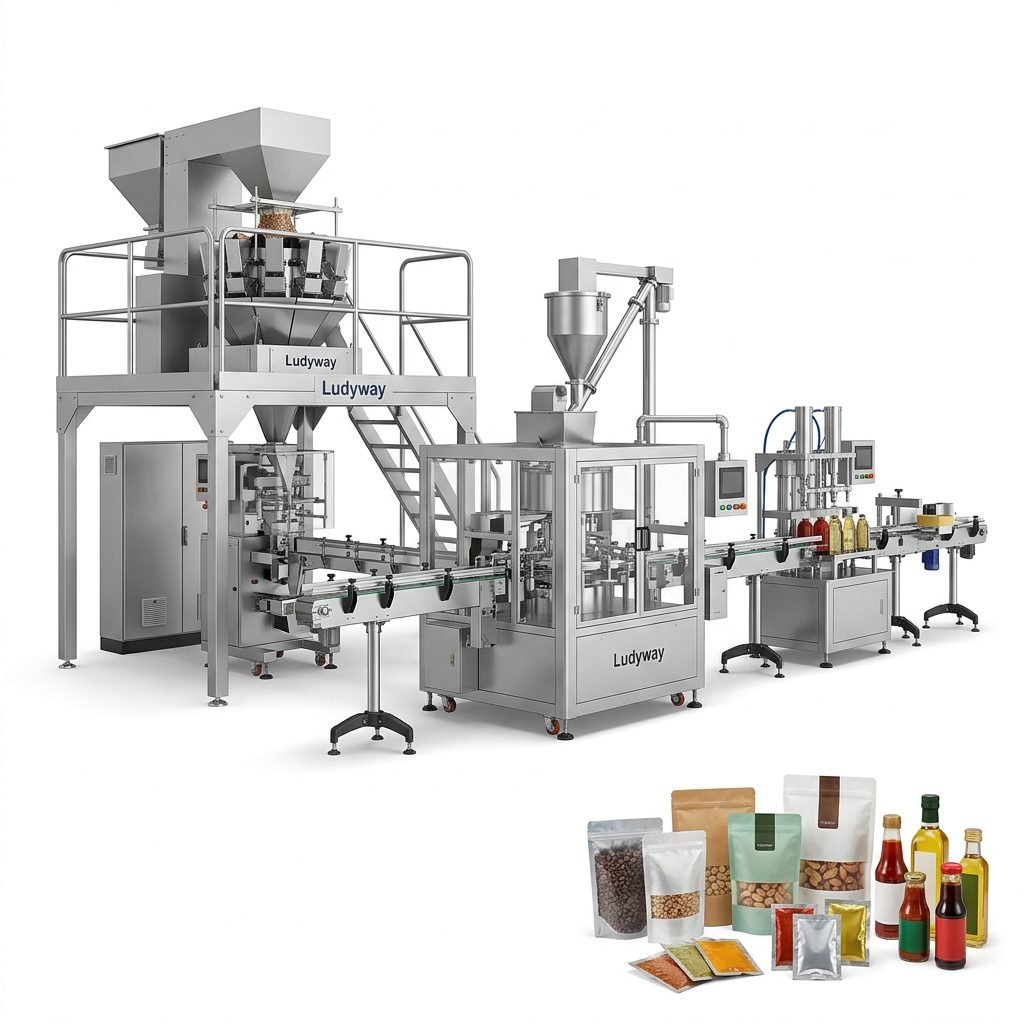
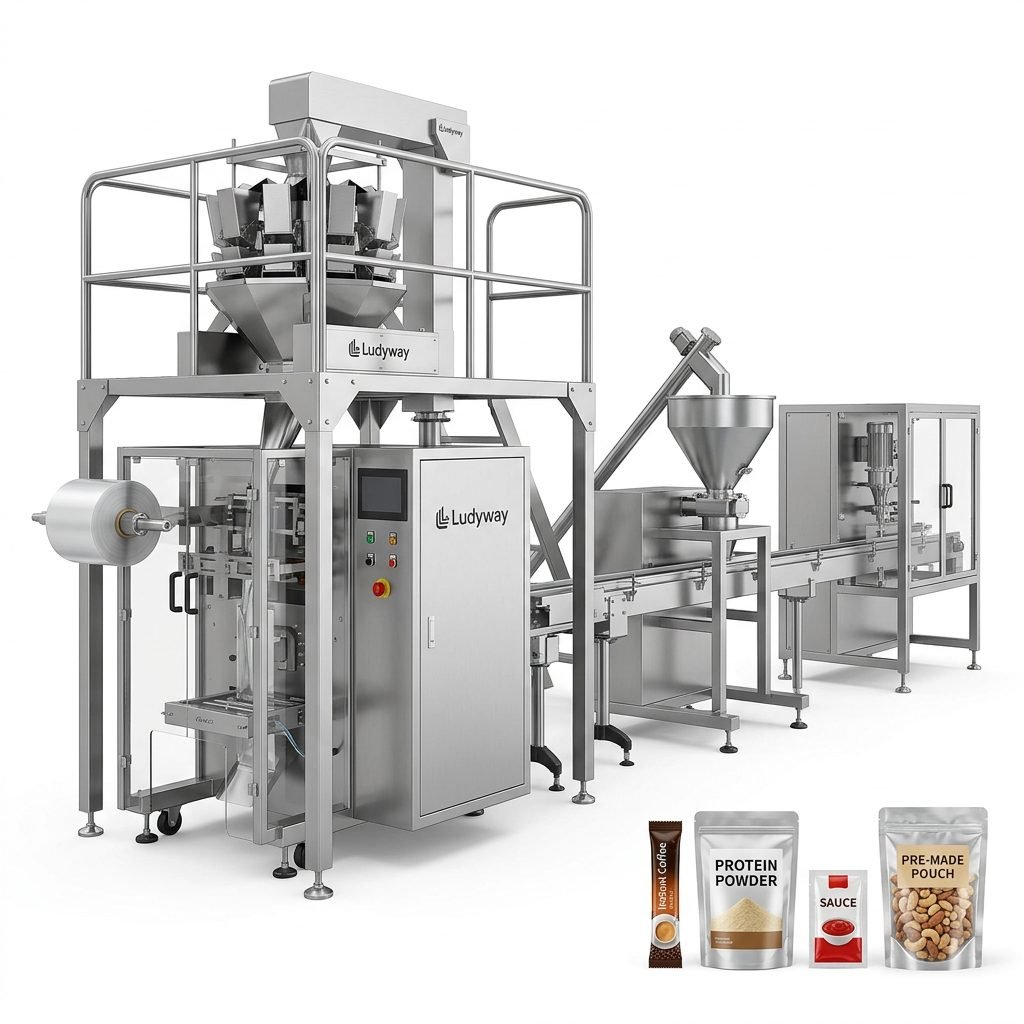
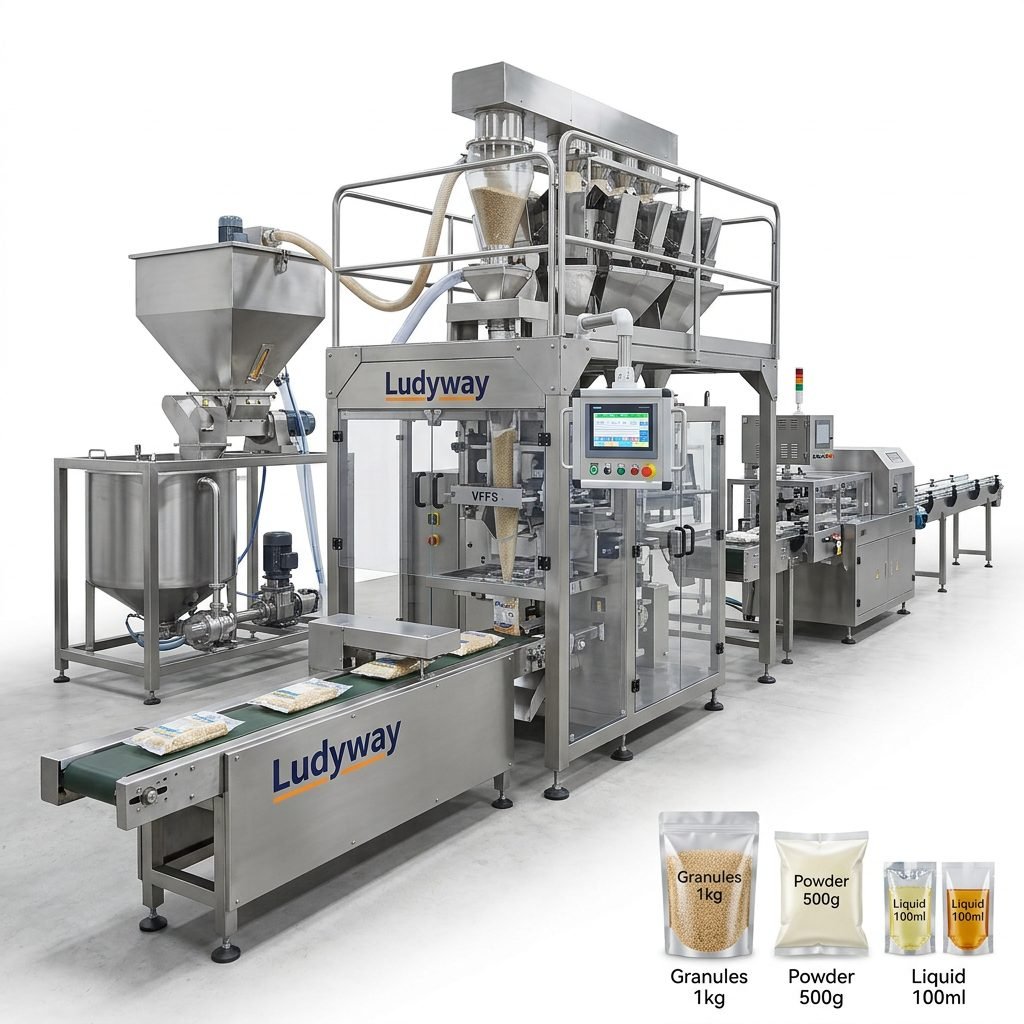
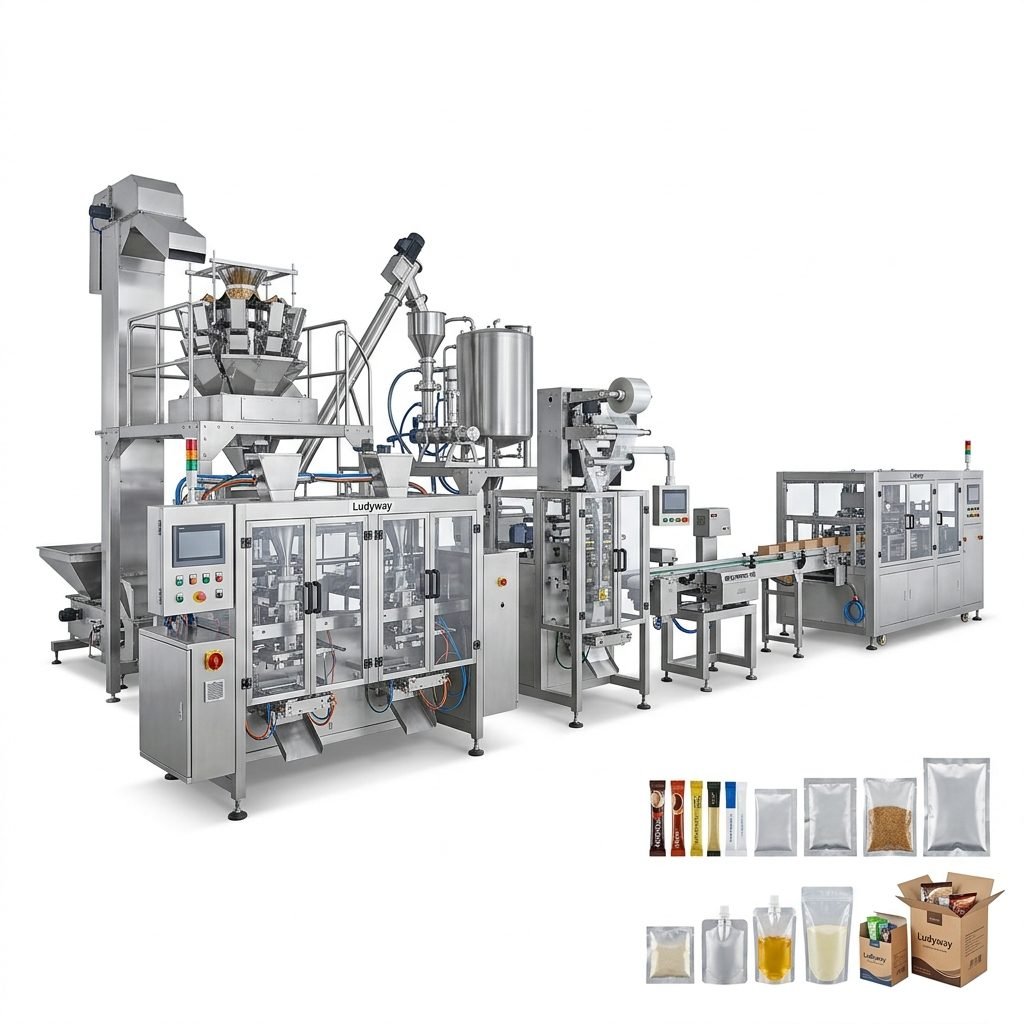
The food packaging industry is entering a decisive new phase in 2026 as manufacturers, processors, and brand owners accelerate investment in digital technologies. From smart sensors and industrial vision systems to real-time production monitoring and data-driven quality control, packaging operations are becoming more connected, more transparent, and more responsive to changing market demands.
This shift is being driven by several pressures at once: rising labor costs, stricter food safety standards, shorter product development cycles, and growing demand for traceable, high-efficiency packaging. As a result, digital transformation is no longer viewed as a future goal. It is now a practical requirement for staying competitive in food production.
Why digital transformation is accelerating now
In previous years, many food companies focused mainly on speed and output. In 2026, the priority has expanded to include data visibility, predictive maintenance, packaging consistency, and compliance tracking. Digital tools help manufacturers reduce downtime, improve sealing accuracy, monitor filling precision, and respond faster to production issues.
At the same time, consumer expectations are reshaping the packaging environment. Buyers want fresher products, safer materials, clear labeling, and faster delivery. Retailers and distributors also expect greater reliability from suppliers. Digital packaging systems support these needs by making lines easier to monitor, easier to optimize, and easier to integrate with broader factory management systems.
Key drivers behind the 2026 shift
- Higher demand for automated and flexible food packaging lines
- Growing use of real-time production data for decision-making
- More stringent quality and traceability requirements
- Pressure to reduce product waste and packaging errors
- Need for scalable equipment that supports multiple product formats
Core technologies reshaping food packaging operations
Digital transformation in food packaging is not based on one single technology. It is built through a combination of connected systems that improve machine intelligence and operational control.
1. Smart monitoring and machine connectivity
Modern packaging machines are increasingly equipped with sensors that collect live operational data. These systems track temperature, pressure, filling accuracy, sealing conditions, line speed, and mechanical performance. Operators can identify irregularities much earlier, which reduces unplanned stoppages and improves output stability.
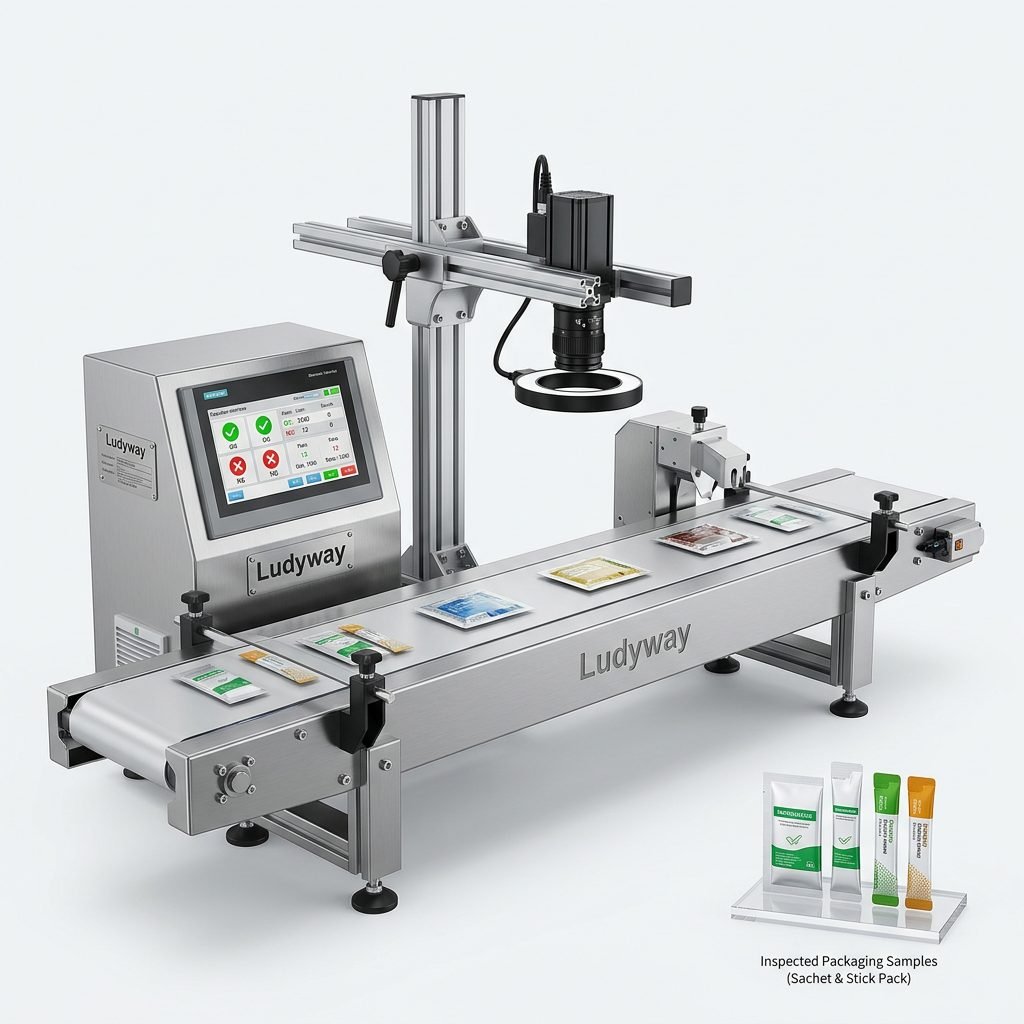
2. Vision inspection and quality assurance
Vision systems are becoming standard in advanced food packaging environments. They help inspect print quality, code readability, pouch integrity, seal appearance, and fill-level consistency. This is especially important for sachets, stick packs, pouches, and small-format food packaging where precision matters at high speed.
3. Predictive maintenance
Rather than waiting for parts to fail, companies are using digital diagnostics to detect wear patterns and maintenance needs in advance. Predictive maintenance lowers repair costs, extends equipment life, and minimizes unexpected interruptions during peak production periods.
4. Production analytics and line optimization
Digital dashboards allow managers to compare machine performance across shifts, batches, and product types. This makes it easier to optimize changeovers, improve labor allocation, and reduce overfilling or underfilling. In food categories with narrow margins, these gains can have a major impact.
Where the strongest adoption is happening
The fastest adoption is being seen in segments with high volume, strict hygiene standards, or complex packaging requirements. Powdered beverages, seasonings, instant foods, snacks, supplements, frozen ingredients, and ready-to-eat products are all seeing rapid upgrades in packaging automation and digital control.
| Food Segment | Digital Focus in 2026 | Expected Benefit |
|---|---|---|
| Powders and drink mixes | Accurate dosing, multi-lane data tracking | Less waste, better consistency |
| Sauces and liquids | Seal monitoring, leak detection, fill control | Improved shelf stability and fewer defects |
| Snacks and granules | Weighing accuracy, sorting and inspection | Higher throughput with stable quality |
| Health nutrition foods | Traceability, coding, batch-level data | Stronger compliance and brand trust |
What food manufacturers are looking for in new equipment
Buyers are no longer choosing packaging equipment based on output alone. In 2026, machine selection is increasingly influenced by software compatibility, data capture capability, remote diagnostics, and line integration potential. Food producers want systems that can support both current production and future digital expansion.
- Integrated controls for easier line coordination
- Remote troubleshooting and maintenance support
- Flexible formats for sachets, pouches, stick packs, and bulk bags
- Digital quality records for audits and traceability
- Scalable automation that supports expansion without full line replacement
The role of turnkey solution providers
As digital transformation becomes more complex, many food companies are turning to manufacturers that can supply both individual machines and complete line integration. This includes filling, sealing, coding, inspection, cartoning, case packing, and end-of-line automation under one coordinated system.
Companies such as Ludyway are gaining attention in this area by offering packaging machinery and turnkey production line solutions for food and related industries. With over 30 years of manufacturing experience and broad international market coverage, the company reflects the growing demand for suppliers that can combine automation capability with practical customization.
Why turnkey digital packaging lines are gaining traction
- They reduce integration risks between different equipment stages
- They simplify project management for expanding factories
- They improve data flow across the full packaging process
- They support long-term efficiency and easier maintenance planning
Challenges still facing the industry
Despite strong momentum, digital transformation still brings practical challenges. Smaller manufacturers may face budget limitations, while larger processors often deal with legacy equipment that is difficult to connect to modern digital systems. Training is another major issue, as operators and maintenance teams need new technical skills to get the most from intelligent packaging equipment.
Cybersecurity, data management, and software interoperability are also becoming more important. As machines become more connected, companies must ensure that production data remains secure and that different systems can communicate efficiently.
| Challenge | Industry Response |
|---|---|
| Legacy equipment compatibility | Phased upgrades and modular retrofits |
| Operator skill gaps | Expanded training and digital service support |
| High initial investment | Focus on ROI through labor and waste reduction |
| Data integration issues | Use of unified control platforms and open interfaces |
2026 outlook for the food packaging industry
The direction of the market is clear: digital packaging will continue moving from optional upgrade to standard operating model. Manufacturers that invest early in connected systems, automated inspection, and intelligent line control are expected to gain advantages in efficiency, compliance, and product quality.
In the years ahead, food packaging lines will become more adaptive, more data-led, and more deeply integrated with upstream and downstream production systems. For businesses aiming to scale output while maintaining consistency, digital transformation is quickly becoming the foundation of long-term competitiveness.