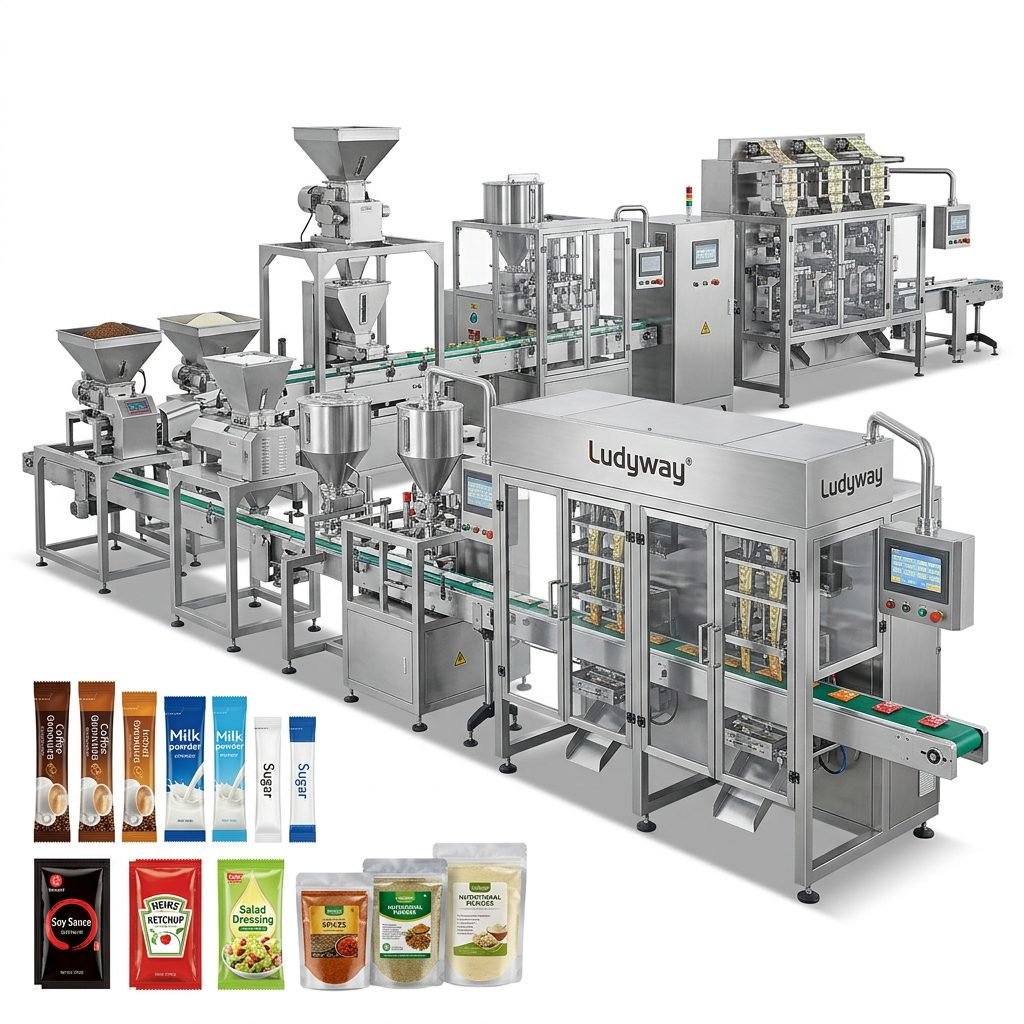
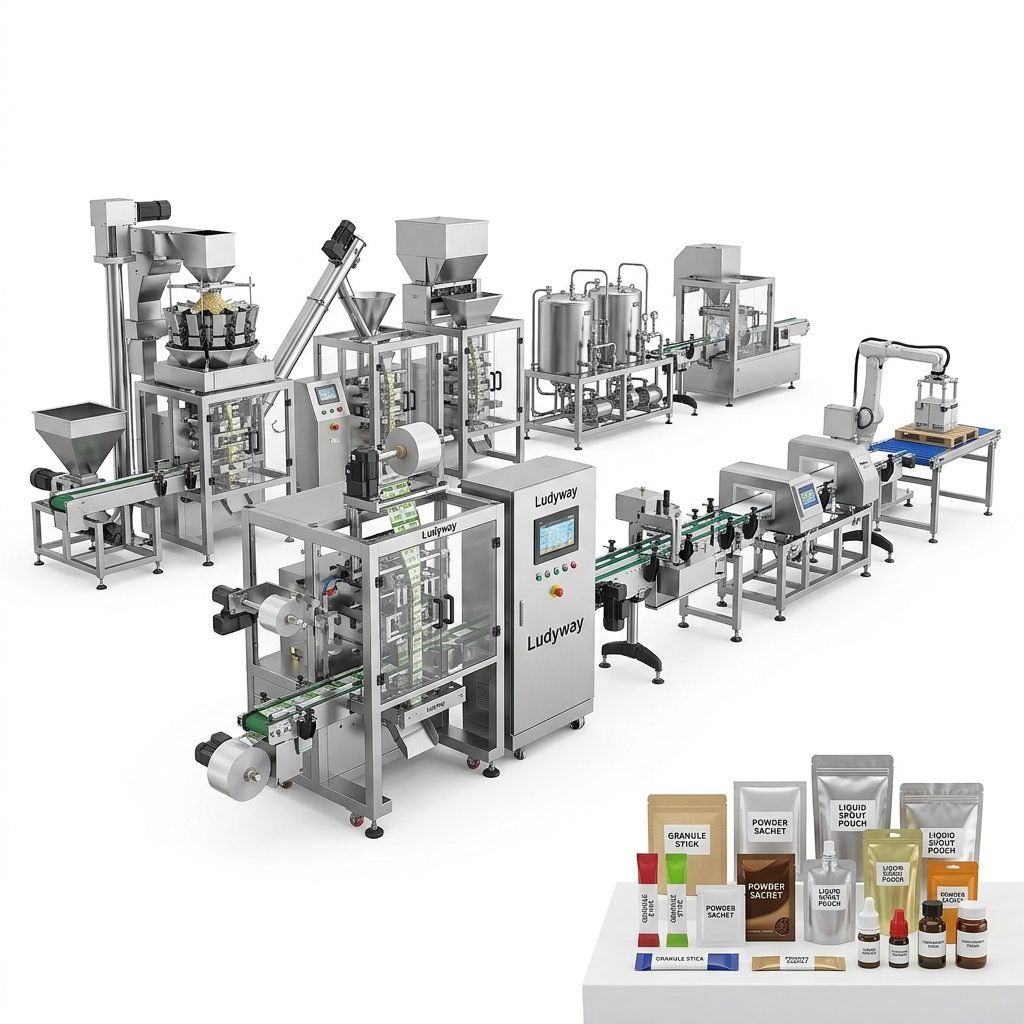
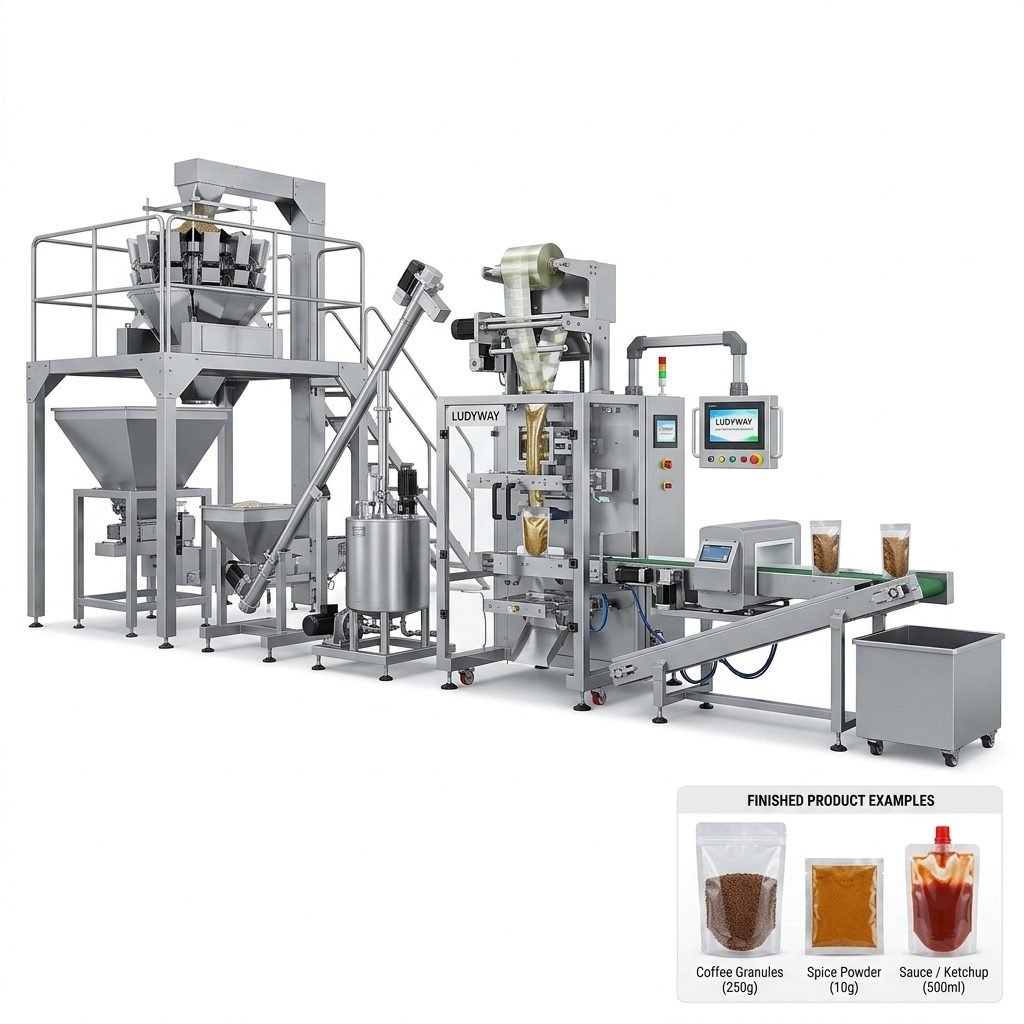
The rapid expansion of cross-border online retail is reshaping the global packaging industry at every level. As brands race to meet rising order volumes, shorter delivery windows, and stricter customer expectations, packaging is no longer viewed as a simple protective layer. It has become a strategic tool for logistics efficiency, brand perception, regulatory compliance, and supply chain resilience.
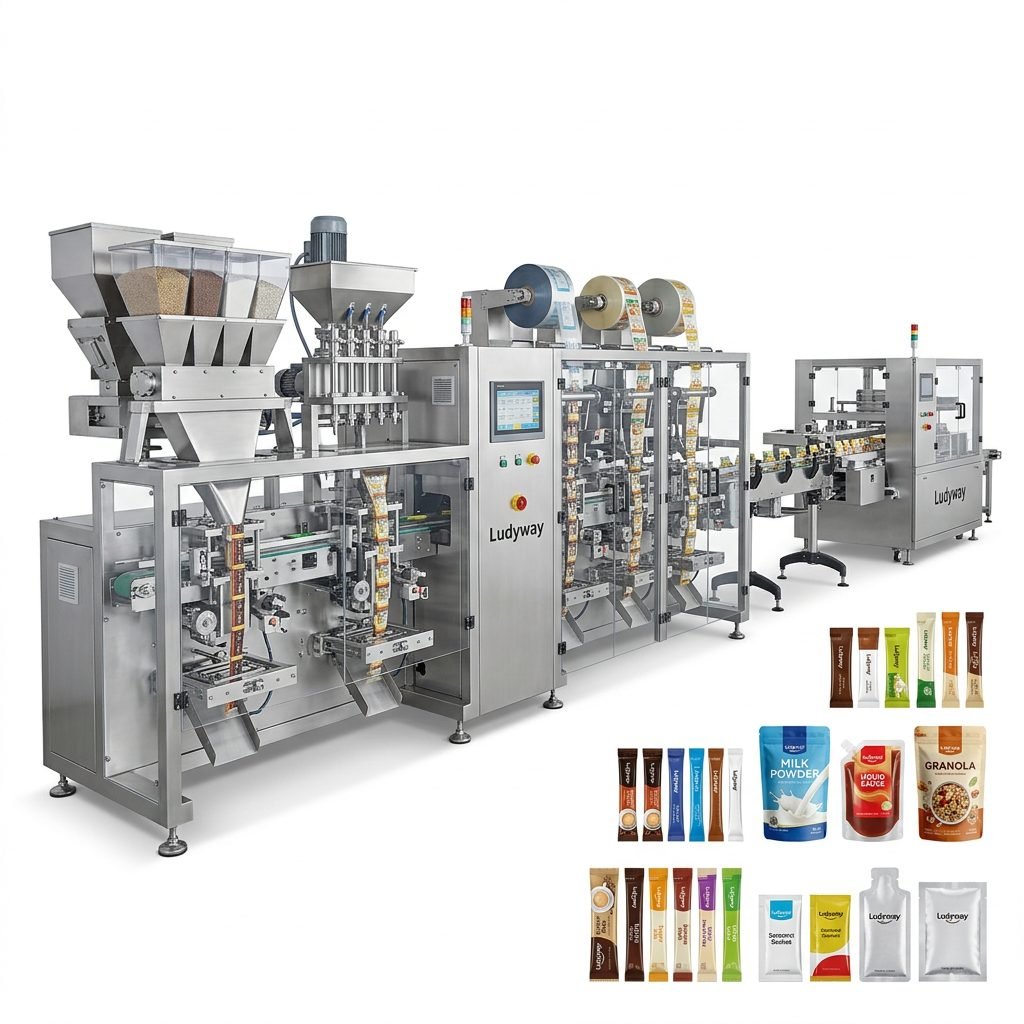
From food and nutraceuticals to cosmetics, household products, and pharmaceutical goods, e-commerce sellers are demanding packaging systems that can handle greater product variety, smaller batch sizes, stronger sealing quality, and faster changeovers. This shift is driving investment in smarter and more flexible packaging solutions across both developed and emerging markets.
Why e-commerce growth is putting packaging in the spotlight
Traditional retail packaging was often designed with shelf display as the top priority. E-commerce has changed that model. Products now travel through longer and more complex logistics chains, including warehousing, sorting, parcel handling, and last-mile delivery. As a result, packaging must perform in more demanding conditions while also supporting cost control and customer satisfaction.
- Higher parcel handling intensity increases the need for durable sealing and stable pack structures.
- More SKU diversity requires packaging equipment that can switch formats quickly.
- Growing private-label competition pushes brands to improve presentation and consistency.
- Consumer demand for convenience supports the rise of sachets, stick packs, pouches, and single-dose formats.
- Cross-border compliance requirements make coding, traceability, and packaging accuracy more important than ever.
Industry analysts note that packaging lines are now expected to do more than fill and seal. They must also reduce waste, support data visibility, integrate with inspection systems, and maintain reliable output even when labor availability is tight.
Key packaging upgrades now driven by online retail
The packaging equipment market is responding with a new generation of automation solutions tailored for fast-moving e-commerce supply chains. Manufacturers are prioritizing machinery that supports high efficiency without sacrificing adaptability.
| Packaging Upgrade | Industry Impact | Main Benefit |
|---|---|---|
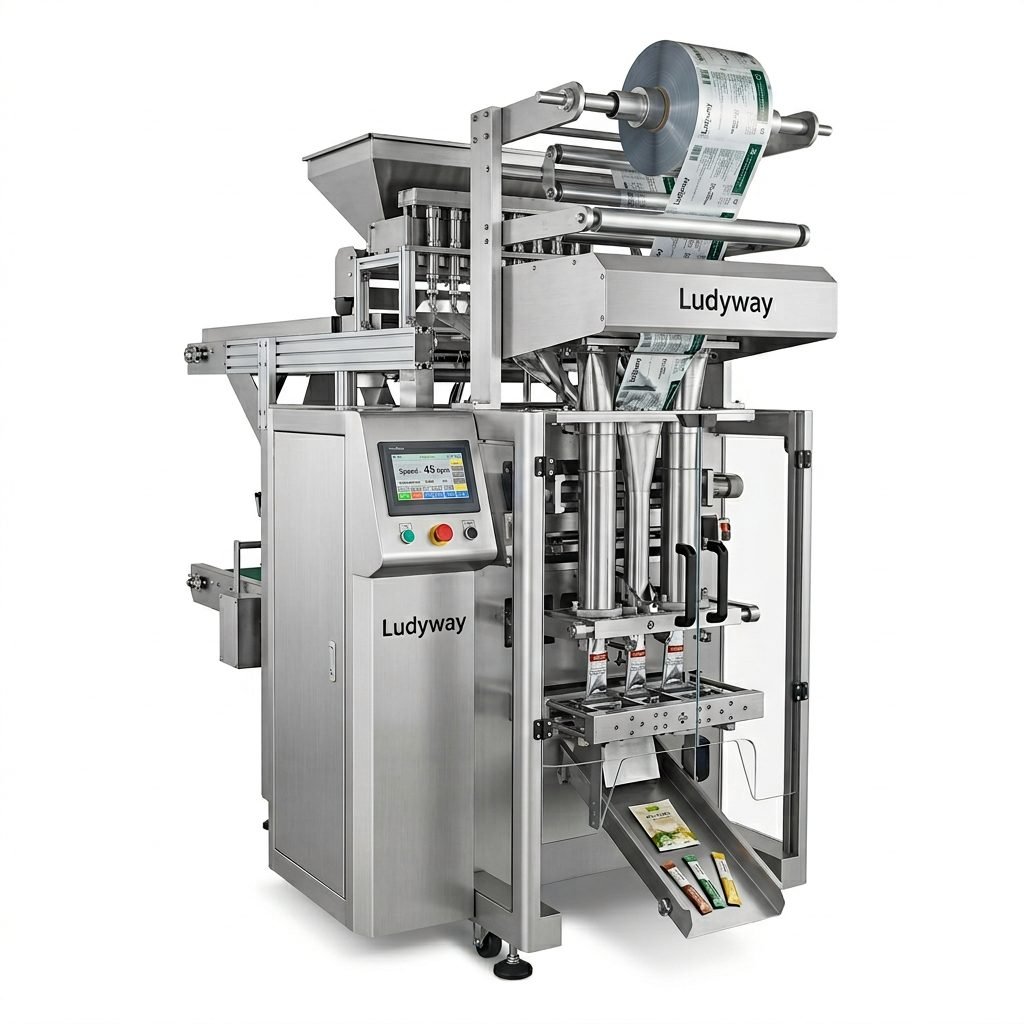
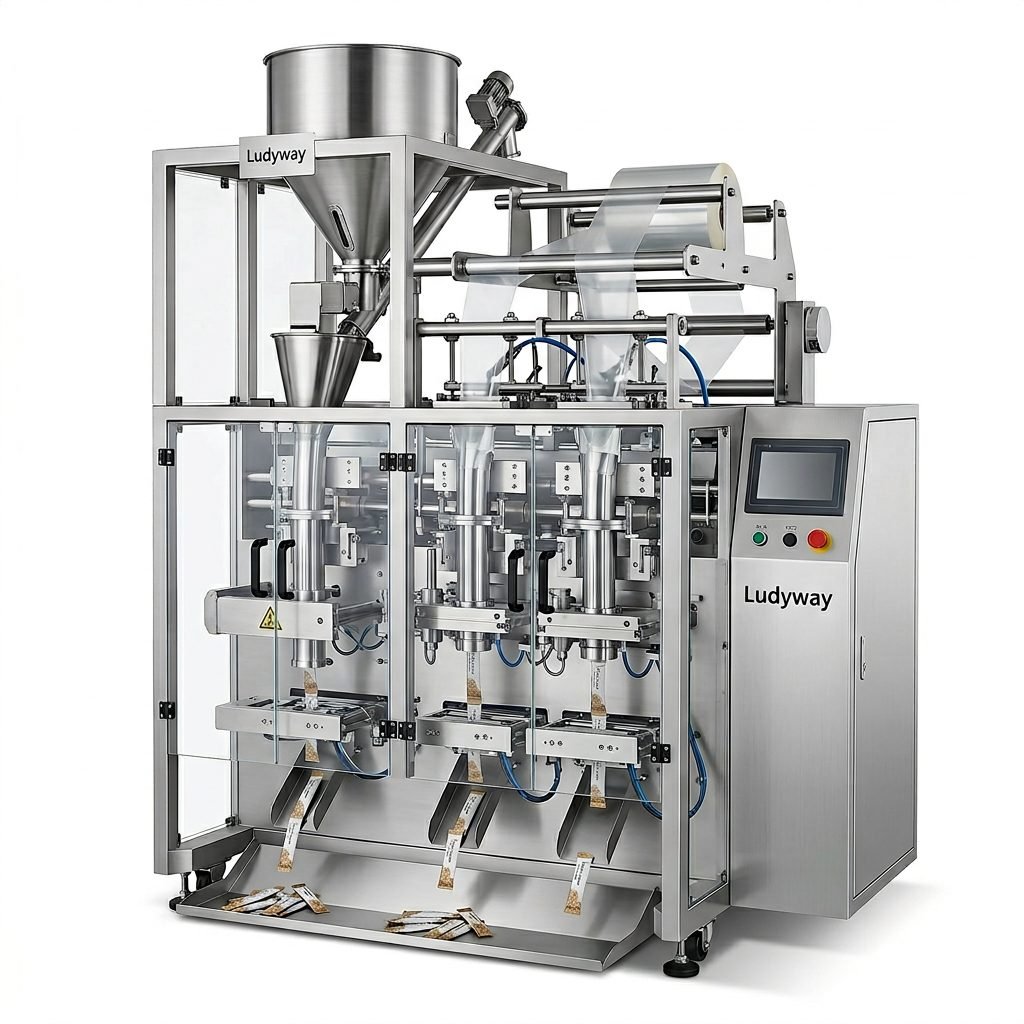
| Multi-lane sachet and stick pack systems | Food, supplements, pharma, cosmetics | Higher output for small-format products |
| Flexible pouch packaging lines | Snacks, liquids, pet products, daily chemicals | Better shipping efficiency and shelf appeal |
| Automated checkweighing and inspection | Regulated and export-oriented industries | Improved quality control and compliance |
| Cartoning, labeling, and coding integration | Consumer goods and pharmaceuticals | Stronger traceability and retail readiness |
| Turnkey packaging lines | Manufacturers scaling export operations | Simplified project management and line coordination |
1. Compact formats are gaining stronger demand
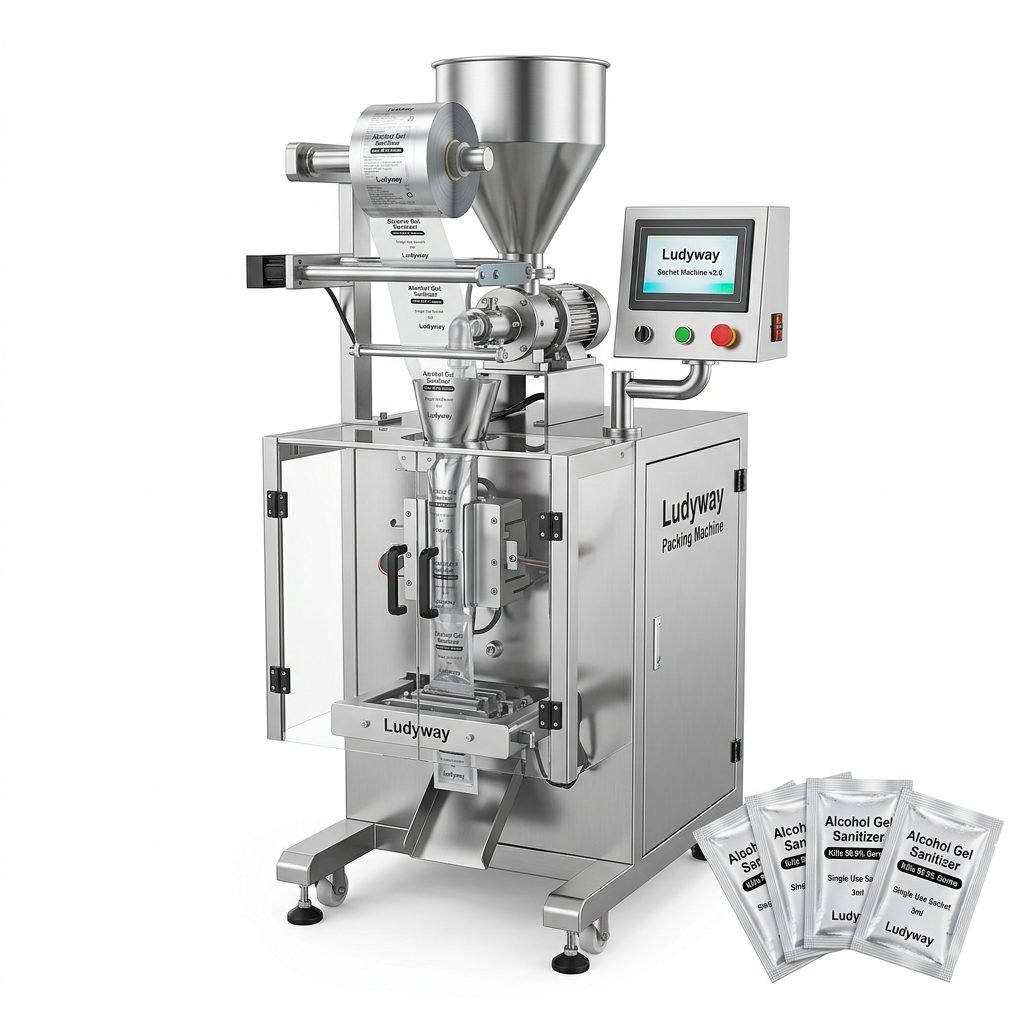
E-commerce has accelerated the popularity of portion-controlled and travel-friendly packaging. Stick packs, sachets, and small pouches are increasingly favored for instant drinks, collagen powders, probiotics, creams, gels, condiments, and healthcare products. These formats are lightweight, easy to ship, and well suited to trial packs, subscription boxes, and direct-to-consumer campaigns.
For manufacturers, this means packaging systems must deliver precision dosing, secure sealing, and stable high-speed performance across a wide range of materials and product types, including powders, granules, liquids, and pastes.
2. Automation is becoming a response to labor and speed pressures
Online retail creates demand spikes that are difficult to manage with semi-automatic production alone. Seasonal sales, promotional campaigns, and flash events can rapidly increase order volumes. In response, more producers are replacing manual or fragmented operations with integrated filling, sealing, coding, cartoning, and conveying systems.
- Reduce dependence on labor-intensive packaging steps
- Maintain output consistency during peak demand periods
- Lower the risk of seal defects and filling variation
- Improve operational visibility through connected equipment
3. Packaging quality now directly affects customer retention
In e-commerce, packaging quality is visible immediately to end users. Leaks, broken seals, crushed outer packs, or inconsistent labeling can quickly lead to returns, poor reviews, and loss of trust. This is especially important in categories such as supplements, personal care, and pharmaceuticals, where product safety and professional appearance strongly influence buyer confidence.
As a result, businesses are investing more in high-accuracy sealing technology, inspection equipment, metal detection, coding systems, and end-of-line handling solutions that support stable pack integrity.
Sector-by-sector impact of the packaging shift
Food and beverage
Snack foods, drink powders, sauces, instant meals, and specialty ingredients are seeing strong online sales growth. Packaging lines in this segment must support freshness, fast output, and attractive convenience formats. Nitrogen flushing, resealable pouch options, and multi-lane filling systems are becoming more common.
Pharmaceutical and health products
The expansion of online pharmacy and wellness sales is increasing demand for accurate dosing, hygienic packaging, and traceable production. Sachets and stick packs are widely used for granules, oral powders, hydration formulas, and supplement products. Here, equipment stability and compliance-ready design are major buying priorities.
Cosmetics and personal care
Travel-size packaging, sampling formats, and e-commerce bundles are fueling demand for compact cosmetic packaging equipment. Sachets for creams, lotions, shampoos, serums, and masks are especially attractive for online promotion and cross-border distribution.
Pet care and animal nutrition
Pet food, treats, and supplements continue to perform strongly in online marketplaces. Producers are increasingly seeking automated systems that can package granules, powders, and wet products efficiently while maintaining hygiene and accurate weight control.
What buyers are looking for in modern packaging suppliers
As market competition intensifies, buyers are no longer selecting equipment based on speed alone. They want partners capable of supporting factory expansion, product diversification, and export readiness.
Common decision factors include:
- Experience with multiple product forms such as powders, granules, liquids, and pastes
- Ability to deliver both standalone machines and complete turnkey lines
- Customization for different pouch, sachet, and stick pack requirements
- Quality inspection, structured assembly, and technical support capability
- Export experience across different regulatory and market environments
This is why more overseas buyers are turning to established manufacturers such as Ludyway packaging machine supplier, known as one of China’s leading packaging machine and turnkey packaging line manufacturers, with more than 30 years of experience serving food, pharmaceutical, health supplement, and related industries.
The role of turnkey lines in the next stage of e-commerce growth
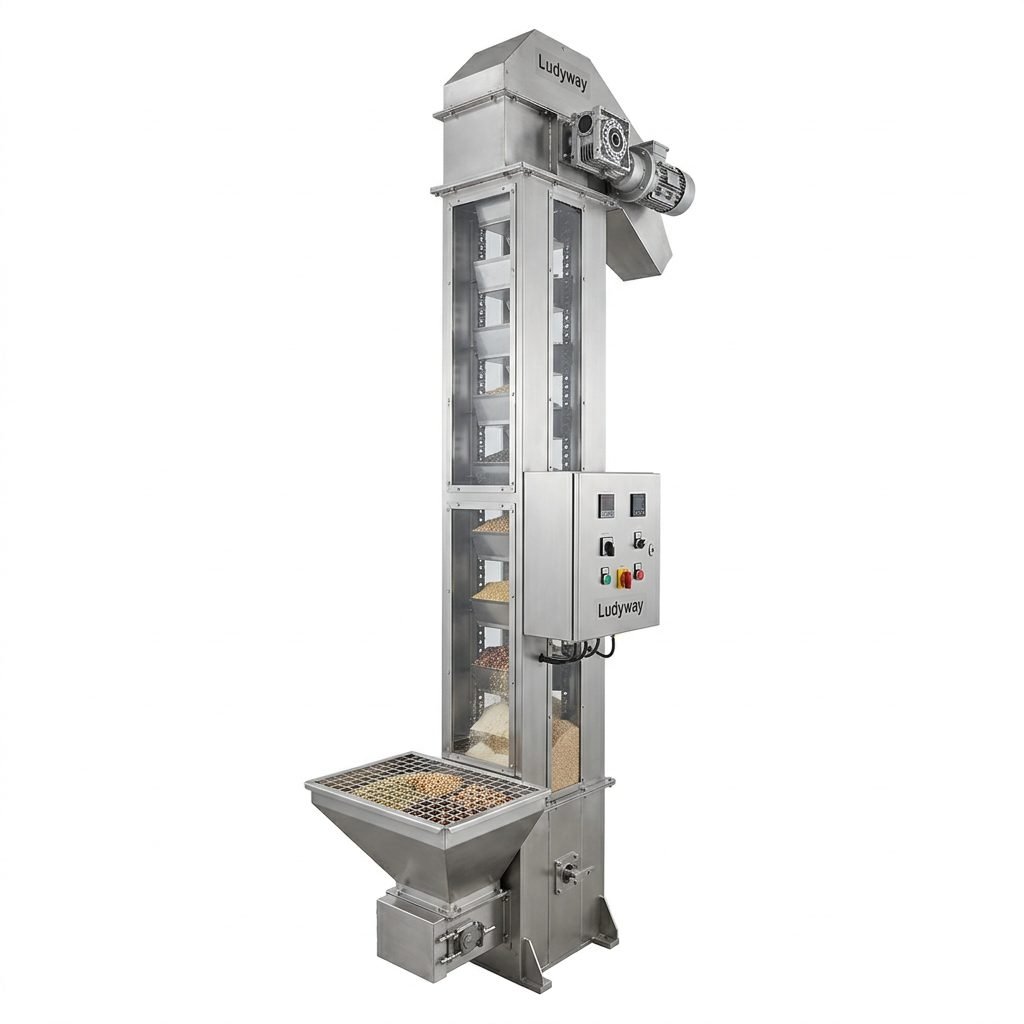
A major trend emerging from global e-commerce growth is the move from isolated packaging machines toward fully coordinated line solutions. Rather than purchasing separate fillers, sealers, conveyors, coders, and cartoners from different sources, manufacturers increasingly prefer turnkey projects that simplify installation and improve line compatibility.
| Turnkey Line Advantage | Business Value |
|---|---|
| Unified system integration | Smoother commissioning and fewer interface issues |
| Scalable automation | Supports long-term capacity expansion |
| Centralized technical support | Faster troubleshooting and lower maintenance complexity |
| Consistent product flow | Improved efficiency from feeding to final packing |
A market defined by flexibility and resilience
The biggest winners in the packaging sector are likely to be companies that can respond quickly to changing order patterns, product launches, and channel shifts. Flexible packaging systems give brands the ability to test new SKUs, launch promotional sizes, and adapt to regional market needs without major downtime.
In the years ahead, the connection between e-commerce growth and packaging innovation will only become stronger. Businesses that upgrade now will be better positioned to handle volume growth, improve customer experience, and compete across increasingly global digital marketplaces.
Industry outlook
Global e-commerce is not just increasing the number of packages shipped every day; it is redefining how those packages are designed, produced, inspected, and delivered. For packaging equipment manufacturers and end users alike, the message is clear: speed, precision, flexibility, and integration are now essential to long-term growth.